Skip to content

Recipes with kolang-kaling

3 recipes that use kolang-kaling, with photos, step-by-step instructions and cook times. The quickest, Manisan kolang-kaling, takes 60 minutes. It is most often cooked with pandan leaves, ginger and lemongrass stalk.

Got a few things in the fridge? Search by everything you have

Manisan kolang-kalingSugar palm fruit in pandan syrup

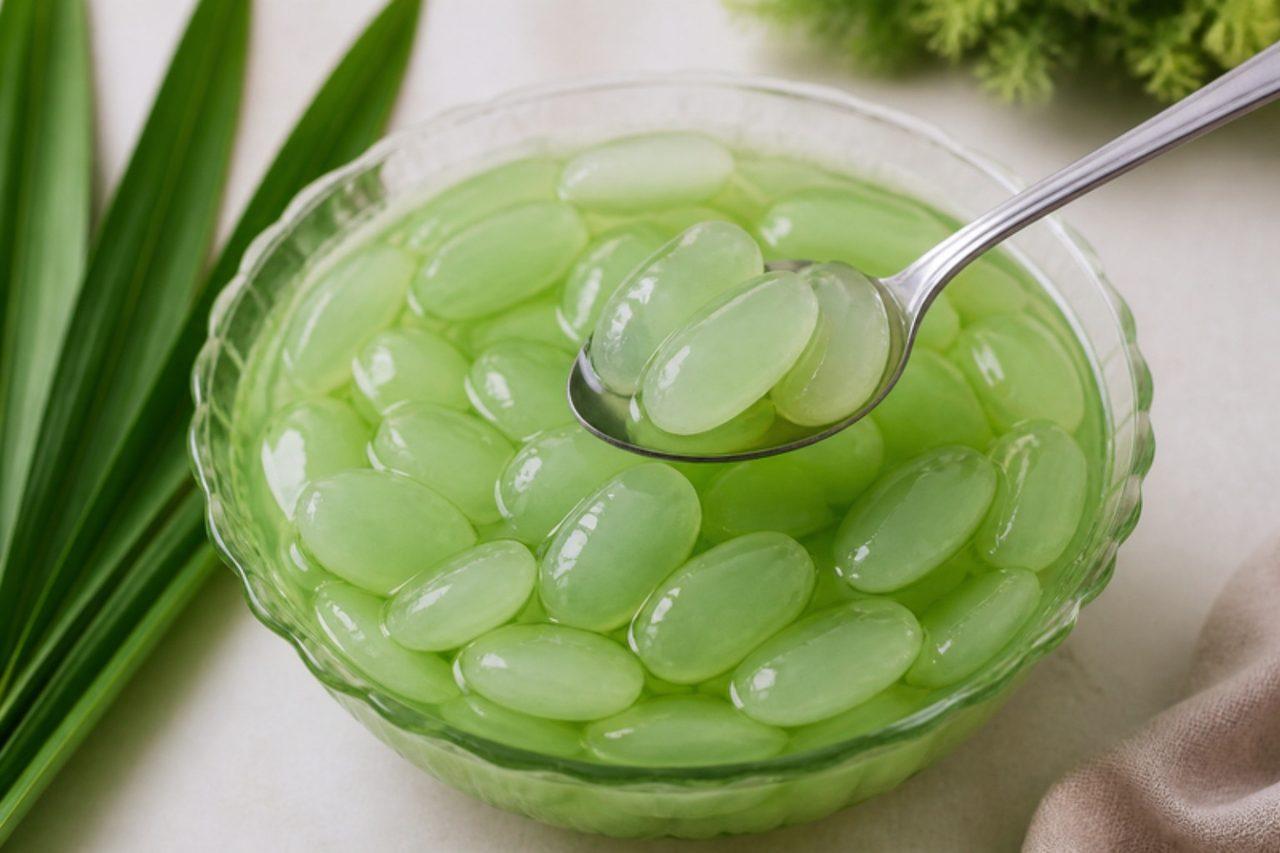
Kolang-kaling are the chewy, translucent seeds of the sugar palm, and in Indonesia they are a sure sign of Ramadan, piled in buckets at markets and simmered in syrup to go into iftar drinks, kolak and es buah. They have a soft, jelly-like bite and soak up whatever colour and flavour they are cooked in: green for pandan, red for rose syrup. Chef's tip: simmer them slowly and leave them in the syrup overnight; rushing gives pale fruit with a watery middle.

by KrazyBadal 0 views

SekotengGinger drink with peanuts

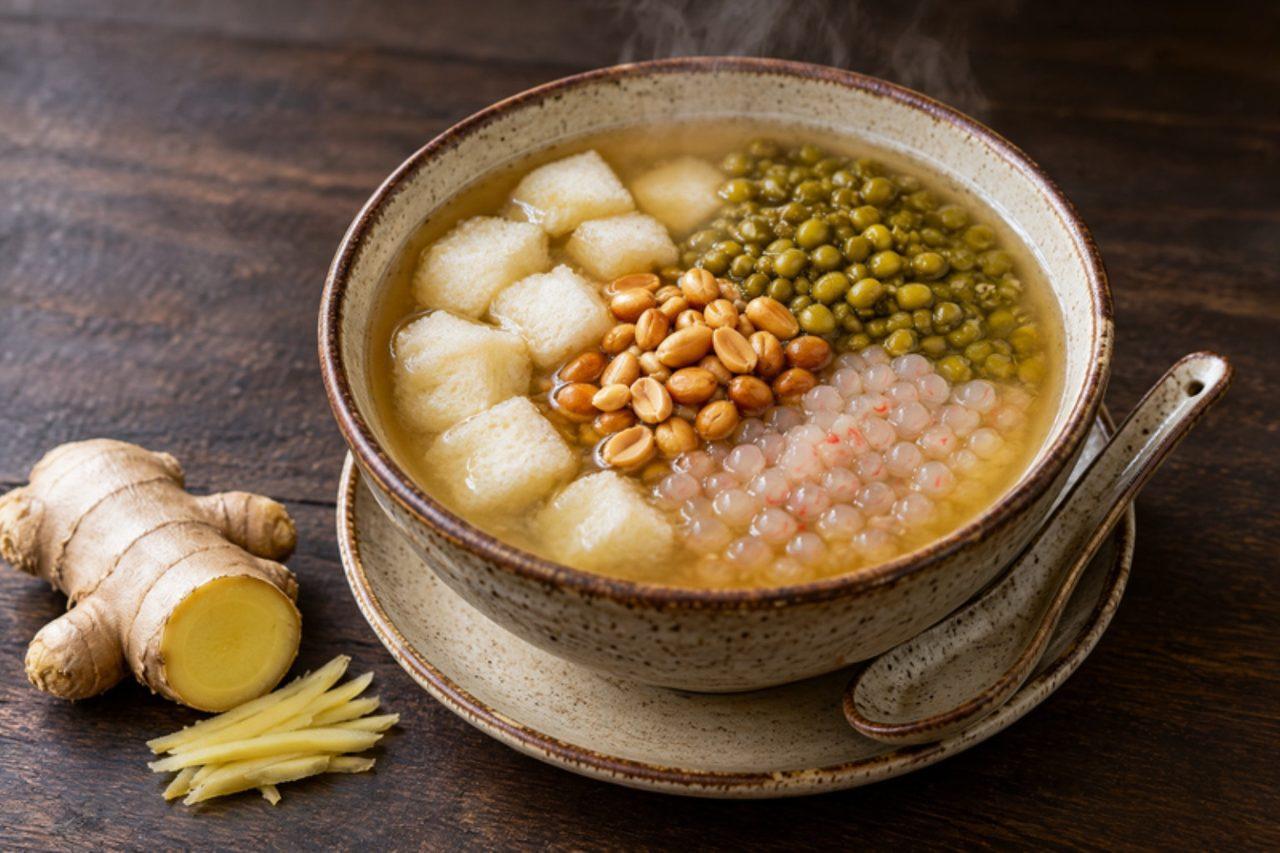
After dark in Semarang, Solo and the towns of Central Java, the sekoteng seller pushes his cart round the kampung, a copper pot of ginger water steaming on a charcoal stove and little jars of toppings lined up beside it. You get a bowl of roasted peanuts, soft mung beans, chewy pink pacar cina pearls and cubes of white bread, drowned in sweet, fiery ginger broth; on rainy nights, people say, it warms you down to the feet. The bread soaks up syrup and turns soft at the edges, the peanuts stay crunchy and the ginger bites. The common mistake is cooking the sago pearls in the ginger water: they release starch and make the broth gluey and cloudy. Boil them separately, rinse, and add to each bowl. The broth is ready when it is pale gold, clear and hot enough to make you cough a little. Pacar cina are small red sago pearls; plain small tapioca pearls coloured with a drop of red food colouring or beet juice work. Some sellers add condensed milk; this version stays dairy-free. Chef's tip: roast the ginger before simmering for a deeper, rounder heat.

by KrazyBadal 0 views

Wedang rondeRice balls in ginger syrup

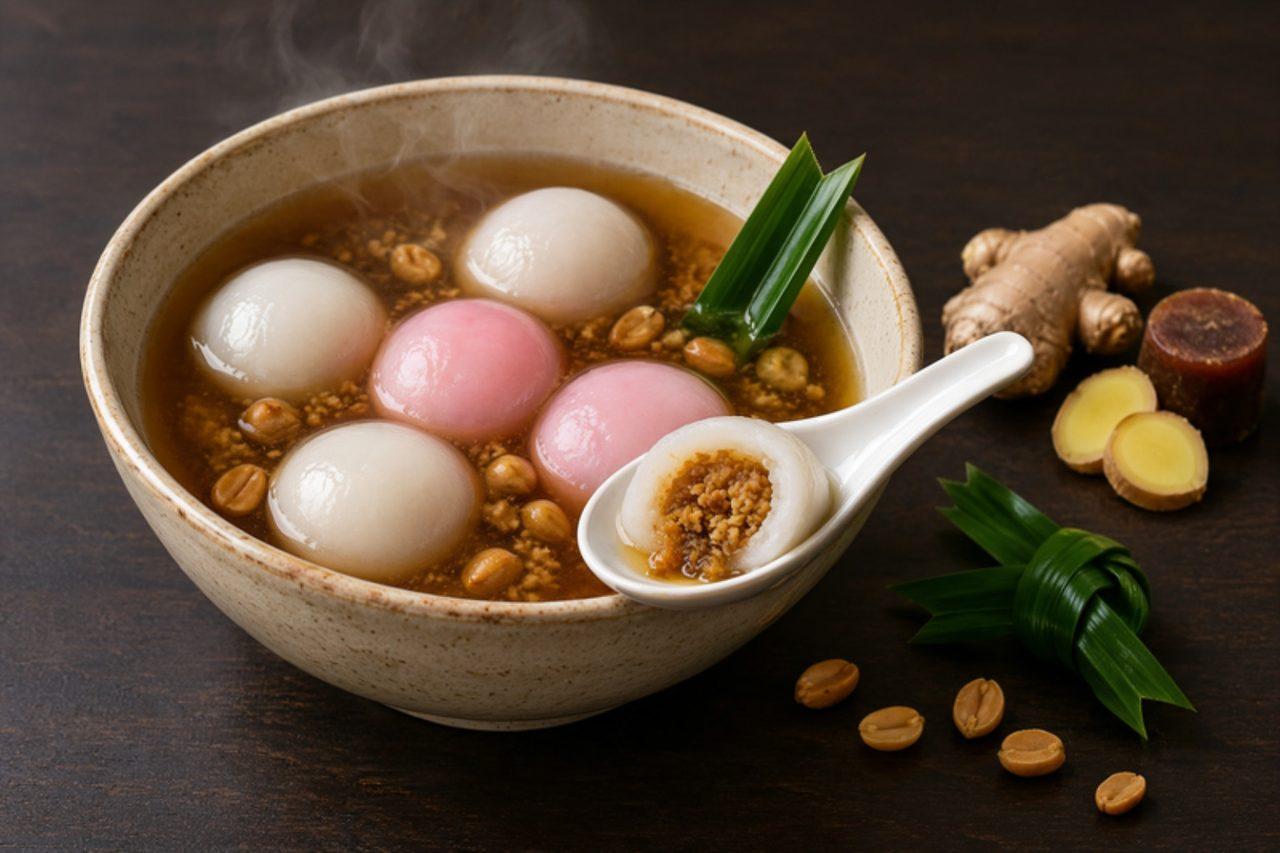
Wedang ronde came to Java with Chinese tangyuan, eaten at the winter solstice, and in Yogyakarta it has become an all-year evening treat: sellers set up on the Alun-Alun Kidul and along Malioboro, and families sit on mats eating it as the night cools down. Soft, chewy balls of glutinous rice, some white and some pandan green, are filled with crushed peanuts and palm sugar, and floated in hot ginger syrup scented with pandan and lemongrass, sometimes with roasted peanuts and kolang-kaling on top. Bite one and the filling oozes warm and sticky against the clean burn of the broth. The common mistake is making the dough too dry: it cracks as you shape it and the filling leaks out during boiling. Add water until the dough feels like soft earlobe and smooth any cracks with a wet finger. The balls are done when they float, then stay at the top for two more minutes. Make the broth first so it is ready as soon as the balls are cooked. Chef's tip: chill the filling into little balls before wrapping; firm filling is much easier to seal.

by KrazyBadal 0 views

Goes well with kolang-kaling