Skip to content

Recipes with kirimochi

3 recipes that use kirimochi, with photos, step-by-step instructions and cook times. The quickest, Monjayaki, takes 27 minutes. It is most often cooked with plain flour, soy sauce and sugar.

Got a few things in the fridge? Search by everything you have

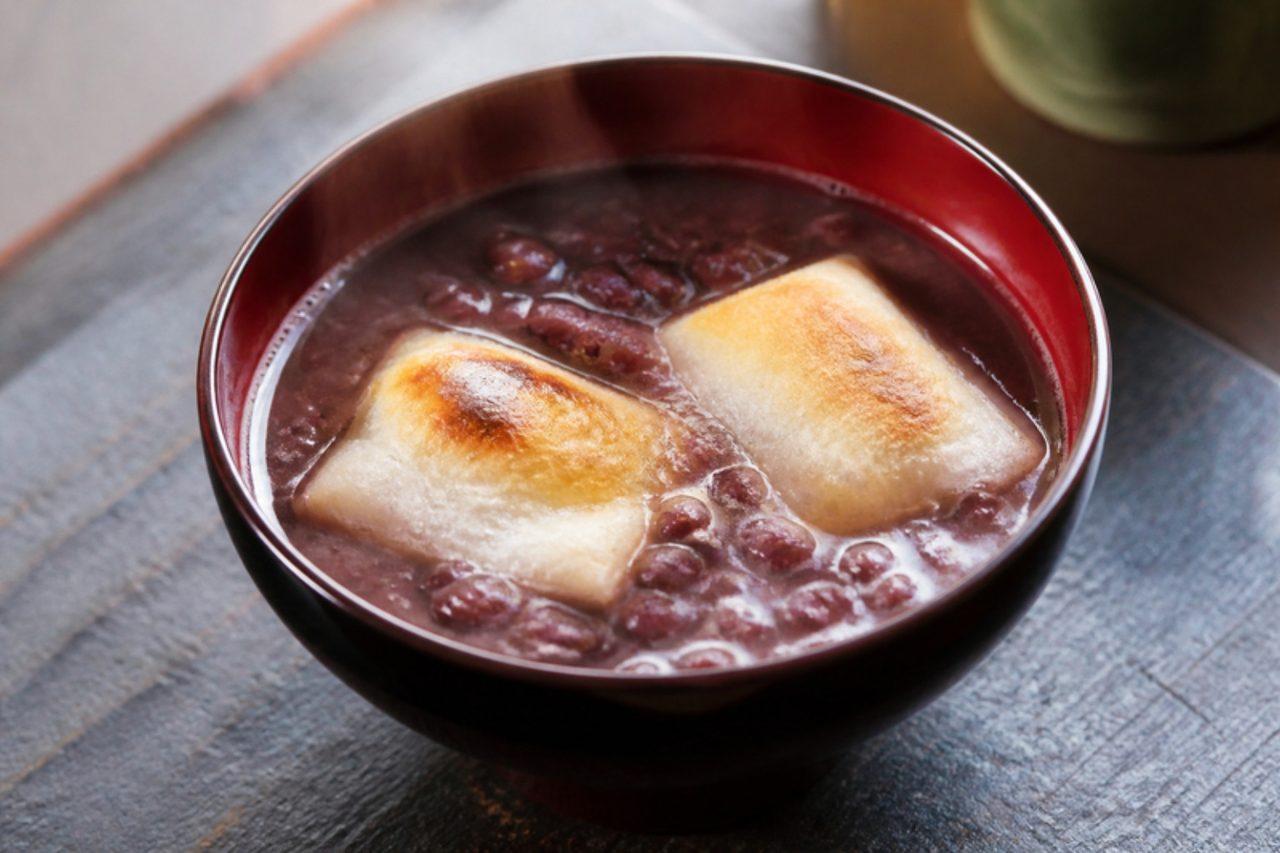
OshirukoSweet red bean soup

On snowy days in northern and eastern Japan, and especially after kagami-biraki on 11 January, when the New Year offering of mochi is broken up, families warm up with a bowl of oshiruko: azuki beans simmered into a sweet, thick soup with a puffed, toasted rice cake bobbing in it. In Kansai a chunky version is called zenzai. Mochi is very sticky: cut it into small pieces for young children and older people, and make sure they chew well and eat sitting down. The common mistake is adding all the sugar at the start, which stops the beans softening; sweeten only once they are tender. Chef's tip: a pinch of salt at the end makes the sweetness taste rounder and the bean flavour deeper.

by KrazyBadal 0 views

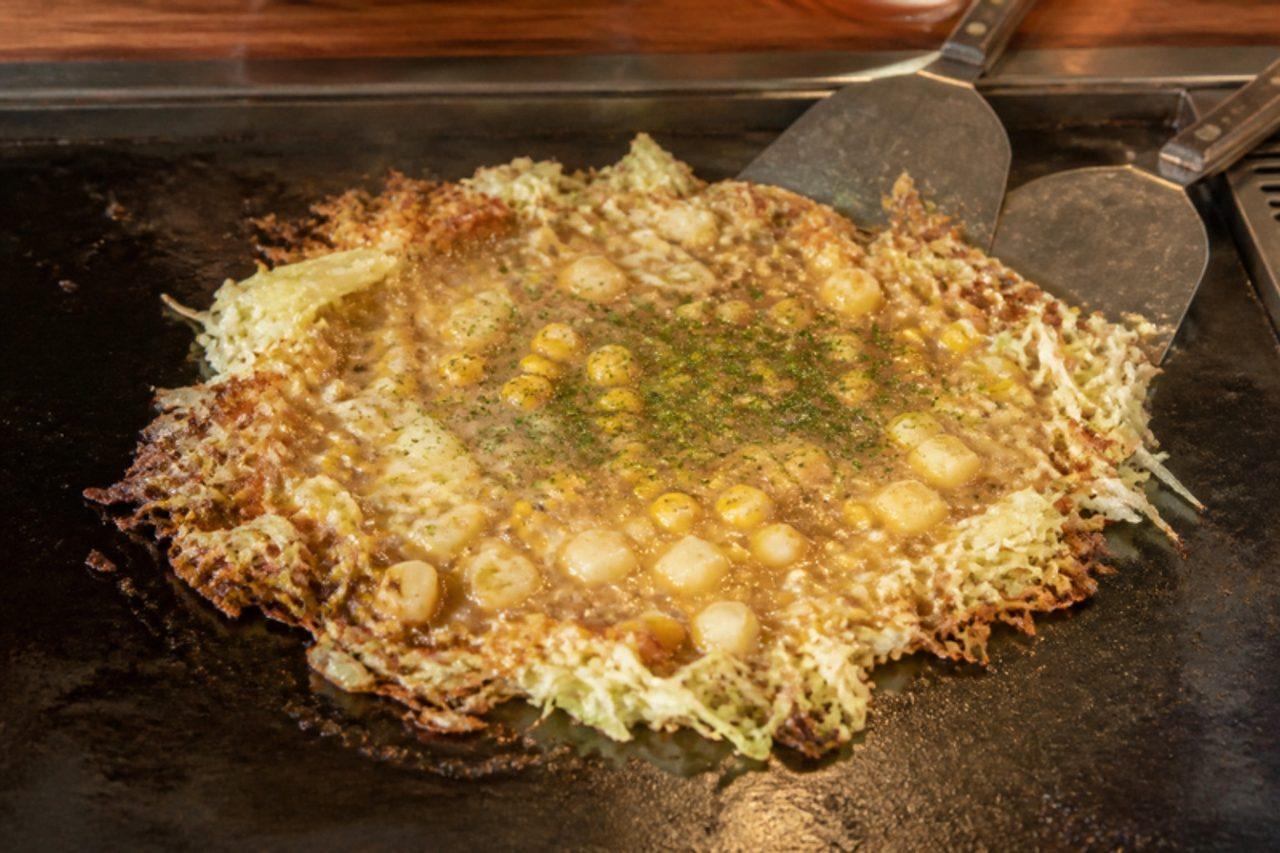
MonjayakiGriddled cabbage and batter

Monjayaki comes from Tsukishima, a small island district in Tokyo Bay, where one street holds more than seventy monja restaurants. It began as a cheap after-school snack at sweet shops, with children writing letters in thin batter on a griddle. Today friends gather round a teppan table, build a ring of chopped cabbage, pour the runny batter into the middle and eat it with tiny spatulas while it is still molten. It never sets into a pancake like okonomiyaki: the texture is gooey, with crisp, toasty bits where it sticks to the plate. Our version leaves out the usual dried shrimp and uses mochi and cheese, a favourite Tsukishima combination. Chef's tip: press a little monja against the hot griddle with your spatula and wait until it crackles. That crisp layer, called the okoge, is the best bite.

by KrazyBadal 0 views

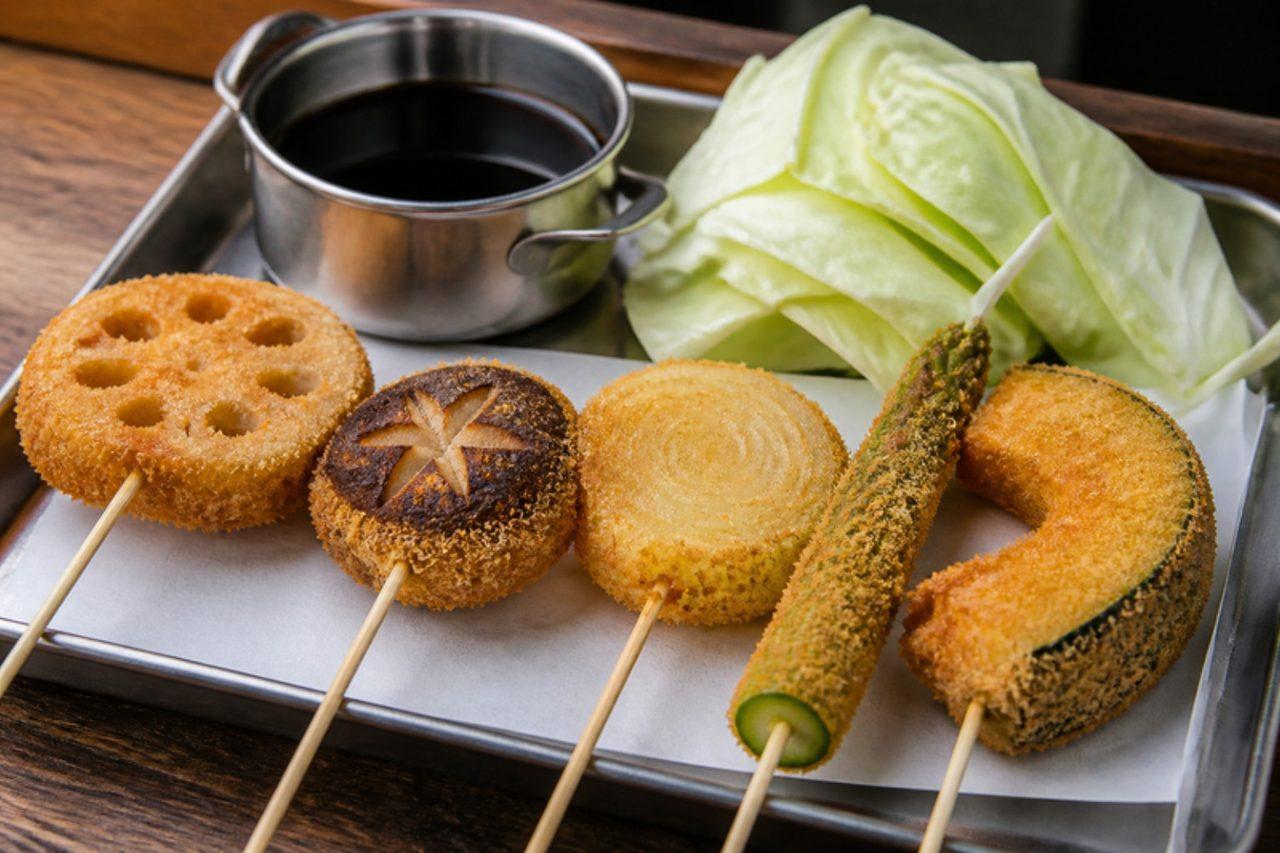
Vegetable kushikatsuBreaded vegetable skewers

Kushikatsu belongs to Shinsekai, the neon-lit old entertainment district at the foot of Osaka's Tsutenkaku tower. Since the 1920s, labourers have stood at its counters eating skewers fried to order, dunked in a shared steel pot of thin, fruity sauce. The famous house rule, 'no double dipping', is printed on signs everywhere. Vegetables are as popular as meat there: lotus root, shiitake, onion, asparagus and, a local favourite, chewy mochi and cheese. Have a plate of raw cabbage leaves on the side; they're free at every shop and used to scoop extra sauce. Chef's tip: use fine panko, or blitz ordinary panko briefly. Fine crumbs give the thin, crunchy jacket that Osaka shops are known for.

by KrazyBadal 0 views

Goes well with kirimochi