Skip to content

Recipes with gobindobhog rice

4 recipes that use gobindobhog rice, with photos, step-by-step instructions and cook times. The quickest, Kanika, takes 45 minutes. It is most often cooked with ghee, bay leaves and cashews.

Run out of gobindobhog rice? Any long-grain rice, same amount.

Got a few things in the fridge? Search by everything you have

KanikaSweet ghee rice

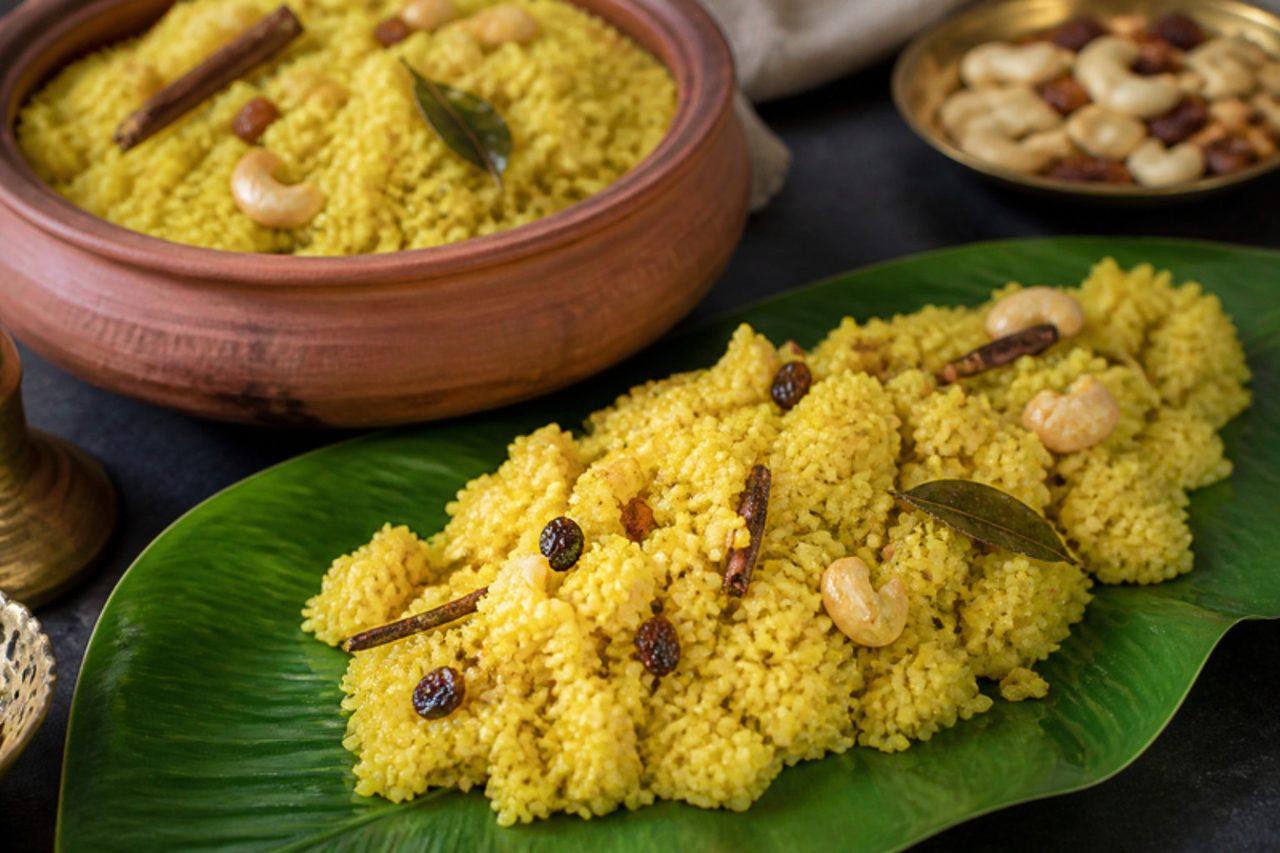
Kanika is one of the dishes of the Jagannath temple's mahaprasad in Puri, cooked in clay pots over wood fires and sold at the Ananda Bazaar to pilgrims, and Odia homes make it for Rath Yatra, when the deities ride their chariots through the town. It is a fragrant, glossy rice sweetened with sugar and perfumed with cinnamon, bay leaf and cloves in plenty of ghee, studded with fried cashews and raisins. It sits halfway between a pulao and a dessert and is eaten with dalma or a temple-style mahura. Common mistake: adding the sugar at the start, which hardens the grains; cook the rice almost through first, then add the sugar, and it is done when the syrup is absorbed and the ghee shines on the surface. Chef's tip: use a short-grain aromatic rice such as gobindobhog or the Odia arua rice for the true temple texture; basmati works but gives separate, longer grains.

by KrazyBadal 0 views

Bhoger khichuriMoong dal and rice with vegetables

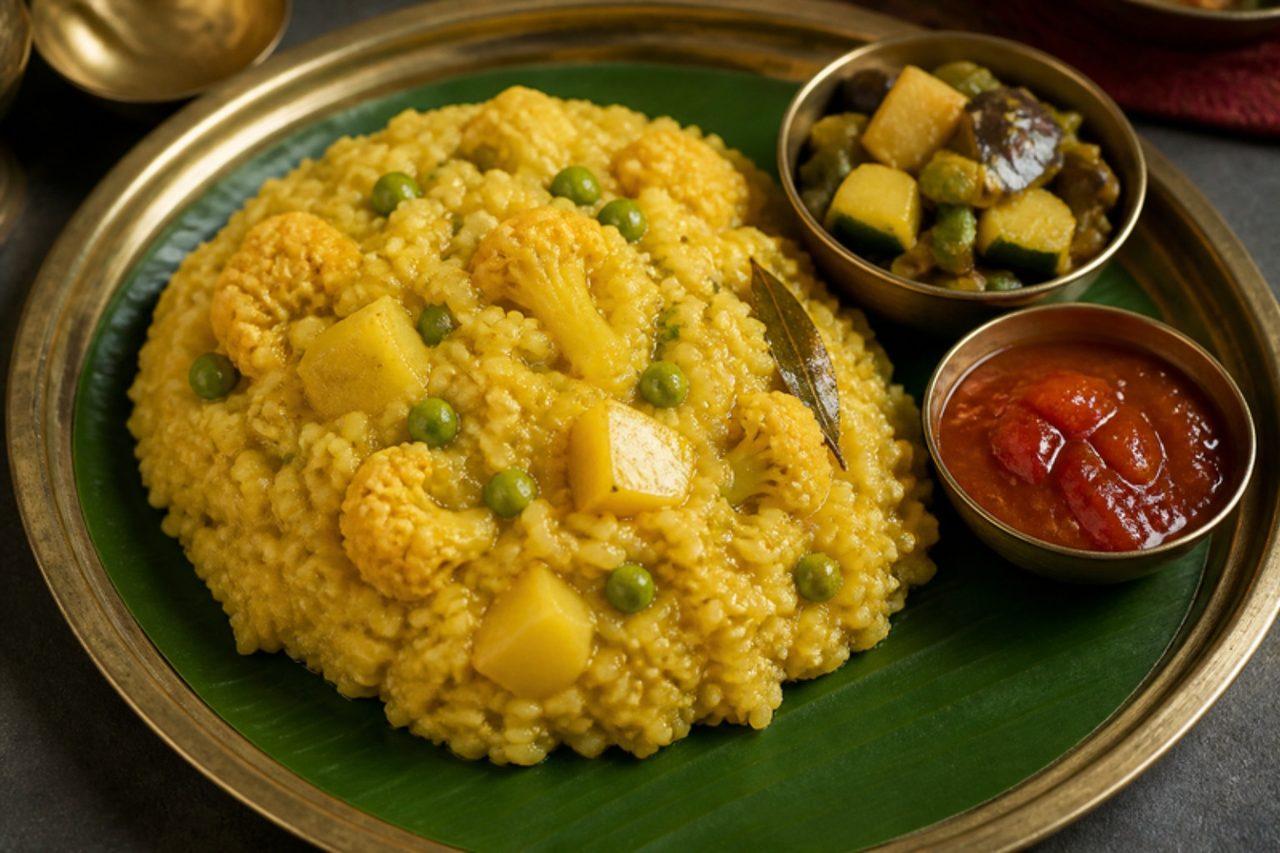
On Maha Ashtami, the eighth day of Durga Puja, every para pandal in West Bengal cooks huge pots of bhoger khichuri, offers it to the goddess at noon and then hands it out on sal-leaf plates to anyone in the queue. It is bhog food, so there is no onion or garlic: the flavour comes from dry-roasted moong dal, short, fragrant gobindobhog rice, ginger, whole spices and a generous finish of ghee. The texture should be thick and spoonable, somewhere between a risotto and a porridge, with soft cauliflower, potato and peas through it. Serve it hot with labra, beguni and tomato khejur chutney. Common mistake: skipping the roasting of the dal, which leaves the khichuri flat and pale; roast it until it smells nutty and turns a light biscuit colour. Chef's tip: gobindobhog rice absorbs a lot of water as it stands, so keep a kettle of hot water by the stove and loosen the khichuri just before serving.

by KrazyBadal 0 views

Nolen gurer payeshRice pudding with date palm jaggery

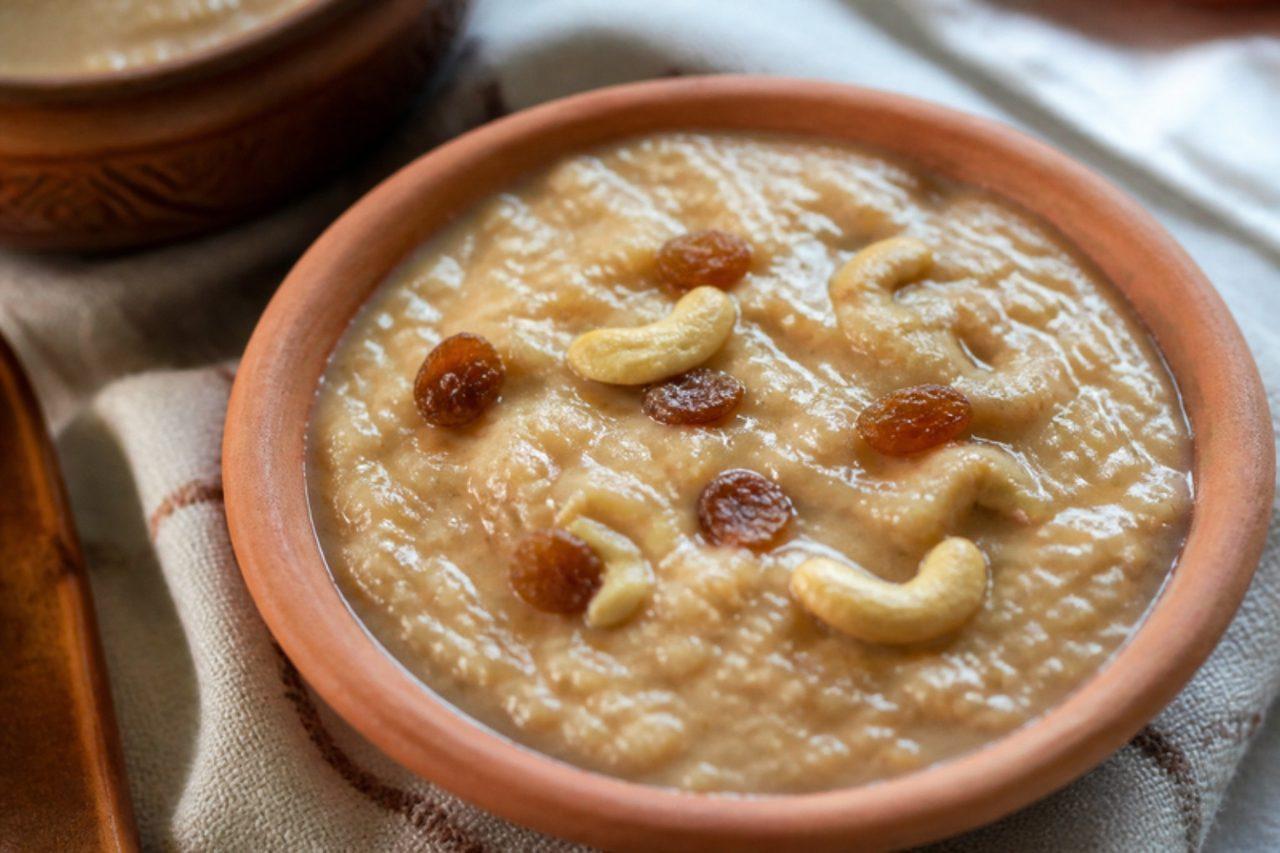
In Bengal winter means nolen gur, the new date-palm jaggery that arrives in clay pots in December and January and smells of caramel and smoke. Kolkata sweet shops put it in everything, but at home the best use is a pot of payesh for Poush Sankranti or a birthday. Short, buttery gobindobhog rice is fried briefly in ghee with a bay leaf, then cooked slowly in full-fat milk until the grains break down and the milk reduces to a creamy, spoonable pudding. The jaggery goes in last and turns it a soft brown. Serve warm or cold, in small bowls or clay bhar, with pithe on the side. Common mistake: adding the gur while the milk is boiling, which almost always curdles it; take the pot off the heat and let it cool for a few minutes first. Chef's tip: no nolen gur? Use liquid date-palm jaggery (jhola gur) or a soft palm jaggery; cane jaggery works but the flavour is flatter.

by KrazyBadal 0 views

Basanti pulaoSweet saffron rice

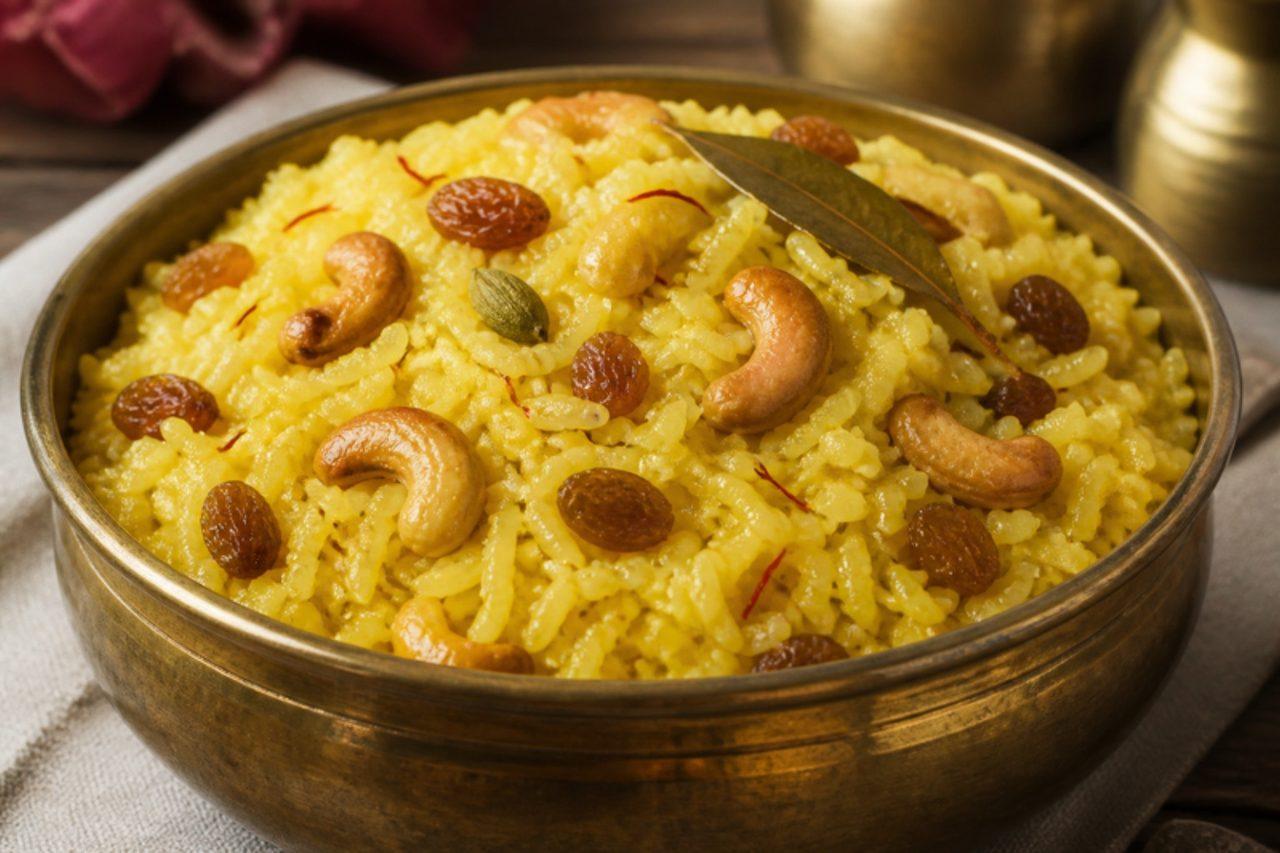
Basanti pulao, the 'spring-coloured' pulao, is cooked in Bengali homes for Poila Baisakh (the Bengali new year), weddings, Jamai Shashthi and pujas. It is made with gobindobhog, a short-grain, buttery-smelling rice from Bengal, cooked in ghee with whole spices, turmeric, sugar, cashews and raisins until each grain is glossy and separate. It is distinctly sweet, and is served with aloo dum, chhanar dalna or, in non-vegetarian homes, kosha mangsho. Chef's tip: wash the rice and spread it on a cloth for 30 minutes; dry grains fry in the ghee without breaking.

by KrazyBadal 0 views

Goes well with gobindobhog rice