Skip to content

Recipes with globe artichokes

5 recipes that use globe artichokes, with photos, step-by-step instructions and cook times. The quickest, Ciaudedda, takes 50 minutes. It is most often cooked with lemon, garlic and carrot.

Got a few things in the fridge? Search by everything you have

Menestra de Tudela

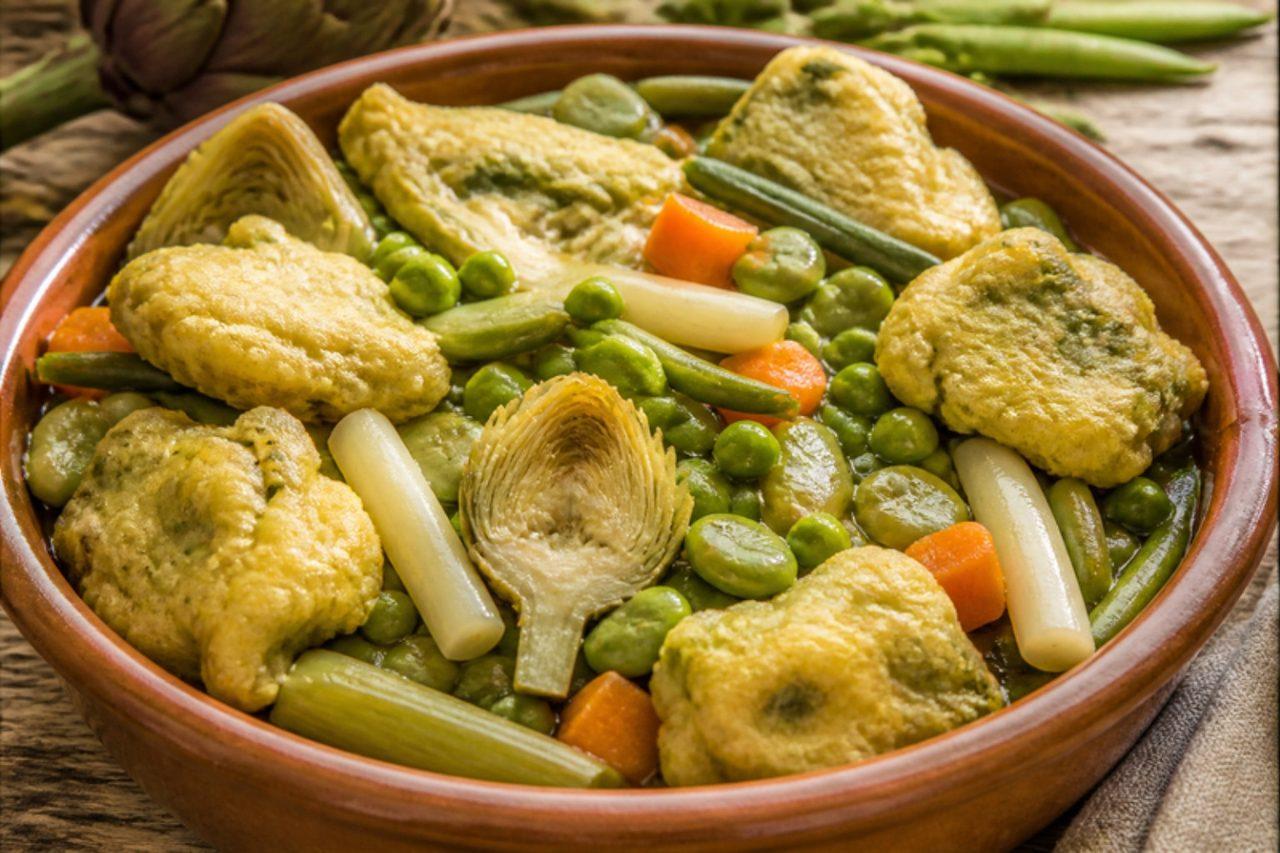
In Tudela, at the southern tip of Navarre, the market gardens along the Ebro send out artichokes, peas, broad beans and asparagus all at once in April and May, and the town celebrates with its Jornadas de Exaltación de la Verdura. Menestra is how those vegetables reach the table: every one is cooked on its own, the artichokes and chard stalks are dipped in flour and egg and fried, and everything is brought together at the end in a little garlic and onion sauce. Local cooks often add cured ham; this version leaves it out and is fully vegetarian. Chef's tip: save a cupful of the water the vegetables were boiled in, because it gives the final sauce far more flavour than plain water or stock.

by KrazyBadal 0 views

Alcachofas a la montillana

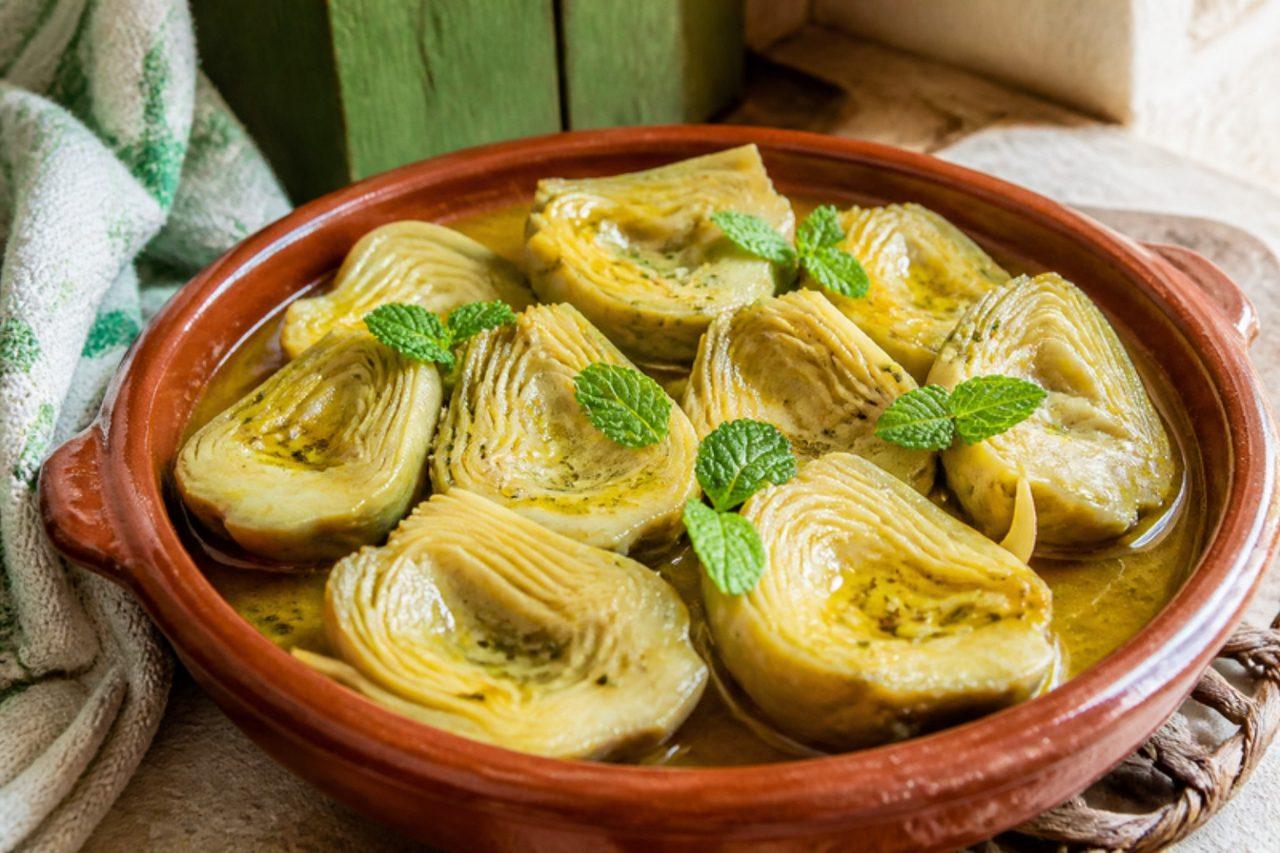
Montilla, south of Córdoba, makes a pale, dry wine from sun-dried Pedro Ximénez grapes, and in late winter and spring its kitchens braise young artichokes in it with a little saffron and fresh mint. Many cooks add cubes of cured ham; this version leaves it out and lets the artichokes, wine and mint carry the dish. It uses wine; the alcohol-free option is in the ingredient list. Serve it as a starter, or as a main with bread and a fried egg. A common mistake is trimming the artichokes without dropping them straight into lemon water, so they turn black before they reach the pan. Chef's tip: drop each trimmed artichoke straight into lemon water, because cut artichokes blacken within a minute in the air.

by KrazyBadal 0 views

Ciaudedda

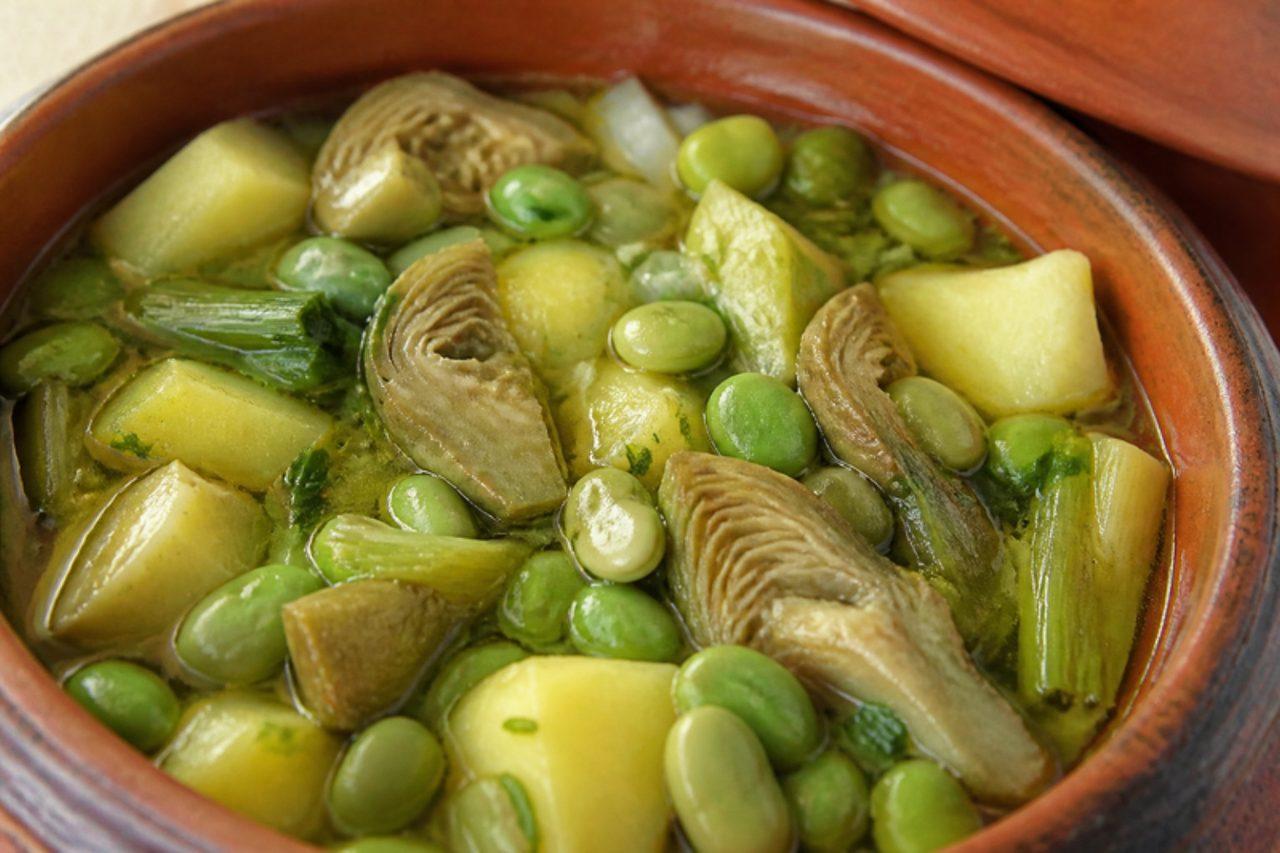
When the first artichokes and broad beans arrive in April and May, Lucanian kitchens make ciaudedda: a gentle one-pot stew of artichoke wedges, sweet young beans, potatoes and spring onions, cooked slowly in olive oil and a little water until everything is soft and glossy. Around Potenza and in the Vulture hills it is served as a main course with bread, or as a side at Easter lunch. Many cooks start it with diced pancetta; this version leaves it out and lets the vegetables do the work. Chef's tip: let it rest for 10 minutes off the heat before serving, as the flavours deepen once it stops bubbling.

by KrazyBadal 0 views

Zeytinyağlı enginar

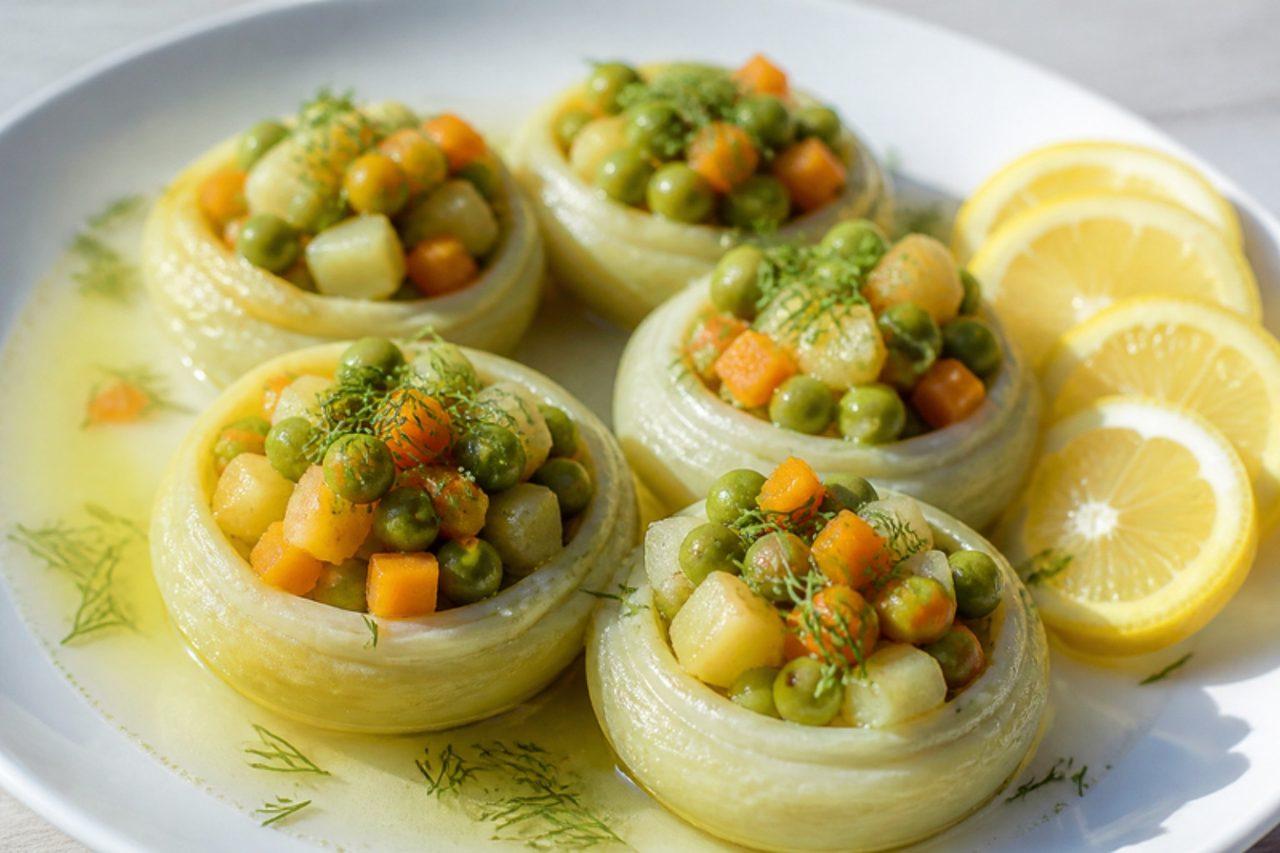
In spring, when globe artichokes pile up on stalls in İzmir and Urla, market sellers trim them on the spot into pale hearts kept in lemon water, and families take them home to make zeytinyağlı enginar. The hearts are braised cup-side up with small onions, carrots, potato and peas in olive oil and lemon, then served cold with a shower of dill, often as the first course of a spring dinner. The classic mistake is leaving trimmed artichokes in the air: they turn grey within minutes. Chef's tip: rub every cut surface with lemon as you go and drop the hearts straight into water with lemon juice and a spoonful of flour, which keeps them pale and cream-coloured.

by KrazyBadal 0 views

Carciofi alla romana

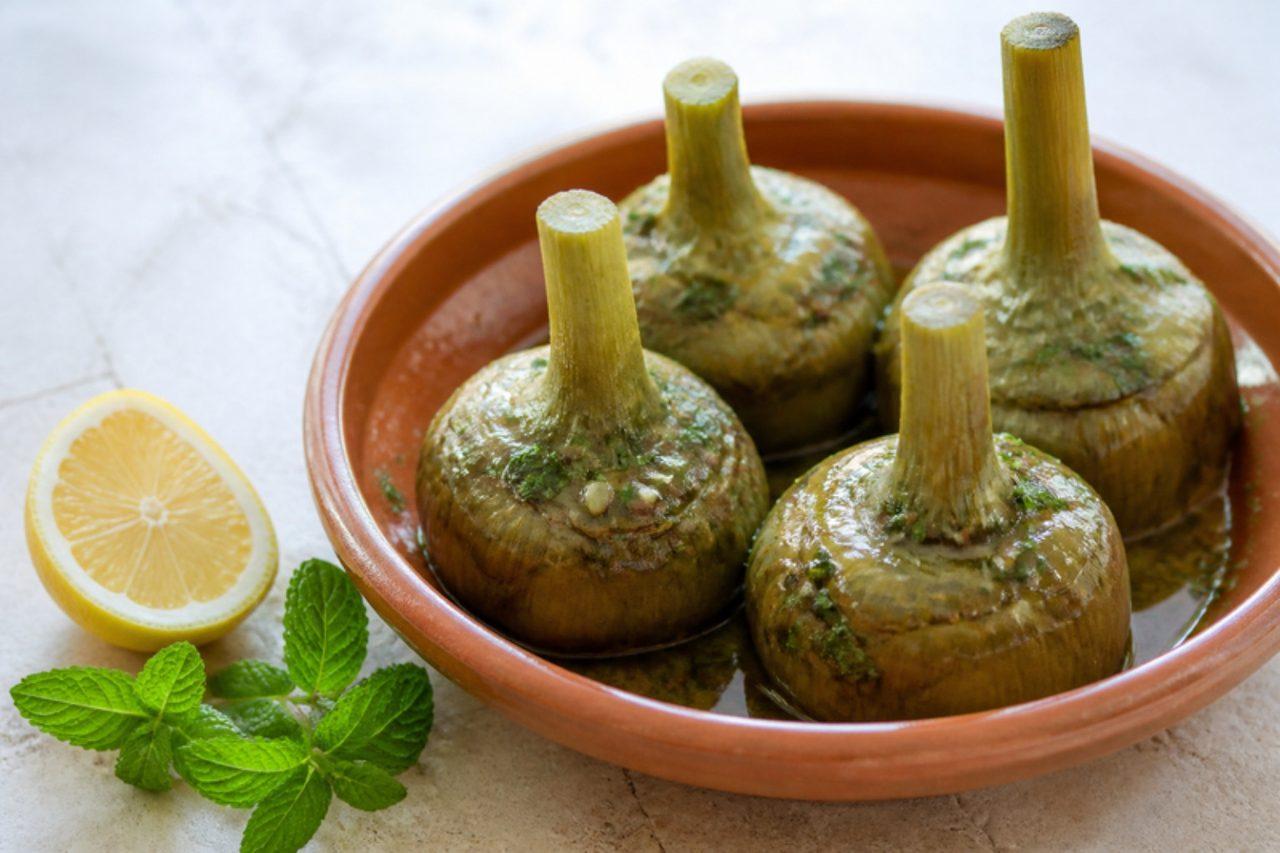
Every spring, from February to April, Roman market stalls pile up round, thornless romanesco artichokes (cimaroli), and trattorie serve them alla romana: stuffed with wild mint, parsley and garlic and braised stem-up in oil and water until meltingly soft. They are eaten warm or at room temperature as a contorno, often next to their crisp cousins, carciofi alla giudia. Any large globe artichoke works at home. Chef's tip: braise them upside down, stems in the air and tightly packed, so the hearts sit in the liquid and the stems steam to the same tenderness.

by KrazyBadal 0 views

Goes well with globe artichokes