Skip to content

Recipes with fine semolina

30 recipes that use fine semolina, with photos, step-by-step instructions and cook times. The quickest, Harcha, takes 25 minutes. It is most often cooked with plain flour, sugar and lemon juice.

Got a few things in the fridge? Search by everything you have

Thai mango pancakes

Small, soft pancakes made from plain flour, rice flour and semolina, sweetened with condensed milk and scented with mango, folded around a sticky filling of ripe mango, sugar and coconut. They are served cold with extra mango and a scoop of ice cream or fresh cream: a lovely make-ahead dessert for a party.

60 minDesserts
by KrazyBadal 0 views

Rava dosa

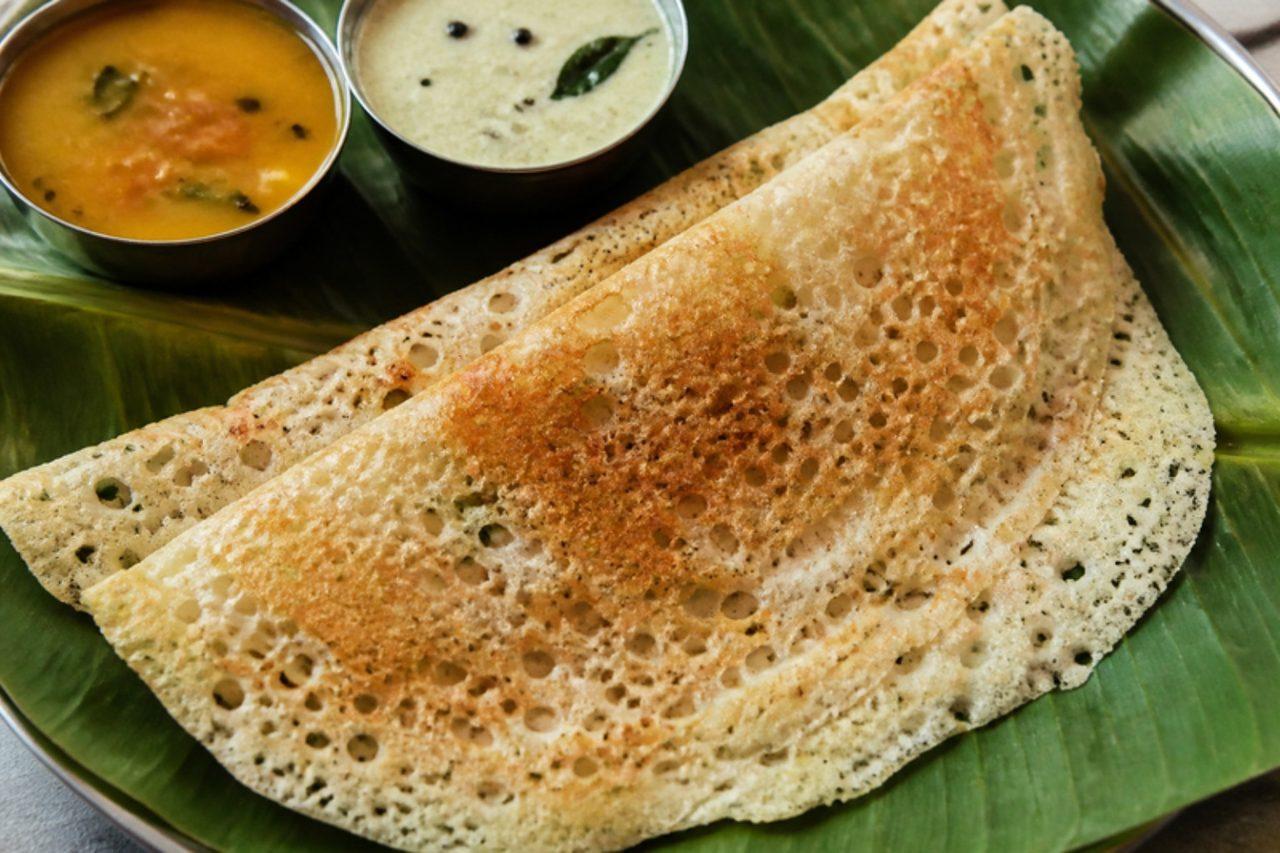
Rava dosa is the instant dosa of Karnataka's Udupi restaurants: a thin, pourable batter of semolina and rice flour, studded with cumin, cracked pepper, ginger and curry leaves, poured onto a very hot griddle so it sets into a crisp, holey lace. There's no soaking or fermenting, so it's the dosa to make when the craving strikes. Serve straight from the pan with coconut chutney and sambar. Because it contains semolina it's not gluten free. Chef's tip: the batter must be watery, thinner than single cream; pour it from a height onto the pan instead of spreading it, and stir the bowl before every dosa because the semolina sinks.

by KrazyBadal 0 views
Dal baati churma

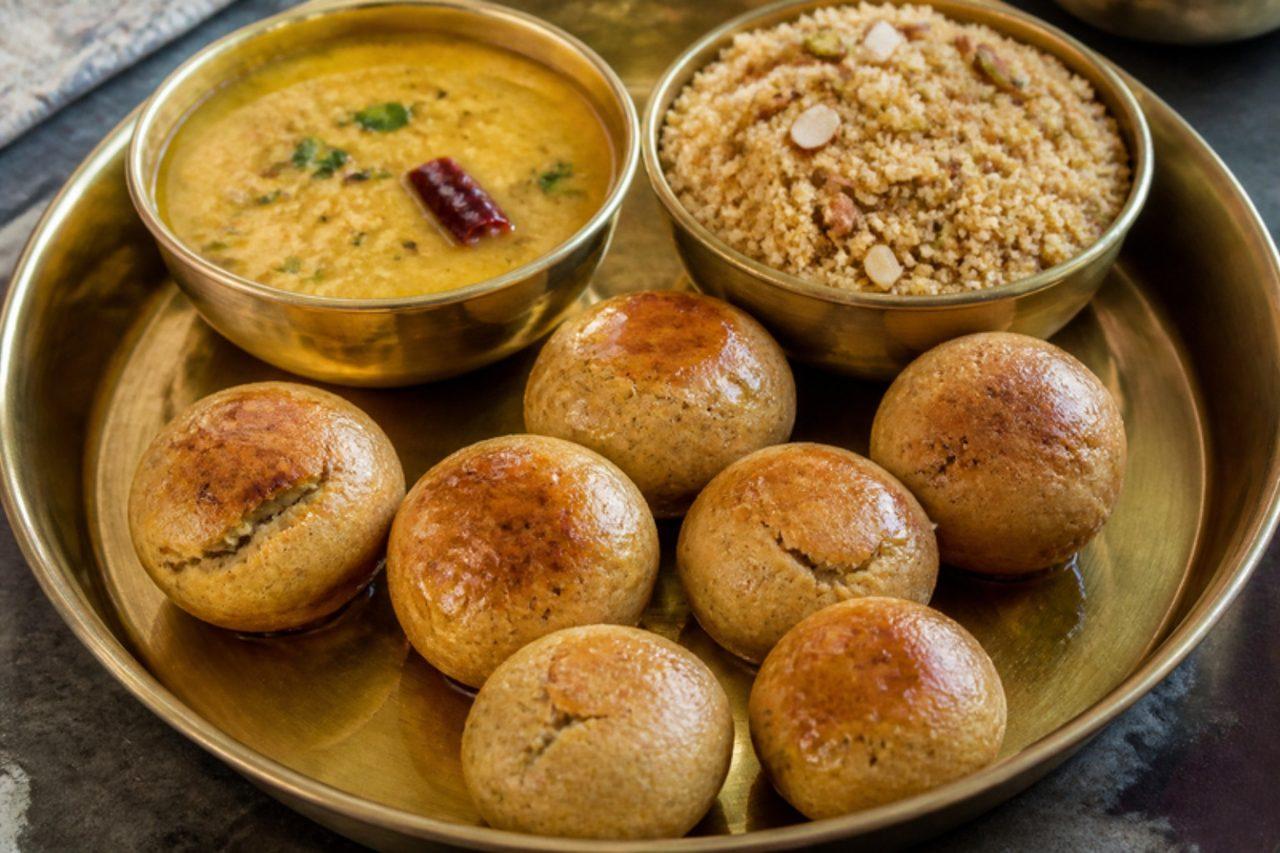
Dal baati churma is the dish every Rajasthani wedding and festival is built around. Baati are hard, round wheat breads, traditionally buried in desert embers, cracked open and drowned in ghee; they are eaten with panchmel dal made from five lentils and with churma, baati crumbs sweetened with sugar and cardamom. The joy is in the contrast: crunchy and soft, spicy and sweet, all rich with ghee. Serve with sliced onion, green chillies and lime. Chef's tip: rub the ghee into the baati flour until a handful holds its shape when squeezed; that shortening is what makes the baati crumbly inside instead of bready.

90 minCurriesIndian
by KrazyBadal 0 views

Msemen

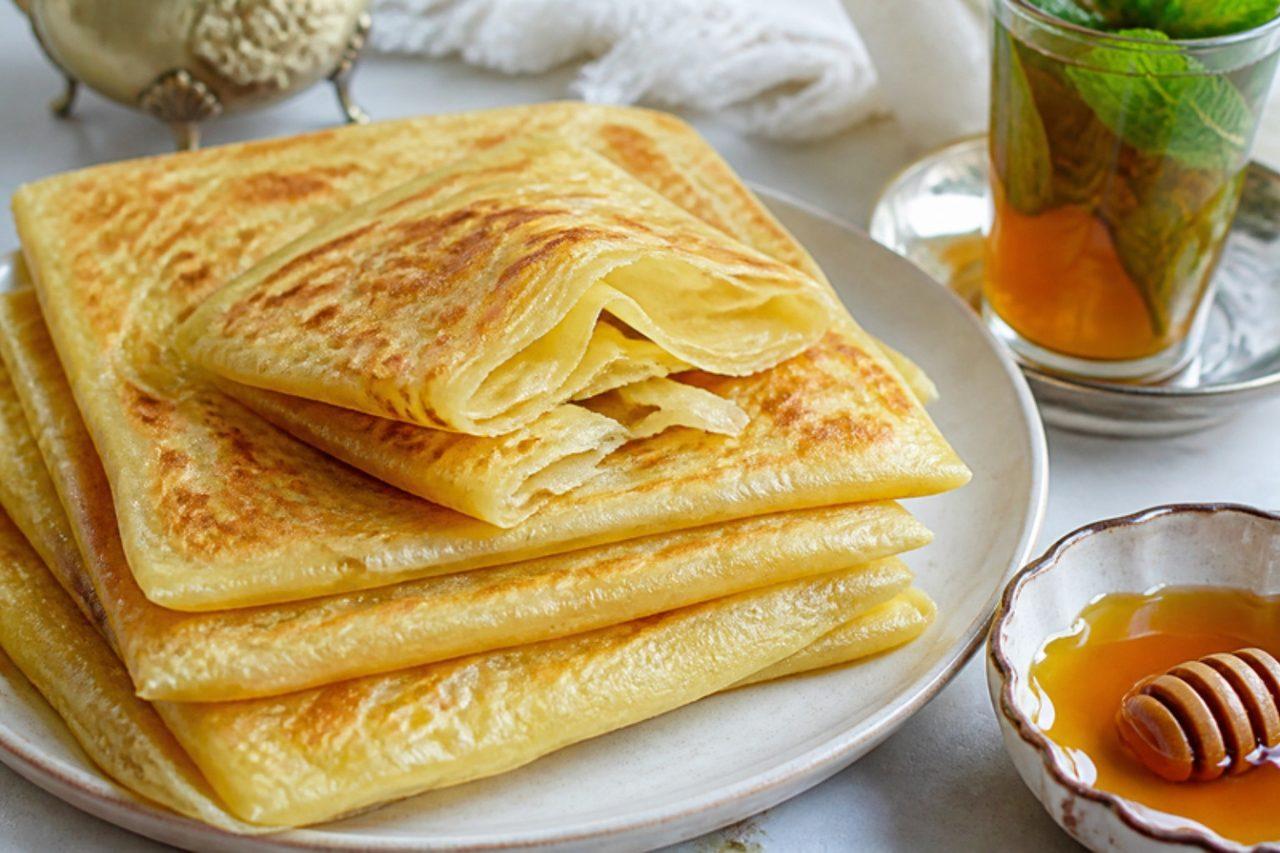
Msemen are the square, layered flatbreads sold hot from griddles in every Moroccan medina at breakfast time and again for afternoon tea, when they are drizzled with honey or dipped in olive oil. The dough is stretched paper-thin on an oiled surface, sprinkled with fine semolina, folded into a square and cooked until crisp outside and flaky in the middle. This version uses oil throughout so it is vegan; many homes use butter or smen. Chef's tip: oil your hands and work surface generously; the dough should be stretched, not rolled, and it tears if it sticks.

by KrazyBadal 0 views
Harcha

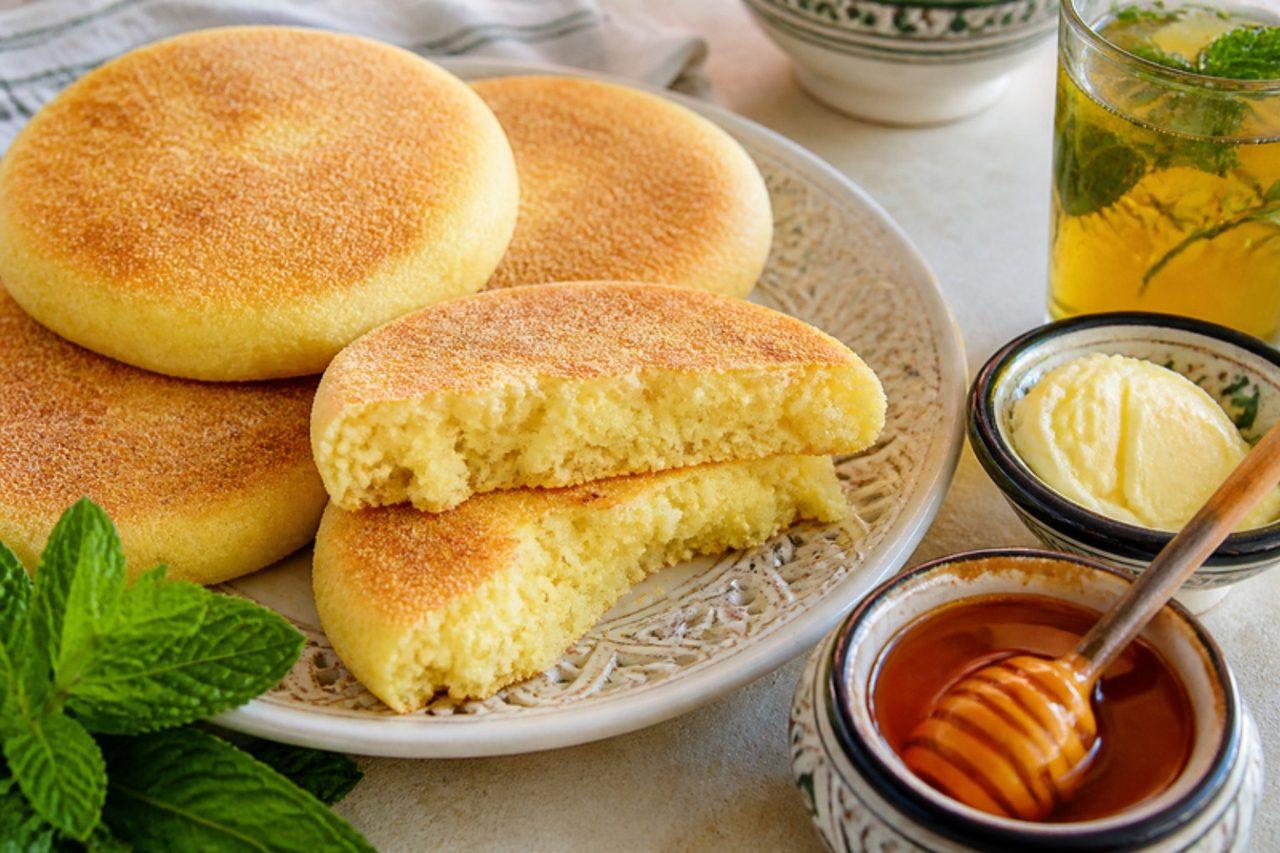
Harcha are thick little semolina breads cooked on a griddle and eaten all over Morocco at breakfast and with mid-afternoon tea, especially during Ramadan for the evening meal. The dough is closer to a crumbly batter than a bread dough, so it needs no kneading or rising; it is pressed into rounds and cooked slowly until the outside turns golden and gritty and the inside stays tender, a bit like a savoury shortbread. Split them while warm and spread with butter and honey, apricot jam or a wedge of soft cheese. Chef's tip: let the mixed dough rest for 5 minutes; the semolina drinks up the milk and becomes much easier to shape.

by KrazyBadal 0 views
Khobz

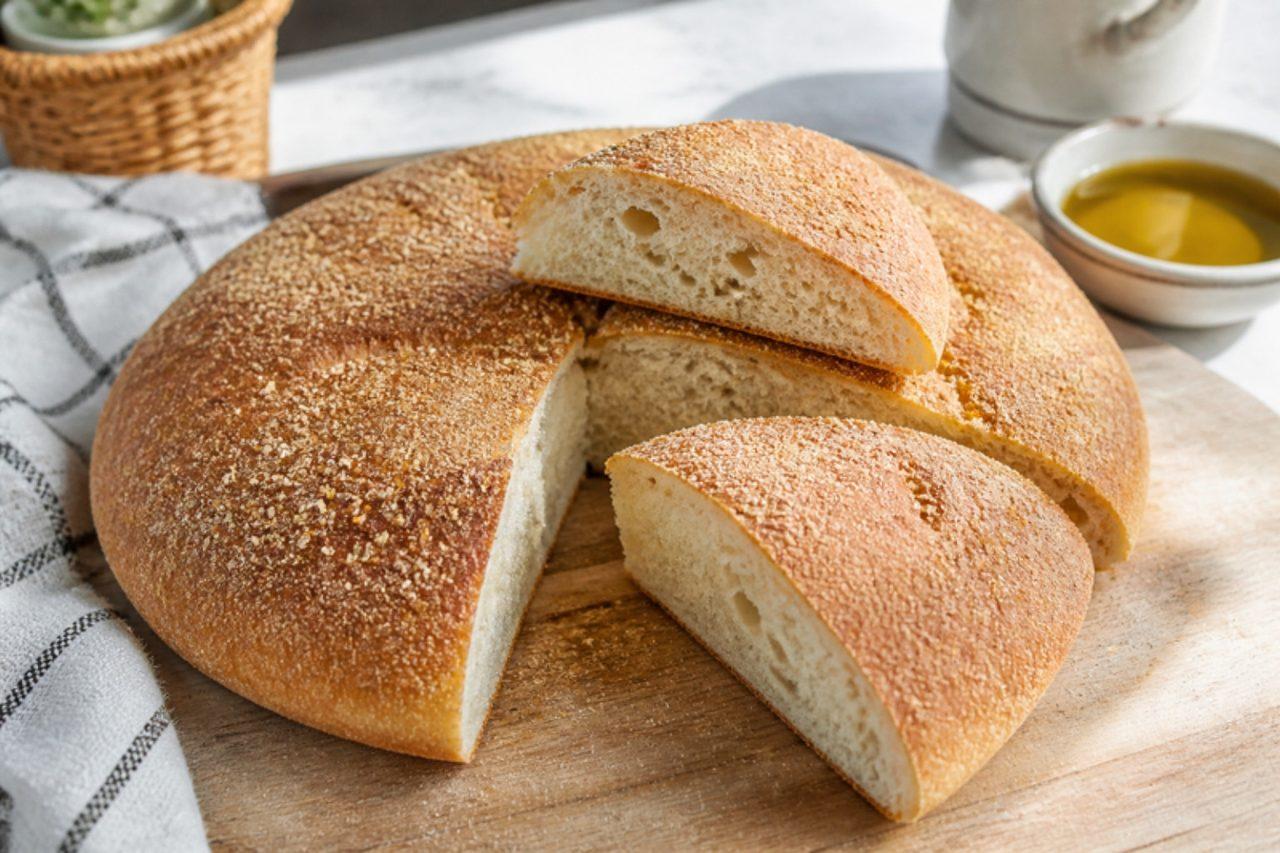
Khobz is the round, flat loaf that sits on every Moroccan table, used instead of cutlery to scoop up tagine and salads. In the older quarters of Fez and Marrakech families still shape their dough at home and carry it on wooden boards to the neighbourhood wood-fired oven, the ferran; at home it bakes perfectly on a hot tray. The semolina and wholemeal give it a slightly nutty taste and a soft, chewy crumb with a thin crust. It keeps for a day wrapped in a cloth and is wonderful toasted. Chef's tip: prick the top all over before baking so it rises evenly and stays flat instead of puffing like a pitta.

by KrazyBadal 0 views
Baghrir

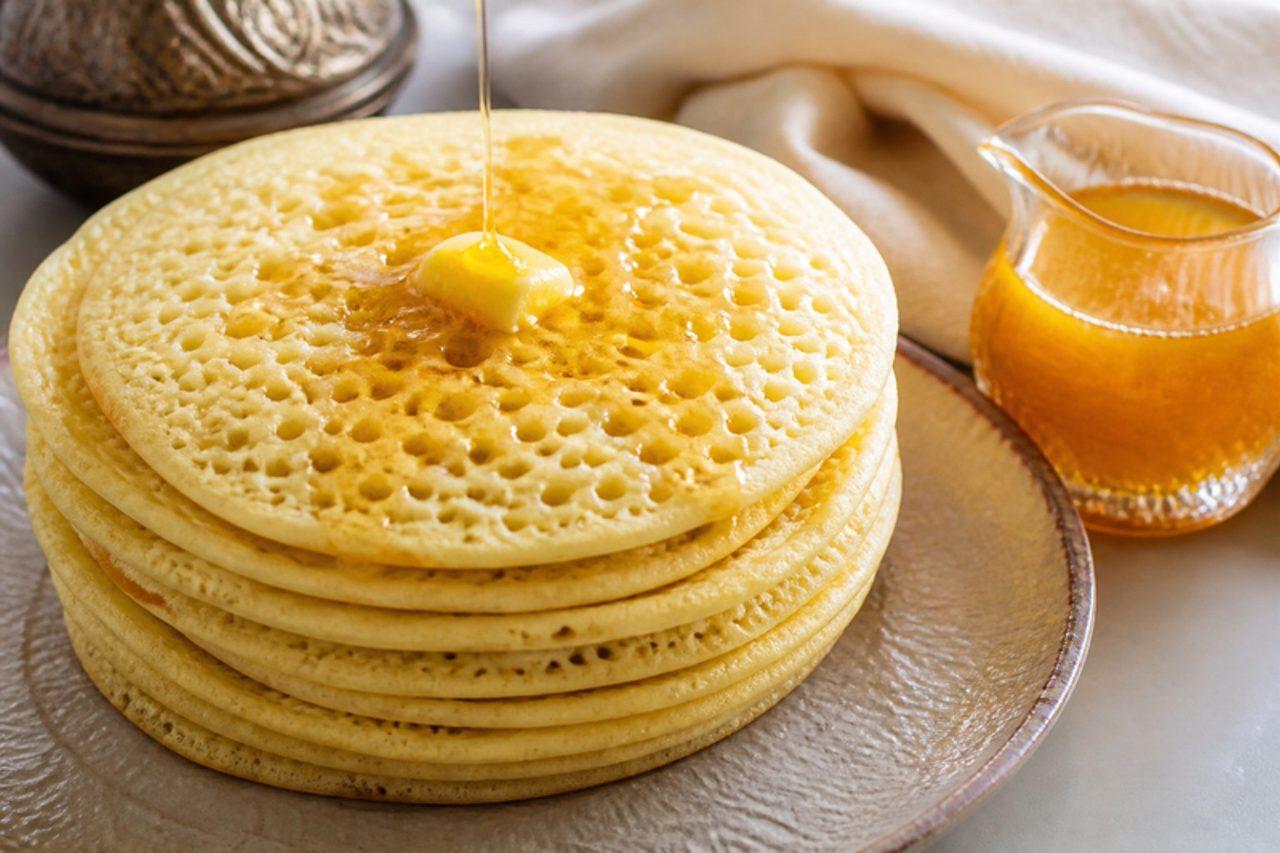
Baghrir are the spongy, lacy pancakes that Moroccan families make for breakfast on weekends and at Ramadan, when they are piled high at the iftar table. A smooth semolina batter is blended until thin, rested so the yeast and baking powder can work, then cooked on one side only: as it heats, hundreds of tiny holes open across the surface. The holes soak up the warm butter and honey poured over before serving. Chef's tip: the batter must be as thin as single cream; too thick and the holes won't break through to the top.

by KrazyBadal 0 views
Sfogliatelle

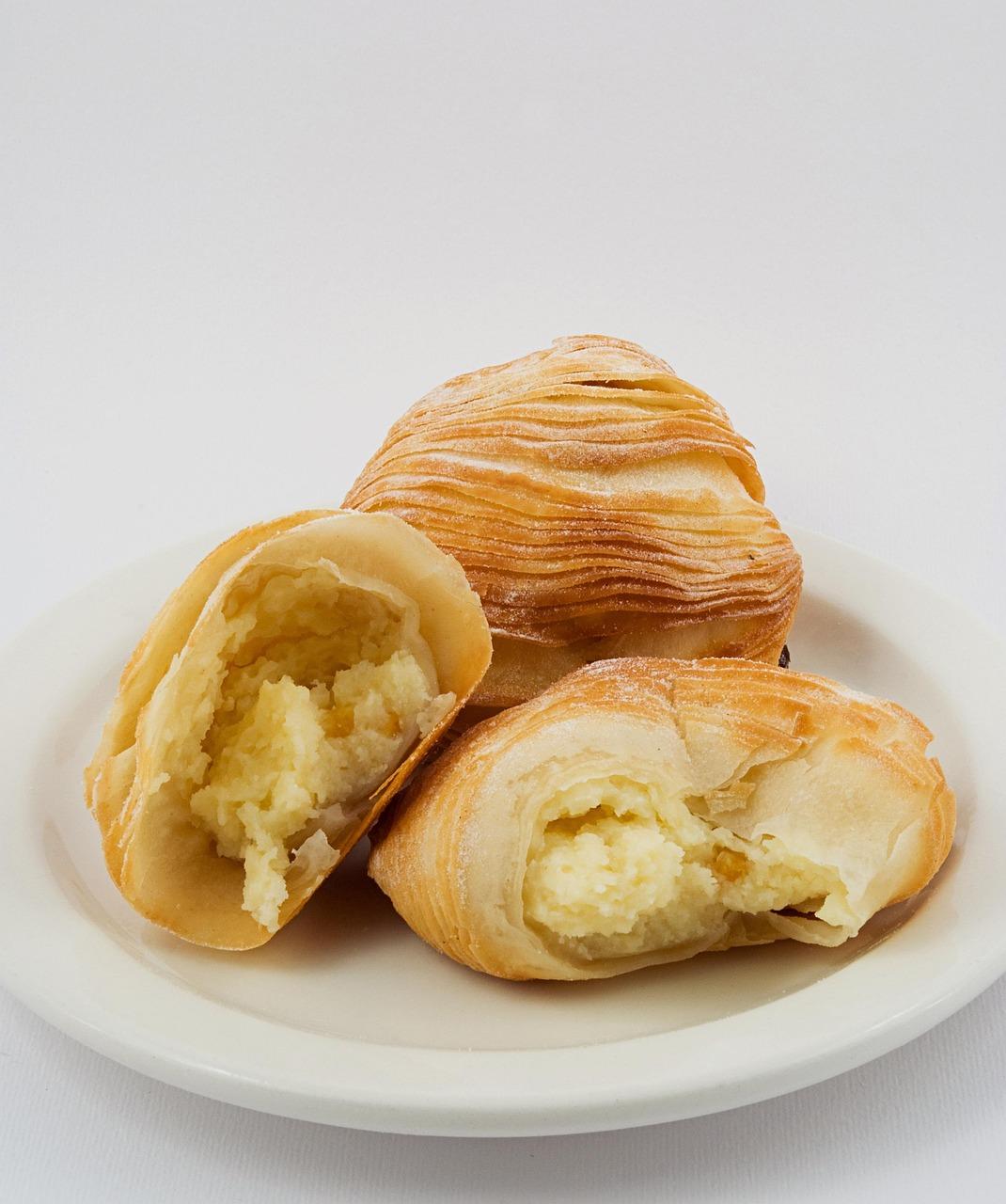
Sfogliatella riccia is the most famous pastry of Naples, sold warm from bakeries on Via Toledo and eaten for breakfast with an espresso: dozens of paper-thin layers fanned into a shell that shatters when you bite, around a filling of semolina, ricotta, candied orange and cinnamon. It is a project for a weekend, as the dough needs to be rolled very thin, wound into a tight log and chilled overnight. Neapolitan bakers use lard; this version uses a mix of butter and vegetable shortening. Chef's tip: a pasta machine is your best friend; roll the dough to the thinnest or second-thinnest setting so the layers separate into crisp leaves.

240 minBakingItalian
by KrazyBadal 0 views
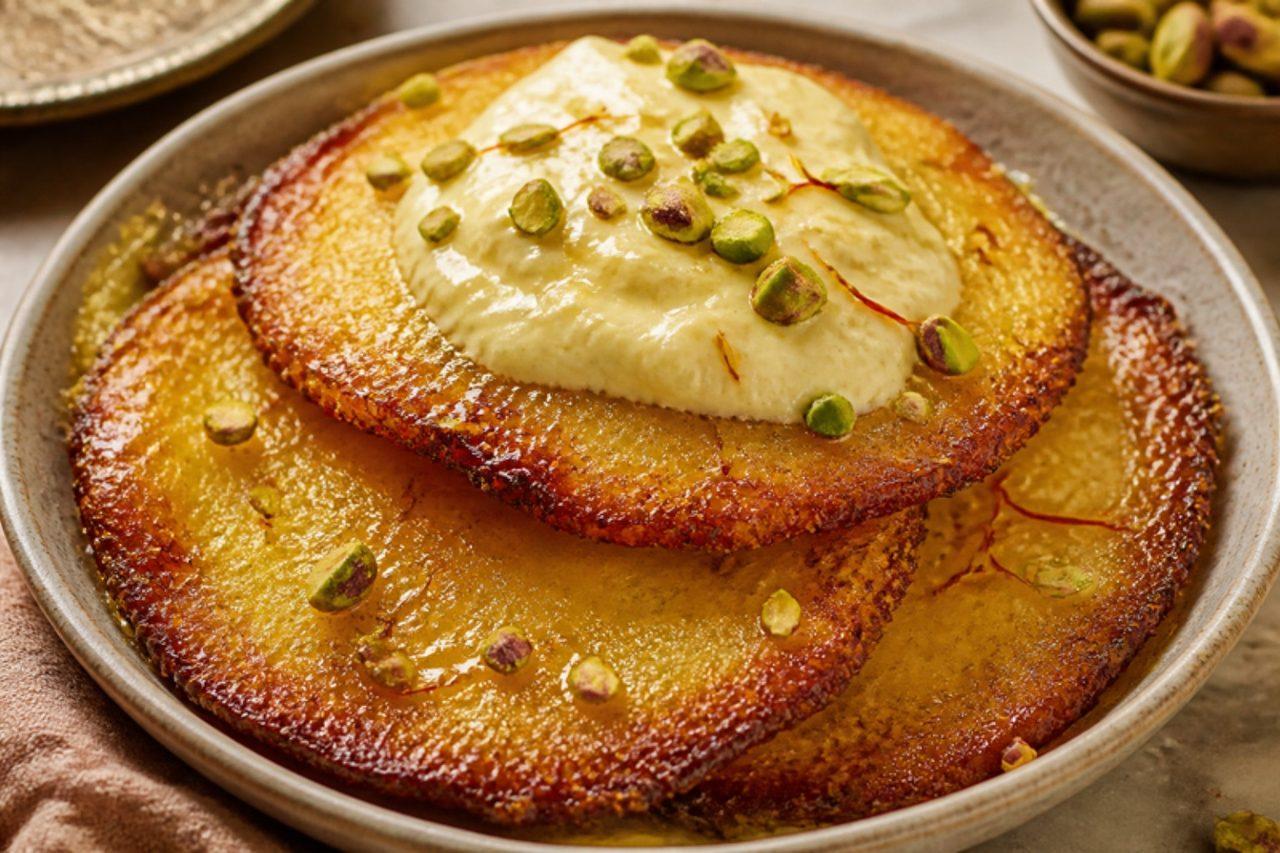
Halawet el jibn

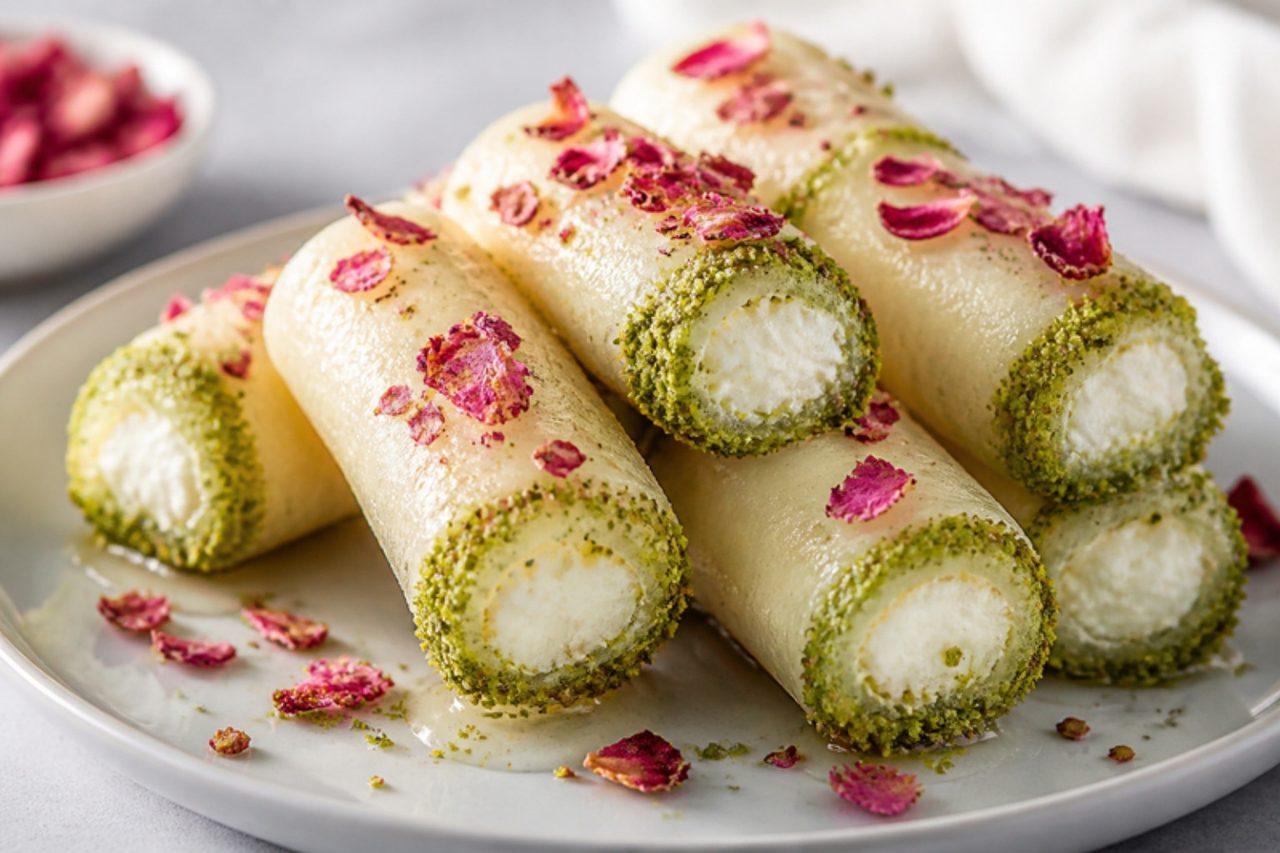
Halawet el jibn, 'sweetness of cheese', is the pride of the pastry shops of Homs in Syria and Tripoli in Lebanon, where trays of the pale, stretchy rolls are sold for Eid, weddings and Sunday afternoons. A dough of melted cheese and semolina is stretched thin, wrapped around thick clotted cream (ashta), cut into rolls and soaked in rose syrup. The dough must be worked hot, which makes it the hardest dessert in this collection, but the result is soft, chewy and only lightly sweet. Use mozzarella or akkawi made with vegetarian (microbial) rennet; many supermarket mozzarellas are. Chef's tip: oil your hands and the worktop rather than flouring them; flour toughens the dough and dulls its shine.

60 minDesserts
by KrazyBadal 0 views
Sfouf

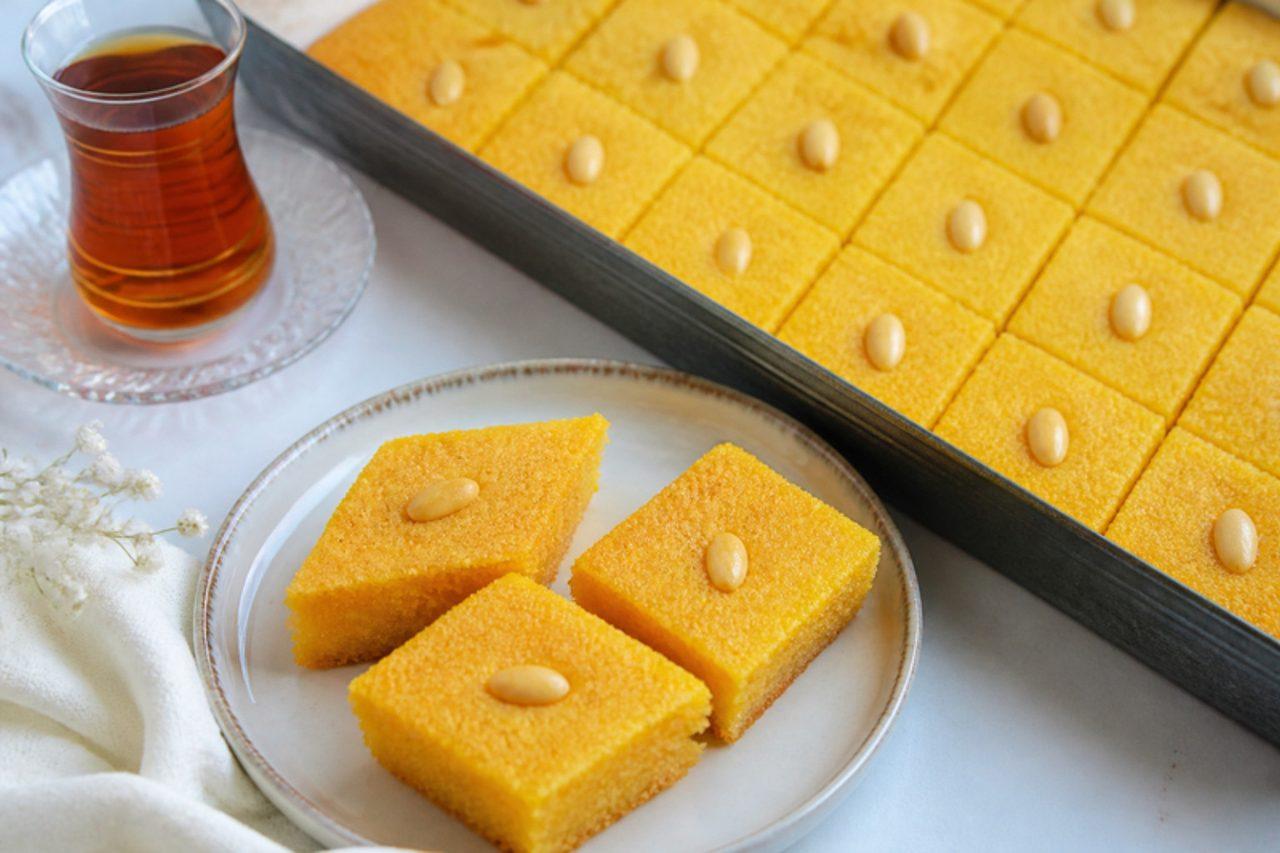
Sfouf is the bright yellow cake you find in every Lebanese bakery window and in plastic tubs at village coffee mornings, cut into diamonds and eaten with tea or a small cup of coffee. Turmeric gives the colour, aniseed and a little mahlab the perfume, and semolina a soft, slightly sandy crumb. Many families make it without eggs or dairy for Lent, and this version is fully plant-based, so it is not the site's eggless coconut-yogurt semolina cake. The tin is greased with tahini, a Beirut habit that gives the base a nutty crust. Chef's tip: use only the turmeric listed; more turns the cake bitter and slightly medicinal.

50 minBakingVegan
by KrazyBadal 0 views
Revani

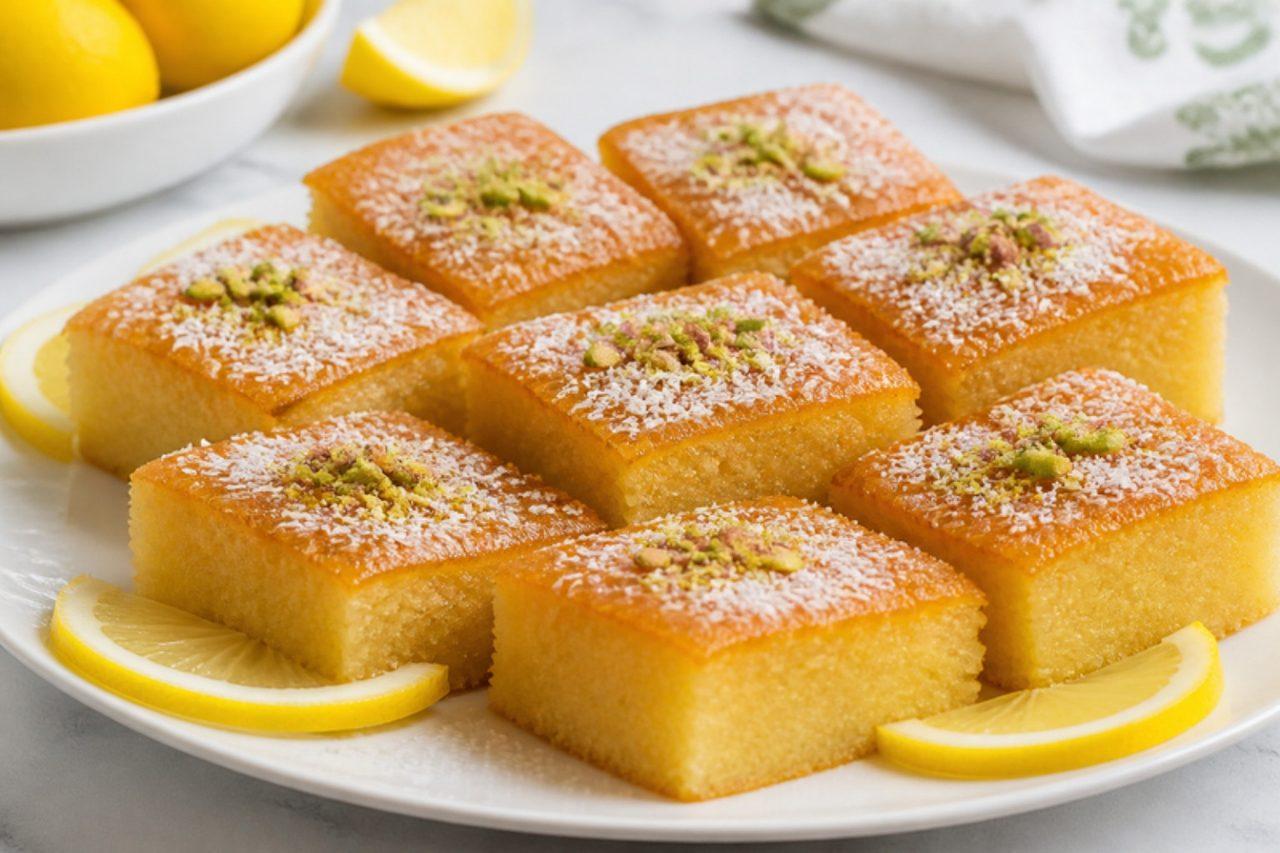
Revani is the syrup cake you meet in Turkish pastry shops and on home tea tables, especially at bayram visits, when trays of it are cut into diamonds and handed round with çay. Unlike a dense eggless semolina bake, it is a light, airy sponge of whisked eggs, semolina and a little flour, which drinks in cold lemon syrup straight from the oven until it is moist right through yet still holds a clean cut. It sweetens with sugar syrup rather than icing and is often finished with desiccated coconut or crushed pistachios. Serve it at room temperature or chilled, with tea or a spoon of kaymak or thick cream. Chef's tip: pour cool syrup over the hot cake (or hot over cool), never hot on hot; that contrast lets the sponge soak up syrup without collapsing into mush.

60 minBaking
by KrazyBadal 0 views
Bougatsa

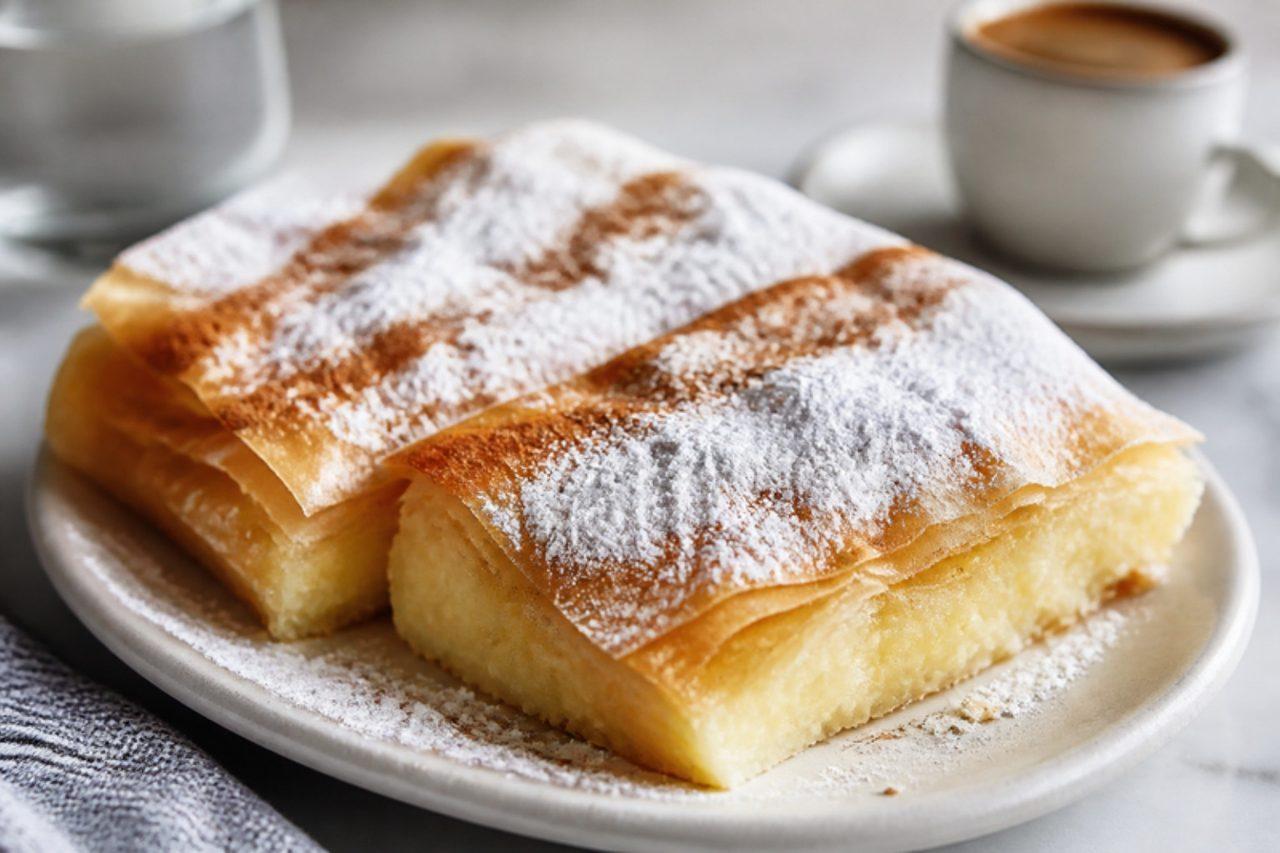
In Thessaloniki, breakfast is often a plate of bougatsa eaten at a marble counter at seven in the morning: warm vanilla custard wrapped in crackly pastry, chopped into bite-size pieces in front of you and dusted with icing sugar and cinnamon. The city's bougatsa shops stretch the dough paper-thin by hand; at home, shop fillo does a fine job. The custard is thickened with fine semolina, so it slices cleanly but stays soft and wobbly. Eat it warm with a Greek coffee or a cold frappé. Chef's tip: whisk the semolina into the milk in a slow stream and keep whisking; dumping it in at once is the usual mistake and leaves lumps you can't beat out.

by KrazyBadal 0 views
Galaktoboureko

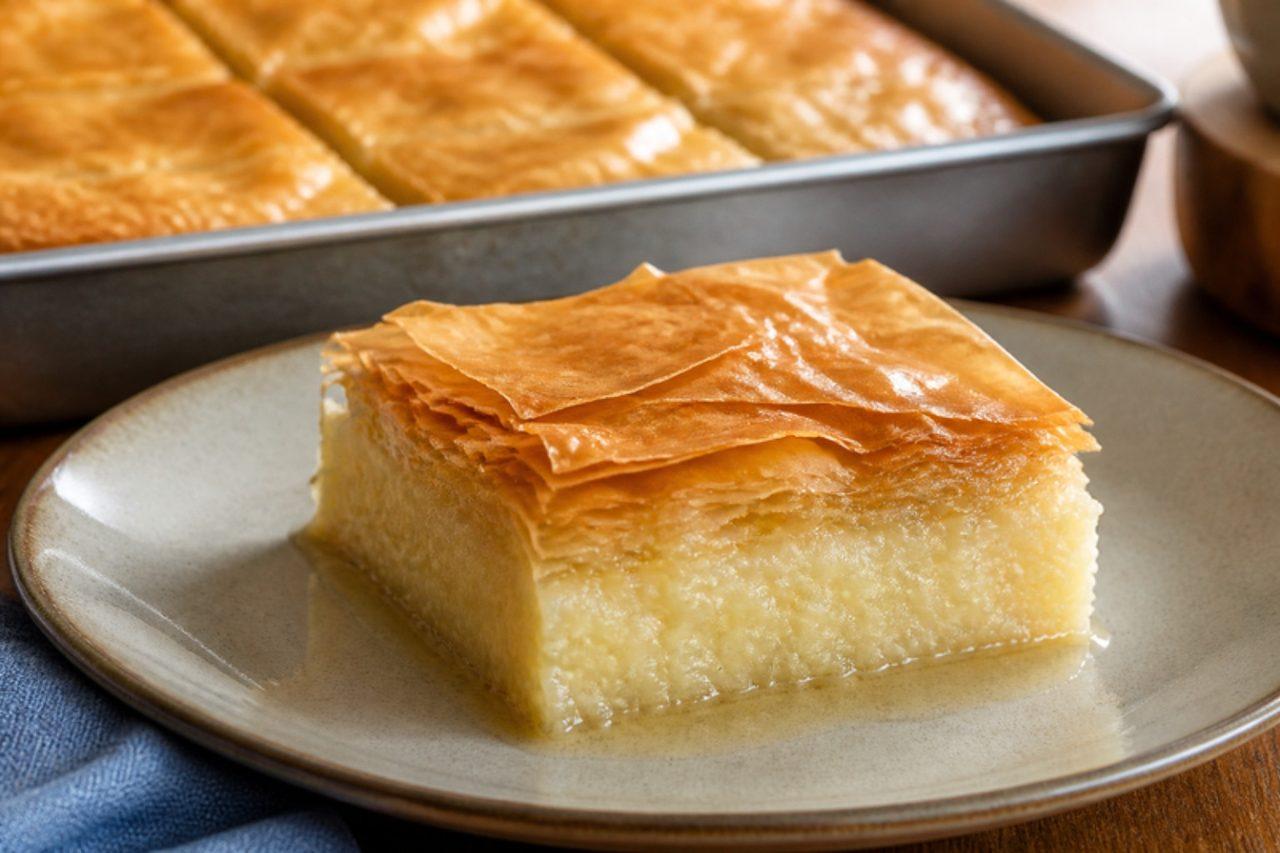
Galaktoboureko is the grand dessert of Greek pastry shops: a thick layer of silky semolina custard baked between sheets of buttered fillo, then soaked with cold lemon and cinnamon syrup the moment it leaves the oven. It's bought by the tray for Sunday lunches, name days and Easter, and eaten slightly warm or at room temperature with coffee. The top shatters, the syrup pools at the edges and the custard stays creamy. It takes patience but no special skill. Chef's tip: pour cold syrup over the hot pie (or hot over cold), never hot on hot; that common mistake leaves the pastry soggy instead of crisp.

90 minDesserts
by KrazyBadal 0 views
Qatayef

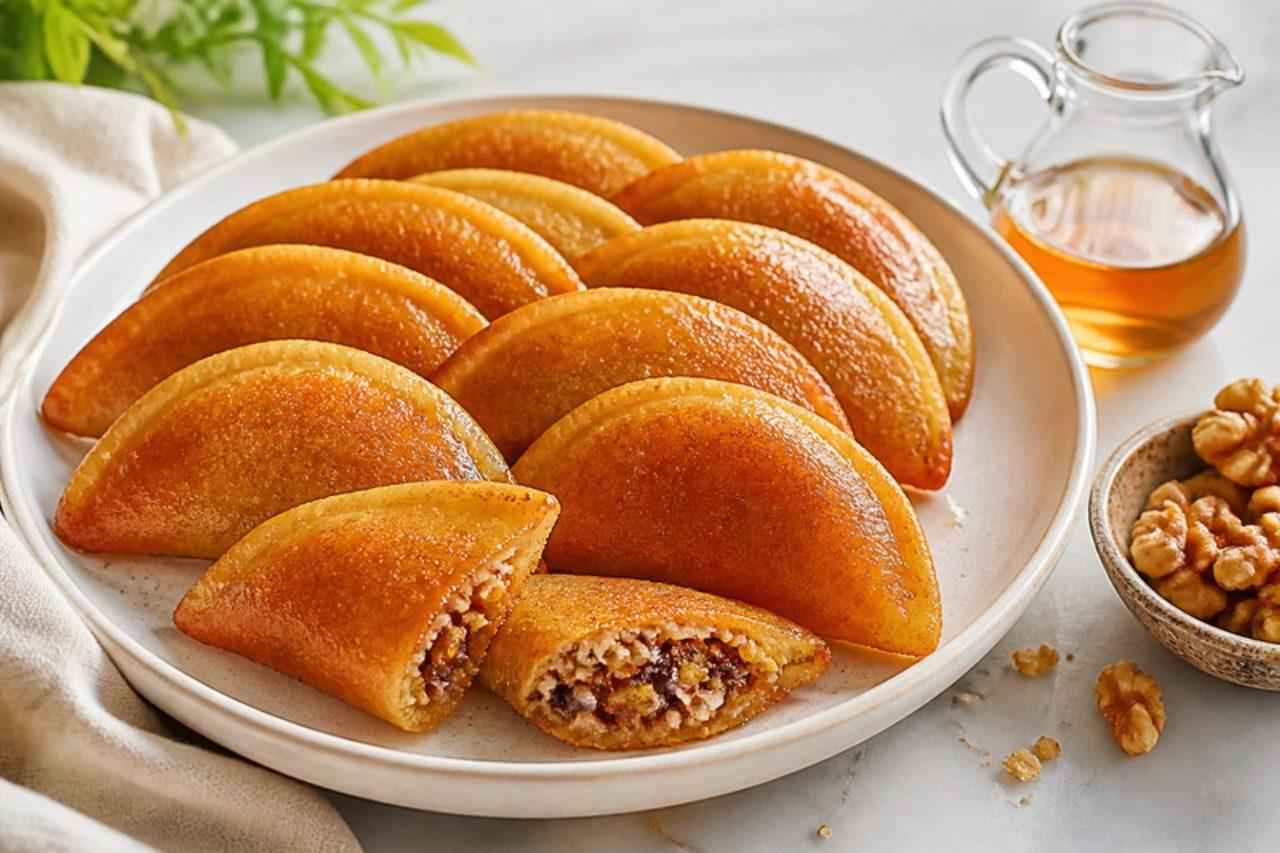
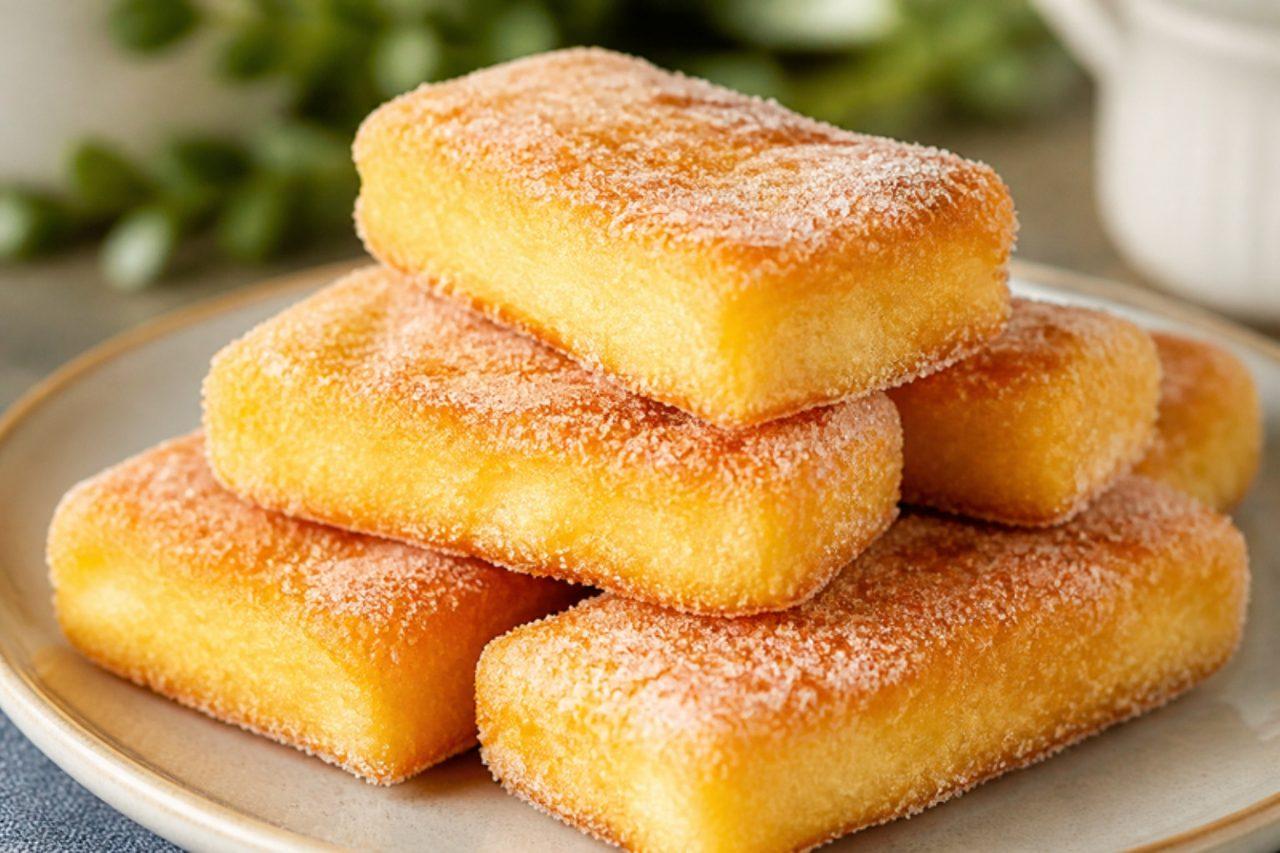
Qatayef only really appear in Egypt during Ramadan: in the weeks of the fast, street vendors in Cairo and Alexandria set up big griddles and pour rows of small pancakes that are cooked on one side only, then sold by the kilo for families to fill at home. The pale, bubbly side is folded around chopped nuts and raisins (or a creamy ashta filling), sealed into half-moons, baked or fried until crisp and dipped in syrup. They are eaten after iftar with tea. Chef's tip: cook the pancakes on one side only and don't flip them; the uncooked top stays sticky and is what glues the edges shut.

60 minDesserts
by KrazyBadal 0 views
Fuchka

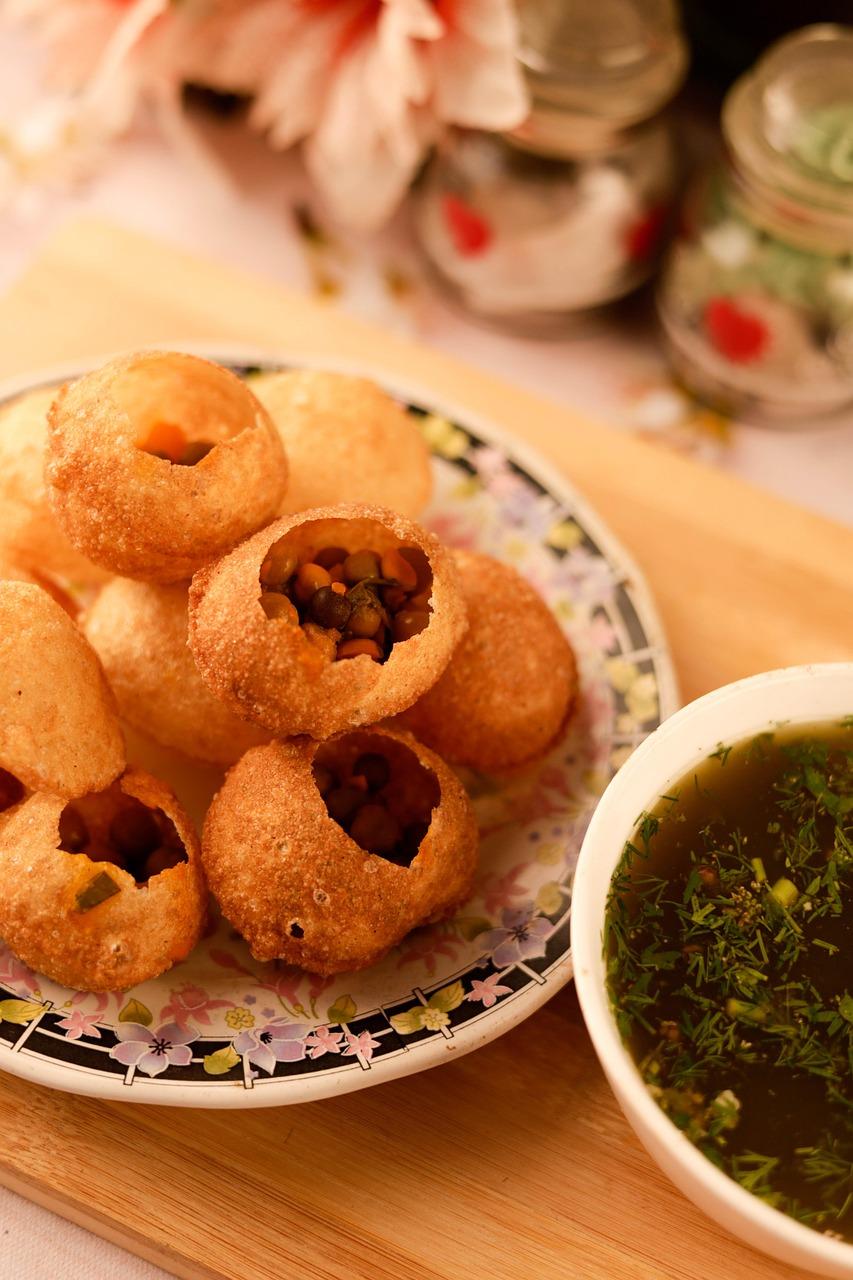
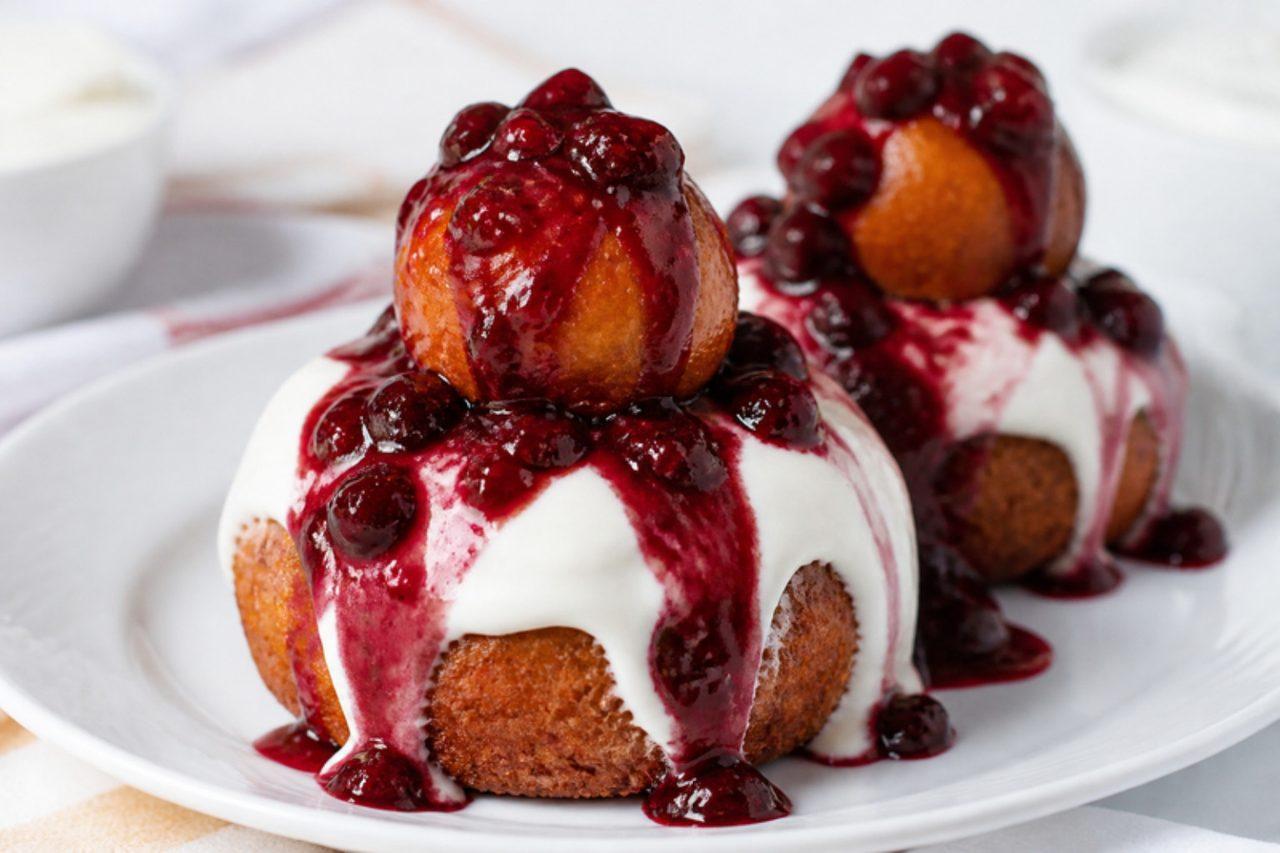
Fuchka is Bangladesh's answer to pani puri, but with its own character: in Dhaka the crisp shells are filled with a coarse mash of potato and yellow peas sharpened with raw onion, chilli and coriander, then dipped in or splashed with a sour tamarind water rather than a mint-heavy one. Stalls along Bailey Road and at every fair sell them by the plate of eight, often with a little extra chopped chilli for those who dare. Chef's tip: make the tamarind water ahead and chill it hard; ice-cold sour water against a crisp shell is what you're after.

by KrazyBadal 0 views
Papdi chaat

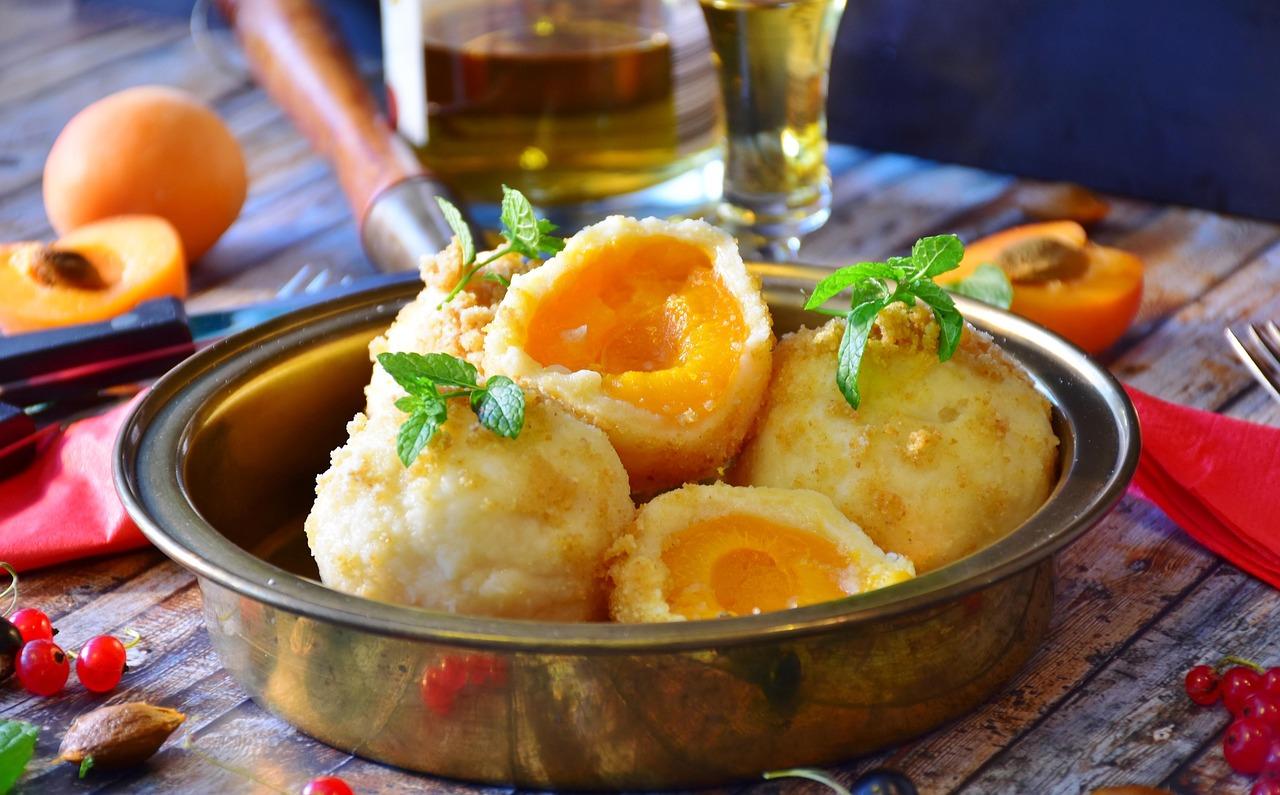
Papdi chaat is the plate Delhi orders without thinking about it, from the stalls outside Bengali Market to wedding buffets. Small, flaky wheat wafers called papdi are laid flat, topped with potato and chickpeas, drowned in sweetened yogurt and streaked with tamarind and green chutney, so you get crunch and creaminess in the same spoonful. Homemade papdi, crisp with ajwain, are far better than shop ones and keep for a week in a tin, though bought papdi will do on a busy day. Chef's tip: rub the oil into the flour until it holds together when squeezed; that shortening is what makes the papdi flaky rather than hard.

by KrazyBadal 0 views
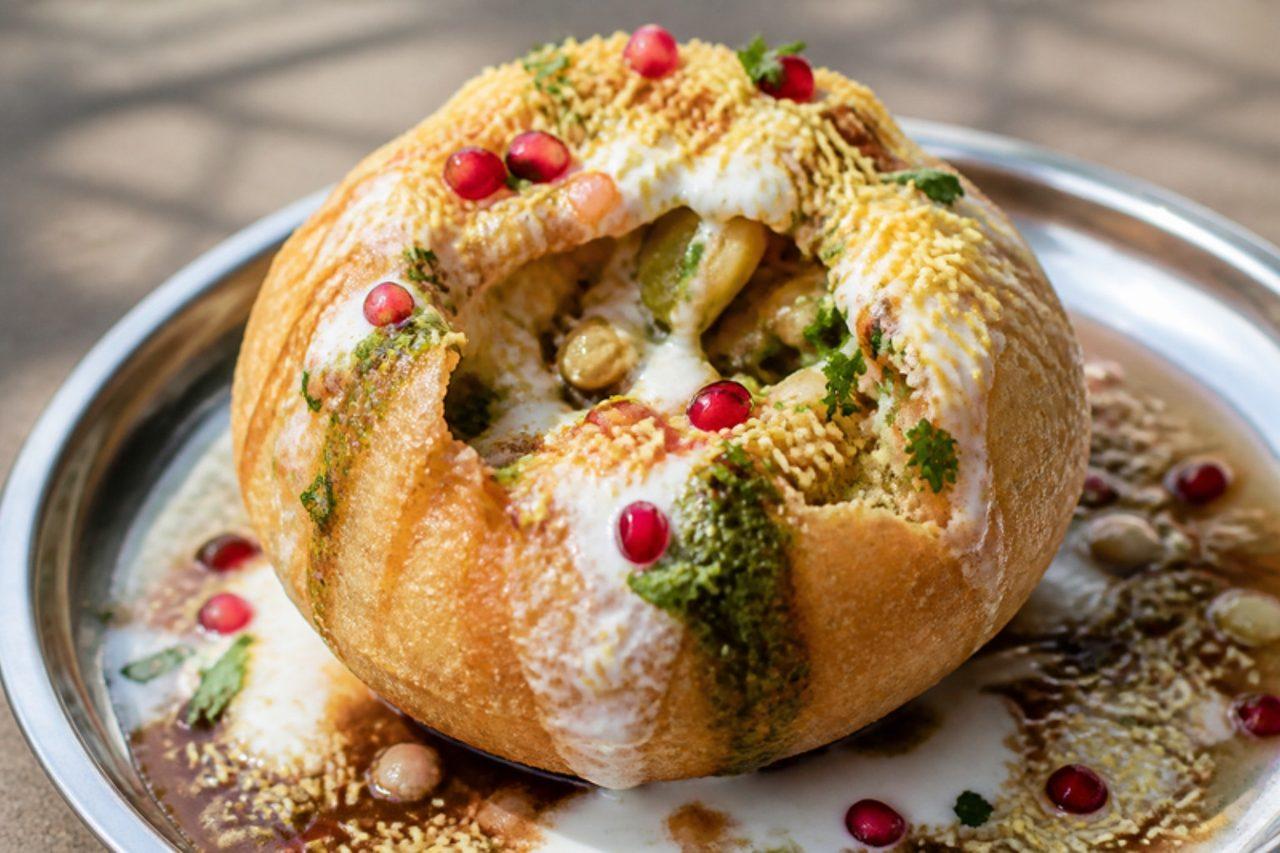
Raj kachori

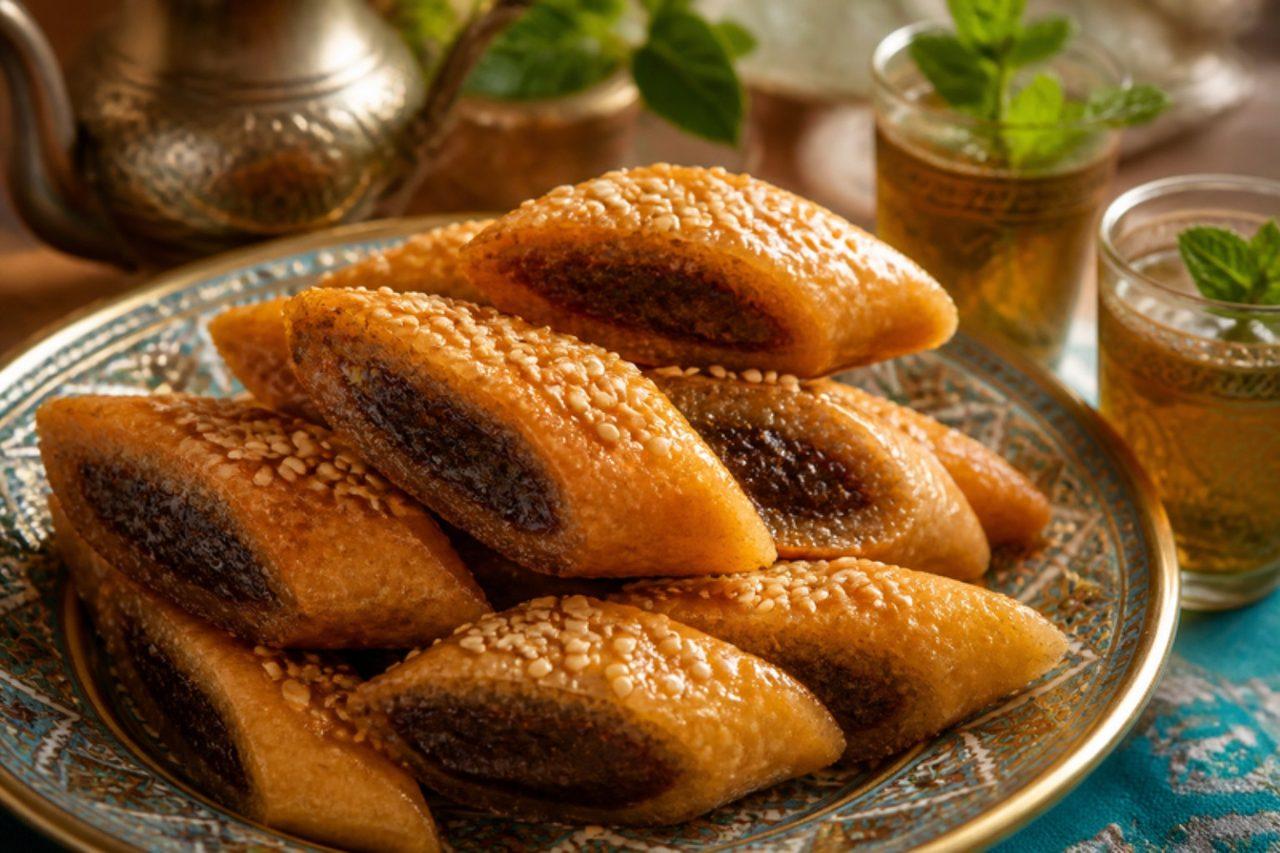
Raj kachori is the showpiece at Delhi's sweet-and-chaat shops: a fist-sized puri, fried until it balloons and turns crisp as a biscuit, then cracked open and stuffed with potato, chickpeas, sprouted moong, sweet yogurt, two chutneys and a snowfall of sev. It arrives on a steel plate at weddings and family outings, and it's eaten with a spoon because there's no other way. Every bite is crunchy, cold, sweet, sour and spicy at once. The puris can be fried a day ahead and kept in a tin. Chef's tip: roll the dough thin and even, and keep the oil properly hot; a puri rolled thicker on one side won't puff into a full ball.

by KrazyBadal 0 views
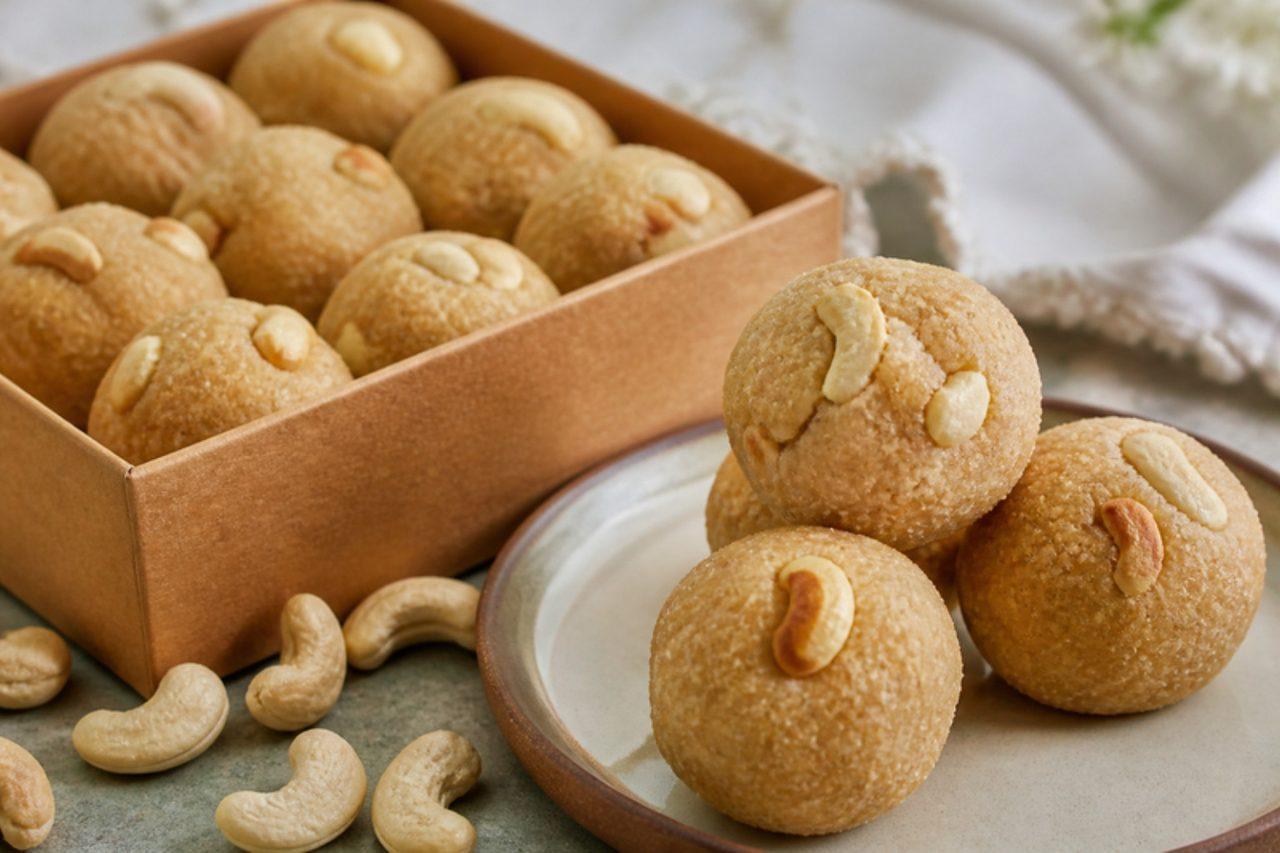
Kanpur khoya and suji laddu

Kanpur's best-known sweet is a crumbly, rich laddu sold in brown paper boxes near the city's busy crossings and taken home as a souvenir from the city. It is made by roasting semolina slowly in ghee until it smells like warm biscuits, then mixing in browned khoya, sugar and plenty of cashews, giving a soft, melt-in-the-mouth bite with tiny pieces of crunch. Families make a batch for Diwali or Raksha Bandhan and keep it for a week. The biggest mistake is adding the sugar while the mixture is still hot; it melts and the laddus collapse into flat puddles. Chef's tip: if the mixture feels too dry to bind, sprinkle in warm milk a teaspoon at a time rather than adding more ghee.

by KrazyBadal 0 views
Jaipuri malpua

Jaipur's old-city sweet shops fry malpua in wide pans of ghee from winter through Holi and Teej, and serve them stacked in a bowl with thick rabri. The batter is made with milk, a little khoya and crushed fennel, so each pancake turns soft and spongy in the middle with crisp, lacy brown edges, then soaks up a saffron-cardamom syrup. Some families also make them as an offering on Holi morning. The usual mistake is skipping the rest: unrested batter spreads unevenly and stays flat and chewy. Chef's tip: pour the batter into the centre of the pan from close above so it spreads by itself; this is how the lacy edges form.

by KrazyBadal 0 views

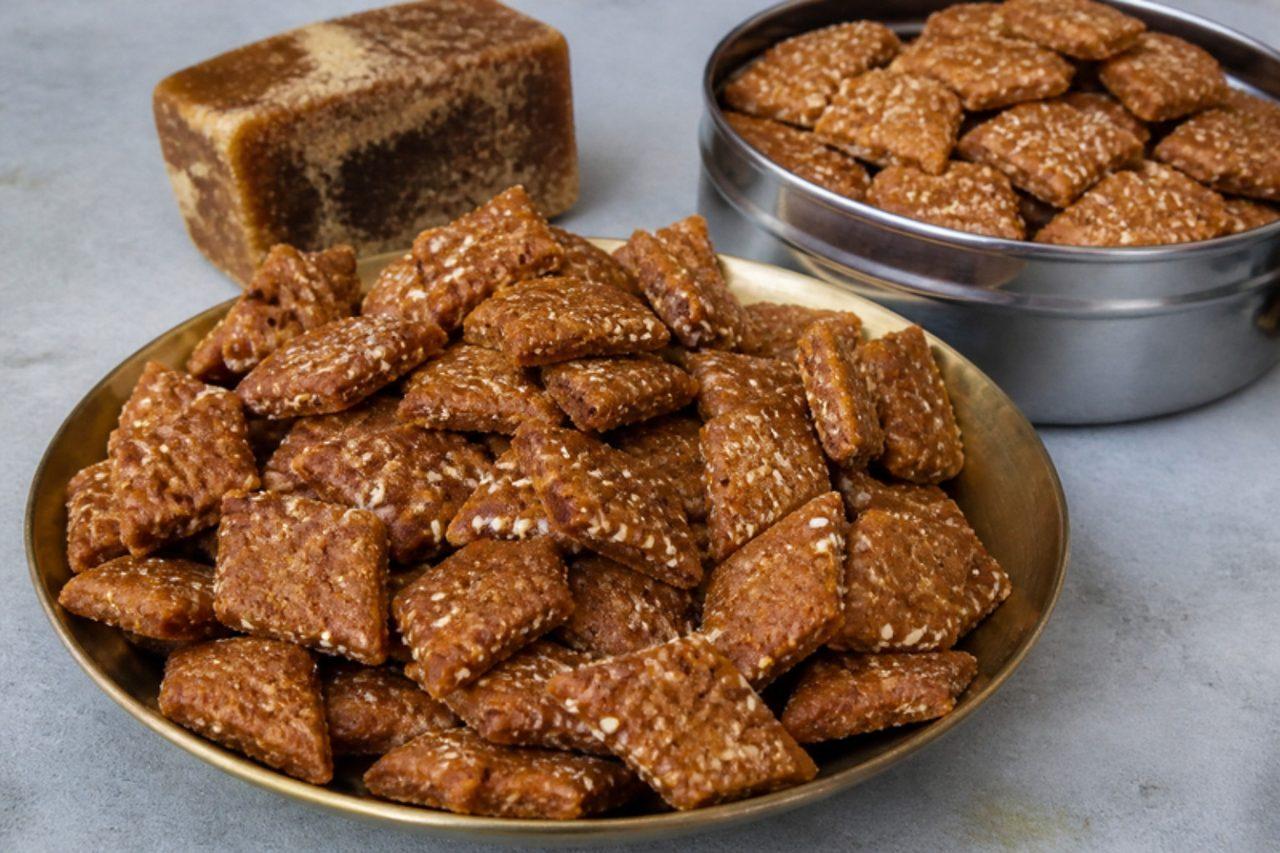
Khurmi

Khurmi are the sweet half of Chhattisgarh's Teeja-Pola festival snacks, made in big batches alongside the salty thethri. The dough is wheat flour and a little semolina bound with melted jaggery, studded with sesame and coconut, then cut into diamonds or pressed into small patterned shapes and fried until dark gold. They have a hard, crunchy bite and a deep caramel flavour, and they last for weeks in a steel dabba, ready for visitors and children back from school. Chef's tip: cool the jaggery water to lukewarm before kneading; hot jaggery makes a slack dough that spreads and soaks up oil.

by KrazyBadal 0 views

Sev puri

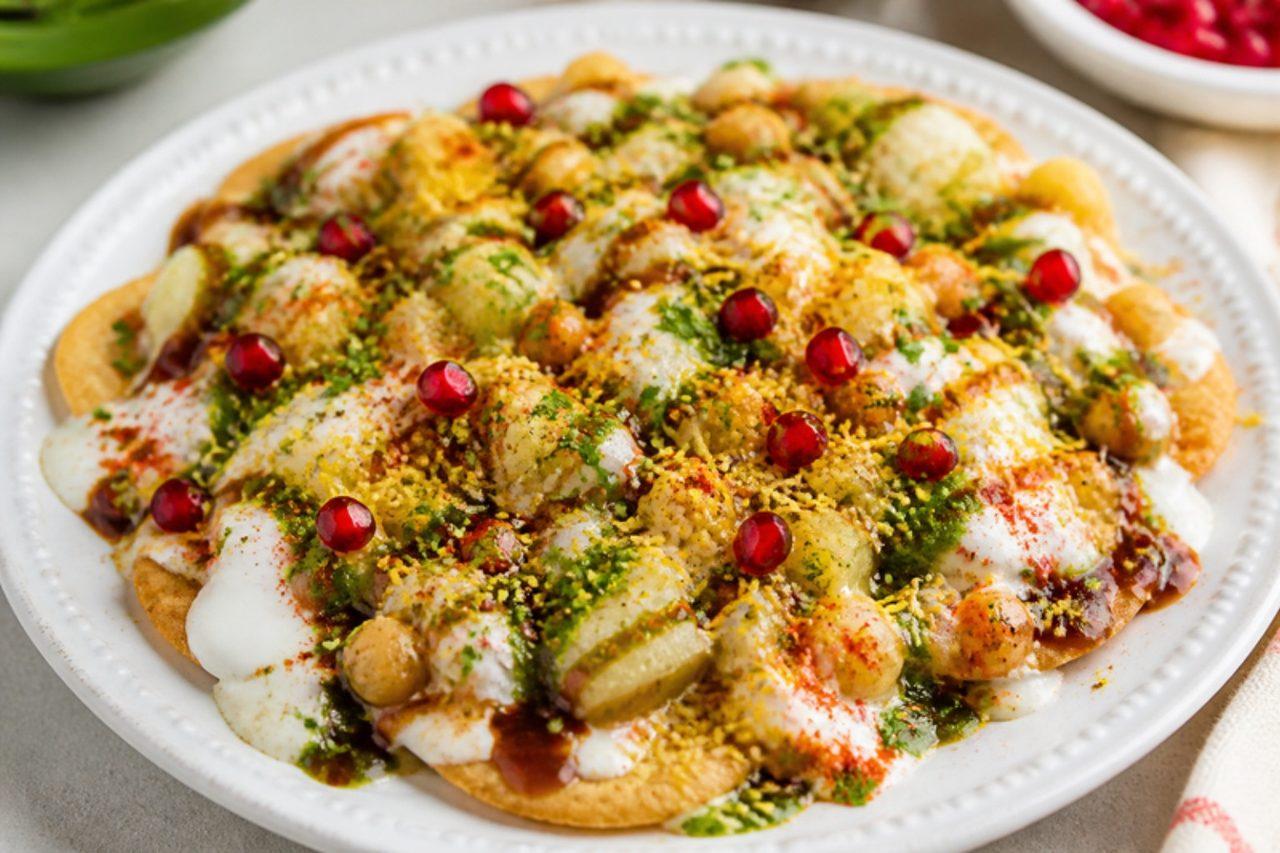
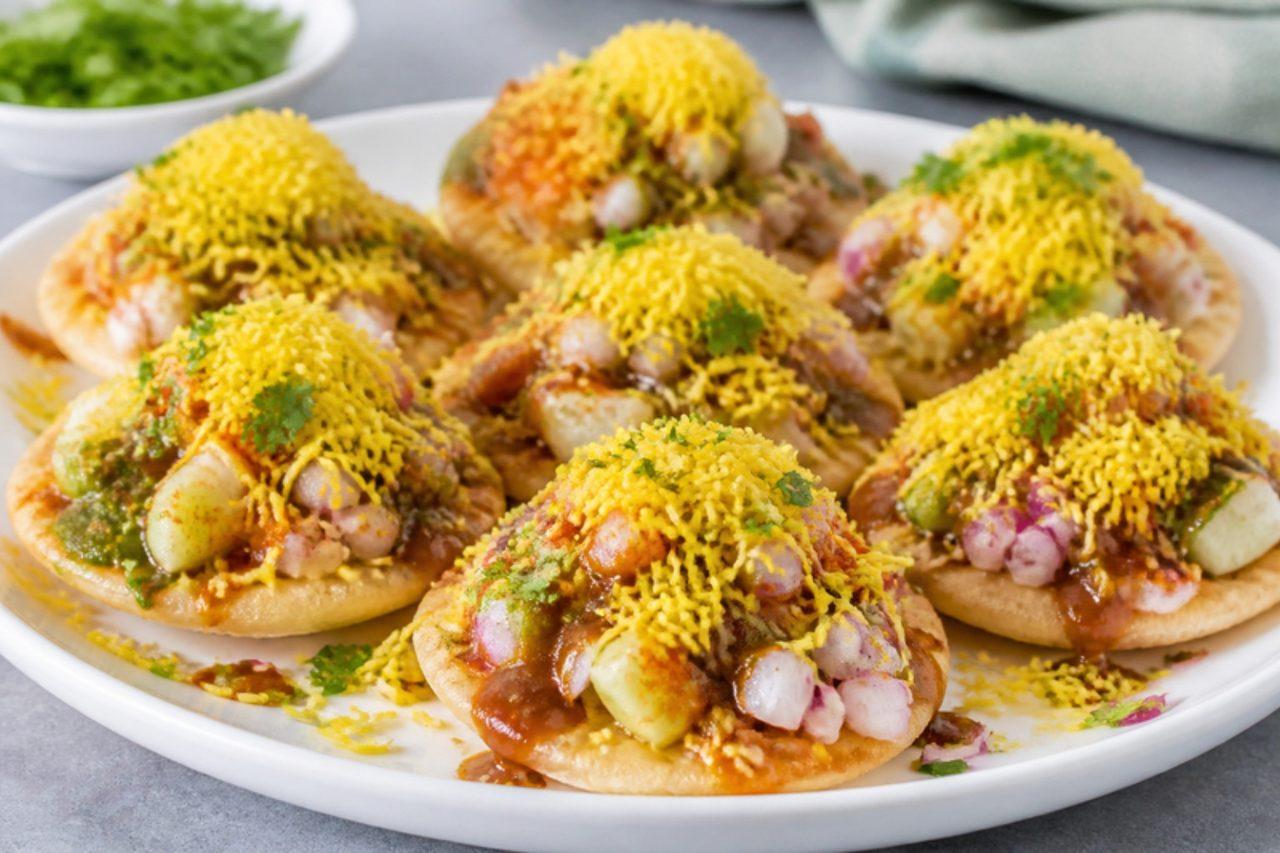
Sev puri is the snack Mumbaikars eat standing up at Juhu and Girgaum Chowpatty, or at the chaat stall outside the office in the evening. Flat, crisp papdi are laid out on a plate, topped with potato, onion and raw mango, splashed with green, sweet tamarind and red garlic chutneys, then buried under a snowfall of fine sev. It must be eaten within a couple of minutes, before the papdi soften. Here the papdi are made at home, but good shop-bought ones work fine on a busy day. Chef's tip: assemble each plate just before it's eaten, in the order given; chutney on bare papdi makes them soggy, so the potato always goes down first.

by KrazyBadal 0 views

Maddur vada

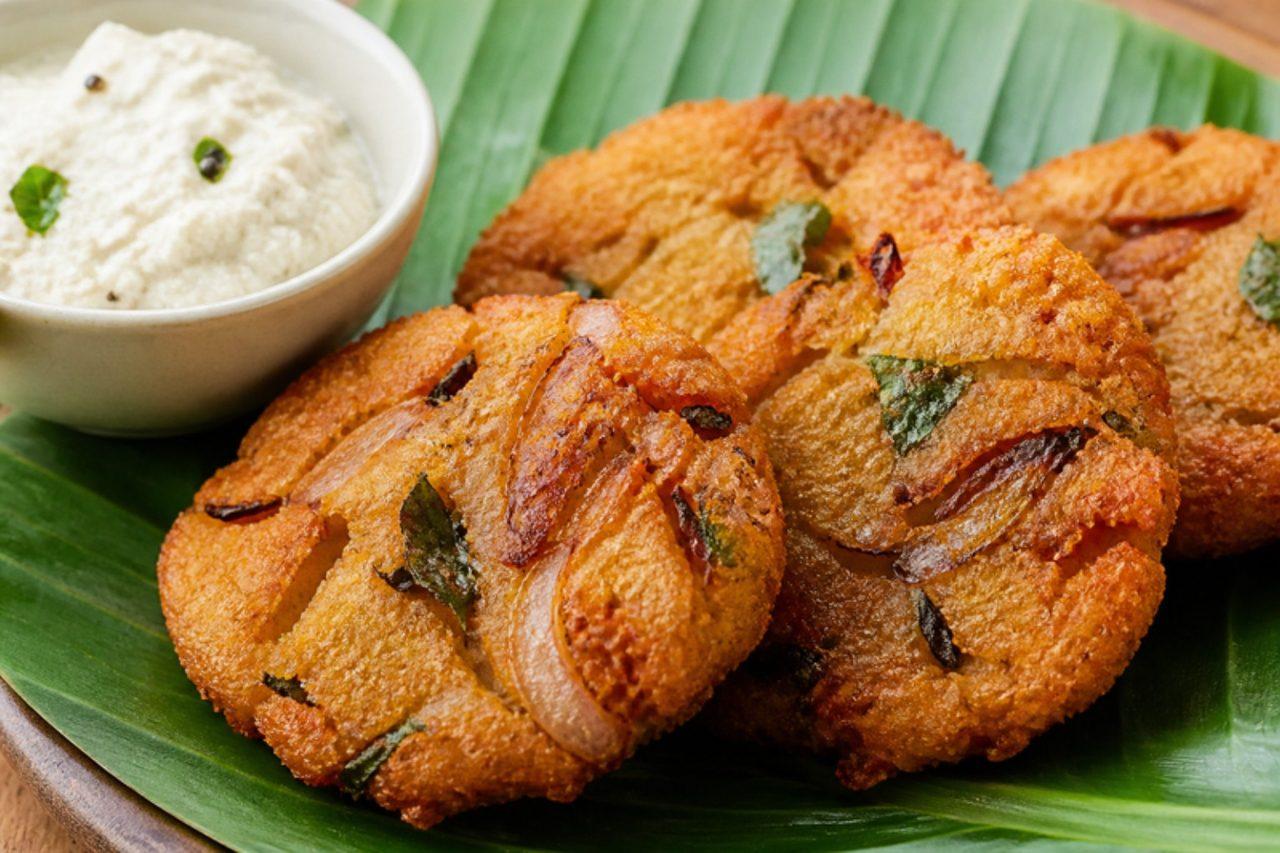
Maddur is a small town halfway between Bengaluru and Mysuru, and for nearly a century travellers on that road have stopped at its railway station and highway stalls for one snack: Maddur vada. Unlike soaked-lentil vadas, these are made from rice flour, semolina and plain flour rubbed with hot oil and loaded with sliced onion, curry leaves and green chilli, then patted flat and fried until crunchy and golden all the way through. They keep their crunch for hours, so they are packed for long journeys. Serve with coconut chutney and filter coffee. Chef's tip: add the onions first and let them sit with the salt for ten minutes; their juice moistens the flours, so you need very little water and the vada stays crisp.

by KrazyBadal 0 views

Patishapta

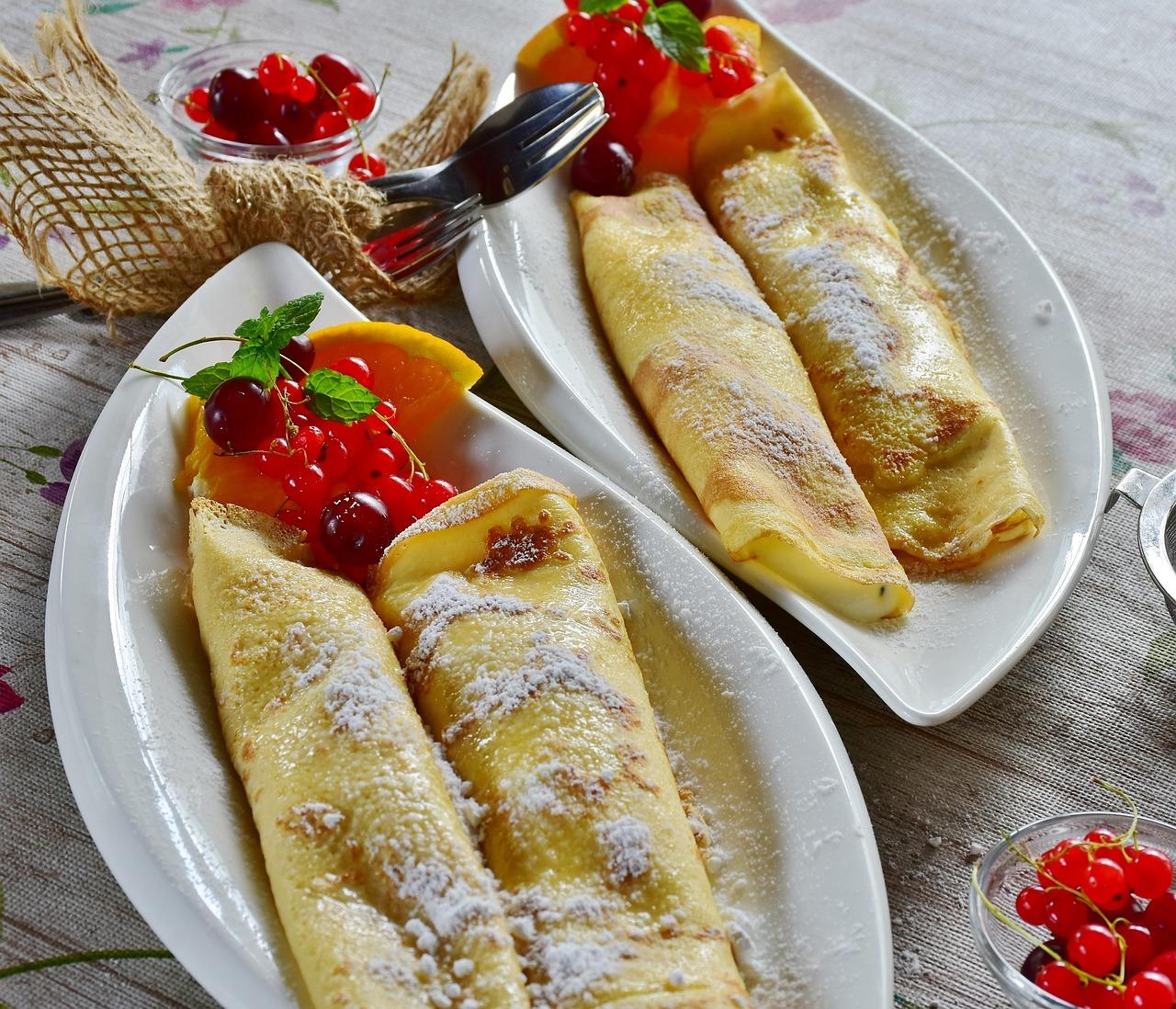
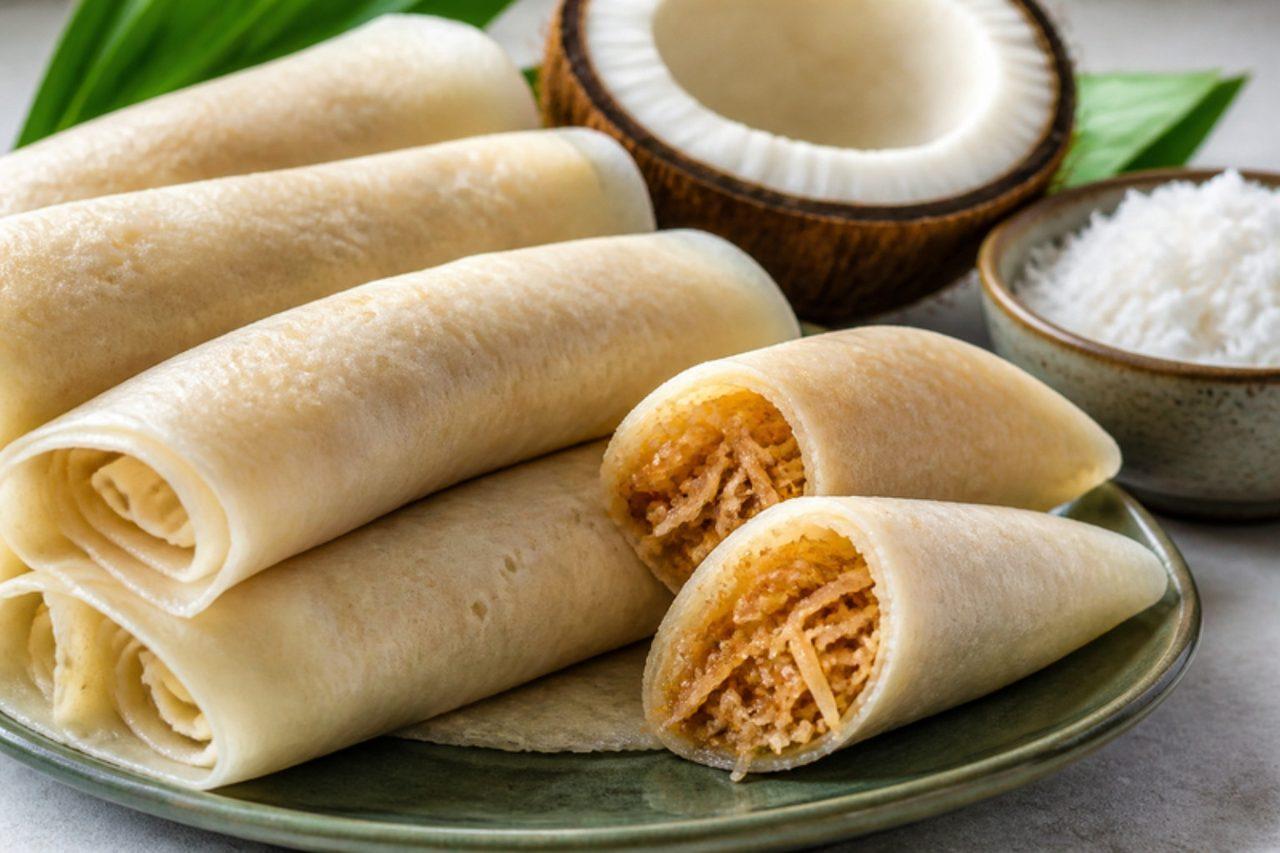
Patishapta is the star of Poush Sankranti in mid-January, when Bengali homes make pithe-puli, sweets of new rice, coconut and the season's nolen gur (date-palm jaggery). A loose batter of rice flour, semolina, plain flour and milk is swirled thin on a hot pan and rolled round a sticky filling of coconut cooked with jaggery and cardamom. The crêpe should be soft and pale, never crisp. Chef's tip: keep the heat low and grease the pan only lightly with a cut potato dipped in ghee, which spreads a film rather than a pool.

60 minDessertsIndian
by KrazyBadal 0 views

Rasabali

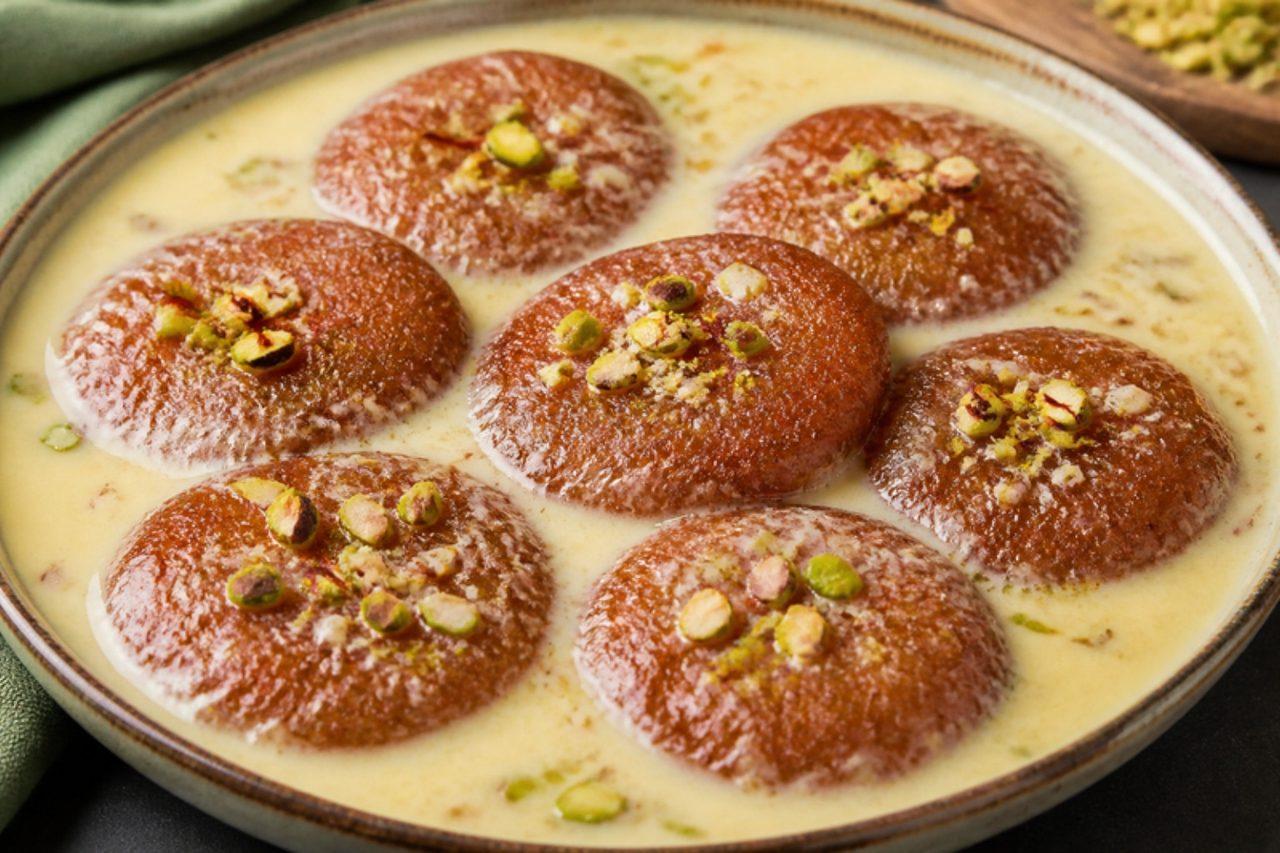
Rasabali comes from the Baladevjew temple in Kendrapara and is one of the 56 offerings of Puri's Jagannath temple. Flattened discs of chhena are deep-fried until reddish-brown, then soaked in milk that has been simmered down until thick and sweet with cardamom. Unlike rasmalai, whose discs are poached in syrup, rasabali's are fried, so they keep a chewy, slightly caramelised skin under the milk. It is eaten chilled at festivals and weddings in Odisha. Chef's tip: press a dimple into the centre of each disc before frying, so it fries evenly and holds more milk.

by KrazyBadal 0 views

Chhena gaja

Chhena gaja is the sweet pilgrims carry home from Puri in boxes from the stalls along the Bada Danda, the grand road to the Jagannath temple. Fresh chhena is kneaded with semolina, cut into rectangles, fried until golden and crisp, then soaked briefly in sugar syrup so the outside turns glassy and crunchy while the inside stays soft and grainy. It travels well and keeps for days. Chef's tip: dry the fried blocks for an hour after syruping; the sugar sets into a thin crust.

by KrazyBadal 0 views

Papanași

Papanași are the dessert Romanians order after almost any restaurant meal, from the old town of Bucharest to the mountain chalets of Sinaia and Bran. A soft dough of fresh cheese, egg and semolina is shaped into a ring with a little ball on top, fried until puffed and golden, then crowned with cold smântână and sour cherry or blueberry jam. Warm, tangy and very rich, one is a full dessert. Chef's tip: use dry, crumbly cheese and drain it if it's wet; a common mistake is a sloppy dough that soaks up oil and falls apart, so add flour only until it just stops sticking.

45 minDesserts
by KrazyBadal 0 views

Ovocné knedlíky

Ovocné knedlíky are the summer main course of Czech childhoods: in July with apricots from South Moravian orchards, in September with blue plums, eaten as lunch rather than pudding. Each soft quark dumpling hides a whole fruit that turns jammy as it simmers, and they are served the old way, rolled in melted butter and buried under grated tvaroh (quark) and icing sugar. Kids compete over who can eat the most. Chef's tip: pinch the dough completely closed with no thin patches; a single gap lets water in and the dumpling bursts in the pot.

45 minDesserts
by KrazyBadal 0 views

Makroudh

Makroudh is the sweet that Kairouan is famous for; the old holy city in central Tunisia sells it in boxes from shops around the medina, and it is made at home for Eid and weddings across the country. A soft dough of semolina and olive oil is wrapped around a roll of date paste scented with cinnamon and orange blossom, cut into diamonds, fried and dipped in syrup. Chef's tip: rest the semolina dough for an hour after mixing; the grains need time to drink the oil and water, or the makroudh cracks in the oil.

120 minDessertsVegan
by KrazyBadal 0 views

Mhadjeb

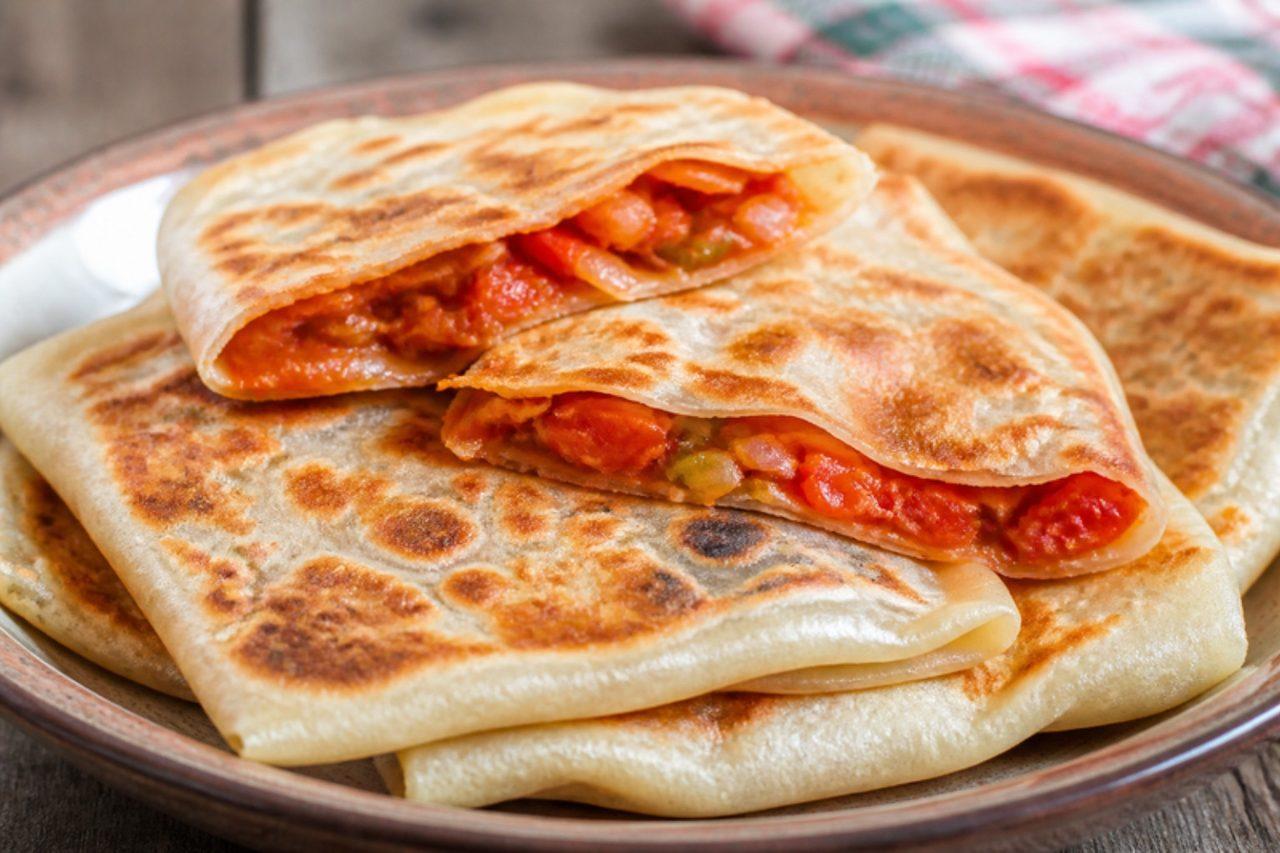
Mhadjeb (also mahjouba) are the folded flatbreads of Constantine and the east of Algeria, sold on street corners at teatime and made in every home during Ramadan. A stretchy semolina dough is pulled paper-thin with oiled hands, filled with a jammy stew of onion, tomato and pepper, folded into a square and cooked on a dry griddle until spotted brown. Chef's tip: knead the dough for the full 15 minutes; it must stretch almost transparent without tearing.

by KrazyBadal 0 views

Bombil fry

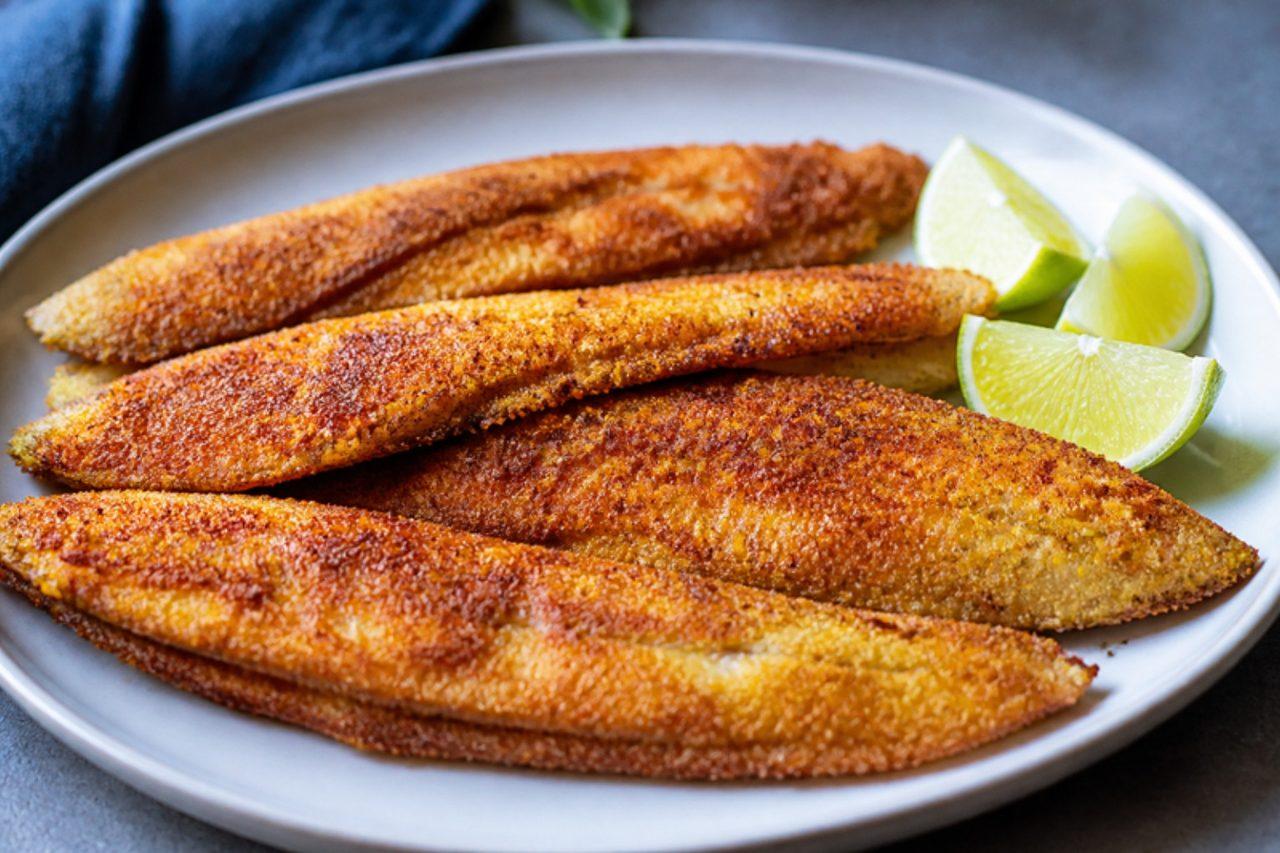
Bombay duck is not a duck at all but bombil, a soft, almost jelly-like fish landed in huge numbers at Sassoon Dock and the Koli fishing villages around Mumbai. Pressed flat, rubbed with chilli and rolled in semolina, it fries up with a shattering crust and a melting middle, and it turns up at Malvani restaurants and Koli homes as a starter or beside dal and rice. Chef's tip: press the opened fish under a weighted plate for 10 minutes before marinating; it squeezes out water so the crust stays crisp.

30 minFishIndian
by KrazyBadal 0 views

Goes well with fine semolina