Skip to content

Recipes with epis

4 recipes that use epis, with photos, step-by-step instructions and cook times. The quickest, Diri kole ak pwa, takes 60 minutes. It is most often cooked with scotch bonnet pepper, thyme and whole.

Got a few things in the fridge? Search by everything you have

Diri djon djon

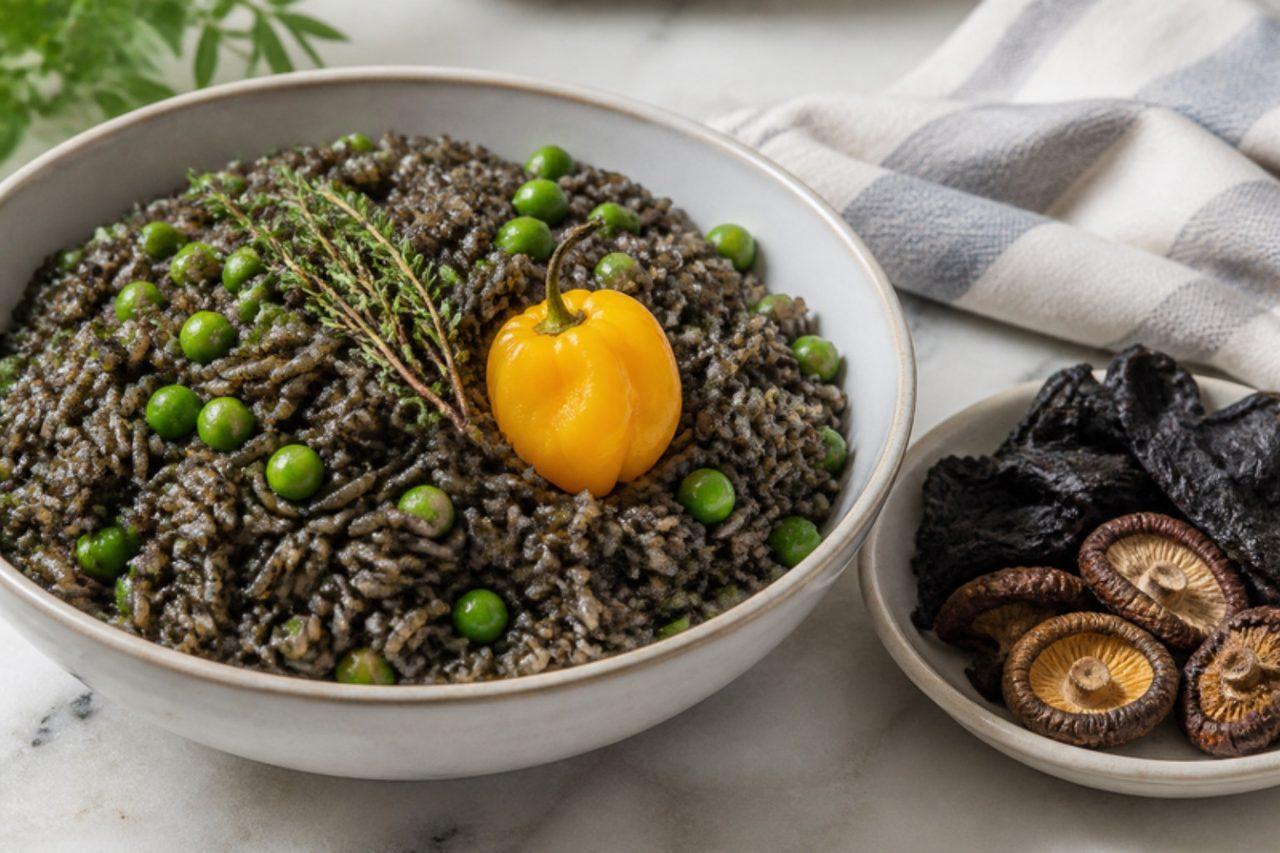
Diri djon djon comes from northern Haiti, around Cap-Haïtien, where the tiny black djon djon mushrooms are gathered and dried. Soaked in hot water, they give an inky liquid that turns rice a striking grey-black and makes it taste deeply earthy and savoury. It's the rice for weddings, baptisms and big Sunday lunches, cooked with epis, cloves and green peas or butter beans, a whole scotch bonnet laid on top for perfume. Dried djon djon is sold in Haitian and Caribbean shops and online. Chef's tip: avoid djon djon stock cubes, which are often made with chicken fat and add little real flavour; use the dried mushrooms, and add a few dried shiitake for even more depth.

by KrazyBadal 0 views
Diri kole ak pwa

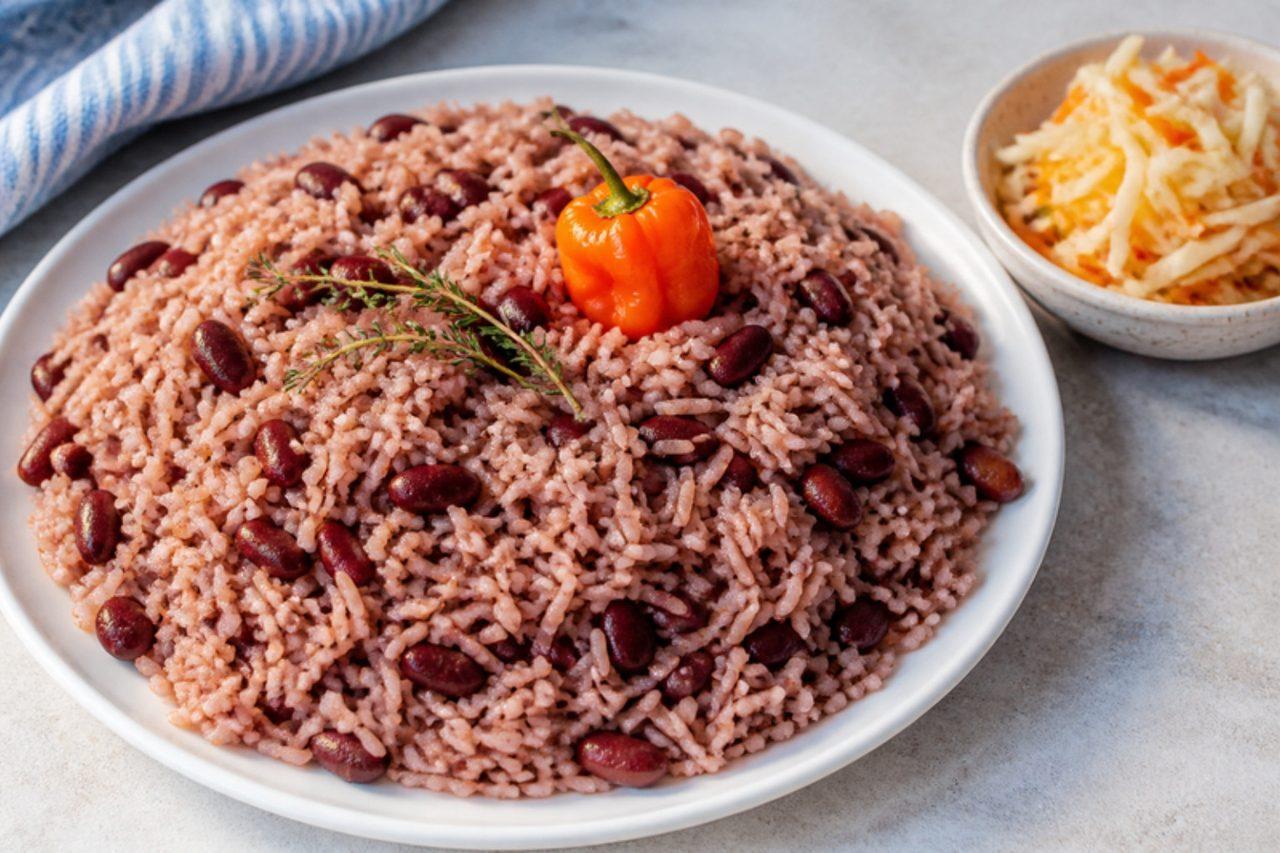
Diri kole ak pwa, rice 'stuck together' with beans, is the plate Haitians call their national dish, cooked in homes from Jacmel to Gonaïves and served most days of the week. Unlike rice and peas from elsewhere in the Caribbean, there's usually no coconut milk: red beans are simmered first, then their dark, savoury cooking liquid goes into the rice with fried epis, thyme and cloves, so the grains turn a rich reddish-brown and taste of beans all the way through. A whole scotch bonnet adds fruity heat without fire. Chef's tip: fry the drained beans in the epis until their skins blister and catch slightly; that browning gives the rice its deep, almost smoky taste.

by KrazyBadal 0 views

Soup joumou

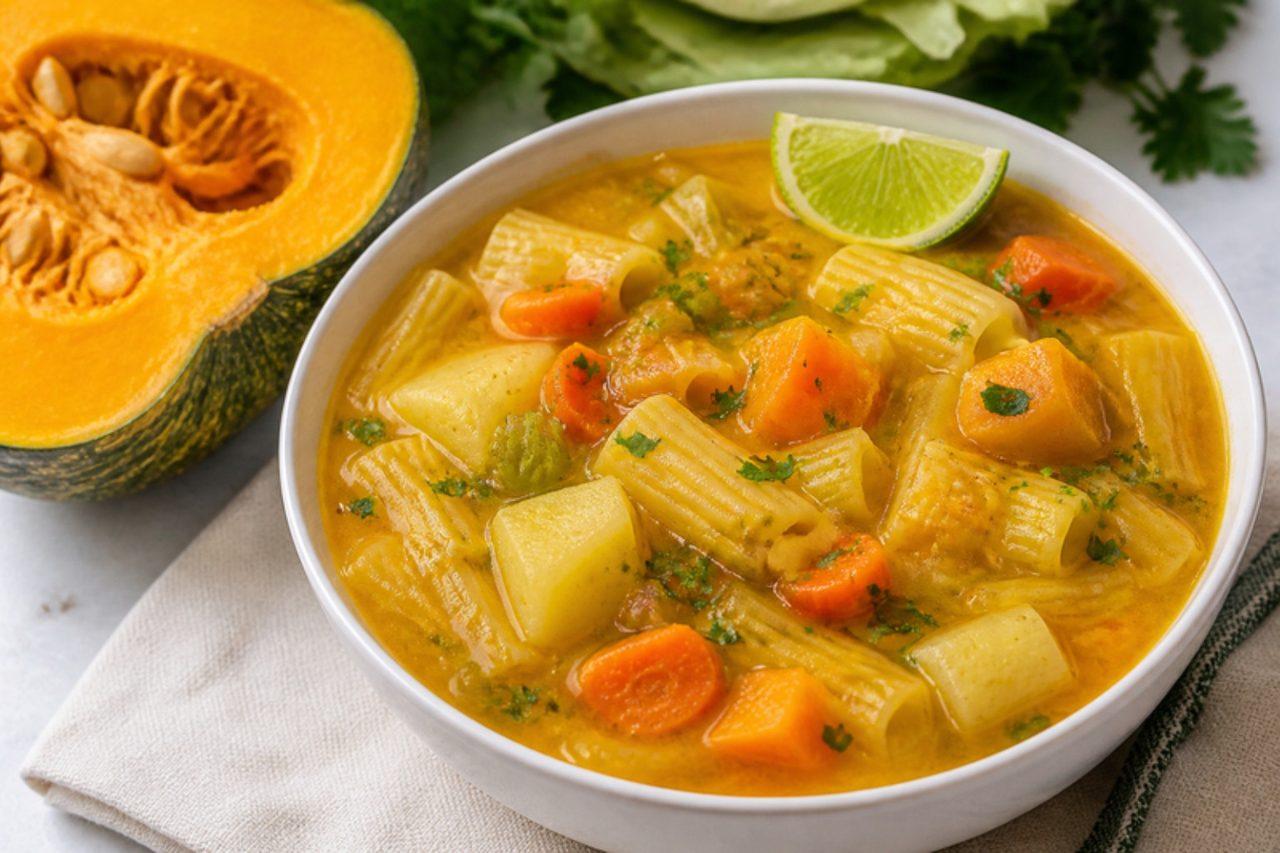
Every 1 January, Haitian families from Port-au-Prince to Brooklyn wake up to soup joumou. It marks independence from France on 1 January 1804: under French rule, enslaved Haitians cooked this pumpkin soup but were forbidden to eat it, so the free people of the new nation made it their own as a dish of freedom. In 2021 it was added to UNESCO's list of the intangible cultural heritage of humanity. The base is a velvety purée of joumou (Caribbean pumpkin) with epis, and in it simmer chunks of carrot, potato, cabbage, celery and turnip, with pasta and a squeeze of lime. It's usually made with beef; this vegetable version is full and golden, rich enough for the day. Chef's tip: roast half the pumpkin before puréeing it; the caramelised edges give the soup the depth that slow-cooked meat usually provides.

90 minSoupsVegan
by KrazyBadal 0 views

Legim

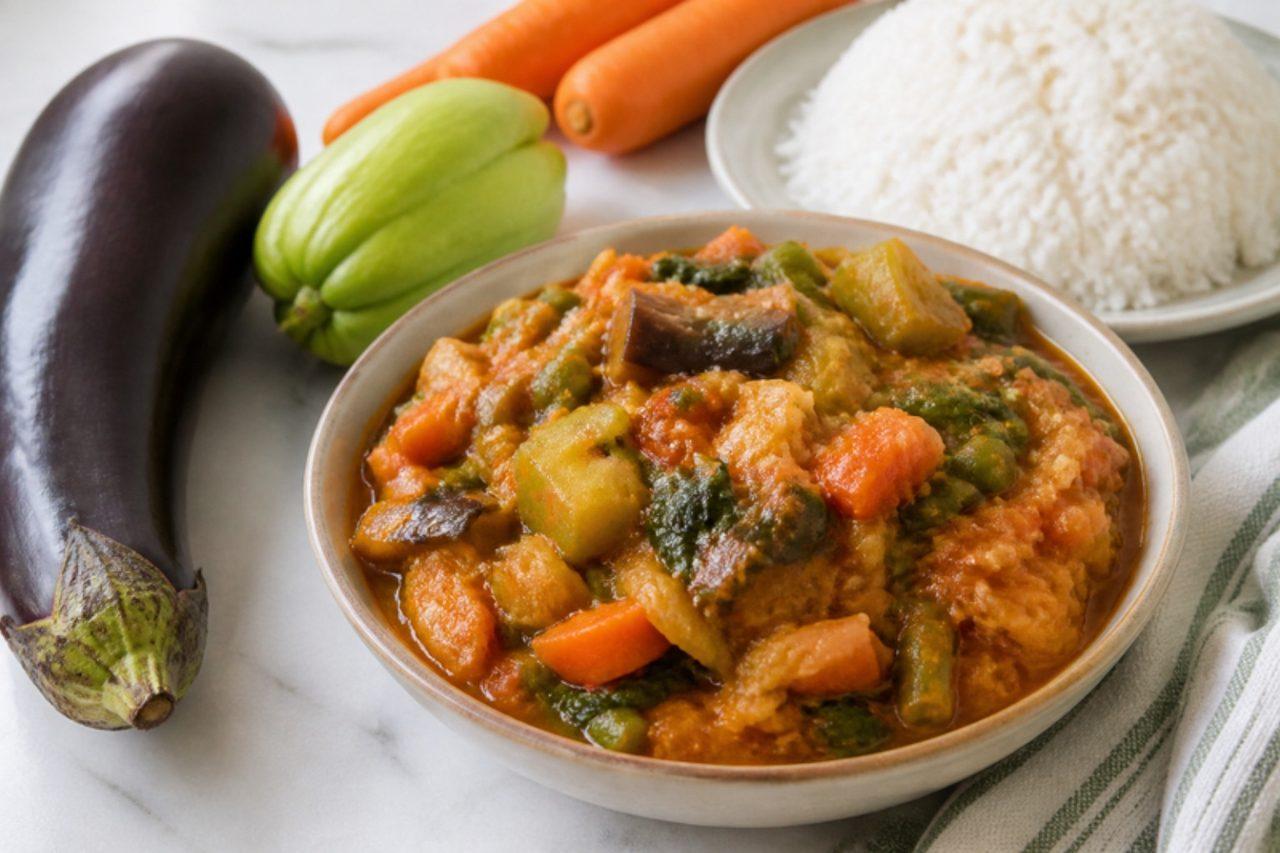
Legim (from the French légumes) is a Haitian Sunday dish, made in big pots in Port-au-Prince and the countryside and eaten with white rice or diri kole. Aubergine, cabbage, chayote (mirliton), carrots and spinach or watercress are cooked down slowly with epis and tomato paste until soft, then crushed with a pilon or spoon into a thick, rough, savoury mash. It's often cooked with beef or crab; this vegetable version is just as traditional for the days without meat. It tastes deep and green, gently sweet from the carrot and warm from clove and scotch bonnet. Chef's tip: cook it uncovered at the end until the liquid has almost gone and the oil shows at the edges; that's when the flavours concentrate and it stops tasting boiled.

75 minCurriesVeganGluten free
by KrazyBadal 0 views

Goes well with epis