Skip to content

Recipes with dried white hominy

3 recipes that use dried white hominy, with photos, step-by-step instructions and cook times. The quickest, Canjica (mungunzá), takes 115 minutes. It is most often cooked with beef shin, dried oregano and garlic.

Got a few things in the fridge? Search by everything you have

Calapurca

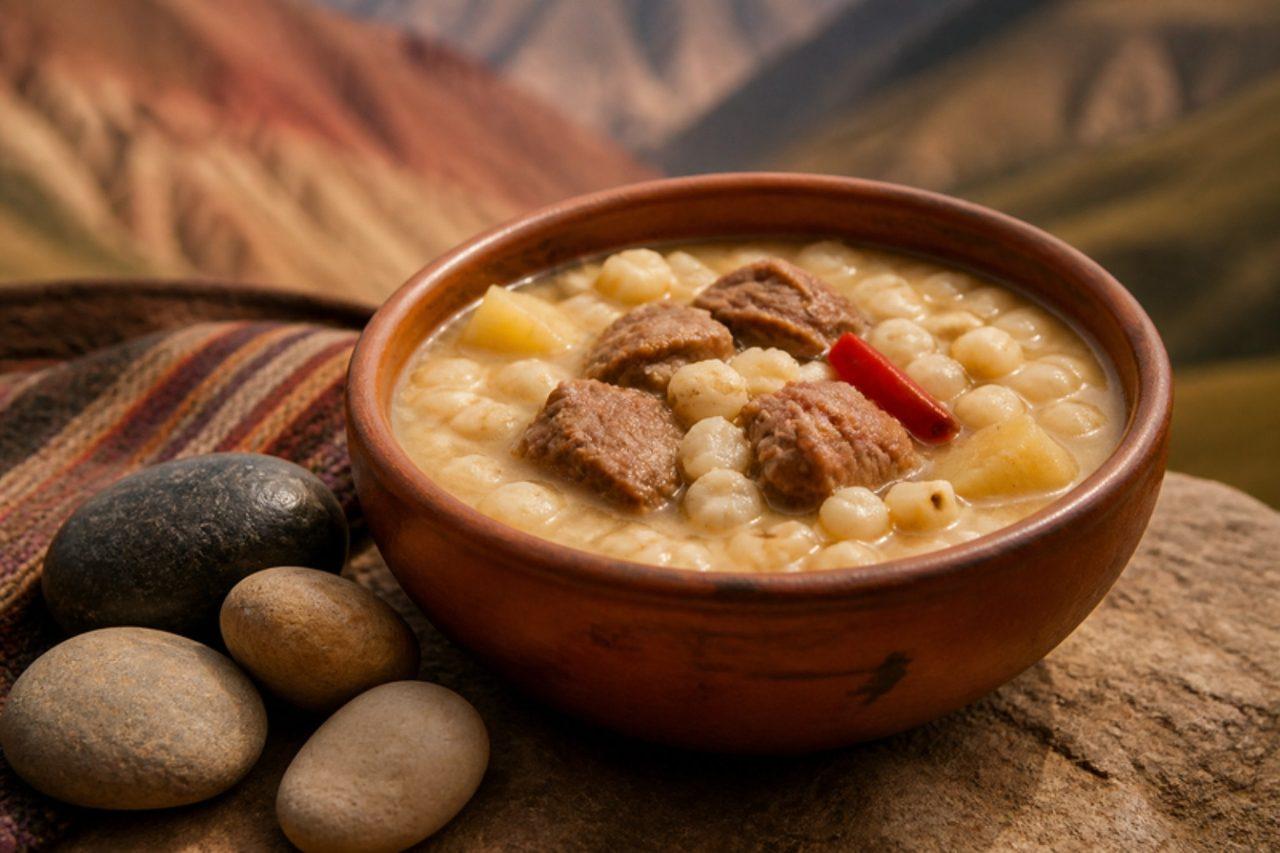
Nobody hurries calapurca. In the villages of the Quebrada de Humahuaca, especially around Carnival and the August Pachamama rites, cooks heat stones in the fire until they glow and then drop them into a clay pot of soup made from dried maize, beef and lamb (or llama), potatoes and chilli, so it boils up in a hiss of steam and takes on a faintly smoky taste. Bowls are passed around the gathering with a sprinkle of fresh herbs. The stones are a ritual best left to people who know which ones are safe, because wet or river stones can crack or burst when heated, so this home version simply simmers on the stove. Look for dried white hominy (mote, or pozole corn) in Latin American shops; it needs soaking overnight. The usual problem is undercooked corn: it needs a good 2 hours before the meat goes in. Chef's tip: for a hint of the smoky flavour, char the onion and a dried chilli in a dry pan before adding them.

by KrazyBadal 0 views

Patasca

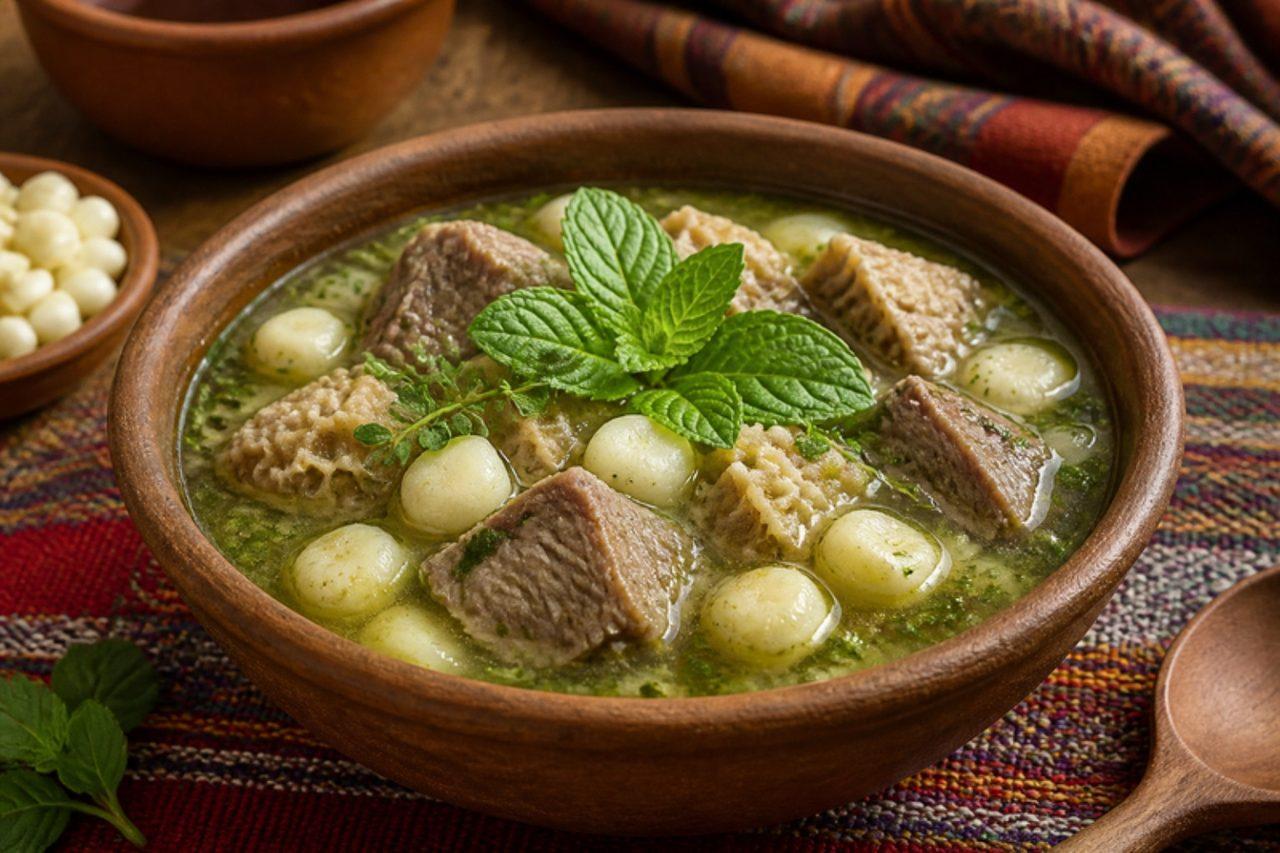
Through the highlands of Ayacucho, Huancavelica and Apurímac, patasca (also called mondongo) is the soup for cold mornings, carnivals and the day after a fiesta: plump white mote, dried maize kernels that burst open like flowers after long boiling, in a clear, rich broth with honeycomb tripe and beef shin, perfumed with mint and oregano. It is filling and gentle, and gets its fire at the table from a spoon of rocoto sauce. Plan ahead: the maize needs an overnight soak and several hours of simmering. Buy tripe cleaned and blanched from a butcher or Latin or halal shop; it must be simmered until soft and fully cooked. The typical mistake is salting the mote early, which keeps the kernels hard. Chef's tip: cook the maize and the tripe in separate pots, then combine; each needs a different time and the broth stays cleaner.

by KrazyBadal 0 views

Canjica (mungunzá)

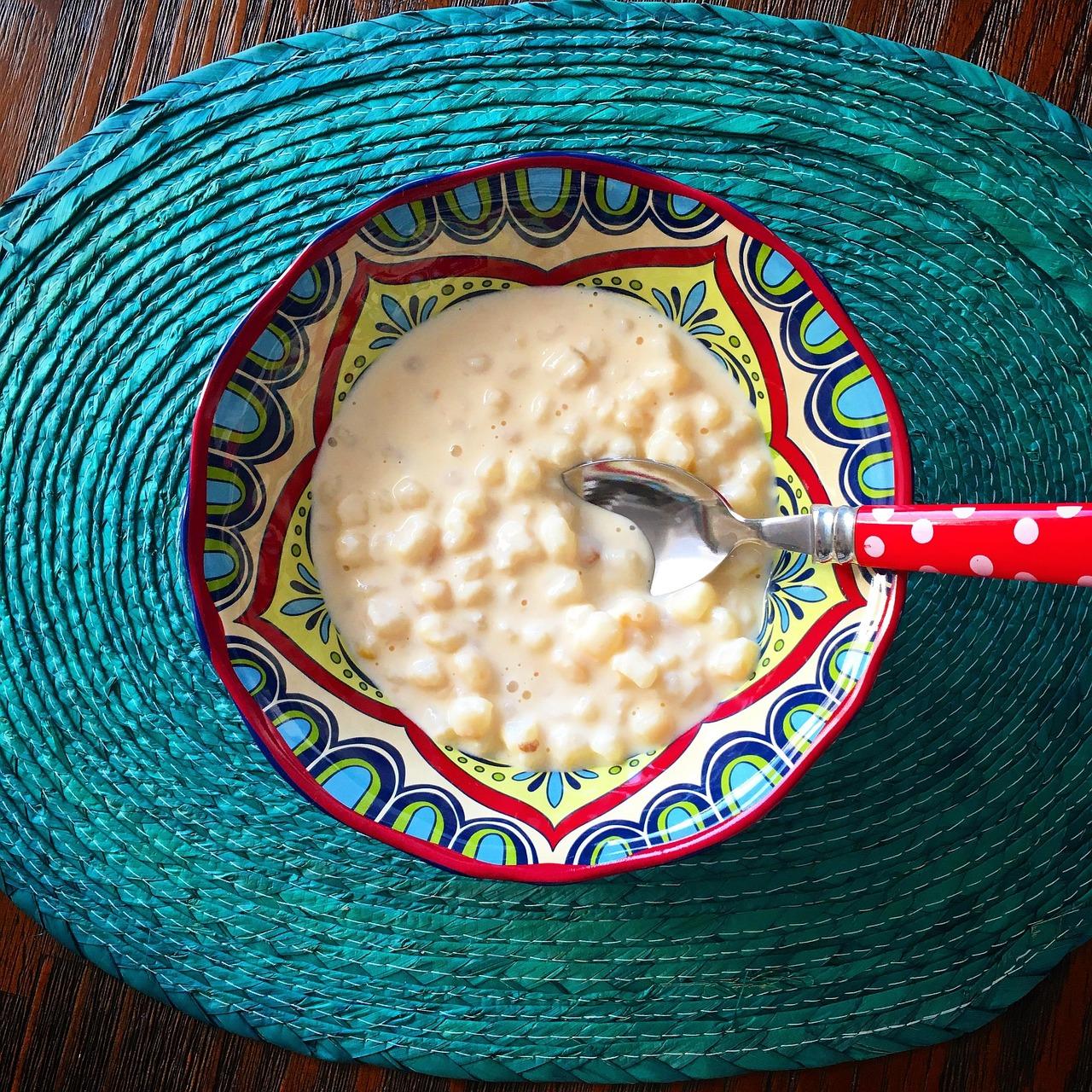
Big white corn kernels simmered until tender, then cooked again in milk with coconut and peanuts: canjica is the warming bowl that every festa junina from Porto Alegre to Belém hands out in plastic cups on cold June nights. In the Northeast it goes by mungunzá, and in Bahia and Pernambuco it is often made richer with coconut milk. The kernels stay chewy and whole, the broth turns creamy and smells of cinnamon and clove, and the crushed peanuts add a nutty bite. Look for white hominy sold as canjica or milho para canjica in Brazilian shops; dried white pozole corn works too. It needs overnight soaking, which is not counted in the times. The common mistake is rushing the first boil: if the kernels are not fully soft before the milk goes in, they will never soften afterwards. Chef's tip: a pressure cooker cuts the first cook to 35 minutes and leaves the kernels perfectly tender.

by KrazyBadal 0 views

Goes well with dried white hominy