Skip to content

Recipes with dried pomegranate seed

6 recipes that use dried pomegranate seed, with photos, step-by-step instructions and cook times. The quickest, Missi roti, takes 30 minutes. It is most often cooked with coriander, green chillies and onion.

Got a few things in the fridge? Search by everything you have

Saraiki kalay chanay

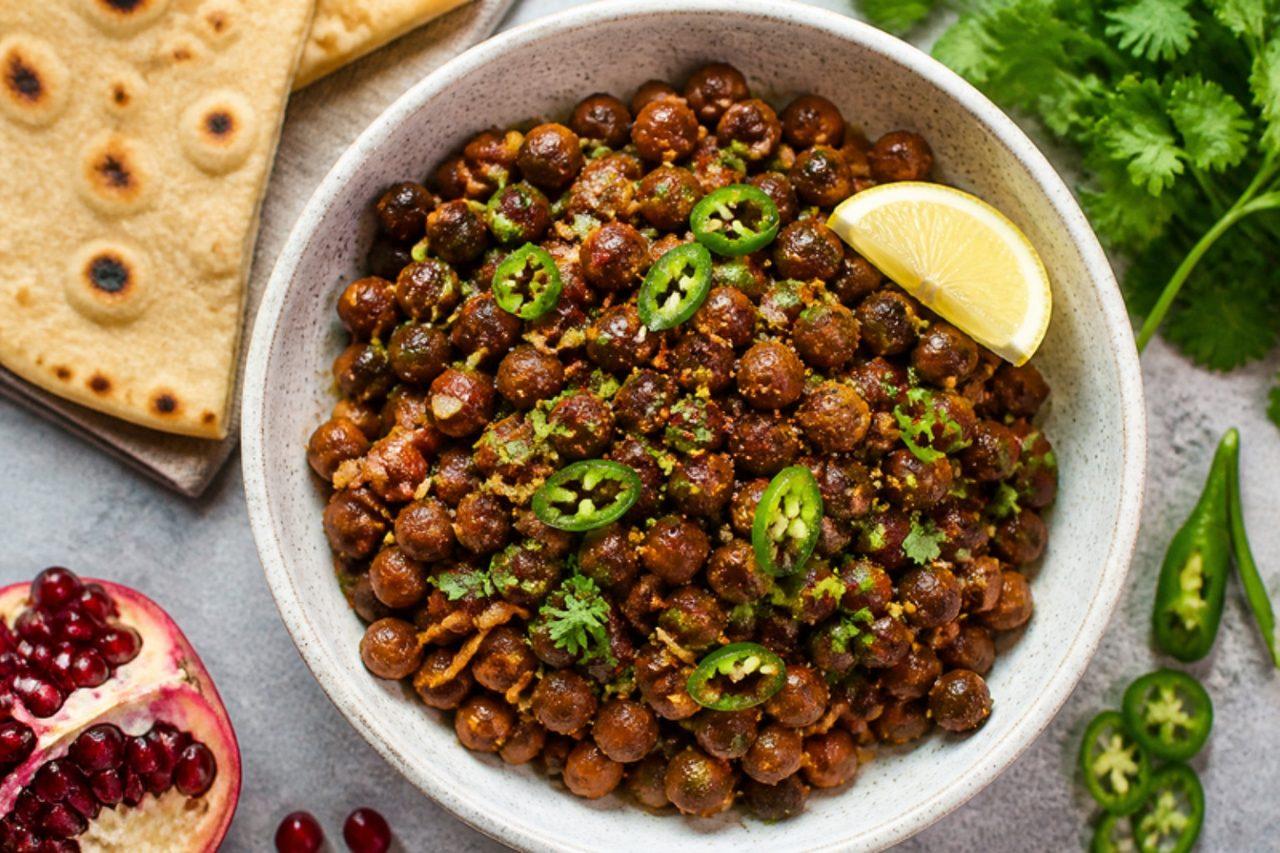
Small, dark kala chana are the everyday protein of the Saraiki belt, and from Dera Ghazi Khan to Multan they are cooked dry, so that each nutty chickpea is wrapped in a thick coating of fried onion, tomato and spice rather than swimming in gravy. Ground pomegranate seed (anardana) gives a gentle sourness, and the dish has an earthy depth that the lighter white chickpea never quite reaches. Expect it at breakfast with tandoori roti and a glass of lassi, packed for field work, and in big pots at shrines on Thursday evenings. Undercooked chickpeas are the usual let-down: black chana take longer than you think and must be truly soft before they meet the masala. Chef's tip: soak them overnight and keep a little of the cooking water to loosen the masala during the final fry.

by KrazyBadal 0 views

Sindhi koki

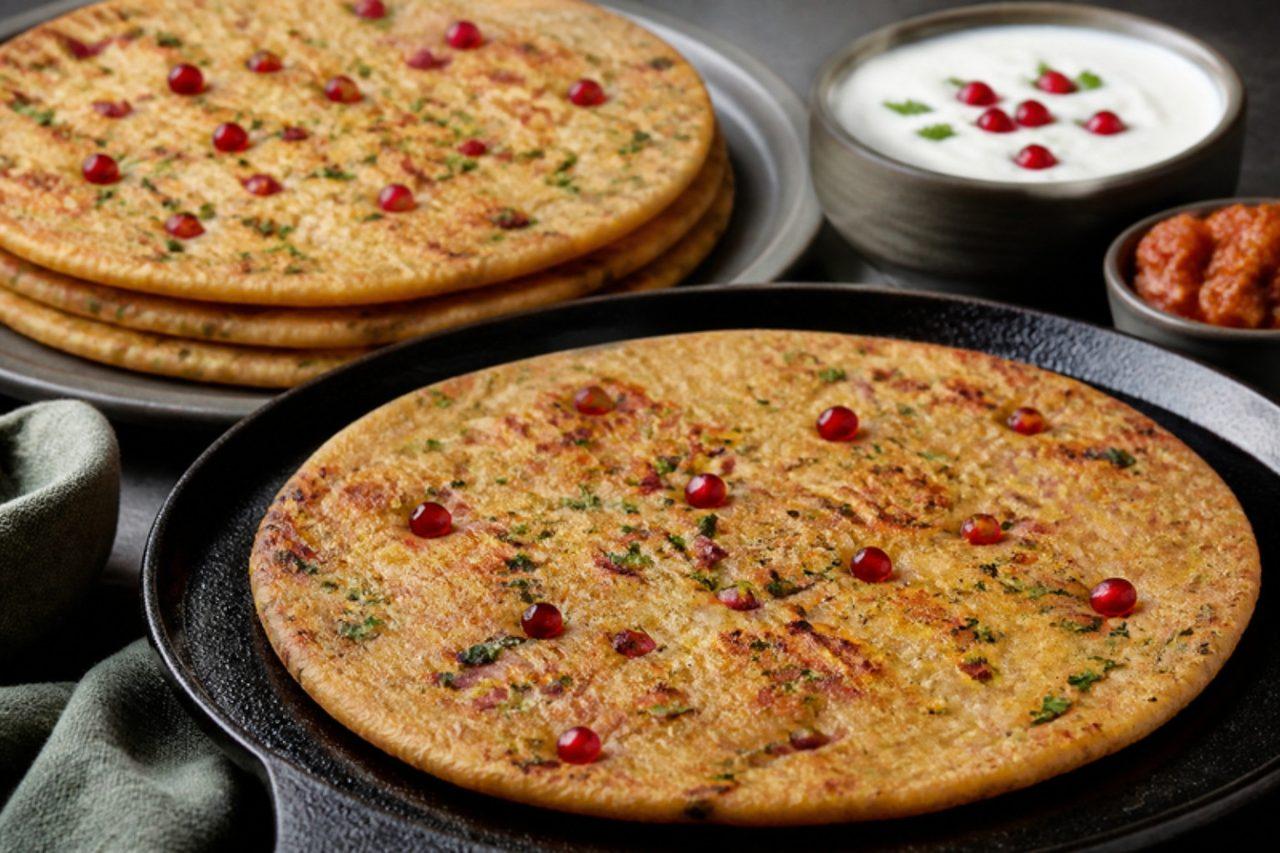
Breakfast in a Hyderabad or Larkana home very often means koki, a thick, rough-textured round of wholewheat dough packed with chopped onion, green chilli, coriander and crushed anardana, cooked slowly on a tawa until the outside is crisp and blistered and the inside stays dense and short. It is the bread Sindhis abroad get homesick for, eaten with a cup of sweet milky tea, a bowl of yogurt or a spoon of mango pickle, and leftover koki travels well for a lunch box. A hot pan is the enemy; on high heat the outside burns while the middle stays raw. Chef's tip: knead the dough stiff with plenty of ghee and very little water, then cook the koki over a low flame for at least 10 minutes in all, pressing it with a cloth so it cooks evenly.

by KrazyBadal 0 views

Missi roti

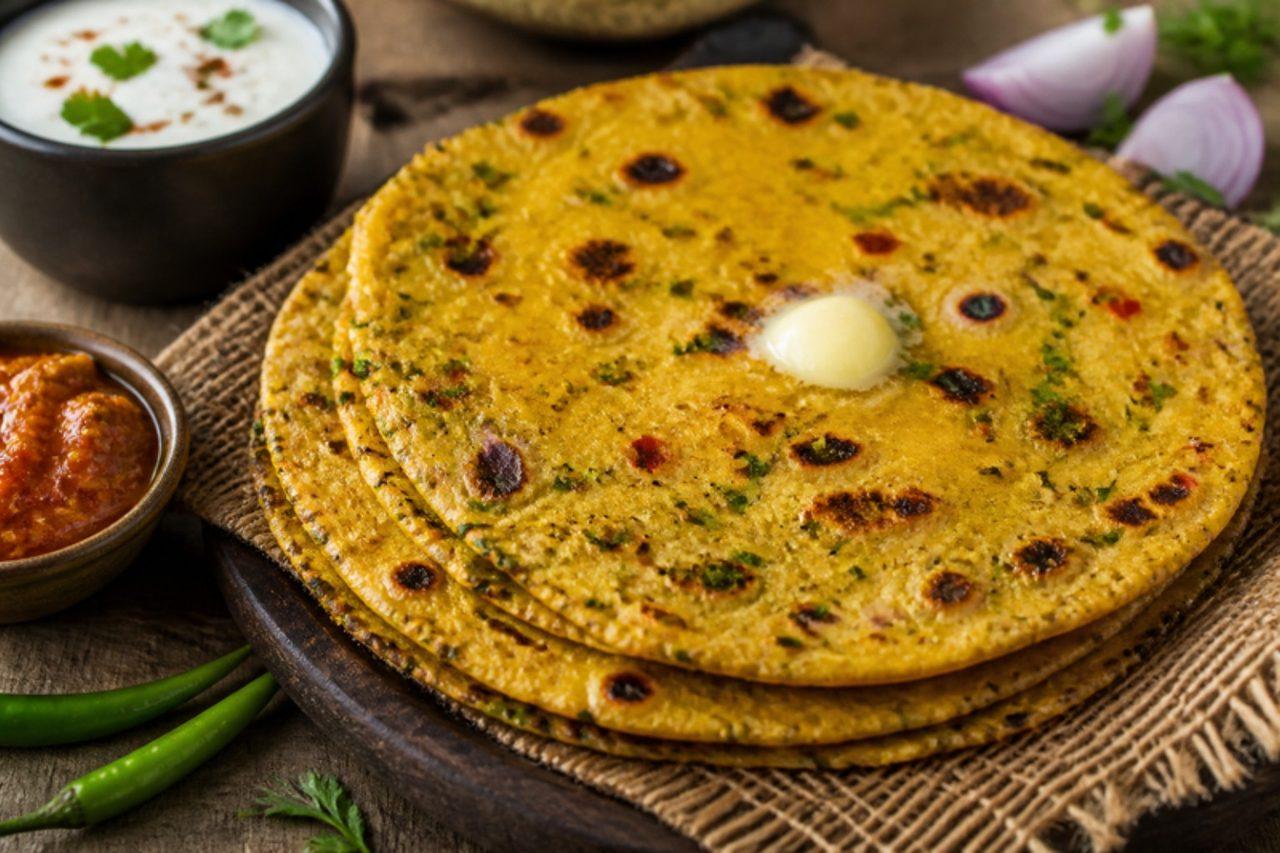
Golden-yellow from the besan and freckled with onion and coriander, missi roti is a village bread of central Punjab, made on cold mornings around Gujranwala and Sheikhupura and eaten with a lump of white butter, a glass of lassi and a little mango or lemon pickle. The gram flour gives it a nutty, savoury depth and a denser, more crumbly texture than a plain chapati, while ajwain, crushed anardana and green chilli give every bite a bit of sharpness. Because the besan makes the dough short, it is also a winter favourite paired with sarson ka saag in place of makai ki roti. A frequent problem is leaving out the wheat flour or using too little, and then the roti cracks and falls apart on the tawa. Chef's tip: grate the onion rather than chopping it, so its juice helps bind the dough and the roti rolls out without tearing.

by KrazyBadal 0 views

Murgh cholay

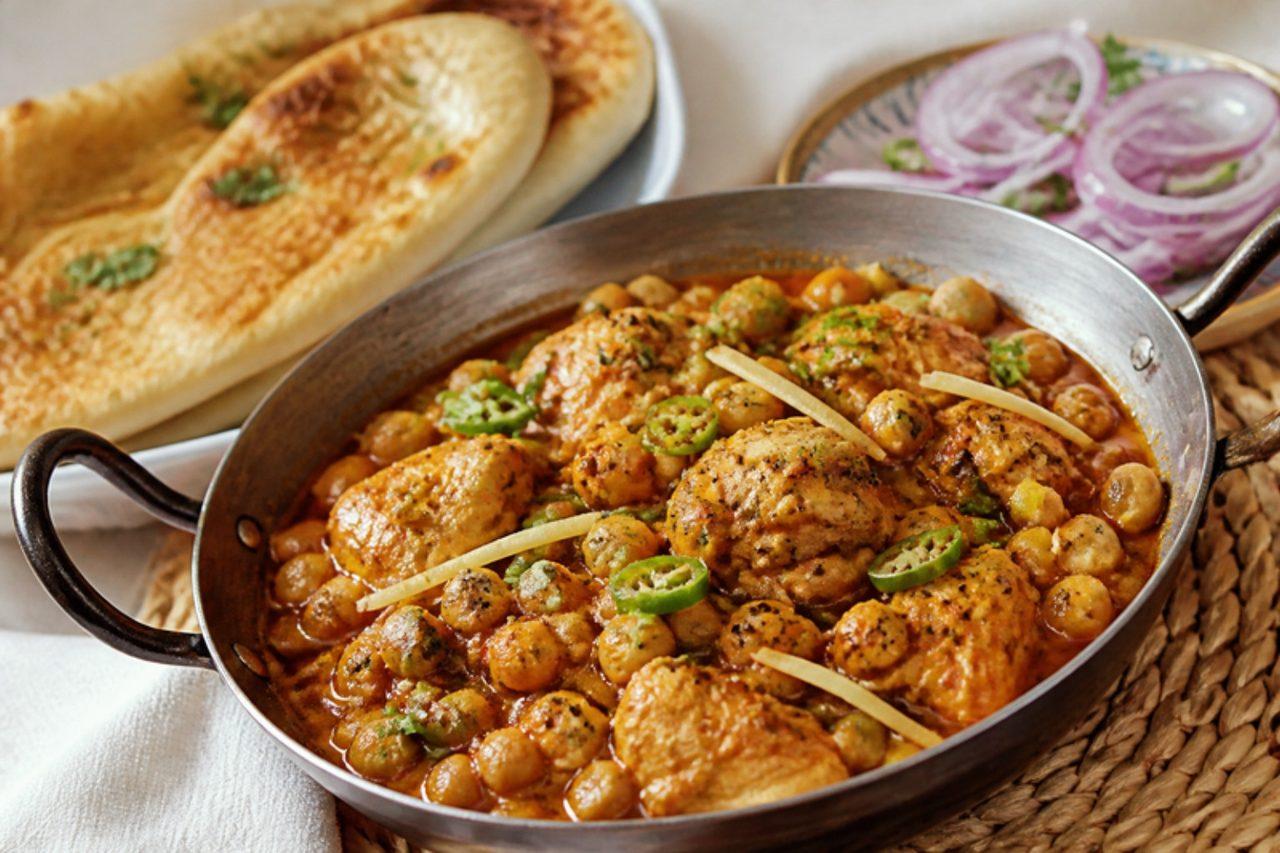
Before eight on a Sunday morning the halwa puri and cholay shops of Lahore's old city, Gawalmandi and Lakshmi Chowk, are already busy, and the richest pot on the counter is usually murgh cholay, chickpeas cooked down with bone-in chicken until the gravy is thick, brick red and spiced with black pepper and dried pomegranate. It is breakfast food, eaten with hot kulcha or puri, a few slices of onion and a squeeze of lemon, and it carries you through to the afternoon. The chickpeas should be soft enough to crush against the roof of your mouth. A thin, watery gravy is the usual complaint; mash a ladle of the chickpeas into the pot to thicken it rather than adding flour. Chef's tip: a teaspoon of ground anardana (dried pomegranate seed) at the end gives the faint sourness that makes Lahori cholay taste right.

by KrazyBadal 0 views

Amritsari kulcha

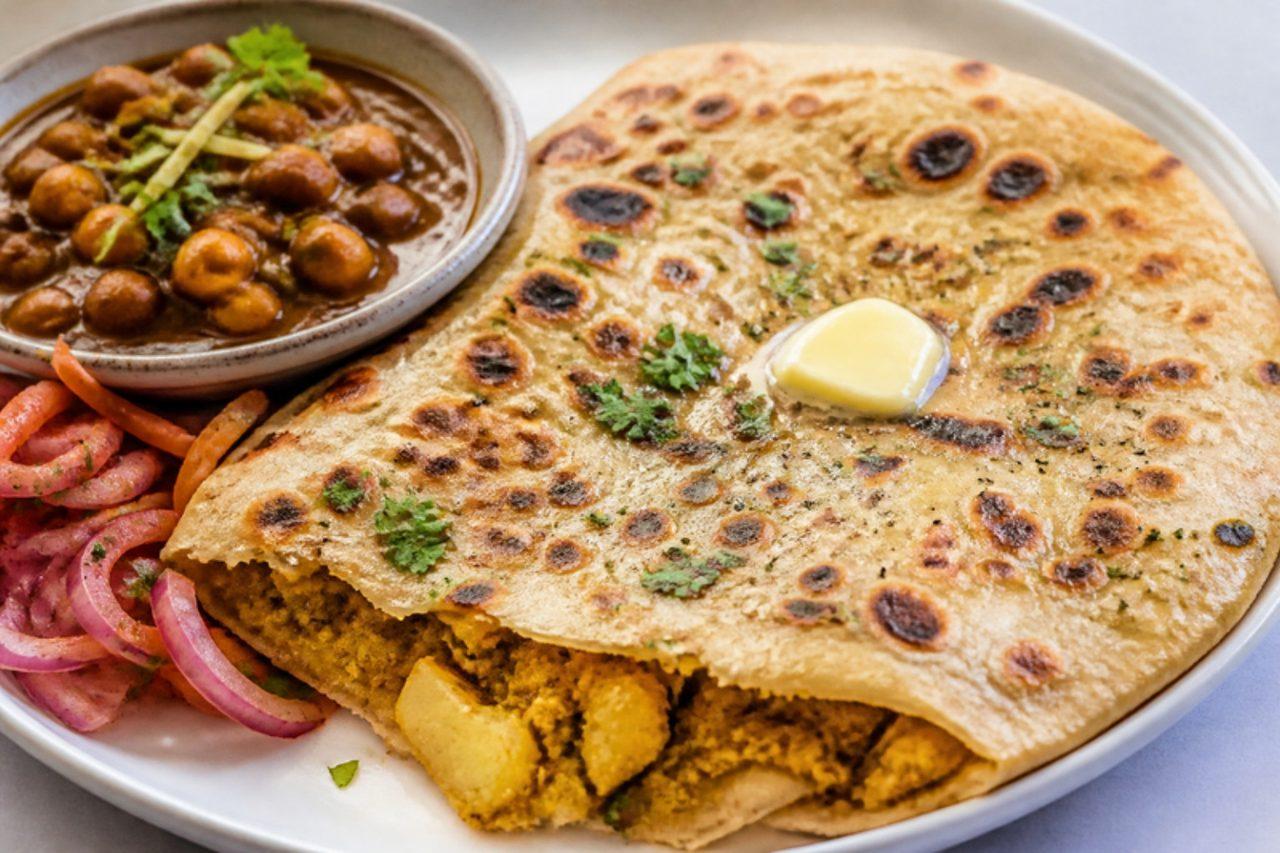
Amritsari kulcha is the pride of Amritsar's dhabas in Punjab: a layered, leavened flatbread stuffed with potato, onion and sour pomegranate seed, slapped onto the wall of a tandoor and smothered in butter the moment it comes out. The outside shatters into crisp, flaky layers while the inside stays soft and steamy. In Amritsar it comes with a bowl of chole, a tangy onion-tamarind chutney and a glass of lassi. At home a very hot oven and a heavy tray stand in for the tandoor. Chef's tip: keep the filling dry and cool, with the onion squeezed of its juice, or the kulcha will tear and steam instead of turning crisp.

by KrazyBadal 0 views

Chickpea chapli kebab

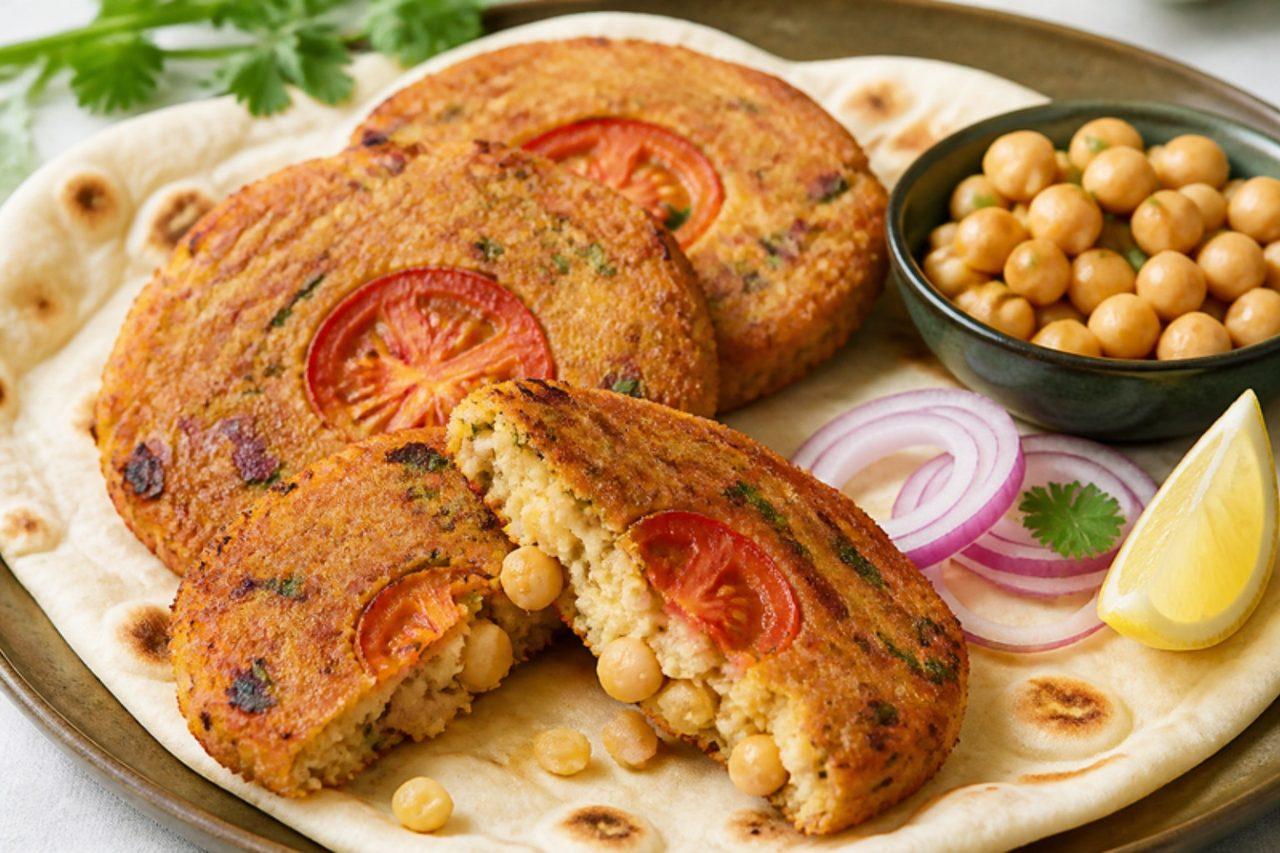
Chapli kebab comes from Peshawar, where Namak Mandi and the Qissa Khwani Bazaar are lined with cooks frying giant flat kebabs in shallow iron pans; the name comes from chaprikh, flat in Pashto. This chickpea version keeps everything that makes a chapli kebab taste right: coarsely crushed coriander seeds, dried pomegranate seeds (anardana) for sourness, chilli flakes, green chilli, onion, tomato and a little maize flour to bind it, with a slice of tomato pressed into each one so it chars in the pan. Serve them with naan, sliced onion and a sharp green chutney. The usual mistake is blitzing the chickpeas to a smooth paste in a processor; the kebab needs texture, so mash by hand and leave some pieces. Chef's tip: press them really thin, about 1 cm, and with ragged edges; the thin edges go crunchy, which is the whole point of a chapli.

by KrazyBadal 0 views

Goes well with dried pomegranate seed