Skip to content

Recipes with dried kombu

4 recipes that use dried kombu, with photos, step-by-step instructions and cook times. The quickest, Onsen tamago, takes 30 minutes. It is most often cooked with dried shiitake mushroom, egg and light soy sauce.

Got a few things in the fridge? Search by everything you have

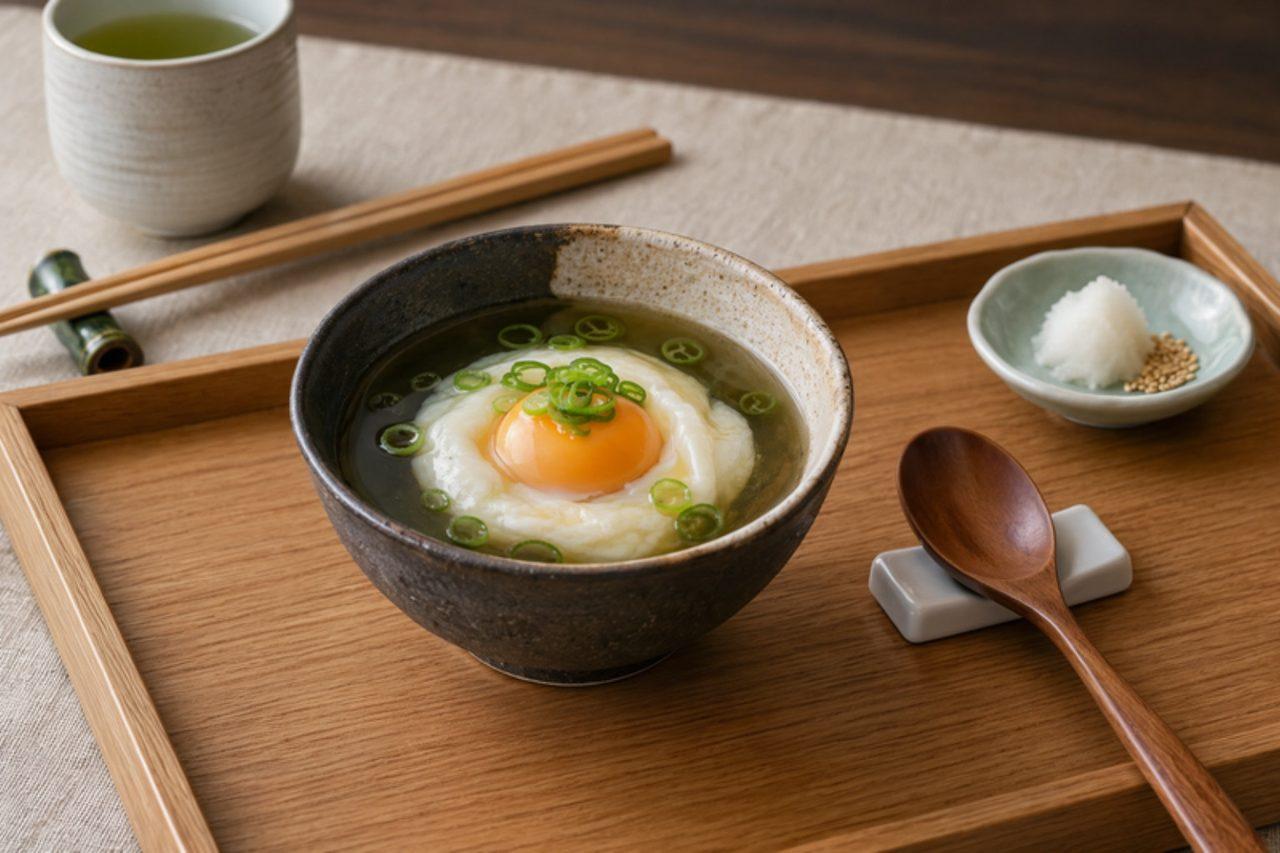
Onsen tamago

In hot-spring towns like Beppu and Kusatsu, ryokan guests find a little bowl beside their breakfast rice: an egg cooked slowly in the spring water, its white barely holding together and its yolk thick like custard, sitting in a splash of seasoned dashi. At home you copy the hot spring with a pan of water held well below the boil. The mistake almost everyone makes is using water that is too hot, which gives an ordinary soft-boiled egg with a set white; keep it at about 70 °C. This version uses a kombu and shiitake dashi, so it stays vegetarian. Because the eggs are only partly set, cook eggs fully for anyone pregnant, young children, older people or anyone with a weakened immune system. Chef's tip: take the eggs out of the fridge 30 minutes early, because a cold egg drops the water temperature and the yolk stays raw.

by KrazyBadal 0 views

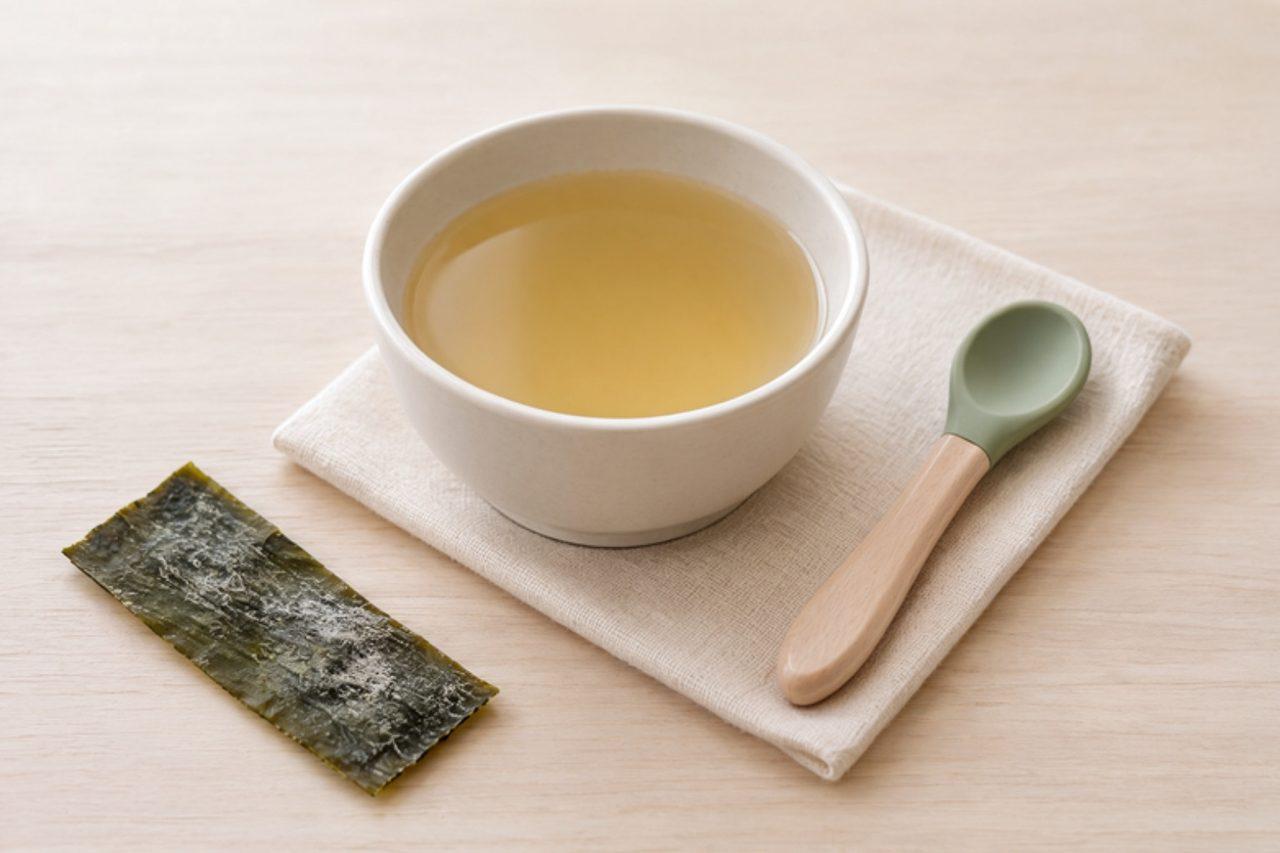
Kombu dashi for babies

Kombu dashi is where Japanese weaning starts: the gentle, savoury water that thins jūbai-gayu (rice porridge) and vegetable purées, so babies learn umami instead of salt. Japanese parents make a jug every few days, and baby-food counters in Osaka department stores sell frozen cubes of it. Kombu is very high in iodine, so this broth is used a spoonful or two at a time to flavour a meal, a few times a week, never as a drink. Nothing else goes in: no salt, soy sauce, bonito or stock powder. It is free of the major allergens. Chef's tip: lift the kombu out just before the water simmers; boiled kombu turns slimy and gives a bitter, sea-weedy taste.

by KrazyBadal 0 views

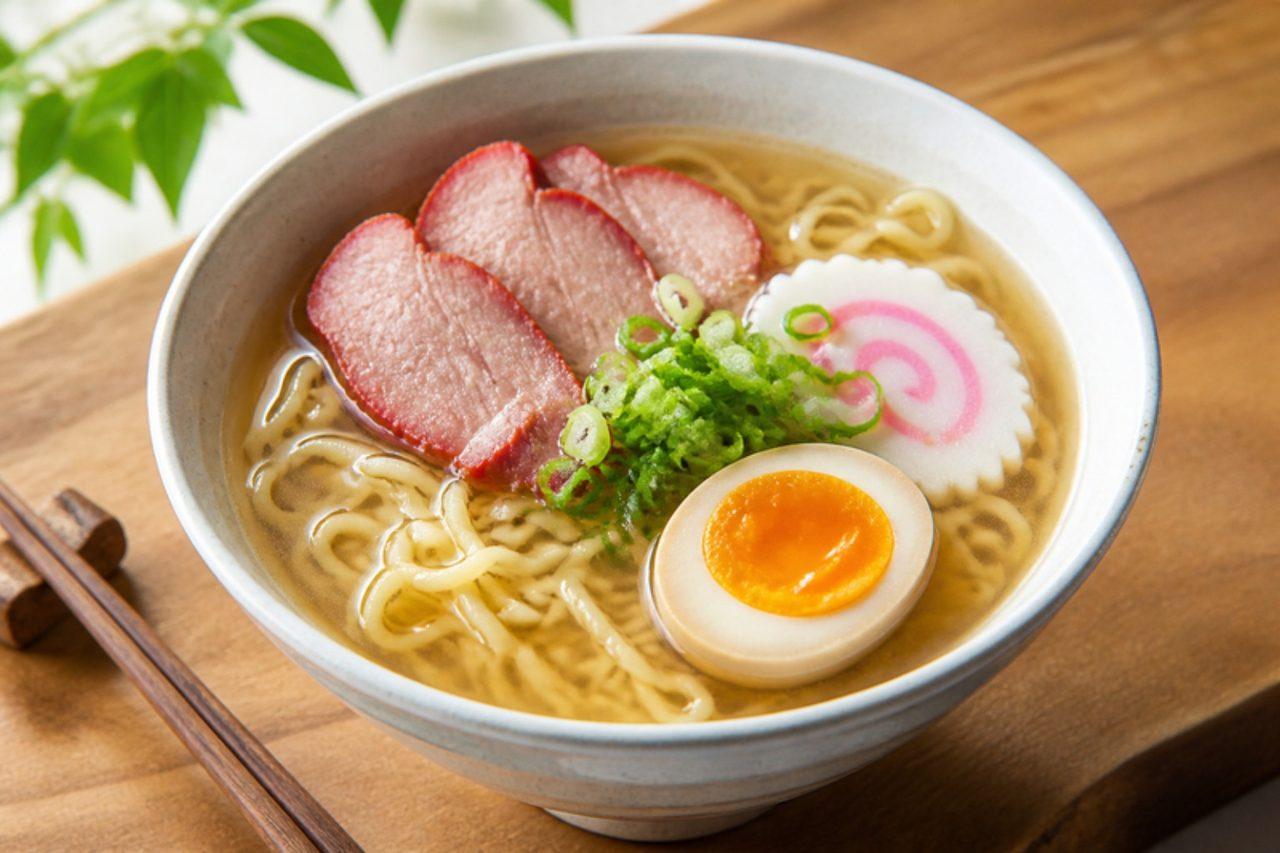
Saimin

Saimin was born in the sugar plantation camps of Hawaii, where Chinese, Japanese and Filipino workers shared pots and combined their noodle soups into one, and it is still sold everywhere from old Kauaʻi diners to the snack bars at Little League games. Springy wheat noodles sit in a clear dashi and shrimp broth, topped with sliced char siu (roast pork), pink fish cake, egg and spring onion. Chef's tip: cook the noodles separately and rinse them, so their starch doesn't cloud the clear broth.

by KrazyBadal 0 views

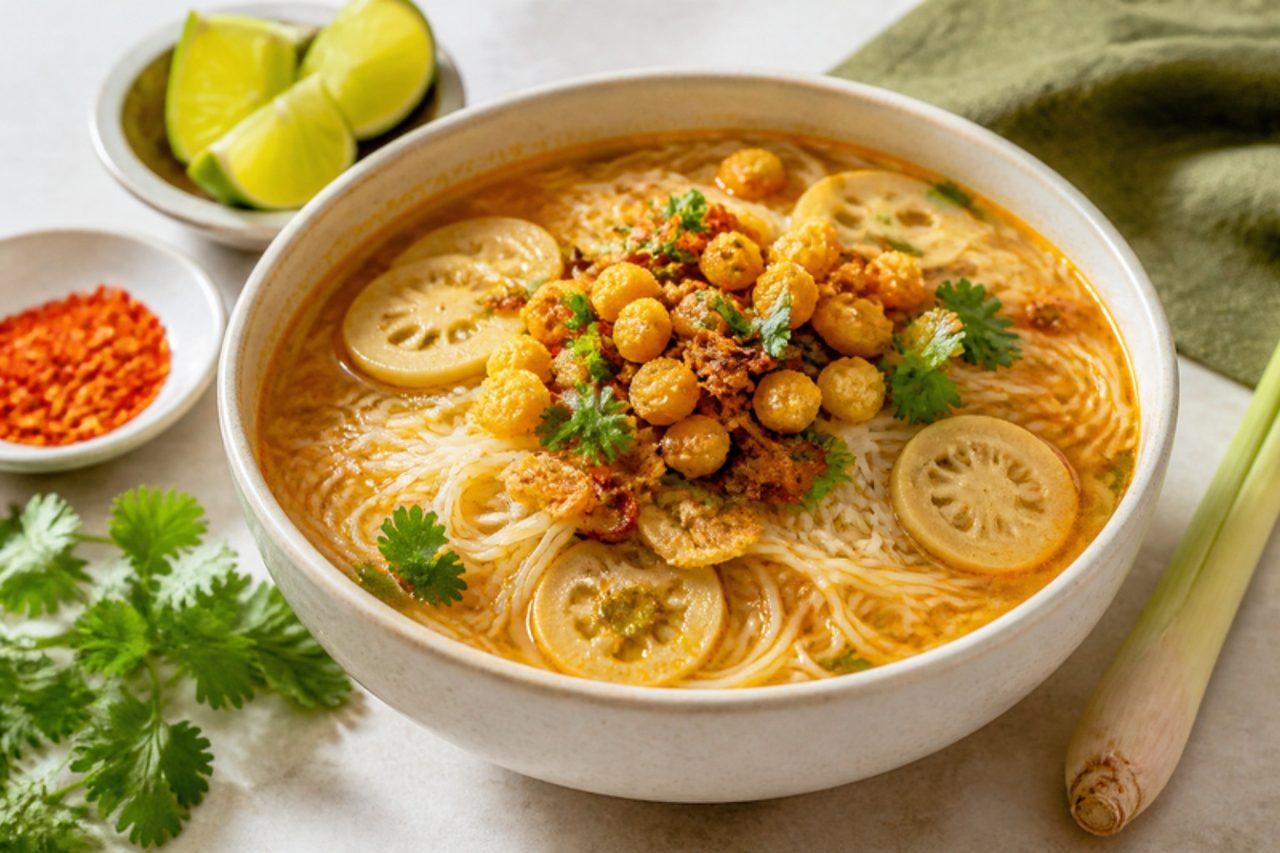
Vegetarian mohinga

Mohinga is Myanmar's national breakfast, ladled from steaming pots at dawn on street corners from Yangon to Mandalay: thin rice noodles in a thick, golden broth fragrant with lemongrass, ginger and toasted chickpea flour, topped with crisp fritters, lime and chilli. The real thing is built on catfish and fish sauce. This vegetarian version is honestly different: dried shiitake and kombu give savouriness instead of fish, and the body comes from toasted chickpea flour, toasted rice powder and banana stem (or palm heart), so it's lighter and earthier rather than fishy. Chef's tip: toast the chickpea flour and rice until golden and nutty before they go in; they carry most of the flavour.

by KrazyBadal 0 views

Goes well with dried kombu