Skip to content

Recipes with dawadawa

6 recipes that use dawadawa, with photos, step-by-step instructions and cook times. The quickest, Miyan kuka (baobab leaf soup), takes 35 minutes. It is most often cooked with onion, scotch bonnet chilli and tomato.

Got a few things in the fridge? Search by everything you have

Miyan kuka (baobab leaf soup)

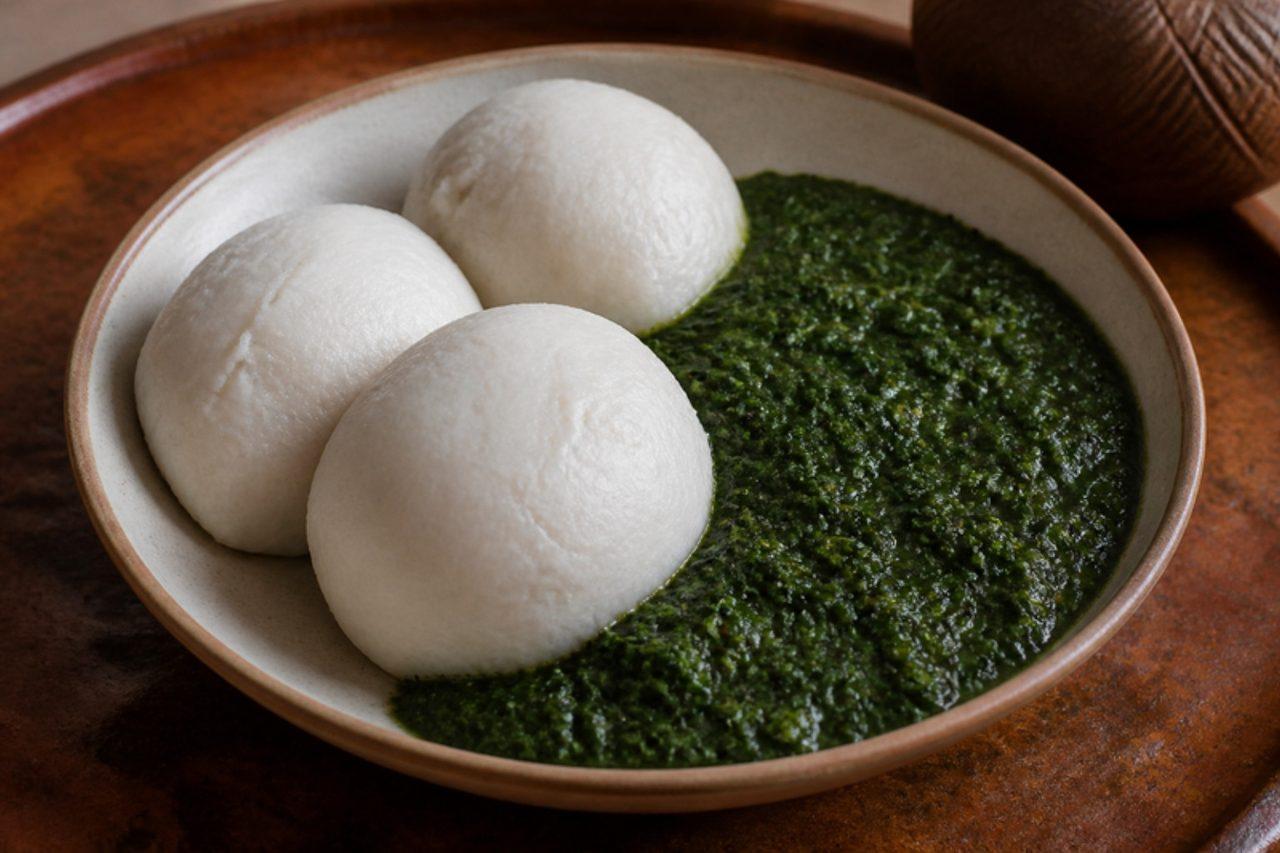
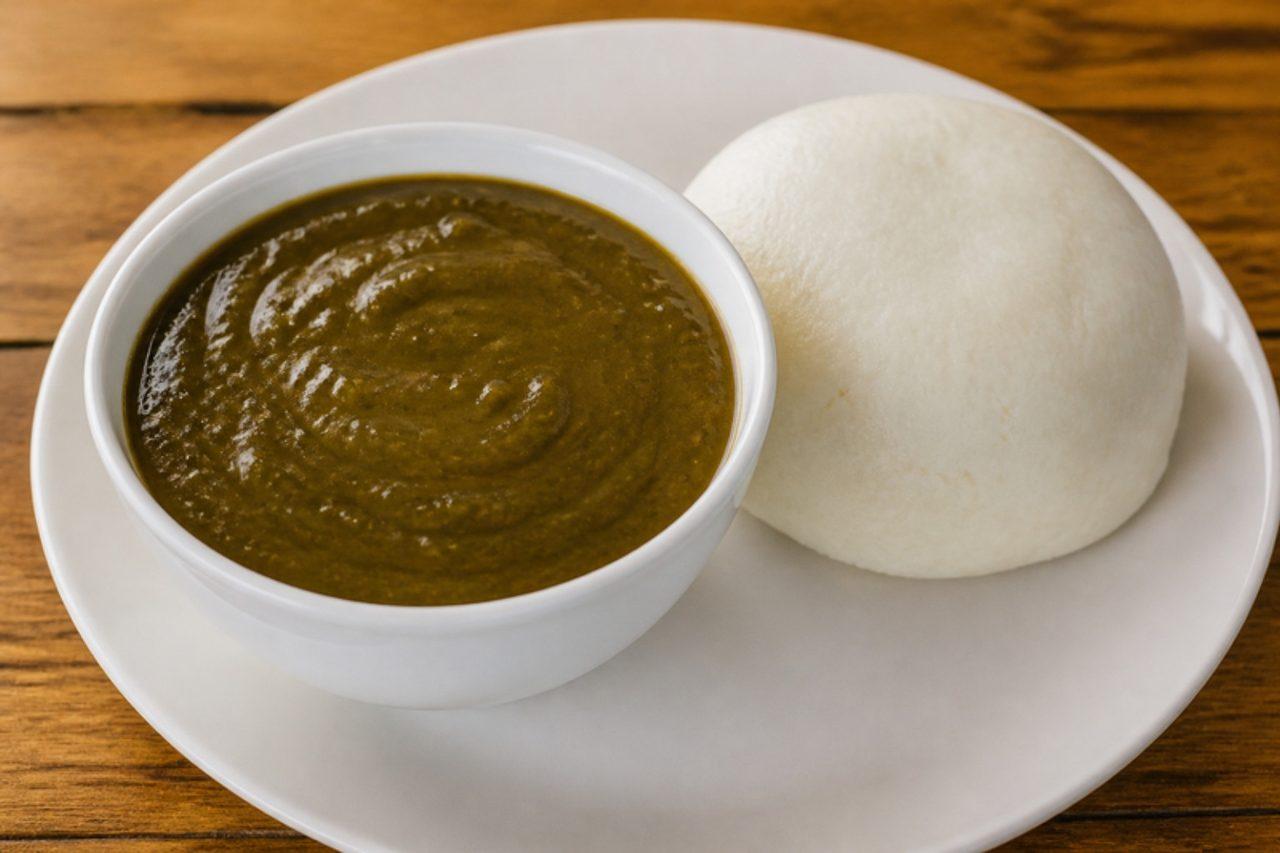
Dried baobab leaves, pounded to a fine green-grey powder, give miyan kuka its earthy, faintly tea-like taste and its slippery body, a little like okra. Northern households from Kano to Sokoto cook it as everyday food and pair it almost always with tuwon shinkafa or tuwon masara. Dried fish or a handful of meat often goes into the pot; this meat-free version, as many homes cook it when the budget is tight, gets its depth from dawadawa, onion and a peppery tomato base instead. A common mistake is tipping the kuka in all at once, which leaves stubborn green lumps; sift it in slowly while whisking. Chef's tip: once the kuka is in, simmer only 2–3 minutes, because long boiling dulls its colour and its fresh, grassy edge.

by KrazyBadal 0 views

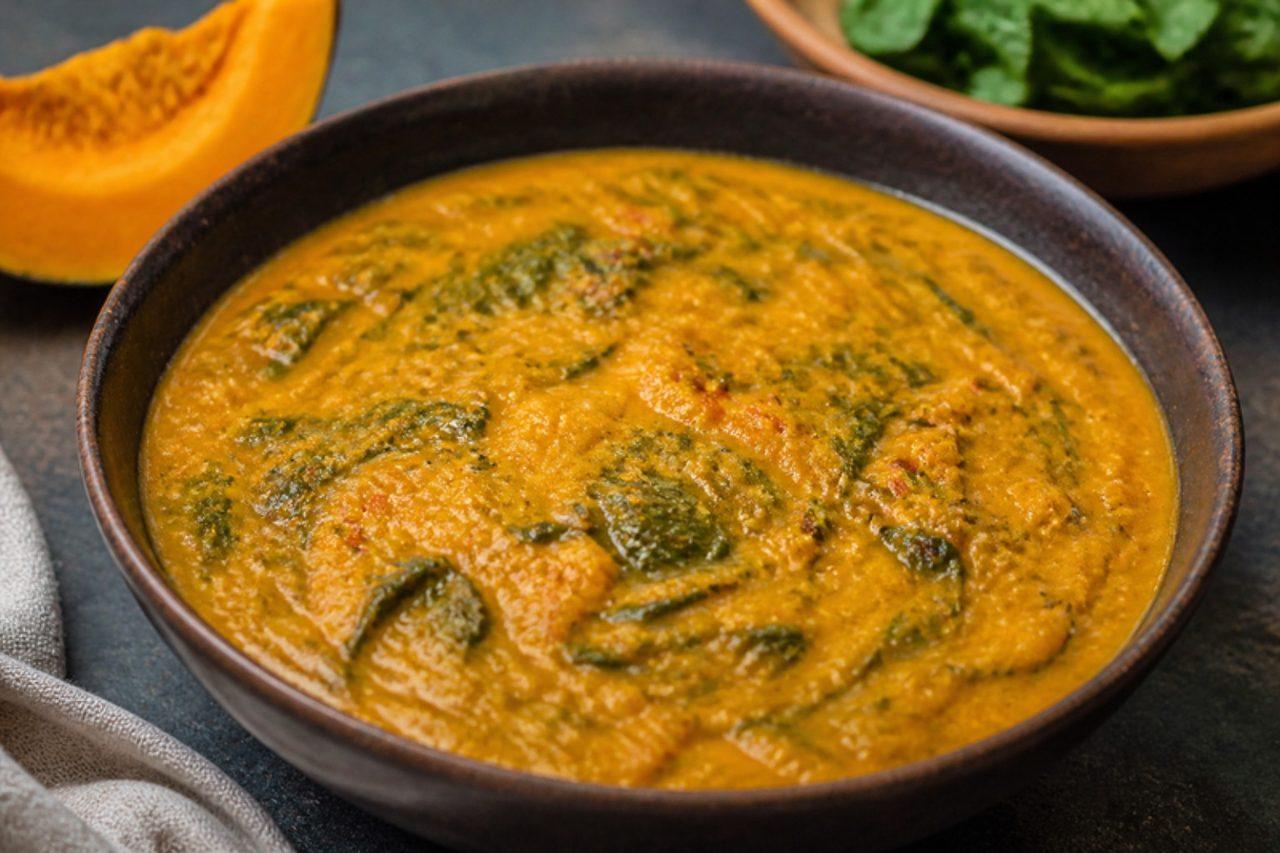
Miyan taushe (pumpkin and groundnut soup)

Golden pumpkin, sour sorrel leaves and freshly ground roasted groundnuts meet in this thick, gently sweet soup from Kano and the Hausa north. It is cooked for family meals and special visits alike, and served with tuwon shinkafa or with masa, the little fermented rice cakes. Meat or dried fish usually simmers in it; this version is meat-free, so it leans on dawadawa and a good vegetable stock for savouriness. The groundnut catches on the pot easily, and scorching it is the most common mistake: once it goes in, keep the heat low and stir from the bottom. Chef's tip: leave some pumpkin cubes whole while mashing the rest, so the soup is thick but still has soft pieces to bite.

by KrazyBadal 0 views

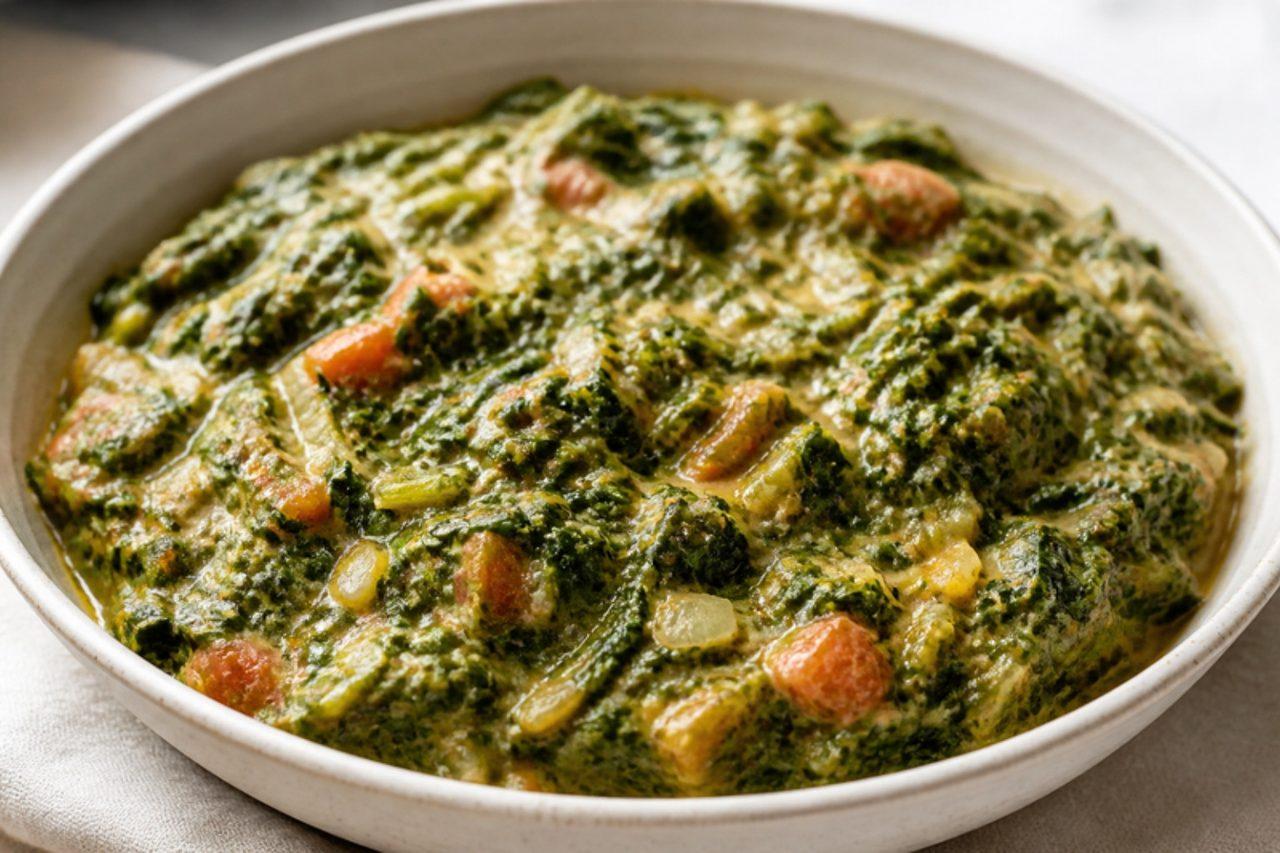
Miyan zogale (moringa leaves with groundnut)

Moringa trees grow by the compound walls of many northern Nigerian homes, and their small, round leaves end up in this quick, nourishing relish. The leaves are blanched, then cooked down with onion, tomato and dawadawa and bound with groundnut paste, giving a green, slightly peppery dish with a nutty finish. Families in Kano, Katsina and Zaria eat it with tuwo, or as a light meal on its own. Because only a little groundnut goes in, it stays light. Chef's tip: strip the leaves off their stalks completely, since even thin stems stay stringy after cooking.

by KrazyBadal 0 views

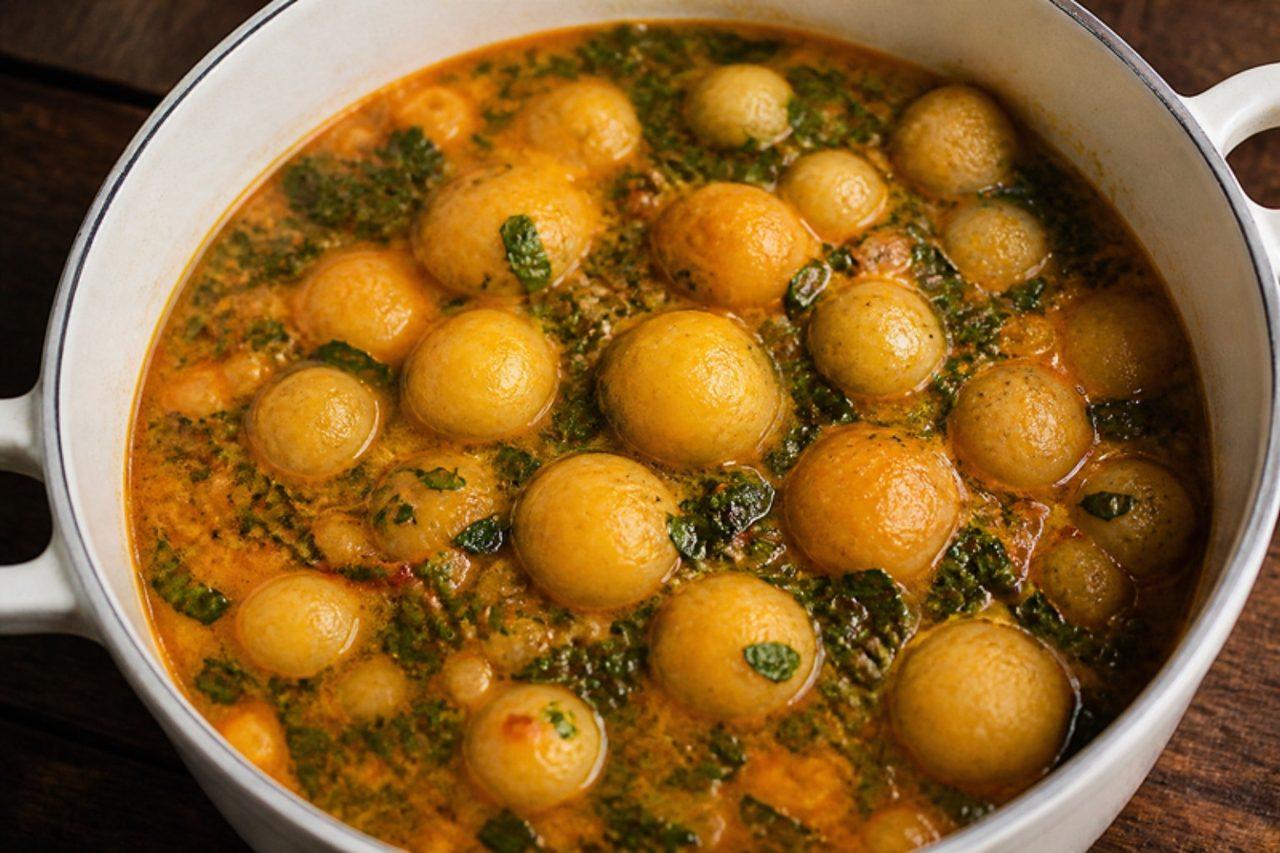
Gwote (grain-ball porridge with leaves)

Cold harmattan mornings in the villages around Kano and Bauchi are when gwote comes into its own: a pot of small, chewy maize or millet balls simmered in a tomato and pepper broth with whatever leaves are to hand. The balls swell and cloud the liquid until it becomes a thick, savoury porridge, warming and filling on a modest budget. It is eaten from a bowl with a spoon, with nothing else needed. Watch out for balls that are too big; they stay raw and floury in the middle, so keep them marble-sized. Chef's tip: knead the dough while it is still hot, so it turns smooth and the balls keep their shape in the pot.

by KrazyBadal 0 views

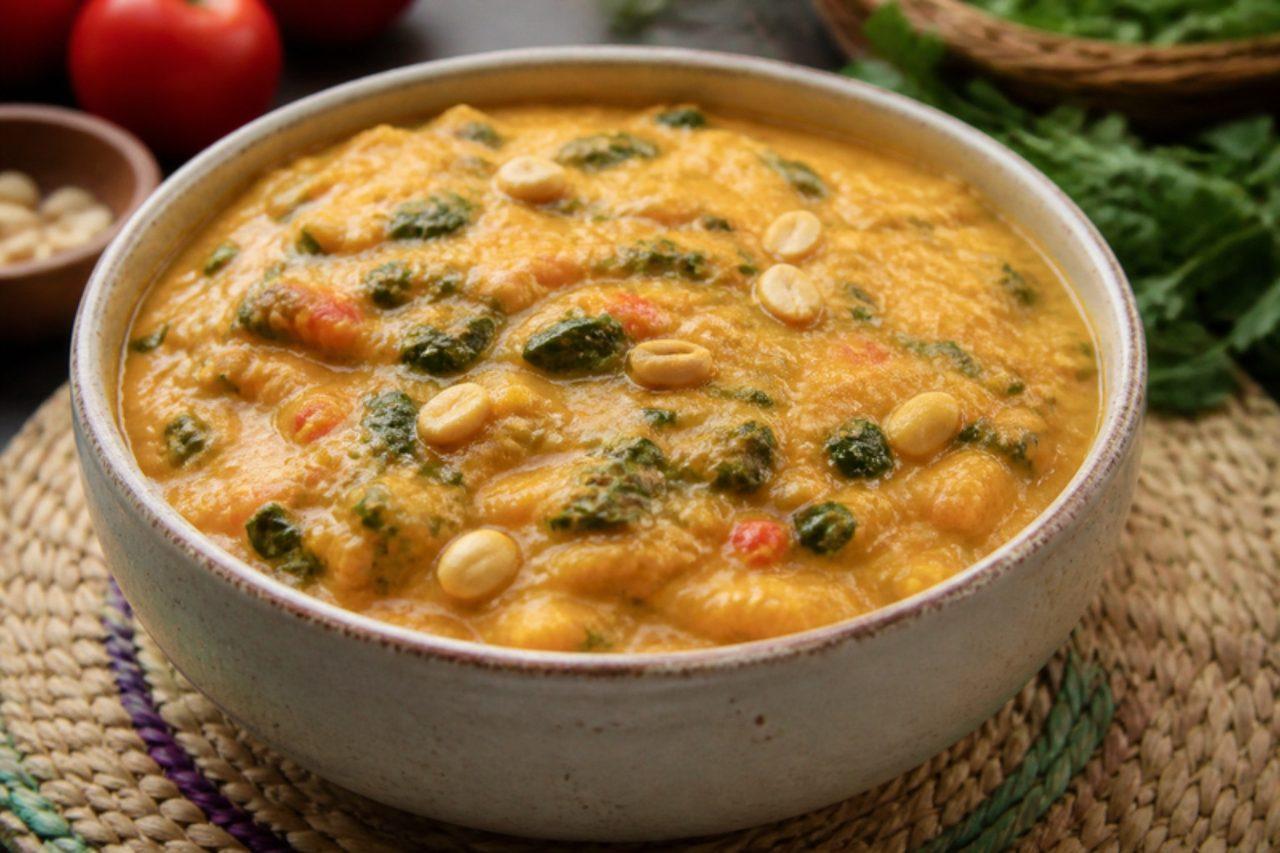
Pate (Nigerian maize porridge with greens)

Not the French spread at all: Nigerian pate is a thick, savoury porridge of coarsely ground maize from Southern Kaduna and the Plateau, where it is everyday food at home and in small chop houses. The maize simmers in a palm-oil and tomato base with groundnut and plenty of leaves until it is soft and spoonable, a bit like a rustic polenta packed with greens. Some cooks use acha (fonio) instead, and many add dried fish or meat; this version is meat-free. Pouring the maize in all at once makes lumps, so rain it in while stirring. Don't stop stirring after adding the maize: lumps form fast and stick to the base. Chef's tip: heat the palm oil gently, just until it melts and turns runny, so it keeps its colour and fruity taste.

by KrazyBadal 0 views

Tuo zaafi with ayoyo soup

In Tamale and across northern Ghana, TZ is the evening meal: a soft, smooth swallow of maize (sometimes millet) that wobbles in the bowl and is eaten with ayoyo, a bright green, slippery jute-leaf soup flavoured with dawadawa. The pair is often served with a meat or fish stew alongside; this version is fully vegan, with the ayoyo seasoned well enough to stand alone. Frozen jute leaves, sold as ewedu or molokhia, are a good substitute, and a teaspoon of miso can stand in for dawadawa. Chef's tip: make a thin porridge with part of the maize meal first and then thicken it; the usual mistake is adding all the meal at once, which makes a lumpy, stiff TZ.

by KrazyBadal 0 views

Goes well with dawadawa