Skip to content

Recipes with cultured buttermilk

4 recipes that use cultured buttermilk, with photos, step-by-step instructions and cook times. The quickest, Žinčica, takes 15 minutes. It is most often cooked with boiled potato, chilli flakes and dill.

Run out of cultured buttermilk? Milk with lemon juice or white vinegar: 1 tbsp per 240ml (1 cup) milk, left for 5 minutes.

Got a few things in the fridge? Search by everything you have

Žinčica

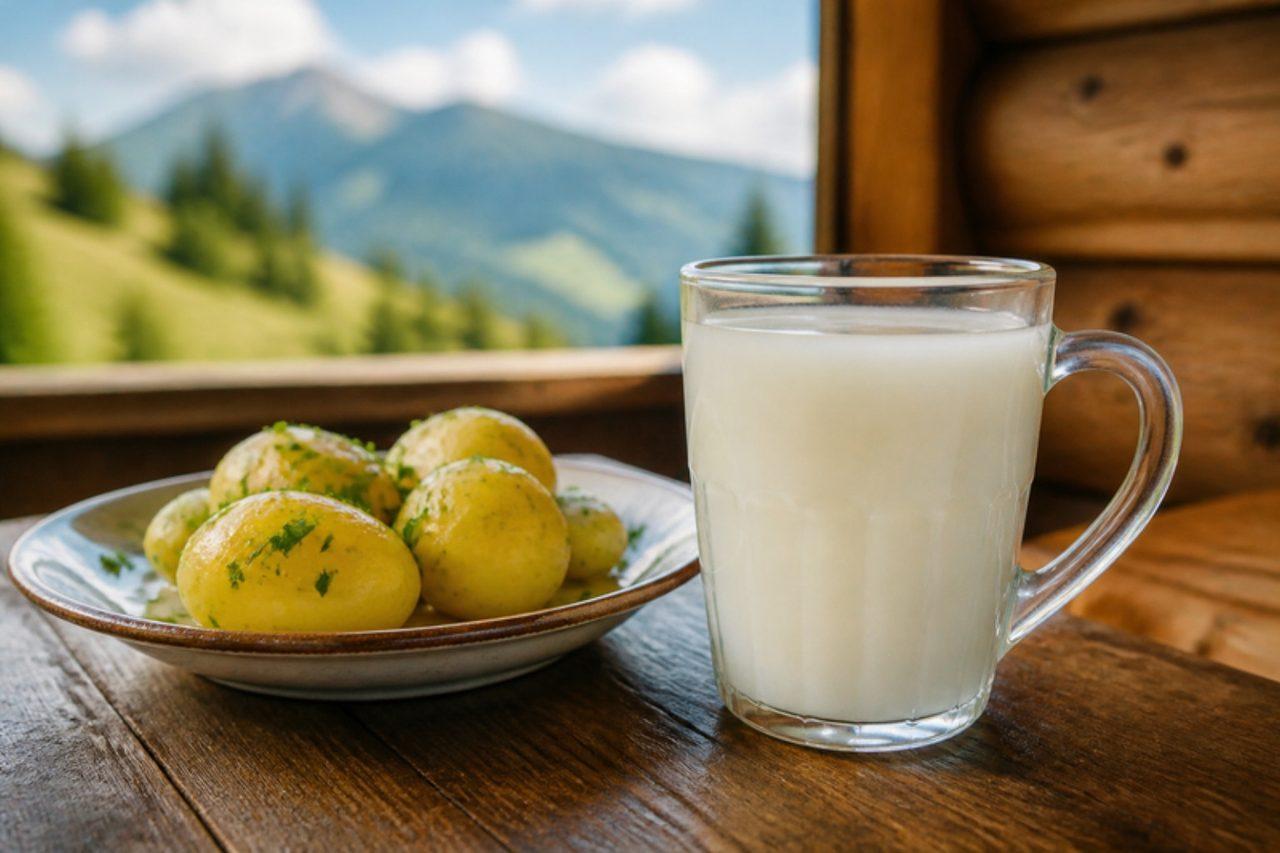
Hikers walking past a salaš, a Slovak shepherds' hut, are often offered a mug of žinčica, the cool, sour whey left over from making bryndza and hrudka cheese. Shepherds heat the whey until fine flakes of cheese float up, then leave it to sour, and drink it with boiled potatoes or on its own on a hot afternoon. It is thin, refreshing and tangy, a little like a light buttermilk. At the salaš it is often made from raw sheep's milk, so at home make it only from the whey of cheese made with pasteurised milk (the korbáčiky recipe gives you plenty) and vegetarian rennet. The common slip is leaving it to sour somewhere warm for too long, where it turns cheesy and harsh; a cool room and 12 hours is enough. Chef's tip: a spoonful of cultured buttermilk gives a clean, reliable sourness every time.

by KrazyBadal 0 views

Gebna areesh

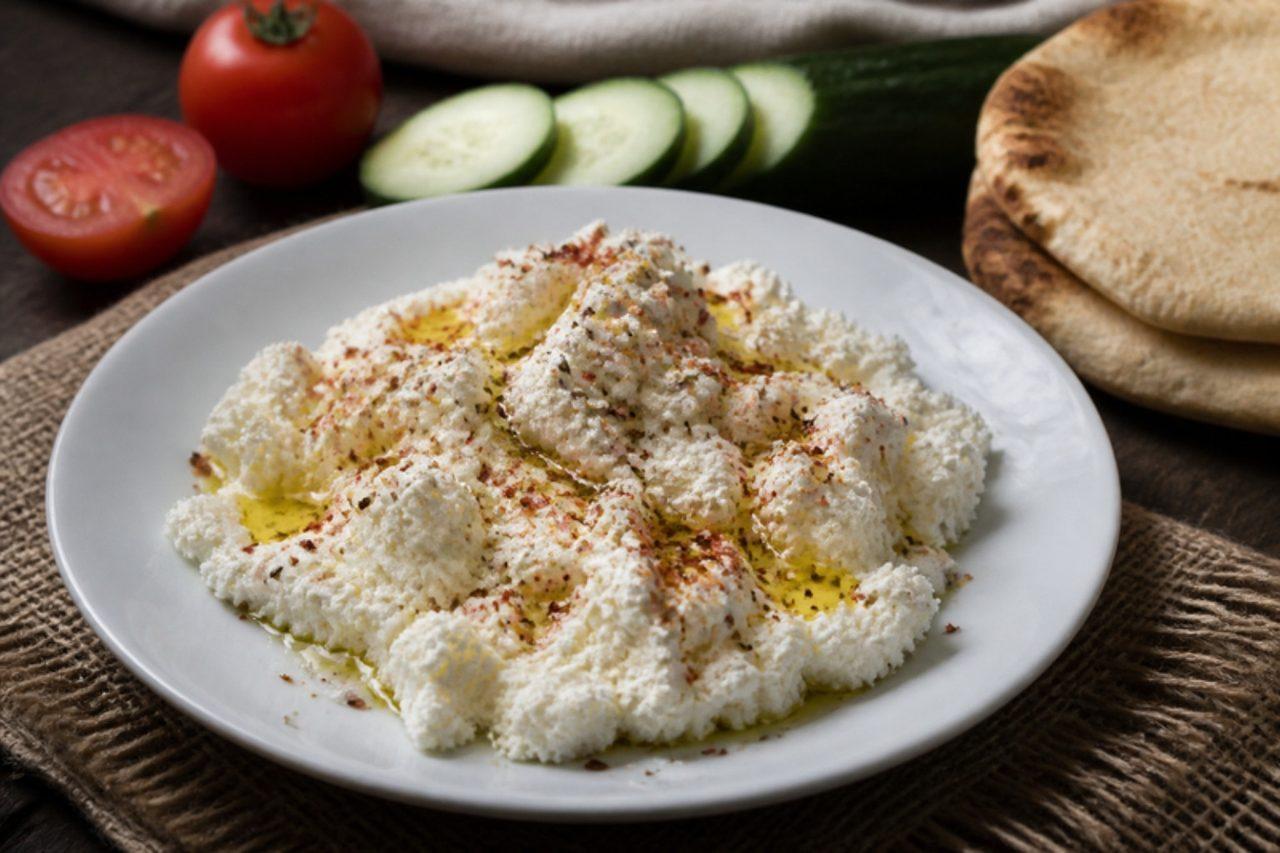
Farm families in the Delta have long made areesh from the skimmed, soured milk left after churning butter, draining the curds in reed mats until they are soft and crumbly. The cheese is pale, light and mildly tangy, with almost no fat, and is eaten at breakfast and supper with tomatoes, cucumbers, spring onions, herbs and a thread of olive oil, or crumbled into salads and pies. This home version starts with pasteurised skimmed milk and cultured buttermilk; the milk then needs 18 to 24 hours to sour at room temperature before the short cooking and draining. No rennet is used: the curd is set by souring alone, so it suits vegetarians. Don't boil the soured milk hard: rapid heat makes tough, rubbery curds instead of soft, delicate ones. Chef's tip: heat the soured milk very gently; boiling it makes the curd tough and squeaky.

by KrazyBadal 0 views

Mish

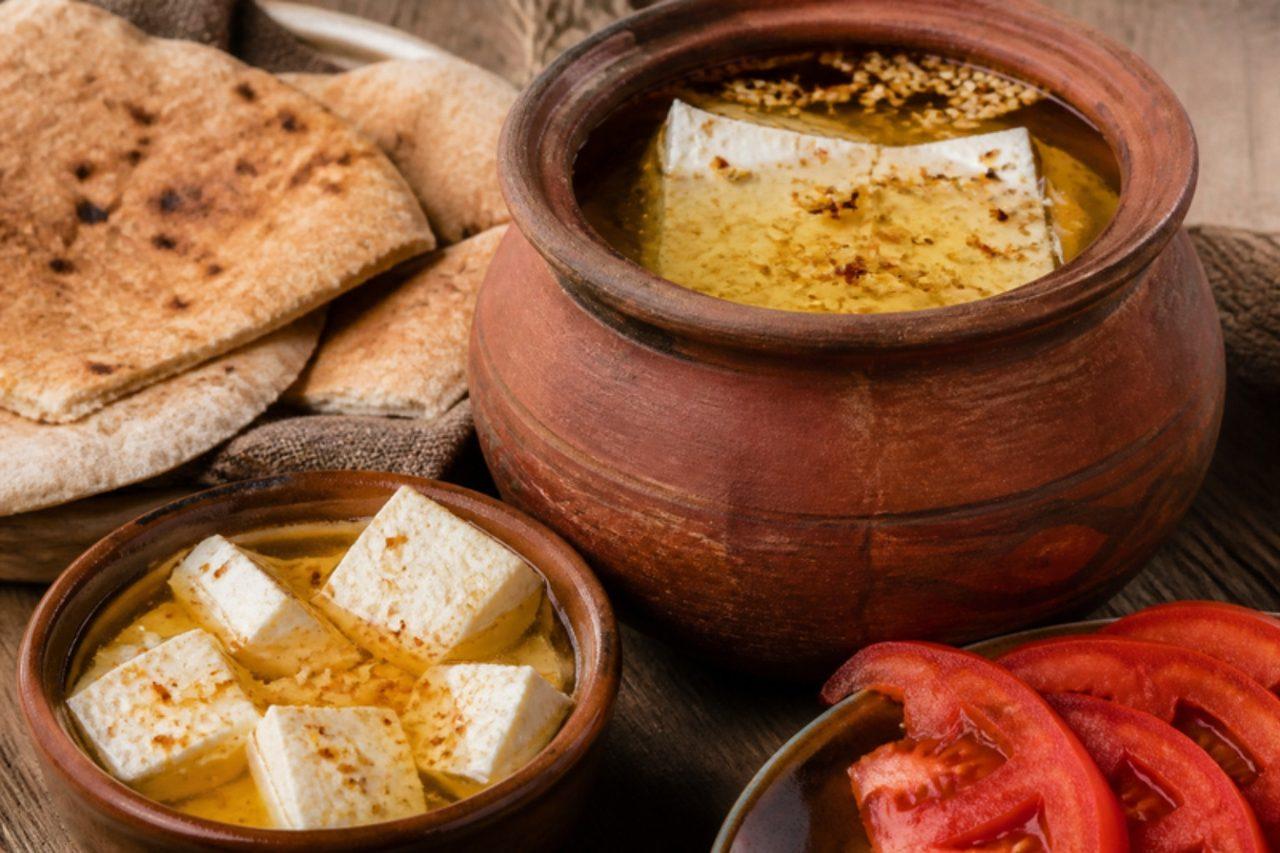
Traditionally made in clay jars that are kept going for years, mish is the strong, salty aged cheese that farmers in Upper Egypt and the Delta eat with bread, onions and tomatoes in the fields. It is sharp, creamy and very pungent, with chilli heat and a bitter-sweet note from fenugreek, and a little goes a long way beside bettaw, roz me'ammar or ful. This safer home version starts from pasteurised white cheese and ages in the fridge for 4 to 8 weeks instead of months on a shelf. White cheeses are often set with animal rennet, so choose one labelled vegetarian. As a home-fermented food it is best skipped by pregnant women, young children and anyone with a weakened immune system. Chef's tip: always use a clean, dry spoon; one wet spoon is the mistake that lets mould in.

by KrazyBadal 0 views

Ergo

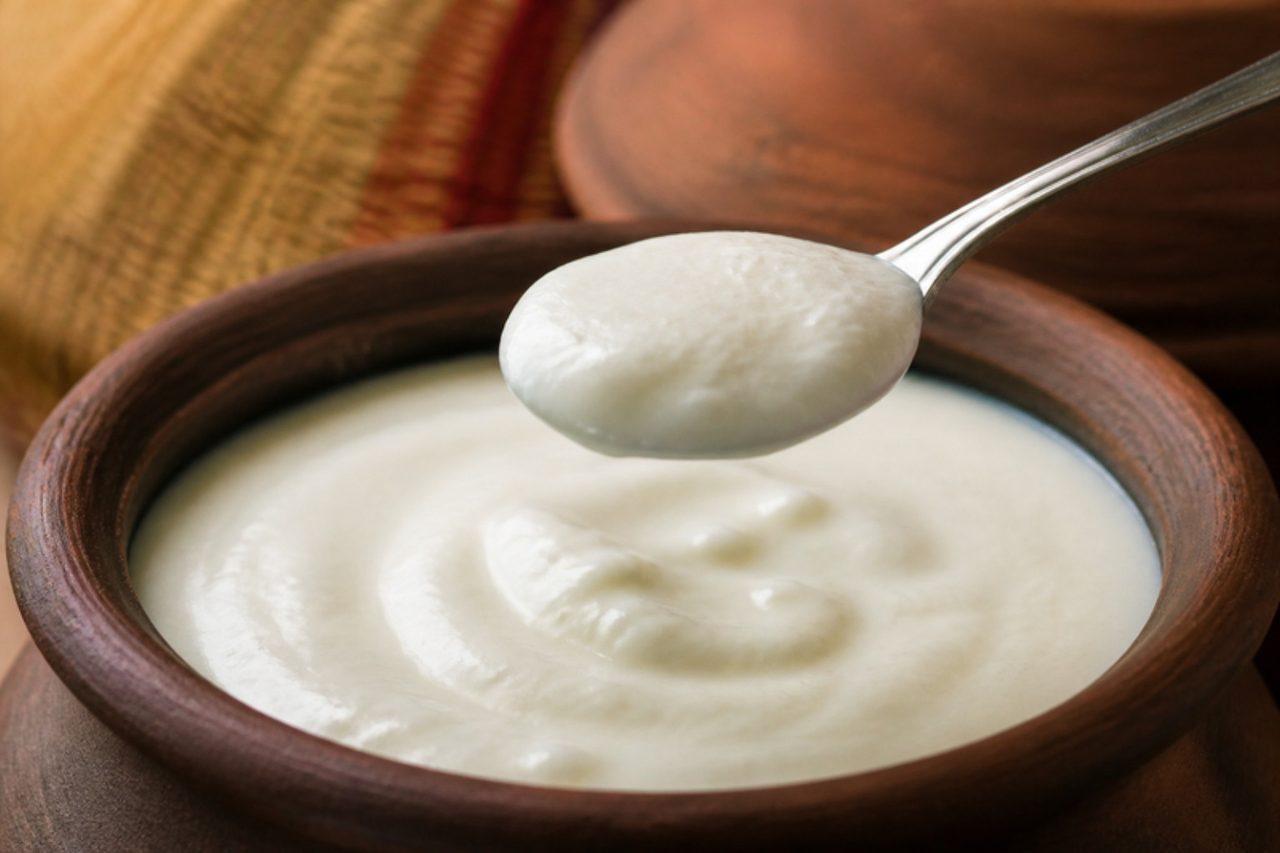
Cattle-keeping families across rural Ethiopia leave fresh milk to thicken in smoked clay pots or gourds, and the result, ergo, is tangier and looser than yoghurt, somewhere between set buttermilk and a soft curd. It is spooned beside a spicy kitfo or wat to calm the heat, eaten for breakfast with bread, or drunk as it is on hot afternoons. The traditional way relies on raw milk souring by itself, which is not safe to copy at home; this version uses pasteurised whole milk with a spoon of live buttermilk or yoghurt as the starter, so the right bacteria do the work. Allow about 24 hours at room temperature for it to set. Chef's tip: keep it somewhere steady at 22–26 °C; too cool and it barely thickens, too warm and it separates into whey and lumps.

by KrazyBadal 0 views

Goes well with cultured buttermilk