Skip to content

Recipes with cool water

9 recipes that use cool water, with photos, step-by-step instructions and cook times. The quickest, Pizza a portafoglio, takes 28 minutes. It is most often cooked with fast-action dried yeast, fine salt and semolina.

Got a few things in the fridge? Search by everything you have

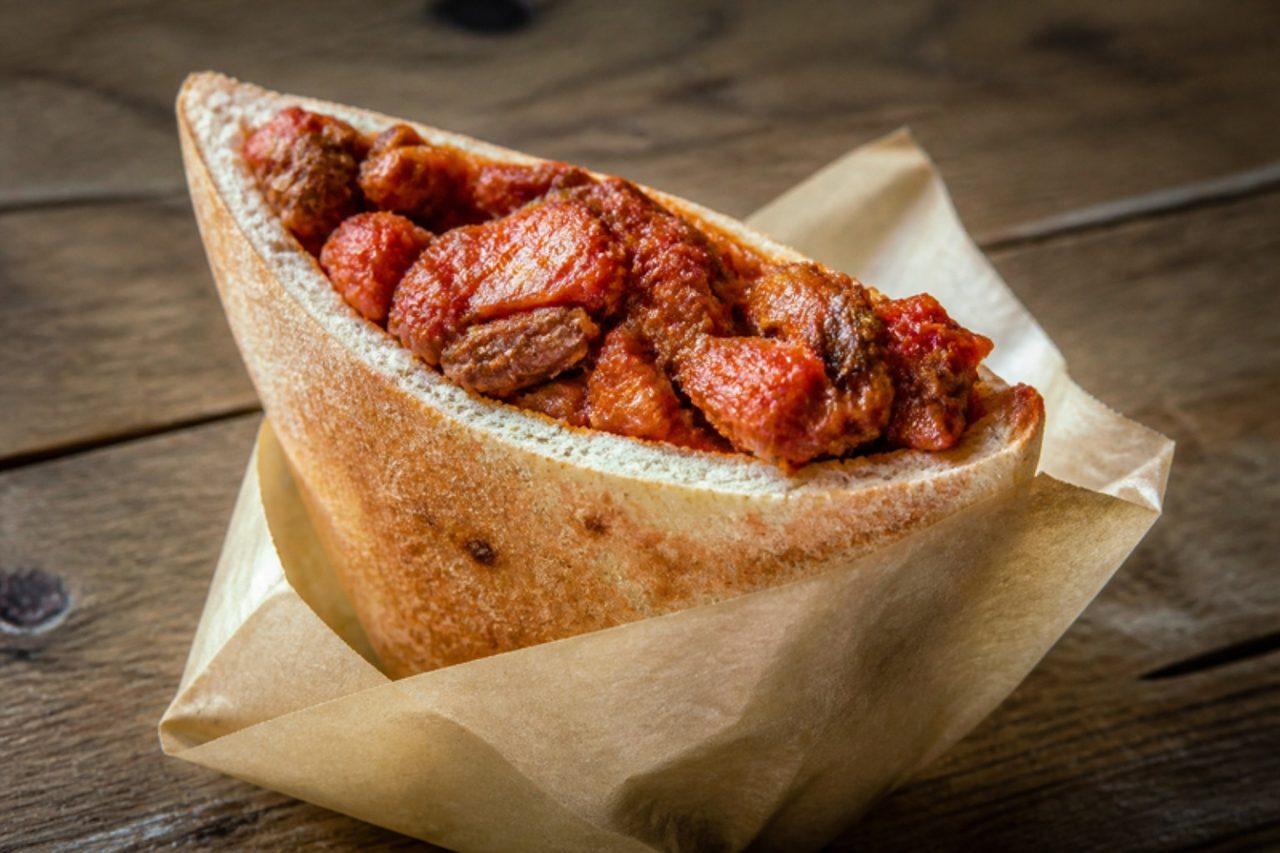
Trapizzino con pollo alla cacciatoraChicken cacciatore pizza pocket

The trapizzino was invented in Rome in 2008 in the Testaccio district, cross between a tramezzino (triangle sandwich) and a pizza: a thick triangle of pizza bianca dough baked, cut open into a pocket and filled with the slow-cooked stews of Roman home cooking. Today it is sold all over the city as a lunch on the go. The most popular filling is pollo alla cacciatora, chicken braised with rosemary, garlic, olives and a little vinegar or white wine. Alcohol is used here: you can use vinegar and stock instead. Chef's tip: let the stew cool a little and thicken before filling; a runny filling soaks through the bread.

by KrazyBadal 0 views

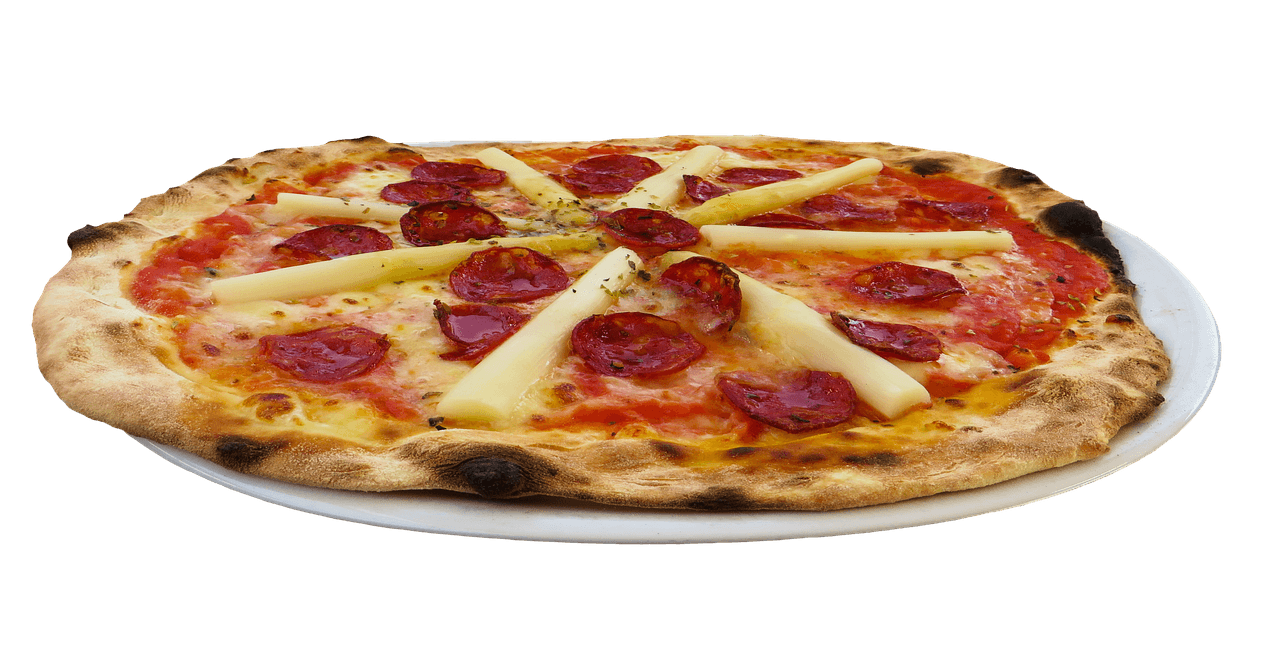
Pizza diavolaSpicy salami pizza

Diavola, the "devil's" pizza, is what most Italians order when they want heat: tomato and mozzarella topped with slices of spicy salami from Calabria or Naples, which curl into small cups in the oven and fill with red, chilli-laced oil. It is a pizzeria staple across the country and a Friday-night favourite. The salami is a cured pork sausage. Chef's tip: add the salami after the pizza has baked for half the time; it crisps at the edges without burning.

by KrazyBadal 0 views

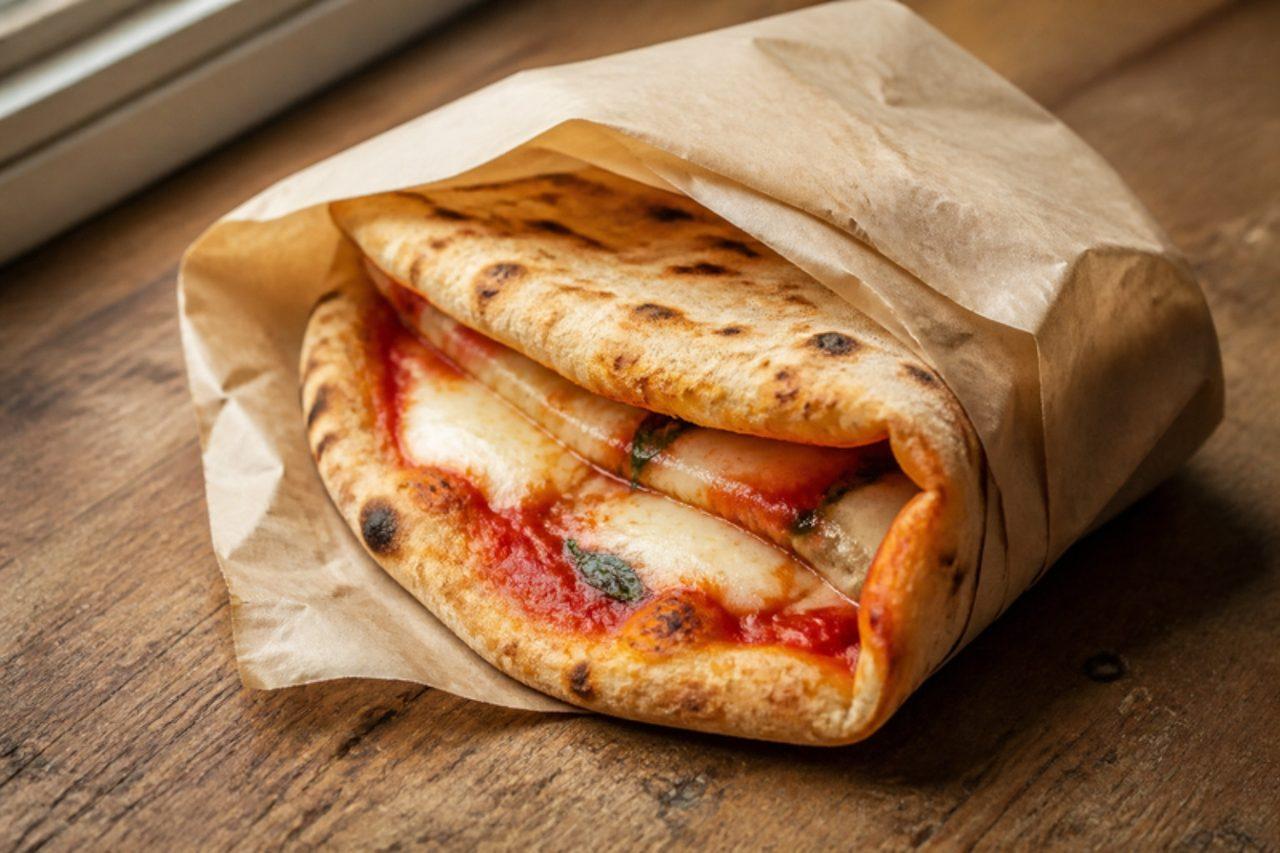
Pizza a portafoglioFolded street pizza

In the narrow streets of Naples's historic centre, pizzerie sell a small margherita folded in four like a wallet, wrapped in paper and eaten while walking, for a couple of euros. It is the city's original fast food and still a lunch for students and workers around Via dei Tribunali and the Spanish Quarter. The pizza is small and soft so it folds without cracking. Mozzarella is usually made with calf rennet; vegetarian versions are easy to find. Chef's tip: take the pizza out while the crust is still soft and a little pale; a crisp pizza snaps when you fold it.

by KrazyBadal 0 views

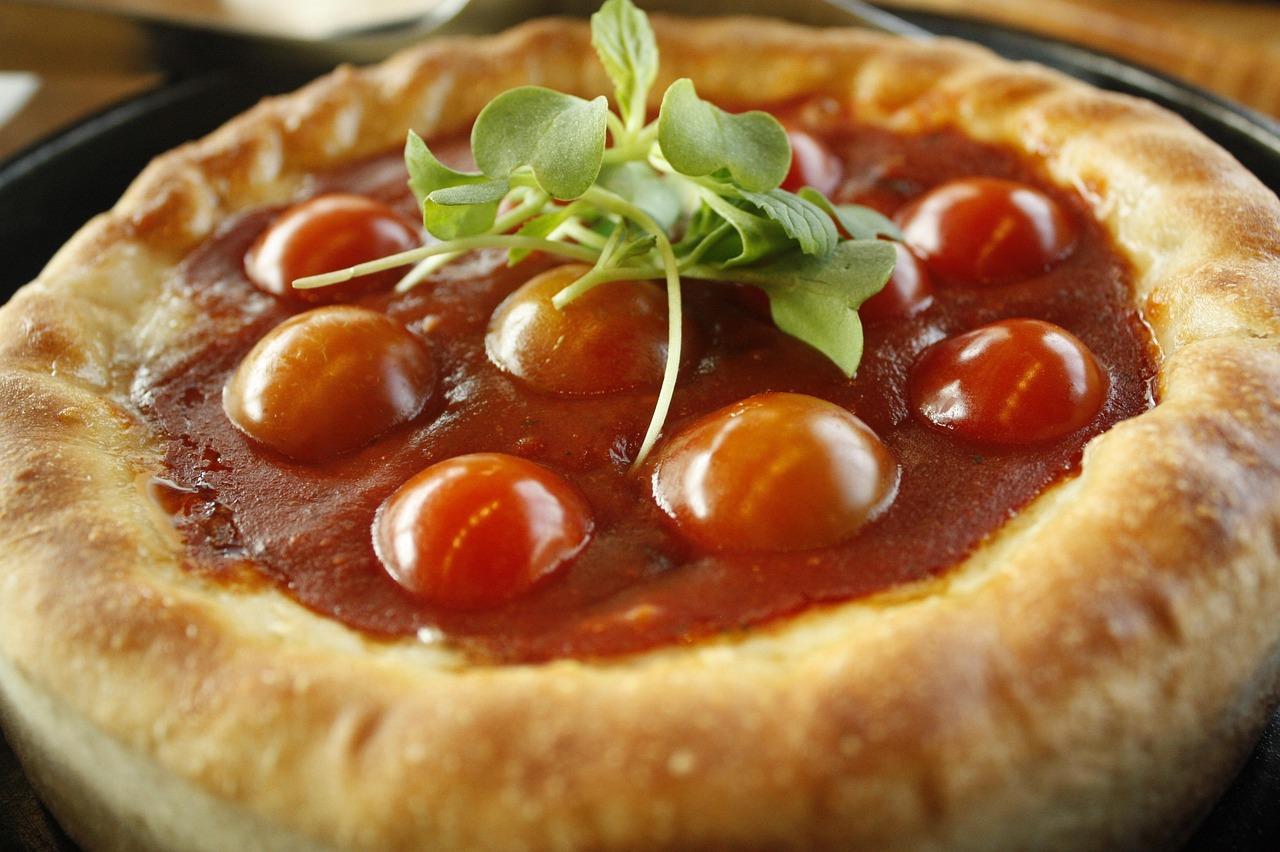
Pizza marinara

Older than the margherita, the marinara is the pizza Neapolitan sailors' wives are said to have made for the men coming back from sea: tomato, garlic, oregano and olive oil, no cheese and no fish, despite the name. At the historic pizzerie around Via dei Tribunali it is the purist's order and the true test of a pizzaiolo, because there is nothing to hide behind. A home oven can't reach the 450 °C of a wood oven, so this recipe uses a very hot steel or stone and the grill. Chef's tip: use tomatoes crushed by hand with just a pinch of salt and never cook the sauce first; it cooks on the pizza and keeps its fresh taste.

by KrazyBadal 0 views

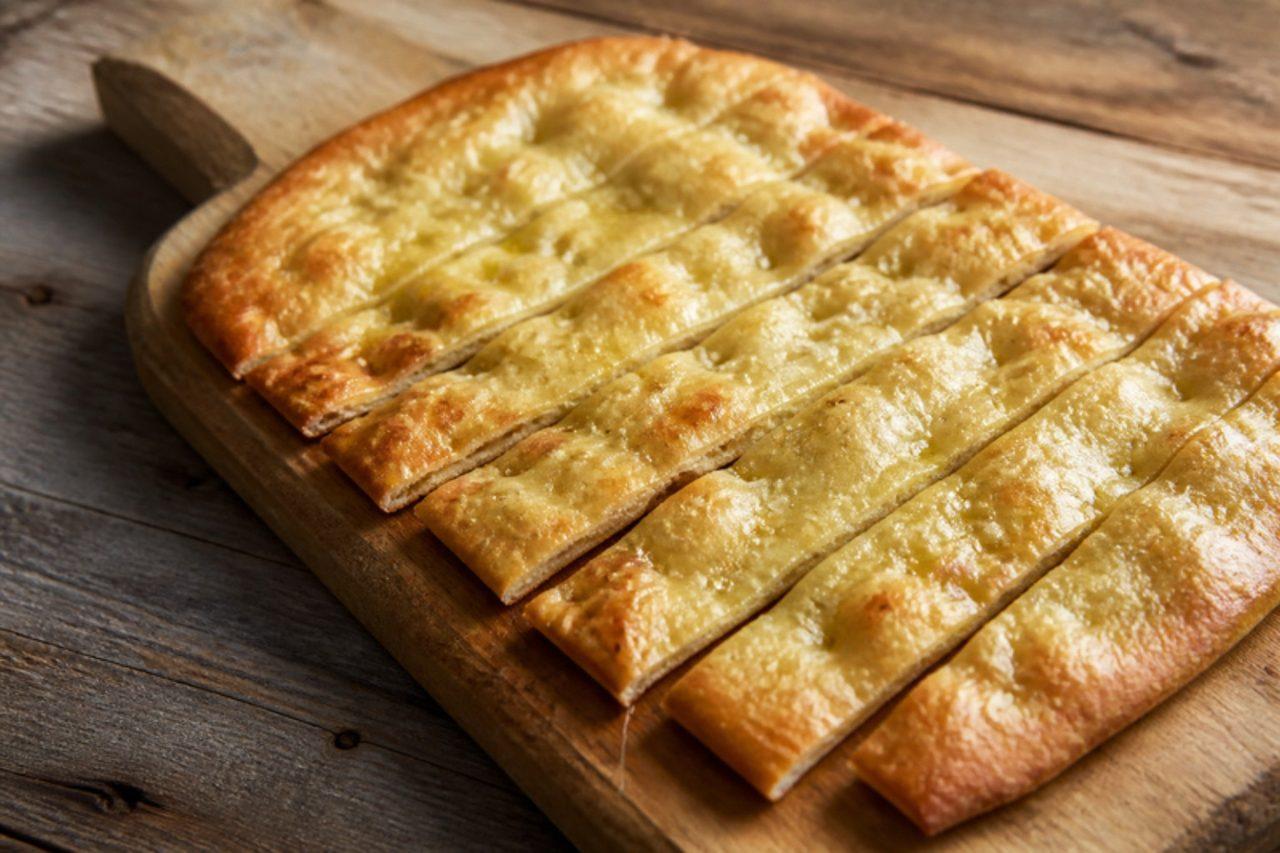
Pizza bianca romanaRoman olive oil flatbread

Walk past any Roman forno at eleven in the morning and you'll see pizza bianca coming out of the oven in planks a metre long: crisp on top, chewy and full of holes inside, brushed with olive oil and scattered with salt. Romans buy it by the slice for children's snacks after school, or split it open and fill it with mortadella or fresh figs in late summer. The dough is very wet and needs only folding, not kneading. Chef's tip: stretch the dough with oily fingertips straight onto the tray; dimpling it presses big bubbles into the dough that puff up in the oven.

by KrazyBadal 0 views

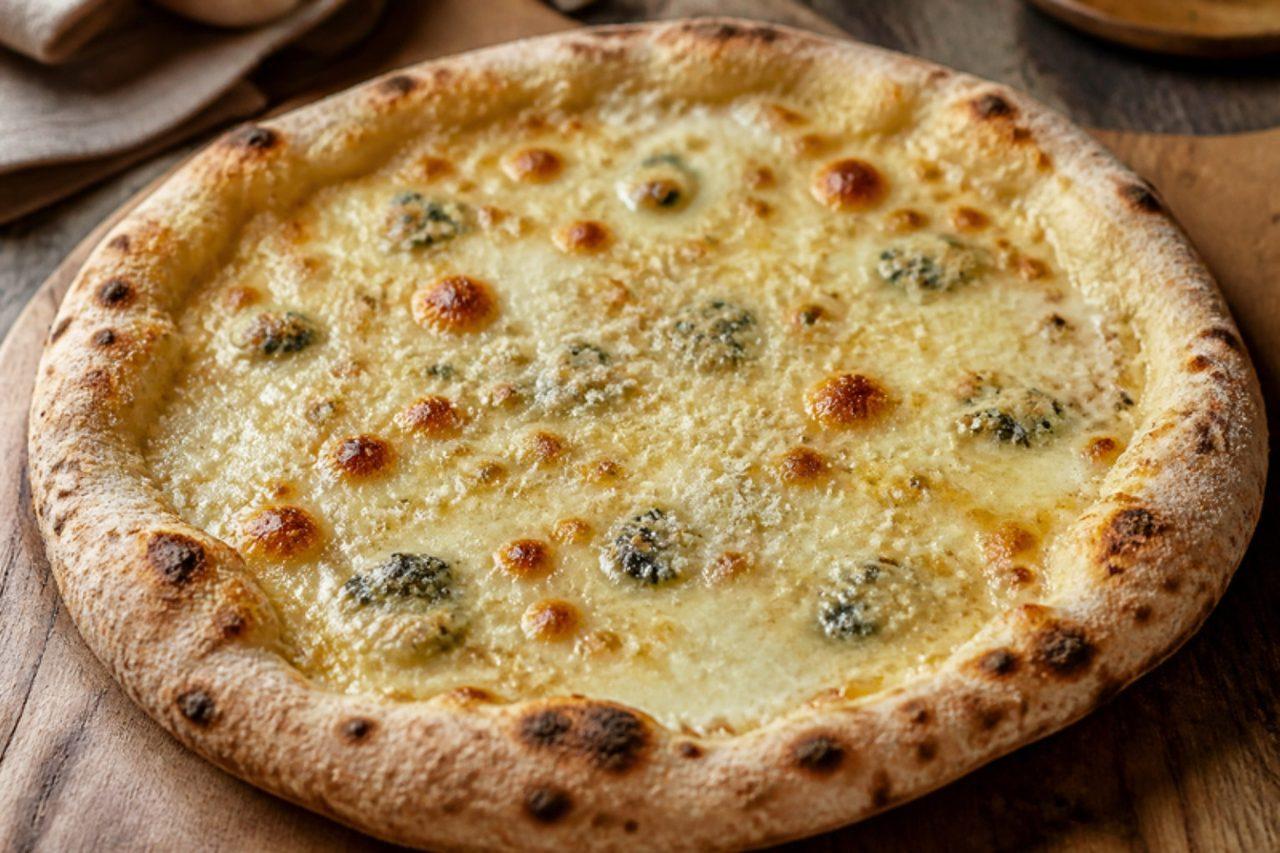
Pizza ai quattro formaggiFour-cheese pizza

Four-cheese pizza is a pizzeria classic from Milan to Palermo, a pizza bianca (no tomato) where each cheese does a different job: mozzarella for stretch, gorgonzola for a blue tang, fontina from the Aosta Valley for creaminess and Parmigiano for a salty crust. It is the order for winter evenings, often with a drizzle of honey or a few walnuts on top. Most of these cheeses are made with animal rennet; choose vegetarian versions of each if you need to. Chef's tip: cut the cheeses into small cubes rather than slices and scatter them unevenly; they melt at different speeds and give pockets of flavour.

by KrazyBadal 0 views

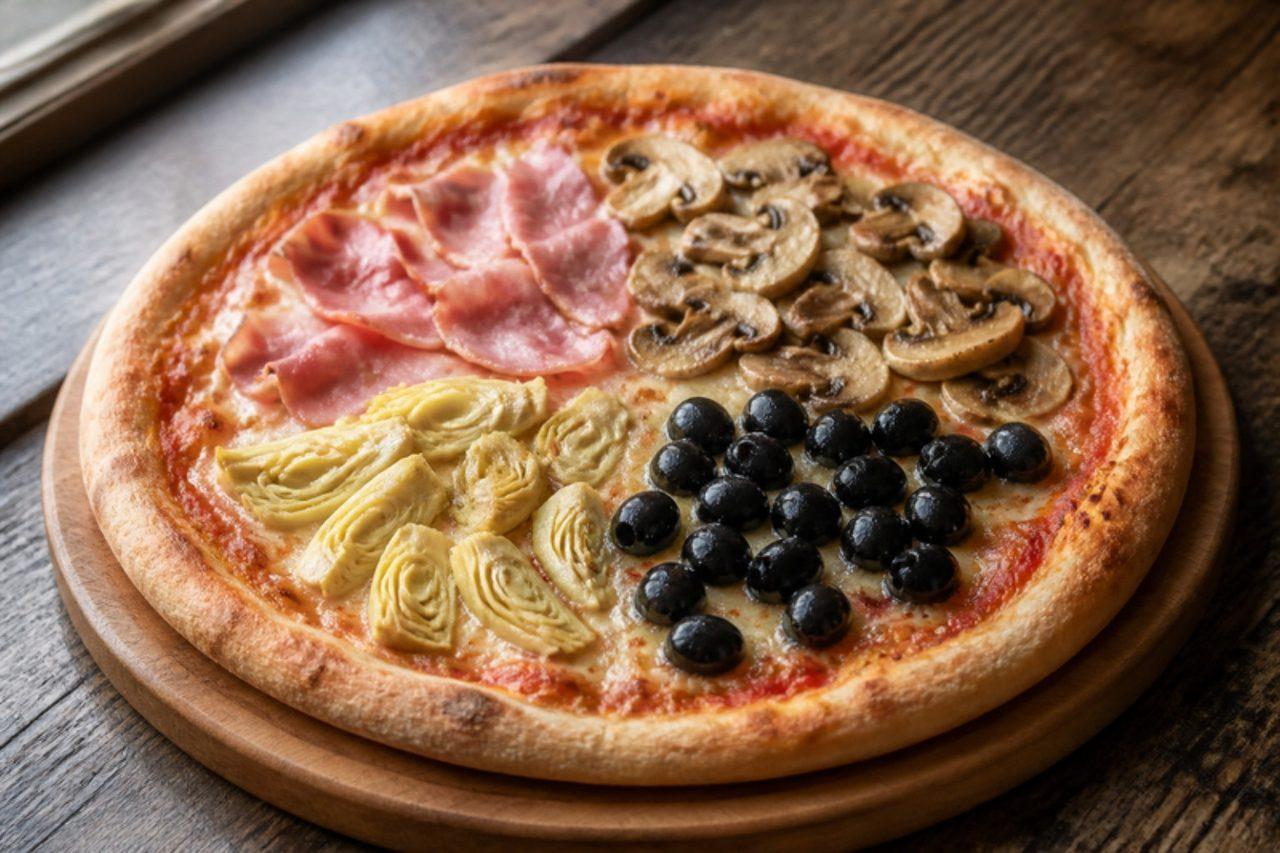
Pizza capricciosaHam, mushroom and artichoke pizza

Capricciosa means "whimsical" or "capricious", and the story goes that a Neapolitan pizzaiolo created it after the war to use up whatever was in the kitchen. It is now one of the most ordered pizzas across Italy: tomato and mozzarella covered with cooked ham, mushrooms, artichoke hearts and black olives, each in its own patch. The ham is cooked pork ham, a favourite with children. Chef's tip: cook the mushrooms in a dry pan for a few minutes first; raw mushrooms release water in the oven and make the pizza soggy.

by KrazyBadal 0 views

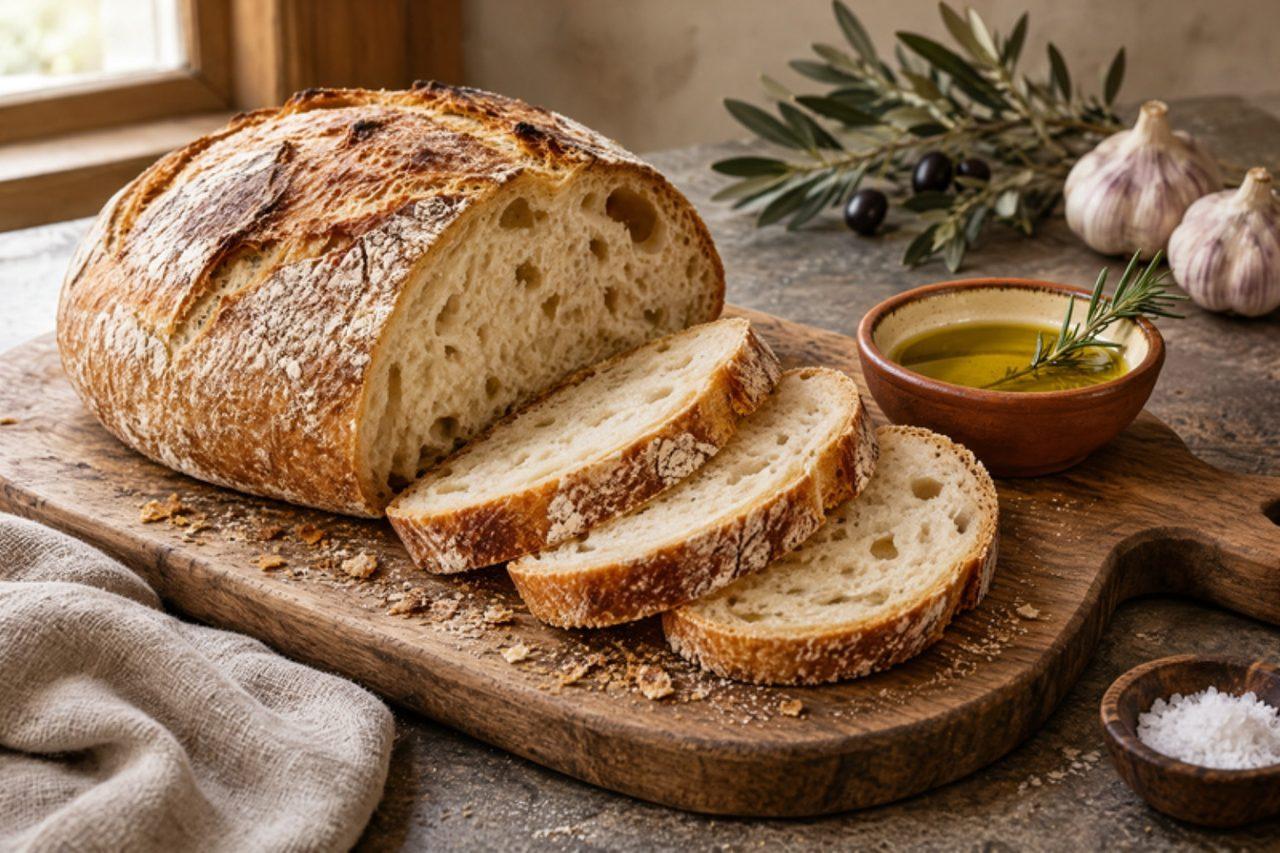
Pane toscanoUnsalted Tuscan bread

Pane toscano, called pane sciocco ('foolish' or 'bland' bread) in Florence and Siena, is the saltless loaf that Tuscans have eaten for centuries; legend blames a medieval salt tax. It has a thick, crackly crust and an open, chewy crumb, and it is made to be eaten with salty prosciutto, pecorino and ribollita, or soaked in panzanella and pappa al pomodoro. There is no salt in the dough: about 0.0 g salt per slice. The usual mistake is under-proving: without salt the dough rises fast, and with too little rest it tastes floury; a starter and a slow rise give it flavour. Chef's tip: bake with steam (a tray of boiling water in the oven) for the first 15 minutes, which is what gives the crust its proper Tuscan crunch.

by KrazyBadal 0 views

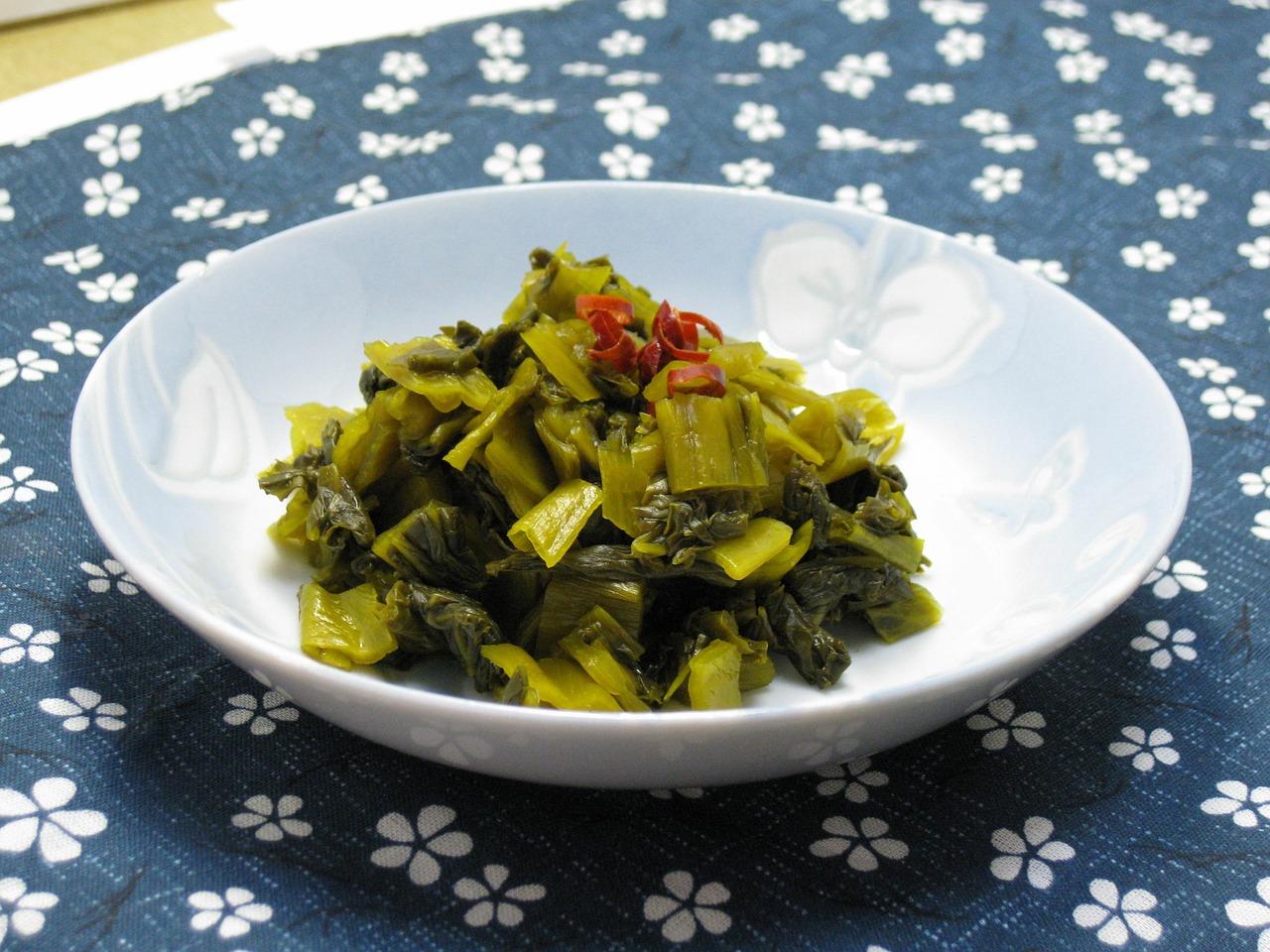
Shan pickled mustard greens

Jars of sour, olive-gold mustard greens sit on every noodle stall in Shan State, from Kengtung to the five-day markets around Inle Lake, and families keep a crock going through the cool season. The greens are wilted, rubbed with salt and packed under cloudy water saved from rinsing rice; its starch feeds the natural fermentation, and after a few days the leaves turn crunchy, tangy and pleasantly funky. A spoonful goes on top of Shan noodles, beside sticky rice, into soups, or stir-fried with garlic and chilli as a side dish. Leaves poking above the brine are the main thing that goes wrong, since that is where mould starts; keep everything pressed under the liquid. Chef's tip: use the cloudiest rice water from the first rinse, and add a spoon of cooked rice to get the souring going faster.

by KrazyBadal 0 views

Goes well with cool water