Skip to content

Recipes with chicken stock

26 recipes that use chicken stock, with photos, step-by-step instructions and cook times. The quickest, Larb gai, takes 25 minutes. It is most often cooked with garlic, onion and spring onion.

Run out of chicken stock? Vegetable stock, same amount.

Got a few things in the fridge? Search by everything you have

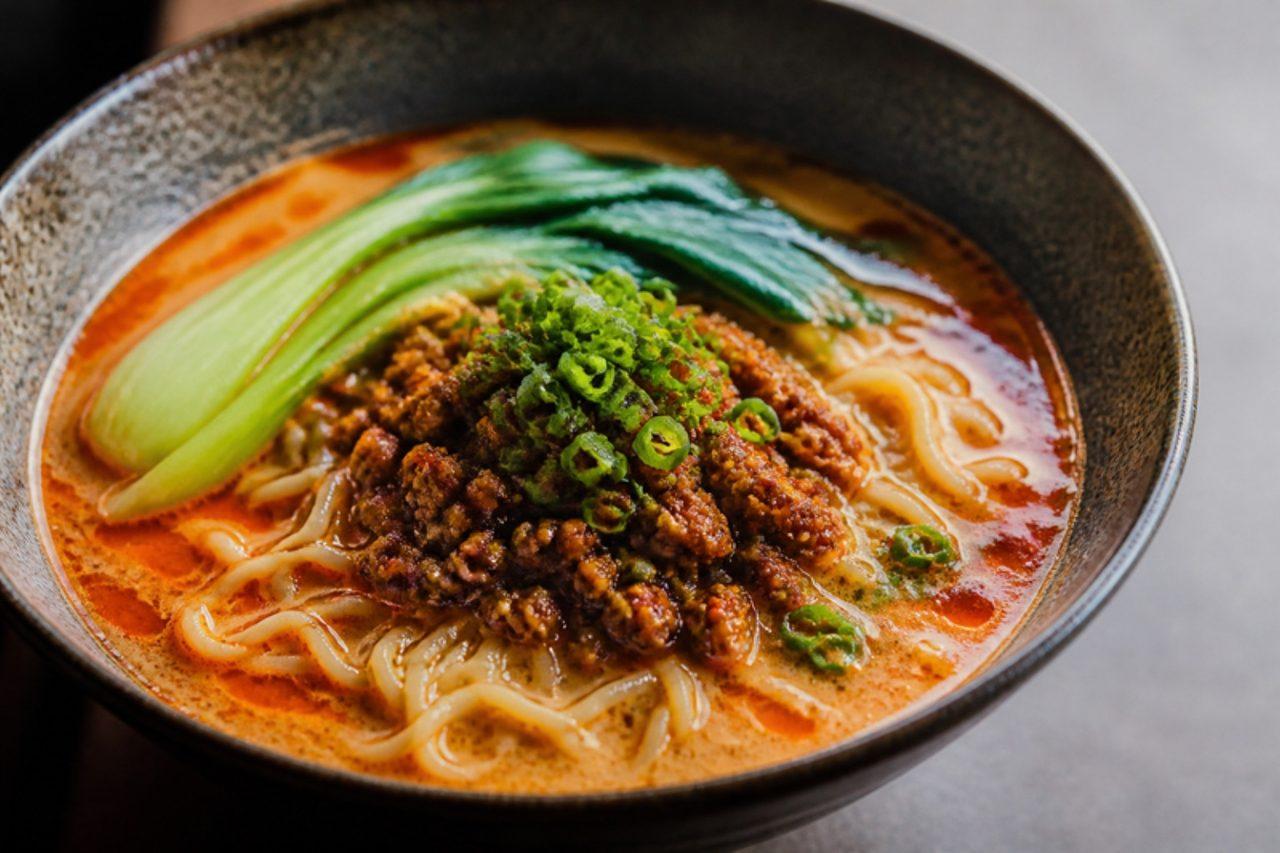
Tantanmen

Sichuan dan dan noodles are eaten almost dry, with just a spoonful of sauce, but Chinese chefs cooking in post-war Tokyo turned them into a full bowl of soup for Japanese diners. Today tantanmen sits on the menu of almost every Chinese-style restaurant and many ramen shops across Japan, and it sells best in the cold months. The broth is rich with sesame paste, softened with soy milk and lit up with chilli oil, then crowned with savoury fried pork. Pak choi adds a fresh, crunchy contrast. Chef's tip: fry the pork until it is properly brown and a little crisp before seasoning, so it keeps some bite in the soup instead of turning soft.

by KrazyBadal 0 views
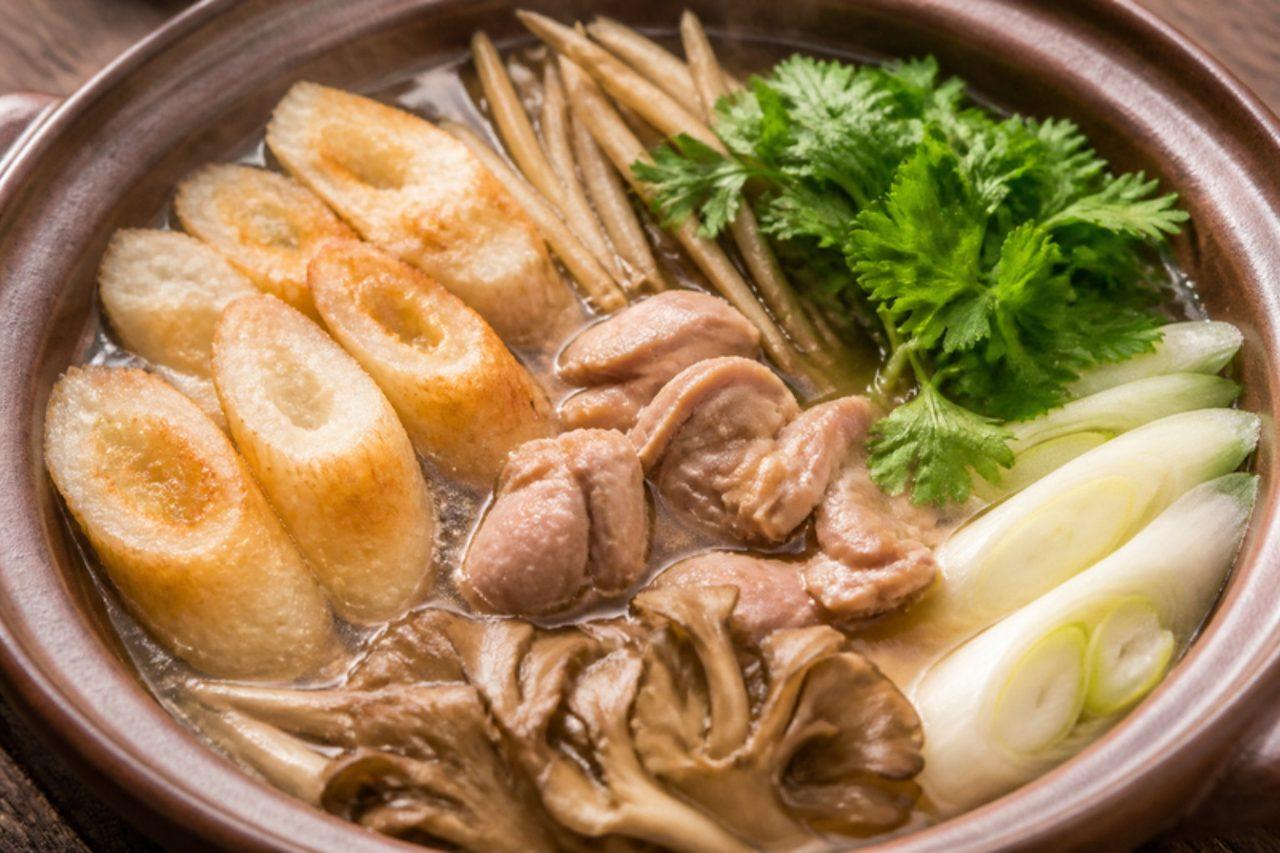
Kiritanpo nabe

In Akita, in Japan's snowy north-west, the new rice harvest in October marks the start of kiritanpo season, and the town of Odate holds a festival for it every autumn. Freshly cooked rice is half-pounded, pressed around sticks and toasted, then cut up and dropped into a soy-seasoned chicken broth with burdock, maitake mushrooms and crunchy Japanese parsley called seri. Locals use the region's Hinai-jidori chicken; any good free-range bird works. The toasted rice soaks up the broth but keeps a little chew. Chef's tip: toast the rice sticks until dry and golden in patches all over, as a crisp outer skin keeps them from dissolving in the pot.

75 minSoups
by KrazyBadal 0 views

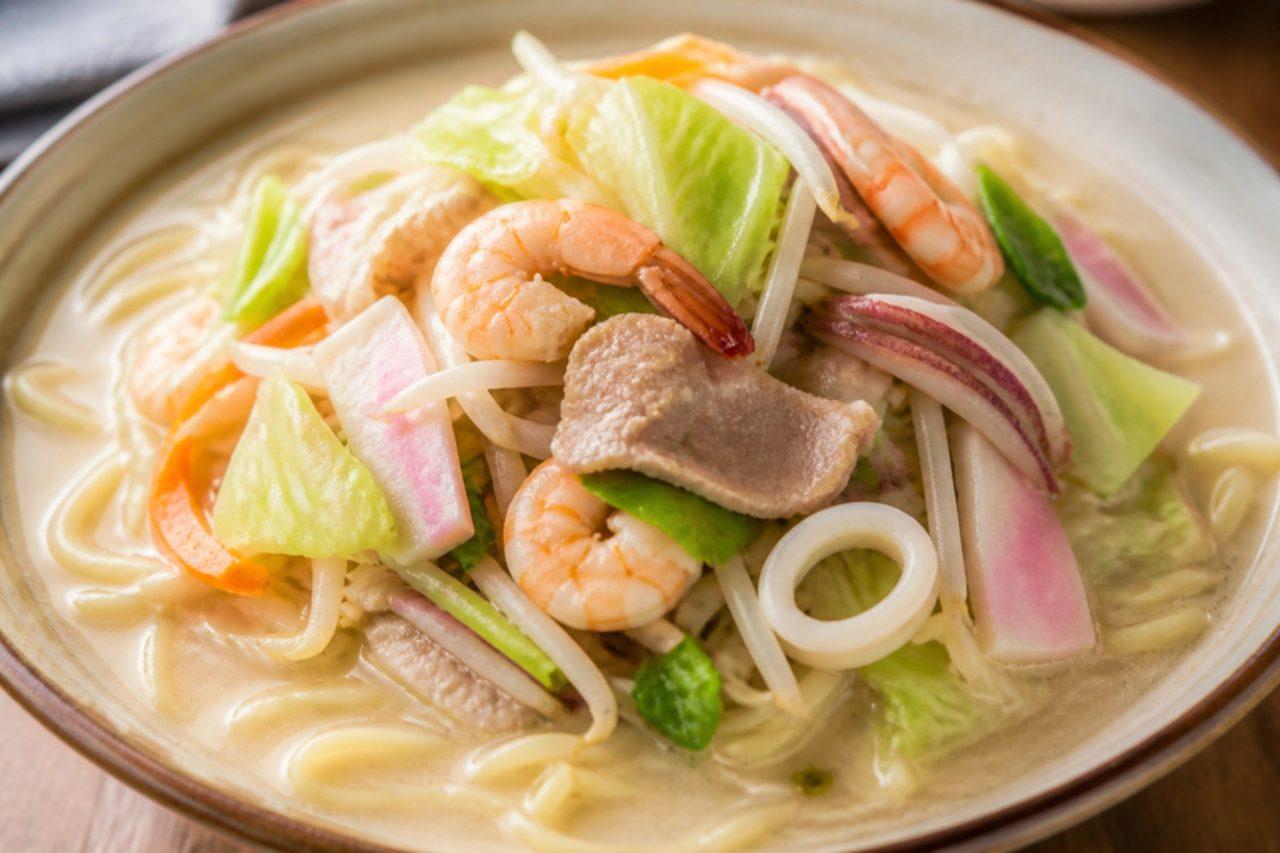
Champon

Champon belongs to Nagasaki, the port that stayed open to Chinese and Dutch traders for centuries. It was created there at the end of the 19th century by a Chinese restaurant owner who wanted a cheap, filling meal for Chinese students, and the city's Chinatown still serves it in huge bowls. Pork, squid, prawns, fishcake and a pile of cabbage are fried in one wok, then the stock goes in and the thick noodles cook right in the soup. Restaurants make the cloudy broth from long-boiled pork and chicken bones; at home a little milk gives the same mellow, creamy look. Chef's tip: fry everything over the highest heat in small batches; the slight scorch on the cabbage and pork is what flavours the soup.

45 minSoups
by KrazyBadal 0 views

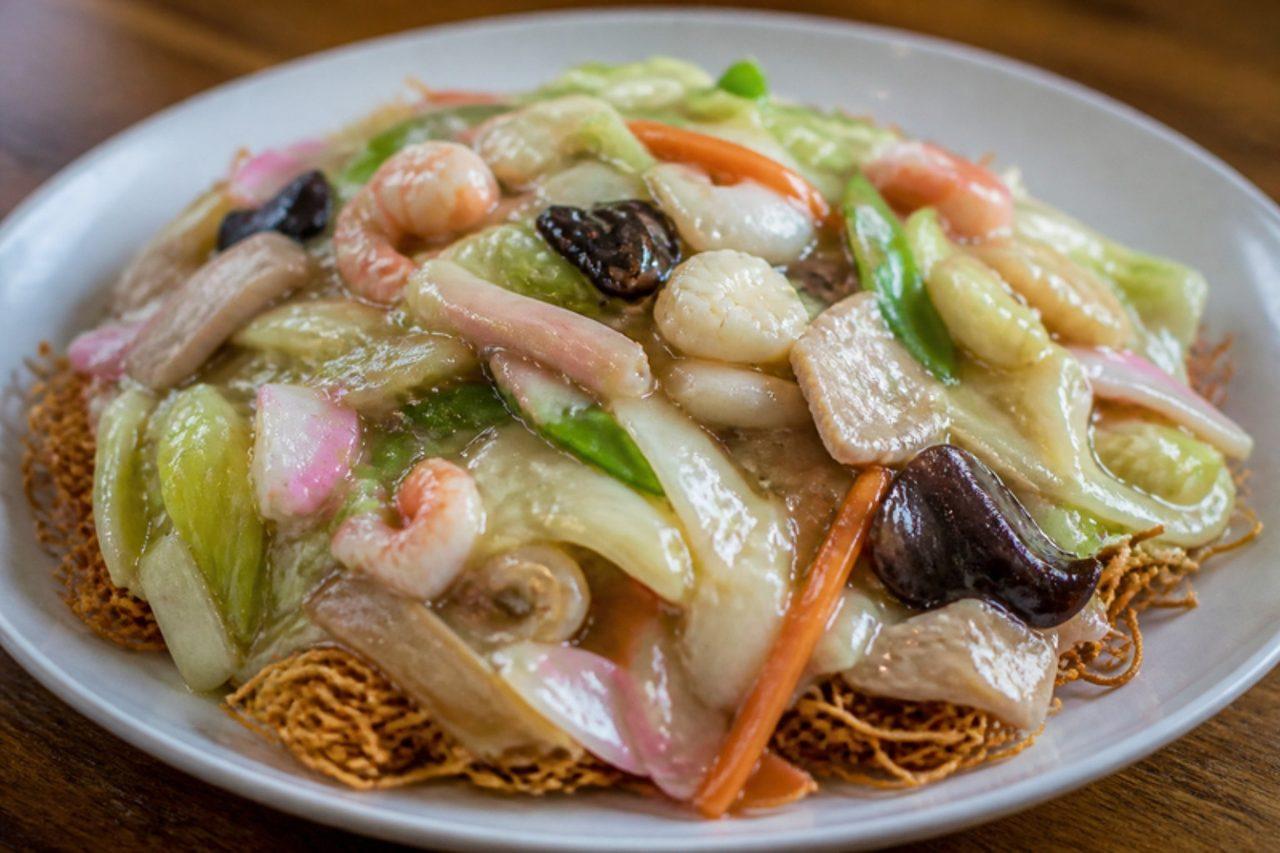
Sara udon

Nagasaki's second famous noodle dish uses the same toppings as champon but turns them into a thick sauce poured over a plate of crunchy fried noodles. The name means plate udon, though the classic noodles are very thin and fried crisp. In Nagasaki homes it is a quick weekend lunch and a standard dish at family gatherings, and supermarkets there sell the fried noodle nests ready to use. People splash it with Worcestershire sauce at the table, and a dab of hot mustard is common too. Chef's tip: pour the sauce over at the very last moment and let the noodles soften slowly as you eat, so you get crisp and soft in every mouthful.

by KrazyBadal 0 views

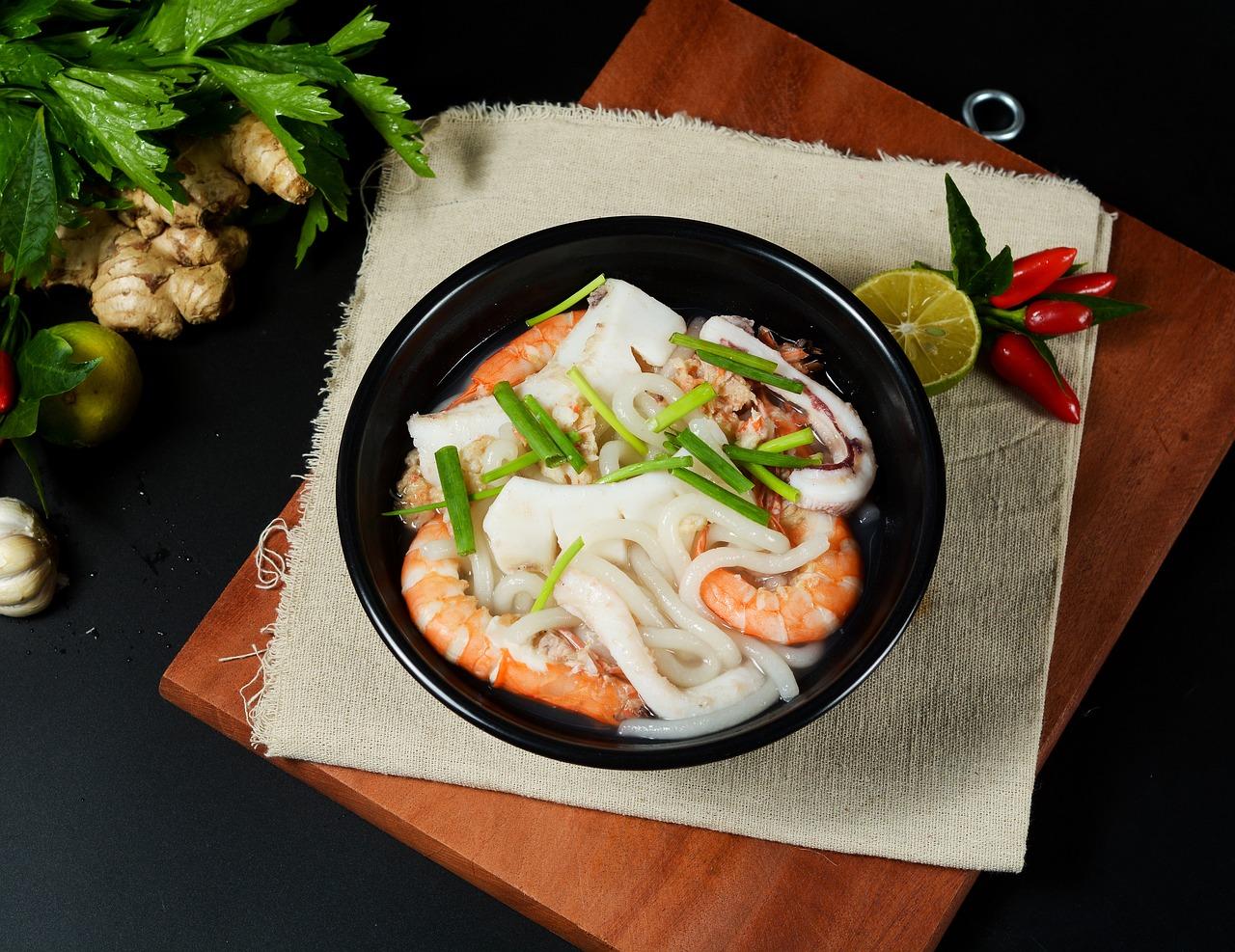
Banh canh cua (crab noodle soup)

Saigon's bánh canh cua is a late-afternoon and evening soup, sold from street stalls and small shops where the pots of red-orange broth sit beside trays of crab claws, prawns and quail eggs. The noodles are thick, round and bouncy, made with tapioca or a mix of tapioca and rice flour, and the broth is thickened slightly so it clings to them. Crab meat sautéed with shallots and annatto colours the soup and gives it its sweet, rich taste. Fresh bánh canh noodles are sold chilled in Asian shops; thick udon is a fair stand-in. Chef's tip: stir the crab meat in the annatto oil for only a minute so it stays in big, sweet lumps.

60 minSoups
by KrazyBadal 0 views
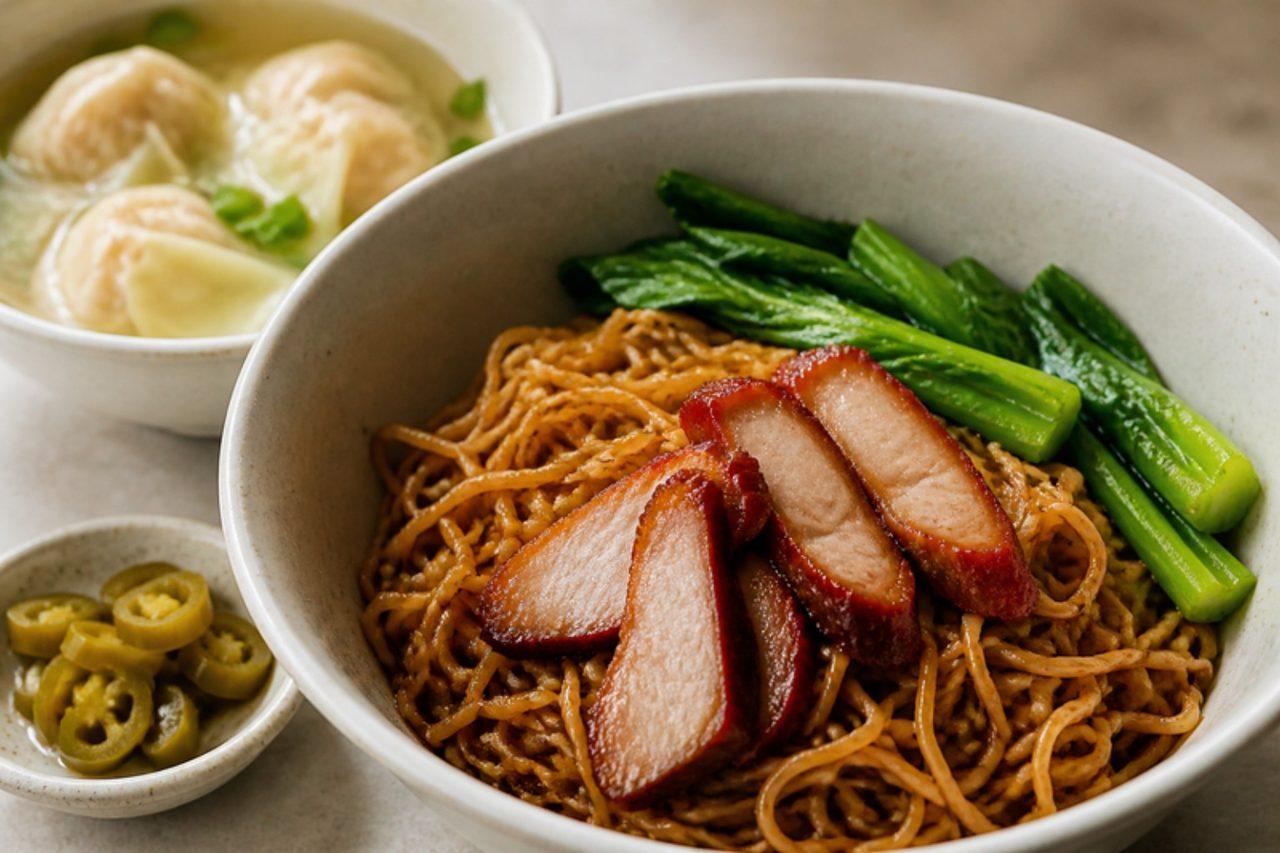
Wantan mee

Kuala Lumpur eats wantan mee for breakfast, lunch and late supper, usually from a stall where a cook flicks springy egg noodles through boiling water and tosses them in a dark, glossy sauce. The KL style is 'dry' (kon loe): noodles coated in soy, oyster sauce and lard or shallot oil, topped with slices of sweet char siu and greens, with the dumplings served in a little bowl of clear soup. Pickled green chillies cut through the richness. Expect chewy noodles, silky wontons and a salty-sweet, slightly smoky sauce. Chef's tip: rinse the cooked noodles under cold water for a few seconds, then dunk them back in the boiling water; the shock gives them their springy bite.

by KrazyBadal 0 views
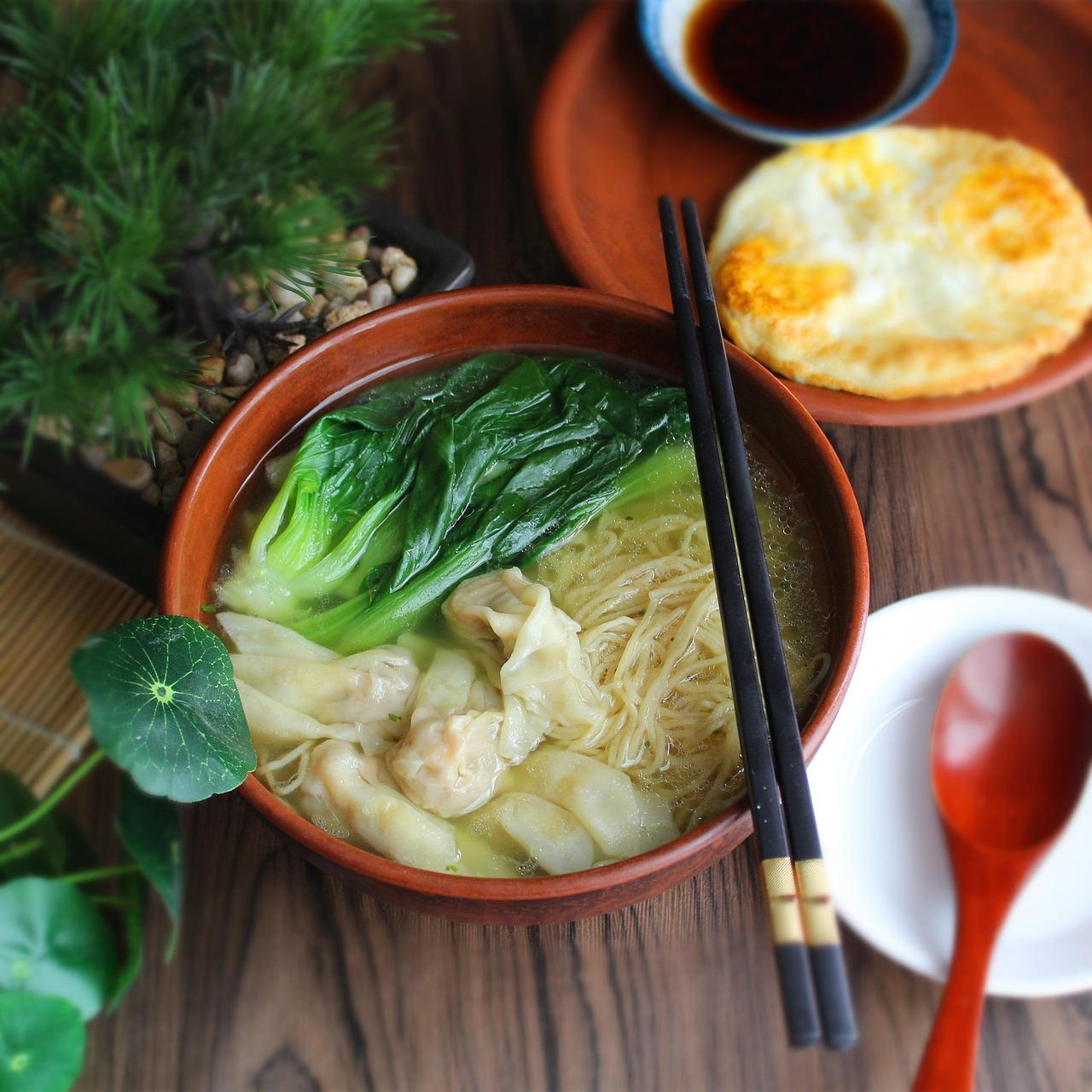
Wonton noodle soup

Small, steamy noodle shops all over Hong Kong sell this bowl from breakfast until late at night, often from a counter facing the street. Plump wontons, mostly prawn with a little pork, sit under a nest of thin, springy egg noodles in a clear, savoury broth fragrant with dried shrimp and ginger. The bowl is small and meant to be eaten fast, before the noodles soften, with a spoonful of chilli oil and a side of blanched greens. Shop wrappers make the wontons manageable on a weeknight. Chef's tip: put the wontons in the bowl first and the noodles on top, as Hong Kong cooks do, so the noodles sit above the broth and keep their bite.

60 minSoups
by KrazyBadal 0 views
Fuzhou fish ball soup

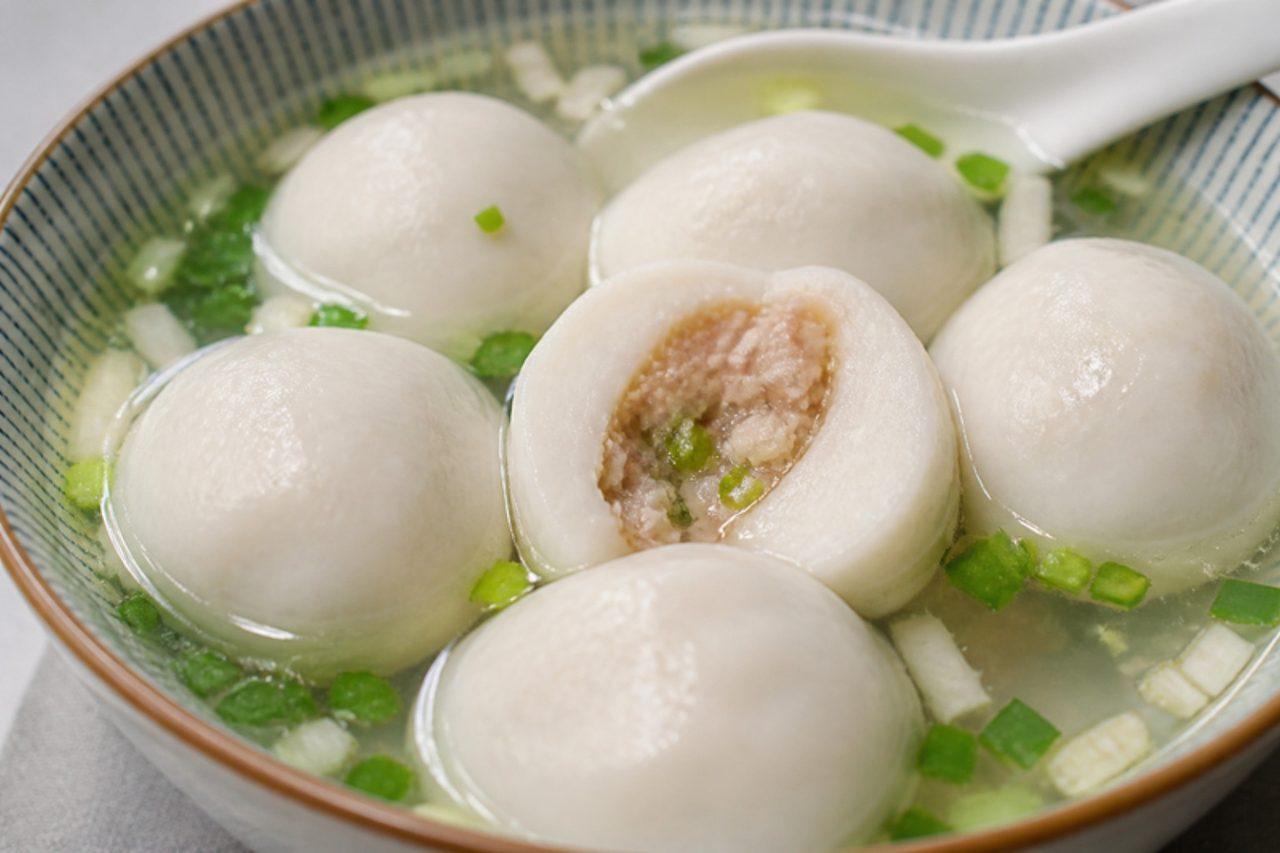
Bite carefully: inside every Fuzhou fish ball hides a spoonful of juicy seasoned pork that bursts out with a little hot broth. Sold by street vendors and served in tiny bowls at Fuzhou snack shops, and eaten at New Year because the round balls mean a family together, they are firm and springy outside, never spongy. The paste is beaten by hand with ice-cold water and a little starch until it turns smooth and elastic. Serve the soup as a light lunch or as one bowl in a spread of small dishes, with a dash of vinegar and lots of white pepper. Chef's tip: keep the fish paste really cold from start to finish; warm paste never turns bouncy.

60 minSoups
by KrazyBadal 0 views
Buddha jumps over the wall

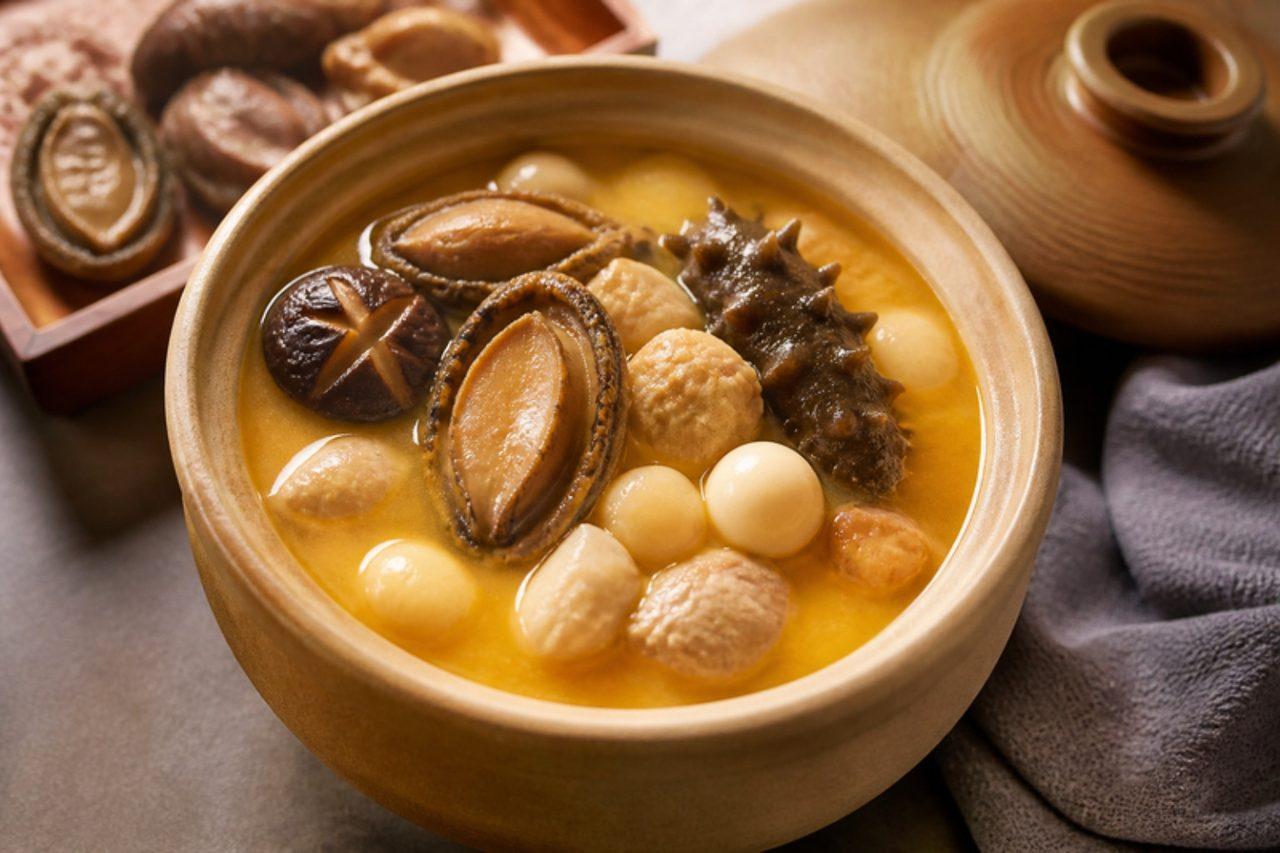
Legend in Fuzhou says the smell of this soup was so tempting that a monk climbed the monastery wall to taste it, and it is still the grandest dish at Fujian wedding banquets and Lunar New Year. Restaurant versions pack in a dozen expensive dried seafoods; this home version keeps the spirit with chicken, pork ribs, dried scallops, shiitake, taro and quail eggs, and leaves out shark fin and any endangered ingredient entirely. Everything simmers sealed for hours until the broth is golden, rich and lightly sticky, tasting of the sea, mushrooms and rice wine. Serve it in small bowls as the centrepiece of a celebration meal, with plain rice. Chef's tip: seal the pot with foil under the lid and resist peeking; the steam that stays inside is what makes the broth so intense.

240 minSoups
by KrazyBadal 0 views
Lion's head meatballs

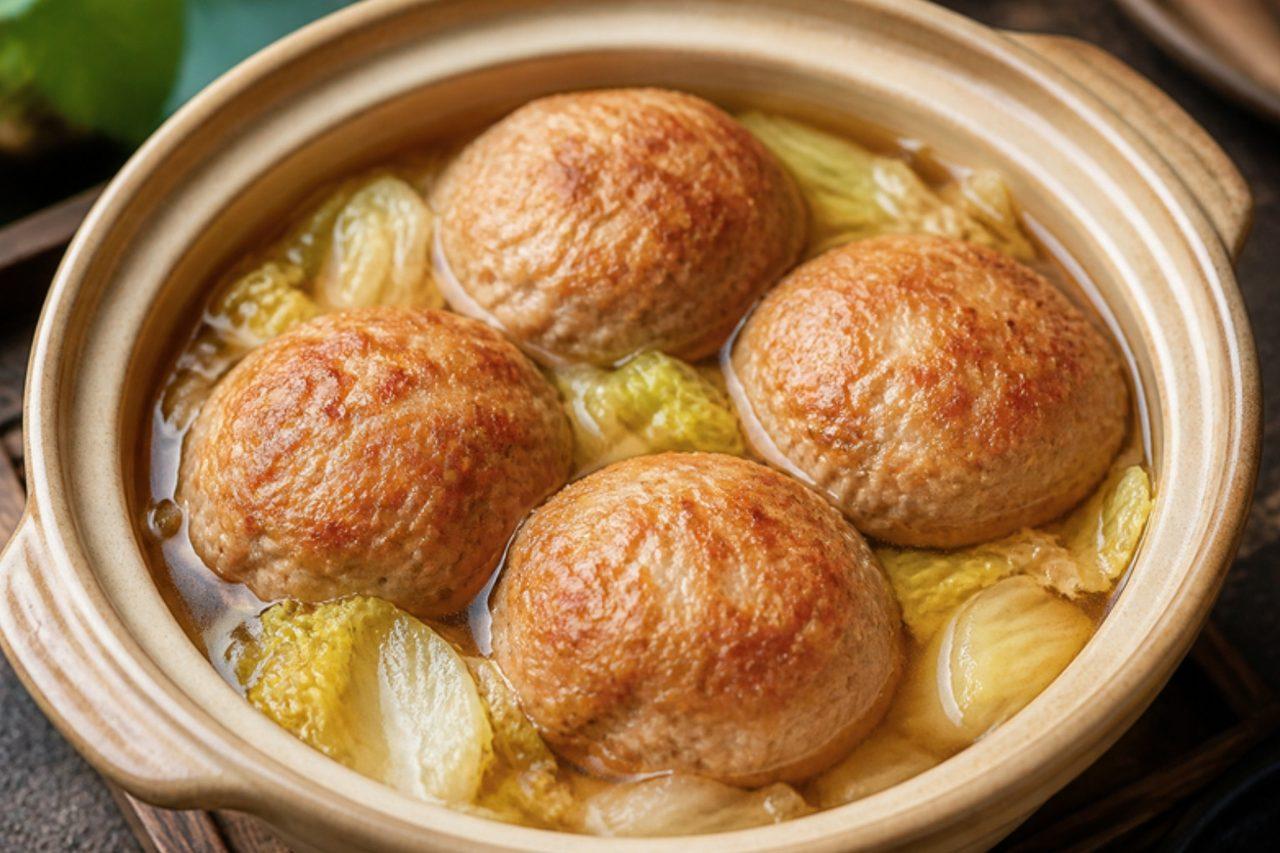
Cooks in Yangzhou say the shaggy meatball looks like a lion's head and the cabbage leaves around it like a mane. The Jiangsu way is the clear braise: no frying, just a slow simmer in stock until the meatballs are so tender that you eat them with a spoon, while the cabbage drinks up the pork juices. They appear at family reunions and at Chinese New Year, where the round shape stands for togetherness. Everything cooks in one pot; serve the meatballs in their broth with rice. Chef's tip: chop some of the pork belly by hand if you can, or ask for coarse mince; a fine, lean mince gives a dense, bouncy ball rather than a soft one.

75 minMeat
by KrazyBadal 0 views
Pian'er chuan noodles

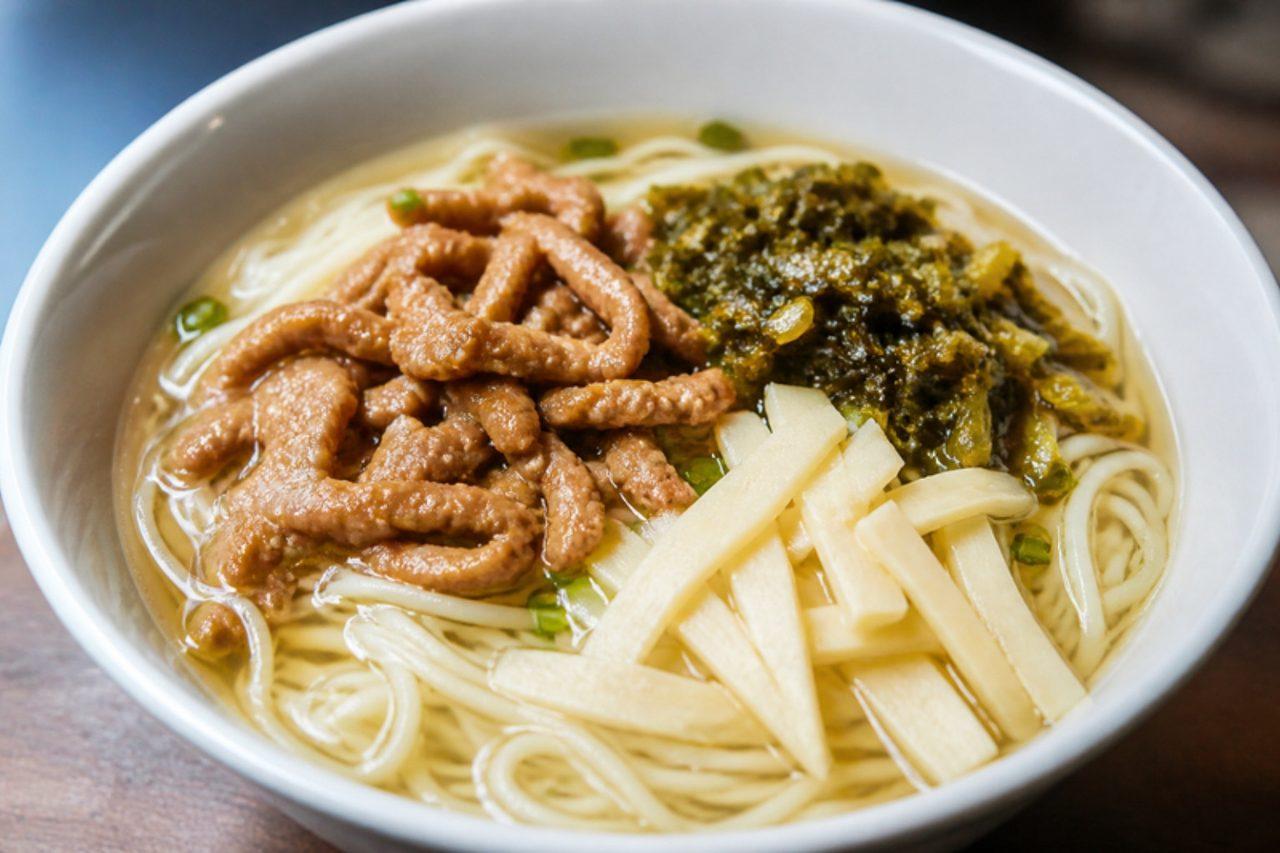
Ask a Hangzhou local what they eat at a noodle shop and the answer is often pian'er chuan, a quick bowl named for its sliced (pian) pork and bamboo that are flash-cooked (chuan) in the broth. Salty, crunchy pickled mustard greens give it its savoury depth, the bamboo adds a clean sweetness, and the thin noodles soak up a cloudy, peppery soup. It is everyday lunch food, eaten at speed. A common mistake is skipping the rinse on the pickled greens; unrinsed, they make the whole bowl too salty. Chef's tip: slice the pork as thinly as you can while it is half-frozen, so it cooks in seconds and stays tender.

30 minSoups
by KrazyBadal 0 views
Satti

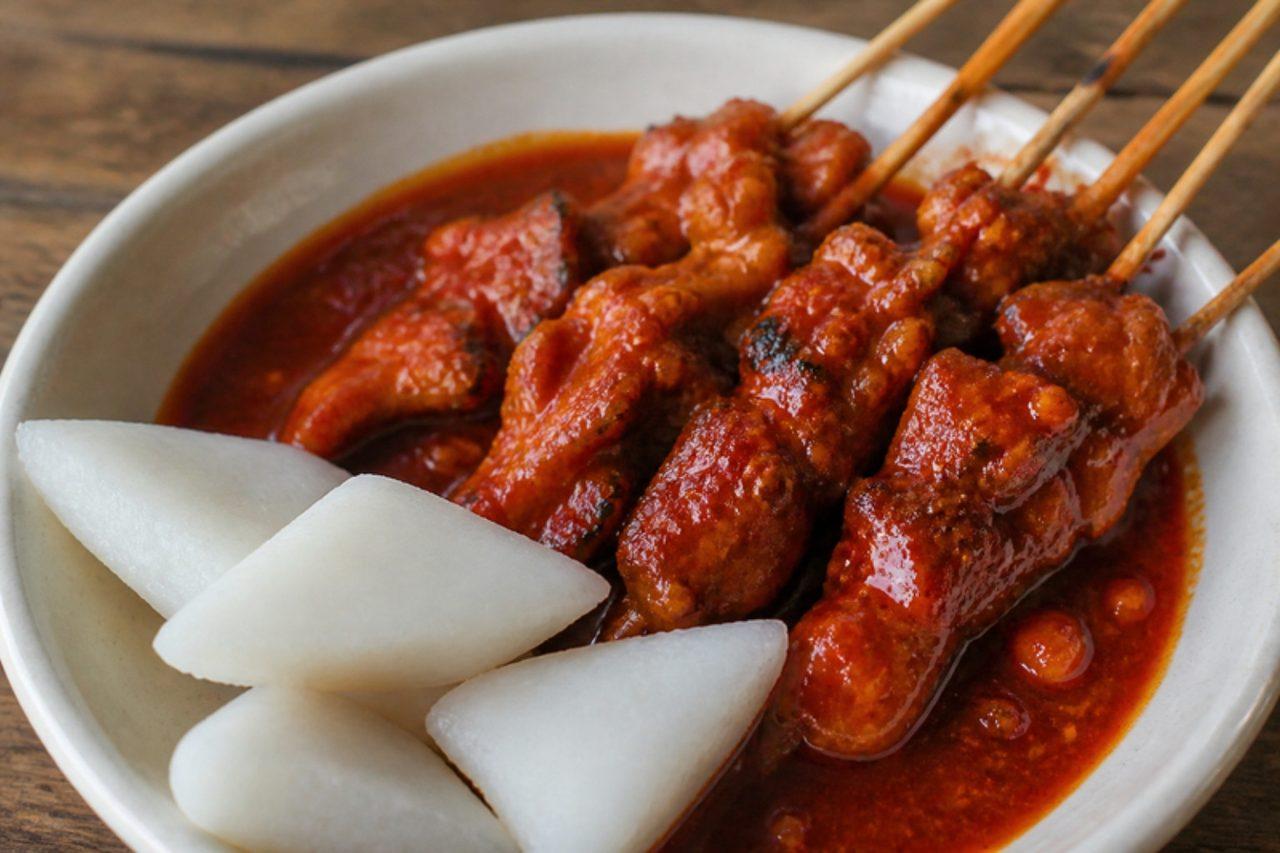
Satti is how Zamboanga City starts the day: small skewers of grilled chicken or beef, smoky from charcoal, drowned in a thin, spicy, slightly sweet red sauce and eaten with ta'mu, little rice cakes cooked in woven palm-leaf pouches. Satti houses near the port open before sunrise and are busiest on weekend mornings. It is a cousin of Malaysian and Indonesian satay, but the sauce is runnier and spiced with chilli and a little peanut. Pressed rice cubes or plain rice stand in well for ta'mu at home. Chef's tip: thread the chicken in small, flat pieces and close together; they cook fast and stay juicy before the outside dries.

60 minChickenSpicy
by KrazyBadal 0 views
Braised intestines in brown sauce

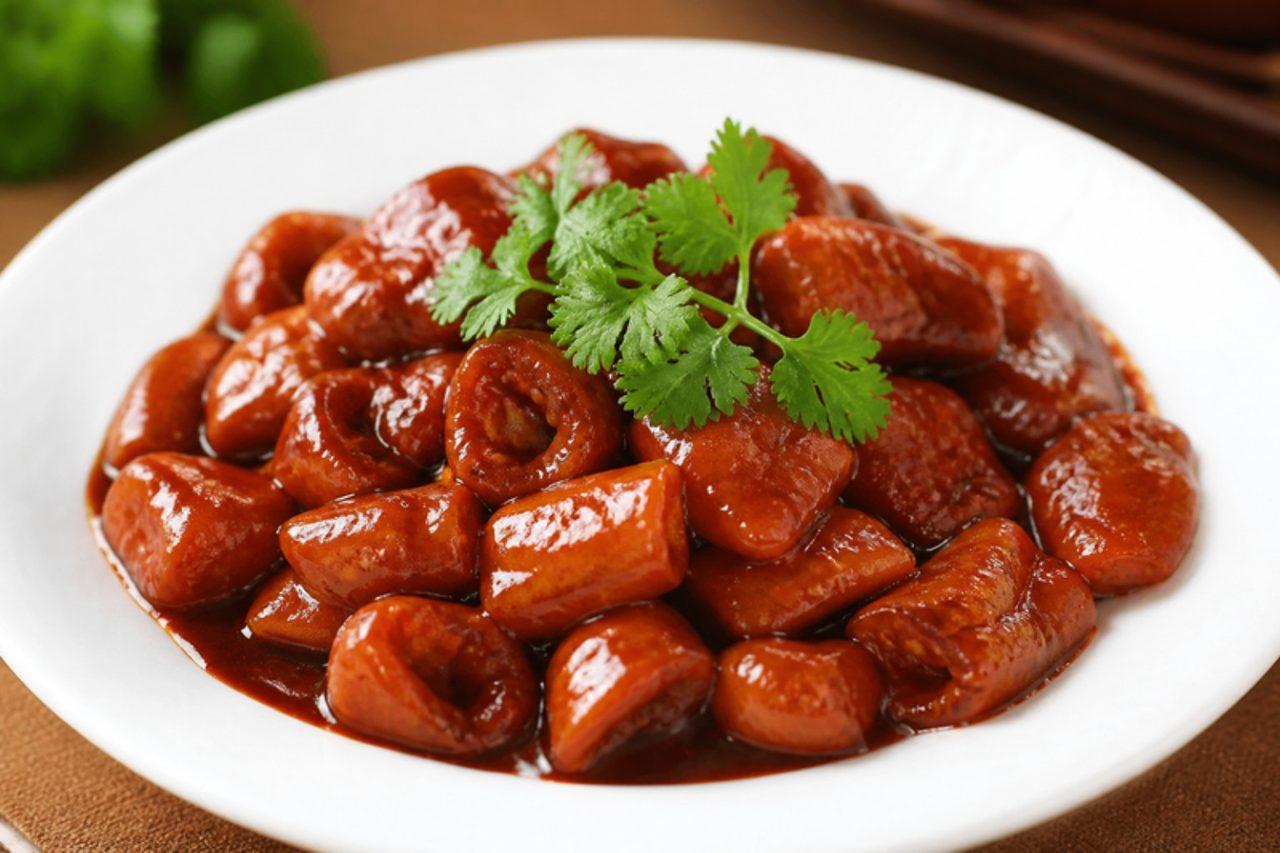
Jinan restaurants have served this Shandong classic for more than a century, and its name, 'nine turns', borrows from Taoist alchemy to praise how many times the flavour seems to change on the tongue. Sections of pork intestine are cleaned thoroughly, simmered until tender, fried golden and then braised in a dark glaze that is sweet, sour, salty, peppery and gently spiced all at once, finished with a dusting of cinnamon and white pepper. The texture is soft and rich with a slight chew. It is banquet food in Shandong, eaten with plain rice or steamed buns and a green vegetable. Chef's tip: buy intestines already cleaned by a butcher if you can; you will still give them a wash, but the hard part is done.

120 minMeat
by KrazyBadal 0 views
Larb gai

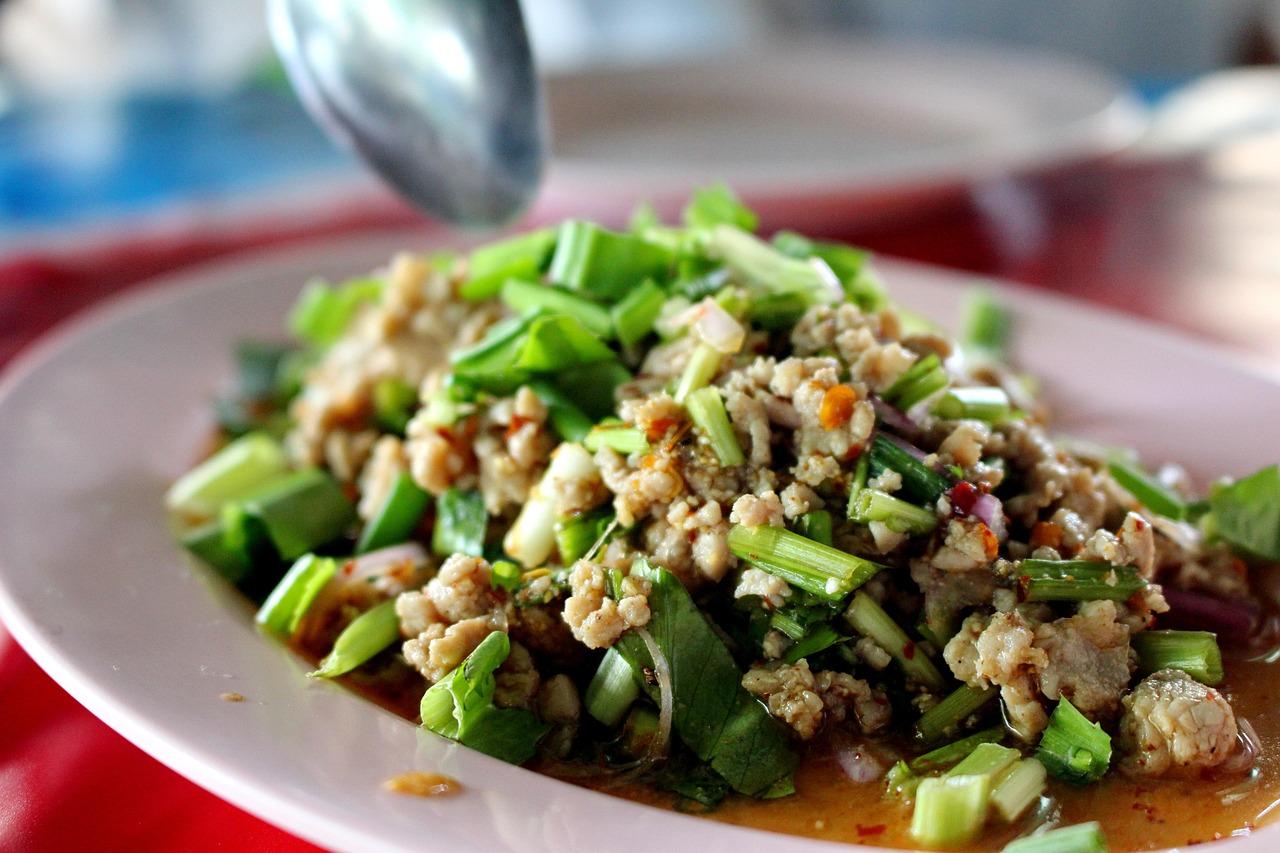
Out in the rice-farming provinces of Isan, a plate of larb turns up at almost every family meal and roadside som tam shack, always with a basket of sticky rice and a pile of raw greens. Warm minced chicken is tossed with fish sauce, plenty of lime, dried chilli and a fistful of mint, then finished with nutty, crunchy toasted rice powder. The result is bright, sour, salty and hot all at once, with a pleasing coarse texture. Wrap spoonfuls in lettuce, or eat it with sticky rice, cucumber and long beans. Chef's tip: toast your own rice powder; shop-bought tastes flat, and freshly ground grains smell like popcorn.

25 minSaladsGluten freeSpicy
by KrazyBadal 0 views
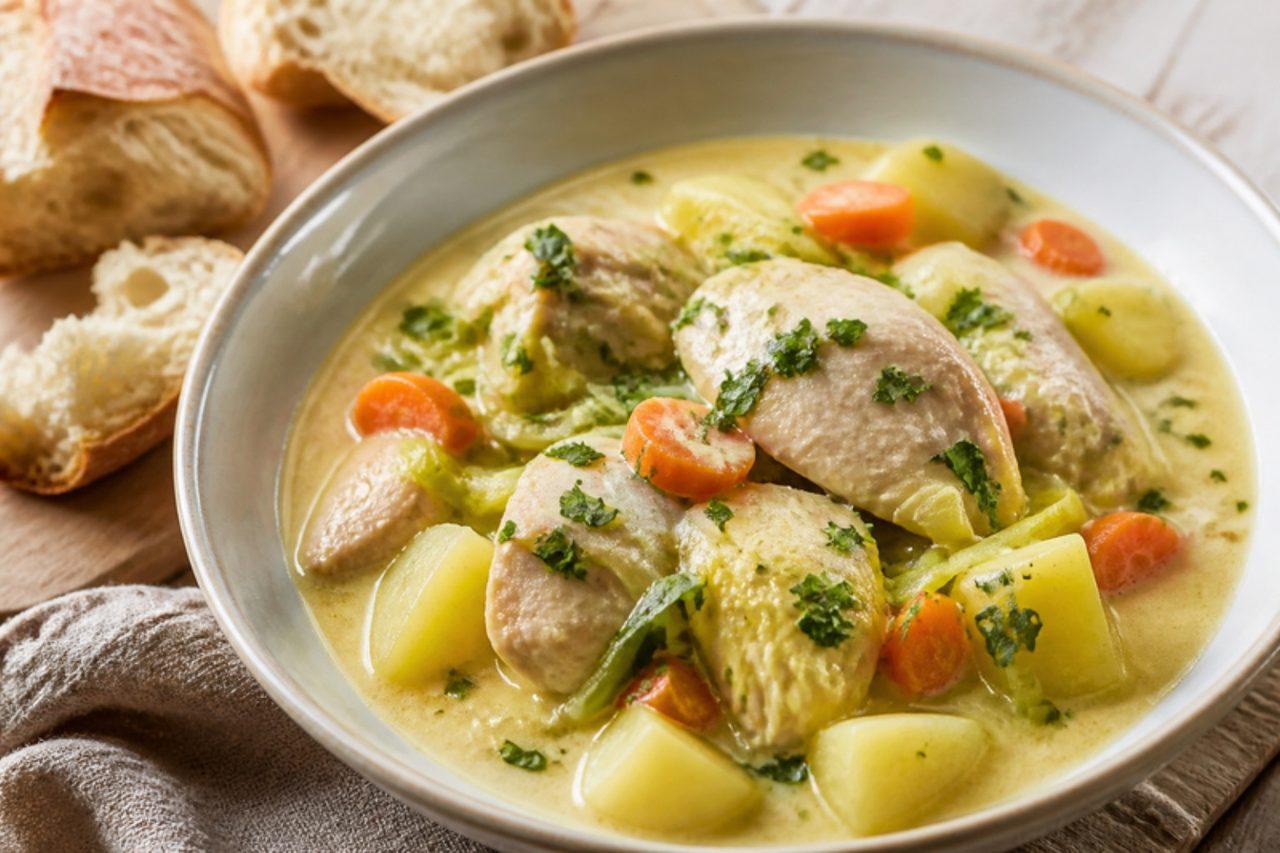
Coq au vin

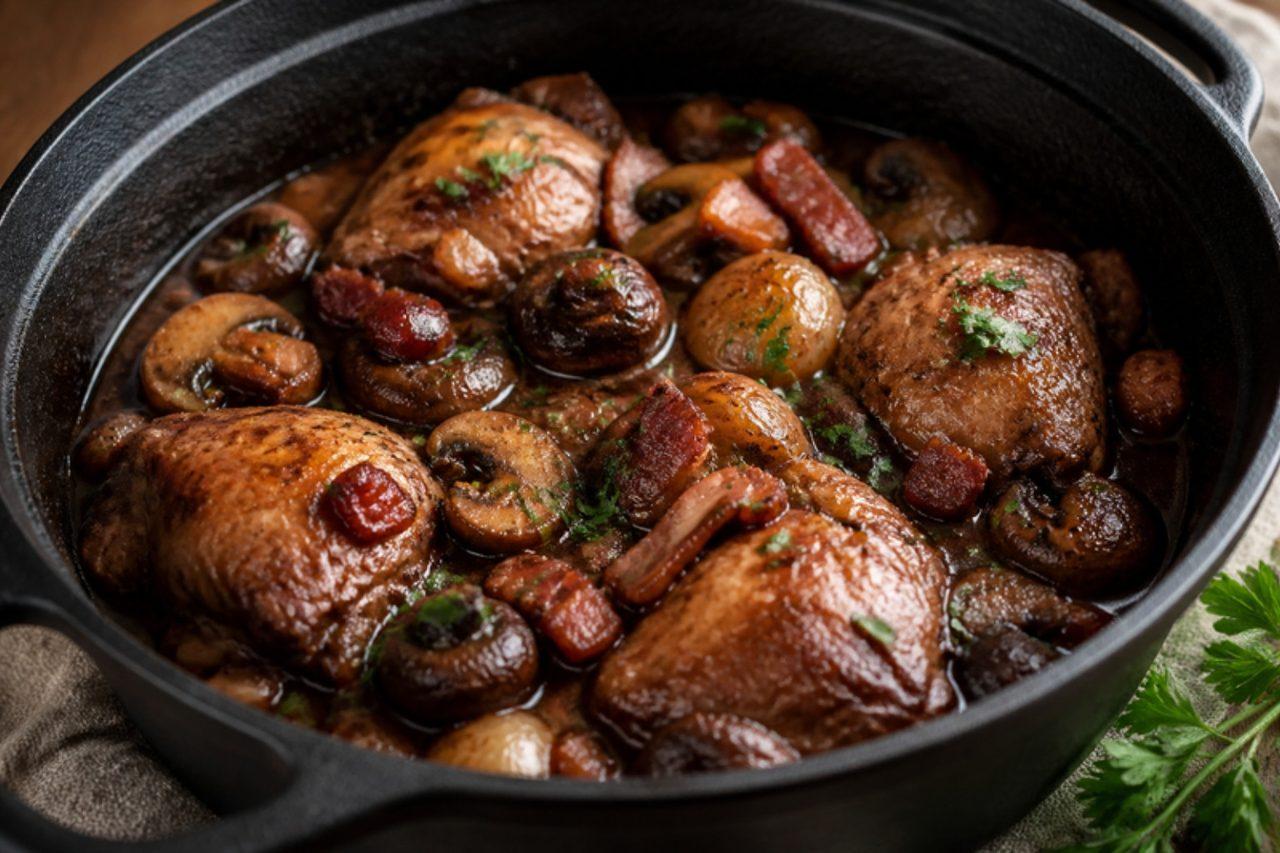
Coq au vin comes from Burgundy, where farm cooks once used the local red wine to soften a tough old rooster for a long Sunday lunch. This version uses chicken thighs and legs, which stay juicy, and contains pork (smoked lardons). The wine cooks for over an hour, so most of the alcohol is driven off but not all of it; for an alcohol-free version use 500 ml chicken stock with 100 ml red grape juice and 1 tbsp red wine vinegar. Serve with buttery mashed potatoes or boiled potatoes and a crusty loaf. Chef's tip: marinate the chicken in the wine overnight in the fridge; it colours the meat deep purple and seasons it right through.

130 minChickenGluten freeFrench
by KrazyBadal 0 views
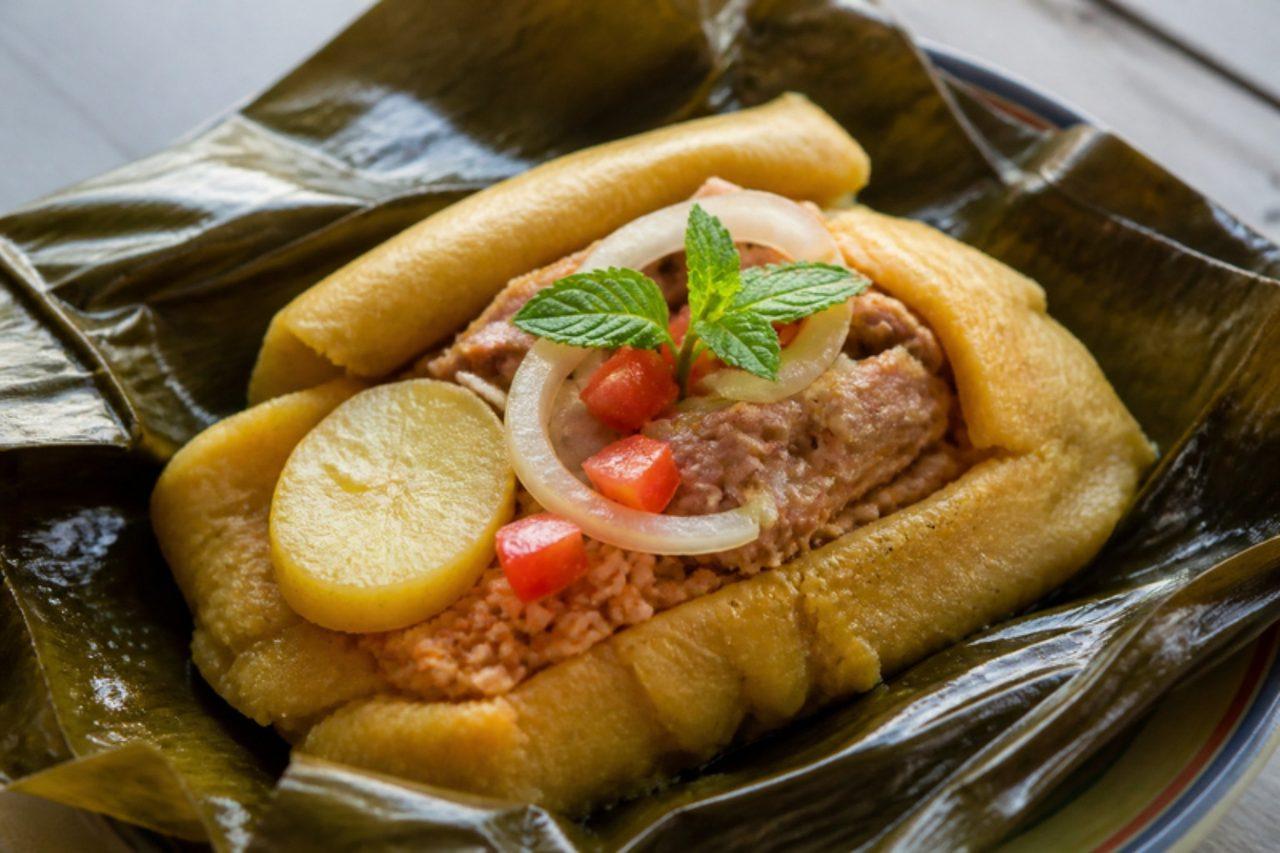
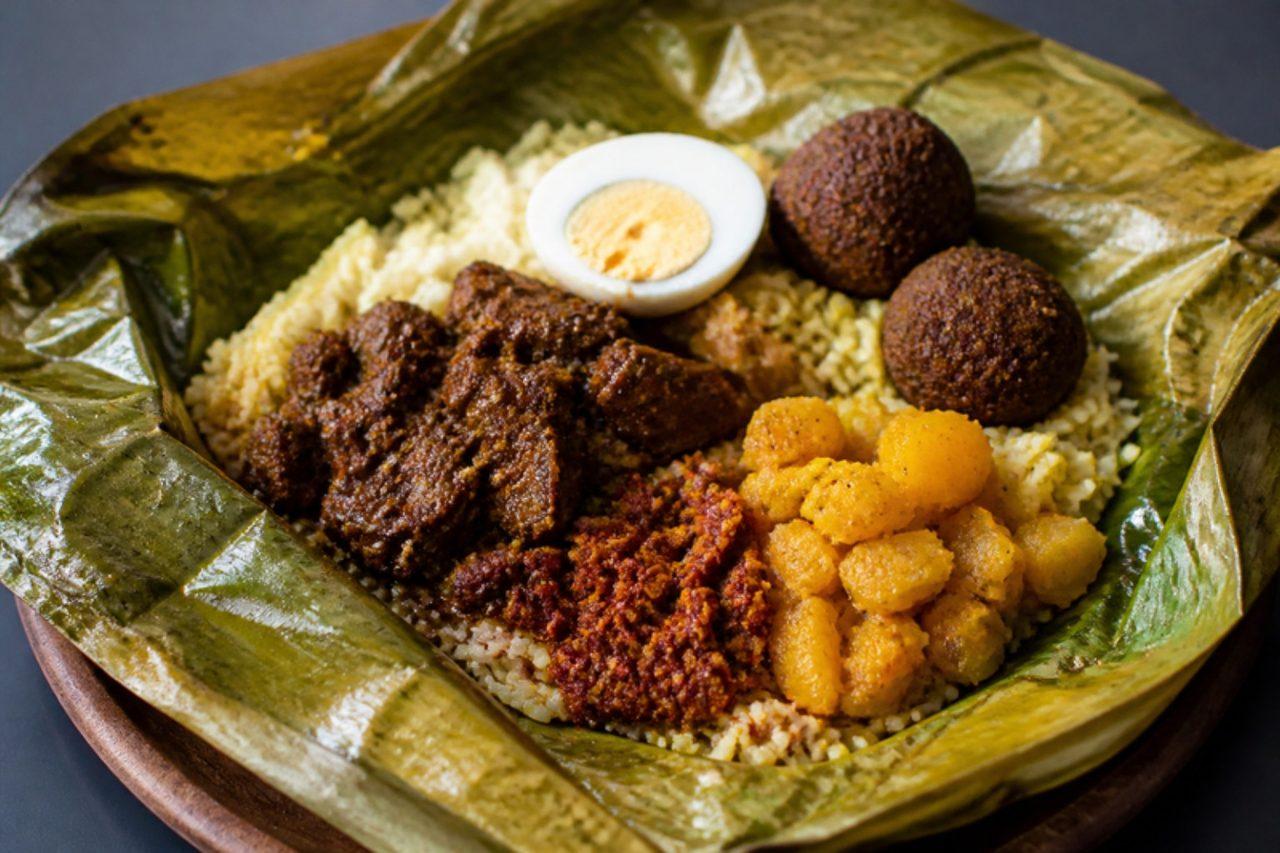
Lamprais (home version)

Lamprais came to Sri Lanka with the Dutch Burgher community, and Colombo's Burgher families still make it for Sunday lunch, christenings and Christmas. Each banana-leaf parcel holds rice cooked in rich stock, a mixed meat curry, little fried meatballs called frikkadels, a hard-boiled egg, aubergine moju and seeni sambol, all baked together until the leaf perfumes everything. The traditional version uses three meats including pork; this home version keeps it to chicken and beef so it is manageable in one day, and the steps still take time. Chef's tip: make the curry and frikkadels the day before; on lamprais day you only cook the rice and wrap.

by KrazyBadal 0 views

Arroz con pollo cubano

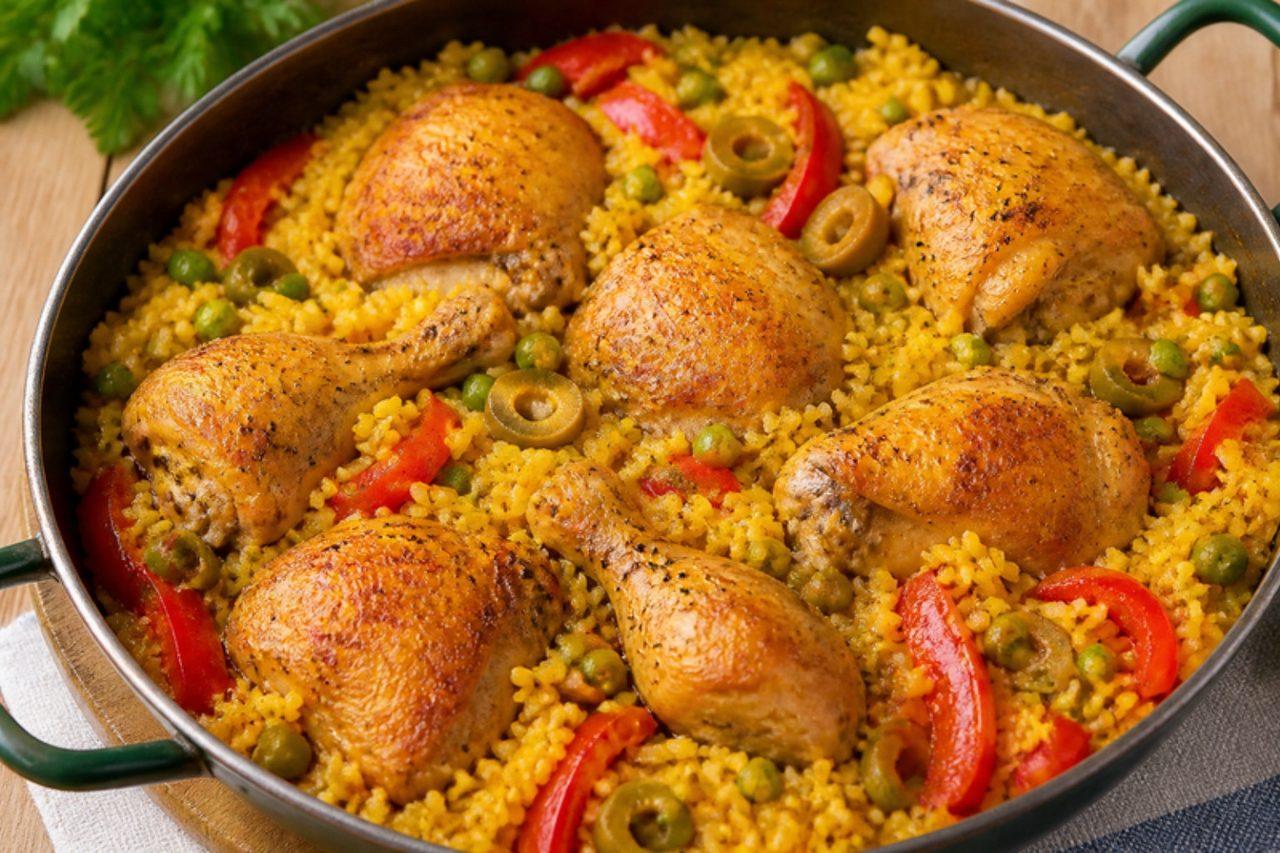
Cuban arroz con pollo is the one-pot Sunday lunch of the island, and every abuela in Santiago or Havana has her own way with it. Chicken pieces are browned, then the rice cooks right in the pot with sofrito, a pinch of saffron (or bijol, the annatto colouring most Cuban kitchens use) and stock until each grain is golden and moist, almost creamy. Peas and roasted red peppers go on top at the end. It is eaten with fried ripe plantain and a green salad. Many versions add a splash of beer to the pot; this one uses chicken stock only, so it is alcohol-free. The usual mistake is stirring the rice once it is covered, which breaks the grains and makes it gluey. Chef's tip: let the pot rest off the heat with the lid on for 10 minutes before serving, so the rice finishes softening in its own steam.

75 minChickenGluten free
by KrazyBadal 0 views

Hallacas

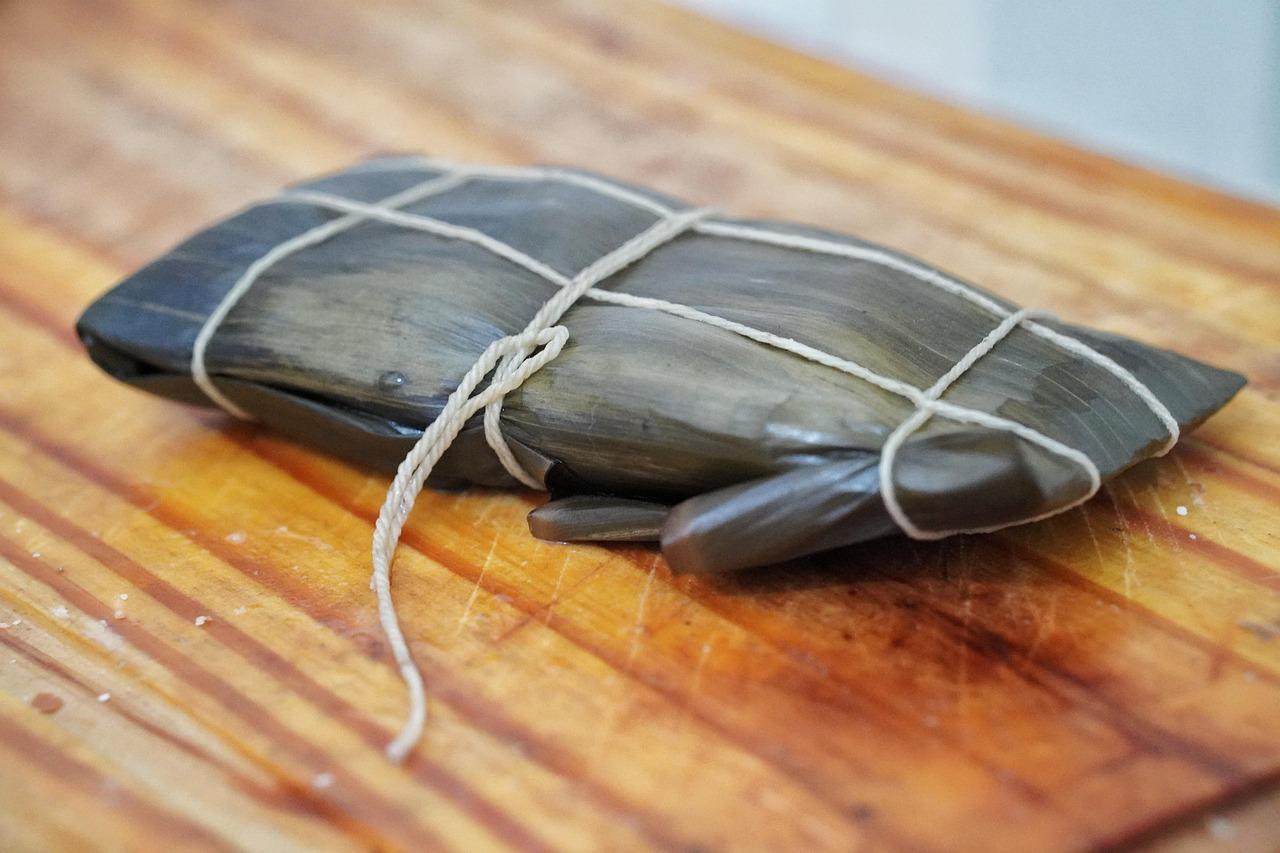
Hallacas are Venezuelan Christmas. In December whole families gather around a kitchen table in Caracas, Maracaibo or the Andes to make dozens at once: one person cleans banana leaves, another spreads the annatto-tinted corn dough, another adds the guiso (a stew of pork, beef and chicken) and the garnishes, and someone else ties the parcels. This is a pork dish. The guiso is traditionally finished with red wine; for an alcohol-free version use the same amount of beef stock with a tablespoon of red wine vinegar. They are eaten with pan de jamón and chicken salad from Christmas Eve to New Year. The common mistake is spreading the dough too thick, which makes heavy, stodgy parcels; it should be thin enough to almost see the leaf through it. Chef's tip: make the guiso a day ahead and chill it, so it is firm and easy to portion.

300 minMeat
by KrazyBadal 0 views

Shrimp and grits

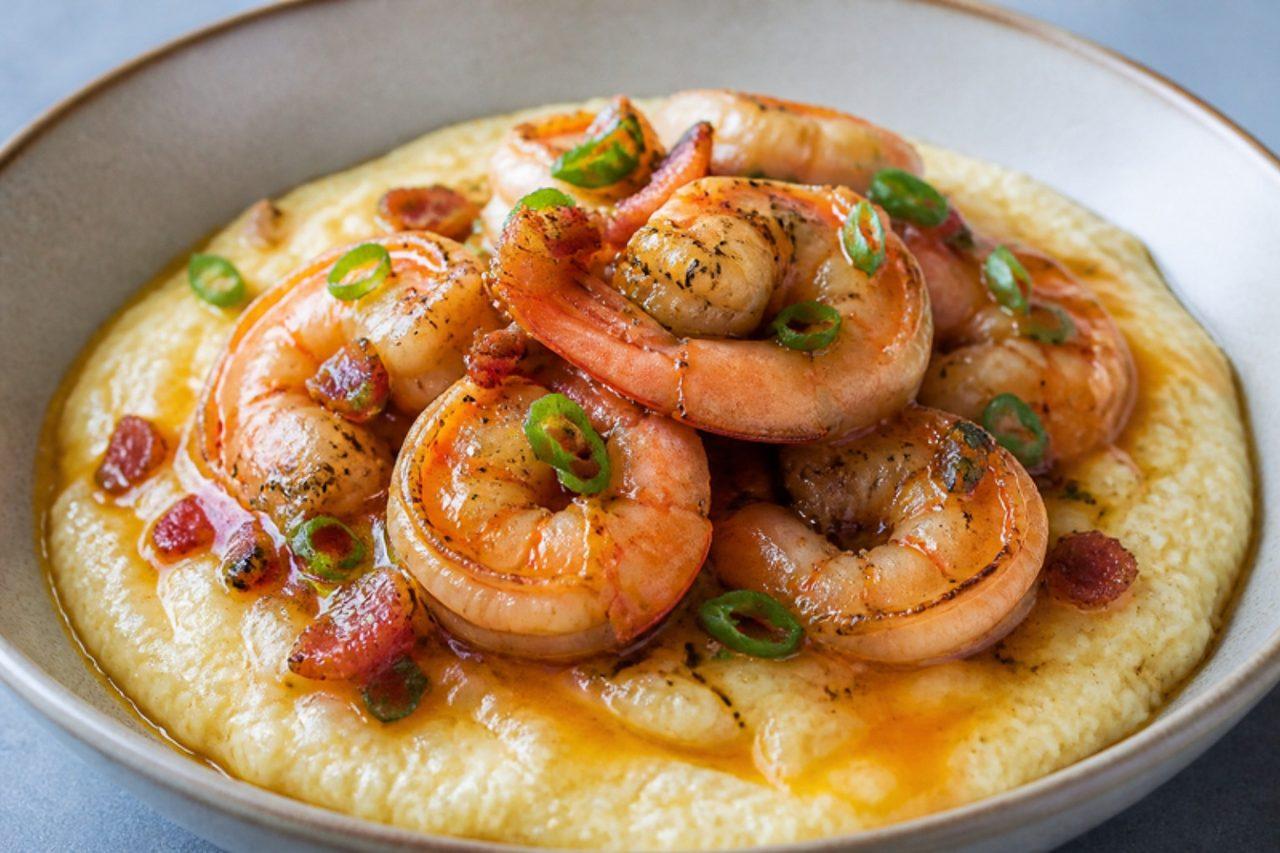
In the Lowcountry around Charleston, South Carolina, shrimp and grits started as a fisherman's breakfast and is now brunch on every restaurant menu in town. Stone-ground grits are simmered slowly until creamy and finished with sharp cheddar and butter, then crowned with prawns cooked fast in a smoky, lemony pan sauce with spring onions. Chef's tip: whisk the grits into the liquid a little at a time and keep stirring for the first five minutes; lumps form only at the start.

50 minFishGluten free
by KrazyBadal 0 views

Louisiana jambalaya

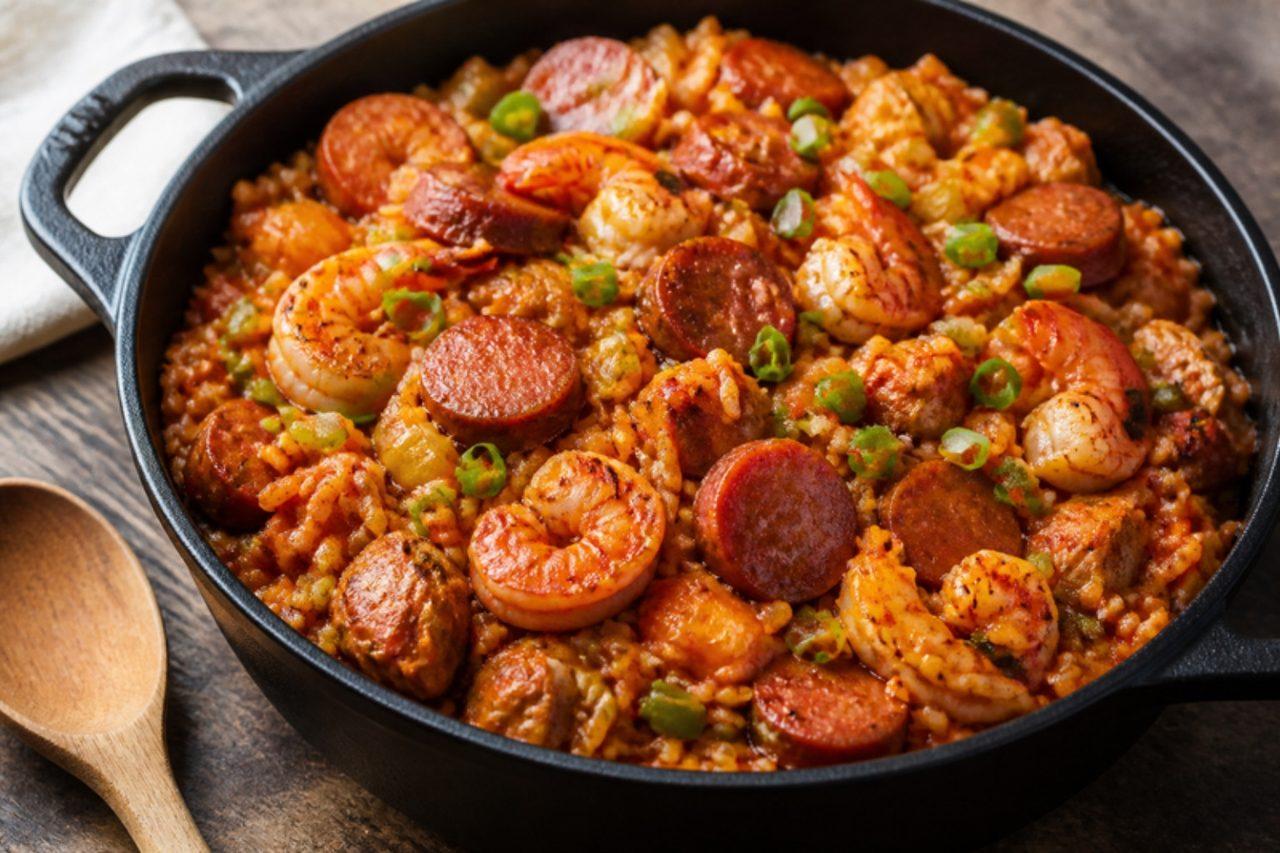
Jambalaya feeds crowds at church fairs and Mardi Gras parties all over south Louisiana, from Baton Rouge to New Orleans. This is the Creole or 'red' style from the city, with tomato in the pot; the Cajun country version leaves it out. Chicken thighs and smoked andouille (a pork sausage) are browned first, then rice cooks in the spiced tomato stock with the holy trinity, and prawns go in at the end. Chef's tip: once the rice is in, resist stirring; just turn it once halfway so the bottom does not catch.

by KrazyBadal 0 views

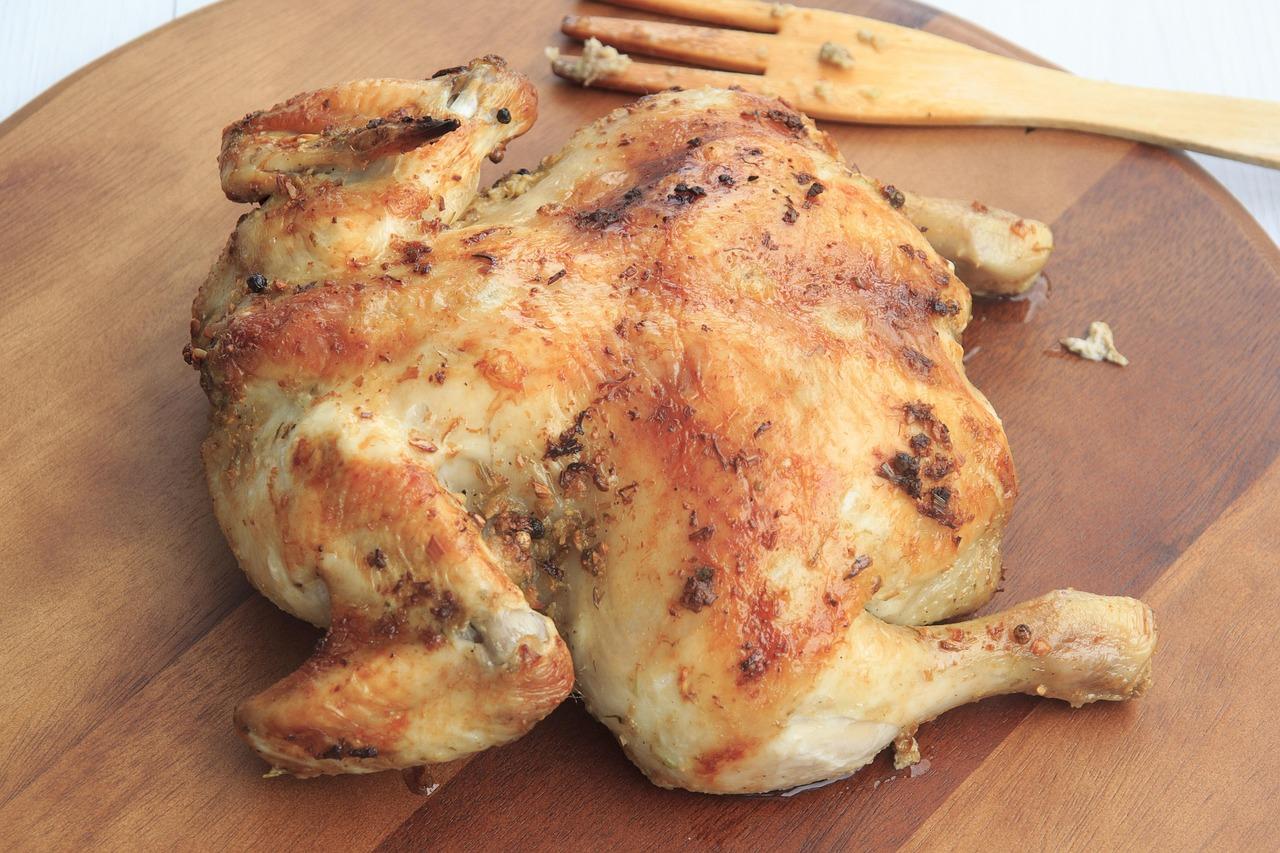
Sunday roast chicken

Sunday lunch across England and Wales means a roast, and a golden chicken is the most common one on family tables, with crisp roast potatoes, vegetables and gravy made in the roasting tin. A lemon and herbs perfume the bird from inside, and a sage-and-onion stuffing is baked alongside so the chicken cooks evenly. The stuffing can include sausage meat (pork) if you like; leave it out for a pork-free roast. Chef's tip: dry the skin with kitchen paper and leave the bird uncovered in the fridge overnight; dry skin is crisp skin.

130 minChicken
by KrazyBadal 0 views

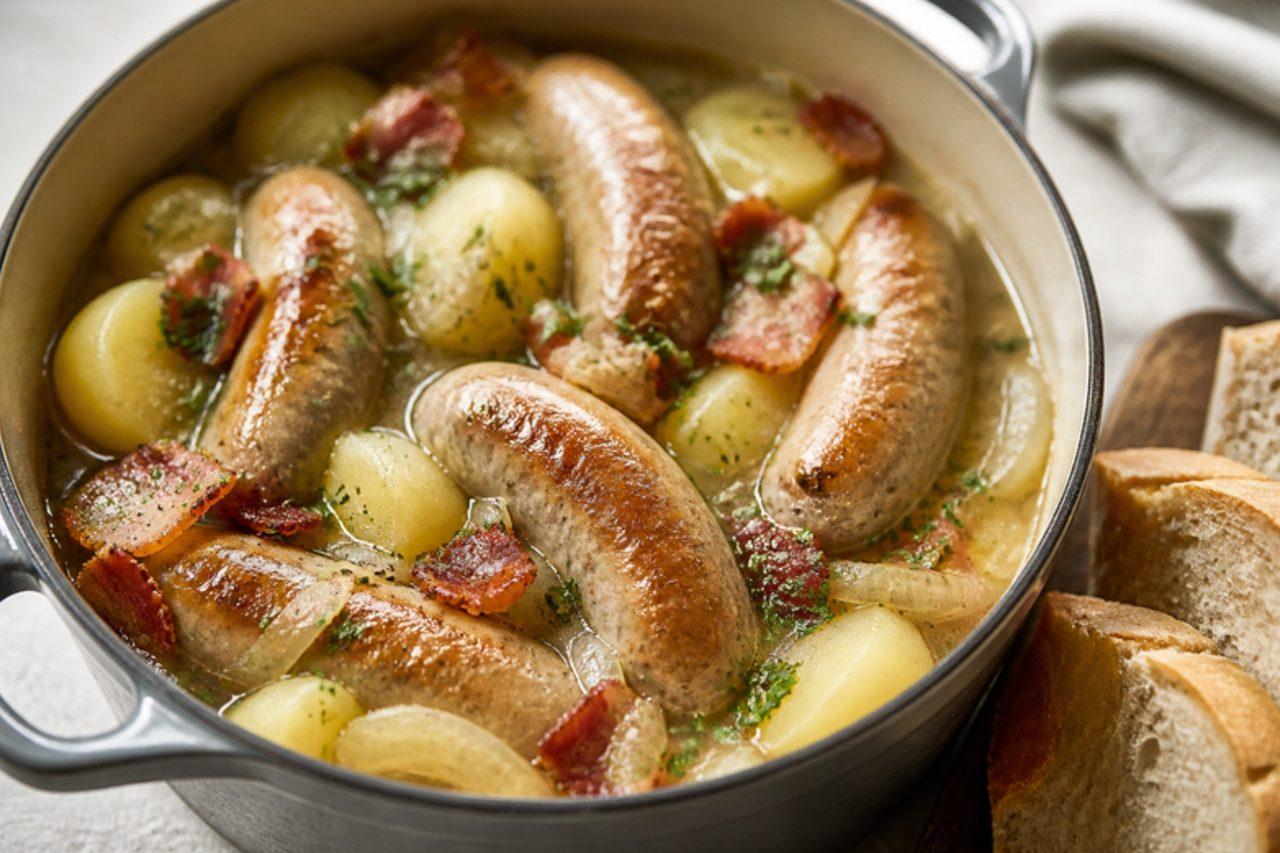
Dublin coddle

Coddle is Dublin's own dish, a Saturday-night pot from the city's old working-class neighbourhoods that would sit on a low heat until people came home. It is a pork dish: thick pork sausages and back bacon, with layers of onion and potato, gently stewed in stock so everything turns soft and savoury. Many Dublin families still make it on Saturdays. Serve with brown soda bread to mop up the broth. Chef's tip: brown the sausages first; the traditional pale coddle is authentic, but a little colour adds a lot of flavour.

95 minMeat
by KrazyBadal 0 views

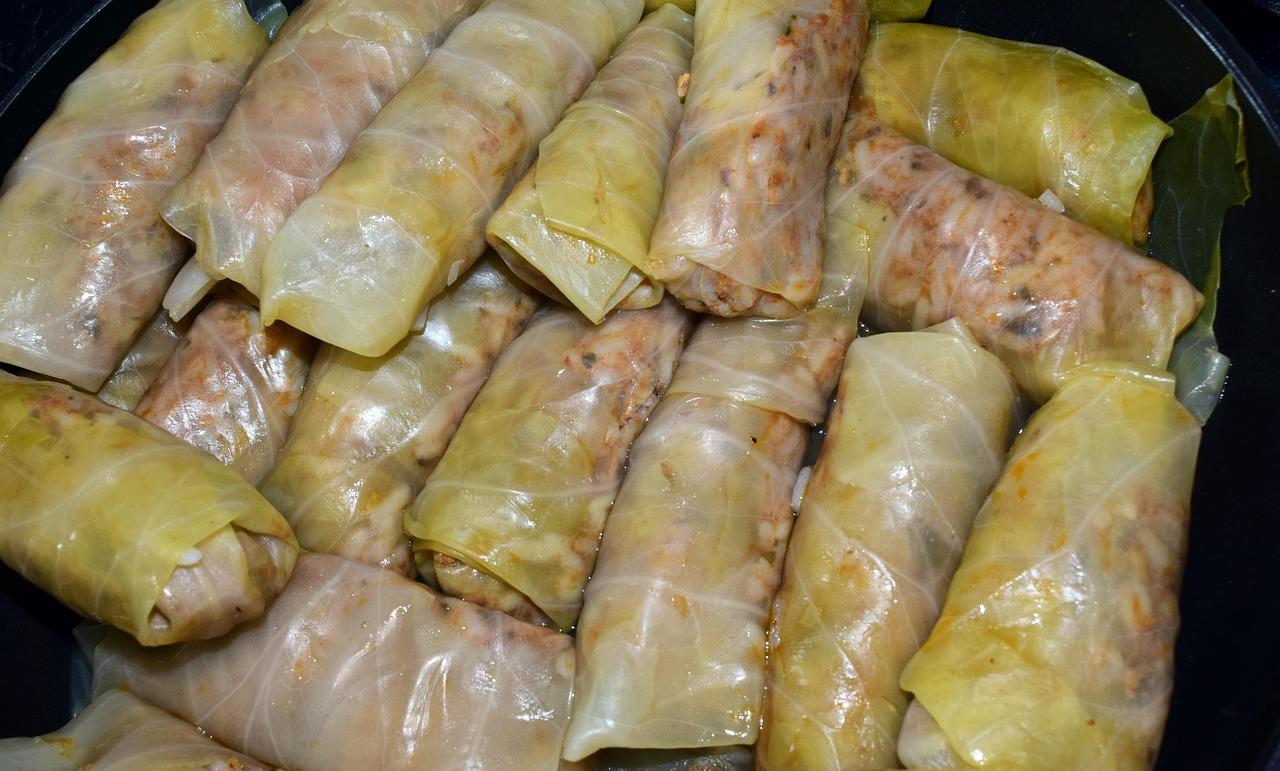
Holubtsi

Holubtsi, 'little doves', are the cabbage rolls of Ukrainian family feasts, made by the trayful for weddings, christenings and Christmas in homes from Lviv to Poltava. This version contains pork: tender cabbage leaves wrap a mix of pork and beef mince, rice, onion and carrot, and the rolls bake slowly in a tomato and soured cream sauce. Serve with more soured cream and dill. Chef's tip: core the cabbage and simmer the whole head, peeling off leaves as they soften; they come away without tearing.

135 minMeatGluten free
by KrazyBadal 0 views

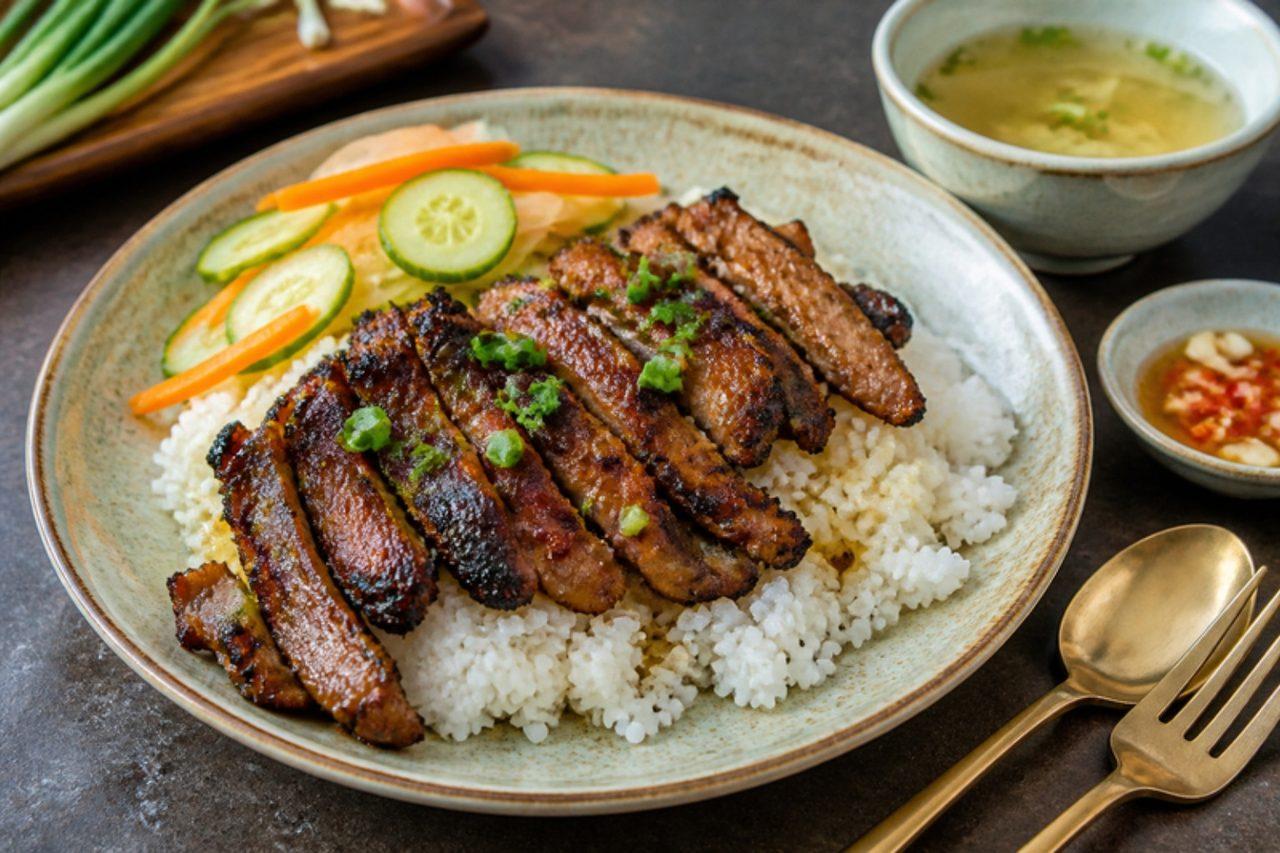
Bai sach chrouk

Bai sach chrouk, 'rice with pork', is the classic Cambodian street breakfast, grilled over charcoal on pavements in Phnom Penh and Siem Reap in the early morning and eaten before work and school. It is a pork dish: thin slices of pork are marinated overnight in coconut milk, garlic and palm sugar, then grilled until caramelised and smoky and served on broken rice with quick-pickled cucumber and carrot and a small bowl of clear broth. Chef's tip: slice the pork thinly, about 5 mm; it marinates faster and chars before it dries out.

45 minMeatGluten free
by KrazyBadal 0 views

Gentse waterzooi

Ghent claims waterzooi as its own, and in the cafés around the Korenmarkt it is served in deep plates as a cross between soup and stew. Originally made with river fish, the city's version today is nearly always chicken, poached gently with leek, carrot, celery and potato, then the broth is enriched with cream and egg yolk until it turns silky and pale gold. It is eaten all year but tastes best on a damp Flemish evening, with crusty bread for the last of the broth. The mistake to avoid is boiling it after the yolks go in, which scrambles them; keep it below a simmer while it thickens. Chef's tip: cut the vegetables into fine, even julienne so they cook in the same time and look neat in the bowl.

75 minChickenGluten free
by KrazyBadal 0 views

Nacatamal

Nacatamales are the Saturday and Sunday breakfast of Nicaragua, bought from neighbours who make them on Friday nights or steamed at home for Christmas: a large, soft masa dough enriched with lard and sour orange, wrapped round marinated pork, rice, potato, tomato, onion, sweet pepper and mint, then tied in banana leaves and steamed for hours. This dish contains pork. They are eaten with bread and black coffee. The mistake is a dry masa: it should be soft and spreadable, almost like thick mashed potato, or the tamal turns hard. Chef's tip: wipe the banana leaves and pass them briefly over a flame so they become supple and don't split.

330 minMeatGluten free
by KrazyBadal 0 views

Goes well with chicken stock