Skip to content

Recipes with baking soda

5 recipes that use baking soda, with photos, step-by-step instructions and cook times. The quickest, Yujacheong, takes 40 minutes. It is most often cooked with sugar, cardamom and ghee.

Got a few things in the fridge? Search by everything you have

Yuja-cha (citron tea)

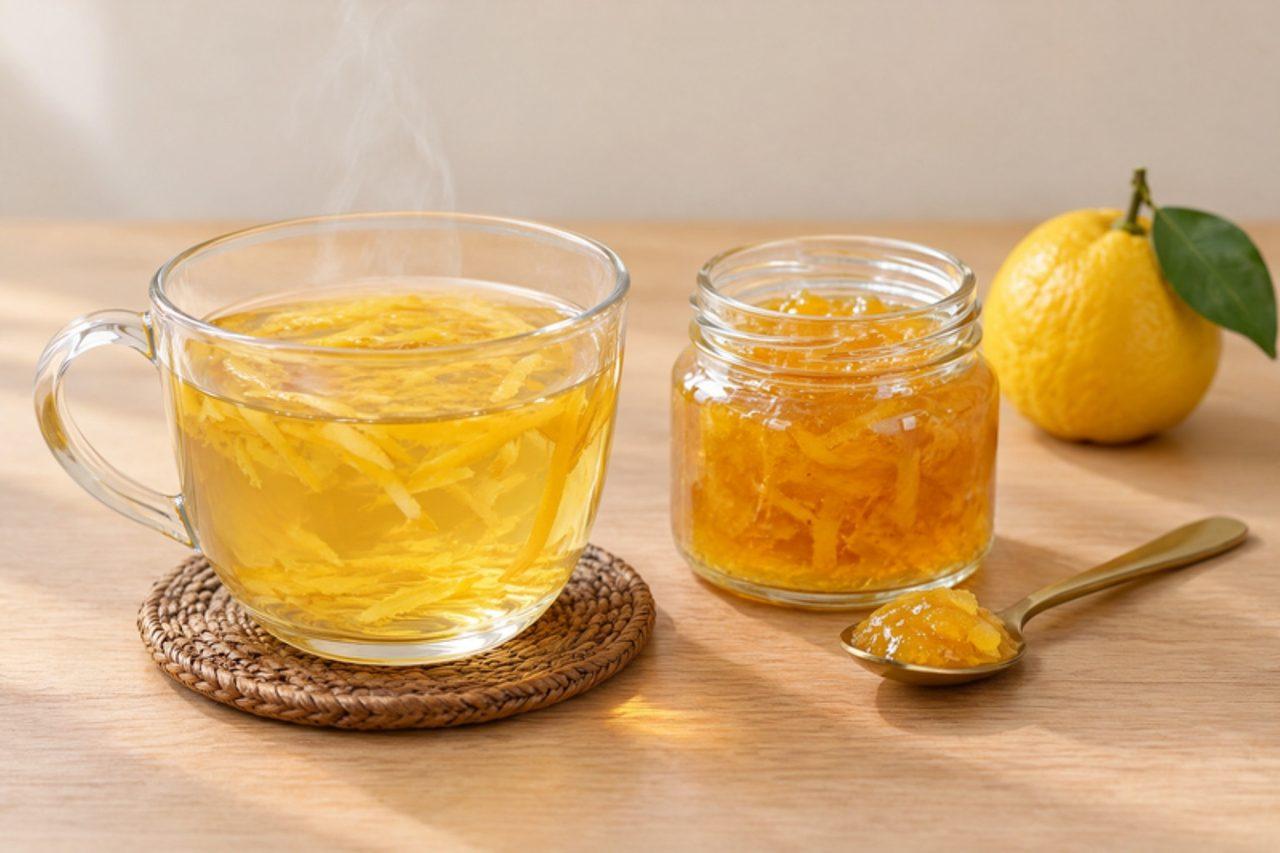
Goheung, on the southern coast of South Jeolla, is Korea's yuja country: in November the groves turn gold and families slice the knobbly citrons for yuja-cheong, the honeyed preserve that becomes tea all winter. From December to March a spoonful in hot water is offered to guests, to students cramming late and to anyone with a scratchy throat, as it is traditionally drunk for colds. The tea is sweet, floral and sharp, with soft, chewy strands of peel that you eat at the end with a spoon. The common mistake is leaving the fruit damp or the pith too thick: wet fruit lets mould in, and thick white pith makes the preserve bitter. Scrub, dry completely and pare away any pith thicker than a few millimetres. The cheong is ready after a day or two, when the sugar has dissolved into a clear, glossy syrup around the peel. Keep it in the fridge for up to three months, always with a dry spoon; throw it away if you see fuzzy mould, smell alcohol or it bubbles. No yuja? Japanese yuzu is the same fruit; otherwise use 2 lemons and 2 mandarins. Chef's tip: soak the seeds in a little of the honey and add that liquid back for a silkier syrup.

by KrazyBadal 0 views

Yujacheong

When the first frost comes to Goheung in South Jeolla and Namhae island in November, the yuja orchards turn gold, and households slice the knobbly, deeply perfumed fruit into sugar to make yujacheong. Through the winter, a few spoonfuls in a mug of hot water make yuja-cha, the tea Koreans reach for on cold evenings and when they feel a cold coming on; it is also spooned over yoghurt, toast or into salad dressings. It tastes floral, sharp and sweet, with tender strips of peel and a thick golden syrup. The sugar is what preserves it: equal weights of fruit and sugar, kept in the fridge once the sugar dissolves. The common mistake is leaving it warm too long: after a day or two on the counter it can start to ferment and fizz, so move it to the fridge as soon as the sugar has mostly melted. It is ready after about a week, when the peel is translucent and the syrup thick. No yuja? Use Meyer lemons, or two lemons for every mandarin. Bubbles or a boozy smell mean it has started to ferment: refrigerate it at once; mould means throw it away. Chef's tip: scrub the skins with baking soda first; you are eating the whole peel, so it must be spotless.

by KrazyBadal 0 views

Lyangcha

Travellers on the road from Kolkata to Bardhaman stop at Shaktigarh for one reason: lyangcha, cylindrical sweets of chhena and khoya fried almost black and soaked in light syrup, sold hot from roadside shops and carried home in clay pots. The outside is caramelised and slightly chewy, the inside soft, juicy and milky. They are a winter and wedding favourite across Bengal. The common mistake is frying on high heat to get the dark colour quickly; the outside burns while the centre stays raw and the sweet splits in the syrup. Low, patient heat gives an even mahogany shell. Chef's tip: a teaspoon of sugar kneaded into the dough helps it darken evenly.

by KrazyBadal 0 views

Parwal ki mithai

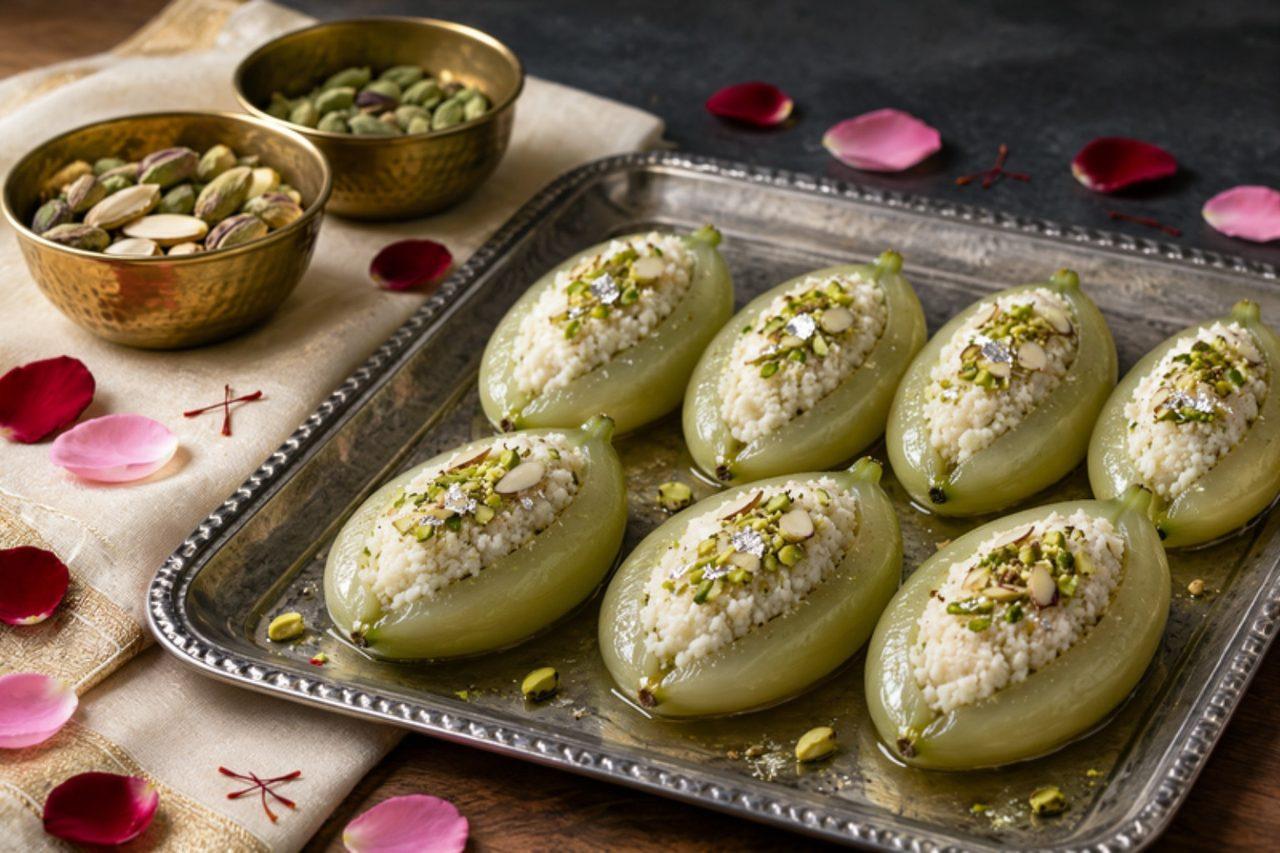
Parwal ki mithai surprises anyone who knows pointed gourd only as a curry vegetable: in Bihar and eastern Uttar Pradesh sweet makers peel the gourds, candy them in syrup until translucent, then fill them with sweetened mawa and nuts. They sit in shop windows at Diwali, Chhath and weddings, often glinting with silver leaf. The common mistake is undercooking the gourds before candying, which leaves them crunchy and vegetal; blanch until a knife slides in easily. Silver leaf (vark) is optional; choose one certified vegetarian. Chef's tip: scrape out every seed carefully, because even a few hard seeds spoil the soft bite.

by KrazyBadal 0 views

Kakinada kaja

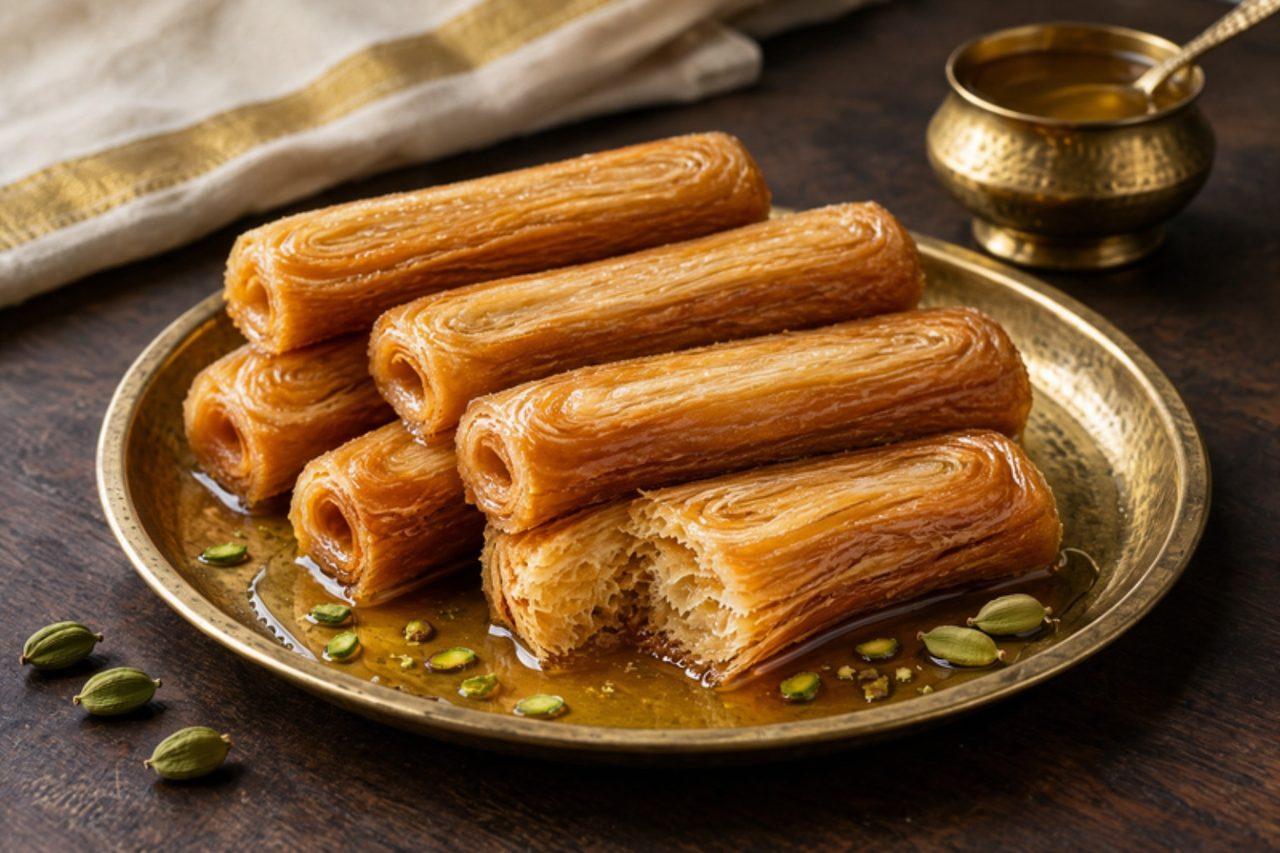
Kakinada kaja is the famous sweet of Kakinada in Andhra's East Godavari, a long, golden pastry made of layered dough that is fried and soaked in syrup until the hollow centre fills with sweetness and bursts when bitten. Telugu families buy it for weddings, Sankranti and housewarmings. The common mistake is syrup that is too thick: Kakinada kaja is soaked in a thin, just-sticky syrup so it seeps inside, while the outside stays crisp. Fry slowly so the layers open. Chef's tip: roll the dough sheet tightly into a log after spreading the ghee paste, and seal the ends, so each piece puffs into distinct layers.

by KrazyBadal 0 views

Goes well with baking soda