
AI-generated image
Zunda mochi
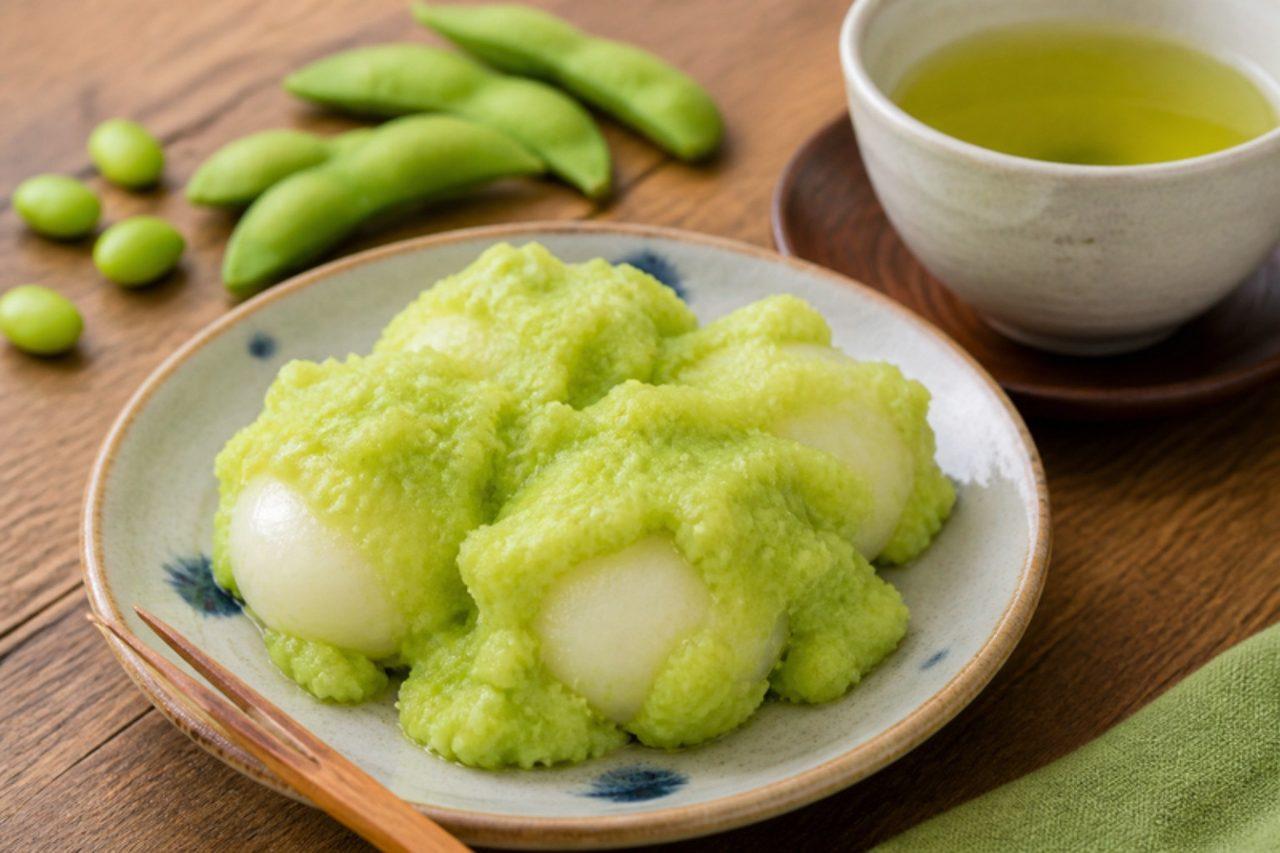
ずんだ餅 (zunda mochi): soft rice dumplings coated in a sweet, bright-green edamame paste


Zunda is Sendai's signature sweet: young green soybeans mashed with sugar into a coarse, pale-green paste. Farmers in Miyagi made it at the end of summer, when edamame were at their best, and it is still sold everywhere from Sendai station's souvenir halls to small tea shops, now also as zunda shakes and rolls. The flavour is gentle, beany and fresh, closer to sweet peas than to red bean paste. Spoon it over warm, chewy rice dumplings and serve with green tea. Chef's tip: rub the skins off the cooked beans. It takes ten minutes but turns the paste from dull khaki to a vivid jade colour.
- Total time
- 35 min
- Difficulty
- easy
- Serves
- 4
Ingredients
For the zunda
For the mochi
Method
0/7 doneStep 1: Bring a pan of water to the boil with 1 tbsp salt. Add 14 oz edamame in pods and boil for 5–6 minutes until the beans are soft enough to squash between two fingers. Drain and cool under running water.
7 minStep 2: Pop the beans out of the pods, then squeeze each one out of its thin inner skin. You should have about 200 g of bright green beans.
Step 3: Mash the beans in a mortar or pulse in a food processor until mostly smooth but still with a little texture. Mix in 1 ¾ oz caster sugar and 1 pinch salt. If it feels stiff, loosen with 2 tbsp water a teaspoon at a time: it should be thick enough to hold soft peaks.
Step 4: For the mochi, put 5 ½ oz glutinous rice flour (shiratamako) in a bowl and add ½ cup water a little at a time, kneading with your hand, until it feels as soft as an earlobe and doesn't crack.
Step 5: Roll into 20 small balls and press each one flat with a thumb dimple in the middle, which helps them cook evenly. Bring a pan of water to the boil.
Step 6: Drop in the dumplings and boil over medium heat. When they float, cook for 1–2 minutes more, then lift into a bowl of cold water. Common mistake: taking them out as soon as they float. They are still raw in the centre and taste floury.
5 minStep 7: Drain the dumplings, divide between small bowls and spoon the zunda over generously. Eat the same day: mochi turns firm in the fridge.
Nutrition per serving
- Calories
- 290 kcal
- Protein
- 12 g
- Carbs
- 52 g
- Fat
- 3 g
- Fibre
- 5 g
Nutrition values are estimates.
KrazyBadal
Good to know
- How long does zunda mochi take?
- About 35 minutes in total: 20 minutes to prepare and 15 minutes to cook.
- How many people does it serve?
- 4 as written. Change the servings above the ingredients and every amount scales to match.
- Is it vegan?
- Yes. It has no meat, fish, dairy or eggs.
- Is it gluten free?
- Yes, as written. Check the labels on stock, sauces and spice mixes, which sometimes contain gluten.
- What can I use instead of caster sugar?
- Caster sugar, same amount.
Reviews
No reviews yet. Be the first to cook it.
Rate this recipe
Sign in to rate and review this recipe.
You might also like
Okonomiyaki
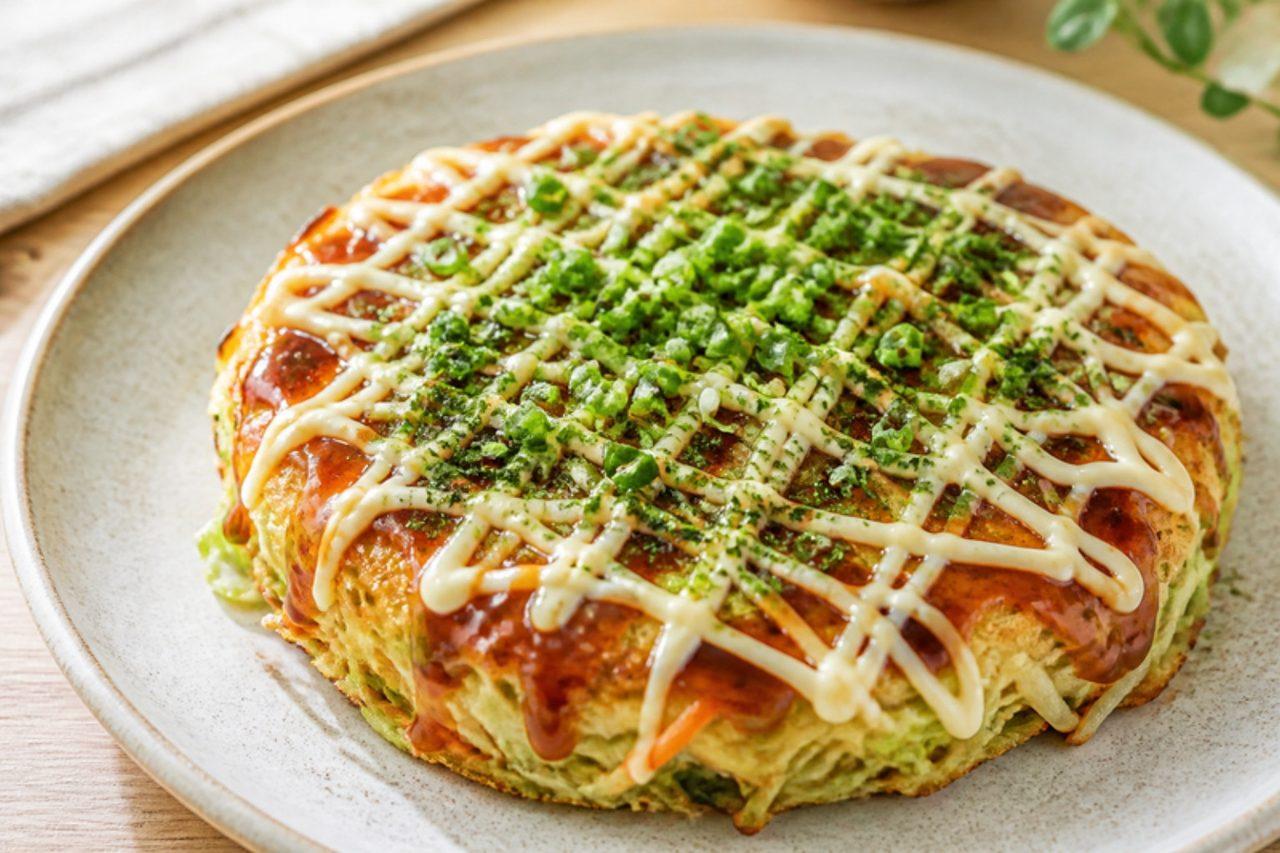
Okonomiyaki (お好み焼き, 'grilled as you like it') is the pride of Osaka, where it's cooked on hot iron griddles in lively restaurants. Finely shredded cabbage is folded into a light batter with egg and spring onion, then fried into a thick, soft pancake with a crisp outside. It's painted with a fruity brown sauce and zigzagged with mayonnaise. Bonito flakes are usual on top; this vegetarian version uses seaweed flakes and pickled ginger instead. Chef's tip: don't press the pancake down with your spatula while it cooks. Osaka cooks leave it alone so the cabbage steams inside and stays light and fluffy; pressing squeezes out the air.

Baklava
The famous layered pastry: crisp sheets of buttered fillo sandwich a filling of almonds, pistachios and cashews spiced with cinnamon, cardamom and saffron. After baking, the hot baklava is soaked in a syrup of sugar, honey, lemon, rose and cardamom and decorated with almond and pistachio flakes. Cut into 40 diamonds; serve with fresh cream or ice cream.
Miso soup
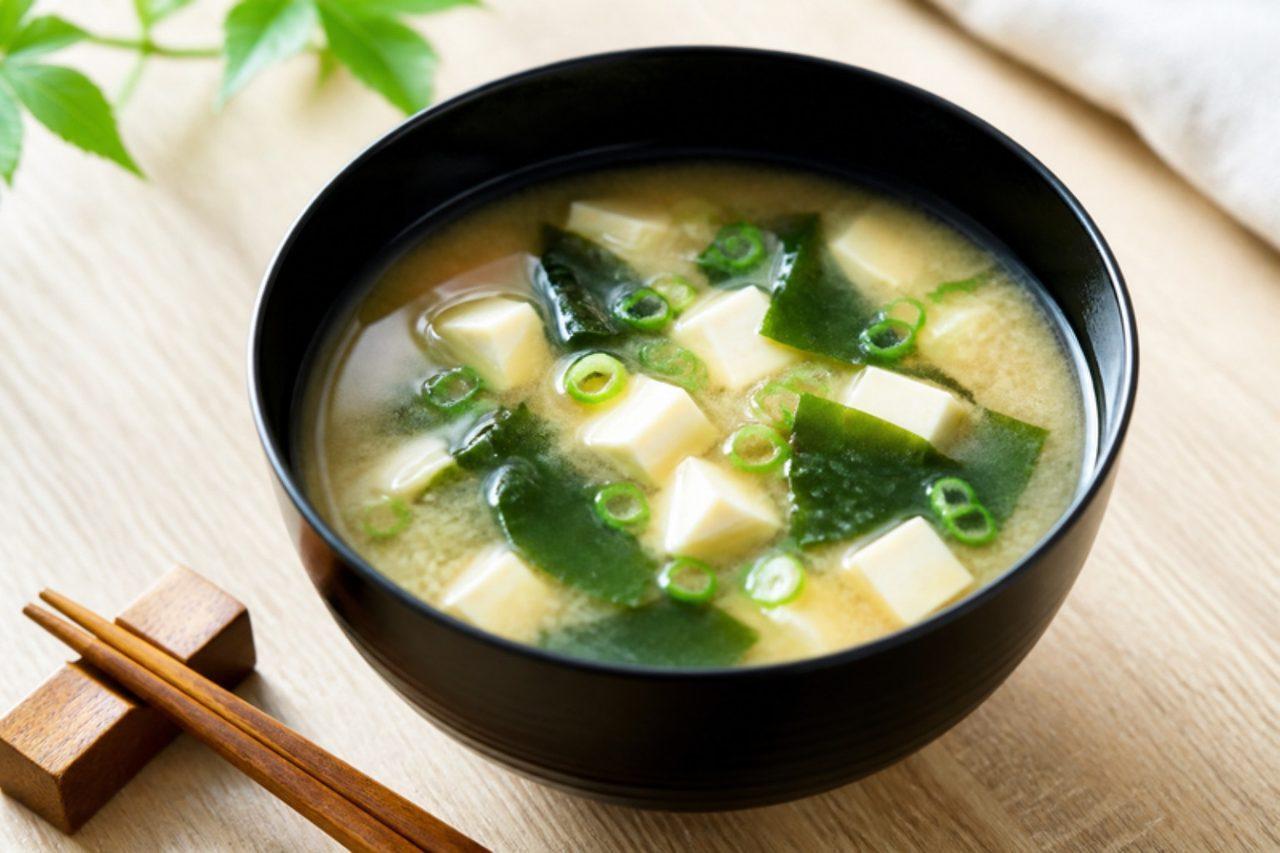
Miso soup (味噌汁) is drunk every day in homes all over Japan, at breakfast as well as dinner, beside a bowl of rice. The base is dashi; this vegan version uses kombu and dried shiitake instead of bonito, which gives it a deep, rounded flavour. Silken tofu and wakame seaweed are the classic fillings. It takes ten minutes; just remember not to boil the miso. Chef's tip: add the miso at the very end and never let it boil. Boiling kills the miso's fresh, fermented aroma; Japanese cooks say the soup should only 'smile', with the surface barely trembling.
