
AI-generated image
Warqi paratha
Flaky laminated flatbread
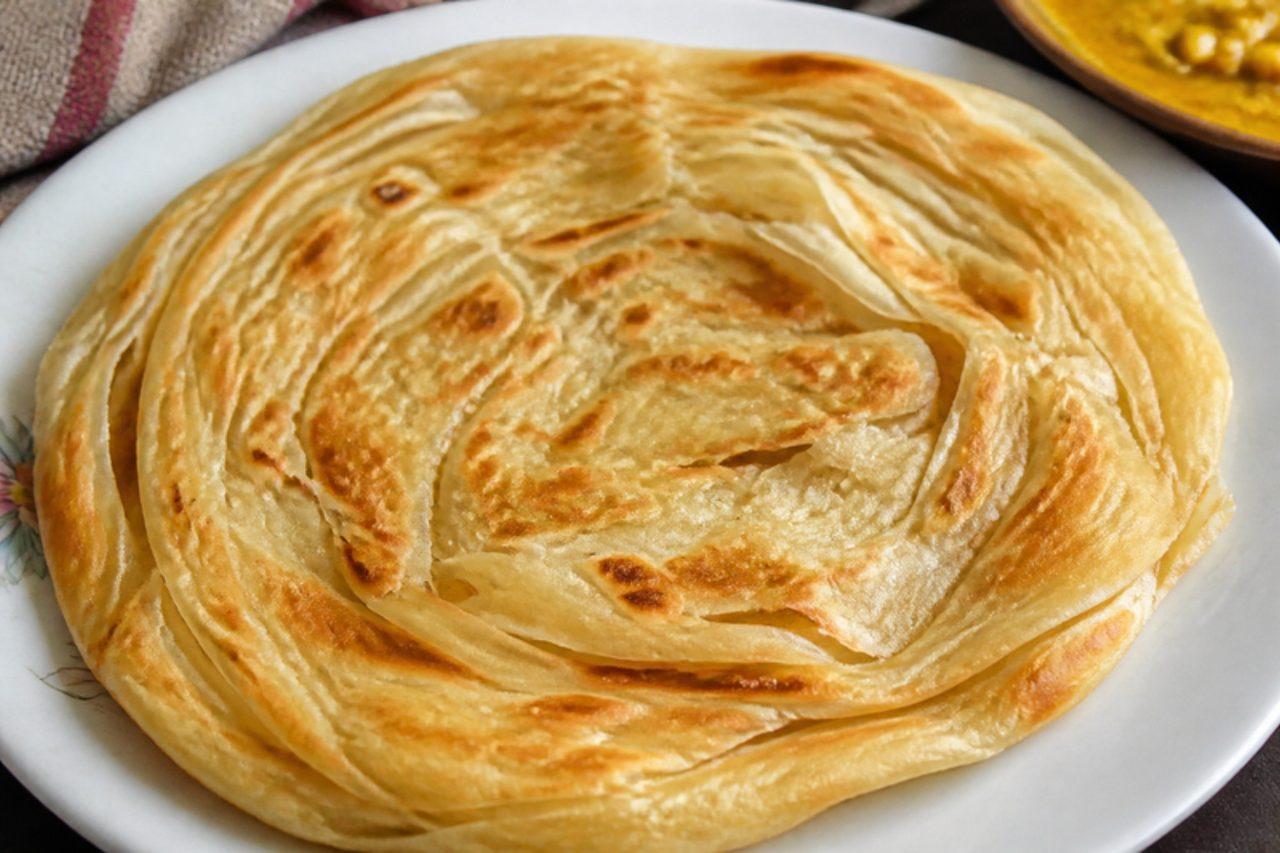
ورقی پراٹھا: a Nawabi paratha of paper-thin, ghee-laminated milk dough, crisp and flaky like pastry, for qorma and nihari
 Indian
Warq means a thin leaf, and this is the paratha of the Awadhi and Hyderabadi dastarkhwan, where the old royal kitchens laminated dough like a pastry chef. A soft dough of maida, milk and ghee is rolled out very thin, brushed with soft ghee, dusted with flour and folded again and again until there are dozens of layers. Cooked slowly on a tawa, it puffs and shatters into crisp, buttery flakes on the outside while the inside stays tender and layered. It is rich and slightly sweet, made for scooping up Lucknowi qorma, nihari, haleem or a vegetarian shahi paneer at Eid and wedding feasts, and it is quite different from the soft, saffron-sweet sheermal of the same city. Common mistake: using melted, runny ghee for the layers; it soaks into the dough instead of separating it. Chef's tip: let the ghee set to a soft, creamy paste, and chill the folded dough for 15 minutes before the final rolling so the layers stay distinct.
- Total time
- 85 min
- Difficulty
- hard
- Serves
- 6
Ingredients
For the dough
- 10 ½ oz plain flour (maida)
- 1 tsp sugar
- ¾ tsp salt
- 3 tbsp gheemelted
- ¾ cup whole milkwarm; you may need a little more
For the layers
- 3 ½ oz gheesoft and creamy, at room temperature
- 3 tbsp plain flour (maida)for dusting
For cooking
- 3 tbsp ghee
Shop this recipe on Amazon
What you'll need
Spices & pantry
Fresh ingredients (1)
Links open Amazon in a new tab. As an Amazon Associate, WhatToEat.Today earns from qualifying purchases.
Method
0/10 doneStep 1: Mix 10 ½ oz plain flour (maida), 1 tsp sugar and ¾ tsp salt, then rub in 3 tbsp ghee with your fingertips until the flour feels like damp sand.
3 minStep 2: Add ¾ cup whole milk gradually and knead for 6–8 minutes to a soft, smooth, supple dough. Cover and rest for 30 minutes.
8 minStep 3: Roll the whole dough on a lightly floured surface into a large, very thin rectangle, about 40 × 30 cm. Spread a third of 1 ⅛ oz ghee over it and dust lightly with 1 tbsp plain flour (maida).
6 minStep 4: Fold the rectangle in thirds like a letter, then in thirds the other way, to make a square parcel. Roll it out again into a rectangle.
4 minStep 5: Spread another third of the 1 ⅛ oz ghee, dust with 1 tbsp plain flour (maida) and fold the same way. Wrap and chill for 15 minutes.
18 minStep 6: Roll it out once more, spread the last of the 1 ¼ oz ghee, dust with the last 1 tbsp plain flour (maida), then roll the sheet up tightly from a long side like a Swiss roll.
5 minStep 7: Cut the roll into 6 pieces. Stand each piece on its end, press it flat and roll it gently into a 15 cm round or square, about 5 mm thick. Don't press hard or you'll squash the layers.
6 minStep 8: Heat a tawa over a medium-low heat. Cook a paratha for 2 minutes until the underside is set and lightly spotted, then flip.
2 minStep 9: Spoon 1/2 tbsp of 3 tbsp ghee around it and cook slowly, flipping every minute, for 3–4 minutes more, until both sides are deep golden and crisp and the layers separate at the edges. Too high a heat browns the outside before the inside layers cook.
4 minStep 10: Crush the hot paratha lightly between your palms, pushing the edges inwards, to open up the layers. Serve straight away.
1 min
Nutrition per serving
- Calories
- 420 kcal
- Protein
- 7 g
- Carbs
- 40 g
- Fat
- 26 g
- Fibre
- 2 g
Nutrition values are estimates.
KrazyBadal
Good to know
- How long does warqi paratha take?
- About 85 minutes in total: 60 minutes to prepare and 25 minutes to cook.
- How many people does it serve?
- 6 as written. Change the servings above the ingredients and every amount scales to match.
- Is it vegetarian?
- Yes. It has no meat or fish.
- What can I use instead of plain flour (maida)?
- Self-raising flour, same amount (then leave out the baking powder).
- What can I use instead of sugar?
- Caster sugar, same amount.
Reviews
No reviews yet. Be the first to cook it.
Rate this recipe
Sign in to rate and review this recipe.
You might also like
Sabudana khichdiSago with peanuts and potato
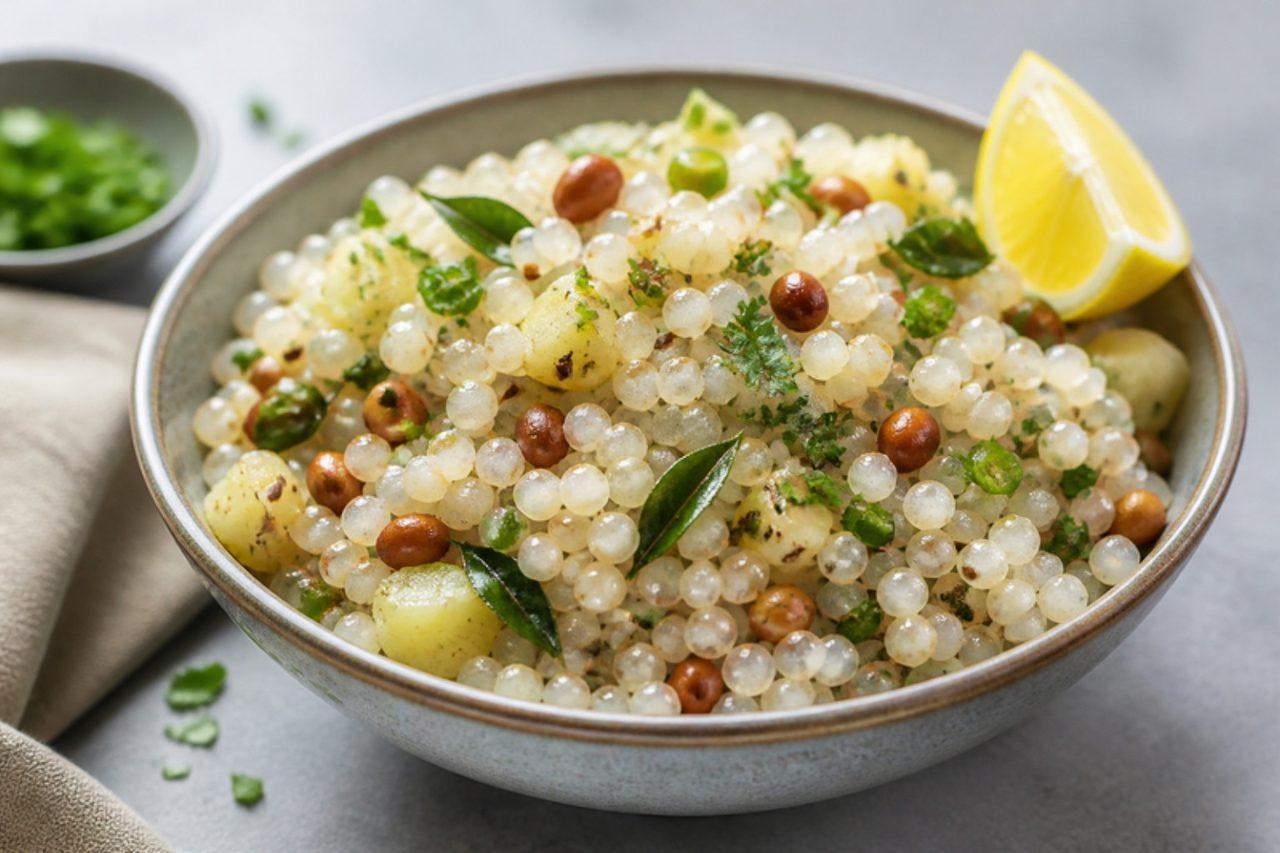
Sabudana khichdi is the dish that sees Maharashtra through every vrat (fast), from Navratri to Ekadashi, but it's so good that people eat it any day of the week. Soaked sago pearls are tossed in a pan with crushed roasted peanuts, cubes of potato, cumin and green chilli until each pearl turns glassy and separate, then finished with lemon and coriander. It's soft, chewy, nutty and gently hot. Fasting rules vary from family to family, so check yours; this version uses rock salt and no asafoetida, onion or garlic. Traditionally it's cooked in ghee; use ghee instead of oil if you aren't keeping it vegan. Chef's tip: soak the sago in just enough water to cover by the height of the pearls themselves, no more; too much water is the reason khichdi turns into one sticky lump.


Bagara bainganBaby aubergines in peanut sesame sauce
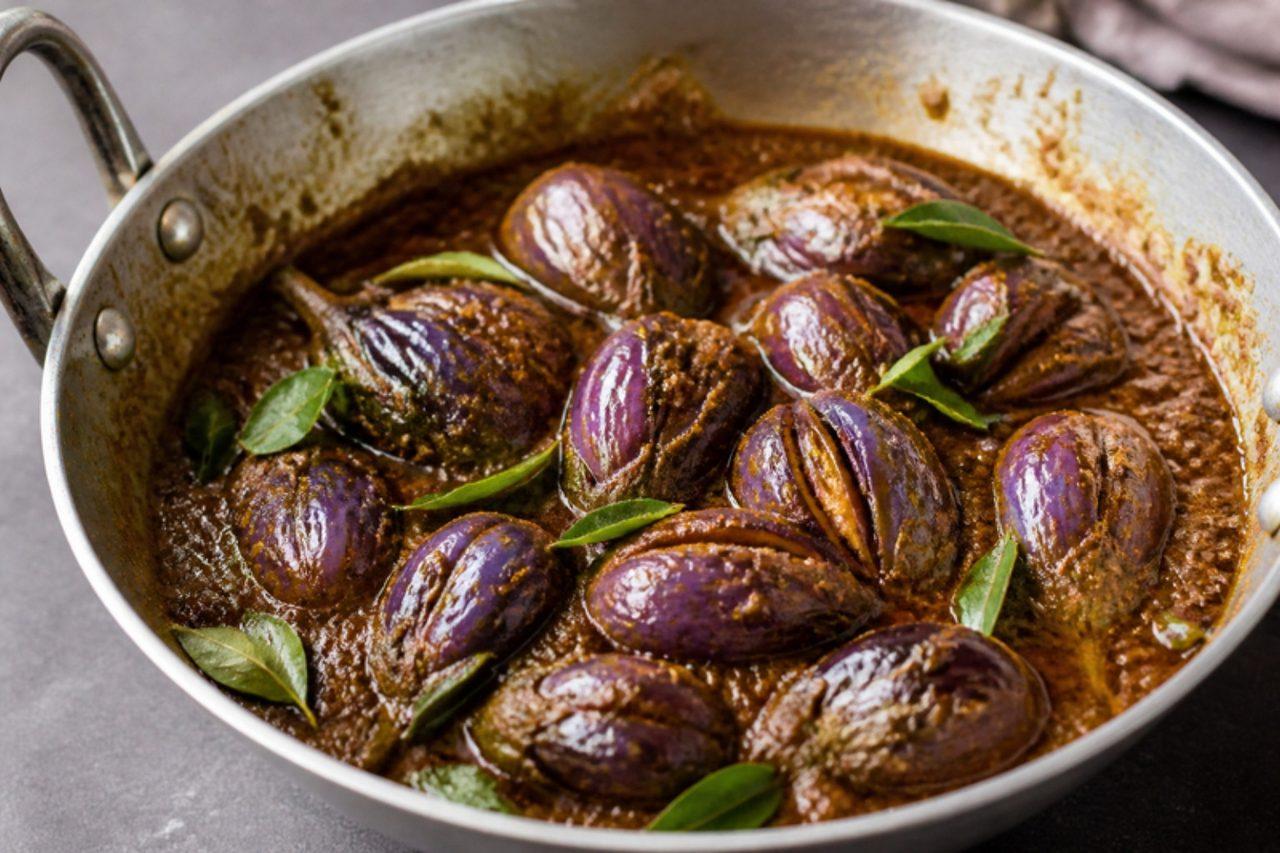
Bagara baingan is a Hyderabadi wedding dish of small aubergines cooked whole in a dark, tangy gravy of roasted peanuts, sesame, dried coconut and tamarind. Unlike a Gujarati stuffed brinjal, the aubergines here are only quartered at the base and fried until silky, then left to soak up a thin-but-rich sauce that is finished with a tempering, the 'baghar' that gives the dish its name. It's sour, nutty and gently spiced, and is served with biryani, bagara rice or plain rice. Chef's tip: choose small, glossy purple aubergines that feel heavy for their size; soft, light ones are full of seeds and turn mushy before the gravy has a chance to cling.
Masala khakhraCrisp roasted wheat crackers
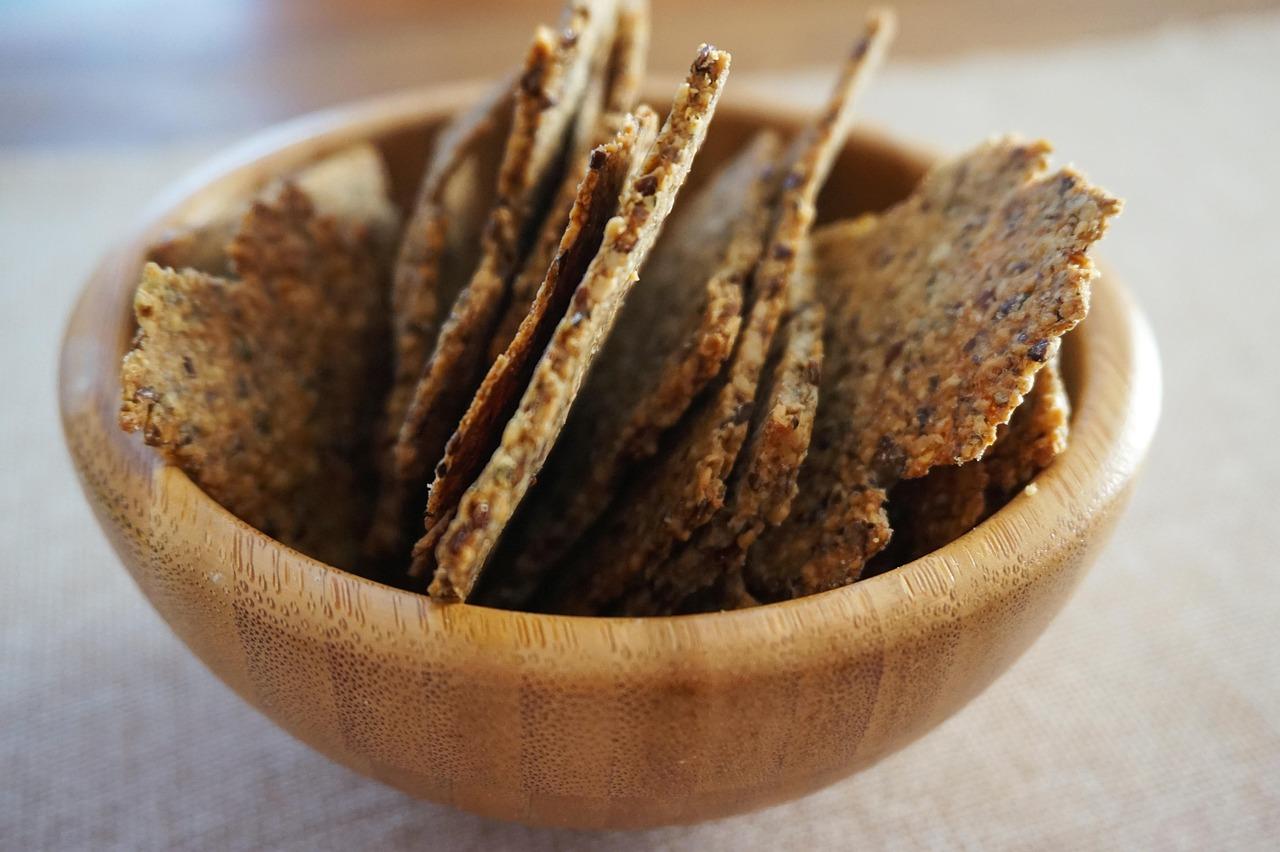
Khakhra are thin chapaties roasted slowly on a griddle until they turn crisp, like a cracker. This masala version adds gram flour, fresh fenugreek, turmeric and chilli to the wheat dough. They are a light Gujarati breakfast or tea-time snack, and lovely with pickle, chutney or a smear of butter. You can also make them in a roti maker.