
Gimbap
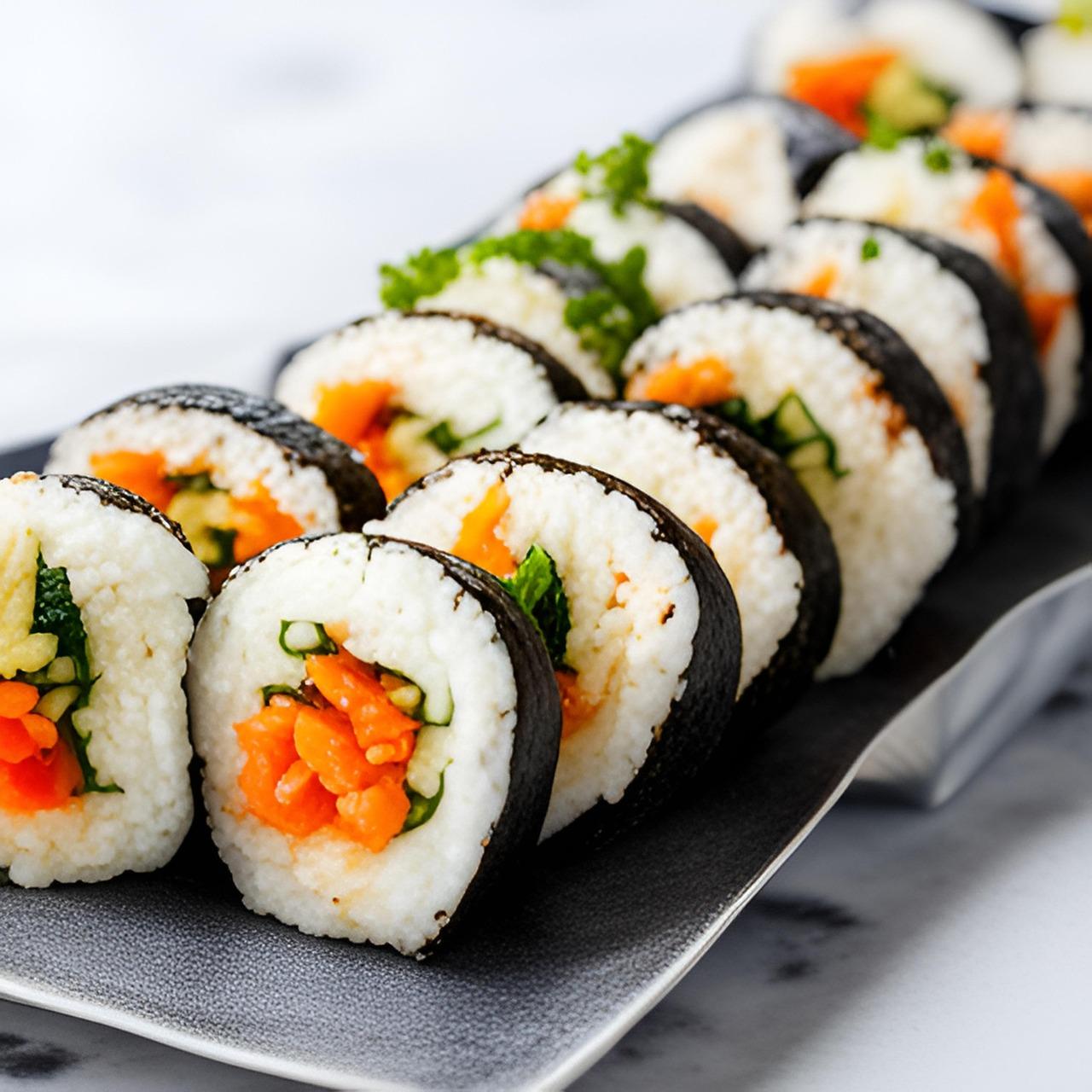
김밥 · Seaweed rice rolls filled with egg, spinach, carrot, tofu and pickled radish
Gimbap (김밥) are rolls of sesame-seasoned rice and colourful fillings wrapped in roasted seaweed, then sliced into rounds. They are the classic Korean picnic and lunchbox food, sold on almost every street corner nationwide. Unlike sushi rice, gimbap rice is seasoned with salt and sesame oil rather than vinegar, so it tastes nutty and savoury. This vegetarian version is filled with omelette strips, garlicky spinach, carrot, soy-glazed tofu, cucumber and the bright yellow pickled radish called danmuji. They keep well for a few hours, so they are good to make ahead for a trip. Chef's tip: season the rice while it is warm and spread it thin, no more than a few grains deep. Thick rice and wet fillings are the two reasons rolls burst or go soggy.
- Total time
- 50 min
- Difficulty
- medium
- Serves
- 5
Ingredients
For the rice
For the fillings
For rolling
Method
0/10 doneStep 1: Mix the warm 1 ⅔ lb cooked short-grain rice gently with 1 tsp salt, 1 ½ tbsp toasted sesame oil and 1 tbsp toasted sesame seeds, using a cutting motion so the grains don't get mashed. Cover with a damp cloth so it stays warm and soft. Taste a few grains: they should be lightly salty, as the fillings are mild.
Step 2: Beat 4 eggs with 1 pinch salt. Heat a third of the ⅝ tbsp neutral oil in a large non-stick pan over a medium-low heat, pour in the eggs and cook for 3 minutes until set, flipping once. Slide out, cool and cut into 1 cm wide strips.
4 minStep 3: Blanch 9 oz spinach in boiling water for 30 seconds, cool under cold water and squeeze dry. Toss with 1 clove garlic and 1 tsp toasted sesame oil.
1 minStep 4: Heat another third of the ⅝ tbsp neutral oil and stir-fry 2 carrots with 1 pinch salt over a medium-high heat for 2 minutes until just soft.
2 minStep 5: Add the last of the ¾ tbsp neutral oil and fry 7 oz firm tofu for 4–5 minutes, turning, until golden on all sides. Add 1 tbsp soy sauce and 1 tsp sugar and turn the batons until the glaze has cooked onto them.
6 minStep 6: Pat 1 cucumber and 5 strips pickled yellow radish (danmuji) dry with kitchen paper so they don't make the rolls soggy. Lay all the fillings out in rows on a tray.
Step 7: Put one sheet of 5 sheets roasted seaweed sheets (gim) shiny side down on a bamboo mat, with the long edge towards you. Spread a fifth of the rice over it in a thin even layer with damp fingers, leaving a 3 cm strip bare along the far edge.
Step 8: Lay a fifth of each filling in a neat line across the rice, about a third of the way up from the near edge.
Step 9: Lift the near edge of the mat and roll it over the fillings, tucking them in firmly. Keep rolling, pressing gently, until you reach the bare strip; a few grains of rice will glue the seam. Leave the roll seam side down while you make the rest.
Step 10: Brush the rolls lightly with 1 tsp toasted sesame oil. With a sharp knife wiped with a damp cloth between cuts, slice each roll into 1.5 cm rounds and serve.
Nutrition per serving
- Calories
- 430 kcal
- Protein
- 15 g
- Carbs
- 62 g
- Fat
- 13 g
- Fibre
- 4 g
Nutrition values are estimates.
KrazyBadal
Good to know
- How long does gimbap take?
- About 50 minutes in total: 35 minutes to prepare and 15 minutes to cook.
- How many people does it serve?
- 5 as written. Change the servings above the ingredients and every amount scales to match.
- Is it vegetarian?
- Yes. It has no meat or fish.
- Can I make it ahead?
- Yes. It keeps well, so you can cook it earlier in the day or the day before and reheat it.
- What can I use instead of cooked short-grain rice?
- Any long-grain rice, same amount.
- What can I use instead of toasted sesame oil?
- Toasted sesame seeds ground with a little vegetable oil.
Reviews
No reviews yet. Be the first to cook it.
Rate this recipe
Sign in to rate and review this recipe.
You might also like
Masala khakhra
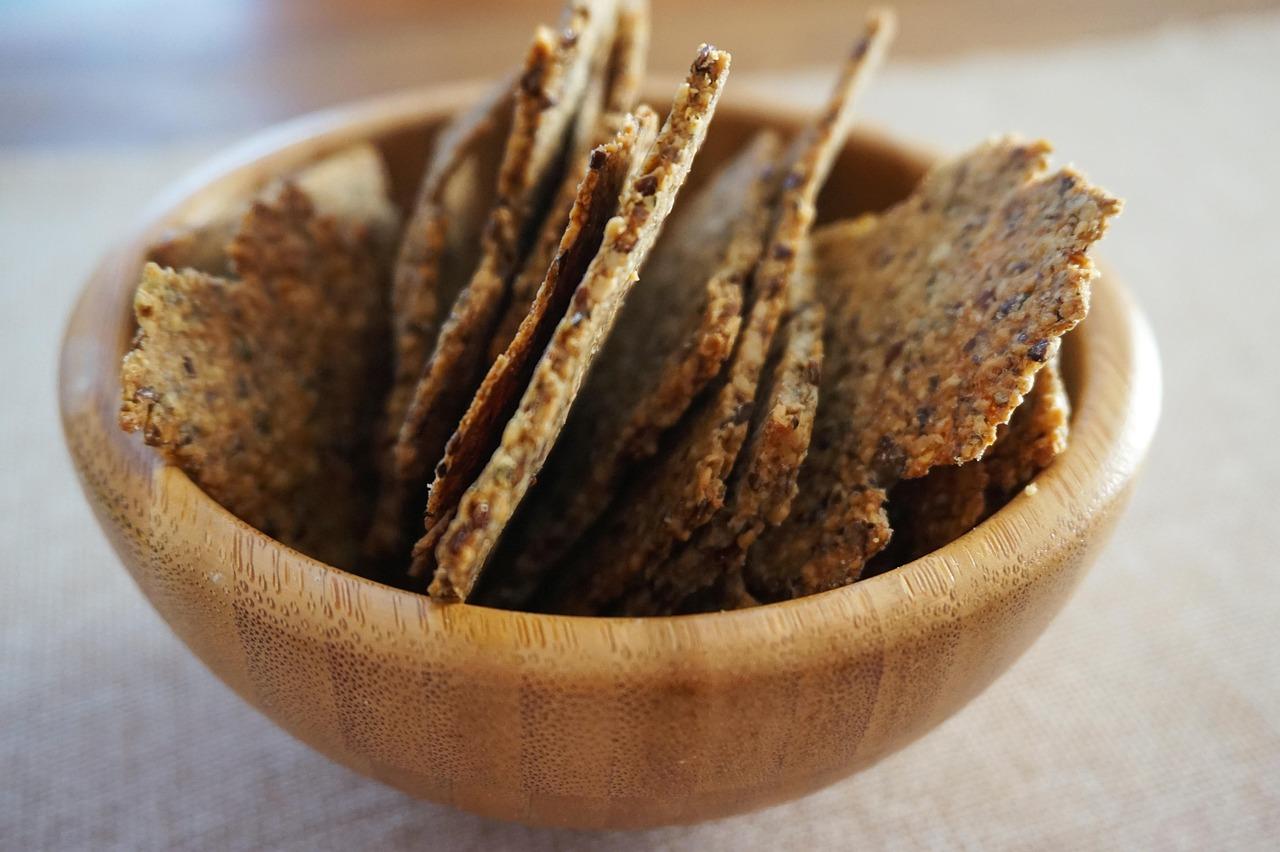
Khakhra are thin chapaties roasted slowly on a griddle until they turn crisp, like a cracker. This masala version adds gram flour, fresh fenugreek, turmeric and chilli to the wheat dough. They are a light Gujarati breakfast or tea-time snack, and lovely with pickle, chutney or a smear of butter. You can also make them in a roti maker.


Potato chakri
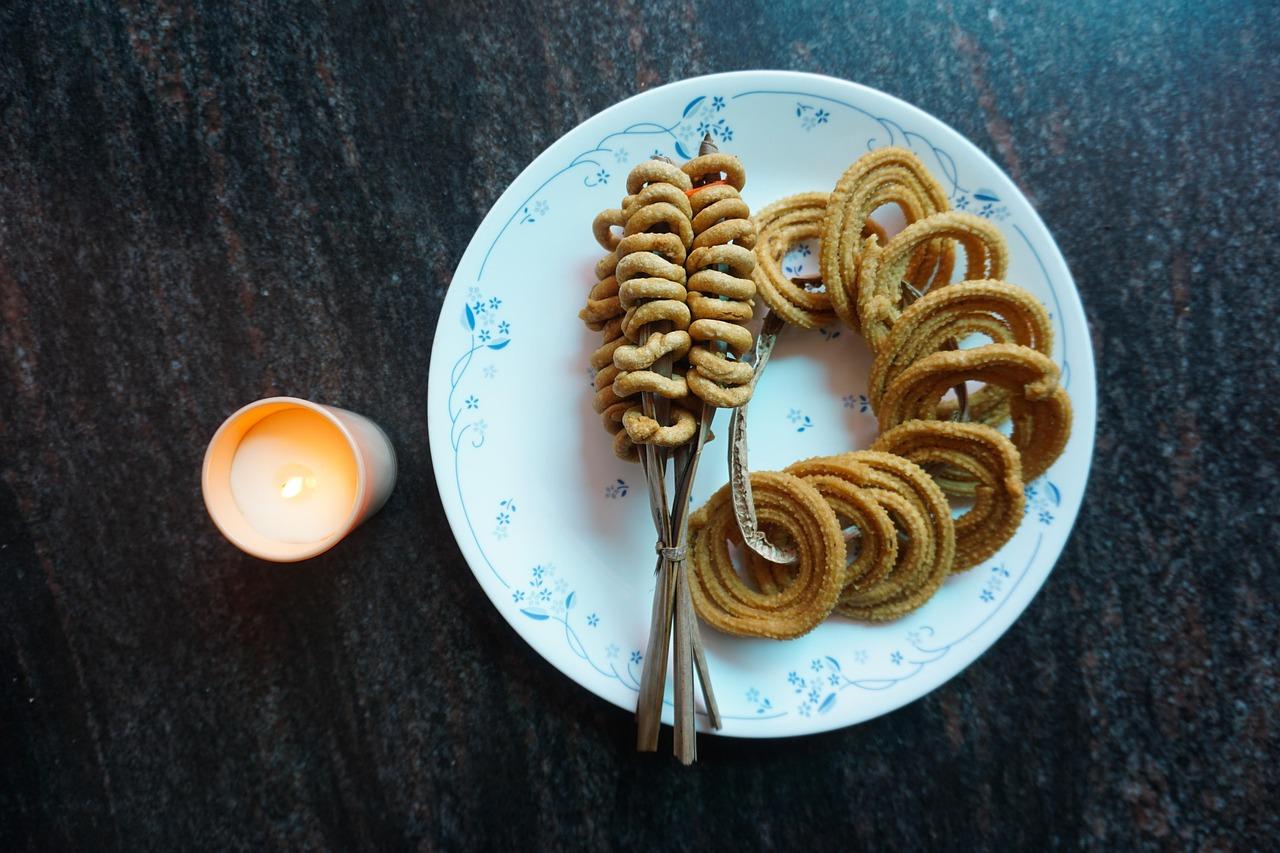
Potato chakri are crisp, light spirals made with rice flour and boiled potato, flavoured with ginger, chilli, lemon, sesame and coriander. The potato makes them extra tender-crisp. They keep for about 3 weeks in an air-tight container, so make them ahead for Diwali or guests.

Mathia
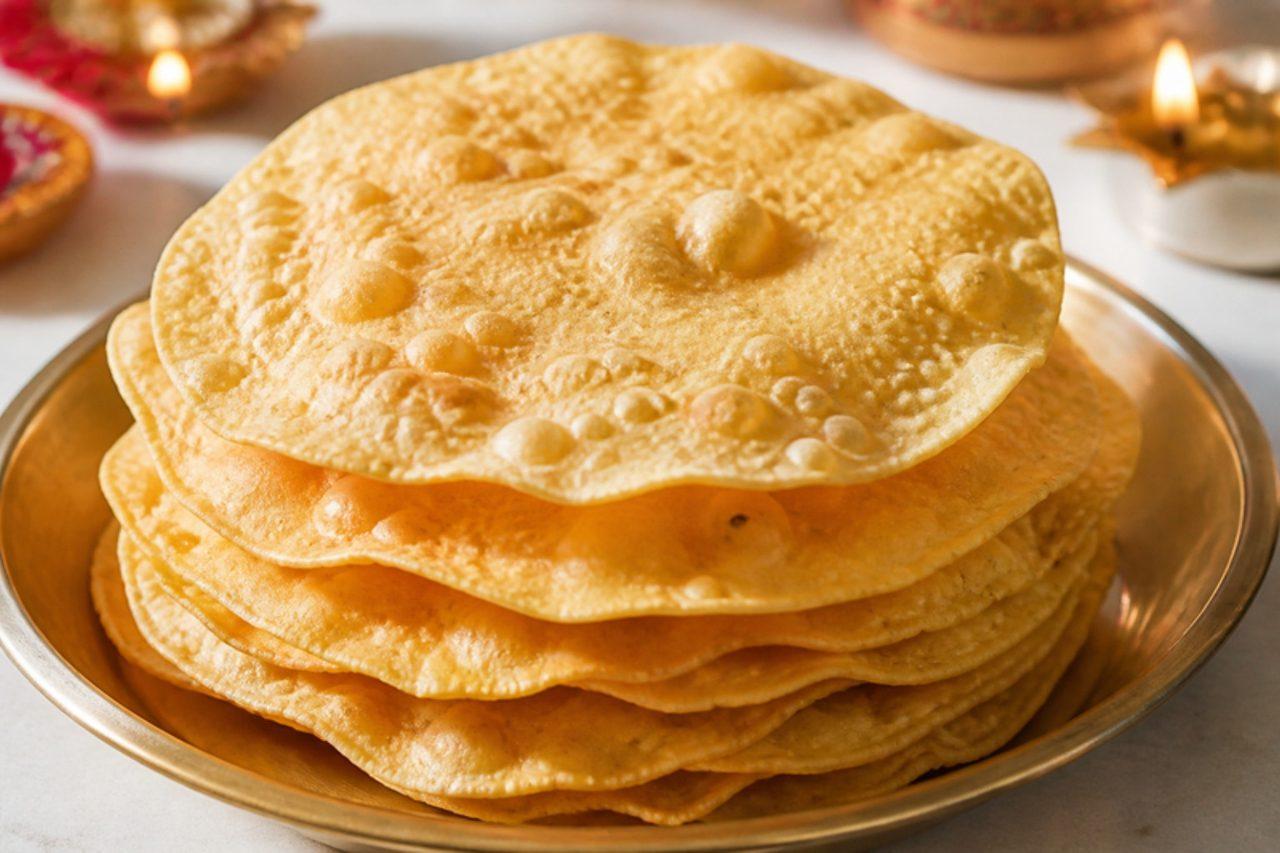
Mathia are thin, crisp, slightly sweet and peppery wafers made from mathia flour, a mix of ground husked moong and urad dal. They are a classic Gujarati Diwali snack. The dough is pounded until pale, rolled very thin between plastic sheets and fried one at a time. They are fragile, so store them gently. To make mathia flour, finely grind 4 parts husked green gram lentils with 1 part husked black gram lentils.