
AI-generated image
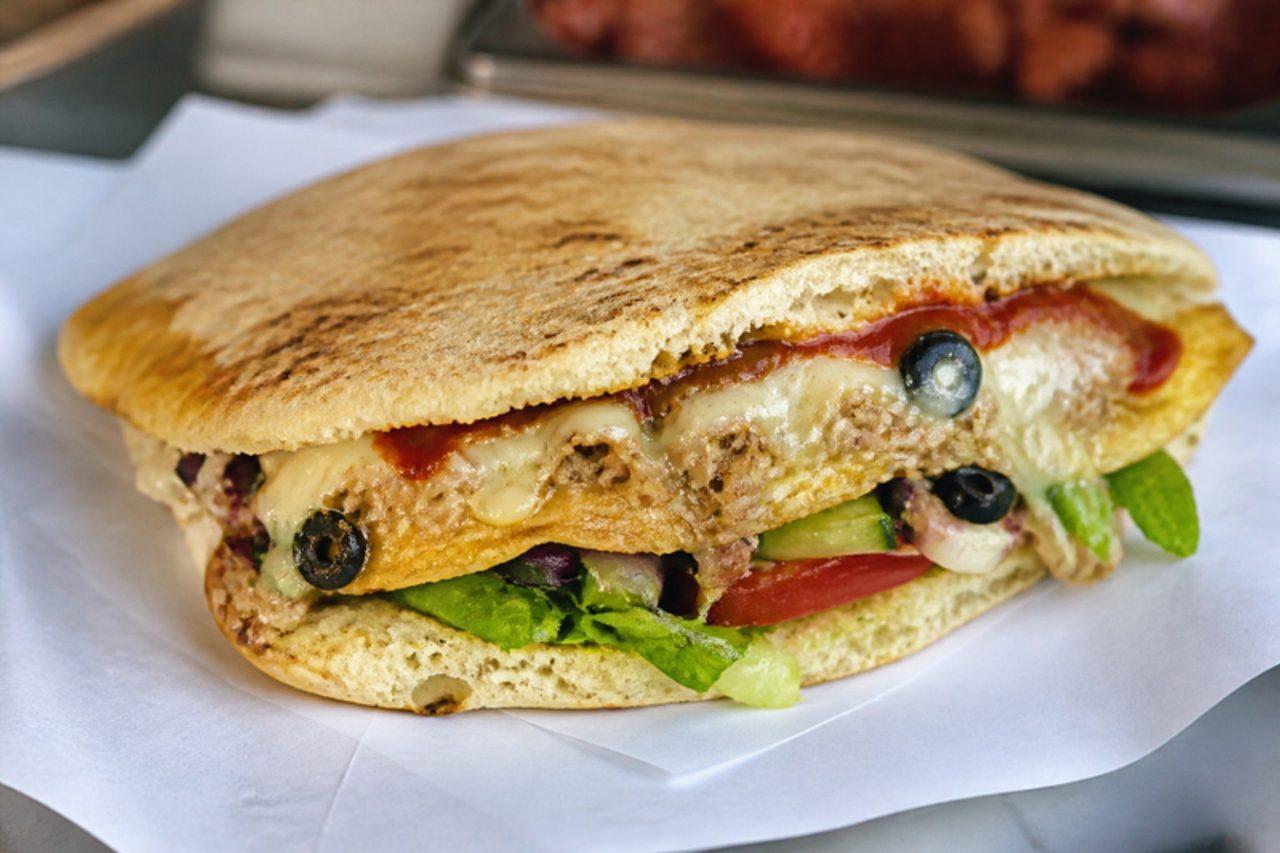
Tunisian chapati
Chapati: Tunisia's puffy pan-baked semolina bread, split and stuffed with tuna omelette, cheese and harissa

Tunisian street chapati has nothing to do with the Indian flatbread: it is a thick, puffy square of semolina bread baked on a griddle, split open while hot and filled with a herby omelette, tuna, melted cheese and a smear of harissa. Snack shops across the country make them to order for students and workers at lunchtime, often with a spoon of mechouia or a few olives added. The bread is soft and slightly chewy with toasty patches, the filling rich and spicy. The dough needs about an hour to rise. Don't cook the chapati over a high flame: the outside chars while the centre stays doughy and won't split for filling. Chef's tip: cook the bread over a medium heat, not high; a very hot pan browns the outside before the inside has puffed and cooked, leaving it doughy.
- Total time
- 45 min
- Difficulty
- easy
- Serves
- 6
Ingredients
For the bread
- 9 oz fine semolina
- 5 ½ oz plain flour
- ⅛ oz instant yeast
- 1 tsp sugar
- 1 tsp salt
- 2 tbsp olive oil
- 1 cup warm water
For the filling
- 6 eggs
- 3 tbsp flat-leaf parsleychopped
- 1 small onionfinely chopped
- ½ tsp salt
- ½ tsp black pepper
- 1 tbsp olive oil
- 5 ½ oz tuna in olive oildrained and flaked
- 2 ⅞ oz grated cheesesuch as emmental or gouda
- 2 tbsp harissa
- 12 black olives (optional)pitted and sliced
Shop this recipe on Amazon
Spices & pantry
Fresh ingredients (4)
Links open Amazon in a new tab. As an Amazon Associate, WhatToEat.Today earns from qualifying purchases.
Method
0/7 doneStep 1: Mix 9 oz fine semolina, 5 ½ oz plain flour, ⅛ oz instant yeast, 1 tsp sugar and 1 tsp salt. Add 2 tbsp olive oil and 1 cup warm water and knead for 8 minutes into a soft, smooth dough.
8 minStep 2: Cover and leave in a warm place for about 1 hour until doubled in size.
Step 3: Divide into 6 pieces and roll or press each into a square about 1 cm thick. Rest under a cloth for 10 minutes so they puff a little.
Step 4: Cook the breads in a dry heavy pan over a medium heat for 4 to 5 minutes per side, two at a time, until puffed, golden in patches and they sound hollow when tapped. Wrap in a cloth.
15 minStep 5: Beat 6 eggs with 3 tbsp flat-leaf parsley, 1 small onion, ½ tsp salt and ½ tsp black pepper. Heat 1 tbsp olive oil in a large frying pan over a medium heat, pour in the eggs and cook for 4 to 5 minutes, lifting the edges, until set right through. Turn out and cut into 6 pieces.
5 minStep 6: Split each warm bread along one side like a pocket. Spread the inside with 2 tbsp harissa, then tuck in a piece of omelette, some 5 ½ oz tuna in olive oil, 2 ⅞ oz grated cheese and 12 black olives if using.
Step 7: Return the filled breads to the pan over a low heat for 1 to 2 minutes per side until the cheese melts. Serve hot.
4 min
Nutrition per serving
- Calories
- 440 kcal
- Protein
- 23 g
- Carbs
- 48 g
- Fat
- 17 g
- Fibre
- 2 g
Nutrition values are estimates.
KrazyBadal
Good to know
- How long does tunisian chapati take?
- About 45 minutes in total: 20 minutes to prepare and 25 minutes to cook.
- How many people does it serve?
- 6 as written. Change the servings above the ingredients and every amount scales to match.
- What can I use instead of plain flour?
- Self-raising flour, same amount (then leave out the baking powder).
- What can I use instead of sugar?
- Caster sugar, same amount.
Reviews
No reviews yet. Be the first to cook it.
Rate this recipe
Sign in to rate and review this recipe.
You might also like
Bsissa
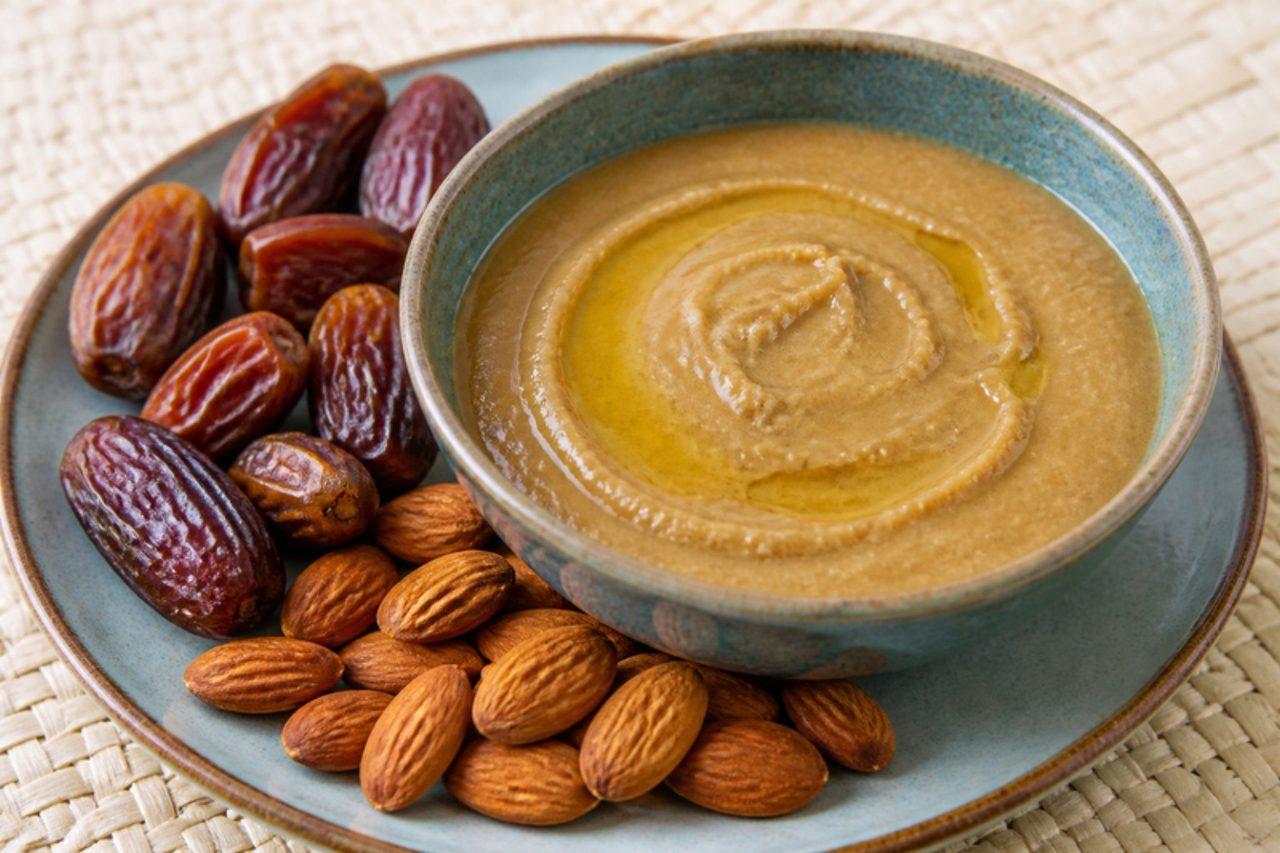
A tin of bsissa sits in many Tunisian kitchen cupboards, from Tunis flats to farmhouses in the south: a finely ground flour of roasted barley, roasted chickpeas and spices such as coriander, fennel and aniseed. In the morning a few spoonfuls are worked with olive oil and something sweet into a nutty, crumbly paste, or stirred with water into a thick drink, and it keeps you going until lunch. Travellers and pilgrims once carried it for the road. Roasting your own flour takes 15 minutes and makes a jar that lasts weeks. Sugar and dates keep it vegan; some families use honey. Chef's tip: roast the flours separately over a low heat and stir constantly; the moment they smell like toasted biscuits and turn light tan, tip them out of the pan.

Zapiekanka
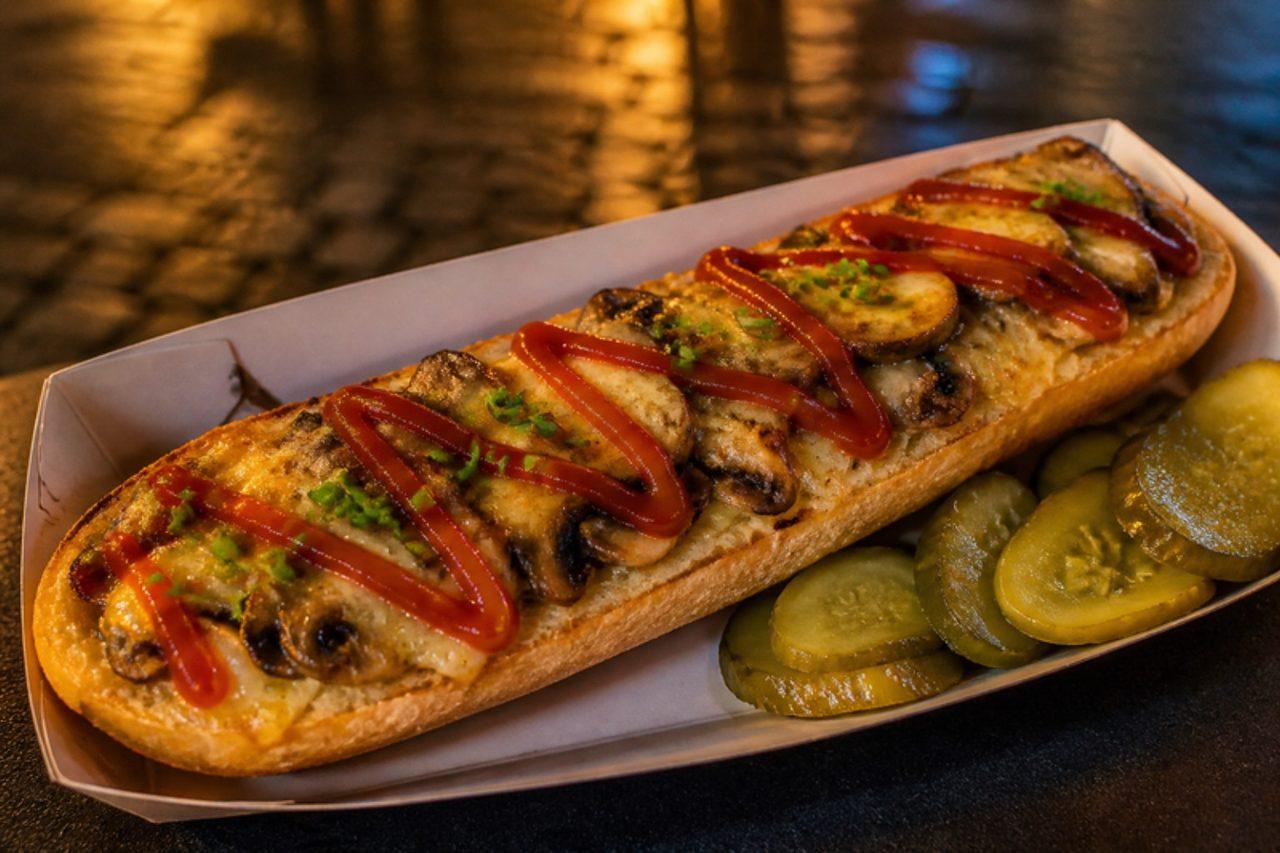
Zapiekanka is Polish street food born in the 1970s and perfected at the hatch windows around Plac Nowy in Kraków's Kazimierz district, where students and night owls queue for one at midnight. Half a long baguette is topped with mushrooms fried with onion, covered in grated cheese and baked until crisp at the edges and bubbling, then finished with a zigzag of ketchup and chives. The classic version has no meat at all. Use a hard cheese made with vegetarian rennet (many supermarket mild Cheddars and Goudas are). Chef's tip: fry the mushrooms until completely dry before they go on the bread; wet mushrooms make the baguette soggy instead of crisp.
 Polish
Mazorca desgranada
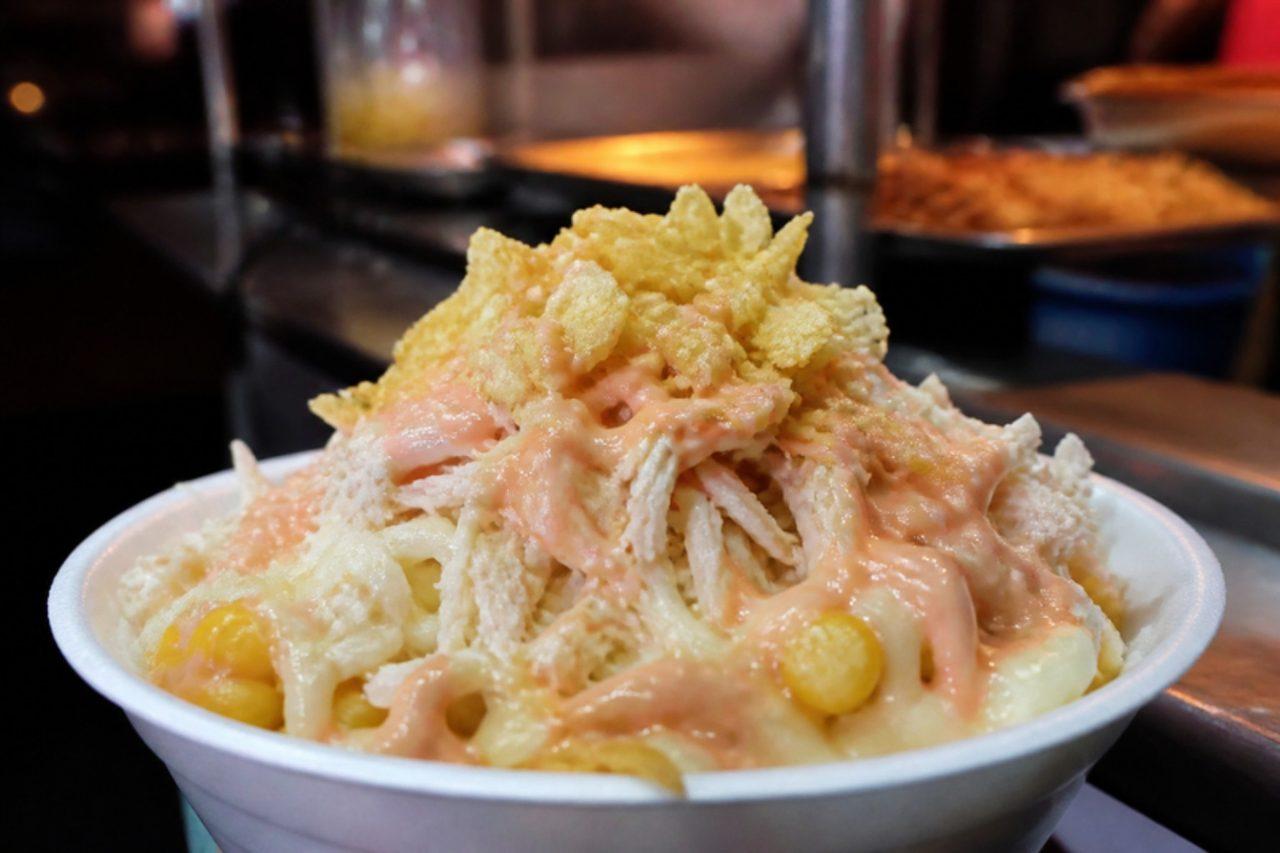
Food trucks and street corners in Bogotá and Medellín sell mazorca desgranada in plastic tubs, late into the evening: sweet corn kernels cut off the cob, fried in butter and layered with shredded chicken, melted cheese, crunchy potato sticks, pineapple sauce and salsa rosada. Some stands add bacon, beef or quail eggs; this version keeps to chicken. It is sweet, salty and gooey, and a hit with teenagers. Using tinned corn without draining it well is a common error: the water dilutes the sauces and the tub gets soggy. Chef's tip: fry the corn until a few kernels brown and pop; that caramelised edge stands up to all the sweet sauces. For a vegetarian tub, skip the chicken and use a cheese made with microbial rennet.
 Colombian
