
AI-generated image
Sungnyung (scorched rice tea)
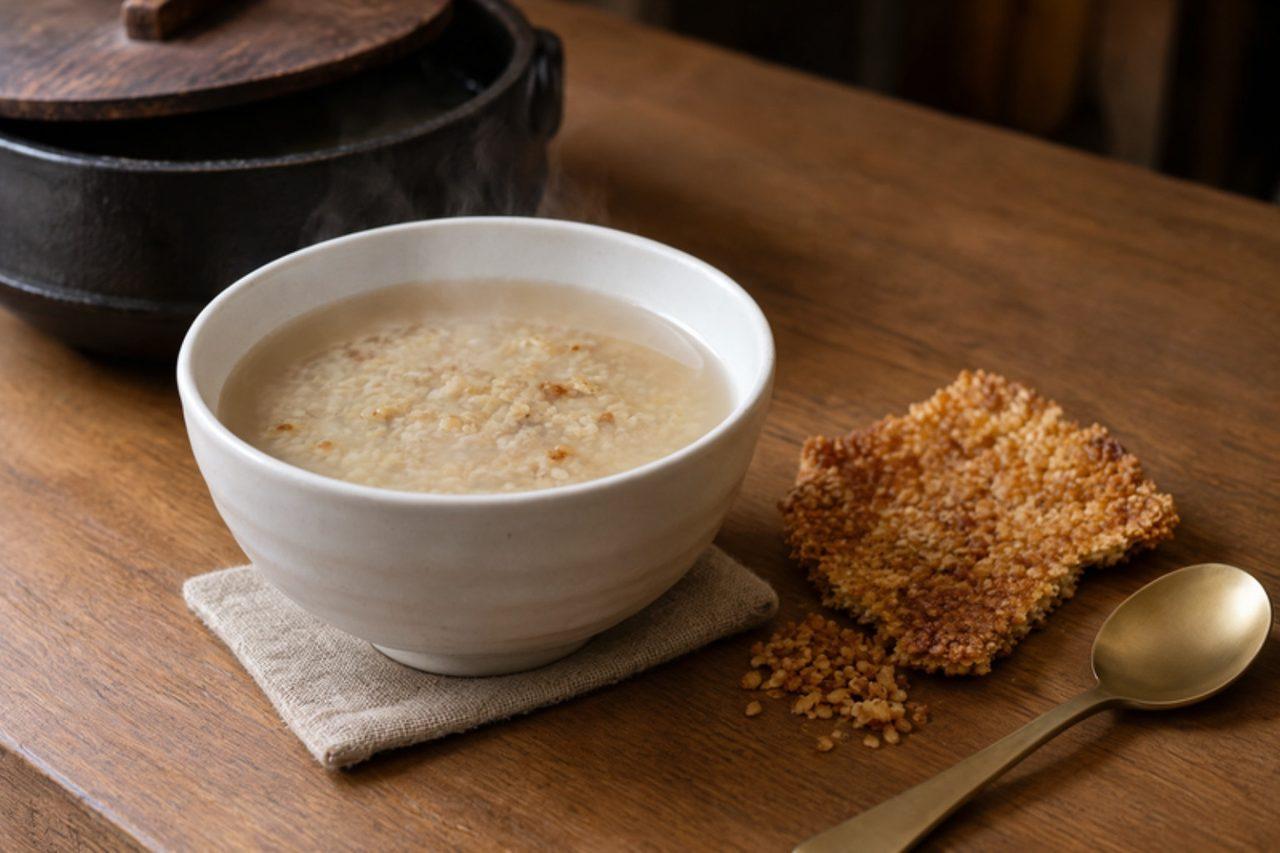
숭늉: water simmered over the golden rice crust left in the pot, a nutty, gently sweet drink that closes a Korean meal


Before electric rice cookers, every Korean pot of rice left a golden crust, nurungji, stuck to the bottom. Rather than waste it, cooks poured in water and simmered it while the family ate, and the warm, cloudy sungnyung was drunk at the end of the meal in place of tea. Older Koreans still describe it as the taste of home, and many Seoul restaurants that cook rice in stone pots finish by pouring water over the crust at the table. It tastes of toasted grain and has a faint natural sweetness, with soft pieces of crust to spoon up at the bottom. Without a stone pot you can make the crust from leftover rice in a frying pan. The common mistake is rushing the crust over high heat: it blackens on the outside and turns the drink bitter while the middle stays soft. Keep the heat low and patient, and aim for even golden-brown. The crust is ready when it lifts away from the pan in one sheet and smells like popcorn; the sungnyung is ready when the water is milky and pale gold. Chef's tip: make extra crust, dry it completely and keep it in a jar, so you can make sungnyung in ten minutes any evening.
- Total time
- 35 min
- Difficulty
- easy
- Serves
- 4
Ingredients
For the drink
- 5 ½ oz cooked short-grain riceleftover rice is ideal
- 4 ¼ cups water
- 1 pinch salt (optional)
Shop this recipe on Amazon
Spices & pantry
Links open Amazon in a new tab. As an Amazon Associate, WhatToEat.Today earns from qualifying purchases.
Method
0/5 doneStep 1: Spread 5 ½ oz cooked short-grain rice in a thin, even layer, about 3 mm deep, in a dry non-stick or well-seasoned frying pan, pressing it flat with a wet spatula.
3 minStep 2: Cook over low to medium-low heat without stirring for 15–20 minutes, until the underside is golden-brown, smells toasty and the sheet lifts off the pan in one piece.
18 minStep 3: Turn the crust over and toast the other side for 3–4 minutes, until dry and lightly golden.
4 minStep 4: Break the crust into pieces and put it into a pot with 4 ¼ cups water. Bring to the boil, then simmer for 8–10 minutes, until the water is milky and pale gold and the crust is soft.
10 minStep 5: Add 1 pinch salt if you like. Ladle into small bowls or cups, with some softened crust in each, and serve warm after the meal.
1 min
Nutrition per serving
- Calories
- 50 kcal
- Protein
- 1 g
- Carbs
- 11 g
- Fat
- 0 g
- Fibre
- 0 g
Nutrition values are estimates.
KrazyBadal
Good to know
- How long does sungnyung (scorched rice tea) take?
- About 35 minutes in total: 5 minutes to prepare and 30 minutes to cook.
- How many people does it serve?
- 4 as written. Change the servings above the ingredients and every amount scales to match.
- Is it vegan?
- Yes. It has no meat, fish, dairy or eggs.
- Is it gluten free?
- Yes, as written. Check the labels on stock, sauces and spice mixes, which sometimes contain gluten.
- What can I use instead of cooked short-grain rice?
- Any long-grain rice, same amount.
Reviews
No reviews yet. Be the first to cook it.
Rate this recipe
Sign in to rate and review this recipe.
You might also like
Guava delight
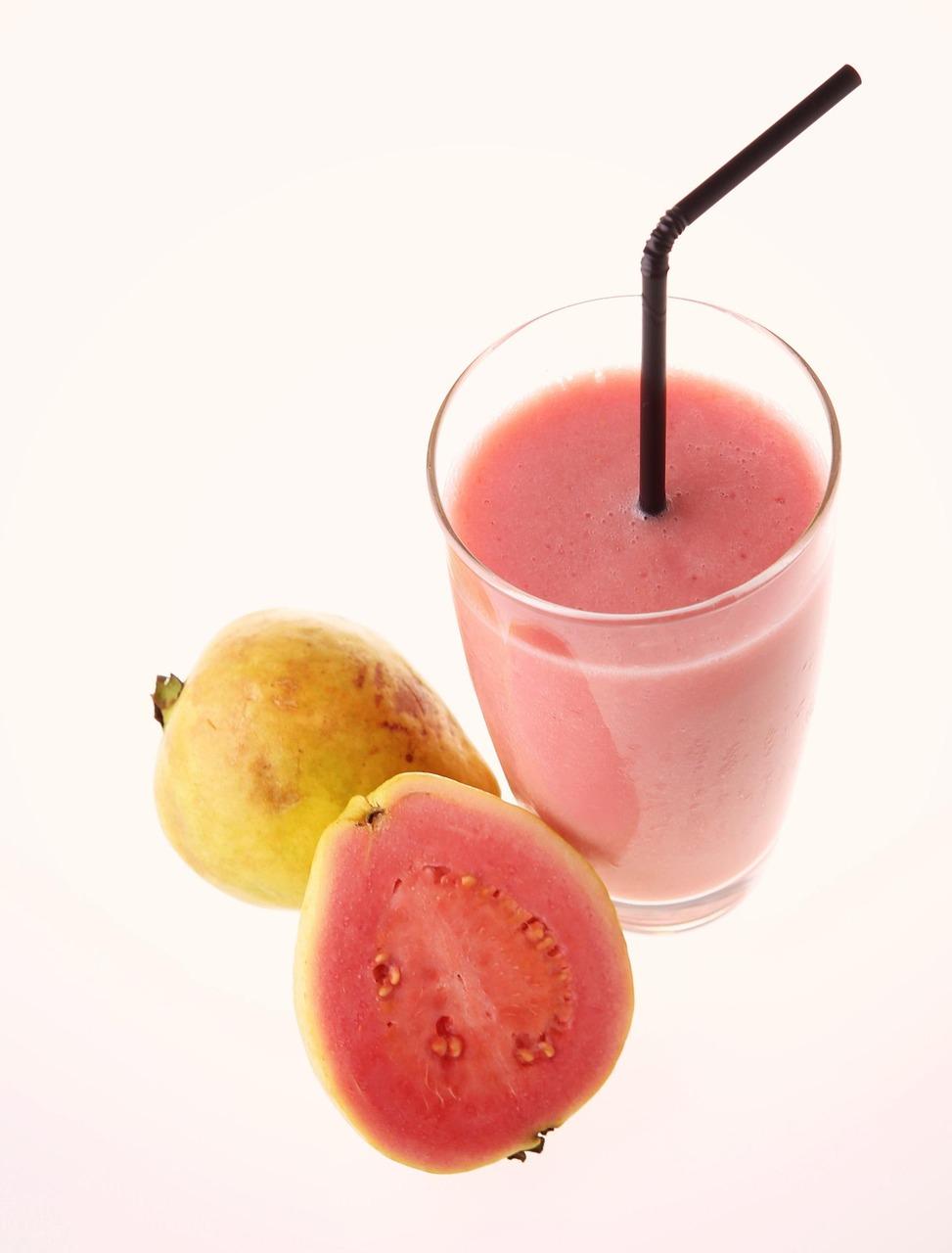
A thick, fragrant blend of ripe guava, mango and banana, boosted with a spoonful of guava powder from the health shop. The book calls it a modern-day vitality drink, drawing on guava's long use in traditional Indian medicine. Serve it well chilled; sieve it if you don't like the little guava seeds.


Power pack
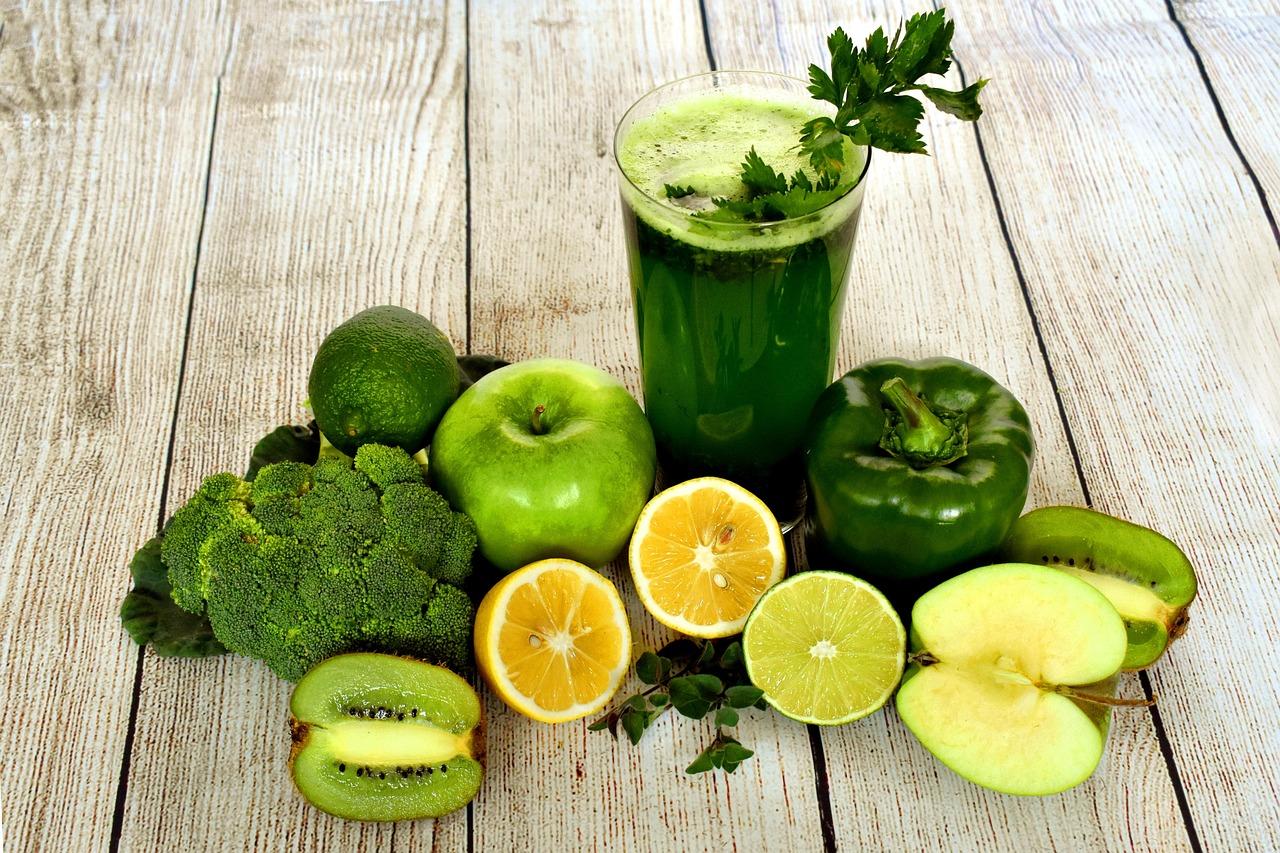
A sweet, energising juice of apples, pears and kiwi fruit with a stick of celery, all used unpeeled for extra goodness. It's naturally sweet, so it needs no sugar. Serve well chilled.
Tteokbokki
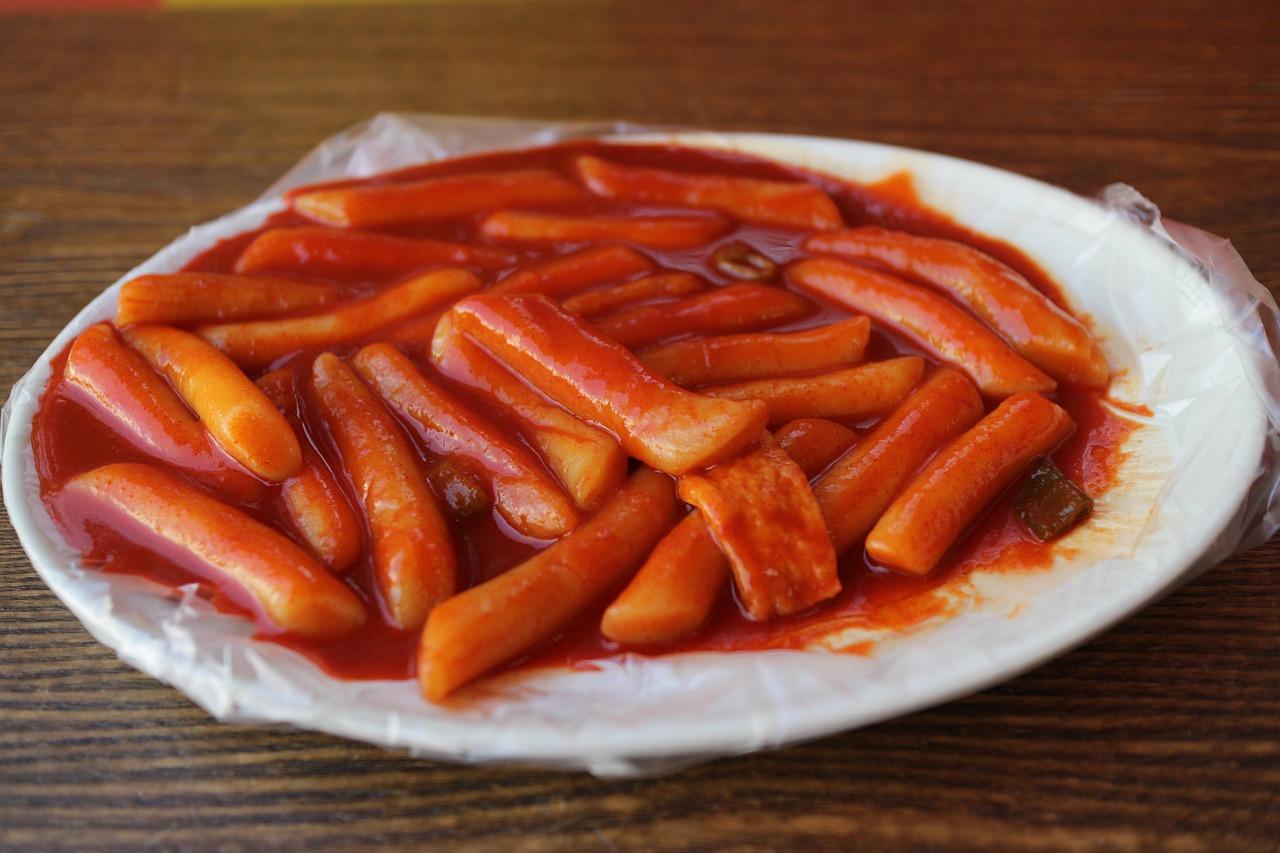
Tteokbokki (떡볶이) is Korea's best-loved street snack: chewy cylinders of rice cake simmered in a thick, glossy, sweet and spicy red sauce. It became a classic in Seoul, where it is sold from street stalls and snack bars in every neighbourhood. Street versions use anchovy stock and fish cakes; this vegan version uses a quick kelp and shiitake stock with cabbage and spring onions, and has all the same punch. Eat it hot, while the rice cakes are soft and stretchy. Chef's tip: keep stirring and scrape the bottom; the rice cakes release starch that thickens the sauce but also catches. The sauce is right when it clings to the spoon in a glossy coat.
