
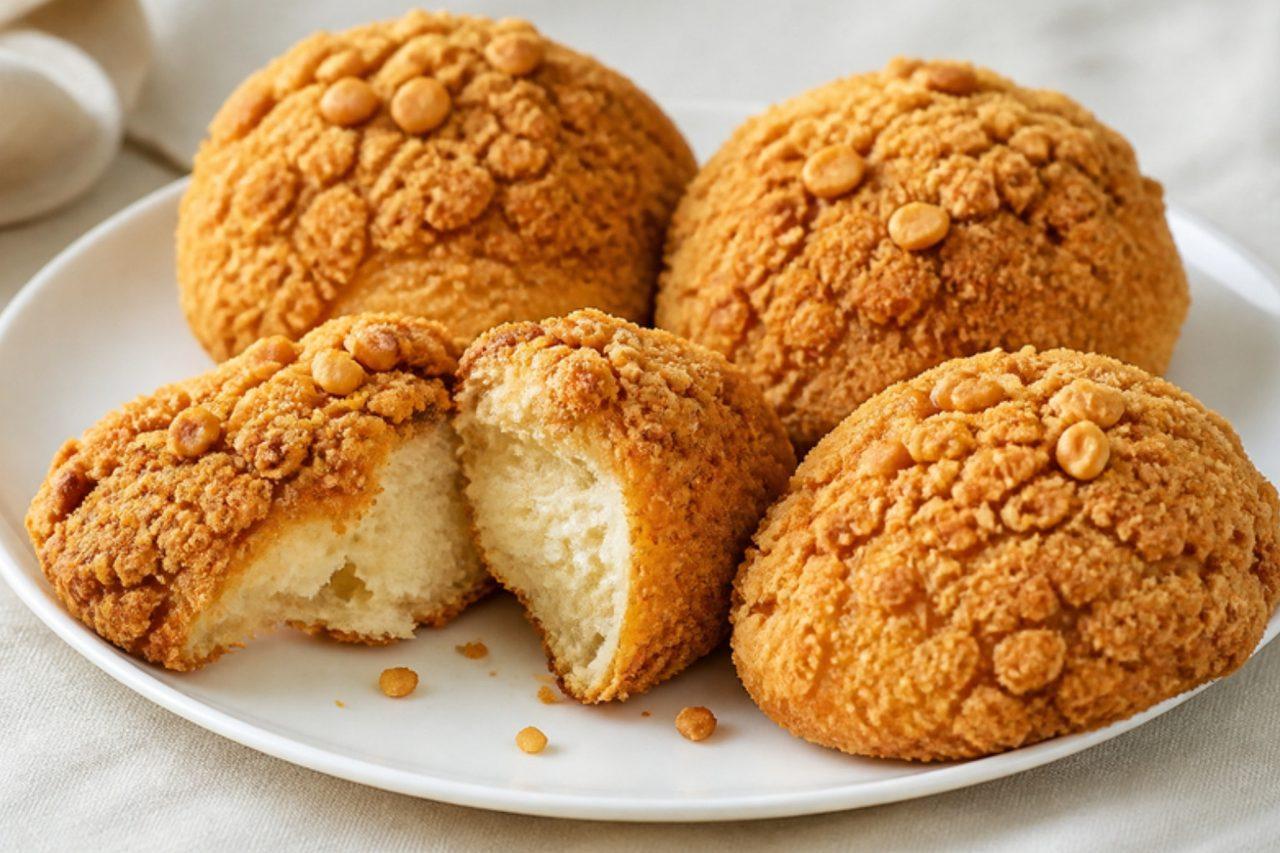
AI-generated image
Soboro-ppang
Peanut streusel buns
Korean sweet buns under a crunchy peanut streusel

'Soboro' describes something crumbled, and that is exactly what covers these buns: a craggy, peanut-scented streusel that bakes into a sweet, sandy crust over soft milk bread. Soboro-ppang (소보로빵) has been a fixture of Korean neighbourhood bakeries since the 1960s and is still one of the cheapest, most loved buns on the shelf, bought by students after school and eaten with a carton of banana or plain milk. The contrast is the point, crunchy and buttery on top, fluffy and lightly sweet inside. Some bakeries fill them with red bean paste or custard; this is the plain classic. Beating the streusel into a smooth paste is a common mistake, as it melts into a flat lid in the oven, so rub it only into clumpy crumbs and keep it cold. Chef's tip: brush the tops of the dough balls with milk and press them firmly, top down, into a bowl of crumbs; a thick, even coat sticks better than crumbs scattered on afterwards. They contain peanuts.
- Total time
- 142 min
- Difficulty
- medium
- Serves
- 8
Ingredients
For the dough
- 1 ¼ oz caster sugar
- ½ tsp salt
- ⅛ oz instant dried yeast
- 1 eggbeaten
- ½ cup whole milklukewarm
- ⅞ oz unsalted buttersoft
For the peanut streusel
- 1 ⅜ oz unsalted buttersoft
- 1 oz smooth peanut butter
- 1 ¾ oz caster sugar
- 1 egg yolk
- 3 ½ oz plain flour
- ¼ tsp baking powder
- ⅔ oz roasted peanuts (optional)finely chopped
To finish
- 2 tbsp milk
Shop this recipe on Amazon
Spices & pantry
Fresh ingredients (5)
Links open Amazon in a new tab. As an Amazon Associate, WhatToEat.Today earns from qualifying purchases.
Method
0/9 doneStep 1: Mix 9 oz strong white bread flour, 1 ¼ oz caster sugar, ½ tsp salt and ⅛ oz instant dried yeast. Add 1 egg and ½ cup whole milk and mix into a soft dough.
Step 2: Knead for 5 minutes, then add ⅞ oz unsalted butter and knead for 8 minutes more, until smooth and springy.
13 minStep 3: Cover and leave in a warm place for 45–60 minutes, until doubled.
50 minStep 4: Meanwhile make the streusel: beat 1 ⅜ oz unsalted butter, 1 oz smooth peanut butter and 1 ¾ oz caster sugar together briefly, then stir in 1 egg yolk. Add 3 ½ oz plain flour and ¼ tsp baking powder (and ⅔ oz roasted peanuts if using) and rub with your fingertips just until it forms pea-sized crumbs. Chill until needed.
Step 5: Knock back the dough, divide into 8 pieces of about 60 g and shape each into a smooth, tight ball.
Step 6: Brush the top of each ball with 2 tbsp milk, then press it top down into the bowl of streusel, pushing firmly so a thick layer sticks. Set crumb side up on a lined tray, well apart.
Step 7: Cover loosely and prove for 30–40 minutes, until nearly doubled; the topping will crack attractively as they rise.
35 minStep 8: Meanwhile heat the oven to 350°F (325°F fan). Bake for 15–17 minutes, until the streusel is golden and crisp at the edges and the bases sound hollow; the bread should read about 88–194°F.
16 minStep 9: Cool on a rack for at least 15 minutes so the crust firms up. Best on the day; keep leftovers airtight for 1–2 days.
Nutrition per serving
- Calories
- 330 kcal
- Protein
- 8 g
- Carbs
- 45 g
- Fat
- 13 g
- Fibre
- 2 g
Nutrition values are estimates.
KrazyBadal
Good to know
- How long does soboro-ppang take?
- About 142 minutes in total: 125 minutes to prepare and 17 minutes to cook.
- How many people does it serve?
- 8 as written. Change the servings above the ingredients and every amount scales to match.
- Is it vegetarian?
- Yes. It has no meat or fish.
- What can I use instead of strong white bread flour?
- Plain flour, same amount (the dough will be softer and rise a little less).
- What can I use instead of caster sugar?
- Caster sugar, same amount.
Reviews
No reviews yet. Be the first to cook it.
Rate this recipe
Sign in to rate and review this recipe.
You might also like
ChipaCheese bread rings
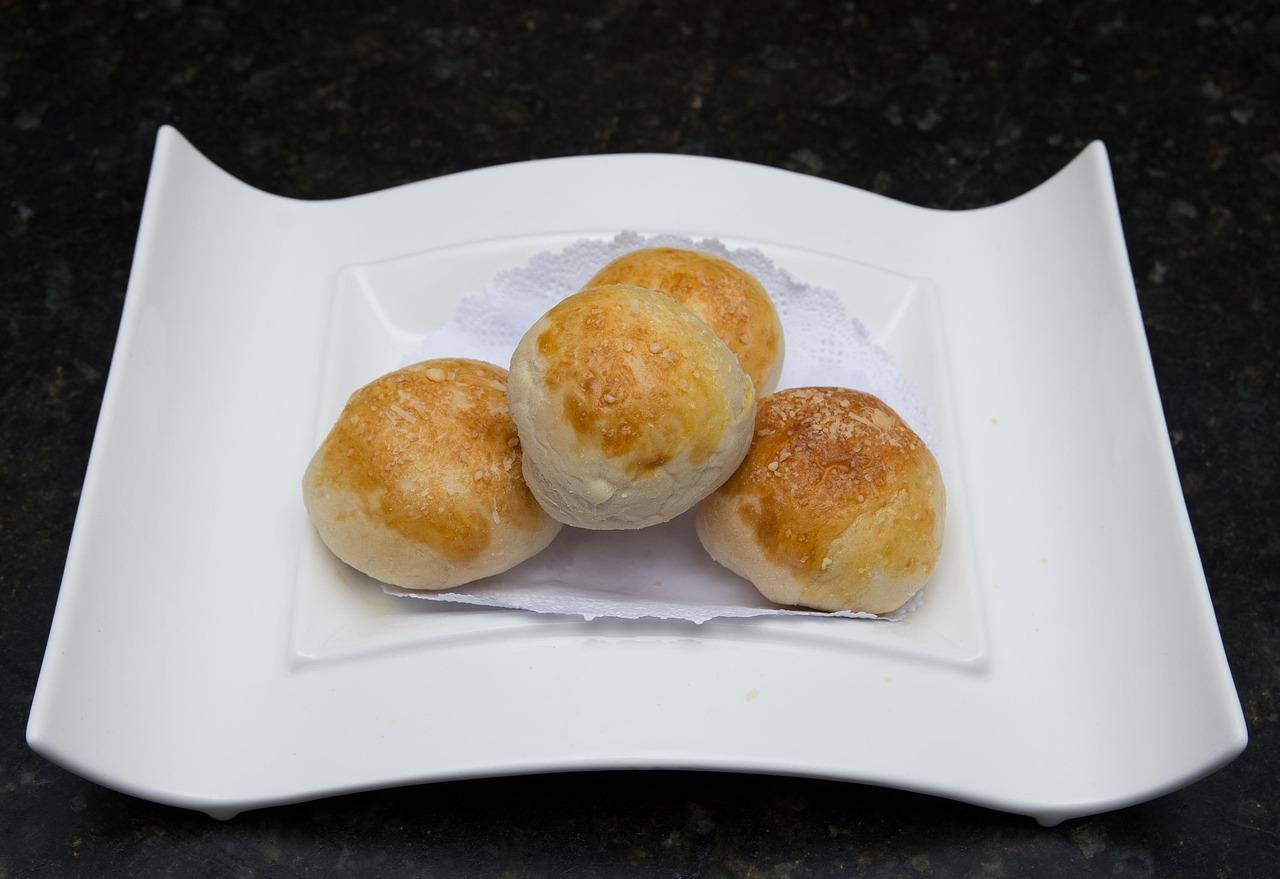
In Paraguay you hear 'chipa, chipa!' called by vendors with big baskets on buses and street corners, and every family bakes it for Holy Week, when chipa is the food of Good Friday. Cassava starch, a little cornmeal, butter, eggs and a lot of hard cheese are kneaded into a dough scented with aniseed, shaped into rings or small rolls and baked in a hot oven, traditionally a domed clay tatakua. It's chewy, crisp outside and best warm with cocido (toasted yerba tea). Chef's tip: the dough should feel soft and slightly greasy; add milk a spoon at a time, as too much makes the chipa spread flat.
 Paraguayan

SalufPuffy flatbread
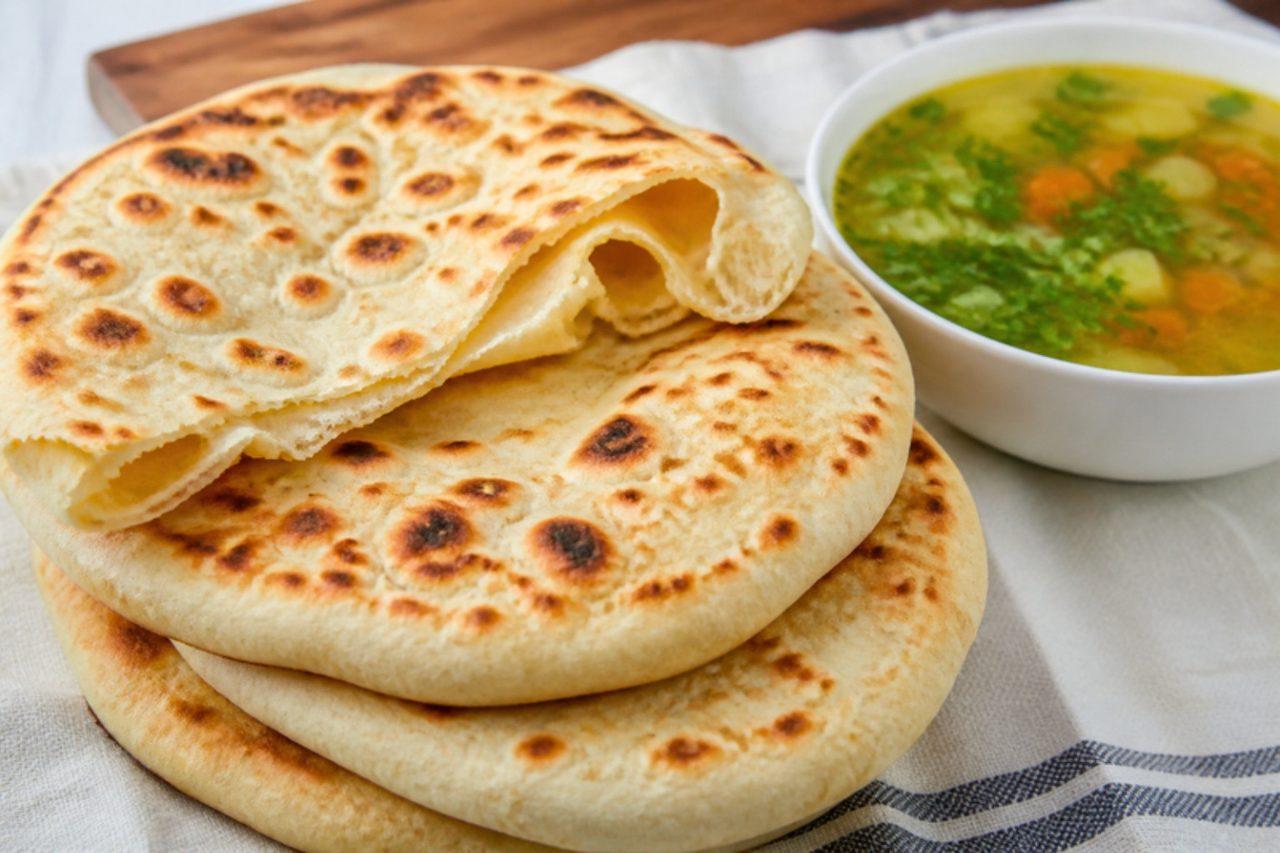
Saluf is the everyday bread of Yemenite Israelis, slapped onto a hot pan or taboon in Rosh HaAyin and Sha'arayim in Rehovot and eaten with marak temani, hilbe and zhug. It is soft and blistered, thicker than pita and with no pocket, made to tear and dunk. Home cooks often roll it too thin, which gives a cracker; it should be about 1 cm thick so it stays pillowy. Chef's tip: cook it under a lid on a very hot dry pan for the first minute, which traps steam and puffs it the way a taboon does.
 Israeli

DakjukChicken and rice porridge
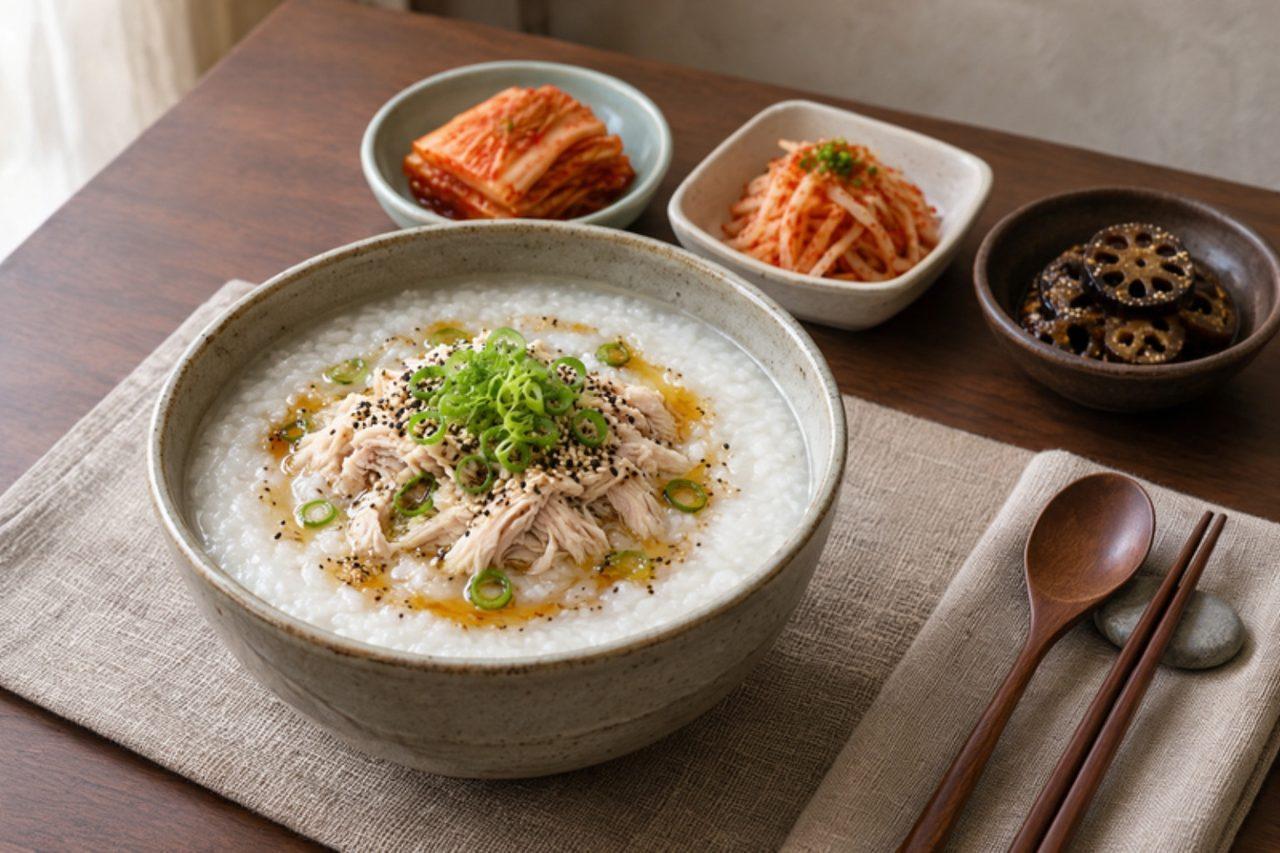
All over Korea, dakjuk is the bowl a mother makes on a cold morning or when someone is under the weather: chicken simmered with garlic and ginger, the meat pulled into shreds, and soaked rice cooked down in the broth until it turns into a soft, savoury porridge finished with sesame oil. It is eaten for breakfast or as a gentle lunch, with a little kimchi on the side. The usual mistake is boiling the chicken hard, which clouds the broth and toughens the meat; keep it at a lazy simmer. Chef's tip: fry the soaked rice in sesame oil for two minutes before the broth goes in, so the grains toast lightly and the porridge tastes nutty rather than flat.