
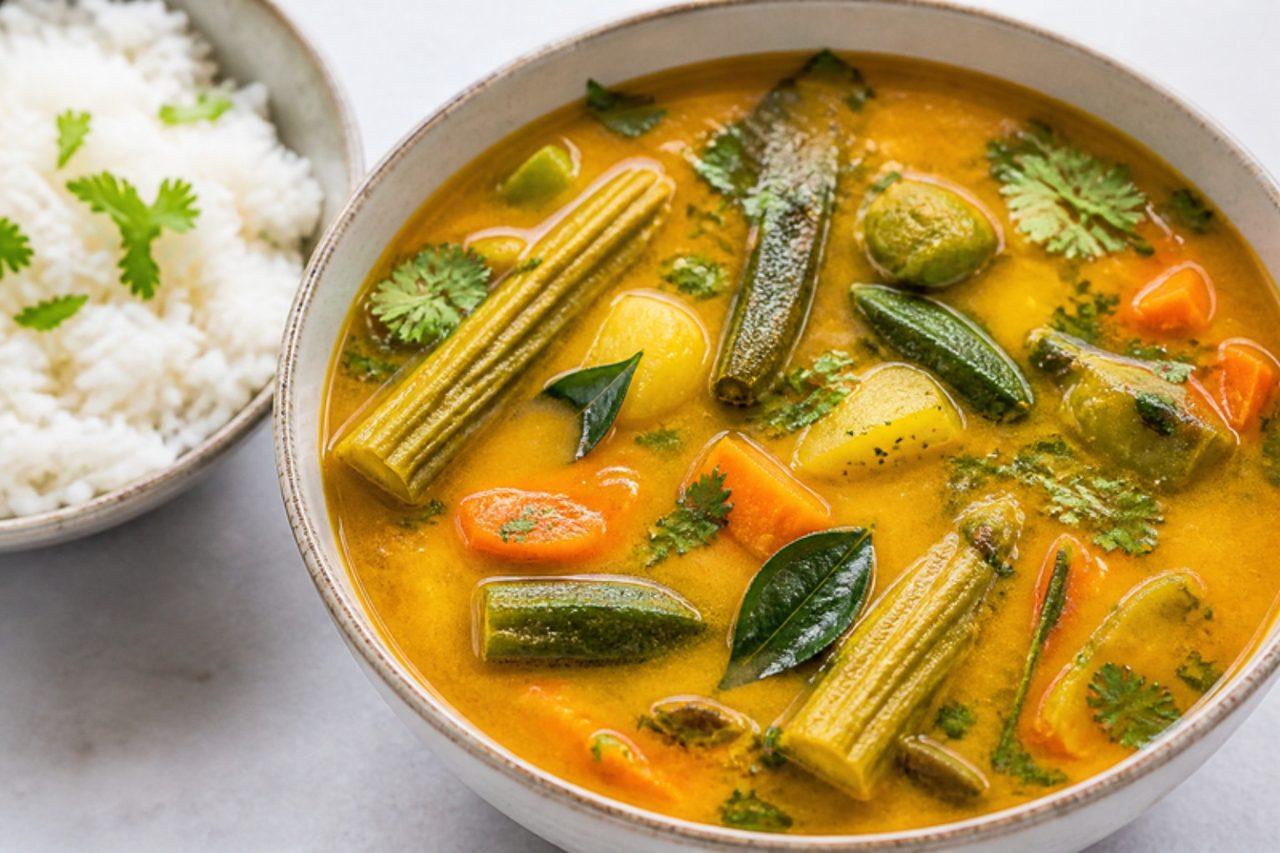
AI-generated image
Sindhi kadhi
Sindhi kadhi from Sindh: a sour gram flour and tamarind curry with drumsticks, okra and potatoes, no yogurt


Sindhi kadhi is the Sunday lunch of families from Sindh, served in Karachi and Hyderabad homes over plain rice with crisp fried potatoes on the side. Unlike the yogurt kadhis of Gujarat and Punjab it uses no dairy at all: gram flour is roasted in oil until it smells like toasted nuts, whisked into water with tamarind and tomato, and simmered with a crowd of vegetables, typically drumsticks, okra, cluster beans, potato and carrot. The result is thin, sour and gently hot, with a deep golden colour. The common mistake is rushing the roasting of the gram flour; pale flour leaves the whole pot tasting raw and pasty. Chef's tip: cook the drumsticks and potatoes first and add the okra only in the last 10 minutes so it stays whole and does not turn slimy.
- Total time
- 50 min
- Difficulty
- medium
- Serves
- 4
Ingredients
For the base
For the vegetables
To serve
Method
0/7 doneStep 1: Heat 4 tbsp sunflower oil in a large heavy pot over a medium heat. Add ½ tsp fenugreek seeds and 1 tsp cumin seeds and let them sizzle for 20–30 seconds, until the fenugreek turns reddish-brown (black means burnt and bitter).
1 minStep 2: Add 12 curry leaves, 3 green chillies and ½ oz fresh ginger; stand back as the leaves spit. Stir for 30 seconds.
Step 3: Lower the heat to medium-low and add 2 ½ oz gram flour (besan). Stir constantly for 8–10 minutes until it turns from pale yellow to a deep golden brown, smells like roasted peanuts and loosens into a sandy paste. Do not rush this; it is what makes the kadhi taste of Sindh rather than of raw flour.
10 minStep 4: Take the pot off the heat and pour in 5 cups water a ladle at a time, whisking hard after each so no lumps form. Return to a medium heat and add 2 tomatoes, ½ tsp ground turmeric, 1 tsp red chilli powder and 1 ½ tsp salt.
Step 5: Bring to the boil, stirring, then add 2 drumsticks (moringa pods), 2 potatoes, 1 carrot and 2 ⅞ oz cluster beans (guar). Simmer uncovered on a medium-low heat for 15 minutes, stirring now and then so nothing sticks.
15 minStep 6: Stir in 2 tbsp tamarind paste and 5 ½ oz okra and simmer for another 8–10 minutes, until the okra is tender but whole, the drumstick flesh is soft when you press a piece and the kadhi coats a spoon thinly. Taste: it should be clearly sour; add more tamarind or salt if needed.
10 minStep 7: Scatter over ⅓ oz fresh coriander. Serve hot over plain boiled rice, Sindhi style with crisp fried potato slices (aloo tuk) alongside. It thickens as it stands; loosen leftovers with a splash of hot water.
Nutrition per serving
- Calories
- 260 kcal
- Protein
- 7 g
- Carbs
- 30 g
- Fat
- 13 g
- Fibre
- 7 g
Nutrition values are estimates.
KrazyBadal
Good to know
- How long does sindhi kadhi take?
- About 50 minutes in total: 15 minutes to prepare and 35 minutes to cook.
- How many people does it serve?
- 4 as written. Change the servings above the ingredients and every amount scales to match.
- Is it vegan?
- Yes. It has no meat, fish, dairy or eggs.
- Is it gluten free?
- Yes, as written. Check the labels on stock, sauces and spice mixes, which sometimes contain gluten.
- What can I use instead of fenugreek seeds?
- Leave them out, or add a little extra mustard seed (you lose the slightly bitter, maple-like note).
- What can I use instead of cumin seeds?
- Ground cumin, three quarters of the amount (add it with the other ground spices, not to hot oil first).
Reviews
No reviews yet. Be the first to cook it.
Rate this recipe
Sign in to rate and review this recipe.
You might also like
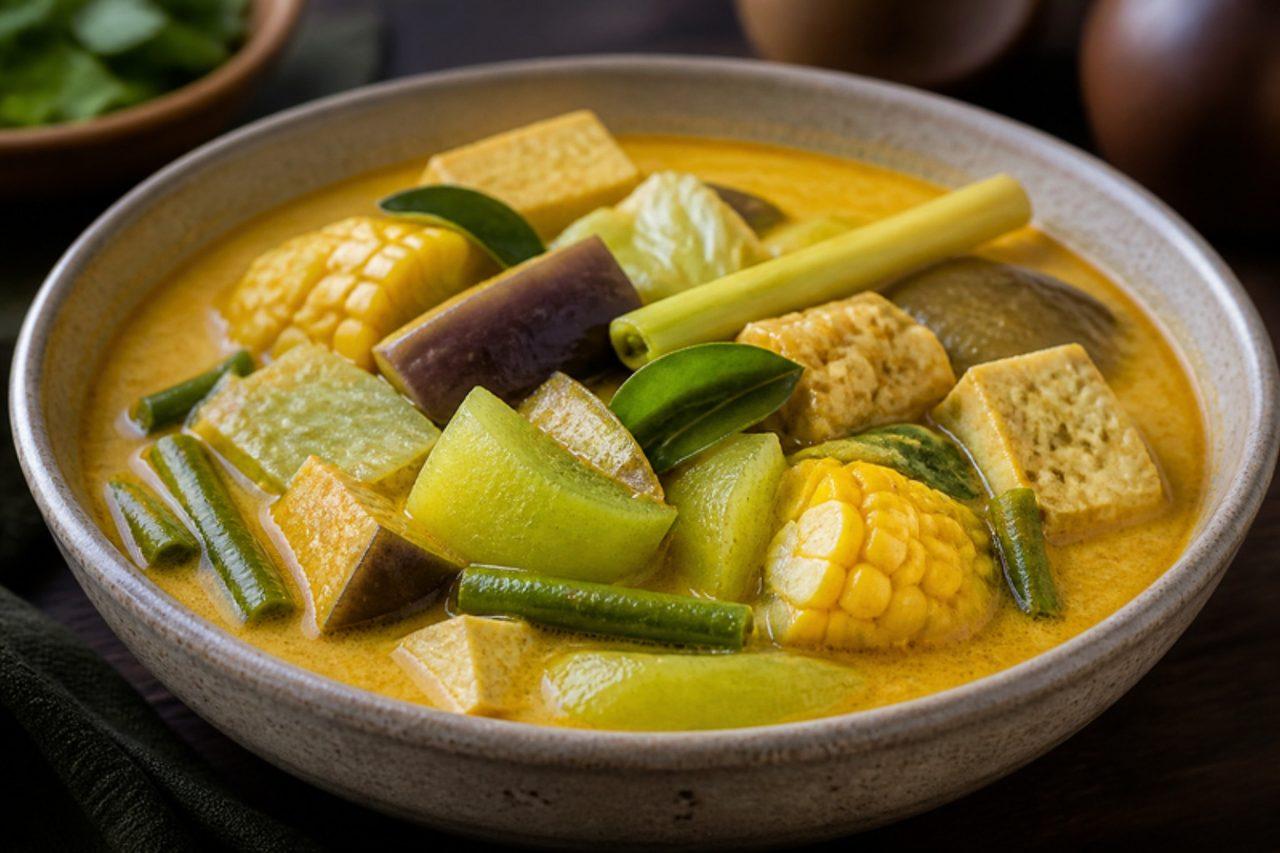
Sayur lodeh
Sayur lodeh is everyday cooking in Central Java, made in big pots in Solo and Semarang kitchens and ladled over rice, with lontong rice cakes at Lebaran, or alongside opor and sambal goreng on festive tables. It's soupy rather than thick: a fragrant broth of coconut milk, galangal, lemongrass and lime leaf that carries chunks of aubergine, long beans, chayote and sweetcorn, plus tempeh and tofu to make it a meal. The flavour is mellow and slightly sweet, so the heat comes from sambal on the side. Chef's tip: keep the pot at a gentle simmer once the coconut milk goes in and stir now and then — a rolling boil splits the coconut milk into oily curds.


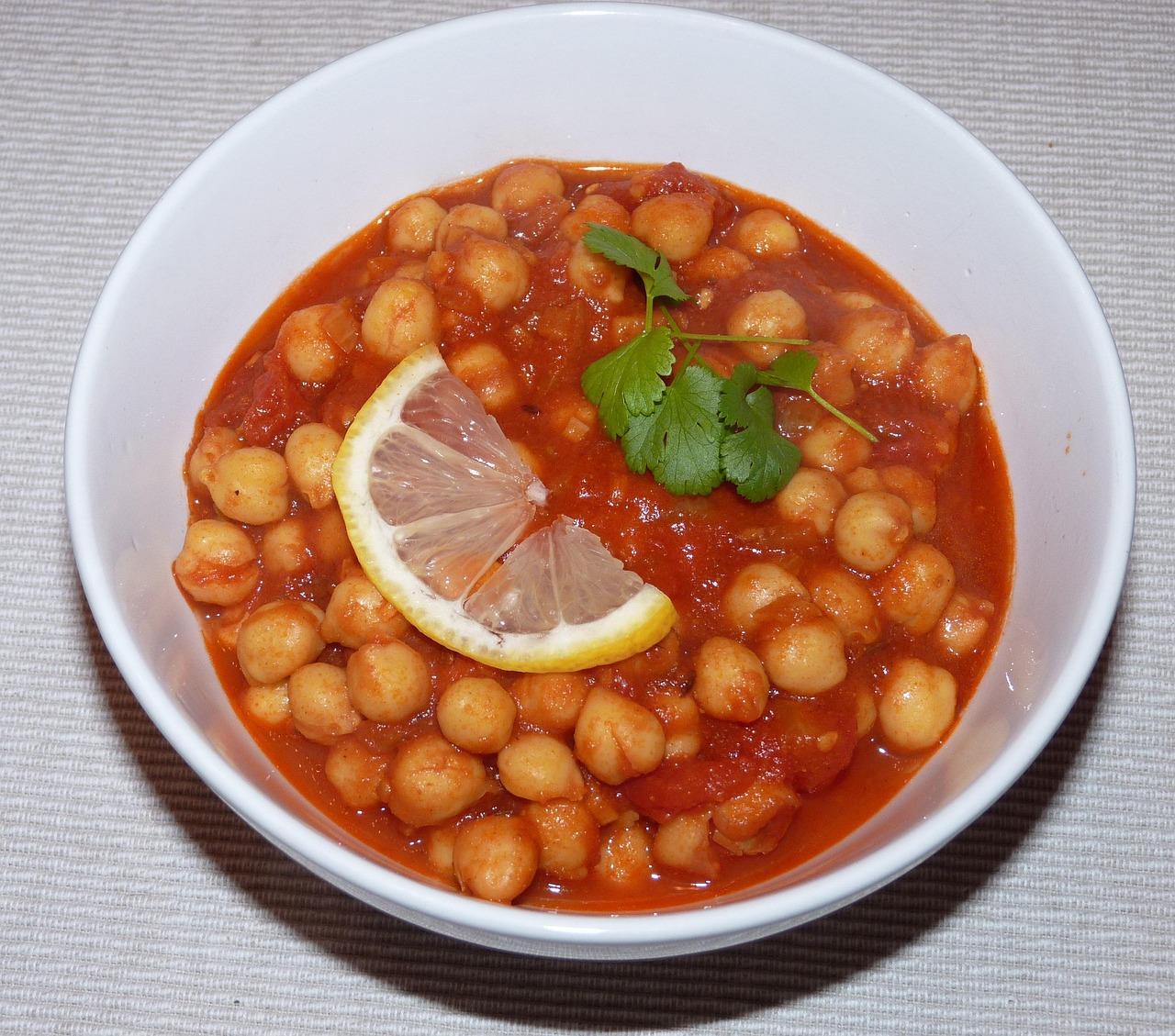
Chana masala
A North Indian staple that comes together from the store cupboard. Toasted cumin, slow-softened onion and a good spoonful of garam masala give tinned chickpeas real depth. Serve with rice, naan or a stack of warm rotis.

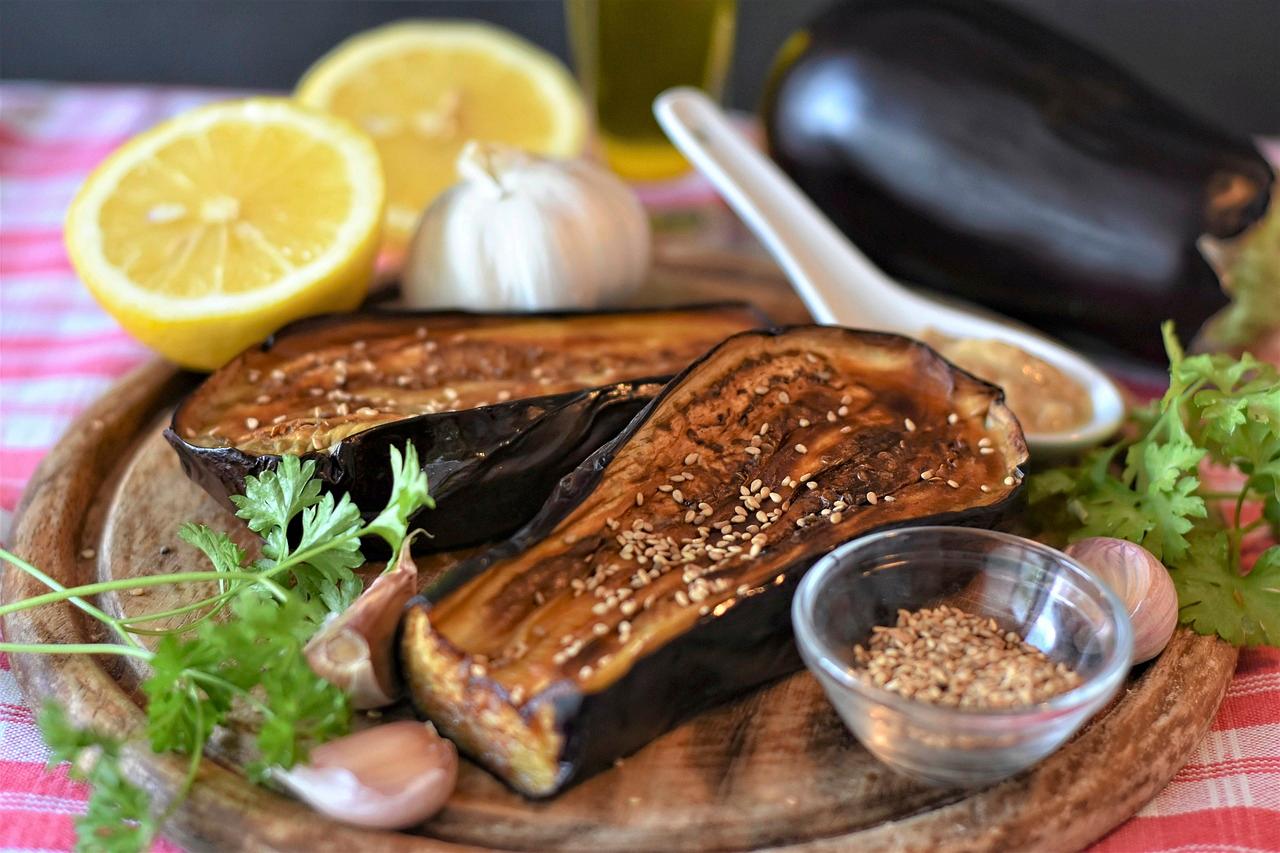
Smoky spiced aubergine
Whole aubergines charred over a flame until the skin blackens and the flesh turns soft and smoky, then chopped and tossed with onion, tomato, ginger, garlic and green chillies. A few black specks left in the flesh add to the smoky flavour. Serve hot with yogurt and millet rotla.
