
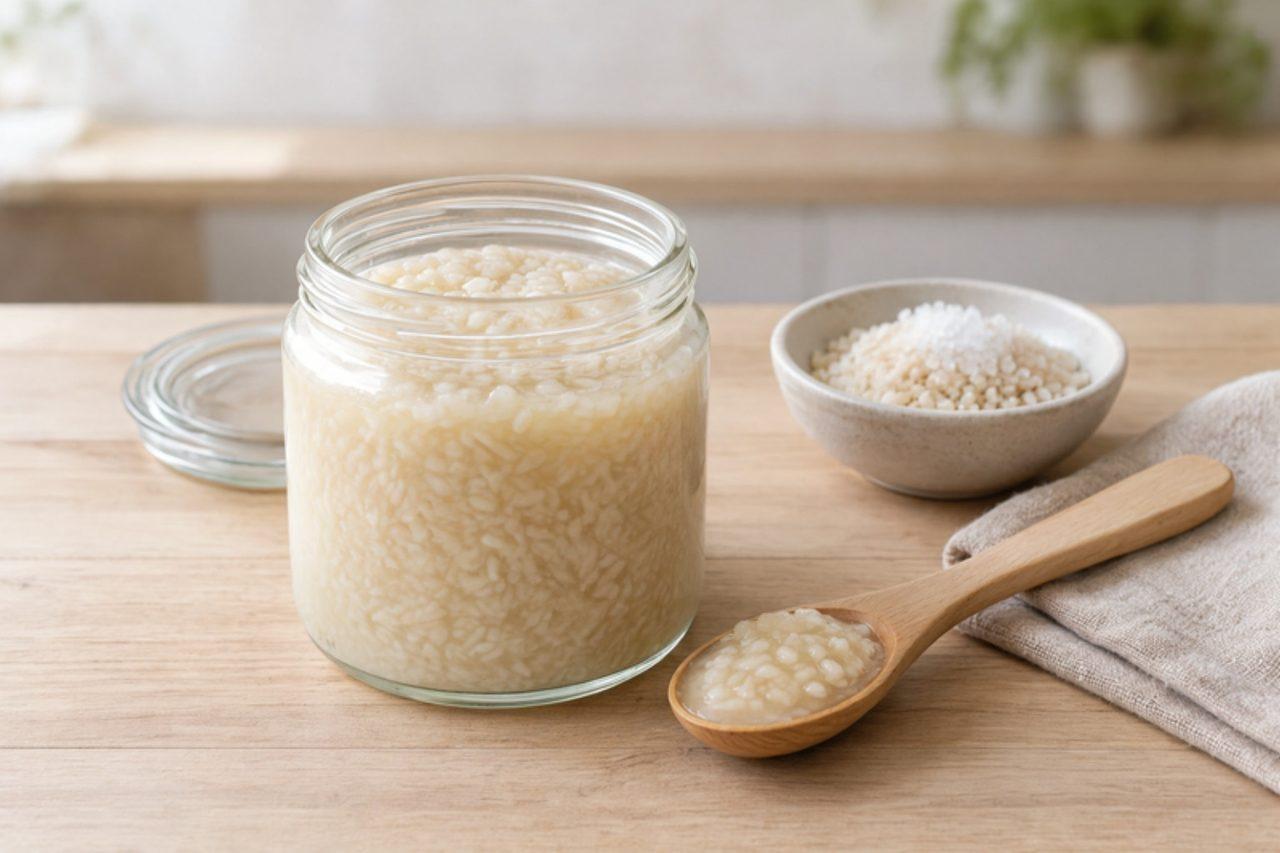
AI-generated image
Shio koji
塩麹: rice koji, salt and water stirred daily into a sweet-salty porridge that tenderises meat and seasons anything


Shio koji is an old Tohoku pickling medium that swept Japanese home kitchens in the 2010s and never left. Rice koji, the grains cultured with the mould that also makes miso and sake, is rubbed with salt, covered with water and left on the counter for a week. Its enzymes break down starch and protein, so the result is a pale, porridge-like seasoning that tastes salty, mildly sweet and deeply savoury, with a fruity, sake-like scent. Use it all year in place of salt: rub it over chicken, pork or fish (about 10% of the weight) the night before grilling, toss it with vegetables for a quick overnight pickle, or stir it into dressings and soups. The common mistake is too little water: the grains must stay just covered, or the top dries and can grow mould. Stir once a day with a clean spoon and top up with a little water if needed. It is ready when the grains crush easily between your fingers, the mixture is thick and creamy, and it smells sweet rather than raw. A faint alcohol smell is normal. Chef's tip: blend the finished shio koji smooth with a stick blender; it spreads more evenly on meat and won't burn in spots.
- Total time
- 15 min
- Difficulty
- easy
- Serves
- 24
Ingredients
- 7 oz rice kojifresh or dried
- 2 ⅛ oz fine sea salt
- 1 cup waterboiled and cooled, plus a little extra
Shop this recipe on Amazon
Spices & pantry
Links open Amazon in a new tab. As an Amazon Associate, WhatToEat.Today earns from qualifying purchases.
Method
0/6 doneStep 1: Clean the jar or container and lid: wash in hot soapy water, rinse, then dry in a 250°F oven for 10 minutes (or pour boiling water over and in it and air-dry upside down). Let it cool; it must be completely dry. A 500 ml jar is the right size.
Step 2: Crumble the 7 oz rice koji into a clean bowl, breaking up any clumps. Add 2 ⅛ oz fine sea salt and rub the two together between your palms for 2–3 minutes, until the grains feel moist and smell sweet.
5 minStep 3: Stir in the 1 cup water. The grains should be just covered; add a splash more if not.
2 minStep 4: Spoon into the clean jar and close the lid loosely (or cover with cloth and a rubber band). Leave at room temperature, 20–77°F, out of the sun.
2 minStep 5: Stir once a day with a clean spoon for 7–10 days (5–7 days in hot weather), topping up with a little cooled boiled water if the grains poke out. It is ready when the grains crush easily between your fingers and it is thick, creamy and smells sweet and savoury.
Step 6: Close the lid and refrigerate. Keeps 6 months in the fridge. Normal: a faint sake-like smell, darkening to light beige. Bad: fuzzy coloured mould, pink or black spots, a rotten or strongly sour smell; throw it away. Use about 1 tbsp per 150 g of meat, fish or vegetables.
Nutrition per serving
- Calories
- 20 kcal
- Protein
- 0 g
- Carbs
- 4 g
- Fat
- 0 g
- Fibre
- 0 g
Nutrition values are estimates.
KrazyBadal
Good to know
- How long does shio koji take?
- About 15 minutes in total.
- How many people does it serve?
- 24 as written. Change the servings above the ingredients and every amount scales to match.
- Is it vegan?
- Yes. It has no meat, fish, dairy or eggs.
- Is it gluten free?
- Yes, as written. Check the labels on stock, sauces and spice mixes, which sometimes contain gluten.
- Can I make it ahead?
- Yes. It keeps well, so you can cook it earlier in the day or the day before and reheat it.
Reviews
No reviews yet. Be the first to cook it.
Rate this recipe
Sign in to rate and review this recipe.
You might also like
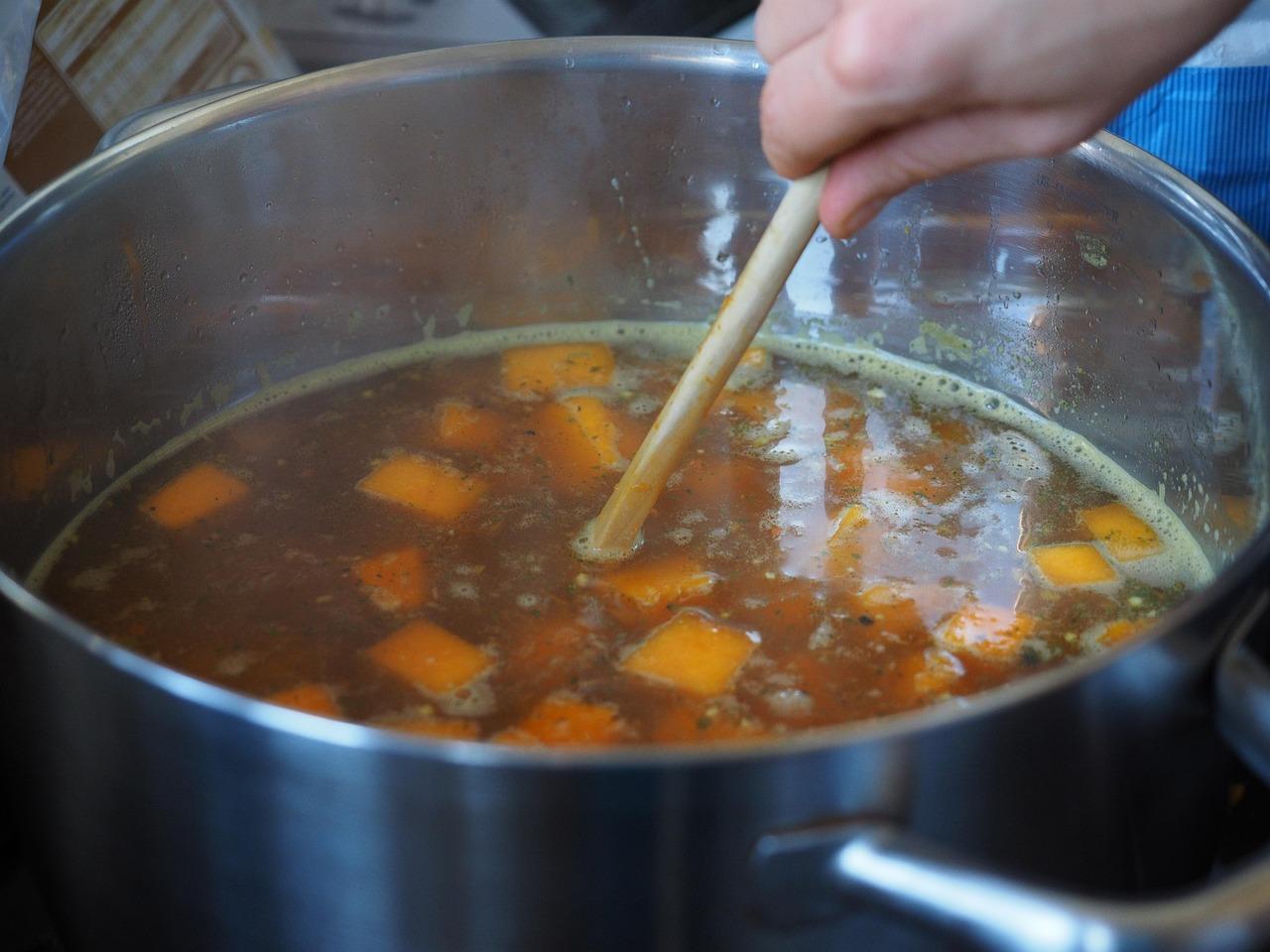
Vegetable brown stock
A hearty stock that's simmered for 2 hours, then blended and strained, so the potato gives it body. Its deeper flavour suits thick soups, gravies and stews. Freeze it in portions so it's ready when you need it.


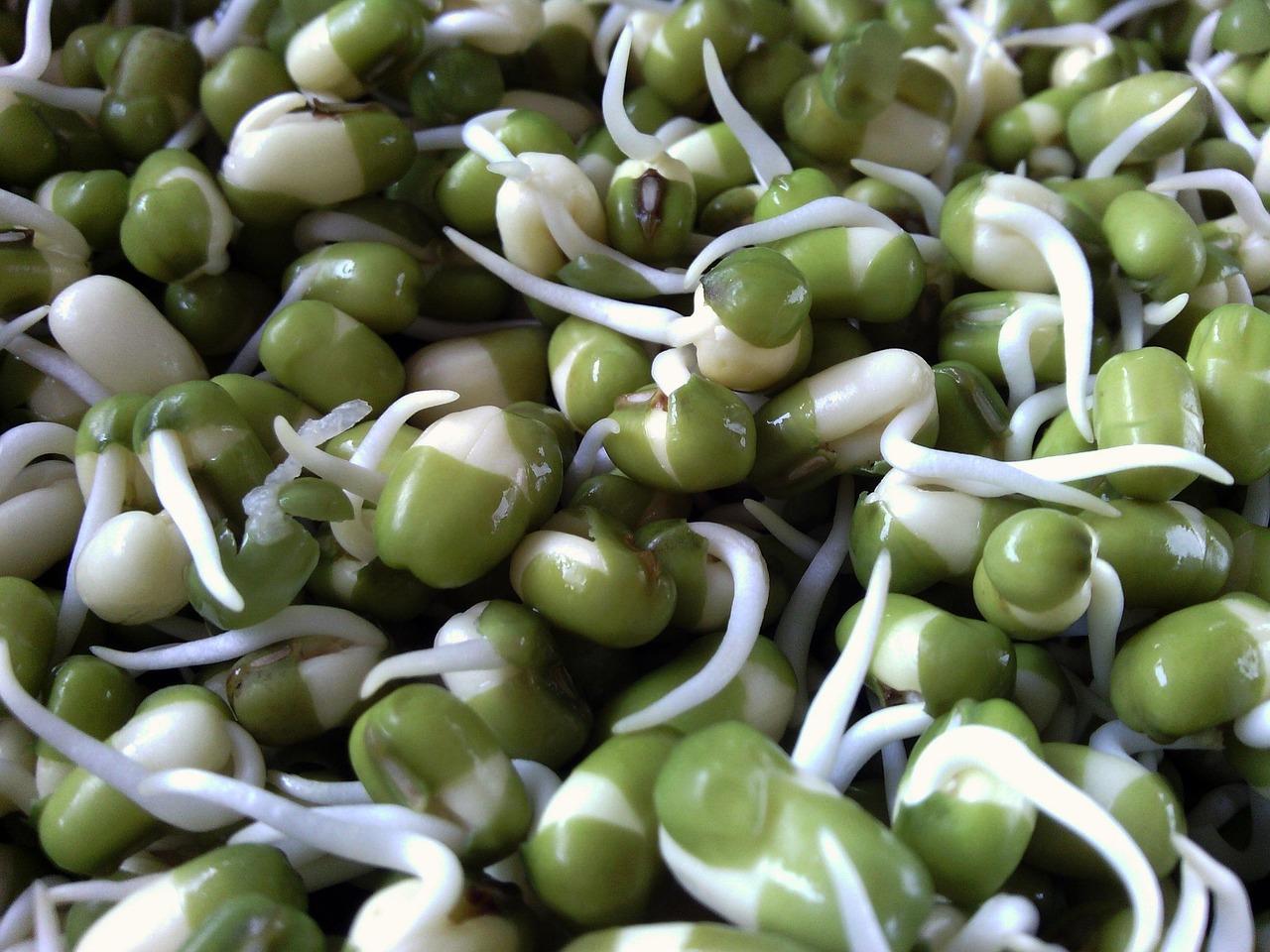
Bean sprouts
Sprouting whole green grams makes them crunchier, quicker to cook and more nutritious. All you need is muslin, water and a warm spot, and they're ready in 3–4 days. Use them in salads, bhel, usal and stir-fries. Any other whole pulse sprouts the same way.
 Indian
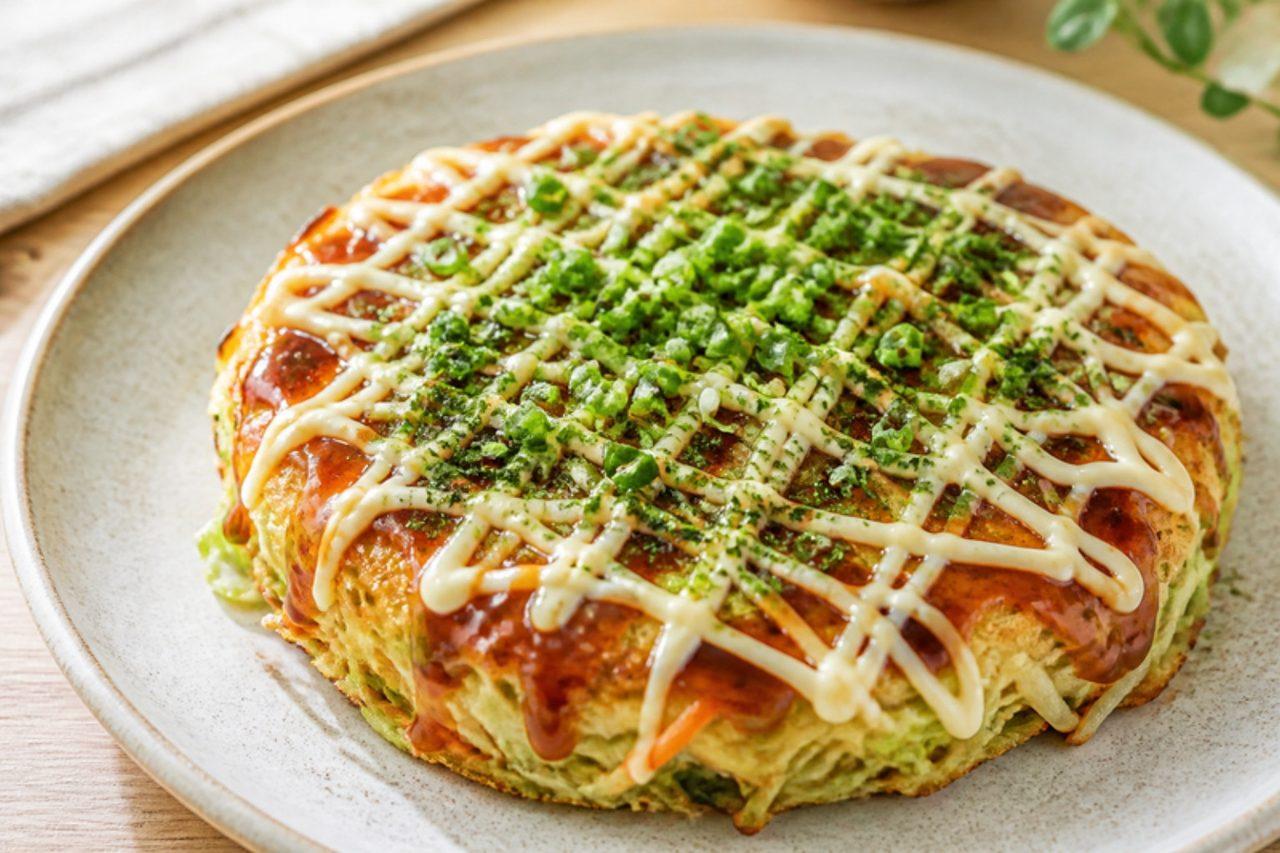
Okonomiyaki
Okonomiyaki (お好み焼き, 'grilled as you like it') is the pride of Osaka, where it's cooked on hot iron griddles in lively restaurants. Finely shredded cabbage is folded into a light batter with egg and spring onion, then fried into a thick, soft pancake with a crisp outside. It's painted with a fruity brown sauce and zigzagged with mayonnaise. Bonito flakes are usual on top; this vegetarian version uses seaweed flakes and pickled ginger instead. Chef's tip: don't press the pancake down with your spatula while it cooks. Osaka cooks leave it alone so the cabbage steams inside and stays light and fluffy; pressing squeezes out the air.