
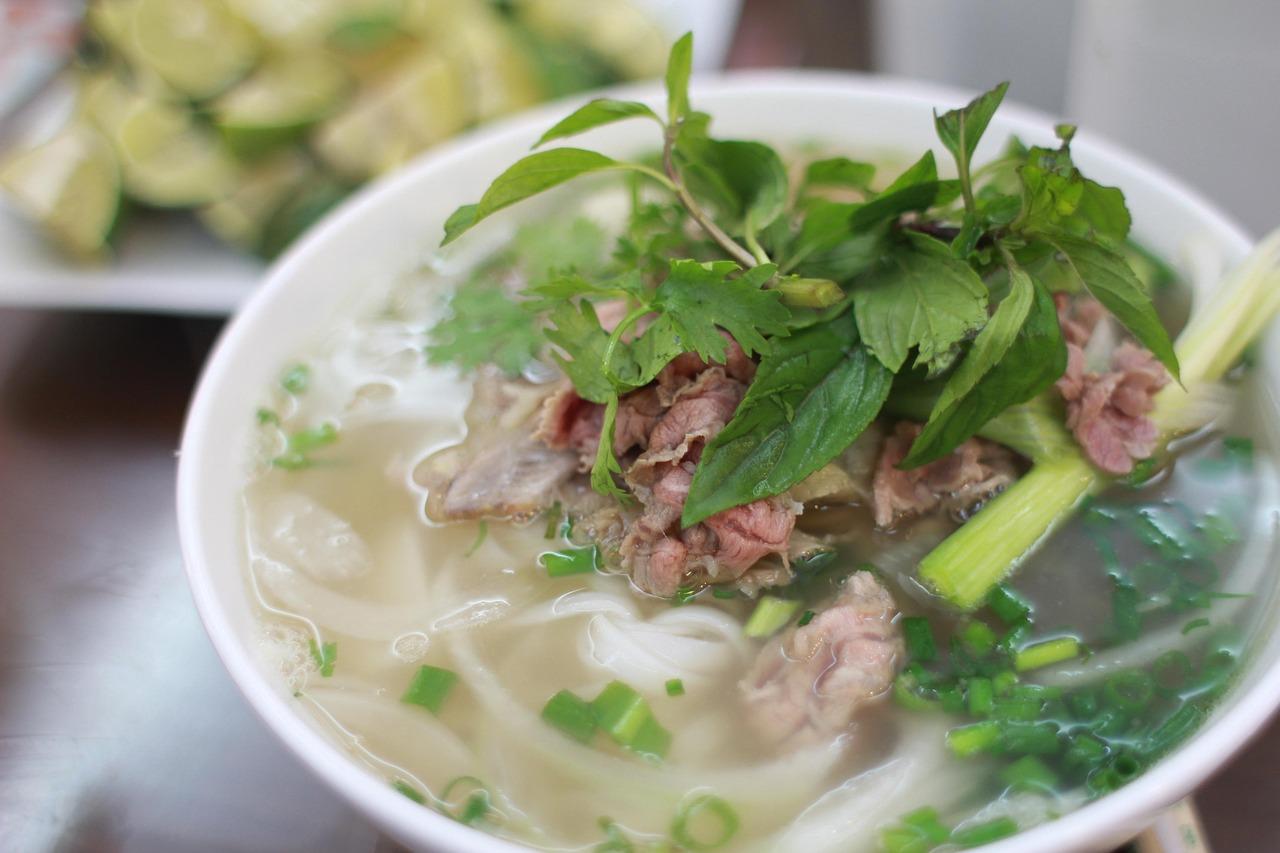
Pho bo
Phở bò: Hanoi beef noodle soup with charred ginger, star anise and paper-thin beef
Before Hanoi's offices open, pavement pho stalls are already busy, with diners on low plastic stools bent over bowls of rice noodles in a clear, spiced beef broth. The northern style is restrained: brisket and thin slices of raw beef that cook in the bowl, spring onion and a little coriander, with lime and chilli on the side rather than a heap of herbs and sauces. The work is in the broth, simmered slowly from bones with blackened onion and ginger and a small bag of toasted spices. Make it on a weekend; it keeps for three days and the bowls then take ten minutes. Chef's tip: char the onion and ginger until they are properly black in patches, because that smoky sweetness is what makes the broth taste of pho rather than plain beef stock.
- Total time
- 240 min
- Difficulty
- hard
- Serves
- 4
Ingredients
For the broth
For the bowls
To serve
Method
0/15 doneStep 1: Put the 3 ⅓ lb beef marrow and knuckle bones in your largest pot, cover with cold water and bring to the boil over a high heat. Boil hard until grey scum rises, then tip into a colander, rinse each bone under the tap and scrub the pot clean. Common mistake: skipping this blanching. The scum and blood then cloud the broth and it never turns clear.
15 minStep 2: Meanwhile char the 2 onions and 2 ⅞ oz fresh ginger directly over a gas flame with tongs, or cut side up under a very hot grill, turning now and then, until blackened in patches and softened at the edges. Cool slightly and rub off any loose, flaky skin.
10 minStep 3: Toast the 5 star anise, 1 cinnamon stick, 4 cloves, 1 black cardamom pod, 1 tsp coriander seeds and 1 tsp fennel seeds in a dry frying pan over a medium heat, shaking the pan, until fragrant and a shade darker. Tie them in a square of muslin or put them in a large tea infuser.
3 minStep 4: Return the bones to the clean pot with the 16 ¾ cups water, 1 ⅛ lb beef brisket and charred onion and ginger. Bring to the boil, then turn the heat down until only a few lazy bubbles break the surface. Skim off foam and fat with a ladle for the first 20 minutes.
25 minStep 5: Keep the broth at that gentle simmer, uncovered, until the brisket is tender when pierced with a skewer. A rolling boil at this stage would make the broth cloudy and greasy.
90 minStep 6: Lift out the brisket and drop it into a bowl of cold water for 10 minutes; this stops it darkening and drying. Drain, wrap and chill it so it slices neatly later.
Step 7: Keep simmering the bones for another hour. Add the spice bag for the last 40 minutes only; left in longer, the spices turn the broth bitter and medicinal.
60 minStep 8: Strain the broth through a fine sieve lined with kitchen paper into a clean pan. You should have about 2.5 litres; top up with hot water if it has reduced further. Stir in the 4 tbsp fish sauce, ⅔ oz rock sugar and 2 tsp salt, then taste: it should be savoury, gently sweet and a little saltier than you would drink on its own, as the noodles absorb seasoning.
Step 9: To make ahead, cool the broth quickly by standing the pan in a sink of cold water, then refrigerate within 2 hours. It keeps for 3 days. Lift off the solid fat before reheating.
Step 10: Freeze the 9 oz beef sirloin or eye of round for 30 minutes until firm, then slice it across the grain as thinly as you possibly can, 1–2 mm. Lay the slices on a plate, cover and keep in the fridge until the last moment. The slices must be very thin, because the broth is their only cooking.
30 minStep 11: Soak the 14 oz dried flat rice noodles (bánh phở) in warm water for 30 minutes while the beef firms up. Slice the cold brisket thinly across the grain.
Step 12: Bring a large pan of water to the boil. Cook the soaked noodles in batches for 30–60 seconds, until soft but still springy, then drain and divide among four deep, warmed bowls.
5 minStep 13: Bring the broth to a full rolling boil over a high heat and keep it there while you assemble. Top the noodles with brisket slices, then lay the raw sirloin slices flat on top in a single layer. Scatter over the ½ white onion, 4 spring onions and ½ oz fresh coriander.
5 minStep 14: Ladle the boiling broth straight over the raw beef, about 400 ml per bowl. The slices should turn from red to pale brown within seconds; push any pink pieces under the broth. For pregnant women, young children, older people or anyone with a weakened immune system, leave out the raw sirloin and use extra well-done brisket instead, or dip the raw slices in a ladle of the boiling broth for a minute until no pink remains.
Step 15: Serve at once with 2 limes, 2 red bird's eye chillies, 1 handful Thai basil and 5 ½ oz bean sprouts on a side plate. Hanoi diners keep sauces off the broth, but 4 tbsp hoisin sauce and 4 tbsp sriracha-style chilli sauce in a small dish for dipping the beef are welcome.
Nutrition per serving
- Calories
- 590 kcal
- Protein
- 42 g
- Carbs
- 78 g
- Fat
- 11 g
- Fibre
- 3 g
Nutrition values are estimates.
KrazyBadal
Good to know
- How long does pho bo take?
- About 240 minutes in total: 30 minutes to prepare and 210 minutes to cook.
- How many people does it serve?
- 4 as written. Change the servings above the ingredients and every amount scales to match.
- Can I make it ahead?
- Yes. It keeps well, so you can cook it earlier in the day or the day before and reheat it.
- What can I use instead of onions?
- 2 shallots per onion.
- What can I use instead of fresh ginger?
- ¼ tsp ground ginger per tbsp fresh (add it with the spices).
Reviews
No reviews yet. Be the first to cook it.
Rate this recipe
Sign in to rate and review this recipe.
You might also like
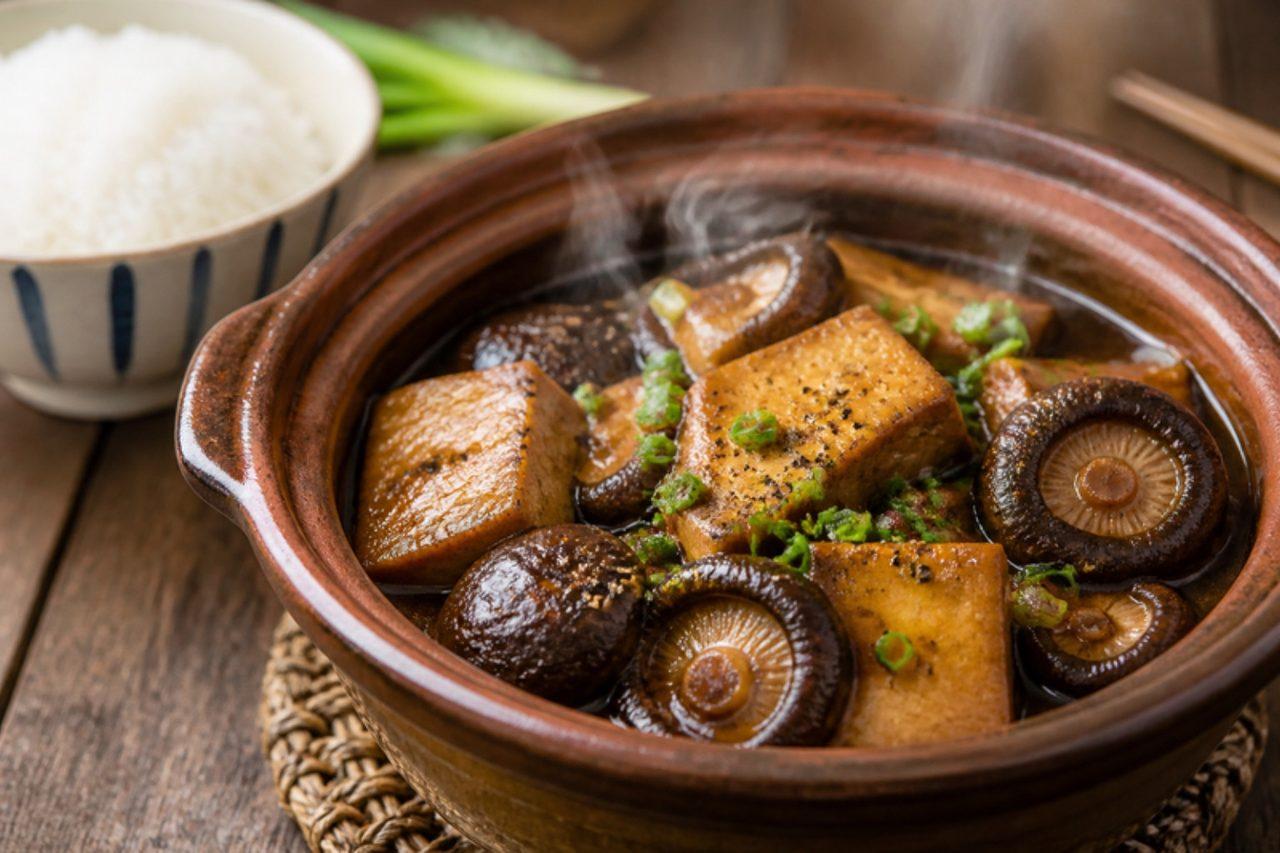
Caramelised clay-pot tofu and mushrooms
Kho is the slow braise of the Mekong Delta: food simmered in a little clay pot (nồi đất) with dark caramel and seasoning until the sauce is sticky and the flavours go deep. This vegetarian cousin of cá kho tộ (braised fish) uses golden tofu and meaty mushrooms in place of fish, cooked in coconut water, as cooks do in the south, and finished with plenty of black pepper. Serve it bubbling in its pot with steamed rice and a sour soup or plain boiled vegetables. Chef's tip: take the caramel (nước màu) to a deep mahogany, darker than you think, just before it smokes; pale caramel only tastes sweet, while dark caramel gives the bittersweet, smoky flavour of a real kho.

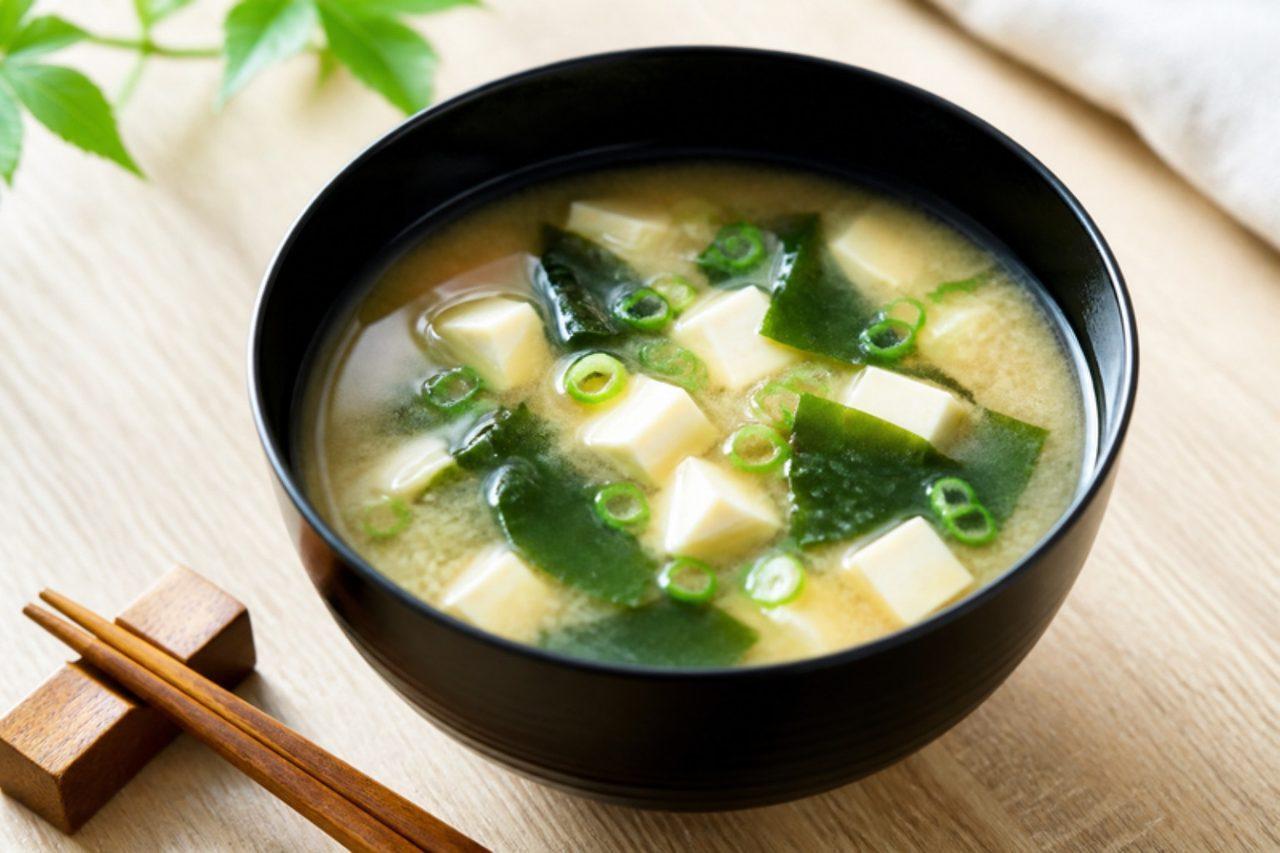
Miso soup
Miso soup (味噌汁) is drunk every day in homes all over Japan, at breakfast as well as dinner, beside a bowl of rice. The base is dashi; this vegan version uses kombu and dried shiitake instead of bonito, which gives it a deep, rounded flavour. Silken tofu and wakame seaweed are the classic fillings. It takes ten minutes; just remember not to boil the miso. Chef's tip: add the miso at the very end and never let it boil. Boiling kills the miso's fresh, fermented aroma; Japanese cooks say the soup should only 'smile', with the surface barely trembling.
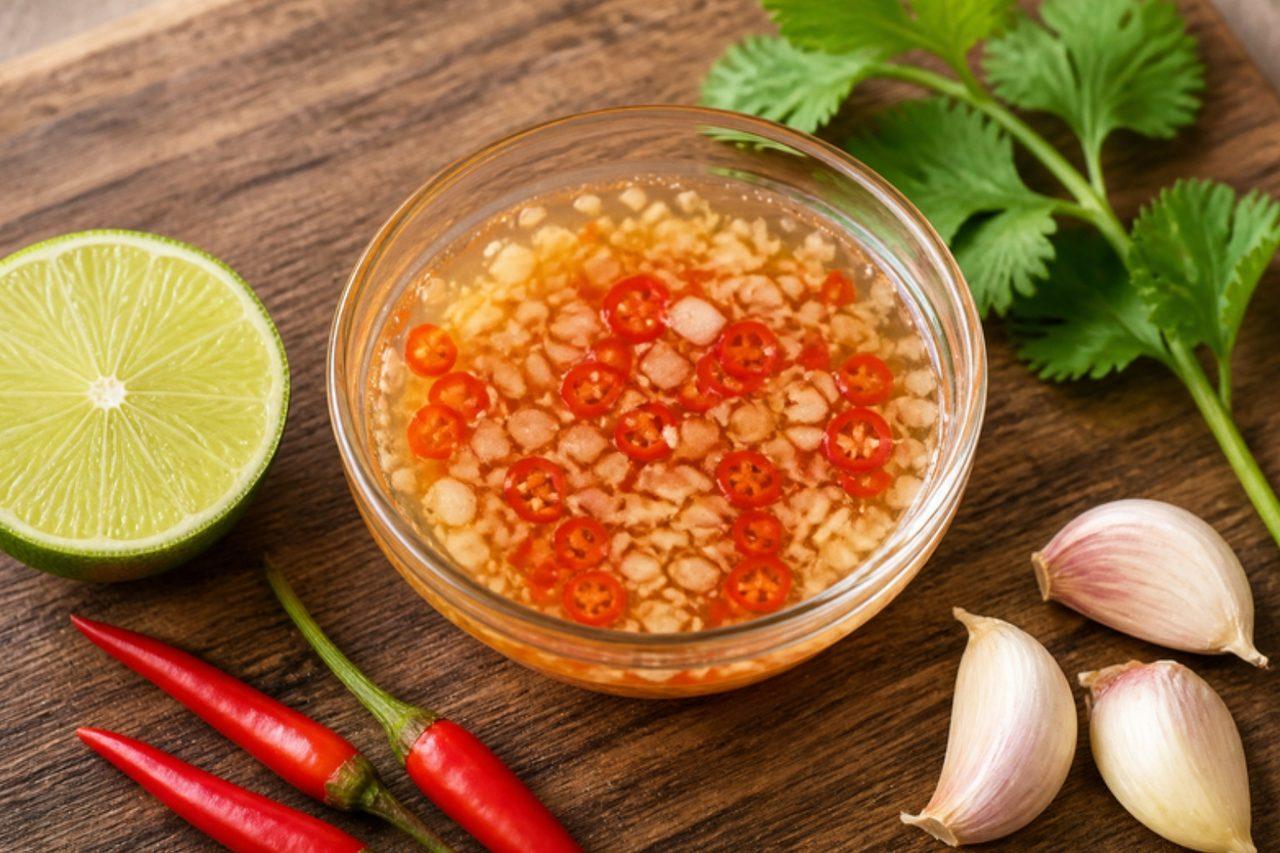
Vegan nuoc cham
Nước chấm is the dipping sauce that goes with almost everything in Vietnam: spring rolls, bánh xèo, noodle salads and broken rice. Buddhist vegetarian cooks, all over the country, make it without fish sauce, using light soy sauce and a little coconut water for the deep, rounded taste. It should be thin, clear and pale amber, with flecks of garlic and chilli floating on top. Chef's tip: dissolve the sugar in the warm water first, then add the lime and soy, and stir in the garlic and chilli last, pounded with a pinch of sugar, so they float on the surface instead of sinking.