
AI-generated image
Pamonha
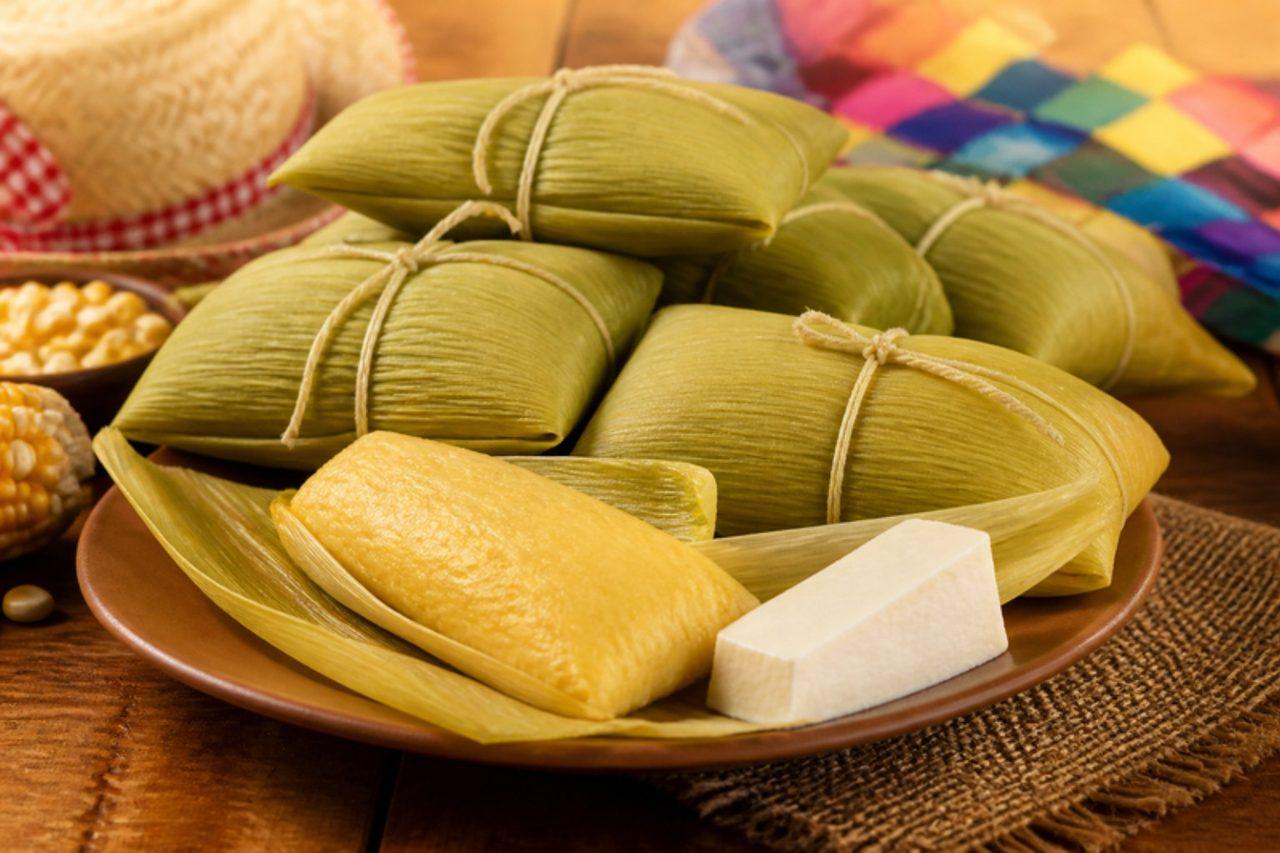
Pamonha: fresh grated corn with milk and sugar, tied in corn husks and boiled, with Goiás's savoury cheese version


Corn season in Goiás and across the Northeast means pamonharias, roadside shops where pamonha comes out of huge steaming pots all afternoon, and in June it is one of the anchors of the festa junina table. Freshly grated green corn is mixed with milk and sugar, wrapped in its own husks, tied and boiled until it sets into a soft, sweet, slightly chewy parcel that smells of fresh corn. The Goiás way is also savoury, with salt instead of most of the sugar and cubes of cheese inside; that option is in the last step. Traditional queijo minas or curd cheese is often made with animal rennet, so pick a vegetarian cheese made with microbial rennet. Serve hot, with coffee, or with butter melting on top. The usual mistake is using mature, starchy supermarket corn or tinned kernels: the mixture will not set properly and the flavour is flat. Chef's tip: use corn so young that a fingernail pressed into a kernel squirts milky juice, and save every intact husk for wrapping.
- Total time
- 90 min
- Difficulty
- medium
- Serves
- 12
Ingredients
For the pamonha
For tying and cooking
Savoury Goiás option
Shop this recipe on Amazon
What you'll need
Spices & pantry
Fresh ingredients (4)
Links open Amazon in a new tab. As an Amazon Associate, WhatToEat.Today earns from qualifying purchases.
Method
0/7 doneStep 1: Cut the stem end off each of 12 fresh green corn on the cob just above the base so the husks loosen. Peel off the husks carefully, keeping the large inner ones whole; pull off the silk. Rinse the husks and set aside.
Step 2: Grate the cobs on the coarse side of a box grater into a large bowl, then scrape each cob with the back of a knife to get the milky pulp. You should have about 1 kg.
Step 3: Blend the grated corn with 1 cup whole milk in 2–3 batches until fairly smooth, then pass through a coarse sieve, pressing well; this gives the smoothest pamonha. Stir in 5 ½ oz sugar, 1 ⅜ oz butter and ½ tsp salt.
Step 4: Make the bags: take two husks, overlap them lengthways with the smooth sides inwards, and fold up the narrow end by about 5 cm to make a pocket. Tie the folded end with one of the pieces of 12 pieces kitchen string.
Step 5: Hold a bag upright and fill it two-thirds with the corn mixture. For the savoury version, drop in 2–3 cubes of 7 oz fresh white cheese. Fold the open end over and tie tightly so nothing leaks.
Step 6: Bring 21 cups water to a rolling boil in a large pot. Lower the pamonhas in one by one so the water keeps boiling, which stops them from leaking.
10 minStep 7: Boil, uncovered, for 40 minutes, until the husks turn dull olive and a pamonha feels firm when pressed. Lift out with tongs and drain for 5 minutes before serving, so it can set.
40 min
Nutrition per serving
- Calories
- 210 kcal
- Protein
- 5 g
- Carbs
- 38 g
- Fat
- 5 g
- Fibre
- 3 g
Nutrition values are estimates.
KrazyBadal
Good to know
- How long does pamonha take?
- About 90 minutes in total: 50 minutes to prepare and 40 minutes to cook.
- How many people does it serve?
- 12 as written. Change the servings above the ingredients and every amount scales to match.
- Is it vegetarian?
- Yes. It has no meat or fish.
- Is it gluten free?
- Yes, as written. Check the labels on stock, sauces and spice mixes, which sometimes contain gluten.
- What can I use instead of whole milk?
- Semi-skimmed milk with 1 tbsp cream per 240ml (1 cup).
- What can I use instead of sugar?
- Caster sugar, same amount.
Reviews
No reviews yet. Be the first to cook it.
Rate this recipe
Sign in to rate and review this recipe.
You might also like
Coastal Mombasa mix
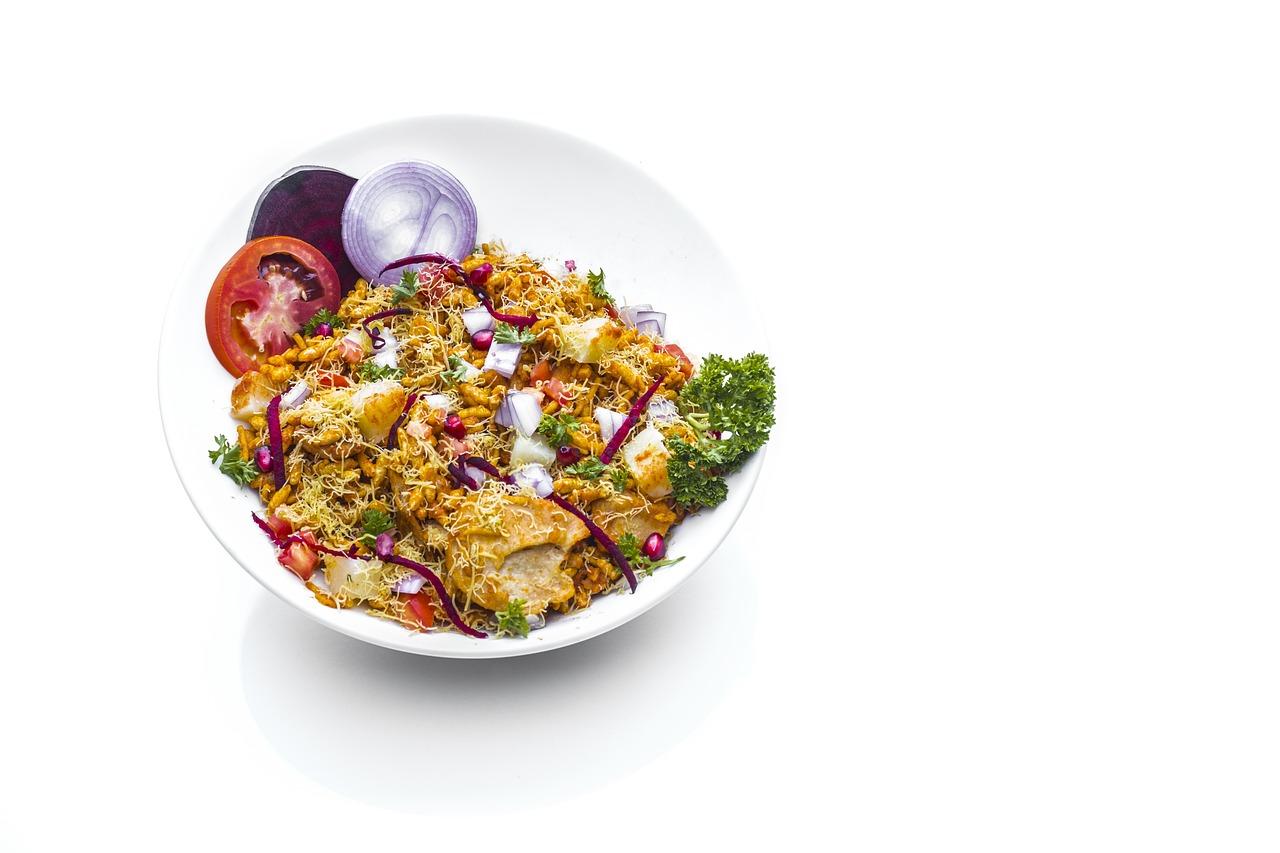
A Mombasa street-food bowl: chickpeas and potato simmered in coconut milk with raw mango and chilli, ladled into small bowls and topped with crisp lentil fritters, crunchy chevdo and red, green and tamarind chutneys. Make the fritters and chevdo ahead and assemble at the table. It's sweet, sour, hot and crunchy all at once.

Okonomiyaki
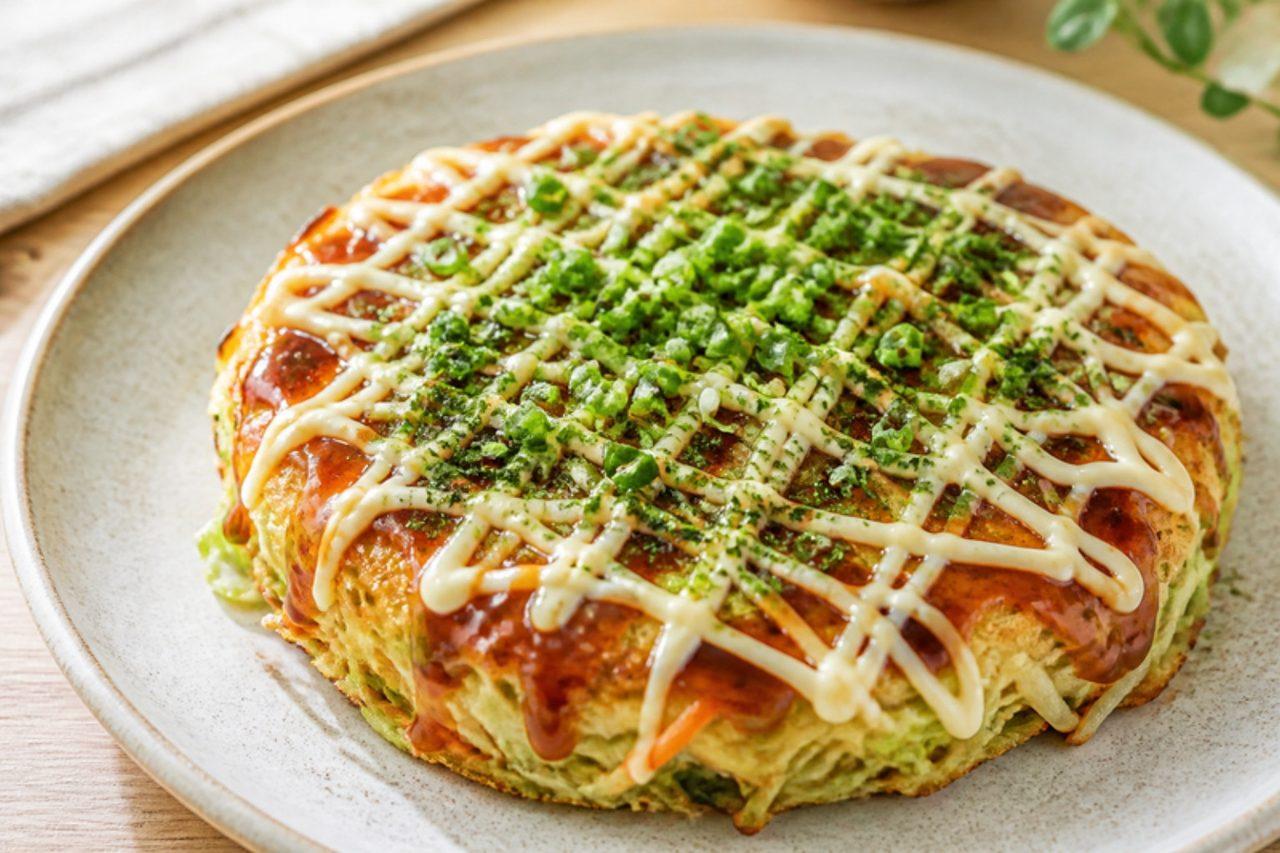
Okonomiyaki (お好み焼き, 'grilled as you like it') is the pride of Osaka, where it's cooked on hot iron griddles in lively restaurants. Finely shredded cabbage is folded into a light batter with egg and spring onion, then fried into a thick, soft pancake with a crisp outside. It's painted with a fruity brown sauce and zigzagged with mayonnaise. Bonito flakes are usual on top; this vegetarian version uses seaweed flakes and pickled ginger instead. Chef's tip: don't press the pancake down with your spatula while it cooks. Osaka cooks leave it alone so the cabbage steams inside and stays light and fluffy; pressing squeezes out the air.
 Japanese
Masala khakhra
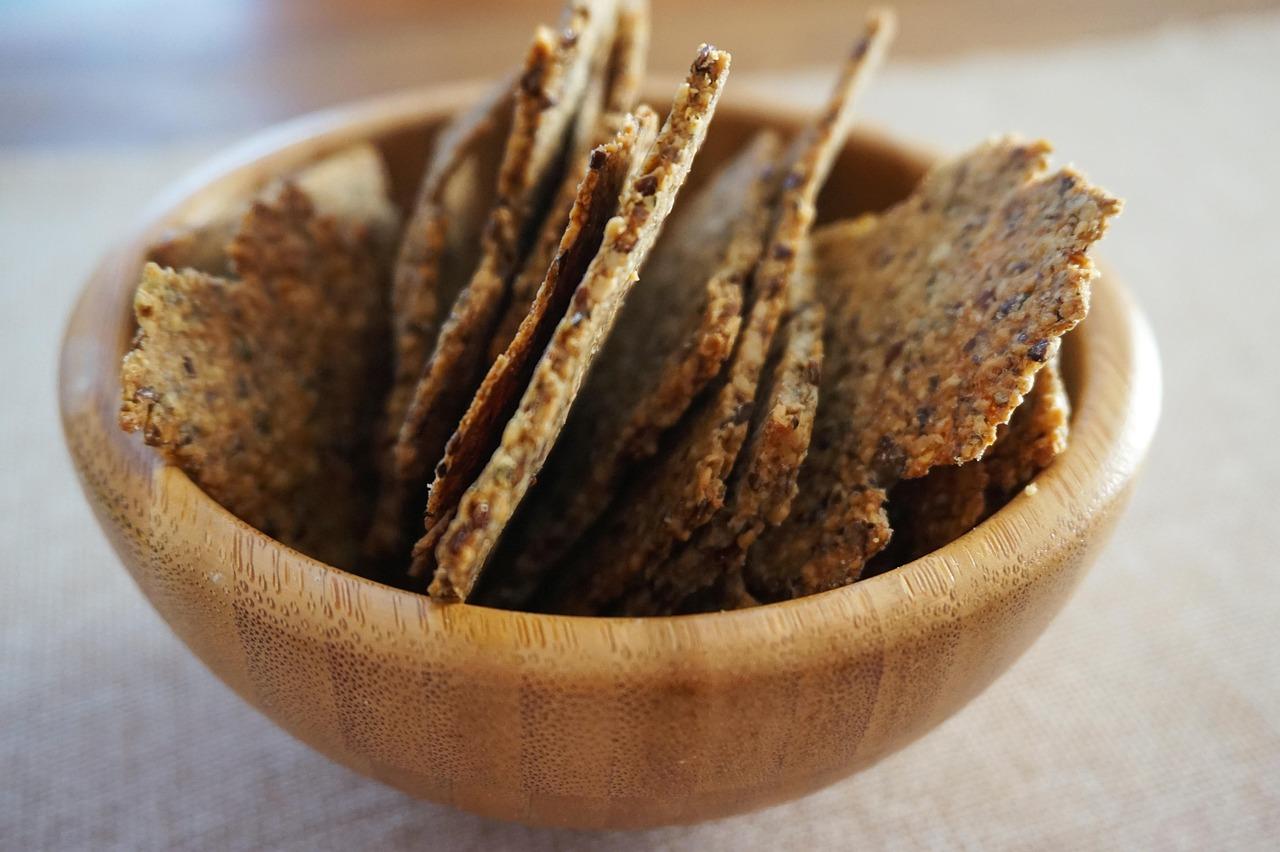
Khakhra are thin chapaties roasted slowly on a griddle until they turn crisp, like a cracker. This masala version adds gram flour, fresh fenugreek, turmeric and chilli to the wheat dough. They are a light Gujarati breakfast or tea-time snack, and lovely with pickle, chutney or a smear of butter. You can also make them in a roti maker.
 Indian
