
AI-generated image
Okpa (Bambara nut pudding)
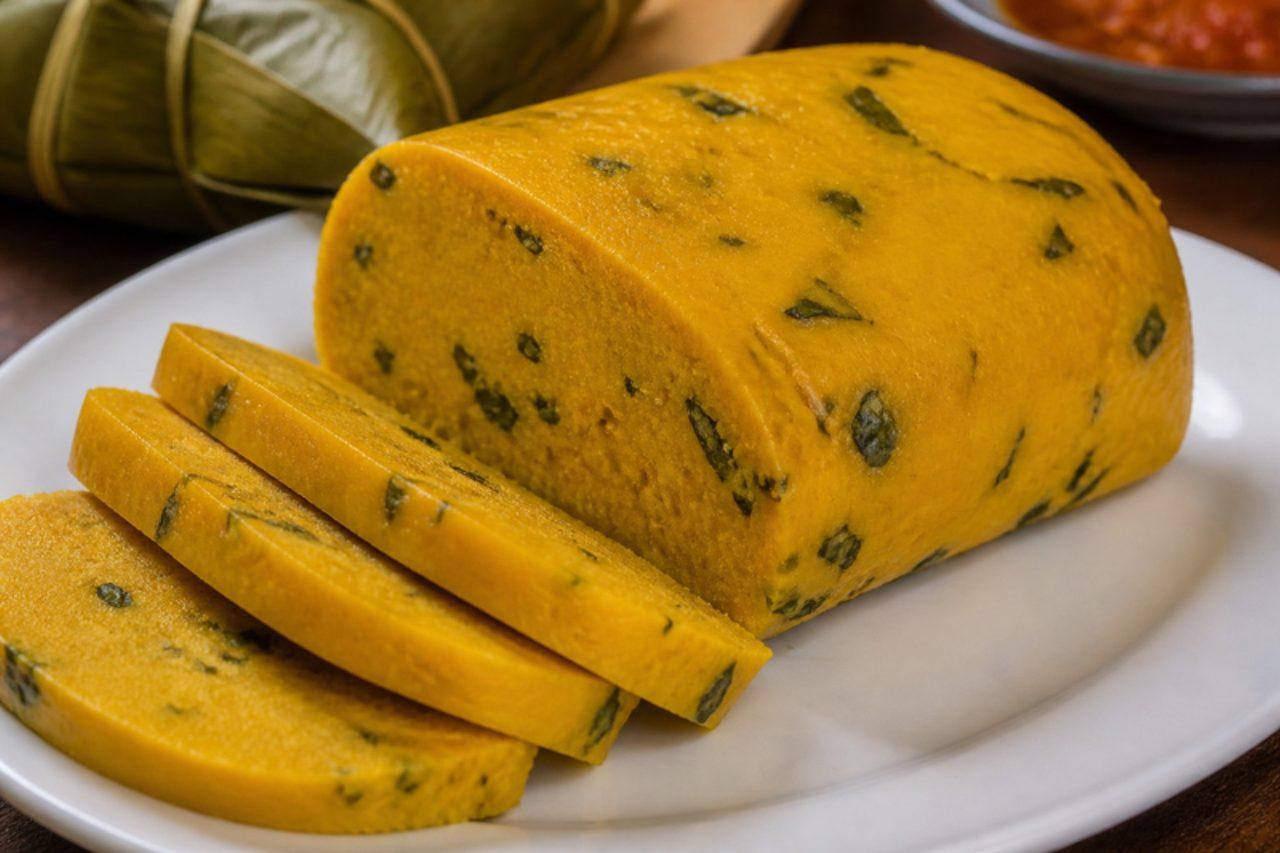
Okpa: Enugu's breakfast pudding of Bambara nut flour, palm oil and pepper, steamed in leaves


Early in the morning in Nsukka and Enugu, sellers set out wheelbarrows piled with steaming okpa wrapped in leaves or cooked in small tins, and students and workers eat it standing up with a bottle of cold drink or a cup of pap. It is made from Bambara nut flour beaten with palm oil, warm water, pepper and salt into a bright orange batter and steamed until it sets into a firm, dense pudding with a nutty, earthy taste. It is filling and naturally high in protein. Bambara nut flour is sold in African shops as okpa flour. Undercooked okpa tastes raw and bitter and is hard to digest, so steam until a knife comes out clean. A common mistake is a batter that is too thick, which steams into a hard, dry block instead of a soft-set pudding. Chef's tip: mix the oil into the dry flour before adding any water; it keeps the batter smooth and gives okpa its even colour.
- Total time
- 95 min
- Difficulty
- medium
- Serves
- 6
Ingredients
- 1 ⅛ lb Bambara nut powdersold as okpa flour
- ½ cup red palm oil
- 3 ¼ cups warm waterabout
- 1 ½ tsp salt
- 1 tsp ground dried chilli
- 1 vegetable stock cubecrumbled
- 6 banana leavesor foil, or small heatproof tins
Shop this recipe on Amazon
Fresh ingredients (1)
Links open Amazon in a new tab. As an Amazon Associate, WhatToEat.Today earns from qualifying purchases.
Method
0/6 doneStep 1: Put 1 ⅛ lb Bambara nut powder in a large bowl and pour in ½ cup red palm oil. Rub it through with your fingers until the flour is evenly orange and there are no oily lumps.
3 minStep 2: Add 1 ½ tsp salt, 1 tsp ground dried chilli and 1 vegetable stock cube, then pour in 3 ¼ cups warm water gradually, whisking, until you have a smooth batter about as thick as pancake batter. Leave it to rest for 10 minutes so the flour absorbs the water.
12 minStep 3: Soften 6 banana leaves briefly over a flame or in hot water. Fold each into a cone or pouch, ladle in the batter and fold to seal tightly. Or fill greased tins two-thirds full and cover with foil.
Step 4: Stand the parcels in a large pot on a rack or on a layer of leaf scraps, pour in boiling water to come a third of the way up, cover tightly and steam over a medium heat.
5 minStep 5: Steam for 1 hour–1 hour 15 minutes, topping up with boiling water, until the okpa is firm, has darkened to a deep orange-brown and a knife pushed into the centre comes out clean.
70 minStep 6: Rest for 5 minutes, unwrap and serve warm. Leftovers keep in the fridge for 2 days and reheat by steaming.
5 min
Nutrition per serving
- Calories
- 480 kcal
- Protein
- 17 g
- Carbs
- 48 g
- Fat
- 24 g
- Fibre
- 8 g
Nutrition values are estimates.
KrazyBadal
Good to know
- How long does okpa (Bambara nut pudding) take?
- About 95 minutes in total: 20 minutes to prepare and 75 minutes to cook.
- How many people does it serve?
- 6 as written. Change the servings above the ingredients and every amount scales to match.
- Is it vegan?
- Yes. It has no meat, fish, dairy or eggs.
- Is it gluten free?
- Yes, as written. Check the labels on stock, sauces and spice mixes, which sometimes contain gluten.
- Can I make it ahead?
- Yes. It keeps well, so you can cook it earlier in the day or the day before and reheat it.
Reviews
No reviews yet. Be the first to cook it.
Rate this recipe
Sign in to rate and review this recipe.
You might also like
Bsissa
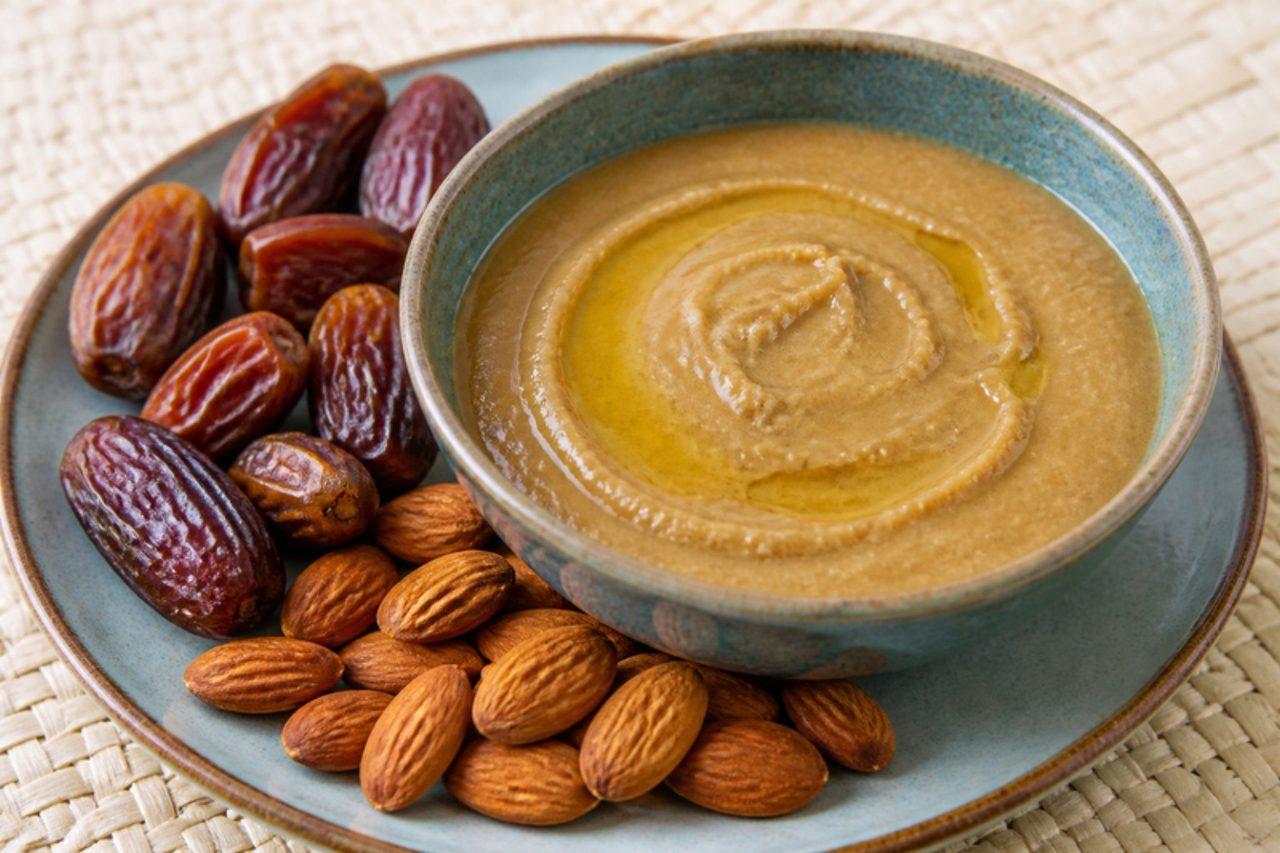
A tin of bsissa sits in many Tunisian kitchen cupboards, from Tunis flats to farmhouses in the south: a finely ground flour of roasted barley, roasted chickpeas and spices such as coriander, fennel and aniseed. In the morning a few spoonfuls are worked with olive oil and something sweet into a nutty, crumbly paste, or stirred with water into a thick drink, and it keeps you going until lunch. Travellers and pilgrims once carried it for the road. Roasting your own flour takes 15 minutes and makes a jar that lasts weeks. Sugar and dates keep it vegan; some families use honey. Chef's tip: roast the flours separately over a low heat and stir constantly; the moment they smell like toasted biscuits and turn light tan, tip them out of the pan.
 Tunisian

Sabudana khichdi
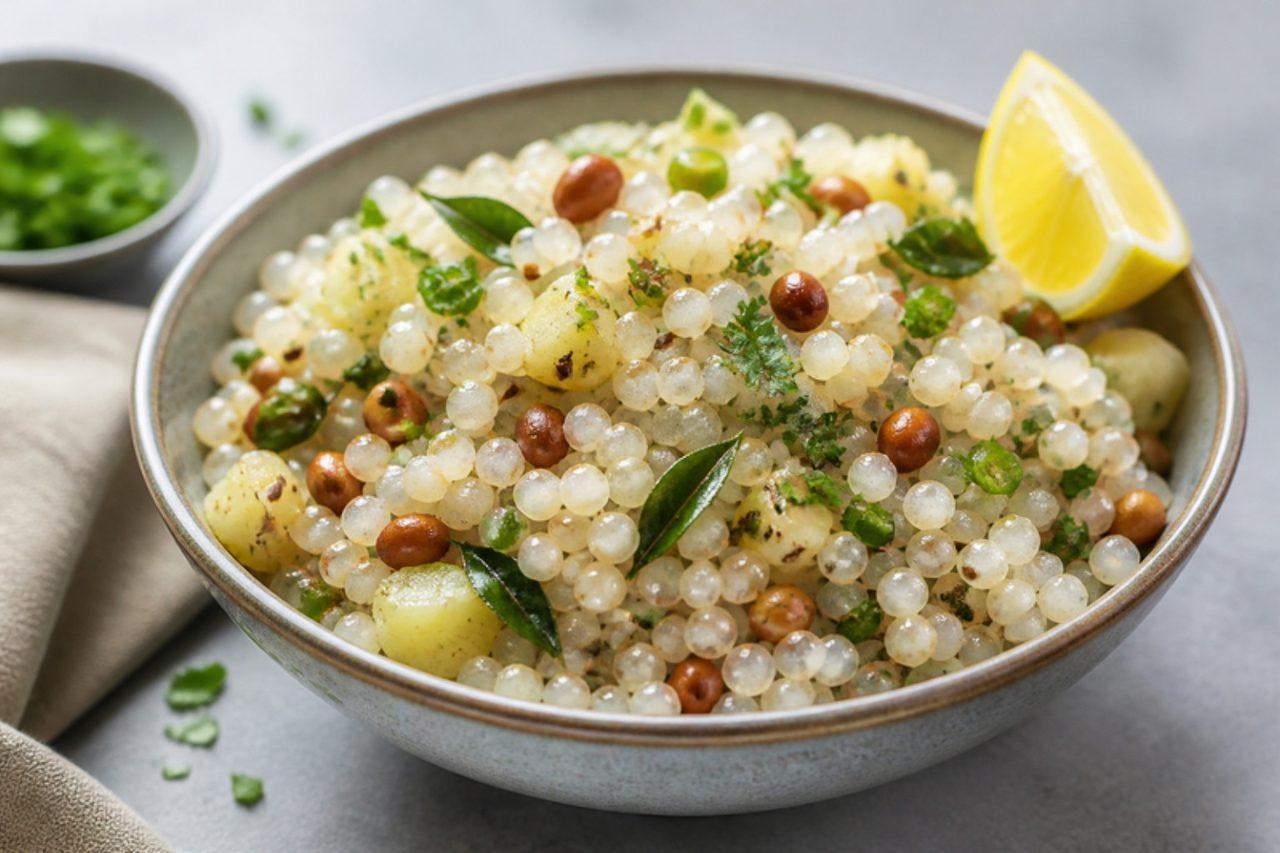
Sabudana khichdi is the dish that sees Maharashtra through every vrat (fast), from Navratri to Ekadashi, but it's so good that people eat it any day of the week. Soaked sago pearls are tossed in a pan with crushed roasted peanuts, cubes of potato, cumin and green chilli until each pearl turns glassy and separate, then finished with lemon and coriander. It's soft, chewy, nutty and gently hot. Fasting rules vary from family to family, so check yours; this version uses rock salt and no asafoetida, onion or garlic. Traditionally it's cooked in ghee; use ghee instead of oil if you aren't keeping it vegan. Chef's tip: soak the sago in just enough water to cover by the height of the pearls themselves, no more; too much water is the reason khichdi turns into one sticky lump.
 Indian


Puff puff
Puff puff is the snack of Nigerian parties, school gates and roadside stalls: a sweet yeast batter scooped by hand into hot oil, where it swells into soft, chewy, golden balls. Across the border in Ghana the same treat is called bofrot (or 'boflot'), often a little larger and spiced with more nutmeg, and sold in clear bags on Accra's streets; we treat them as one dish here. Eat them warm on their own, or with a dusting of sugar. Chef's tip: the batter is ready only when it has doubled and is full of bubbles; under-proved batter gives heavy, greasy balls.