
AI-generated image
Mung kavum
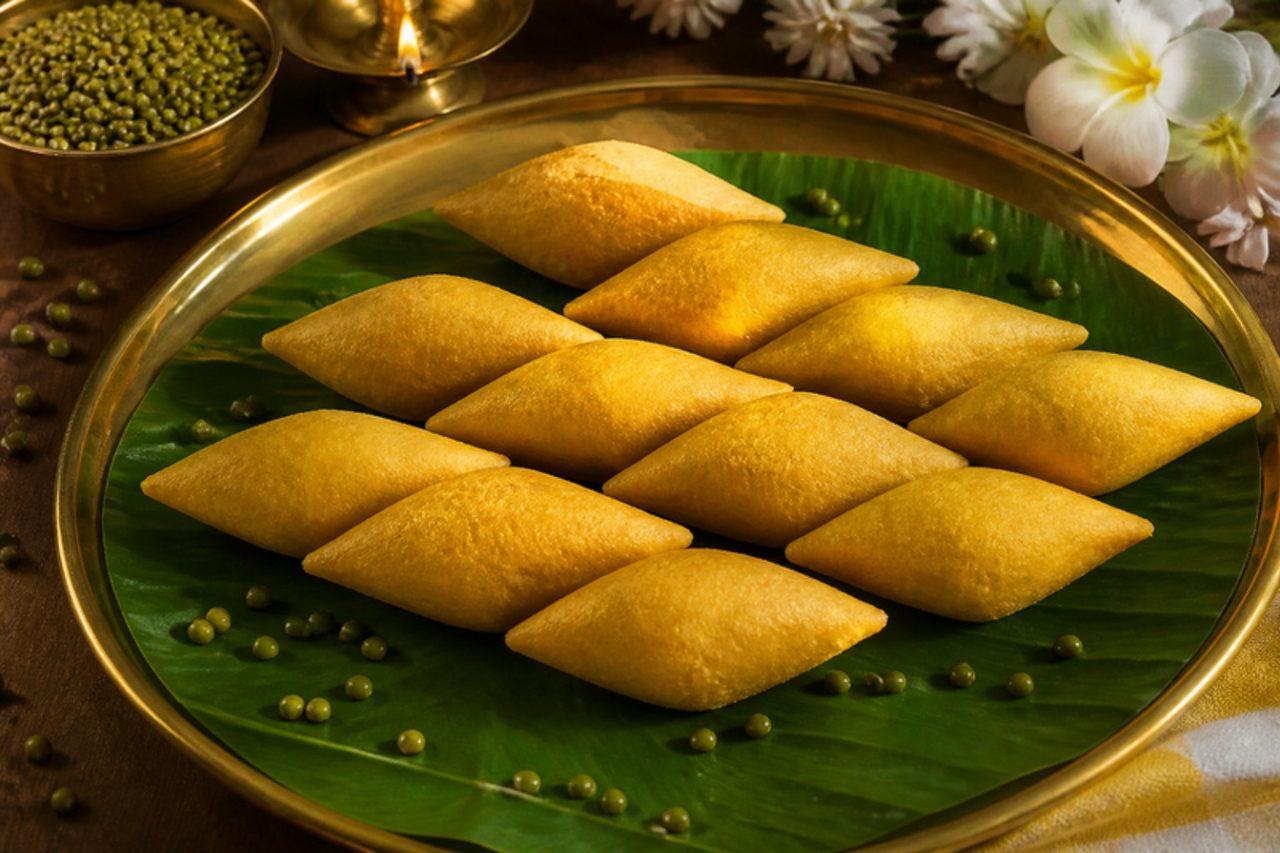
මුං කැවුම් (mung kavum): diamond-shaped Avurudu sweets of roasted mung bean and treacle dough, dipped in turmeric batter and fried


Mung kavum, the neat golden diamonds that sit beside kavum and kokis on the April New Year table, take a whole afternoon, which is why Sinhala grandmothers often make them with a crowd of helpers and why the shop-bought ones never taste the same. Whole mung beans are toasted until fragrant and ground to a fine powder, mixed with roasted rice flour and hot treacle into a firm, sticky dough, then rolled, cut into diamonds, dipped in a thin coconut milk and turmeric batter and fried. The outside is crisp and yellow, the inside dense, nutty and sweet. Beginners often roll the dough too thick, which leaves the middle pasty while the batter browns; keep it about 1 cm. Rice flour and mung beans are both naturally gluten free. Chef's tip: sift the ground mung through a fine sieve and regrind what is left, because grainy flour makes the dough crumble at the cutting stage.
- Total time
- 110 min
- Difficulty
- hard
- Serves
- 20
Ingredients
For the dough
- 3 ½ oz white rice flour
- 1 cup kithul treacleor palm jaggery syrup
- 1 ¾ oz sugar
- 1 pinch salt
- 1 /2 tsp ground cardamom
For the batter
- 5 ½ oz white rice flour
- ¾ cup thick coconut milk
- 1 /4 tsp ground turmeric
- 1 pinch salt
For frying
- 3 ¼ cups coconut oilfor deep-frying
Shop this recipe on Amazon
What you'll need
Fresh ingredients (1)
Links open Amazon in a new tab. As an Amazon Associate, WhatToEat.Today earns from qualifying purchases.
Method
0/9 doneStep 1: Dry-roast 9 oz whole green mung beans in a heavy pan over a medium heat for 8–10 minutes, stirring, until golden and fragrant and some beans crack. Cool.
10 minStep 2: Grind the beans to a fine powder in a spice grinder, sift and regrind any coarse bits.
Step 3: Dry-roast 3 ½ oz white rice flour over a low heat for 4–5 minutes until it smells biscuity but has not coloured. Mix it with the mung powder.
5 minStep 4: Simmer 1 cup kithul treacle, 1 ¾ oz sugar and 1 pinch salt in a pan for 6–8 minutes until it reaches the thread stage, when a drop pulled between two fingers forms a short thread.
8 minStep 5: Off the heat, stir in the flour mixture and 1 /2 tsp ground cardamom to make a stiff dough. When cool enough to handle, knead it smooth on a board dusted with rice flour.
3 minStep 6: Roll the dough out to about 1 cm thick and cut into 4 cm diamonds. Leave to firm up for 30 minutes.
Step 7: Whisk 5 ½ oz white rice flour, ¾ cup thick coconut milk, 1 /4 tsp ground turmeric and 1 pinch salt into a smooth batter like single cream.
Step 8: Heat 3 ¼ cups coconut oil to 350°F. Dip each diamond in batter, let the excess drip off and fry 5–6 at a time for 3–4 minutes until crisp and golden. Drain on a rack.
30 minStep 9: Cool completely and store in an airtight tin for up to 2 weeks.
Nutrition per serving
- Calories
- 180 kcal
- Protein
- 4 g
- Carbs
- 30 g
- Fat
- 5 g
- Fibre
- 2 g
Nutrition values are estimates.
KrazyBadal
Good to know
- How long does mung kavum take?
- About 110 minutes in total: 70 minutes to prepare and 40 minutes to cook.
- How many people does it serve?
- 20 as written. Change the servings above the ingredients and every amount scales to match.
- Is it vegan?
- Yes. It has no meat, fish, dairy or eggs.
- Is it gluten free?
- Yes, as written. Check the labels on stock, sauces and spice mixes, which sometimes contain gluten.
- What can I use instead of sugar?
- Caster sugar, same amount.
- What can I use instead of thick coconut milk?
- Single cream, same amount (not dairy free).
Reviews
No reviews yet. Be the first to cook it.
Rate this recipe
Sign in to rate and review this recipe.
You might also like
Polos curry
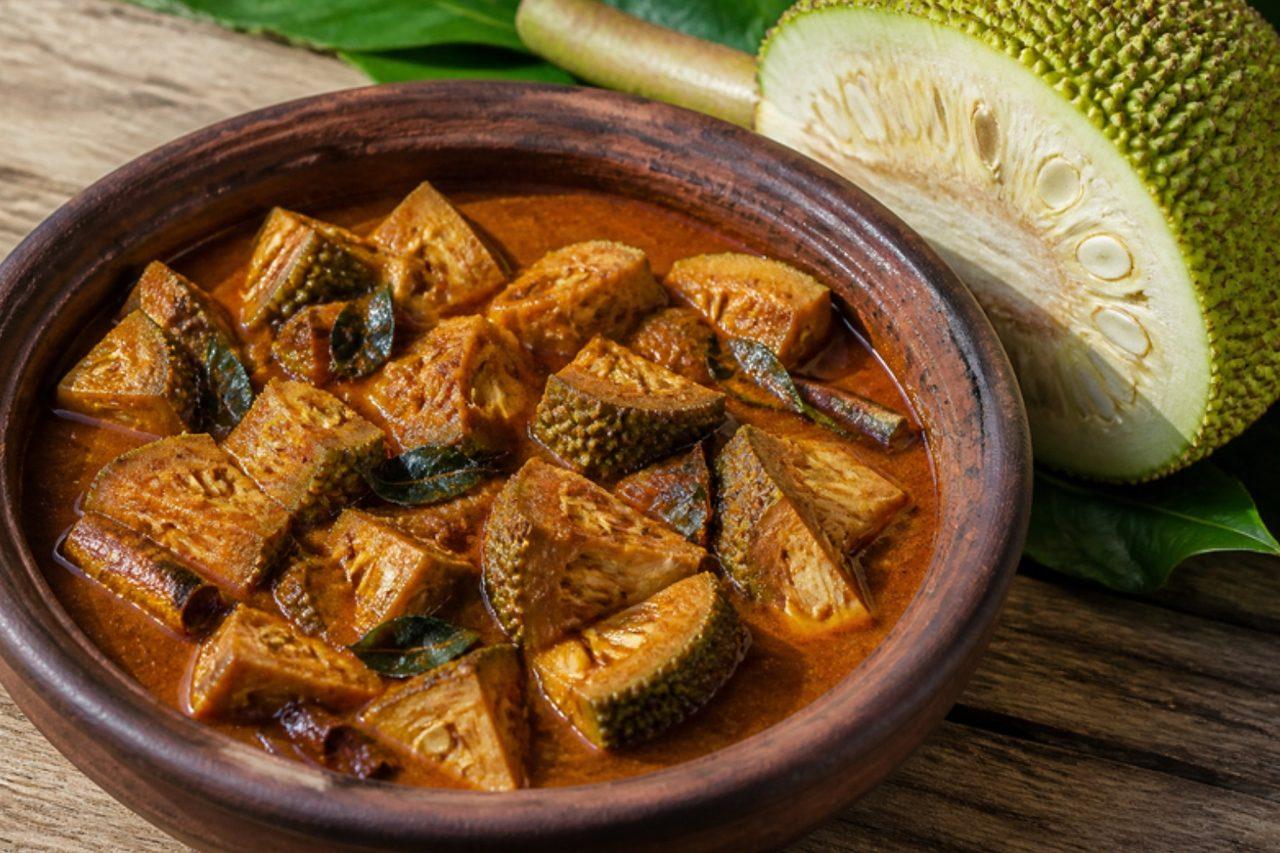
Polos is the tiny unripe jackfruit picked in the Western and Sabaragamuwa provinces long before it sweetens, and cooked low and slow it becomes one of the island's most loved festival curries, especially at Sinhala and Tamil New Year in April and at wedding lunches. The firm, pale flesh soaks up a very dark roasted curry powder, garlic, ginger, goraka (a smoky souring fruit) and coconut milk until it turns almost black-brown and tastes rich, sour and meaty. Fresh polos is hard to find abroad; tinned young green jackfruit in brine works well. A frequent mistake is not cooking it long enough, which leaves it squeaky; the pieces must be soft enough to break with a spoon. Chef's tip: oil your hands and knife before cutting fresh jackfruit; the sticky white sap washes off oiled skin but not dry skin.


Undu walalu
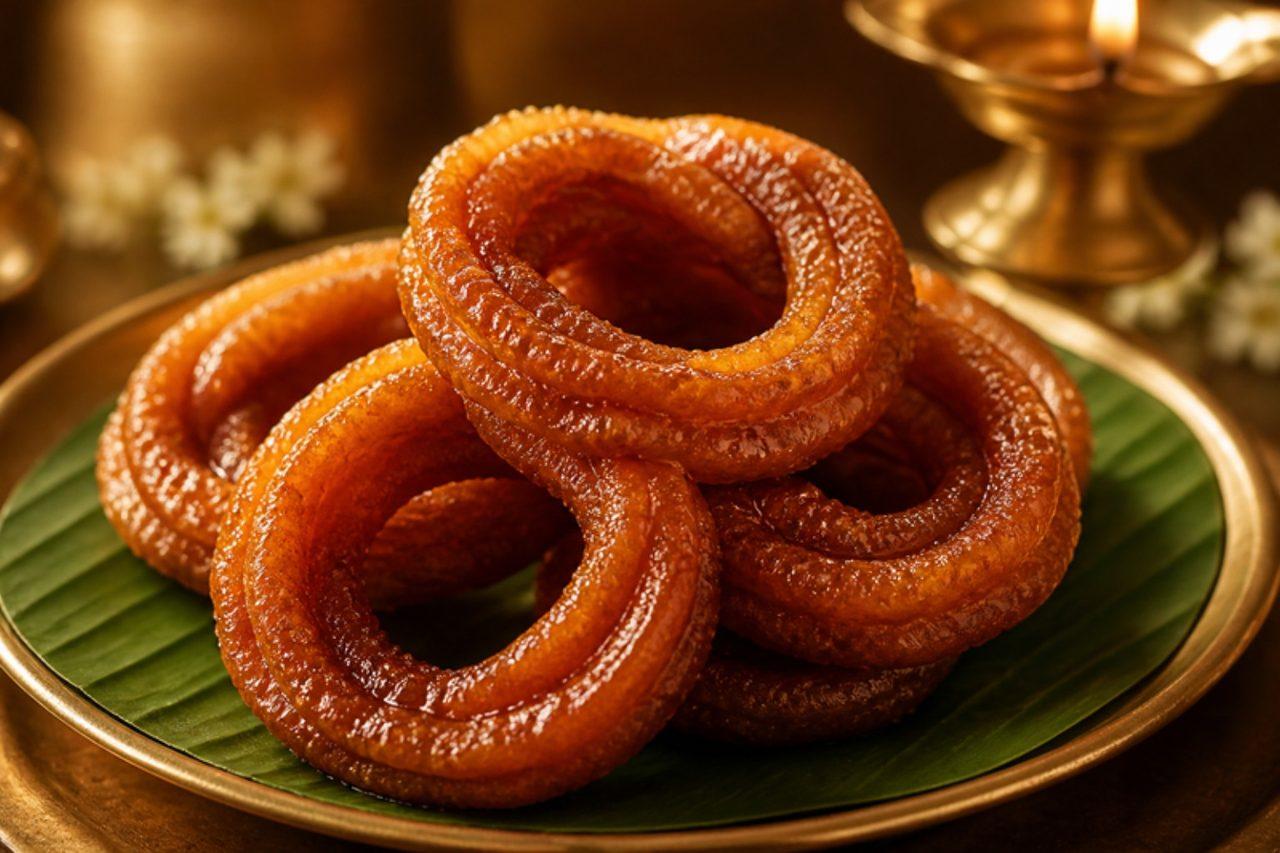
Walalu means bangles, and these dark, sticky rings of fried urad dal soaked in kithul treacle are a sweet that Sinhala families bring out for Avurudu and for special almsgivings, often made in large batches by an aunt known for her steady hand. A thick, fluffy paste of ground black gram is piped into loops and fried until crisp, then plunged straight into warm treacle, so the rings stay crunchy on the outside while drinking up the syrup. They taste a little like a darker, smokier jalebi, with a toffee finish from the palm treacle. Watery batter is what ruins them; it spreads into flat blobs, so grind the soaked dal with as little water as possible and beat it until light. This recipe uses no asafoetida, so it is naturally gluten free. Chef's tip: pipe the rings onto small squares of baking paper and lower them into the oil paper and all; the paper peels away in seconds.
Baklava
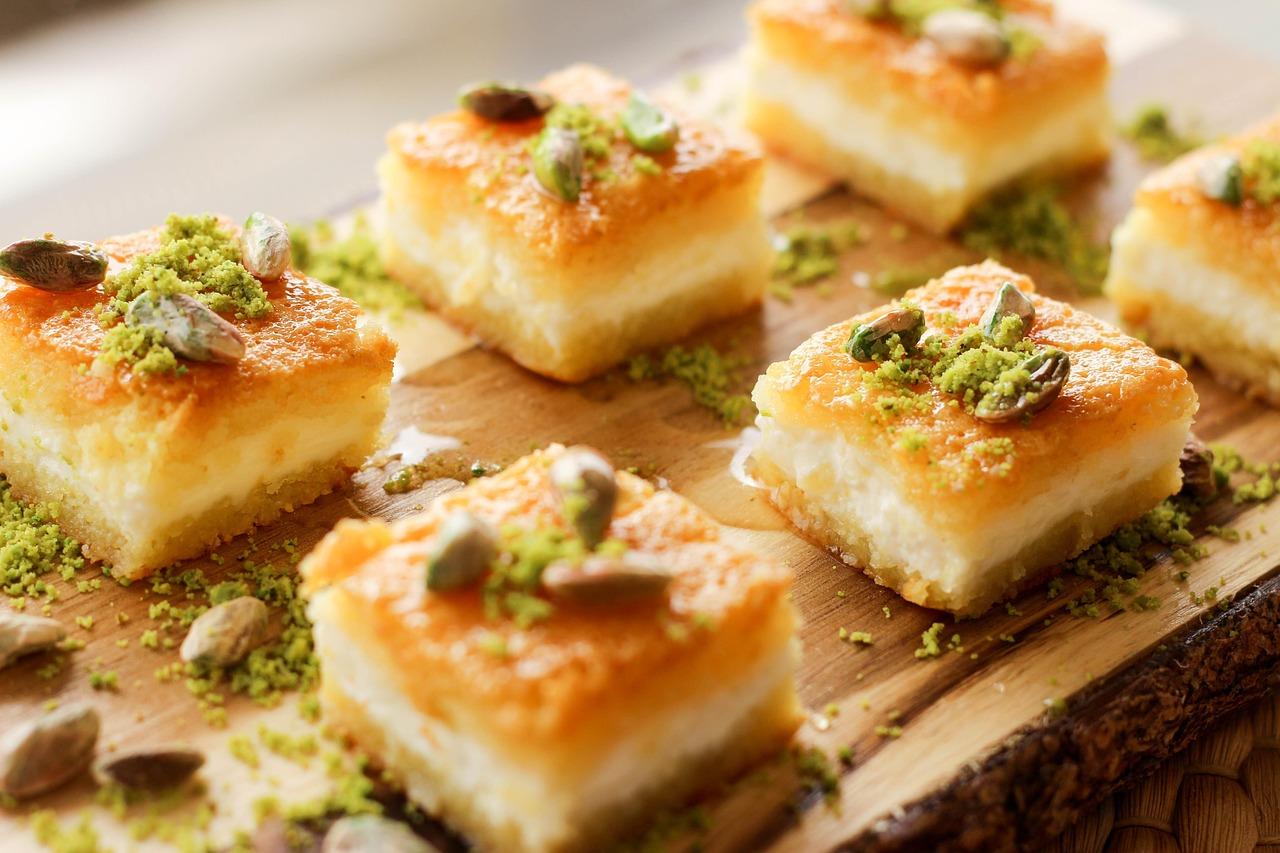
The famous layered pastry: crisp sheets of buttered fillo sandwich a filling of almonds, pistachios and cashews spiced with cinnamon, cardamom and saffron. After baking, the hot baklava is soaked in a syrup of sugar, honey, lemon, rose and cardamom and decorated with almond and pistachio flakes. Cut into 40 diamonds; serve with fresh cream or ice cream.