
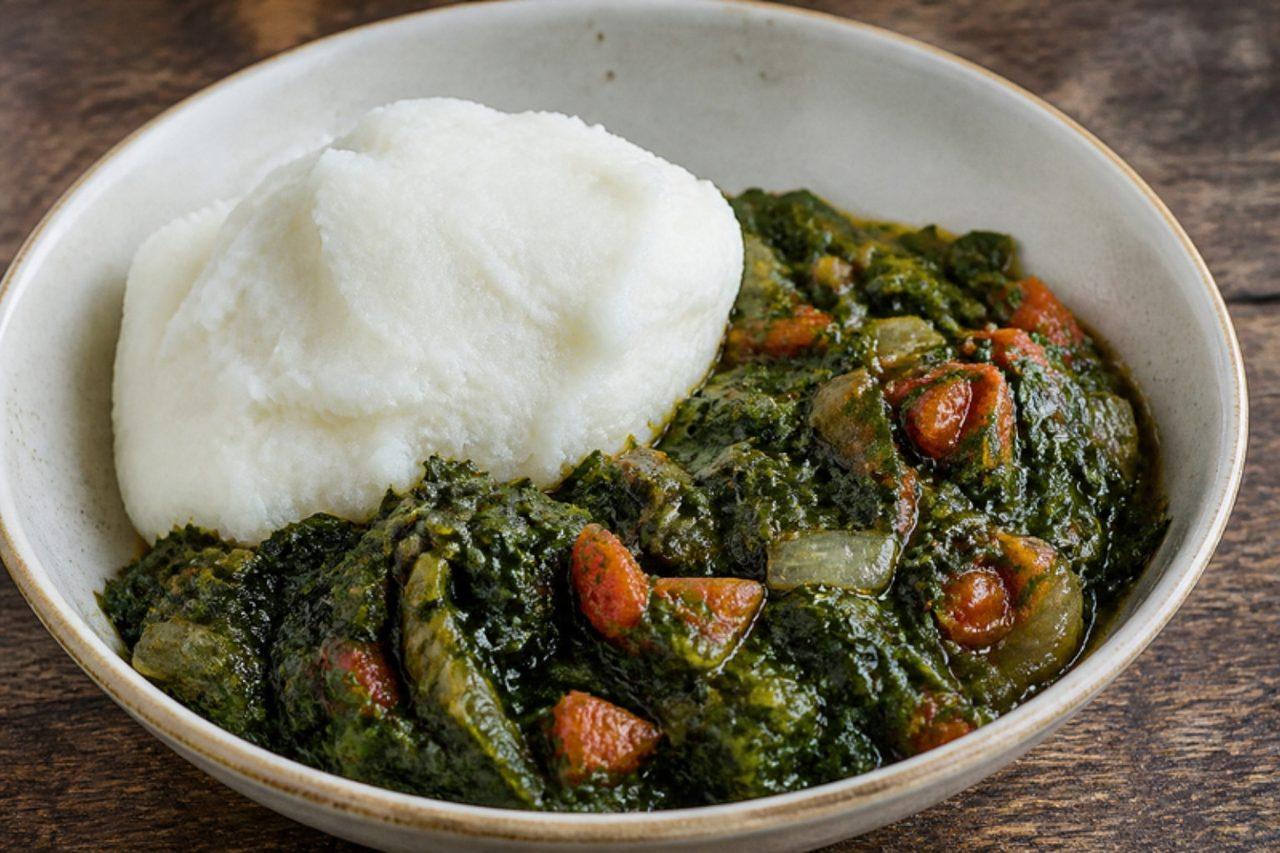
AI-generated image
Morogo
Greens with tomato and onion
Morogo: Sepedi-style leafy greens stewed with onion and tomato


Out in Limpopo and on the edges of Gauteng, morogo is the word for edible leaves, and a pot of them simmering with onion and tomato is what turns a plate of stiff pap into supper. In villages the leaves come from amaranth, cowpea or pumpkin plants picked in the yard; at home you can use shop-bought amaranth or pumpkin leaves from an African grocer, or plain spinach mixed with a little kale, which gives a very similar soft, earthy, slightly mineral result. The greens cook down until silky and dark, with sweet tomato and a little chilli running through them. Serve with pap, samp and beans or a pile of rice, and eat it with your hands, rolling a ball of pap through the greens. Chef's tip: let the onion and tomato fry down to a thick jam before the leaves go in, otherwise the morogo ends up watery and bland.
- Total time
- 25 min
- Difficulty
- easy
- Serves
- 4
Ingredients
- 1 ⅛ lb spinachor amaranth or pumpkin leaves from an African grocer; thick stalks removed, roughly chopped
- 3 ½ oz kalestalks removed, shredded; leave out if using amaranth or pumpkin leaves
- 2 tbsp sunflower oil
- 1 onionlarge, chopped
- 2 ripe tomatoeschopped
- 1 green chillifinely chopped, seeds in or out
- ¾ tsp salt
Shop this recipe on Amazon
Spices & pantry
Fresh ingredients (5)
Links open Amazon in a new tab. As an Amazon Associate, WhatToEat.Today earns from qualifying purchases.
Method
0/6 doneStep 2: Warm 2 tbsp sunflower oil in a wide pot over a medium heat. Add 1 onion and fry, stirring, until soft and turning golden at the edges.
5 minStep 3: Add 2 ripe tomatoes, 1 green chilli and ⅜ tsp salt. Cook, mashing with the spoon, until the tomato has broken down and the oil starts to glisten at the edges of the paste.
4 minStep 5: Cover, lower the heat and cook until the leaves are dark, silky and tender and most of the liquid has gone. Lift the lid for the last minute if it still looks wet.
4 minStep 6: Season with the rest of ⅜ tsp salt, taste, and serve hot with pap.
Nutrition per serving
- Calories
- 110 kcal
- Protein
- 5 g
- Carbs
- 9 g
- Fat
- 7 g
- Fibre
- 5 g
Nutrition values are estimates.
KrazyBadal
Good to know
- How long does morogo take?
- About 25 minutes in total: 10 minutes to prepare and 15 minutes to cook.
- How many people does it serve?
- 4 as written. Change the servings above the ingredients and every amount scales to match.
- Is it vegan?
- Yes. It has no meat, fish, dairy or eggs.
- Is it gluten free?
- Yes, as written. Check the labels on stock, sauces and spice mixes, which sometimes contain gluten.
- What can I use instead of onion?
- 2 shallots per onion.
- What can I use instead of ripe tomatoes?
- Tinned chopped tomatoes: a 400g tin for about 6 tomatoes (in cooked dishes, not salads).
Reviews
No reviews yet. Be the first to cook it.
Rate this recipe
Sign in to rate and review this recipe.
You might also like
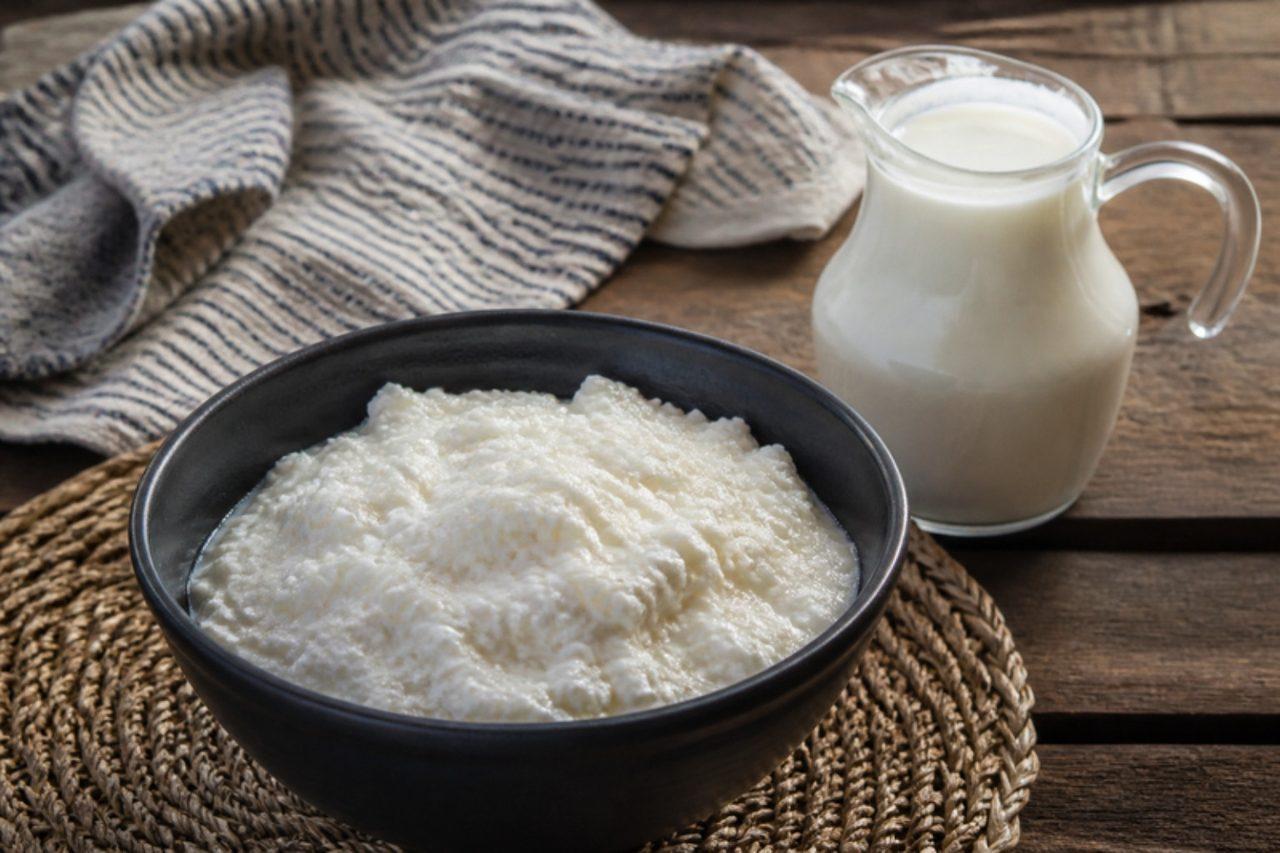
AmasiFermented milk with crumbly pap
Thick, tangy amasi was once soured in calabashes in Zulu and Xhosa homesteads, and it is still the drink-cum-meal that many South Africans crave on a hot afternoon, poured over crumbly pap as umvubo. At home it is easy and safe with pasteurised full-fat milk and a spoon of live cultured buttermilk as the starter; never use raw milk. Expect something like a pourable, sharper yoghurt with soft curds, cooling against the dry, crumbly maize. The common mistake is fermenting somewhere too warm, which makes the milk separate into watery whey and rubbery lumps. Chef's tip: once it has set, chill it for a few hours before eating; the cold firms the curd and rounds out the sourness.

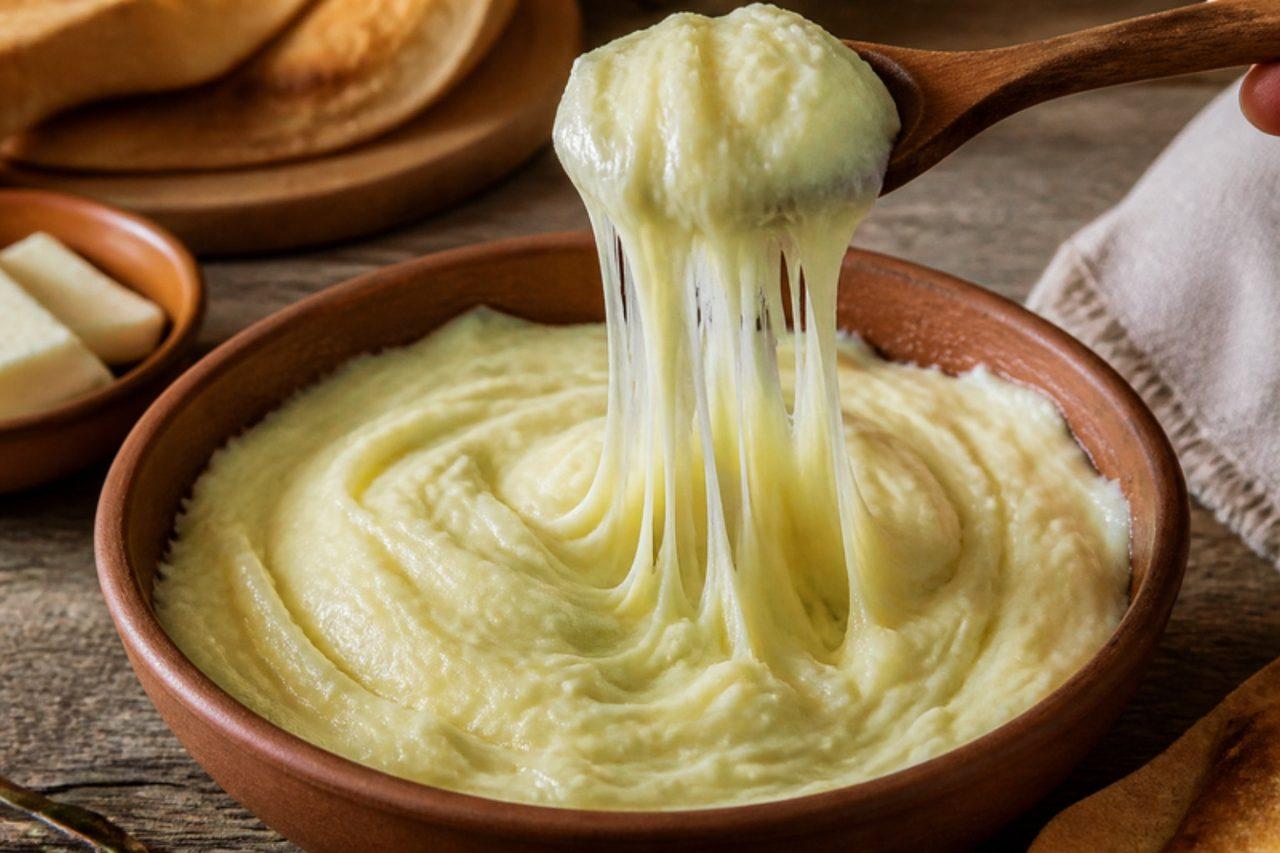
TashmijabiMashed potatoes with stretchy cheese
Potatoes grow well in the cold valleys of Svaneti, and tashmijabi is how families around Mestia turn them into a feast dish: they are mashed hot, then beaten with handfuls of young sulguni until the purée becomes glossy and stretches from the spoon in long strands. It is served with grilled meat, kubdari or simply with pickles and Svan salt. A common mistake is letting the potatoes cool before adding the cheese; they must be piping hot for the cheese to melt and stretch. Chef's tip: keep the pan on a low heat while you beat, and use a firm wooden spoon. Most sulguni uses animal rennet; choose a vegetarian one or use mozzarella.
 Georgian

Yorkshire puddings
In Yorkshire the pudding was once served first, on its own with gravy, to fill people up before the meat; today these puffed, crisp-edged cups sit beside the roast at Sunday lunch all over England. The batter is nothing but eggs, flour and milk, and the trick is in the heat: smoking-hot fat in the tin and a hot oven. Serve with onion gravy for a vegetarian roast. Chef's tip: rest the batter for at least 30 minutes, which helps the puddings rise tall and even.
 British