

Vegetable tagine (khodra)
Slow-steamed potatoes, carrots, courgettes and peas in a saffron, ginger and preserved-lemon sauce


Across Morocco, from village kitchens in the Atlas to family tables in Marrakech, a tagine of khodra (vegetables) is the everyday midweek pot, cooked on a low flame while bread bakes and set in the middle of the table for everyone to scoop up with khobz. The vegetables are stacked like a tent over a bed of onion and tomato, so they steam in their own juices rather than boil; the sauce left at the bottom is short, golden with saffron and turmeric and sharpened with preserved lemon and green olives. Serve it straight from the pot with warm bread and a bowl of carrot or tomato salad on the side. Chef's tip: lay the hardest vegetables (carrots, potatoes) closest to the heat at the bottom and the soft courgettes on top, or the courgettes collapse before the carrots are tender.
- Total time
- 65 min
- Difficulty
- easy
- Serves
- 4
Ingredients
For the base
For the vegetables
To finish
Method
0/7 doneStep 1: Put a tagine (with a heat diffuser) or a wide, heavy pan with a lid over a medium heat. Add 4 tbsp olive oil and 2 onions and cook for 8 minutes, stirring now and then, until the onion is soft and just turning golden at the edges.
8 minStep 2: Stir in 3 garlic cloves, 1 tsp ground ginger, ½ tsp ground turmeric, 1 tsp sweet paprika, ½ tsp ground cumin, 1 tsp salt and ½ tsp black pepper. Cook for 1 minute until it smells warm and toasty; the spices should sizzle gently, not scorch.
1 minStep 3: Add 2 ripe tomatoes and 1 pinch saffron threads with its water and cook for 4 minutes until the tomato thickens slightly and the oil turns orange. Spread this base evenly over the bottom.
4 minStep 4: Build the cone: stand 3 carrots and 3 waxy potatoes upright against each other in the centre, then lean 2 courgettes and 1 green pepper around them. Tuck ⅔ oz coriander and flat-leaf parsley in the middle. A common mistake is to stir the vegetables at this point; leave the layers alone so everything steams in place.
Step 5: Pour 1 cup water around the edge (not over the vegetables). Cover, turn the heat to low and cook for 30 minutes. You should hear a quiet, steady simmer; if the lid is rattling, the heat is too high.
30 minStep 6: Scatter over 3 ½ oz peas, ½ preserved lemon and 2 ⅞ oz green olives. Spoon a little sauce over the top, cover and cook for 10–15 minutes more, until a knife slides easily into the thickest carrot and the sauce has reduced to a few spoonfuls of glossy liquid.
12 minStep 7: Lift out the herb bundle. Taste the sauce and add a pinch of salt if needed (the preserved lemon and olives are already salty). Serve from the pot with bread.
Nutrition per serving
- Calories
- 240 kcal
- Protein
- 5 g
- Carbs
- 33 g
- Fat
- 11 g
- Fibre
- 9 g
Nutrition values are estimates.
KrazyBadal
Good to know
- How long does vegetable tagine (khodra) take?
- About 65 minutes in total: 20 minutes to prepare and 45 minutes to cook.
- How many people does it serve?
- 4 as written. Change the servings above the ingredients and every amount scales to match.
- Is it vegan?
- Yes. It has no meat, fish, dairy or eggs.
- Is it gluten free?
- Yes, as written. Check the labels on stock, sauces and spice mixes, which sometimes contain gluten.
- What can I use instead of onions?
- 2 shallots per onion.
- What can I use instead of garlic cloves?
- ½ tsp garlic paste or ⅛ tsp garlic powder per clove.
Reviews
No reviews yet. Be the first to cook it.
Rate this recipe
Sign in to rate and review this recipe.
You might also like
Sayur lodeh
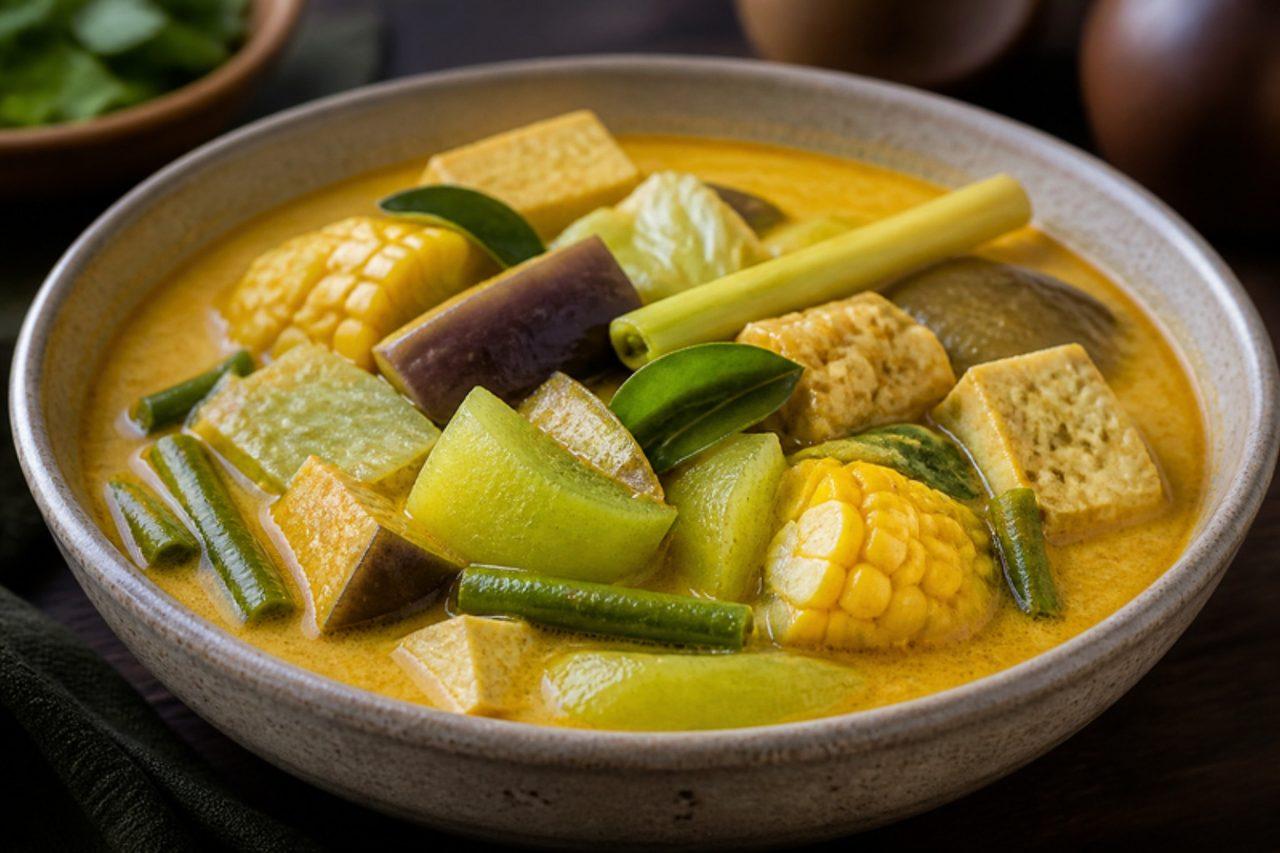
Sayur lodeh is everyday cooking in Central Java, made in big pots in Solo and Semarang kitchens and ladled over rice, with lontong rice cakes at Lebaran, or alongside opor and sambal goreng on festive tables. It's soupy rather than thick: a fragrant broth of coconut milk, galangal, lemongrass and lime leaf that carries chunks of aubergine, long beans, chayote and sweetcorn, plus tempeh and tofu to make it a meal. The flavour is mellow and slightly sweet, so the heat comes from sambal on the side. Chef's tip: keep the pot at a gentle simmer once the coconut milk goes in and stir now and then — a rolling boil splits the coconut milk into oily curds.


Chana masala
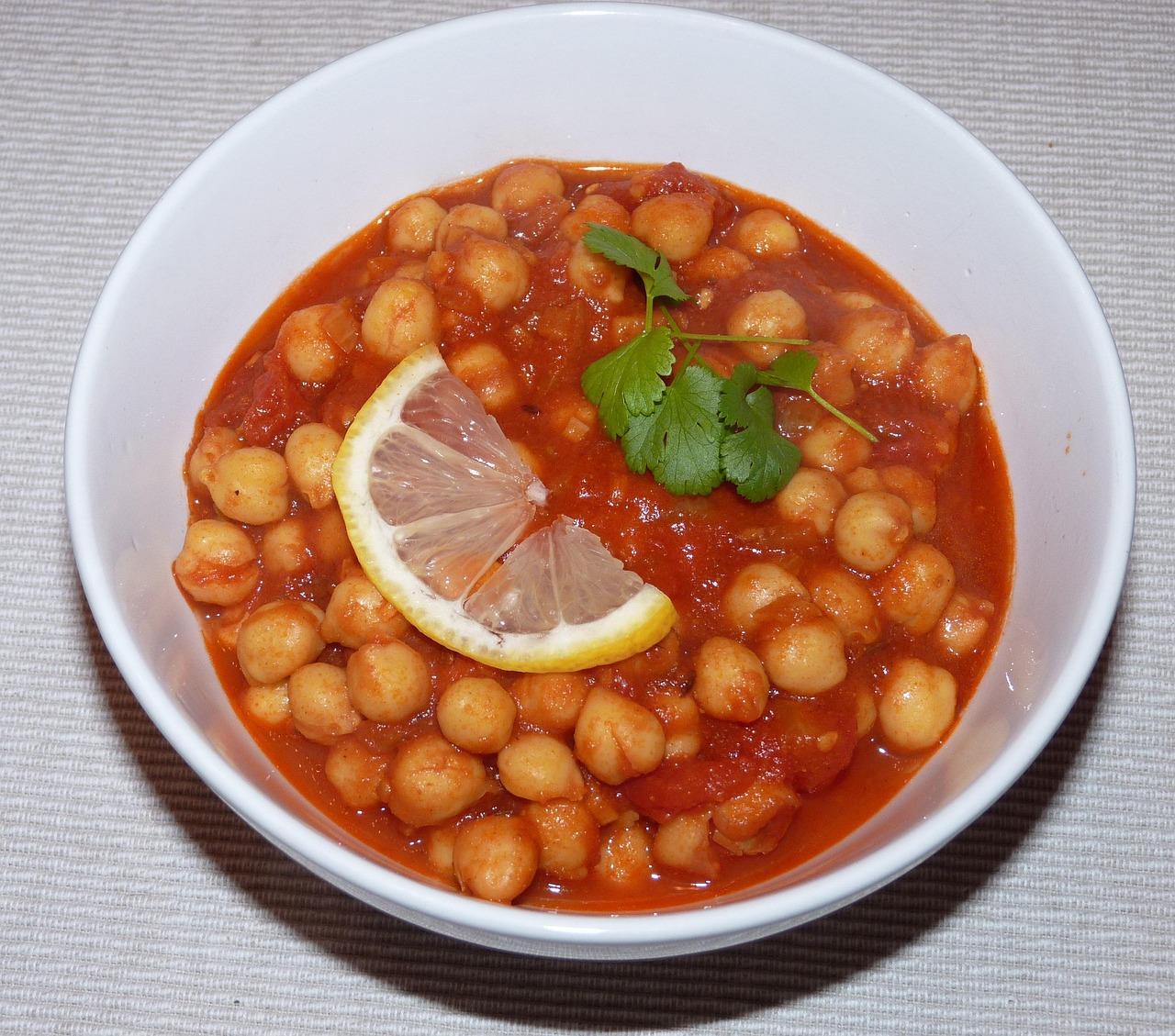
A North Indian staple that comes together from the store cupboard. Toasted cumin, slow-softened onion and a good spoonful of garam masala give tinned chickpeas real depth. Serve with rice, naan or a stack of warm rotis.

Smoky spiced aubergine
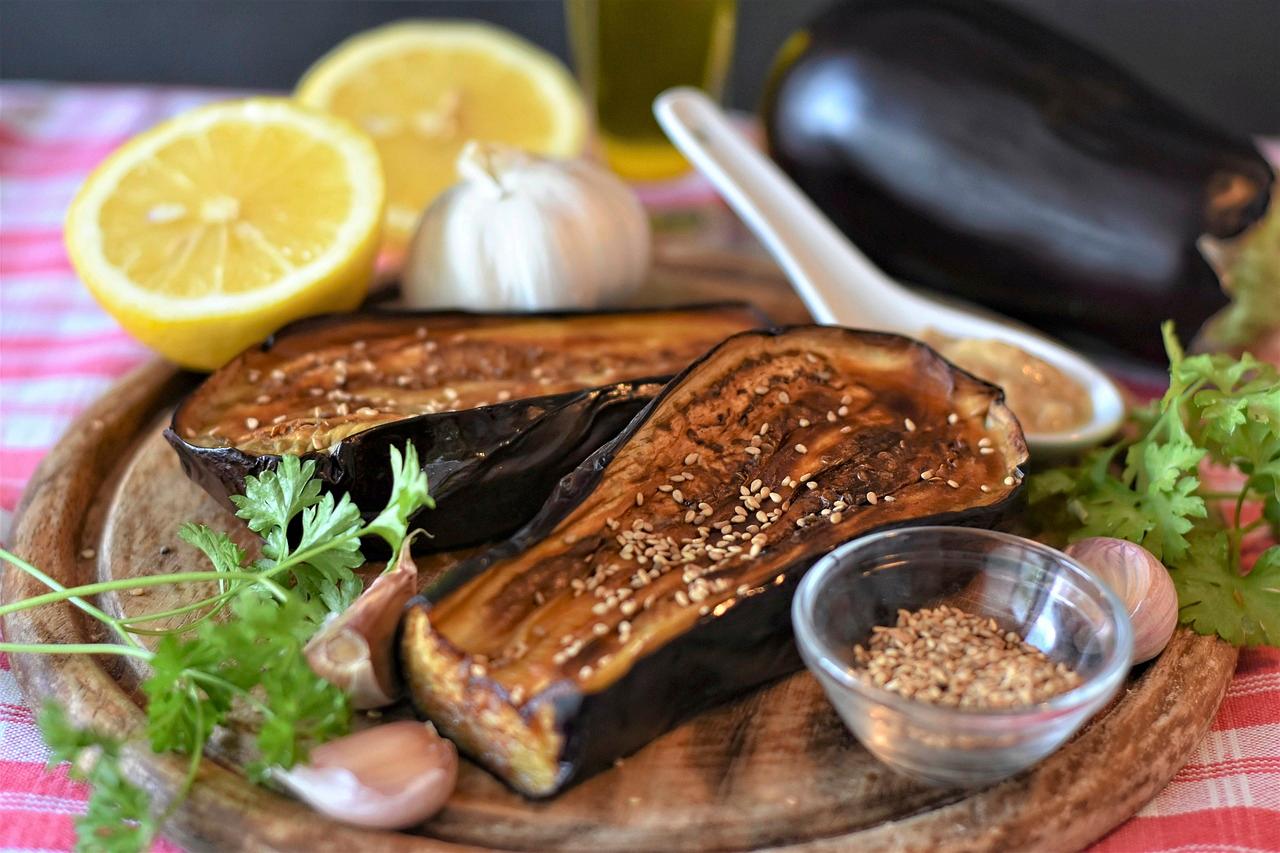
Whole aubergines charred over a flame until the skin blackens and the flesh turns soft and smoky, then chopped and tossed with onion, tomato, ginger, garlic and green chillies. A few black specks left in the flesh add to the smoky flavour. Serve hot with yogurt and millet rotla.
