
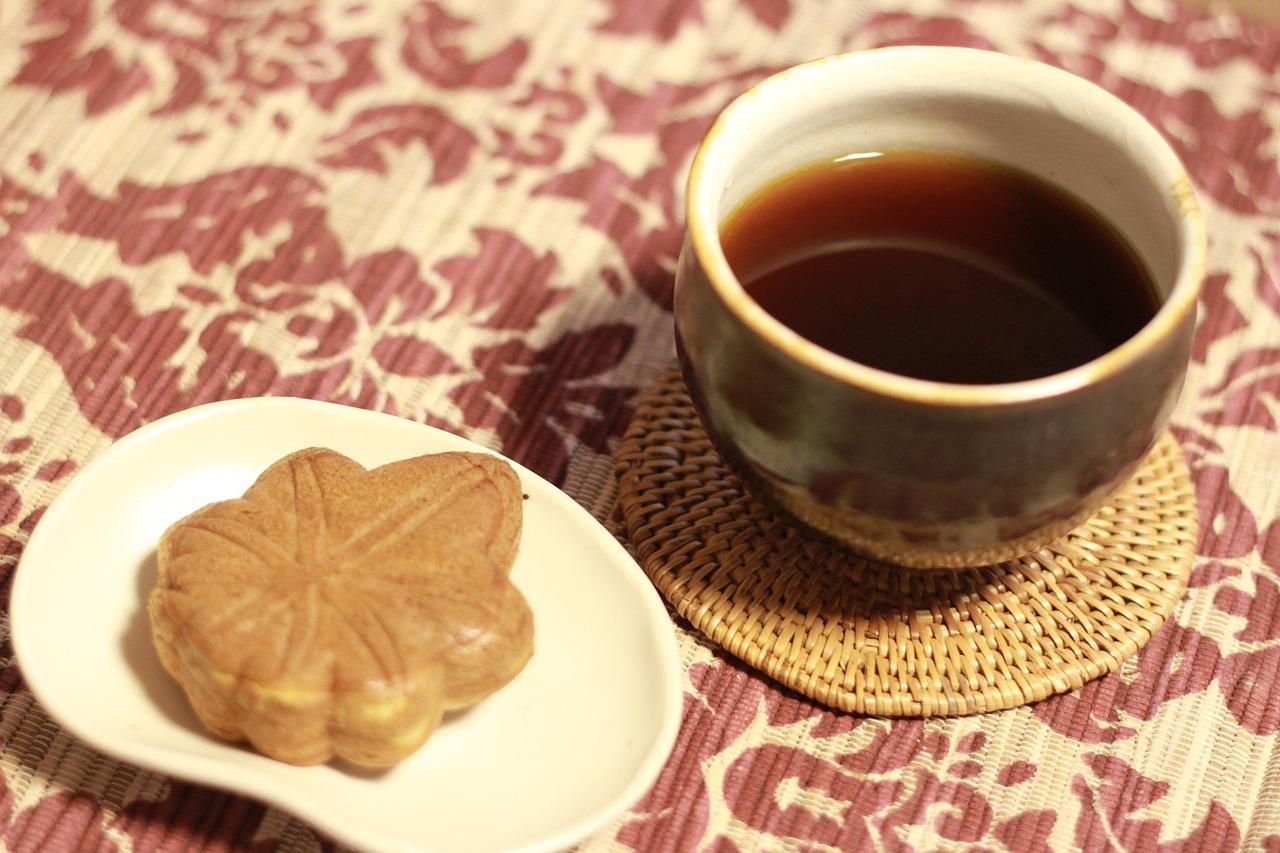
Momiji manju
もみじ饅頭 (momiji manju): maple-leaf-shaped honey sponge cakes from Miyajima with a red bean centre
Momiji manju are the souvenir of Miyajima, the sacred island off Hiroshima famous for its floating red torii gate and its maple trees, which turn scarlet each November. A confectioner there first baked them around 1906, and today shops along the island's main street still turn them out of iron moulds while visitors watch. The cake is a soft, honey-scented sponge, the filling smooth red bean paste. Tokyo's Asakusa sells a near twin, ningyo-yaki, baked in the shapes of dolls and temple lanterns; this recipe makes both, depending on your mould. Serve with green tea. Chef's tip: rest the batter for 30 minutes before baking. The flour hydrates, the bubbles settle and the cakes come out smooth and evenly brown.
- Total time
- 40 min
- Difficulty
- medium
- Serves
- 6
Ingredients
For the batter
For the filling
Method
0/7 doneStep 1: Whisk 2 eggs, 2 ½ oz caster sugar and 1 tbsp honey in a bowl for 2–3 minutes until pale and slightly thick. Stir in 2 tbsp milk.
Step 2: Sift in 4 oz plain flour and 1 tsp baking powder and fold until smooth and glossy, like thick pancake batter. Cover and rest for 30 minutes.
Step 3: Heat a momiji or ningyo-yaki mould over low heat, or heat the oven to 350°F (325°F fan) and use a mini madeleine or mini muffin tin. Brush thinly with 1 tbsp vegetable oil.
3 minStep 4: Spoon batter into each cavity to one-third full. Press a ball of 7 oz smooth red bean paste (koshian) into the middle, then cover with more batter until level.
2 minStep 5: On the hob: close the mould and cook over low heat for 2–3 minutes per side, turning once. In the oven: bake for 12–14 minutes. They're done when golden brown and springy, and a skewer pushed into the cake part comes out clean.
14 minStep 6: Common mistake: too much heat on the hob. The outside browns dark in a minute while the batter inside is still raw. Keep the flame low and listen for a gentle sizzle, not a loud one.
Step 7: Turn the cakes out onto a rack and cool for 10 minutes. Wrap them in cling film while still slightly warm, which keeps them soft. They keep 3 days in an airtight tin.
Nutrition per serving
- Calories
- 230 kcal
- Protein
- 6 g
- Carbs
- 44 g
- Fat
- 4 g
- Fibre
- 3 g
Nutrition values are estimates.
KrazyBadal
Good to know
- How long does momiji manju take?
- About 40 minutes in total: 15 minutes to prepare and 25 minutes to cook.
- How many people does it serve?
- 6 as written. Change the servings above the ingredients and every amount scales to match.
- Is it vegetarian?
- Yes. It has no meat or fish.
- What can I use instead of eggs?
- 1 tbsp ground flaxseed + 3 tbsp water per egg, left for 5 minutes (baking only; vegan).
- What can I use instead of caster sugar?
- Caster sugar, same amount.
Reviews
No reviews yet. Be the first to cook it.
Rate this recipe
Sign in to rate and review this recipe.
You might also like
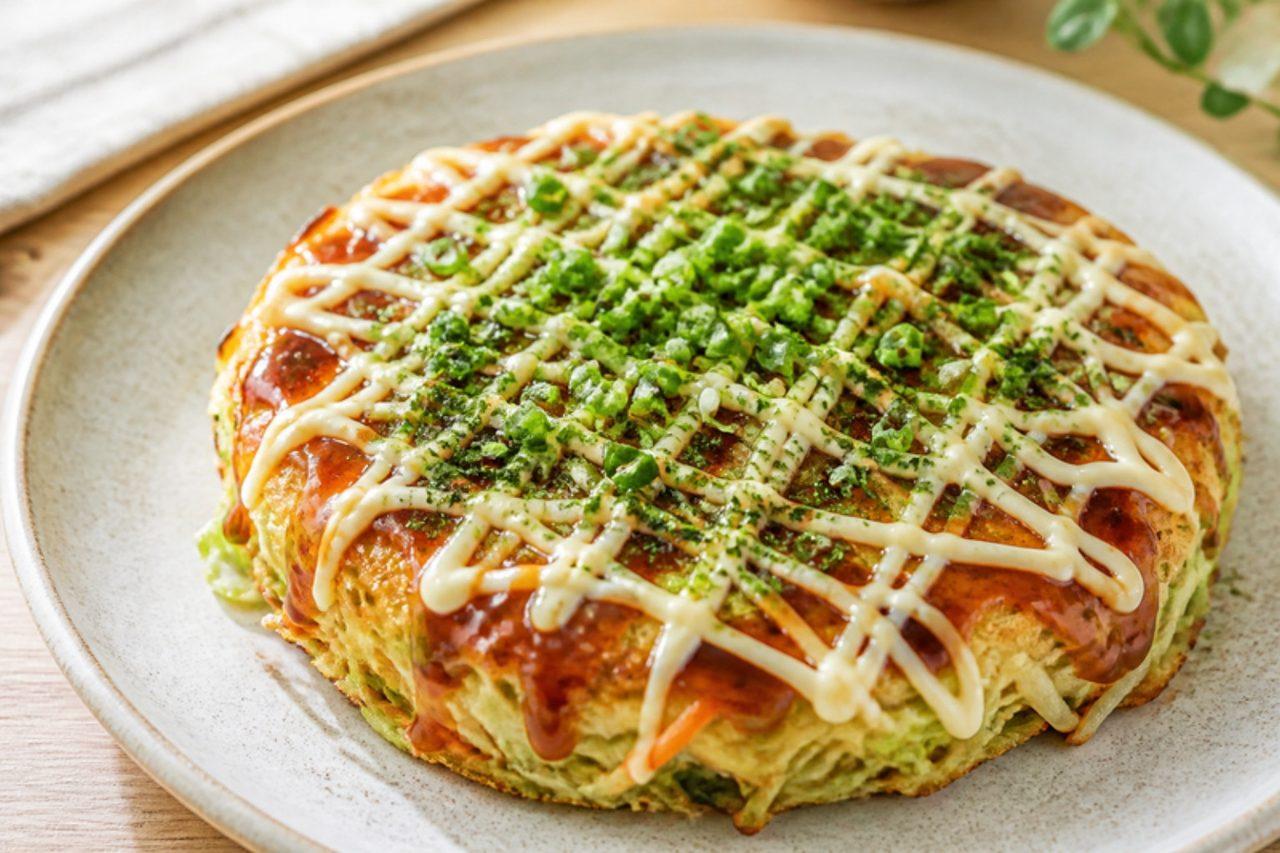
Okonomiyaki
Okonomiyaki (お好み焼き, 'grilled as you like it') is the pride of Osaka, where it's cooked on hot iron griddles in lively restaurants. Finely shredded cabbage is folded into a light batter with egg and spring onion, then fried into a thick, soft pancake with a crisp outside. It's painted with a fruity brown sauce and zigzagged with mayonnaise. Bonito flakes are usual on top; this vegetarian version uses seaweed flakes and pickled ginger instead. Chef's tip: don't press the pancake down with your spatula while it cooks. Osaka cooks leave it alone so the cabbage steams inside and stays light and fluffy; pressing squeezes out the air.
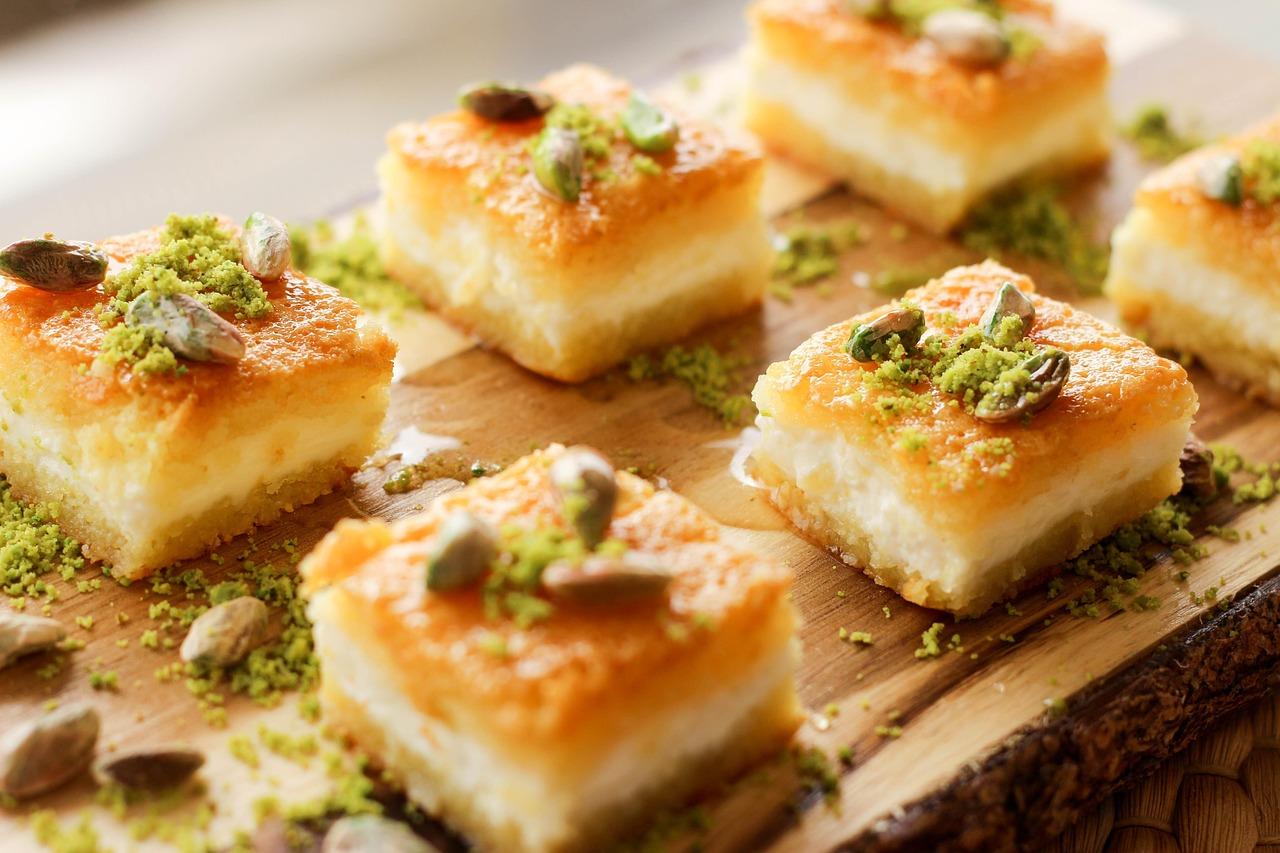
Baklava
The famous layered pastry: crisp sheets of buttered fillo sandwich a filling of almonds, pistachios and cashews spiced with cinnamon, cardamom and saffron. After baking, the hot baklava is soaked in a syrup of sugar, honey, lemon, rose and cardamom and decorated with almond and pistachio flakes. Cut into 40 diamonds; serve with fresh cream or ice cream.
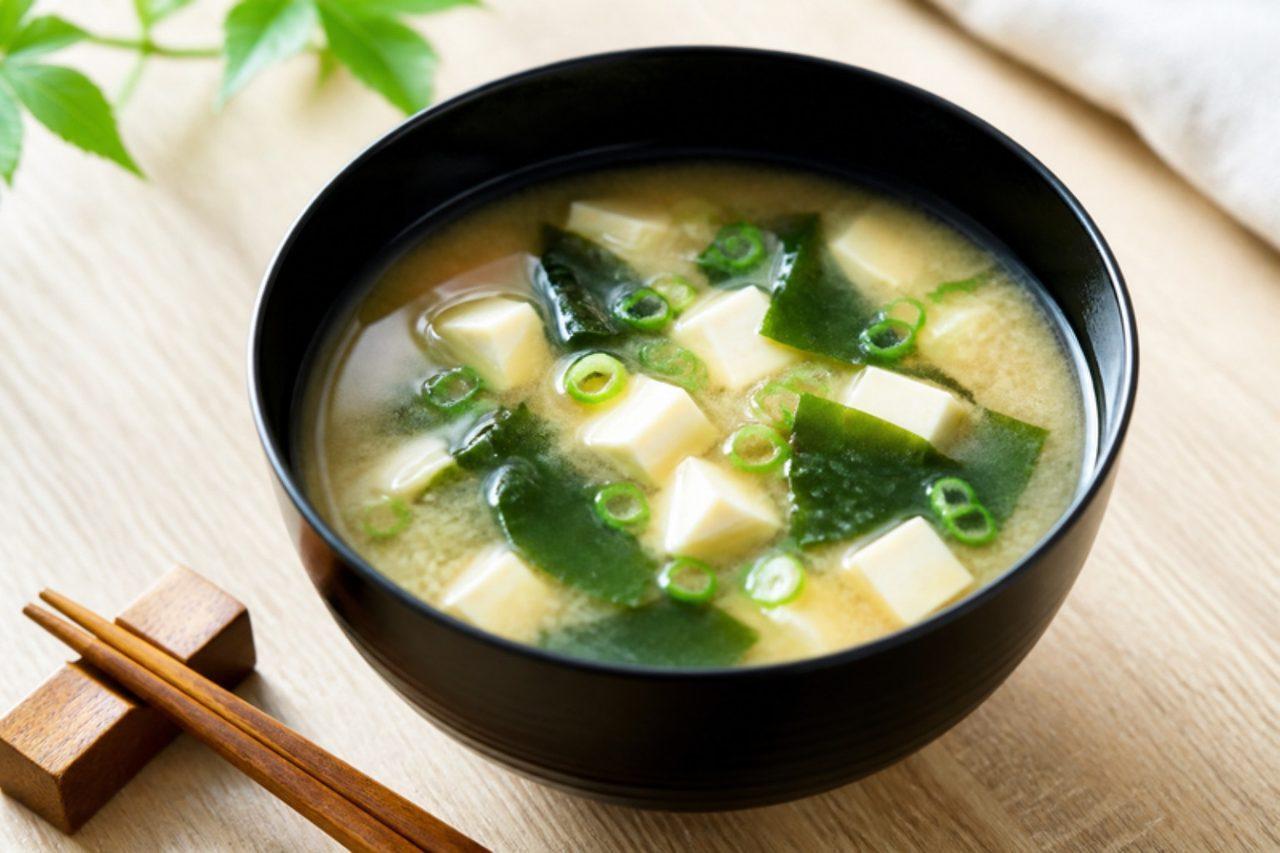
Miso soup
Miso soup (味噌汁) is drunk every day in homes all over Japan, at breakfast as well as dinner, beside a bowl of rice. The base is dashi; this vegan version uses kombu and dried shiitake instead of bonito, which gives it a deep, rounded flavour. Silken tofu and wakame seaweed are the classic fillings. It takes ten minutes; just remember not to boil the miso. Chef's tip: add the miso at the very end and never let it boil. Boiling kills the miso's fresh, fermented aroma; Japanese cooks say the soup should only 'smile', with the surface barely trembling.
