
AI-generated image
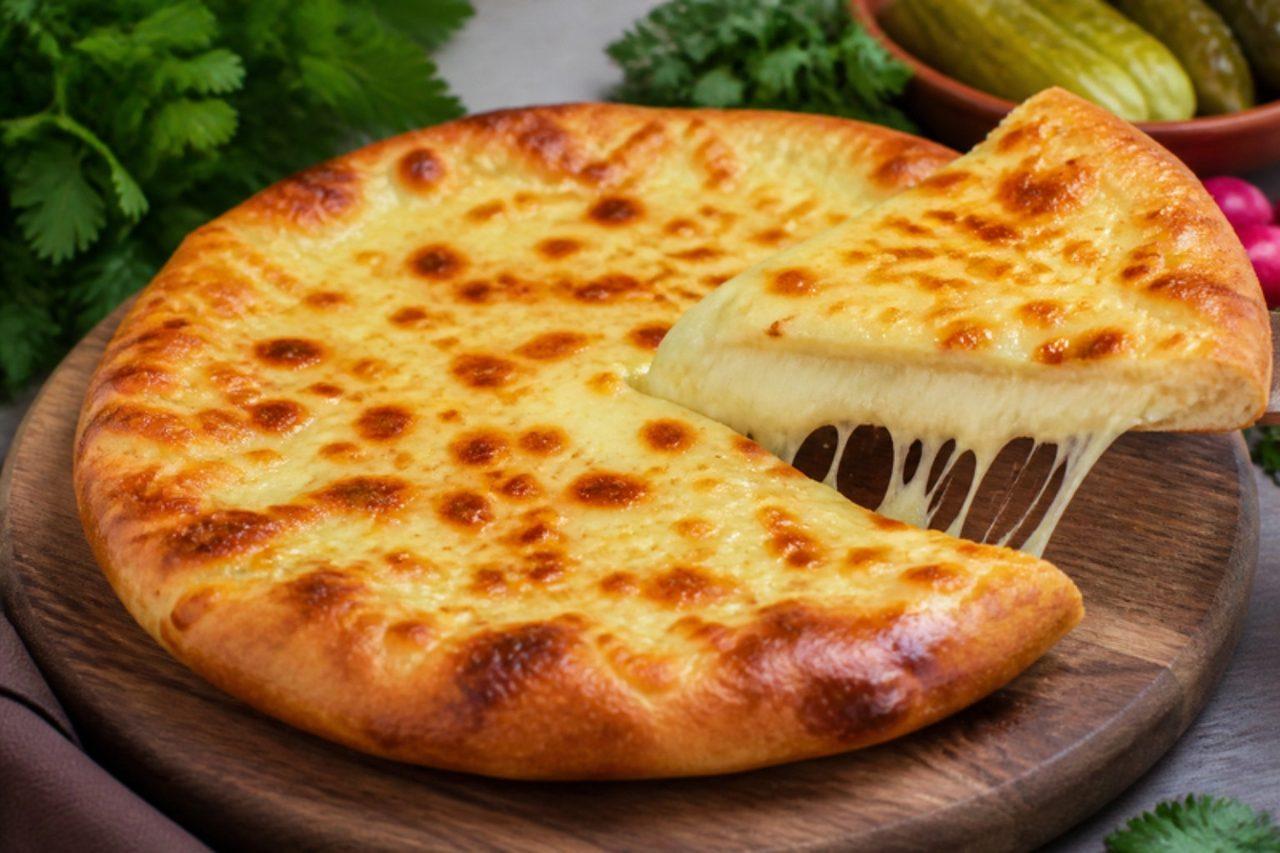
Megruli khachapuri
Cheese-filled bread with cheese topping
Samegrelo's round cheese bread, filled and topped with cheese
 Georgian
Samegrelo, in western Georgia, gives its name to the most generous of the khachapuri: a round, soft yoghurt-and-yeast bread filled with salty cheese and then topped with more cheese, so it comes out of the oven with a golden, blistered lid. It is the khachapuri of Georgian supra feasts and family Sundays, cut into wedges and passed around with herbs, pickles and a tomato and cucumber salad. Traditionally the cheese is a mix of stretchy sulguni and fresh, tangy imeruli; outside Georgia, low-moisture mozzarella and feta make a good match. Sulguni and some fetas use animal rennet, so pick ones made with vegetarian rennet. Overfilling is what makes the base tear and leak, so keep the dough at least 5 mm thick underneath. Chef's tip: bake it high in a very hot oven and rub butter over the cheese as soon as it comes out, which is how Georgian bakeries finish it.
- Total time
- 93 min
- Difficulty
- medium
- Serves
- 6
Ingredients
For the dough
- 16 oz plain flourplus extra for shaping
- ⅛ oz instant dried yeast
- 1 tsp sugar
- 1 tsp salt
- ¾ cup whole milklukewarm
- 5 ½ oz plain yogurt or matsoni
- 1 egg
- 2 tbsp sunflower oil
For the filling
- 14 oz low-moisture mozzarella (sulguni substitute)grated; vegetarian rennet
- 7 oz feta (imeruli substitute)crumbled; vegetarian rennet
- 5 ½ oz low-moisture mozzarellagrated, for the top; vegetarian rennet
Shop this recipe on Amazon
What you'll need
Fresh ingredients (5)
Links open Amazon in a new tab. As an Amazon Associate, WhatToEat.Today earns from qualifying purchases.
Method
0/9 doneStep 1: Mix 16 oz plain flour, ⅛ oz instant dried yeast, 1 tsp sugar and 1 tsp salt. Add ¾ cup whole milk, 5 ½ oz plain yogurt or matsoni, 1 egg and 2 tbsp sunflower oil and mix to a soft, slightly sticky dough.
Step 2: Knead for 6–8 minutes until smooth. Cover and leave in a warm place for 45 minutes, until risen by half.
50 minStep 3: Mix 14 oz low-moisture mozzarella (sulguni substitute) and 7 oz feta (imeruli substitute) and squeeze into two large balls of filling.
Step 4: Heat the oven to 475°F (425°F fan) with a baking tray inside. Divide the dough in two.
Step 5: On a floured surface, flatten one piece into an 18 cm round. Set a cheese ball in the middle, gather the dough up over it like a pouch and pinch tightly closed.
Step 6: Turn it seam side down and gently press and roll it out into a 26 cm round, keeping it even so no cheese breaks through. Repeat with the other half.
Step 7: Lay one round on baking paper, make a small hole in the centre, brush with 1 egg yolk and scatter half of 5 ½ oz low-moisture mozzarella on top.
Step 8: Slide it onto the hot tray and bake for 12–14 minutes, until the crust is deep golden, the cheese is blistered and the base is crisp and brown underneath. Bake the second the same way.
13 minStep 9: Rub half of 1 oz butter over each hot khachapuri, cut into wedges and eat straight away.
Nutrition per serving
- Calories
- 640 kcal
- Protein
- 32 g
- Carbs
- 60 g
- Fat
- 30 g
- Fibre
- 2 g
Nutrition values are estimates.
KrazyBadal
Good to know
- How long does megruli khachapuri take?
- About 93 minutes in total: 65 minutes to prepare and 28 minutes to cook.
- How many people does it serve?
- 6 as written. Change the servings above the ingredients and every amount scales to match.
- Is it vegetarian?
- Yes. It has no meat or fish.
- What can I use instead of plain flour?
- Self-raising flour, same amount (then leave out the baking powder).
- What can I use instead of sugar?
- Caster sugar, same amount.
Reviews
No reviews yet. Be the first to cook it.
Rate this recipe
Sign in to rate and review this recipe.
You might also like
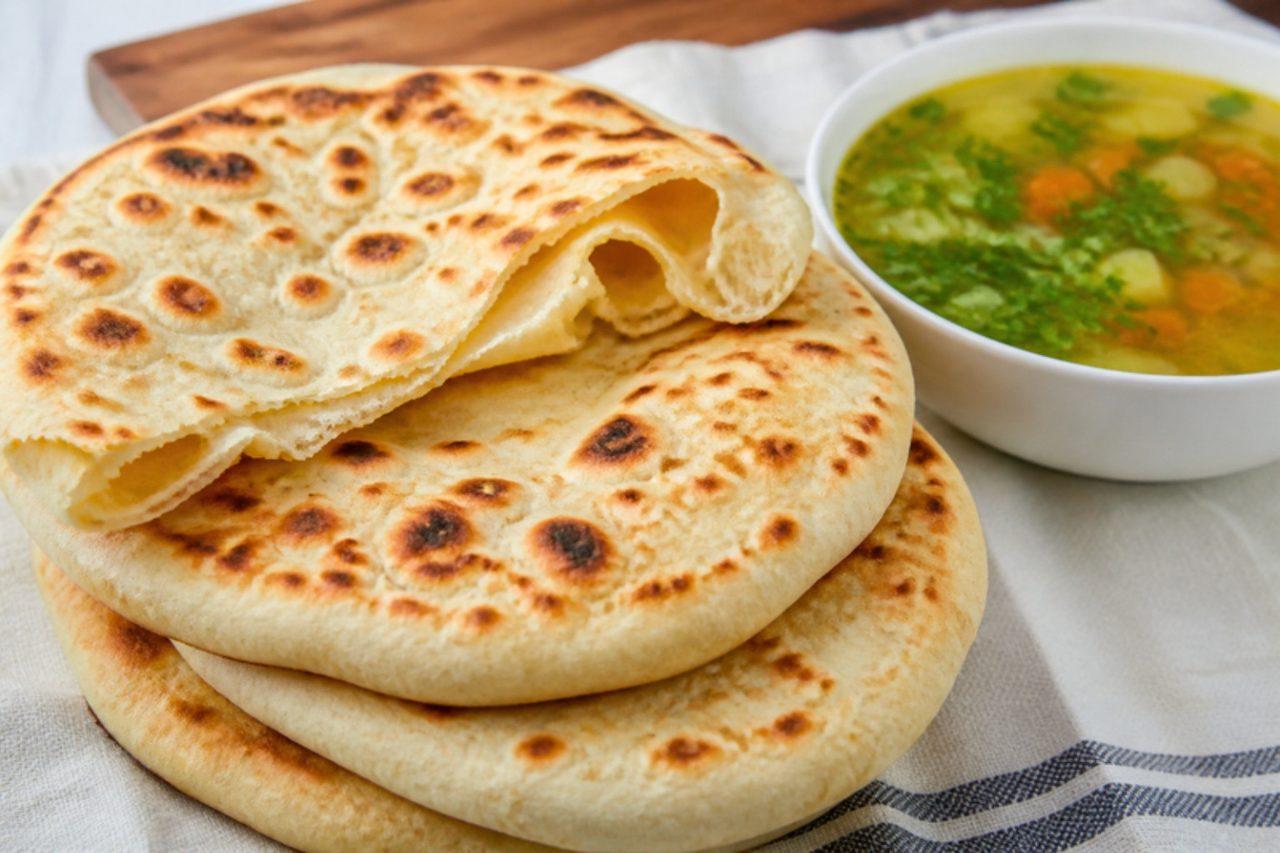
SalufPuffy flatbread
Saluf is the everyday bread of Yemenite Israelis, slapped onto a hot pan or taboon in Rosh HaAyin and Sha'arayim in Rehovot and eaten with marak temani, hilbe and zhug. It is soft and blistered, thicker than pita and with no pocket, made to tear and dunk. Home cooks often roll it too thin, which gives a cracker; it should be about 1 cm thick so it stays pillowy. Chef's tip: cook it under a lid on a very hot dry pan for the first minute, which traps steam and puffs it the way a taboon does.
 Israeli

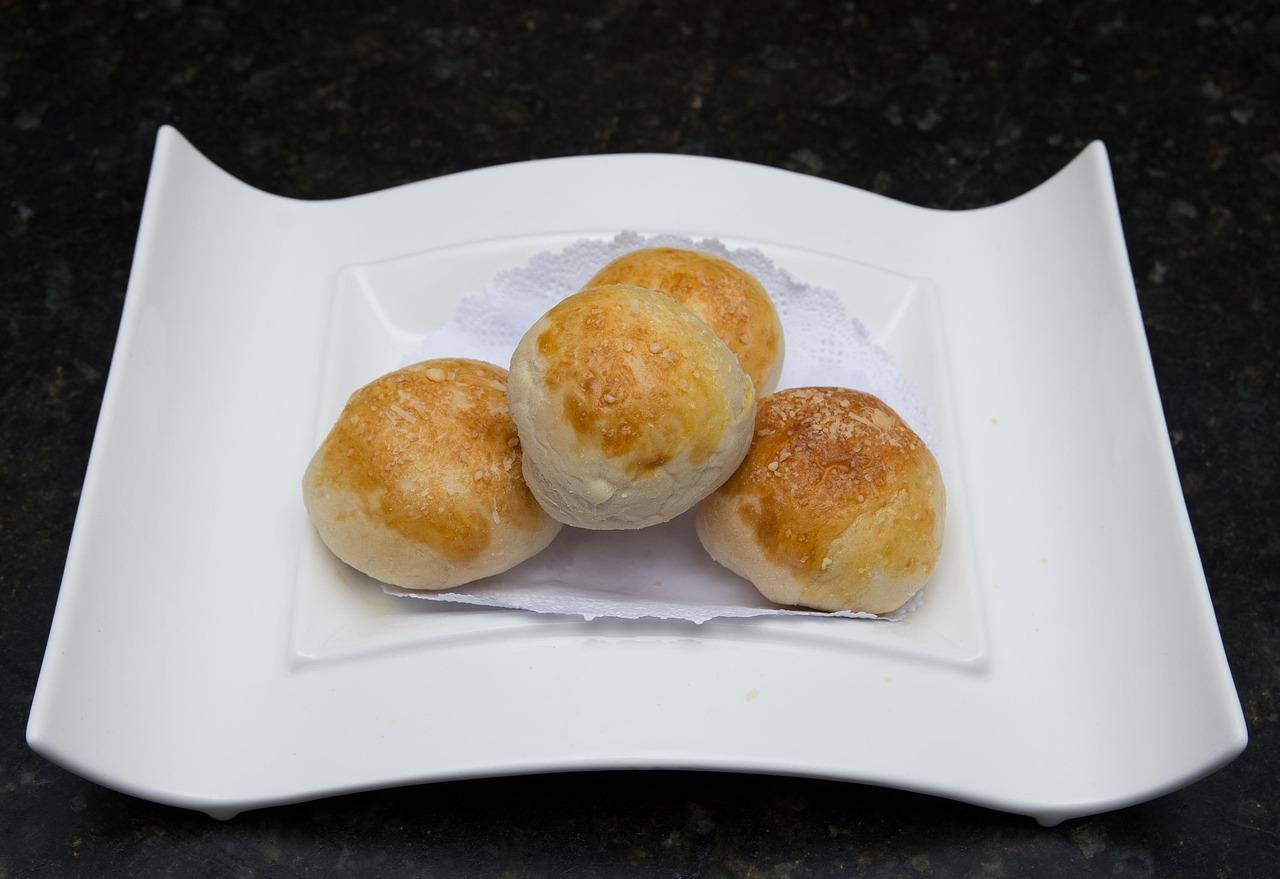
ChipaCheese bread rings
In Paraguay you hear 'chipa, chipa!' called by vendors with big baskets on buses and street corners, and every family bakes it for Holy Week, when chipa is the food of Good Friday. Cassava starch, a little cornmeal, butter, eggs and a lot of hard cheese are kneaded into a dough scented with aniseed, shaped into rings or small rolls and baked in a hot oven, traditionally a domed clay tatakua. It's chewy, crisp outside and best warm with cocido (toasted yerba tea). Chef's tip: the dough should feel soft and slightly greasy; add milk a spoon at a time, as too much makes the chipa spread flat.
 Paraguayan

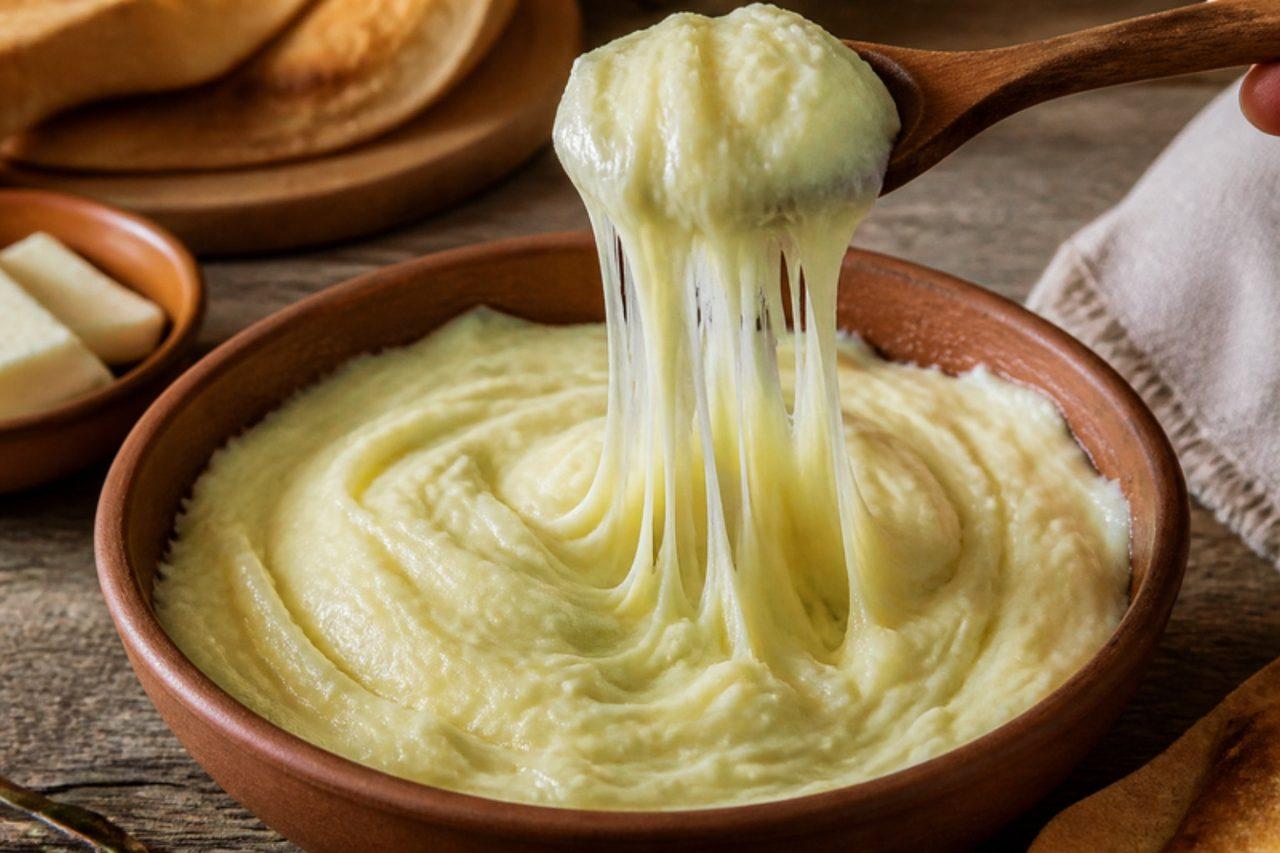
TashmijabiMashed potatoes with stretchy cheese
Potatoes grow well in the cold valleys of Svaneti, and tashmijabi is how families around Mestia turn them into a feast dish: they are mashed hot, then beaten with handfuls of young sulguni until the purée becomes glossy and stretches from the spoon in long strands. It is served with grilled meat, kubdari or simply with pickles and Svan salt. A common mistake is letting the potatoes cool before adding the cheese; they must be piping hot for the cheese to melt and stretch. Chef's tip: keep the pan on a low heat while you beat, and use a firm wooden spoon. Most sulguni uses animal rennet; choose a vegetarian one or use mozzarella.