
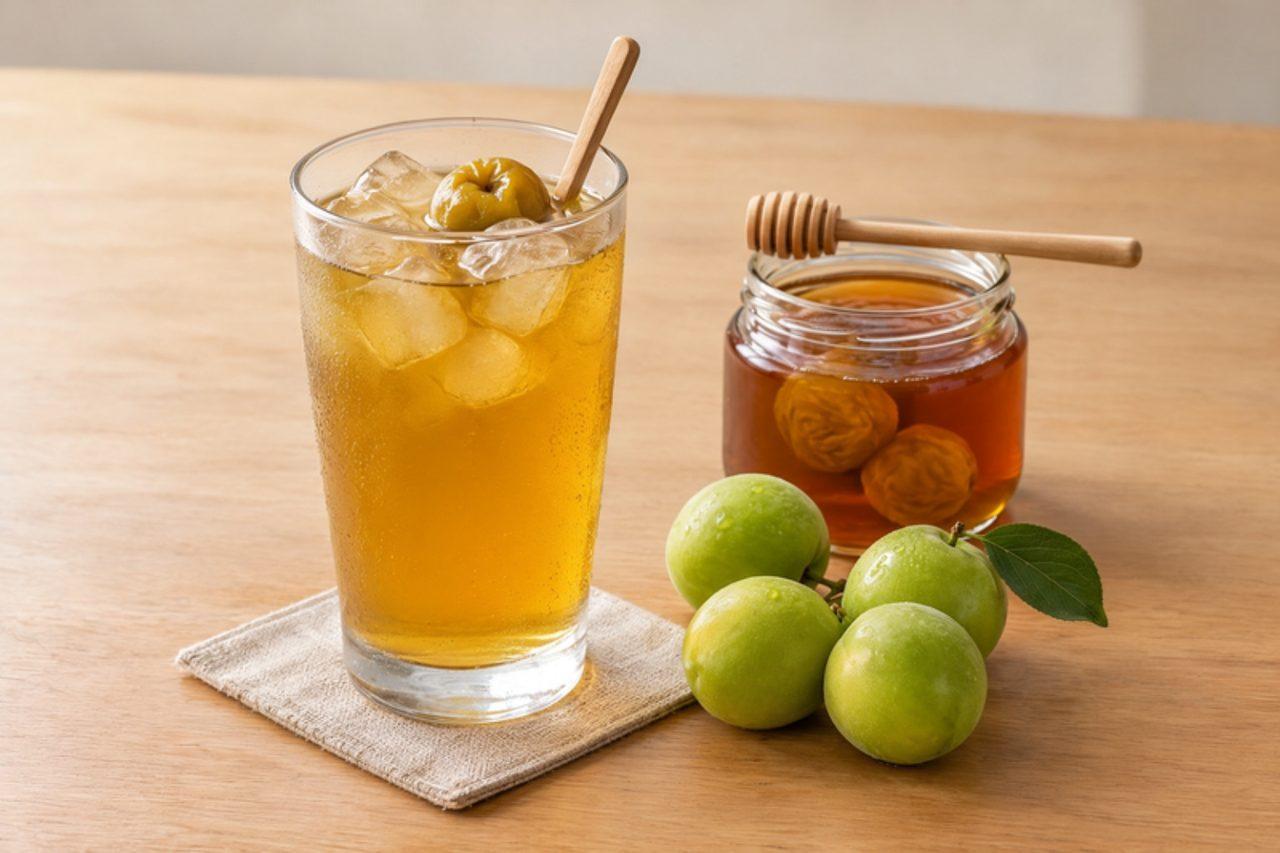
AI-generated image
Maesil-cha (green plum tea)
매실차: green maesil plums cured in sugar for a hundred days into a sweet-sour syrup, diluted hot in winter or iced in summer


In early June the hillsides of Gwangyang are picked clean of hard green maesil, and Korean kitchens across the country fill with jars of plums buried in sugar. Over about a hundred days the sugar draws out the fruit's juice and becomes maesil-cheong, a golden syrup that is both a cooking ingredient and a drink. Iced, it is the summer cooler; hot, it is traditionally drunk after a heavy meal for digestion. It tastes bright and tart, like green apple and apricot, rounded by the sugar. The common mistake is putting damp plums or plums with stalks into the jar: water and stalk ends invite mould and unwanted fermentation. Pick out each stalk with a toothpick and dry the fruit completely. The syrup is ready when the plums have shrivelled and float in clear amber liquid. A little foaming early on is normal, but if it smells strongly of alcohol, grows fuzzy mould or turns slimy, discard it. Remove the plums at 100 days, because their stones contain natural compounds best kept out of a long-stored syrup. Chef's tip: use half white and half light brown sugar for a rounder, toffee-edged syrup.
- Total time
- 40 min
- Difficulty
- easy
- Serves
- 20
Ingredients
For the syrup (maesil-cheong)
- 1 ⅛ lb green maesil plumsvery firm and green; Japanese ume are the same; unripe apricots at a pinch
- 1 ⅛ lb sugar
For each serving
- ¾ cup hot or cold waterper glass
- 4 ice cubes (optional)for the cold version
Shop this recipe on Amazon
What you'll need
Spices & pantry
Links open Amazon in a new tab. As an Amazon Associate, WhatToEat.Today earns from qualifying purchases.
Method
0/6 doneStep 1: Sterilise a 1.5-litre glass jar and lid: wash in hot soapy water, rinse and dry in a 250°F oven for 10 minutes. Let it cool completely.
15 minStep 2: Wash 1 ⅛ lb green maesil plums, then prise out each little stalk end with a toothpick. Spread on a towel and let dry completely, 1–2 hours, turning once; there must be no drop of water left.
20 minStep 4: Keep in a cool, dark place. For the first 2 weeks, tilt and gently roll the jar every 2–3 days to help the sugar dissolve, until no undissolved sugar remains at the bottom. A few fine bubbles are normal.
5 minStep 5: After 100 days, when the plums are wrinkled and the syrup is clear amber, strain the syrup through a sieve into clean, sterilised bottles and remove the plums. Keep the syrup in the fridge for up to a year.
10 minStep 6: To serve, stir 2 tbsp syrup into a glass with 200 ml of ¾ cup hot or cold water: hot in winter, or cold over 4 ice cubes in summer. Taste and adjust.
1 min
Nutrition per serving
- Calories
- 100 kcal
- Protein
- 0 g
- Carbs
- 25 g
- Fat
- 0 g
- Fibre
- 0 g
Nutrition values are estimates.
KrazyBadal
Good to know
- How long does maesil-cha (green plum tea) take?
- About 40 minutes in total.
- How many people does it serve?
- 20 as written. Change the servings above the ingredients and every amount scales to match.
- Is it vegan?
- Yes. It has no meat, fish, dairy or eggs.
- Is it gluten free?
- Yes, as written. Check the labels on stock, sauces and spice mixes, which sometimes contain gluten.
- Can I make it ahead?
- Yes. It keeps well, so you can cook it earlier in the day or the day before and reheat it.
- What can I use instead of sugar?
- Caster sugar, same amount.
Reviews
No reviews yet. Be the first to cook it.
Rate this recipe
Sign in to rate and review this recipe.
You might also like
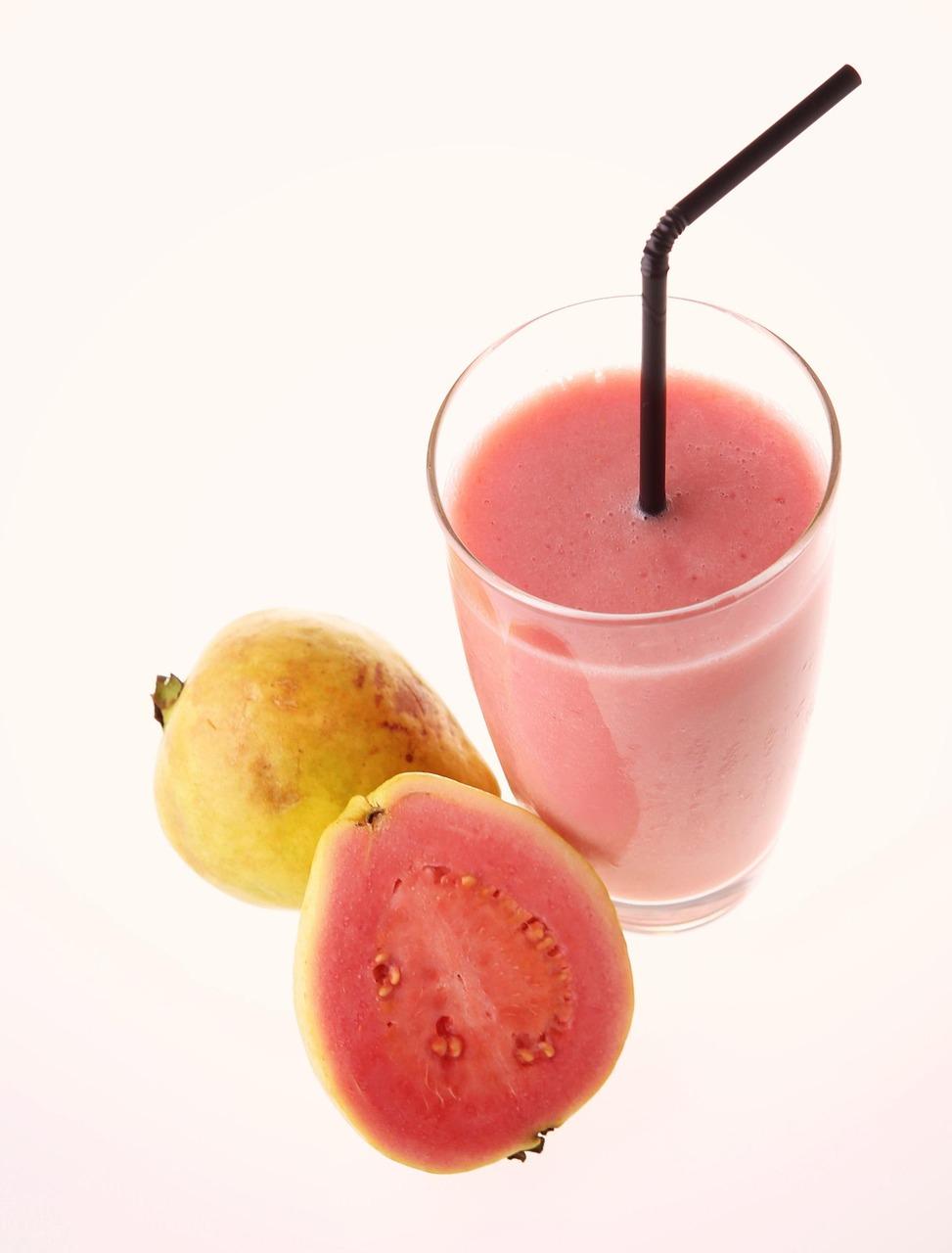
Guava delight
A thick, fragrant blend of ripe guava, mango and banana, boosted with a spoonful of guava powder from the health shop. The book calls it a modern-day vitality drink, drawing on guava's long use in traditional Indian medicine. Serve it well chilled; sieve it if you don't like the little guava seeds.


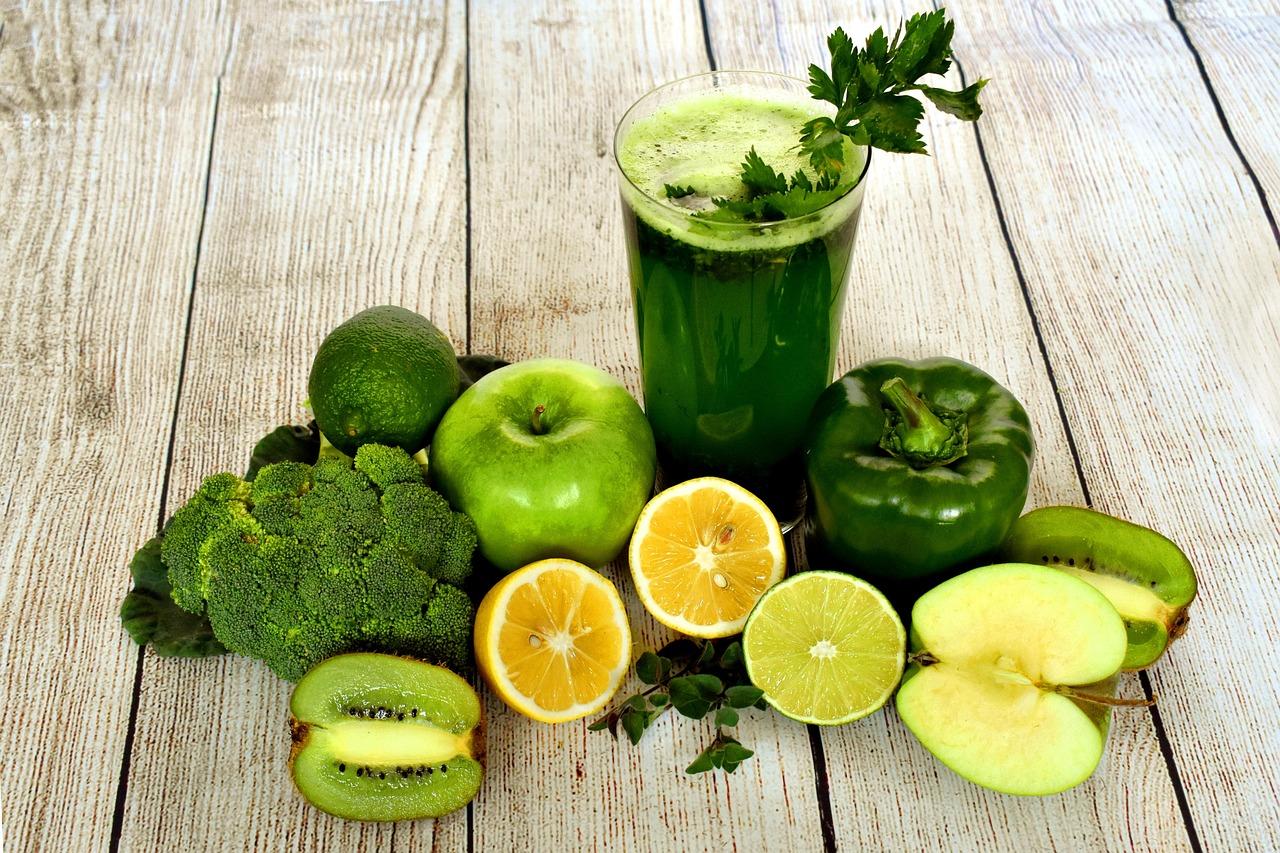
Power pack
A sweet, energising juice of apples, pears and kiwi fruit with a stick of celery, all used unpeeled for extra goodness. It's naturally sweet, so it needs no sugar. Serve well chilled.
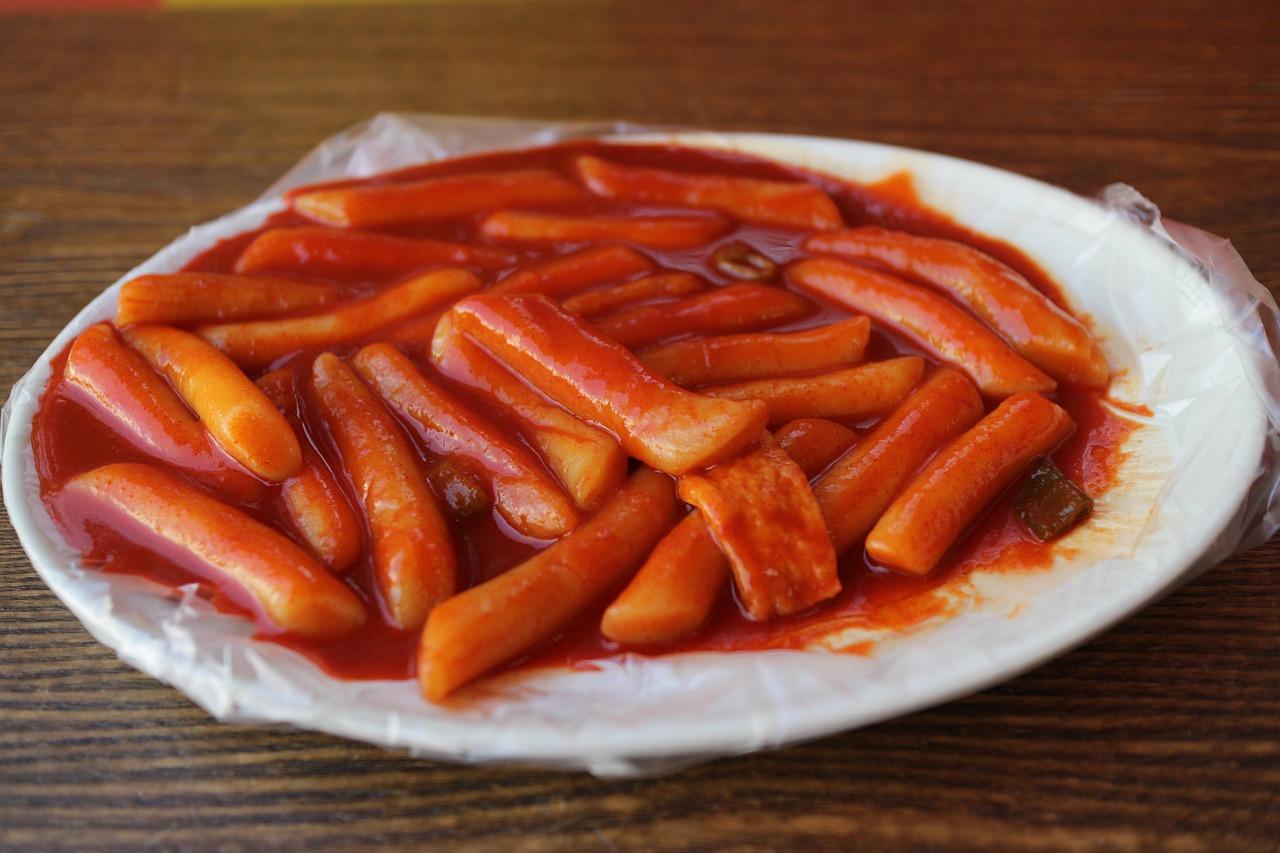
Tteokbokki
Tteokbokki (떡볶이) is Korea's best-loved street snack: chewy cylinders of rice cake simmered in a thick, glossy, sweet and spicy red sauce. It became a classic in Seoul, where it is sold from street stalls and snack bars in every neighbourhood. Street versions use anchovy stock and fish cakes; this vegan version uses a quick kelp and shiitake stock with cabbage and spring onions, and has all the same punch. Eat it hot, while the rice cakes are soft and stretchy. Chef's tip: keep stirring and scrape the bottom; the rice cakes release starch that thickens the sauce but also catches. The sauce is right when it clings to the spoon in a glossy coat.
