

AI-generated image
Mabo nasu (Japanese mapo aubergine)
Mabo nasu: aubergine with minced pork in a mild doubanjiang sauce

Mabo nasu is the Japanese home take on a Sichuan dish, cooked across Japan on weeknights when aubergines are cheap in summer: soft aubergine and minced pork in a glossy, mild sauce of doubanjiang, miso and soy, eaten over white rice. This is a pork dish. The usual mistake is under-cooking the aubergine, which stays spongy and drinks the sauce; fry it until it is collapsing and shiny first. Chef's tip: stir the cornflour slurry in off the heat, then bring it back to a bubble, so it thickens smoothly without lumps.
- Total time
- 25 min
- Difficulty
- easy
- Serves
- 3
Ingredients
- 2 auberginesabout 500 g, cut into finger-length wedges
- 3 tbsp vegetable oil
- 7 oz pork mince
- 1 garlic clovefinely chopped
- 1 tsp gingergrated
- 1 tbsp doubanjiang (chilli bean paste)use 2 tsp for children
- 1 tbsp red or mixed miso
- 1 tbsp soy sauce
- 2 tsp sugar
- ¾ cup water
- 2 tsp cornflourmixed with 2 tbsp cold water
- 1 tsp sesame oil
- 1 spring onionchopped
Shop this recipe on Amazon
Spices & pantry
Fresh ingredients (4)
Links open Amazon in a new tab. As an Amazon Associate, WhatToEat.Today earns from qualifying purchases.
Method
0/5 doneStep 1: Heat 3 tbsp vegetable oil in a large frying pan over a medium-high heat. Fry 2 aubergines, turning, until the skins are glossy and the flesh is soft and golden. Push them to the side of the pan.
8 minStep 2: Add 7 oz pork mince to the cleared space and fry, breaking it up, until it has changed colour and the fat runs. Add 1 garlic clove, 1 tsp ginger and 1 tbsp doubanjiang (chilli bean paste) and fry for 30 seconds until red and fragrant.
4 minStep 3: Mix 1 tbsp red or mixed miso, 1 tbsp soy sauce and 2 tsp sugar into ¾ cup water and pour it in. Stir everything together and simmer for 3 minutes, until the aubergine is very soft and the pork is cooked through (160°F).
3 minStep 4: Take the pan off the heat, stir in the 2 tsp cornflour slurry, then return it to the heat and stir until the sauce bubbles and turns glossy.
1 minStep 5: Finish with 1 tsp sesame oil and 1 spring onion and serve over rice.
1 min
Nutrition per serving
- Calories
- 330 kcal
- Protein
- 15 g
- Carbs
- 18 g
- Fat
- 23 g
- Fibre
- 6 g
Nutrition values are estimates.
KrazyBadal
Good to know
- How long does mabo nasu (Japanese mapo aubergine) take?
- About 25 minutes in total: 8 minutes to prepare and 17 minutes to cook.
- How many people does it serve?
- 3 as written. Change the servings above the ingredients and every amount scales to match.
- What can I use instead of garlic clove?
- ½ tsp garlic paste or ⅛ tsp garlic powder per clove.
- What can I use instead of soy sauce?
- Tamari, same amount (gluten free).
Reviews
No reviews yet. Be the first to cook it.
Rate this recipe
Sign in to rate and review this recipe.
You might also like

Yaki onigiriGrilled rice balls
Yaki onigiri (焼きおにぎり) are rice balls grilled until they form a crisp, toasty crust, then brushed with soy sauce glaze. They are eaten all over Japan, at izakaya, at barbecues and from the freezer section, as a snack or with miso soup. The inside stays soft and steamy while the outside crackles. Best eaten hot, straight from the pan. Chef's tip: let the shaped rice balls dry for 10 minutes before they go in the pan. A drier surface forms a better crust and won't stick, and the glaze goes on only at the end so it doesn't burn.

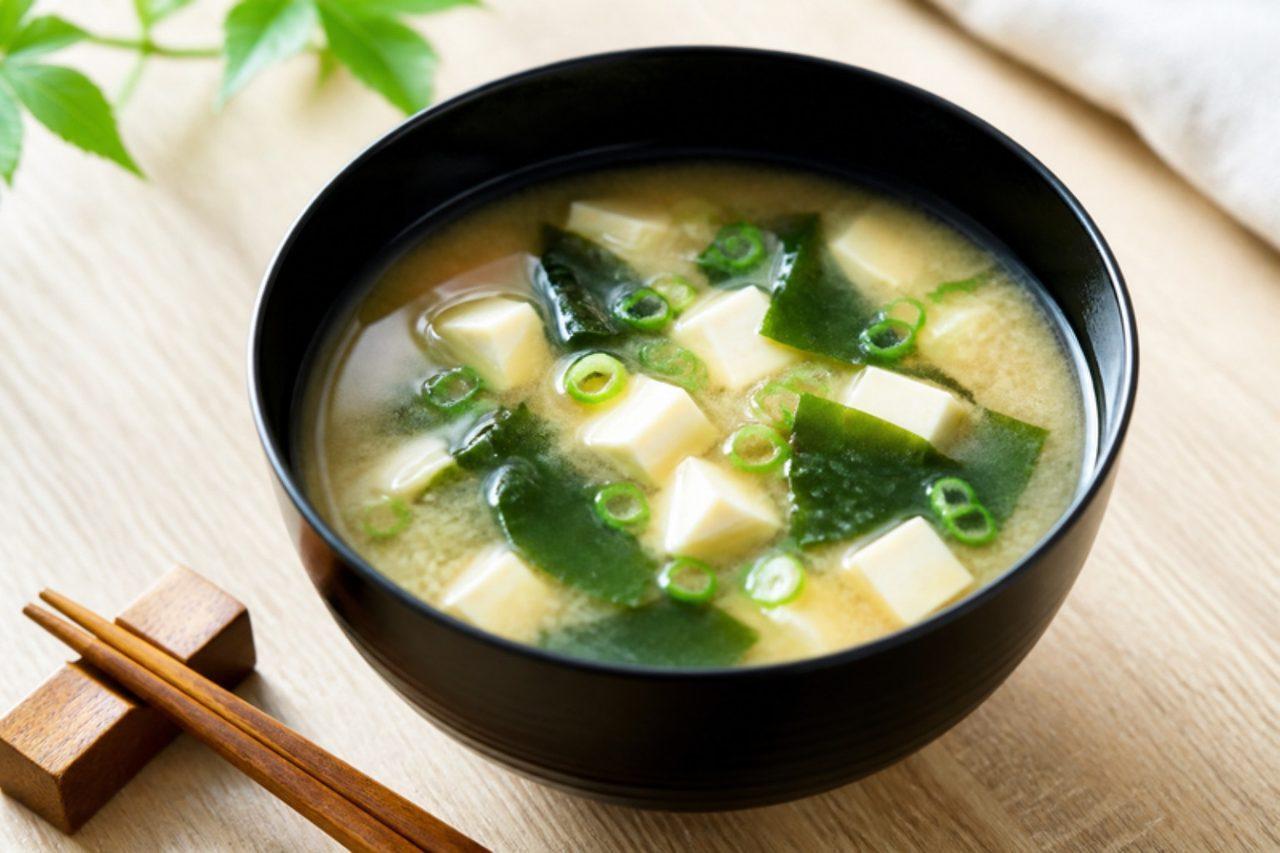
Miso soup
Miso soup (味噌汁) is drunk every day in homes all over Japan, at breakfast as well as dinner, beside a bowl of rice. The base is dashi; this vegan version uses kombu and dried shiitake instead of bonito, which gives it a deep, rounded flavour. Silken tofu and wakame seaweed are the classic fillings. It takes ten minutes; just remember not to boil the miso. Chef's tip: add the miso at the very end and never let it boil. Boiling kills the miso's fresh, fermented aroma; Japanese cooks say the soup should only 'smile', with the surface barely trembling.
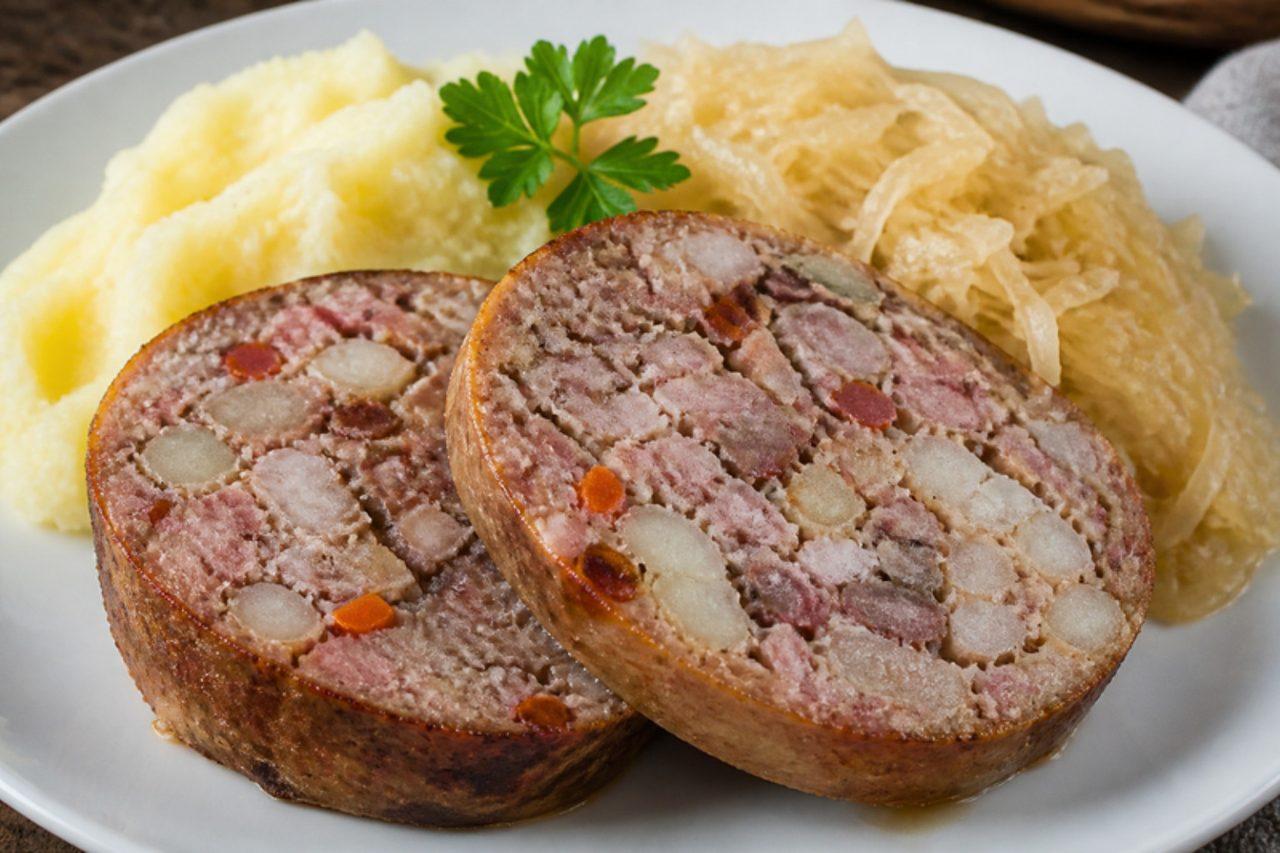
Pfälzer SaumagenStuffed pig's stomach
Saumagen is the pride of the Palatinate, served at wine-village festivals and family dinners from the Haardt hills to Ludwigshafen. A cleaned pig's stomach is stuffed with diced pork shoulder, pork sausage meat, potato and carrot seasoned with marjoram and nutmeg, poached slowly, then sliced thick and fried until crusty. The stomach works only as a casing and is ordered from a butcher; if you can't get one, bake the same filling in a covered terrine in a water bath. Serve with sauerkraut and mashed potato. Chef's tip: fill the stomach only three-quarters full, or it bursts as the potatoes swell.
 German
