
AI-generated image
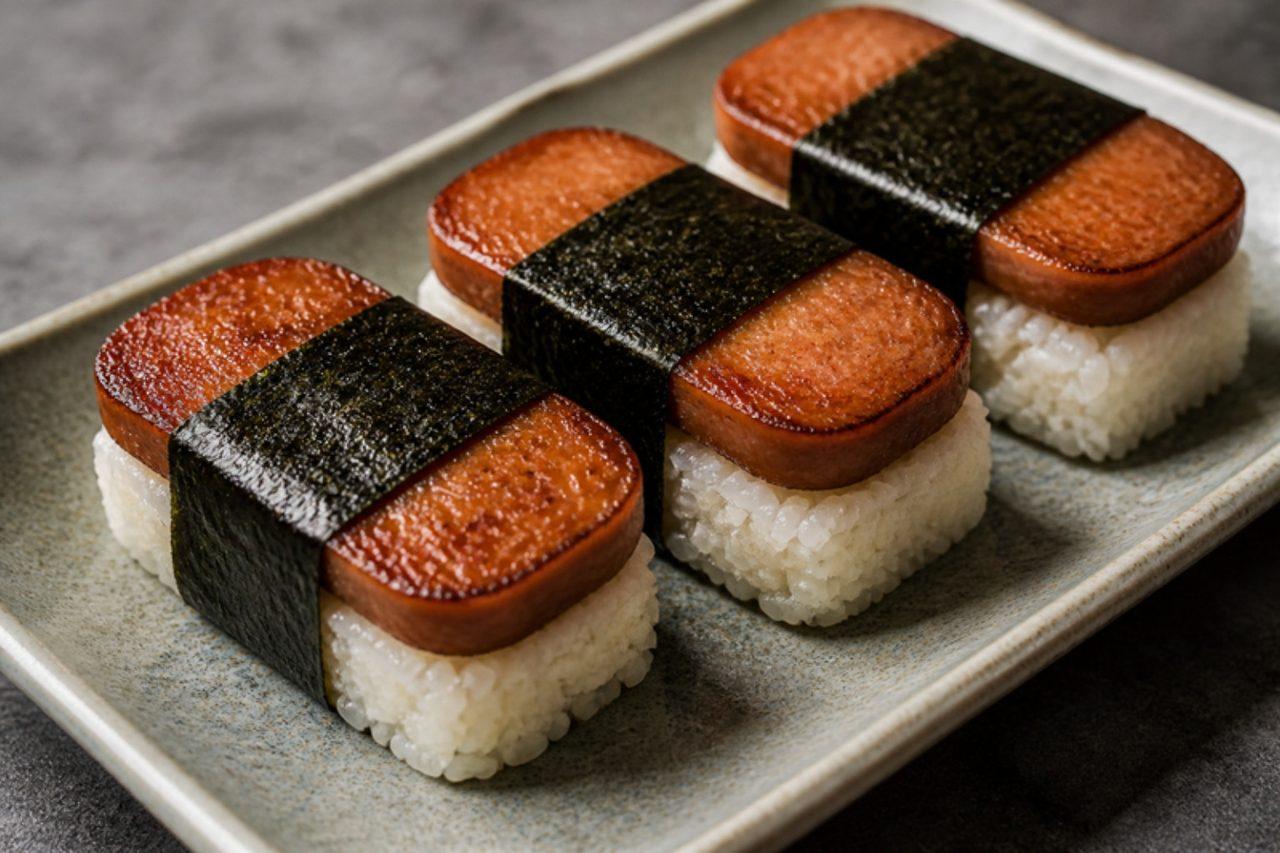
Luncheon meat musubi
Hawaiian rice block with glazed fried luncheon meat, wrapped in nori
Musubi is Hawaii's favourite grab-and-go snack, sold wrapped in cling film by the till in every convenience store from Honolulu to Hilo and packed for beach days and school lunches. A slice of tinned pork luncheon meat is fried in a sweet soy glaze, set on a block of rice and belted with a strip of nori, a Japanese rice-ball idea adapted after the Second World War. Chef's tip: wet the mould and your hands so the rice doesn't stick, and press firmly so the block holds.
- Total time
- 30 min
- Difficulty
- easy
- Serves
- 8
Ingredients
Shop this recipe on Amazon
Spices & pantry
Links open Amazon in a new tab. As an Amazon Associate, WhatToEat.Today earns from qualifying purchases.
Method
0/5 doneStep 1: Mix the 3 tbsp soy sauce and 2 tbsp sugar with 1 tbsp water. Fry the 12 oz tinned pork luncheon meat slices in a dry non-stick pan over a medium heat for 2–3 minutes a side until browned and hot through.
6 minStep 2: Pour in the soy mixture and cook for 1–2 minutes, turning the slices, until the glaze is sticky and coats them. A common mistake is a high heat; the sugar burns in seconds.
2 minStep 3: Lay a half sheet of 4 nori sheets shiny-side down. Set a wet musubi mould (or the cleaned luncheon meat tin with both ends cut out, lined with cling film) in the centre.
2 minStep 4: Press in a layer of 1 ½ lb cooked short-grain (sushi) rice, sprinkle with 1 tbsp furikake rice seasoning, add a slice of meat and top with a little more rice. Press down firmly, then lift off the mould.
5 minStep 5: Wrap the nori around the block, sealing the end with a grain of rice. Eat the same day, at room temperature.
5 min
Nutrition per serving
- Calories
- 290 kcal
- Protein
- 9 g
- Carbs
- 38 g
- Fat
- 11 g
- Fibre
- 1 g
Nutrition values are estimates.
KrazyBadal
Good to know
- How long does luncheon meat musubi take?
- About 30 minutes in total: 20 minutes to prepare and 10 minutes to cook.
- How many people does it serve?
- 8 as written. Change the servings above the ingredients and every amount scales to match.
- What can I use instead of soy sauce?
- Tamari, same amount (gluten free).
- What can I use instead of sugar?
- Caster sugar, same amount.
Reviews
No reviews yet. Be the first to cook it.
Rate this recipe
Sign in to rate and review this recipe.
You might also like
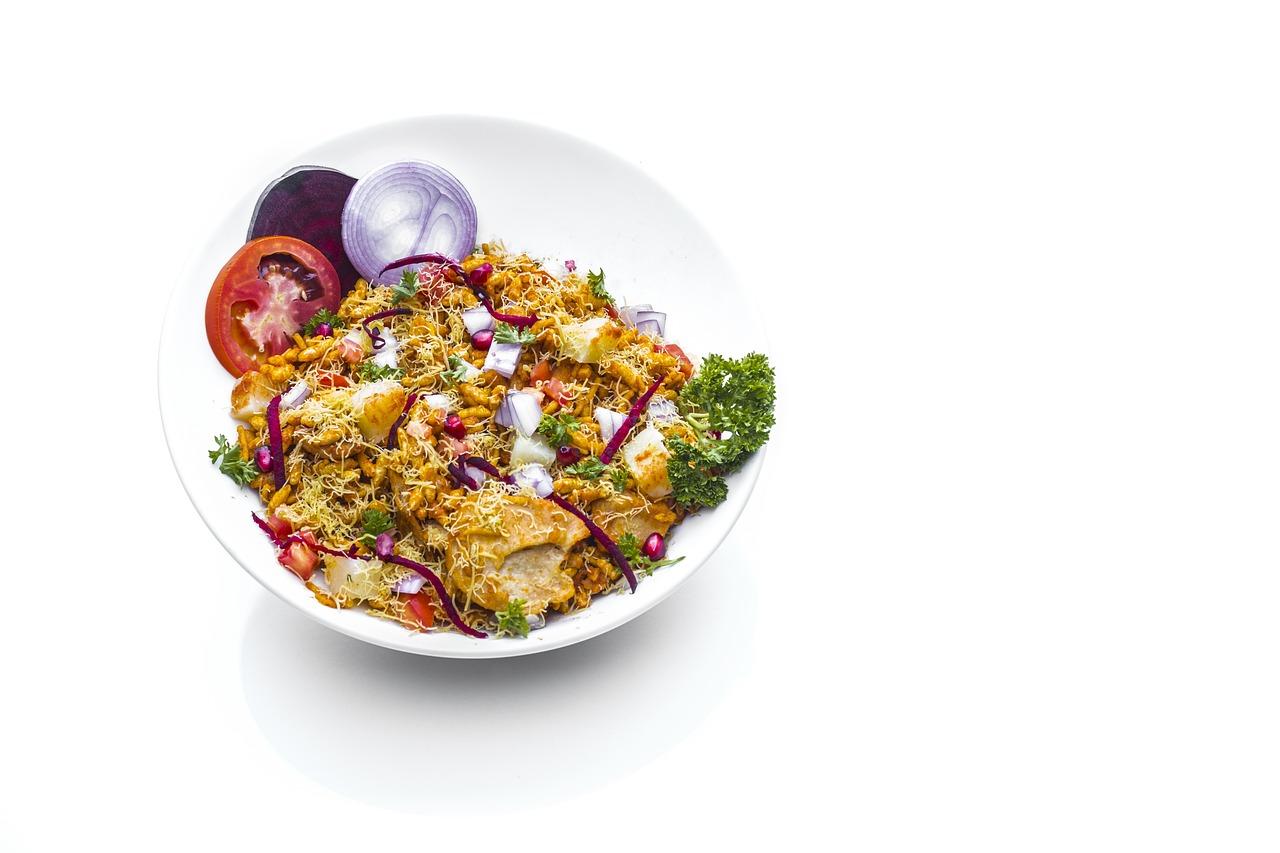
Coastal Mombasa mix
A Mombasa street-food bowl: chickpeas and potato simmered in coconut milk with raw mango and chilli, ladled into small bowls and topped with crisp lentil fritters, crunchy chevdo and red, green and tamarind chutneys. Make the fritters and chevdo ahead and assemble at the table. It's sweet, sour, hot and crunchy all at once.

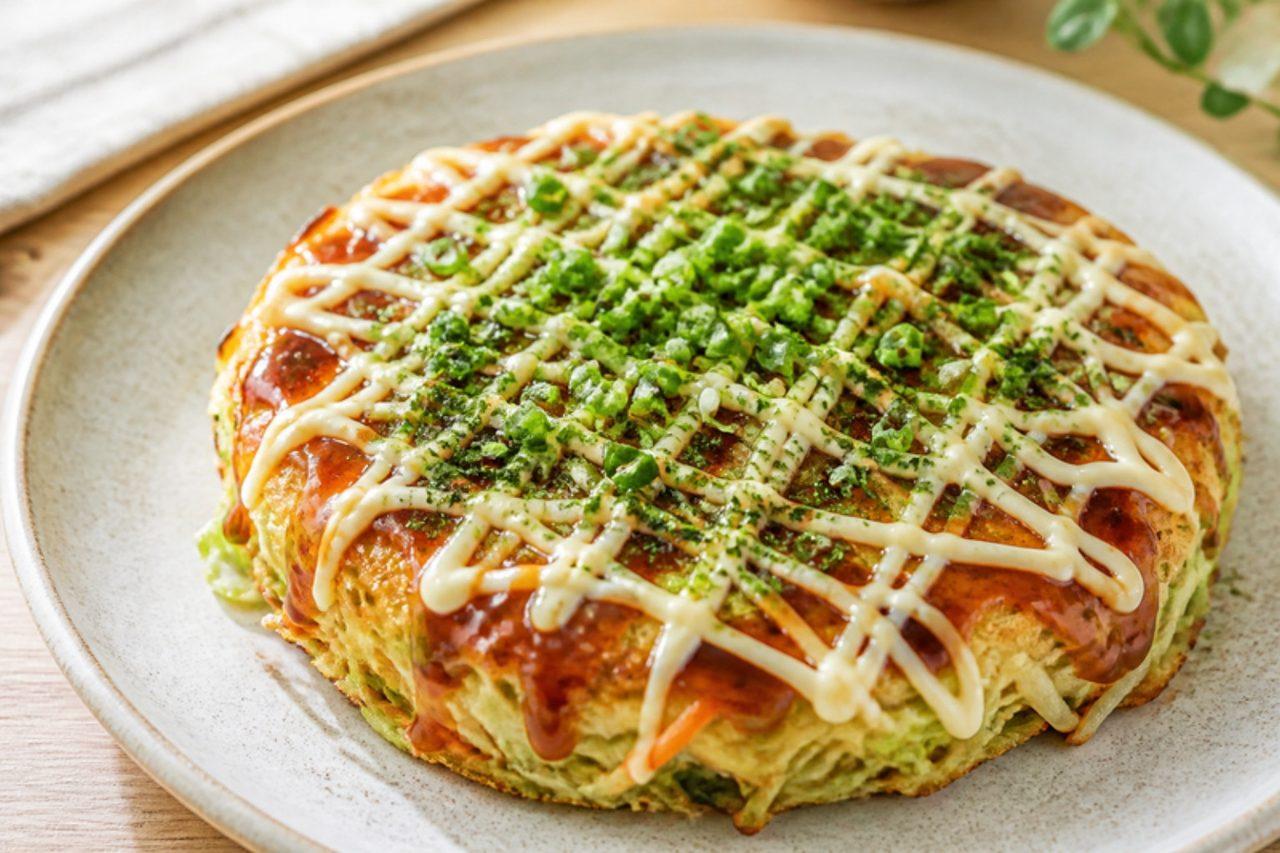
Okonomiyaki
Okonomiyaki (お好み焼き, 'grilled as you like it') is the pride of Osaka, where it's cooked on hot iron griddles in lively restaurants. Finely shredded cabbage is folded into a light batter with egg and spring onion, then fried into a thick, soft pancake with a crisp outside. It's painted with a fruity brown sauce and zigzagged with mayonnaise. Bonito flakes are usual on top; this vegetarian version uses seaweed flakes and pickled ginger instead. Chef's tip: don't press the pancake down with your spatula while it cooks. Osaka cooks leave it alone so the cabbage steams inside and stays light and fluffy; pressing squeezes out the air.
 Japanese
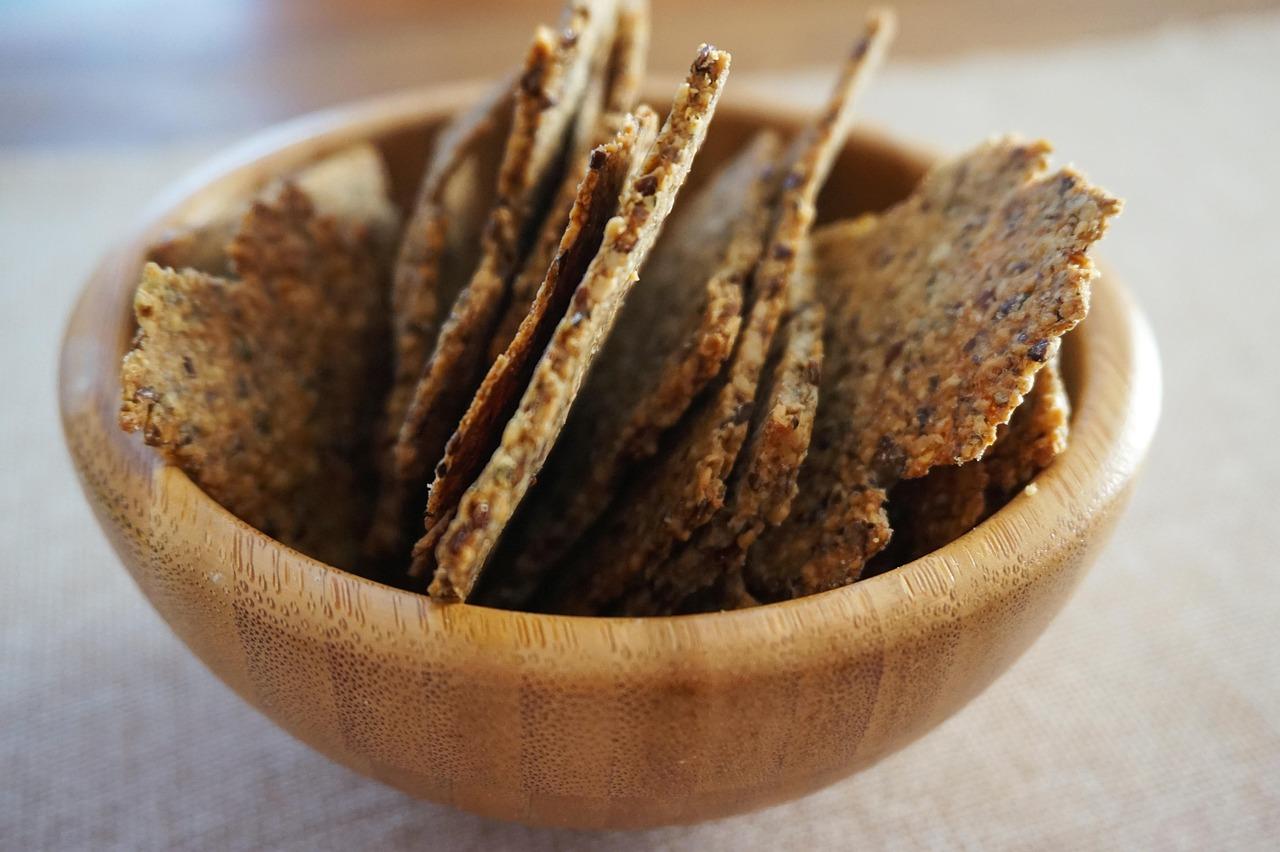
Masala khakhra
Khakhra are thin chapaties roasted slowly on a griddle until they turn crisp, like a cracker. This masala version adds gram flour, fresh fenugreek, turmeric and chilli to the wheat dough. They are a light Gujarati breakfast or tea-time snack, and lovely with pickle, chutney or a smear of butter. You can also make them in a roti maker.
 Indian
