
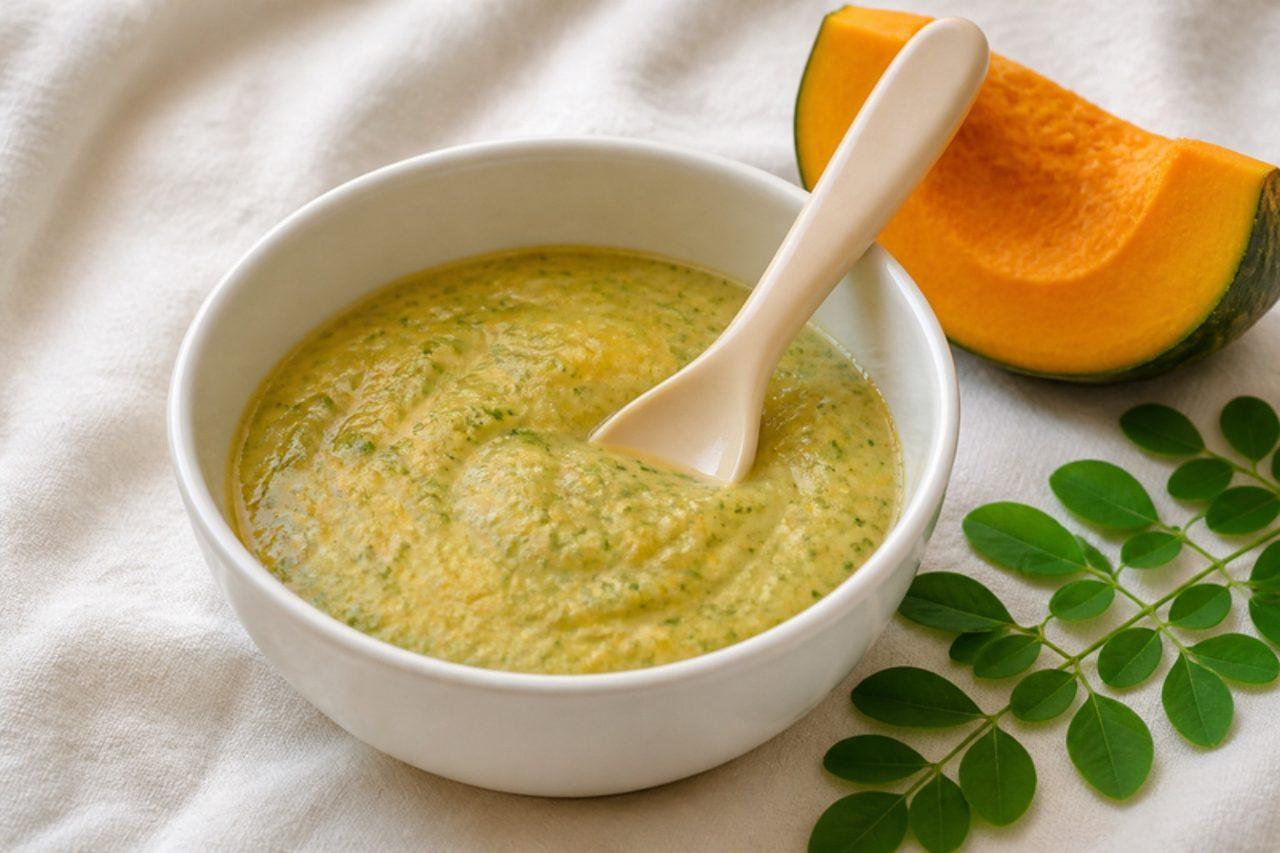
AI-generated image
Lugaw for babies with squash and malunggay
6m+ · Filipino rice porridge cooked very soft with kalabasa and moringa leaves, no patis


In the Philippines, lugaw is the porridge every household turns to, and for babies it is cooked plain and extra soft, without the patis (fish sauce) or salt the family adds. Mothers often stir in mashed kalabasa, the orange squash from the market, and a few malunggay (moringa) leaves picked from the backyard tree, giving a sweet, gently green bowl for lunch or merienda. A slice of ginger in the pot is traditional and adds warmth. It has none of the common allergens (milk, egg, gluten, peanut, tree nuts, soya, sesame, fish). Chef's tip: strip malunggay leaves from their stalks completely; the little stems stay tough even after long cooking.
- Total time
- 50 min
- Difficulty
- easy
- Serves
- 6
Baby & toddler safety
- Age: from 6 months+.
- Allergens: none of the common allergens found in the ingredients. Offer one new allergen at a time, in the morning, so you can watch for a reaction.
- Texture and choking: purée or mash smoothly for 6–9 months, then soft, finger-sized pieces that squash between your fingers. Cut round foods such as grapes and cherry tomatoes into quarters lengthways, never give whole nuts, and always stay with your child while they eat.
- Under 1: no honey, no added salt or stock cubes, and no added sugar.
Every child is different. If you are unsure, especially about allergies, check with your health visitor or paediatrician.
Ingredients
- 1 ¾ oz white ricerinsed
- 3 cups water
- 1 slice fresh gingerthin, peeled
- 4 oz kalabasa squashor pumpkin, peeled and diced
- 1 tbsp malunggay (moringa) leavesstripped from the stalks, or baby spinach
Shop this recipe on Amazon
What you'll need
Spices & pantry
Fresh ingredients (2)
Links open Amazon in a new tab. As an Amazon Associate, WhatToEat.Today earns from qualifying purchases.
Method
0/6 doneStep 1: Put 1 ¾ oz white rice, 3 cups water and 1 slice fresh ginger in a pan and bring to the boil. Lower the heat and simmer, half-covered, for 20 minutes, stirring so it doesn't stick.
20 minStep 2: Add 4 oz kalabasa squash and cook for another 15 minutes, until the rice has broken down and the squash crushes easily against the pan.
15 minStep 3: Stir in 1 tbsp malunggay (moringa) leaves and simmer for 2 minutes, just until wilted. Lift out the ginger.
2 minStep 4: Blend or sieve until completely smooth. A common mistake is leaving the leaves in shreds: at six months everything should be one smooth, thick purée that drops slowly from the spoon. Add a little boiled water if it is too thick.
Step 5: Cool your baby's portion until lukewarm before feeding.
Step 6: Cool the rest quickly, refrigerate covered for up to 2 days or freeze in portions. Reheat once until piping hot, stir well and cool before serving.
Nutrition per serving
- Calories
- 36 kcal
- Protein
- 1 g
- Carbs
- 8 g
- Fat
- 0 g
- Fibre
- 1 g
Nutrition values are estimates.
KrazyBadal
Good to know
- How long does lugaw for babies with squash and malunggay take?
- About 50 minutes in total: 10 minutes to prepare and 40 minutes to cook.
- How many people does it serve?
- 6 as written. Change the servings above the ingredients and every amount scales to match.
- Is it vegan?
- Yes. It has no meat, fish, dairy or eggs.
- Is it gluten free?
- Yes, as written. Check the labels on stock, sauces and spice mixes, which sometimes contain gluten.
- What can I use instead of white rice?
- Any long-grain rice, same amount.
- What can I use instead of fresh ginger?
- ¼ tsp ground ginger per tbsp fresh (add it with the spices).
Reviews
No reviews yet. Be the first to cook it.
Rate this recipe
Sign in to rate and review this recipe.
You might also like
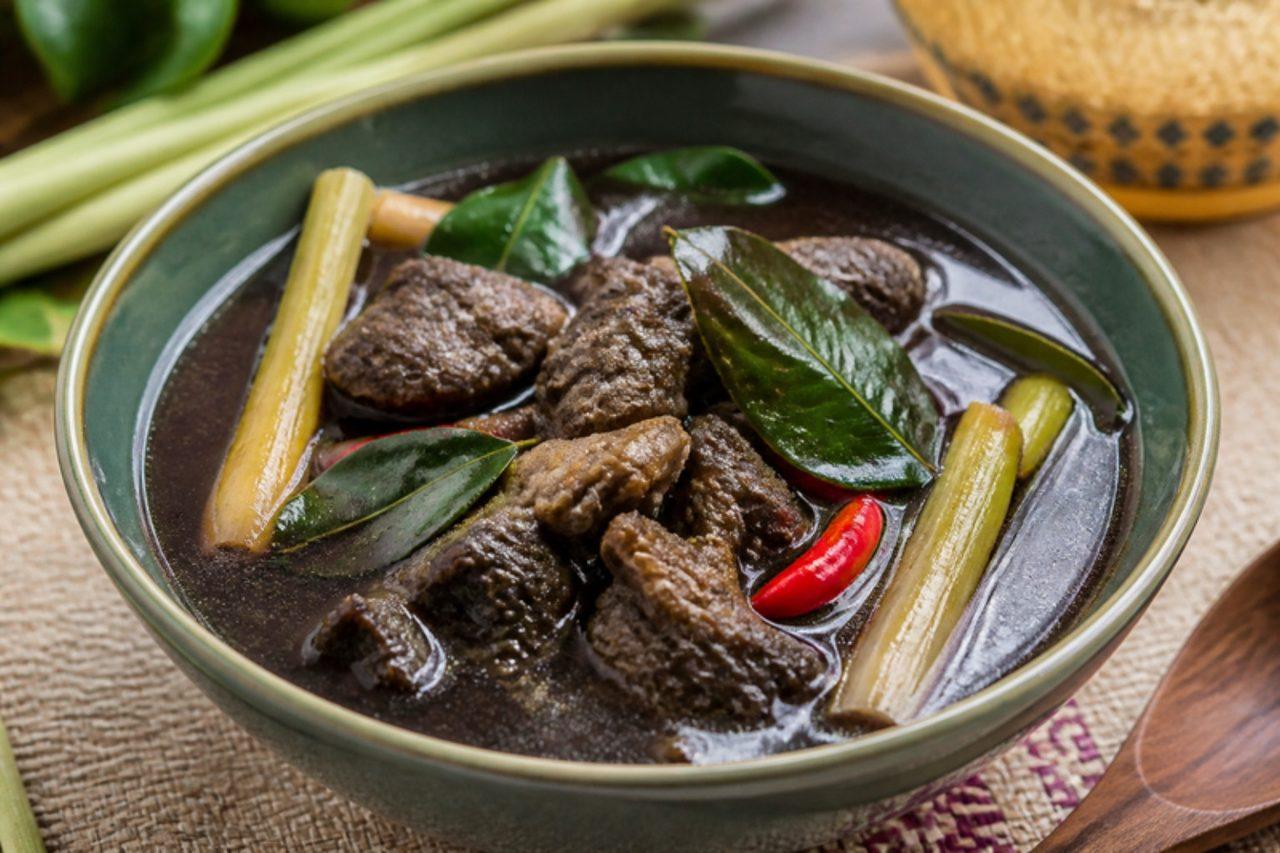
Tiyula itumBlack beef soup
Tiyula itum, 'black soup', is the pride of the Tausug people of Sulu in the far south of the Philippines, cooked for weddings, Eid celebrations and when guests come home. Beef (it is a halal, pork-free dish) is simmered with ginger, lemongrass and turmeric, then darkened with pamapa itum, a paste of grated coconut toasted until almost black and pounded with spices. The broth looks dramatic but tastes smoky, earthy and gently peppery, with heat from chillies. Serve it with plain rice. Chef's tip: toast the coconut slowly, stirring all the time, until it is very dark brown but not ashy; burnt-to-ash coconut tastes bitter and ruins the soup.

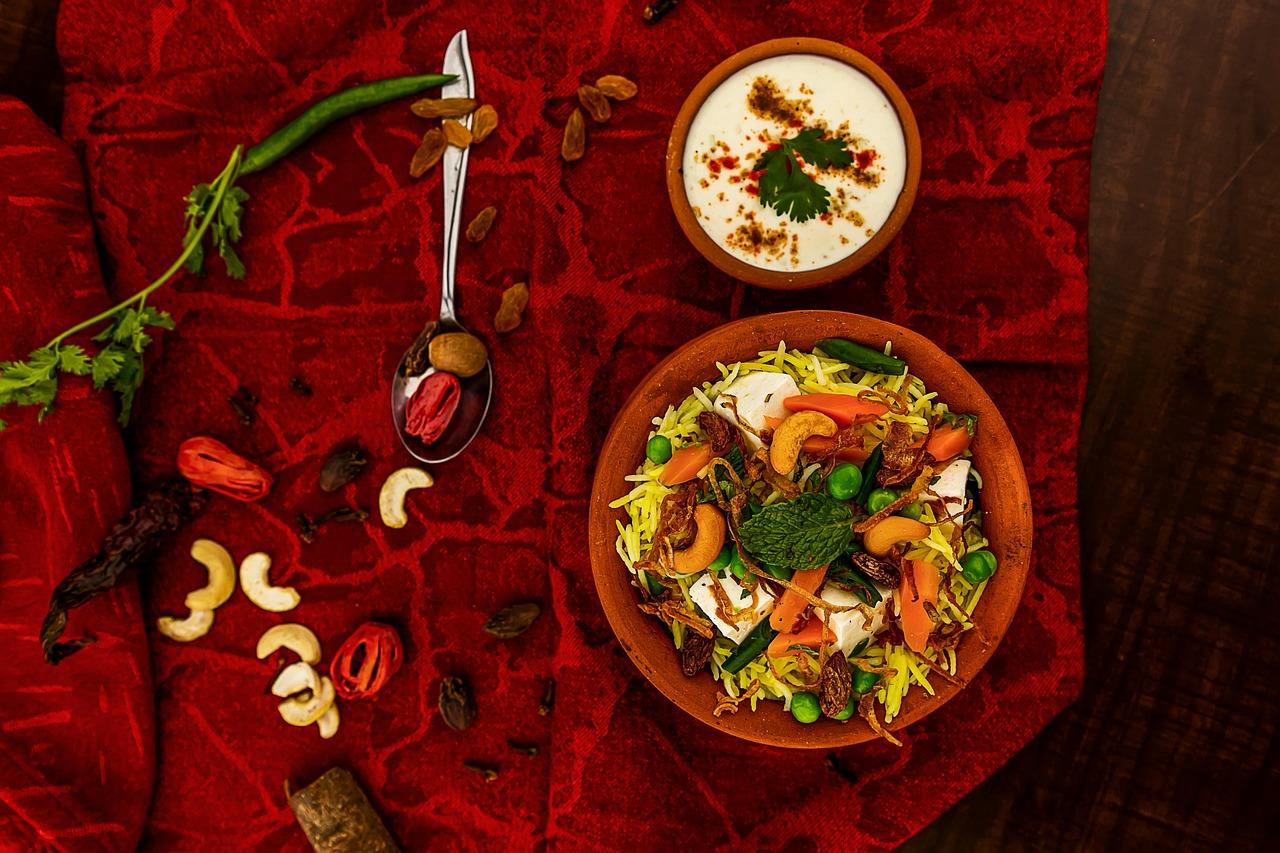
Paneer biryaniRice and moong dal in coconut milk
A mild, creamy biryani: rice and husked green gram roasted in ghee, then cooked in coconut milk with peas, carrots, potatoes, peanuts and cashews, and finished with soft fried paneer and a fresh coriander yogurt. Serve hot, garnished with more fried cashews and paneer.
 Indian
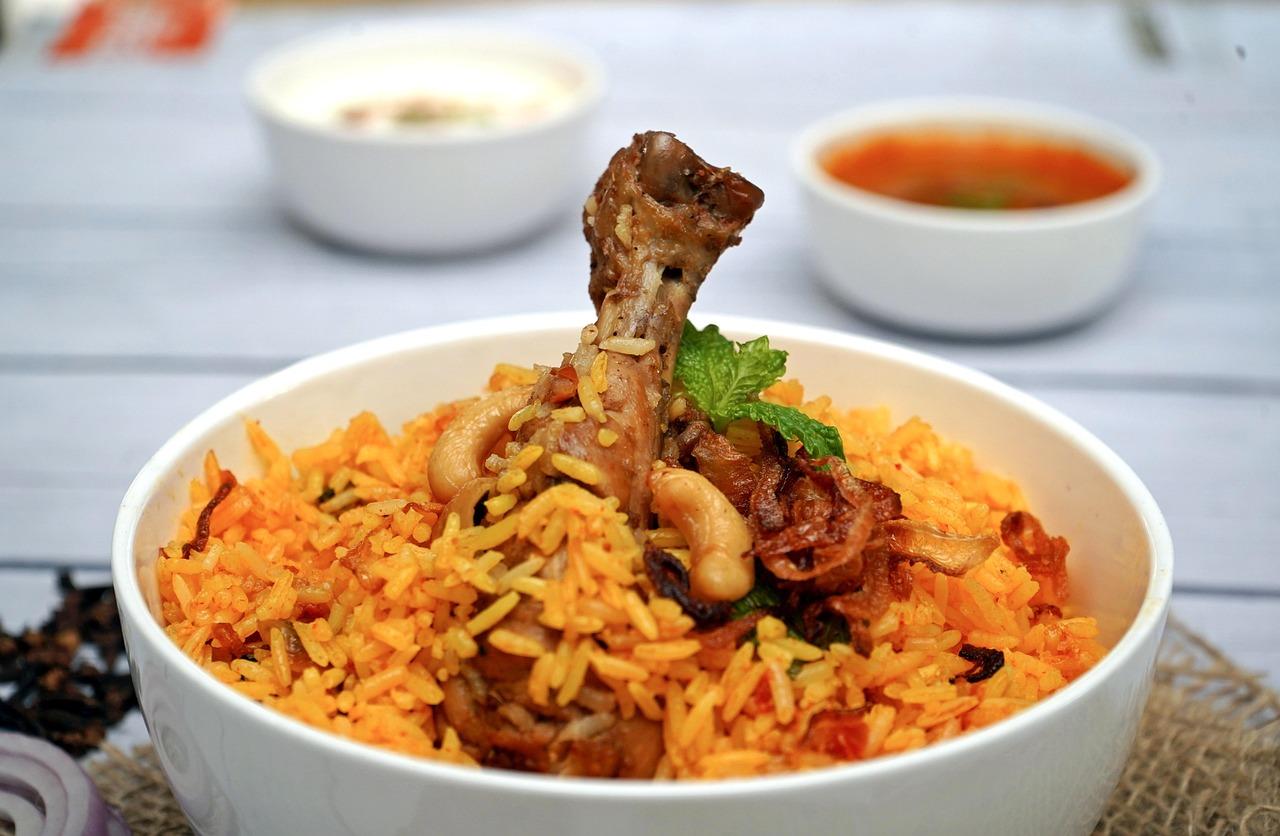
Hyderabadi chicken dum biryani
Hyderabad's biryani grew up in the kitchens of the Nizams, and the kacchi style is its proudest form: the chicken goes into the pot raw, in a thick yogurt, mint and fried-onion marinade, and cooks only in the steam trapped under part-cooked basmati. In the old city it is wedding and Eid food, ordered in huge copper deghs, and at home it's the Sunday showpiece, served with mirchi ka salan and a cooling raita. Because the meat cooks without being stirred, small bone-in thigh and drumstick pieces work best. Chef's tip: marinate overnight in the fridge — the yogurt tenderises the chicken and the flavours go right to the bone.