
 Malaysian
 Gluten free
 Spicy
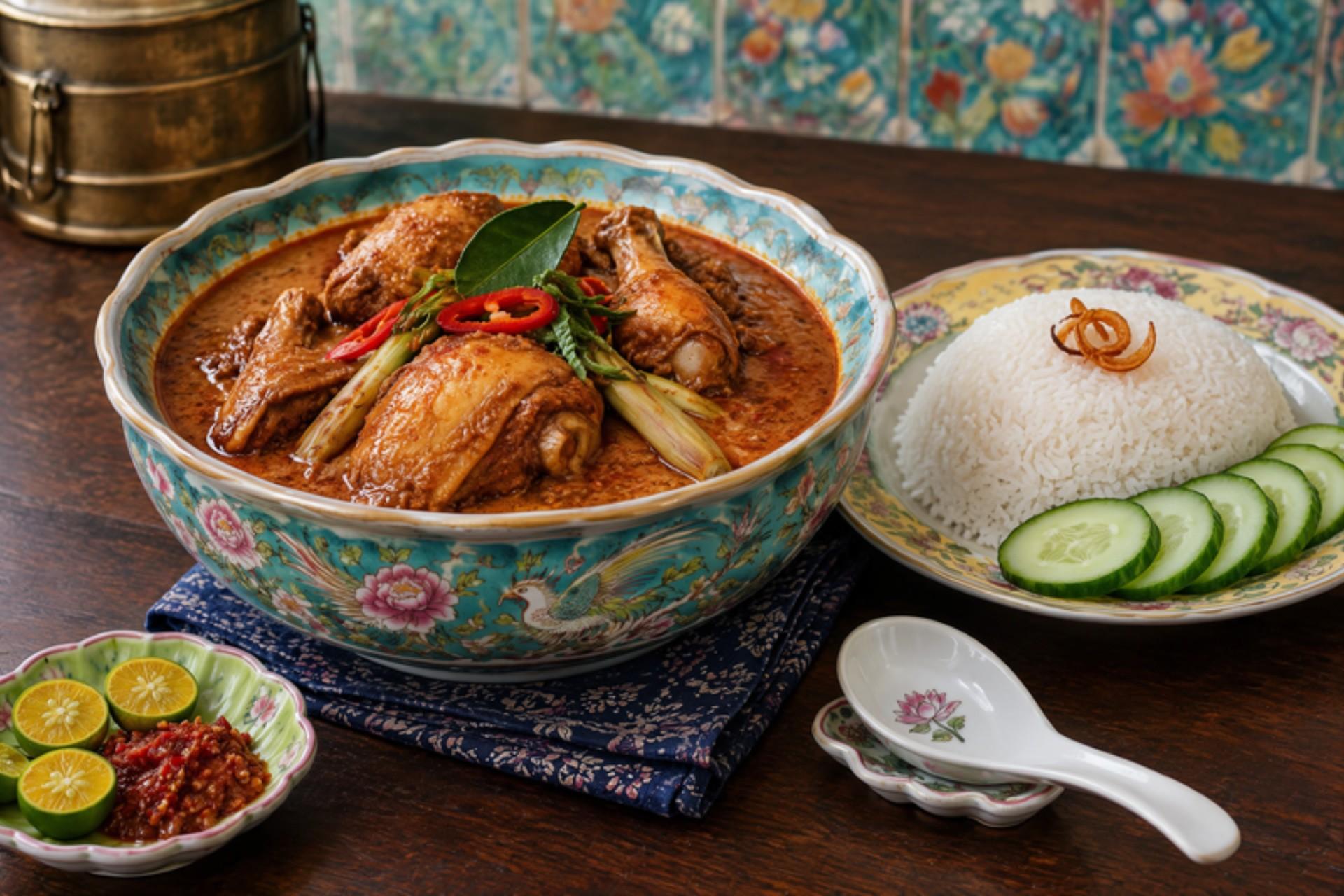
Kari kapitan
Chicken curry with candlenuts
Kari kapitan: rich Nyonya chicken curry with candlenuts, lemongrass and coconut, from Penang
Kari kapitan is a Peranakan (Nyonya) chicken curry from Penang, said to be named after a Chinese 'Kapitan' community leader who loved it, and it is cooked for family dinners and festive tables during Chinese New Year. A rempah (spice paste) of dried chilli, shallots, candlenuts, lemongrass, galangal, turmeric and toasted shrimp paste (belacan) is fried slowly until fragrant, then the chicken simmers in coconut milk with makrut lime leaves until the curry is thick, rich and tangy with lime. The common mistake is rushing the rempah: raw paste tastes harsh, so fry it until the oil separates and it smells sweet. Chef's tip: finish with fresh lime juice off the heat; it lifts the richness the way Penang cooks like it.
- Prep
- 25 min
- Cook
- 55 min
- Difficulty
- Medium
- Serves
- 4
- Per serving
- 520 kcal
Ingredients
For the rempah
- 10 dried red chilliesseeded, soaked in hot water for 15 minutes
- 8 shallots
- 4 cloves garlic
- 2 stalks lemongrasstender part only, sliced
- 1 ⅛ in galangal
- 1 ⅛ in fresh turmericor 1 tsp ground
- 1 tsp shrimp paste (belacan)toasted
For the curry
- 4 tbsp vegetable oil
- 6 makrut lime leavesvery finely shredded
- 1 ¾ cups coconut milk
- ¾ cup water
- 2 tsp sugar
- 1 tsp salt
- 2 tbsp lime juice
Tick what you have; the rest goes in the basket.
Method
0/6 doneStep 1: Drain 10 dried red chillies and blend with 8 shallots, 4 cloves garlic, 5 candlenuts or macadamia nuts, 2 stalks lemongrass, 1 ⅛ in galangal, 1 ⅛ in fresh turmeric and 1 tsp shrimp paste (belacan) to a smooth paste, adding a splash of water if needed.
Step 2: Heat 4 tbsp vegetable oil in a heavy pot over a medium-low heat. Fry the rempah, stirring often, until it darkens, smells sweet and the oil separates out, 12–15 minutes.
14 minStep 3: Add 2 ⅝ lb chicken thighs and drumsticks, bone in, skin off and half the 3 makrut lime leaves and turn to coat in the paste. Cook for 5 minutes, turning, until the chicken is sealed.
5 minStep 4: Pour in 1 ¾ cups coconut milk and ¾ cup water, add 2 tsp sugar and 1 tsp salt and bring to a gentle simmer. Don't boil hard or the coconut milk will split.
5 minStep 5: Simmer uncovered for 30 minutes, stirring now and then, until the gravy is thick and the chicken is tender and reaches 165°F next to the bone.
30 minStep 6: Turn off the heat and stir in 2 tbsp lime juice and the rest of the 3 makrut lime leaves. Taste for salt and serve with rice or roti jala.
KrazyBadal
Reviews
No reviews yet. Be the first to cook it.
Rate this recipe
Sign in to rate and review this recipe.
You might also like
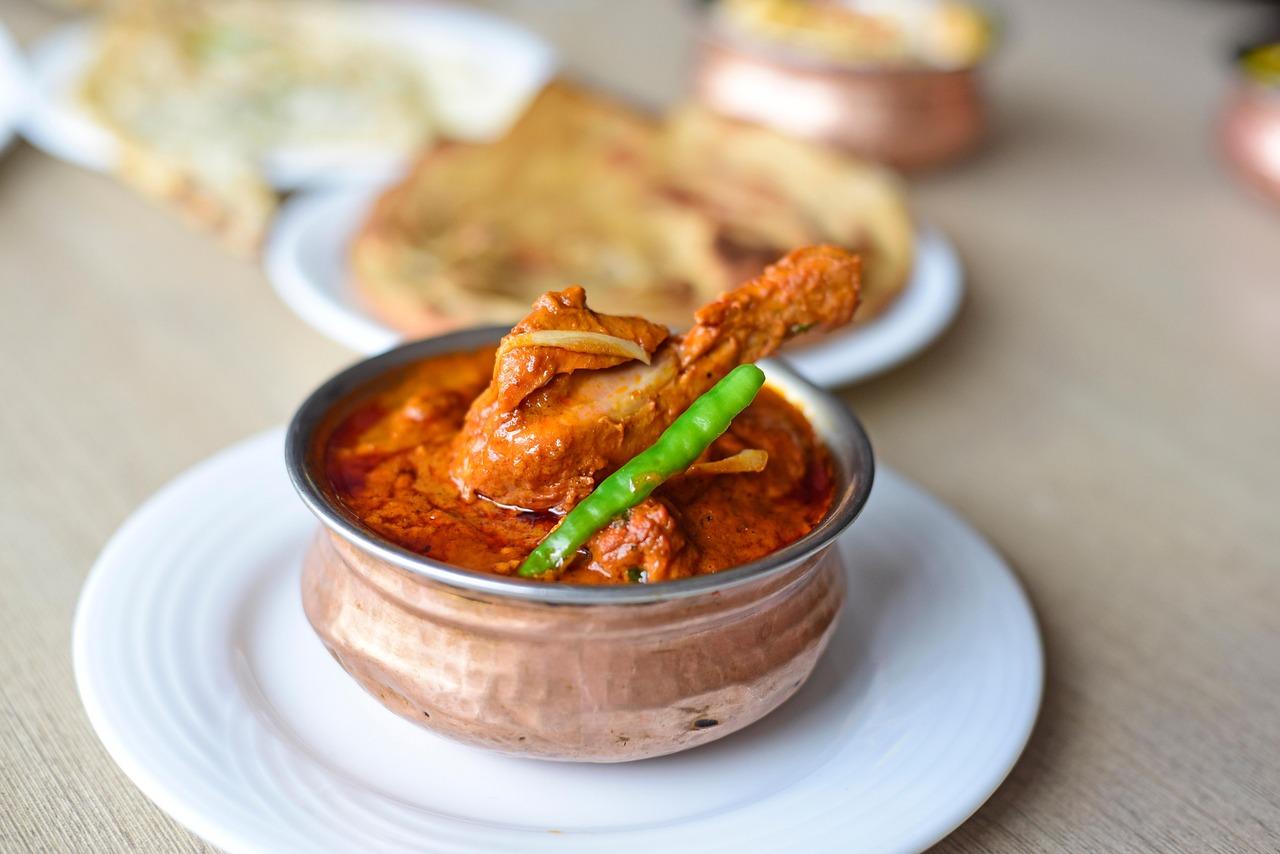
Chicken tikka masala
Marinating the chicken in spiced yoghurt keeps it tender, and a few minutes under a hot grill gives it the smoky char of a tandoor. The sauce is rich but not heavy, finished with a little cream and dried fenugreek leaves.
 Indian
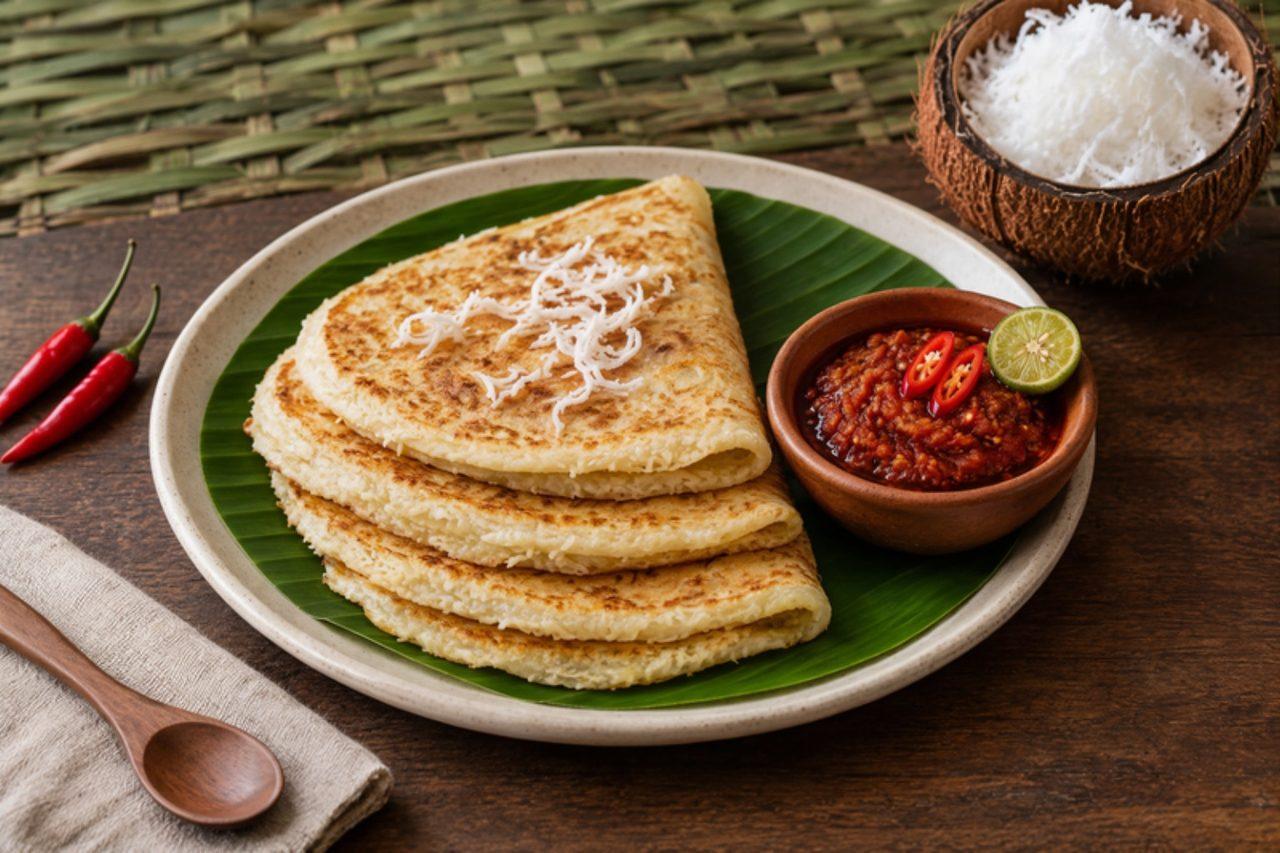
Lempeng kelapaThin coconut pancakes
On Malaysia's east coast, in Terengganu and Kelantan, lempeng is the morning flatbread nobody buys because every home can make it in minutes: flour, freshly grated coconut, salt and water, spread thin on a griddle. It is eaten warm, torn and dipped into sambal tumis or last night's fish or vegetable curry. The mistake is a thick batter; it should spread on its own into a thin round, or the middle stays doughy. Chef's tip: let the batter rest for 10 minutes so the coconut softens and the flour hydrates, which gives lempeng that bend without tearing.

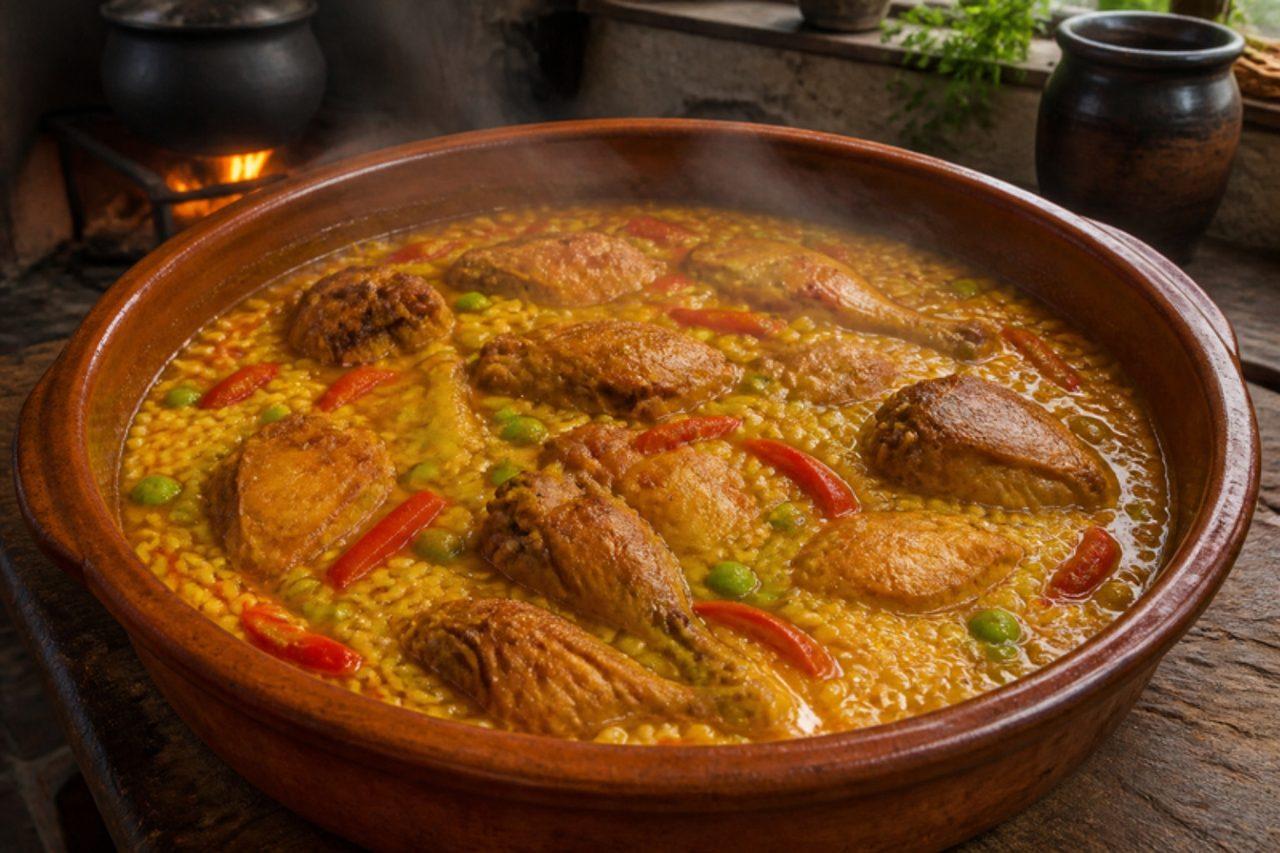
Arroz con pitu de caleyaSoupy rice with chicken
A pitu de caleya is a cockerel raised free in the lanes, or caleyas, of rural Asturias; its firm, flavourful meat needs long stewing, and families around Villaviciosa and Grado still cook it for feast days. The stew is often finished as a soupy rice, so the deep chicken juices go into every grain. Use the best free-range chicken you can find. The braise includes dry white wine; replace it with extra stock and a squeeze of lemon if you want it alcohol-free. Chef's tip: brown the chicken slowly and deeply; that colour is where the flavour of the whole pot comes from.
 Spanish