
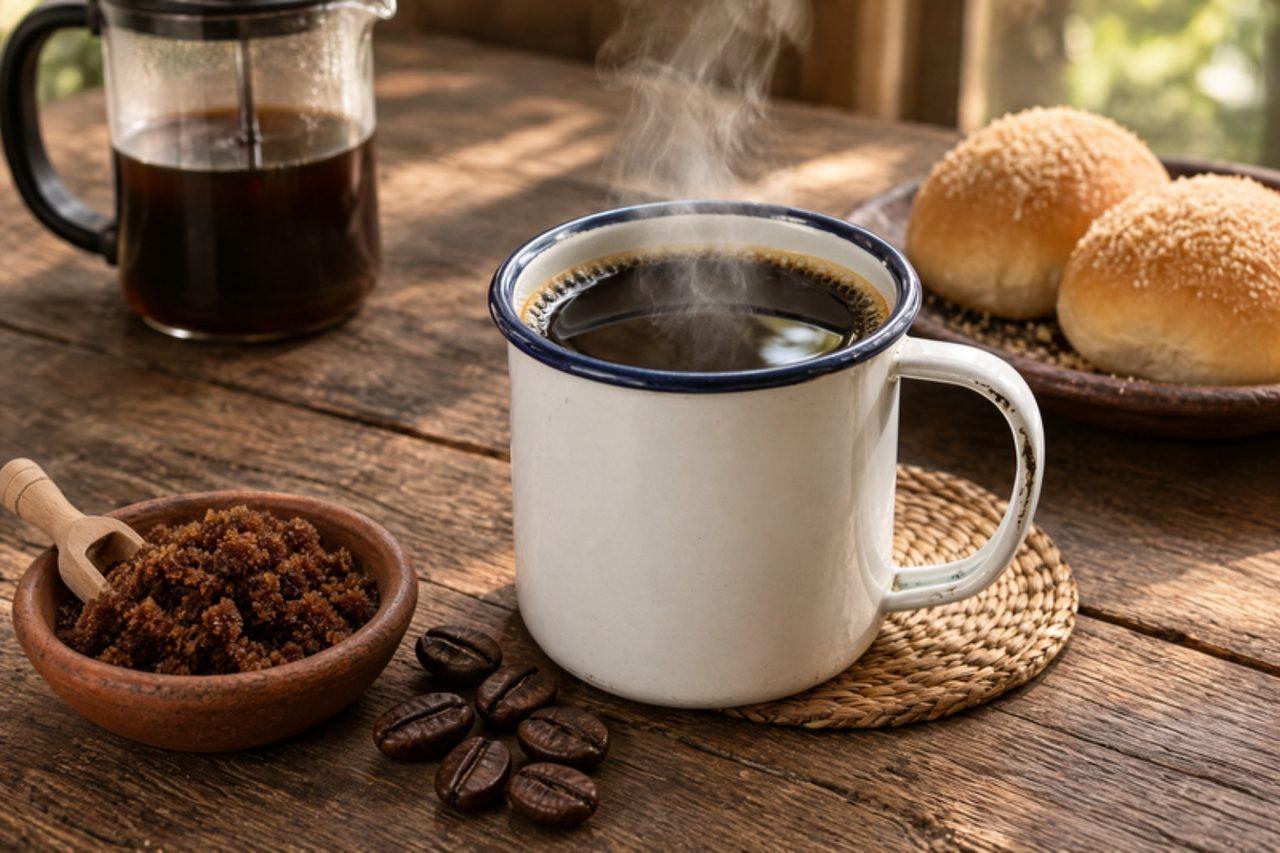
AI-generated image
Kapeng barako
Kapeng barako: bold Batangas Liberica coffee boiled in a pot and sweetened with dark muscovado


In Lipa and the hill towns of Batangas, mornings start with kapeng barako boiled in a dented aluminium kaldero and poured into enamel mugs, often next to pandesal, a slab of tapang Taal or a plate of suman. Barako is Liberica, a large-beaned coffee that grows on tall trees around Mount Malarayat, and the word itself means a strong, rough-mannered man. The cup is heavy and earthy with notes of jackfruit, dark chocolate and smoke, and it is sweetened with sticky muscovado from Negros or Antique, never with white sugar. It carries plenty of caffeine, so go easy if you are sensitive and keep it away from children. The usual mistake is keeping the pot at a rolling boil once the coffee is in: the grounds stew and the drink turns sour and harsh. Bring the water to the boil, then take it off the heat before adding the coffee. The brew is ready when the crust of grounds sinks after the splash of cold water and the liquid underneath is a clear, deep mahogany. Chef's tip: grind it coarse, like raw sugar, so it settles cleanly in the pot.
- Total time
- 11 min
- Difficulty
- easy
- Serves
- 4
Ingredients
For the coffee
- 3 ¼ cups water
- 1 ⅜ oz kapeng barako (Liberica coffee)coarsely ground; a dark-roast robusta is the nearest substitute
- 2 tbsp cold waterto settle the grounds
- 4 tbsp muscovado sugarto taste
Shop this recipe on Amazon
Spices & pantry
Links open Amazon in a new tab. As an Amazon Associate, WhatToEat.Today earns from qualifying purchases.
Method
0/4 doneStep 1: Bring 3 ¼ cups water to a full boil in a small pot over high heat.
5 minStep 2: Take the pot off the heat, stir in 1 ⅜ oz kapeng barako (Liberica coffee) and leave it to steep for 4 minutes. A brown crust will float on top and the smell turns deep and earthy.
4 minStep 3: Sprinkle 2 tbsp cold water over the surface and wait 1 minute; the crust breaks and the grounds sink to the bottom.
1 minStep 4: Put a spoonful of 4 tbsp muscovado sugar in each mug and slowly pour the coffee over it, leaving the last sludge of grounds in the pot (or pour through a cloth or paper filter). Stir until the sugar melts and drink hot.
1 min
Nutrition per serving
- Calories
- 50 kcal
- Protein
- 0 g
- Carbs
- 13 g
- Fat
- 0 g
- Fibre
- 0 g
Nutrition values are estimates.
KrazyBadal
Good to know
- How long does kapeng barako take?
- About 11 minutes in total: 3 minutes to prepare and 8 minutes to cook.
- How many people does it serve?
- 4 as written. Change the servings above the ingredients and every amount scales to match.
- Is it vegan?
- Yes. It has no meat, fish, dairy or eggs.
- Is it gluten free?
- Yes, as written. Check the labels on stock, sauces and spice mixes, which sometimes contain gluten.
- What can I use instead of muscovado sugar?
- Caster sugar, same amount.
Reviews
No reviews yet. Be the first to cook it.
Rate this recipe
Sign in to rate and review this recipe.
You might also like
Guava delight
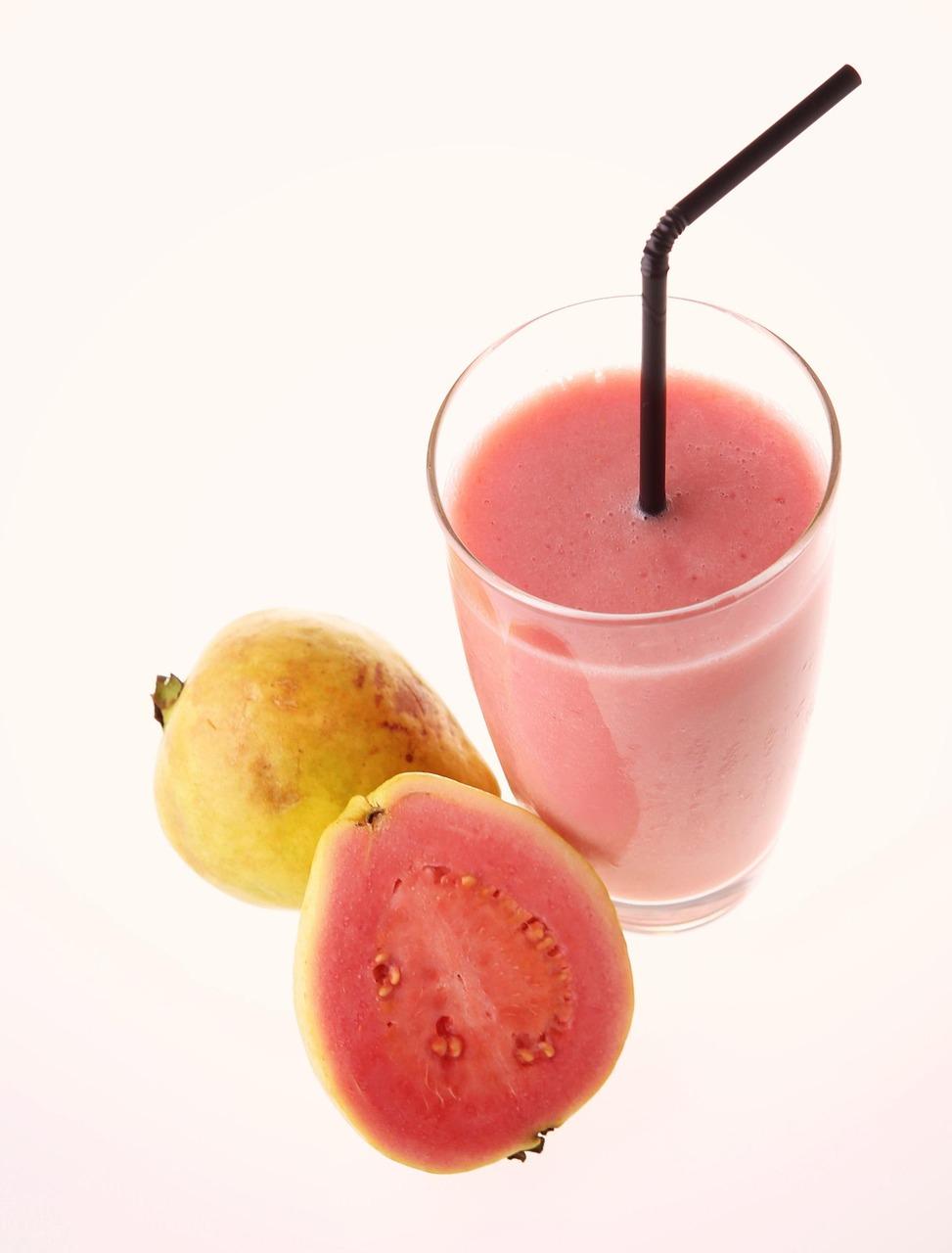
A thick, fragrant blend of ripe guava, mango and banana, boosted with a spoonful of guava powder from the health shop. The book calls it a modern-day vitality drink, drawing on guava's long use in traditional Indian medicine. Serve it well chilled; sieve it if you don't like the little guava seeds.


Power pack
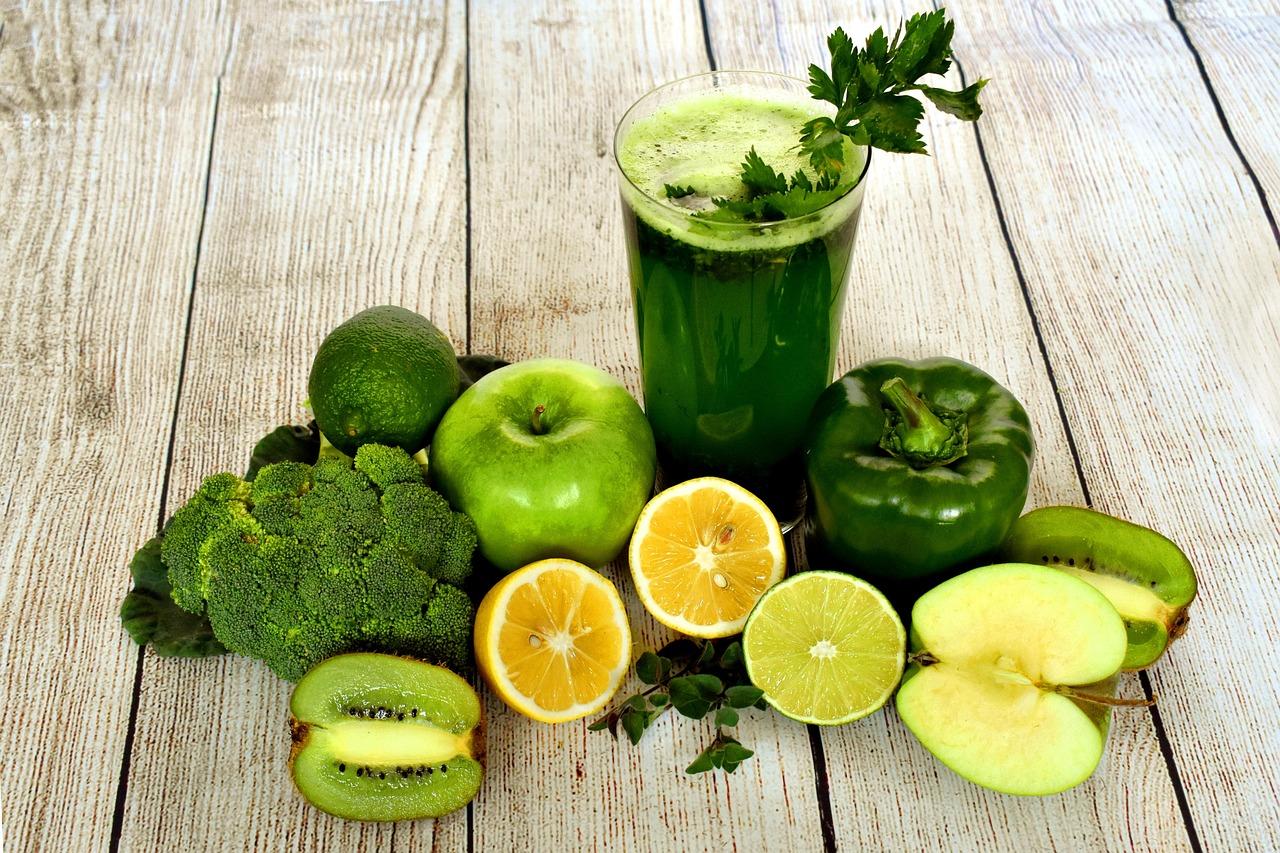
A sweet, energising juice of apples, pears and kiwi fruit with a stick of celery, all used unpeeled for extra goodness. It's naturally sweet, so it needs no sugar. Serve well chilled.
Horchata de chufa
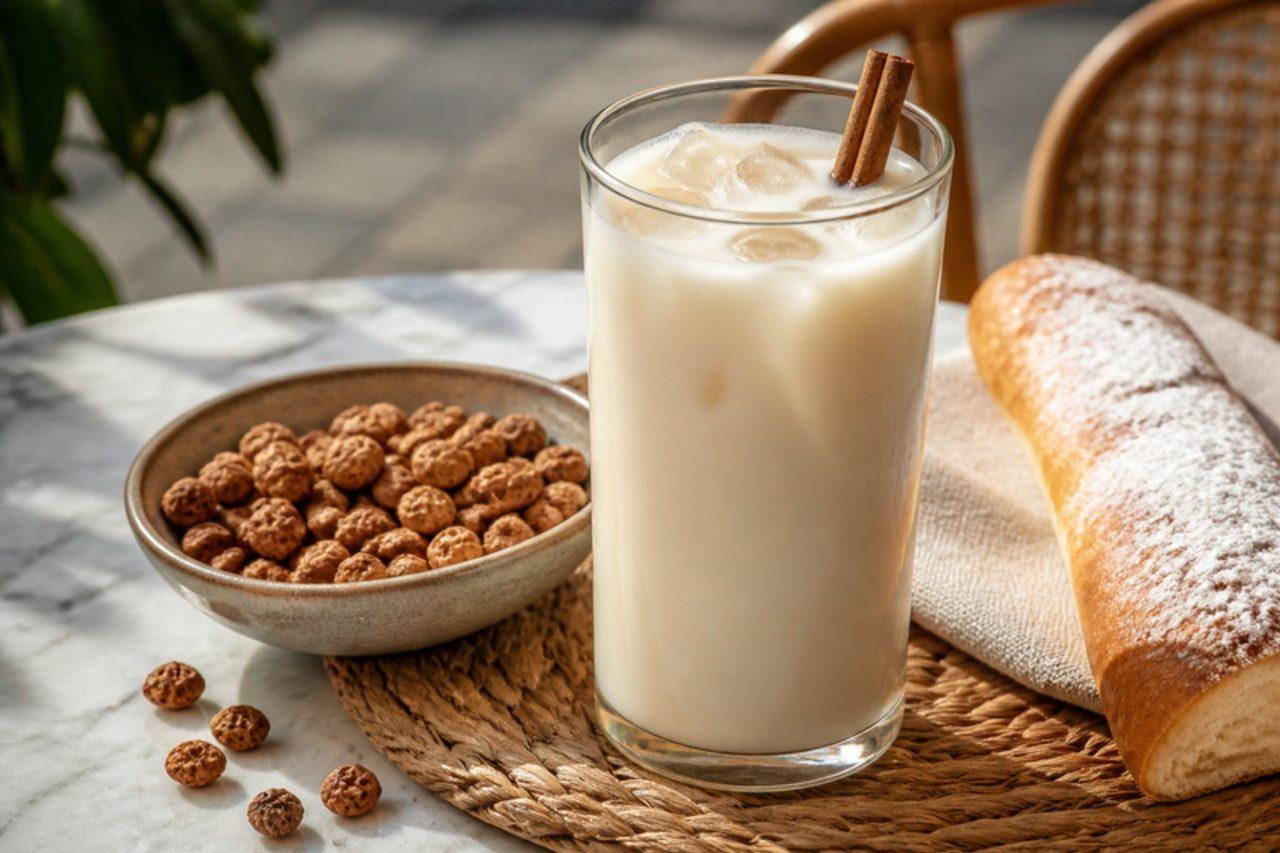
Horchata de chufa is the drink of Valencia's summer, sold ice-cold in the city's horchaterías with long, soft fartons pastries for dipping. It is made from chufas, or tiger nuts: small wrinkled tubers grown around the village of Alboraya just north of Valencia, which have their own protected designation of origin. Soaked, ground with water, strained and sweetened, they give a creamy, nutty, naturally dairy-free milk with a hint of cinnamon. Valencians drink it very cold, or half-frozen as 'granizada'. Chef's tip: soak the tiger nuts for a full 24 hours and change the water once; they must be plump and soft enough to blend into a fine pulp, or the horchata will be thin and taste of raw starch.
 Spanish