
AI-generated image
Jingisukan
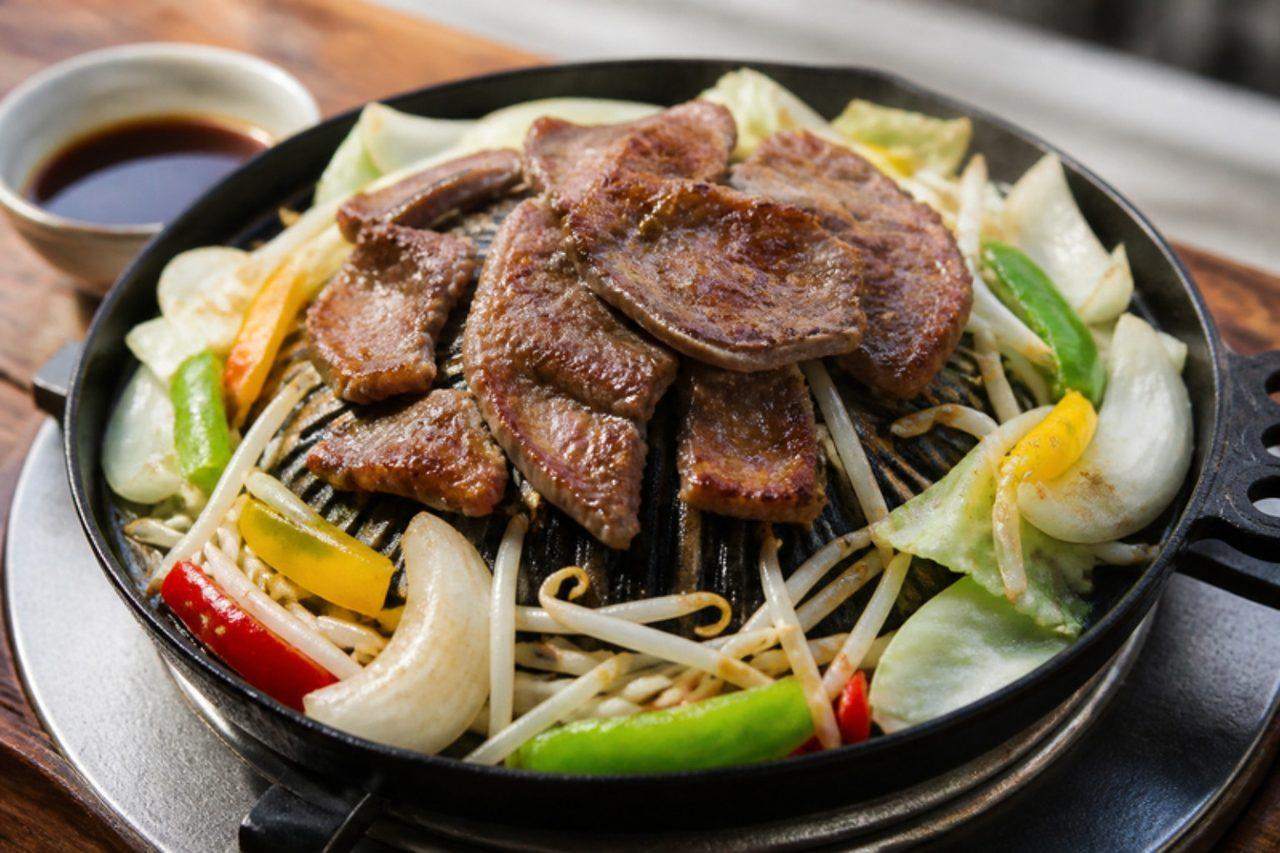
ジンギスカン: Hokkaido lamb and vegetables grilled on a domed pan with a fruity soy dip
When the cherry trees bloom in Sapporo in early May, parks fill with groups grilling lamb on ridged, dome-shaped pans, and the city's beer halls serve it all year. Named after Genghis Khan, the dish grew up after Hokkaido began raising sheep for wool in the early 20th century. In the Sapporo style, plain lamb is seared on the hump of the pan while bean sprouts, onion and pumpkin cook on the rim in the dripping juices, and everything is dipped in a fruity soy sauce. No domed pan? A heavy frying pan or flat griddle works well. Chef's tip: grease the pan with a piece of lamb fat rather than oil, as it gives the vegetables a rich, meaty flavour.
- Total time
- 40 min
- Difficulty
- easy
- Serves
- 4
Ingredients
For the dipping sauce
For grilling
To serve
Method
0/7 doneStep 1: Put 1 tbsp mirin in a small pan and bubble for 30 seconds to drive off most of its alcohol, or for an alcohol-free sauce leave it out and use an extra 1 tsp sugar. Take off the heat and stir in 4 tbsp soy sauce, ½ apple, 2 tbsp onion, 1 clove garlic, 1 tsp fresh ginger, 1 tsp sugar, 1 tbsp lemon juice and 1 tsp toasted sesame seeds. Leave for 15 minutes so the flavours mingle, then divide into small bowls.
15 minStep 2: Pat 1 ⅛ lb lamb shoulder or leg dry and spread it out on a plate. Arrange 7 oz bean sprouts, 1 onion, 7 oz white cabbage, 5 ½ oz pumpkin or kabocha squash and 2 green pepper on a platter.
Step 3: Heat the domed pan, or a large heavy frying pan, over a medium-high heat for 3 minutes. Rub it all over with ⅔ oz lamb fat or vegetable oil held in tongs and leave the fat on the top of the dome.
3 minStep 4: Pile some of the vegetables around the rim, starting with the pumpkin and onion, which take longest. Cook for 4–5 minutes, turning, until the pumpkin starts to soften.
5 minStep 5: Lay a few slices of lamb on the top of the dome (or the hottest part of the pan). Common mistake: covering the whole pan with lamb at once. The meat stews in its own juice instead of browning; cook only as much as you'll eat in the next couple of minutes.
1 minStep 6: Grill the lamb for 1–2 minutes a side, until browned outside and 145°F/145 °F inside for medium, or longer if you prefer it well done. Rest it on the vegetables at the rim for 1 minute, where the juices run into them.
4 minStep 7: Dip the lamb and vegetables in the sauce and eat with 1 ⅓ lb hot cooked Japanese short-grain rice. Keep adding fresh vegetables and lamb to the pan as you go, adding the bean sprouts and cabbage last as they only need 2–3 minutes.
7 min
Nutrition per serving
- Calories
- 520 kcal
- Protein
- 30 g
- Carbs
- 22 g
- Fat
- 34 g
- Fibre
- 5 g
Nutrition values are estimates.
KrazyBadal
Good to know
- How long does jingisukan take?
- About 40 minutes in total: 20 minutes to prepare and 20 minutes to cook.
- How many people does it serve?
- 4 as written. Change the servings above the ingredients and every amount scales to match.
- What can I use instead of soy sauce?
- Tamari, same amount (gluten free).
- What can I use instead of apple?
- Pears, same amount.
Reviews
No reviews yet. Be the first to cook it.
Rate this recipe
Sign in to rate and review this recipe.
You might also like
Okonomiyaki
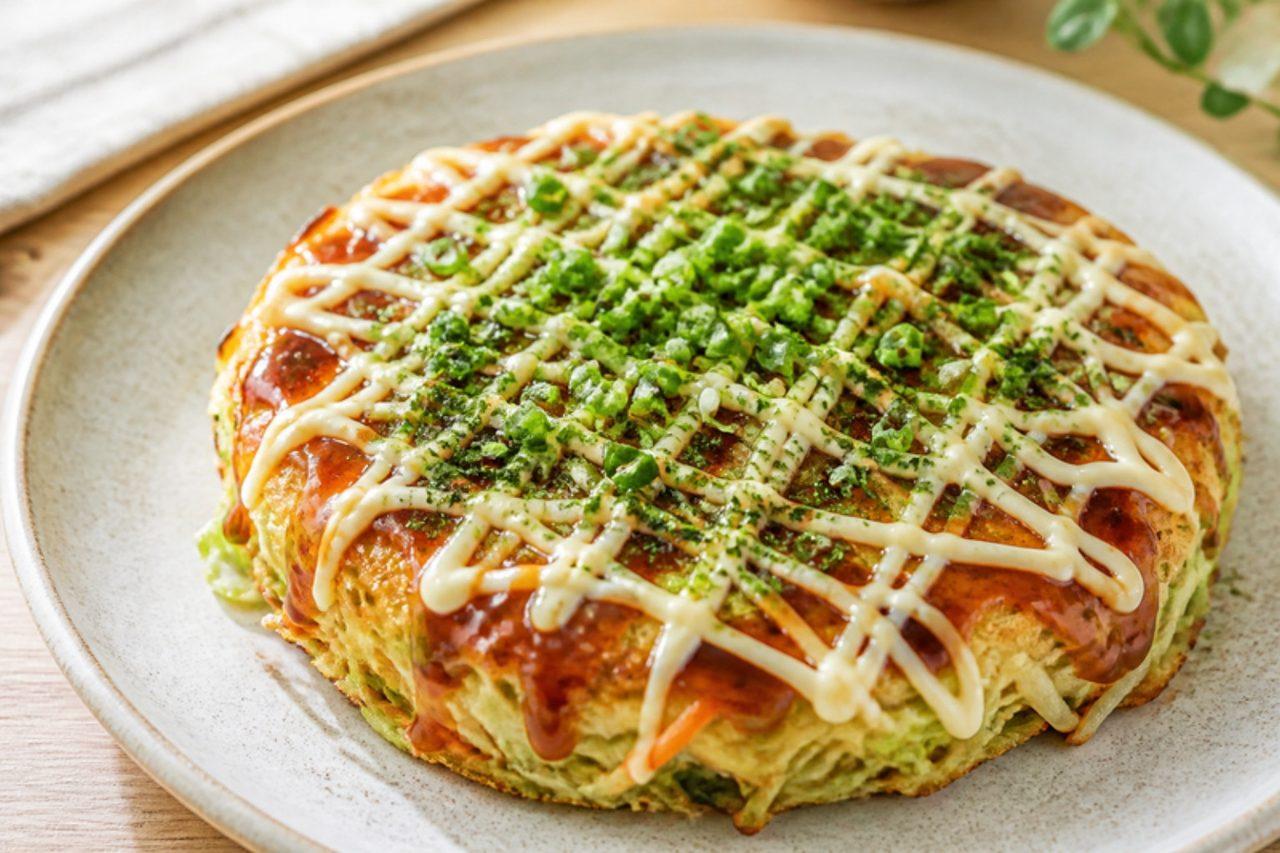
Okonomiyaki (お好み焼き, 'grilled as you like it') is the pride of Osaka, where it's cooked on hot iron griddles in lively restaurants. Finely shredded cabbage is folded into a light batter with egg and spring onion, then fried into a thick, soft pancake with a crisp outside. It's painted with a fruity brown sauce and zigzagged with mayonnaise. Bonito flakes are usual on top; this vegetarian version uses seaweed flakes and pickled ginger instead. Chef's tip: don't press the pancake down with your spatula while it cooks. Osaka cooks leave it alone so the cabbage steams inside and stays light and fluffy; pressing squeezes out the air.
Miso soup
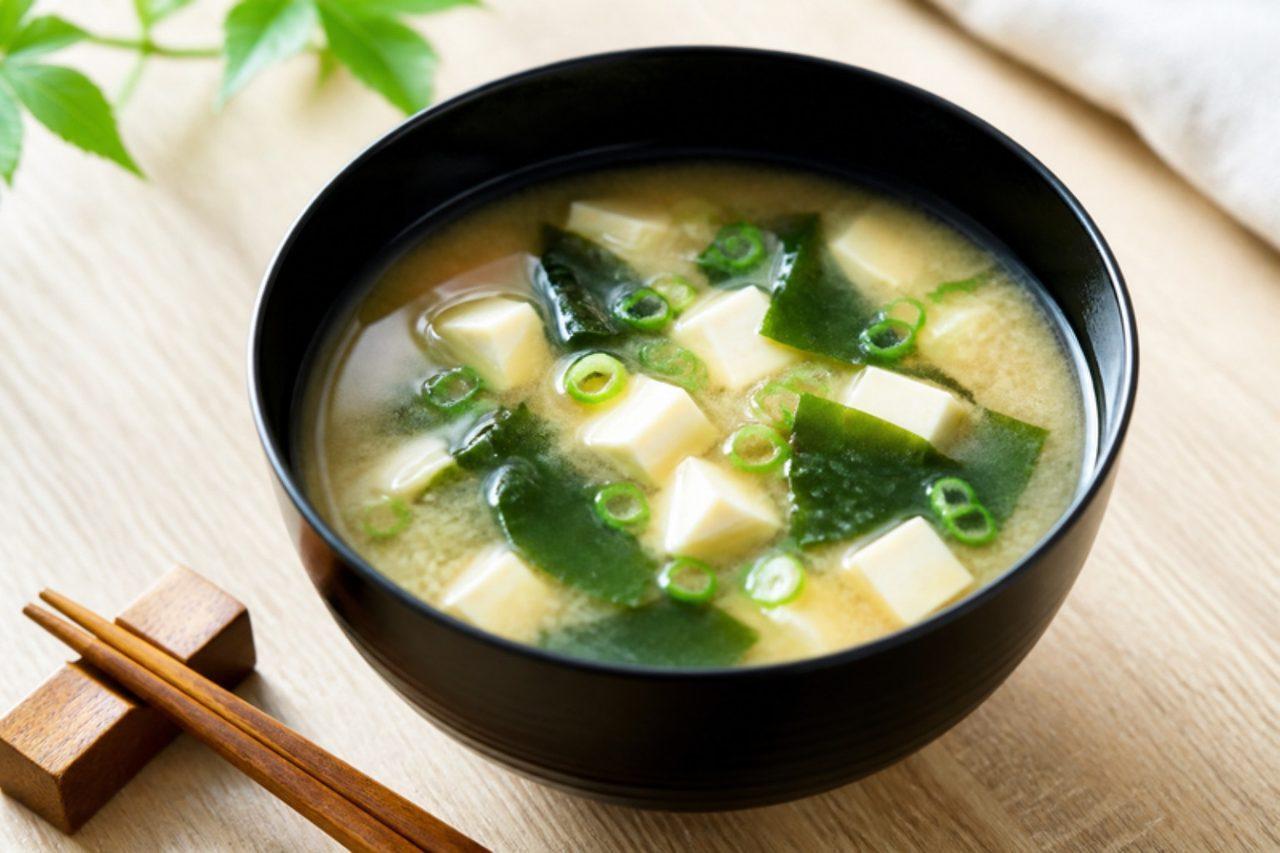
Miso soup (味噌汁) is drunk every day in homes all over Japan, at breakfast as well as dinner, beside a bowl of rice. The base is dashi; this vegan version uses kombu and dried shiitake instead of bonito, which gives it a deep, rounded flavour. Silken tofu and wakame seaweed are the classic fillings. It takes ten minutes; just remember not to boil the miso. Chef's tip: add the miso at the very end and never let it boil. Boiling kills the miso's fresh, fermented aroma; Japanese cooks say the soup should only 'smile', with the surface barely trembling.

Agedashi tofu
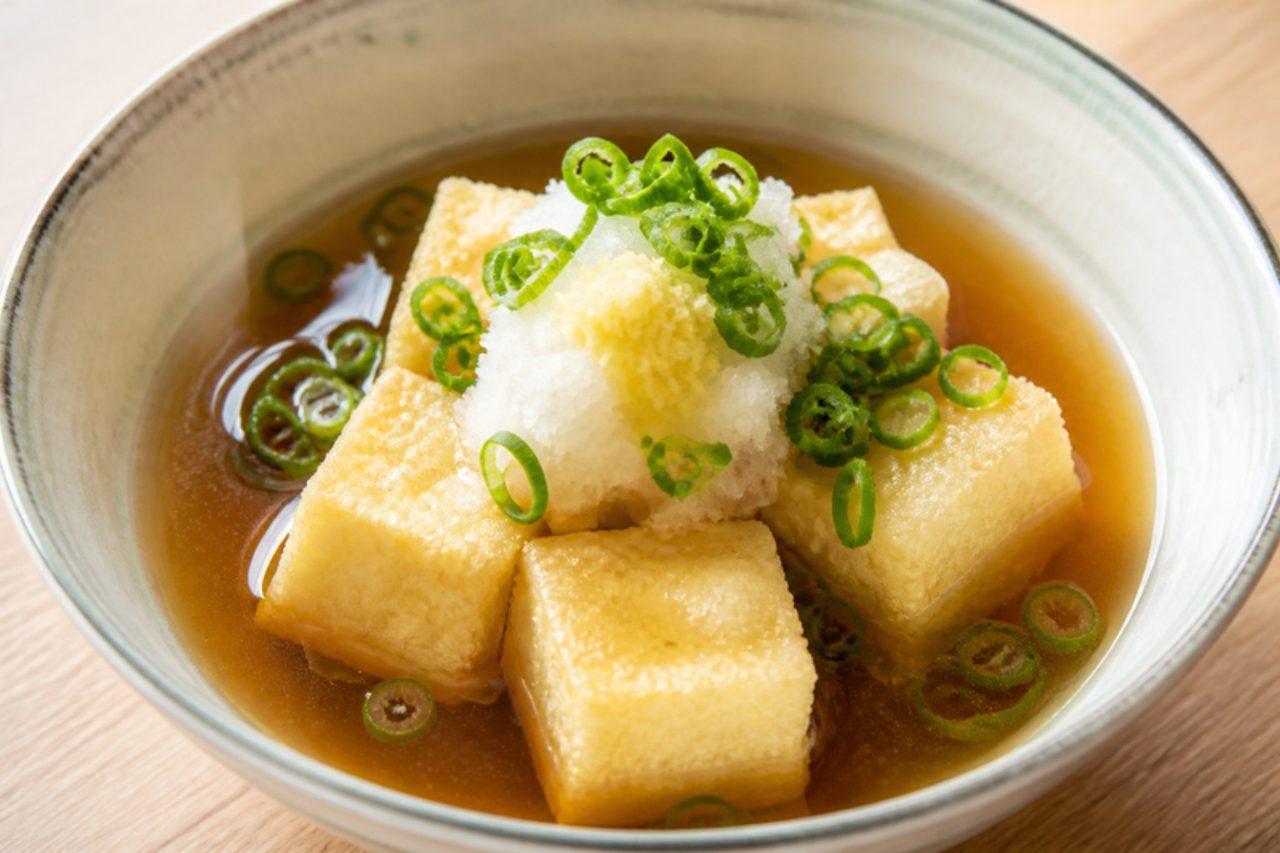
Agedashi tofu (揚げ出し豆腐) is a classic izakaya dish eaten all over Japan: cubes of soft tofu dusted in potato starch, fried until they form a thin, crisp shell, then bathed in a hot, savoury broth. The coating turns silky as it soaks up the sauce while the tofu inside stays creamy. Usually topped with bonito flakes; here it's grated daikon, ginger and spring onion with a kombu-shiitake broth instead. Chef's tip: coat the tofu in starch right before it goes into the oil, not ahead of time; if it sits, the starch turns damp and the coating fries up gummy instead of crisp.