
AI-generated image
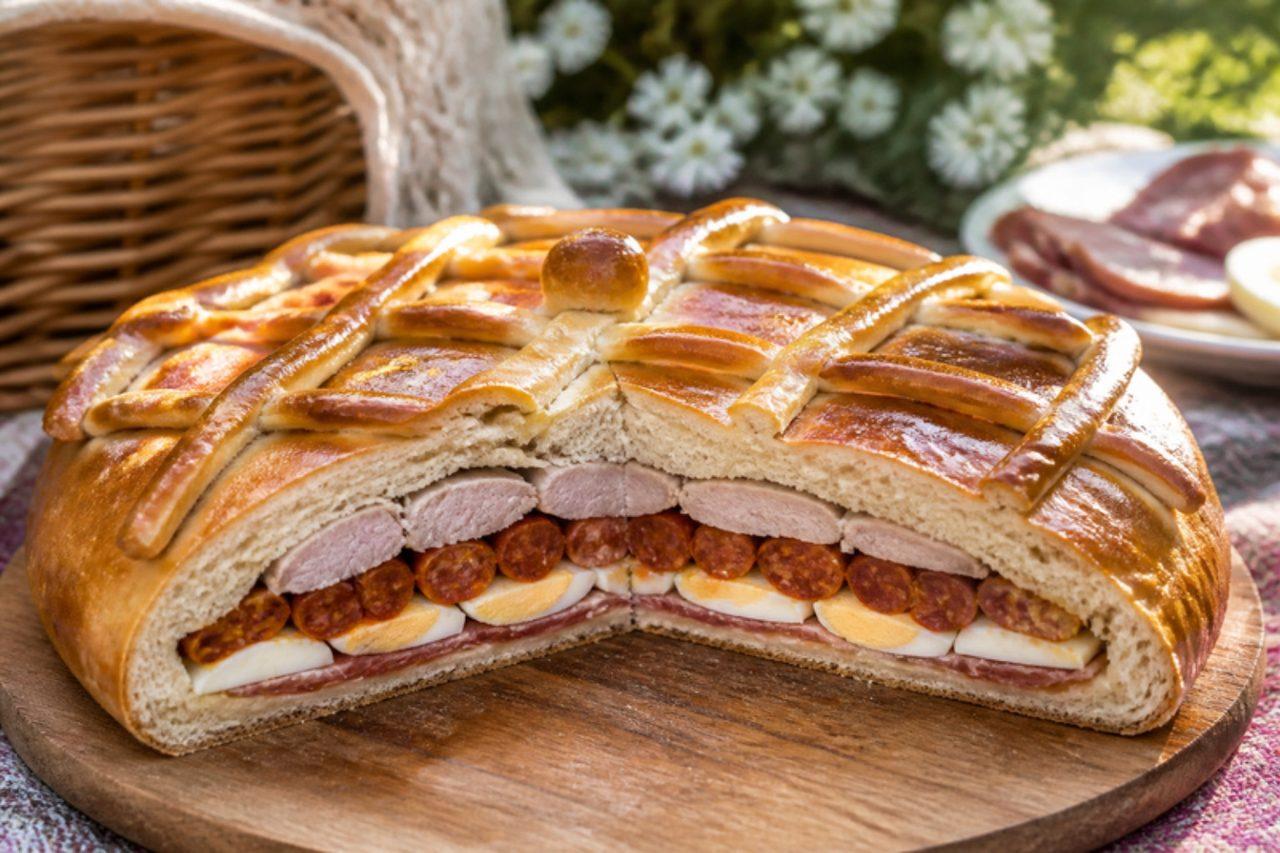
Hornazo de Salamanca
Hornazo de Salamanca: Easter pie packed with pork loin, chorizo, ham and egg

Salamanca's students and families picnic by the river Tormes on Lunes de Aguas, the Monday after Easter Monday, and the hornazo is what they unwrap: a golden pie with a bread-like crust, packed with layers of marinated pork loin, chorizo, cured ham and hard-boiled egg. It is eaten cold, in thick slices, and bakeries sell it all through spring. This contains pork (loin, chorizo and ham). The dough traditionally includes white wine; use water with a little lemon juice to keep it alcohol-free. Chef's tip: fry the loin slices first so they are cooked through before they go into the pie.
- Total time
- 100 min
- Difficulty
- hard
- Serves
- 10
Ingredients
For the dough
For the filling
To glaze
Shop this recipe on Amazon
What you'll need
Spices & pantry
Fresh ingredients (4)
Links open Amazon in a new tab. As an Amazon Associate, WhatToEat.Today earns from qualifying purchases.
Method
0/7 doneStep 1: Mix 1 ⅛ lb strong white bread flour, ¼ oz fast-action dried yeast, 1 tsp salt and 1 tsp sweet paprika in a bowl. Add 2 eggs, ½ cup olive oil, ½ cup dry white wine and 3 ½ tbsp lukewarm water and knead for 8 minutes into a smooth, soft, slightly oily dough. Cover and leave to rise for 1 hour, until puffy.
60 minStep 2: Heat 1 tbsp olive oil in a frying pan over a medium-high heat and fry 14 oz marinated pork loin (lomo adobado) in batches for 1–2 minutes a side, until browned and no longer pink inside (160°F). Cool completely.
10 minStep 3: Heat the oven to 350°F. Divide the dough into two pieces, one slightly larger. Roll the larger one into a 30 × 25 cm rectangle about 5 mm thick and lay it on a lined baking tray.
Step 4: Layer the filling over the dough, leaving a 2 cm border: half the loin, then 7 oz cured chorizo, 5 ½ oz serrano ham and 4 hard-boiled eggs, then the rest of the loin. A common mistake is packing the filling right to the edge, so the pie won't seal.
Step 5: Roll the second piece of dough to cover, lay it on top and fold the edges of the base over the lid, pinching to seal. Roll the scraps into thin strips and lay them in a criss-cross on top.
Step 6: Brush with 1 egg, prick the lid a few times with a fork and bake for 45–50 minutes, until deep golden and the base sounds hollow when tapped.
48 minStep 7: Cool on a rack for at least 1 hour. Serve at room temperature or cold, cut into thick slices; it keeps for 3 days in the fridge.
Nutrition per serving
- Calories
- 520 kcal
- Protein
- 29 g
- Carbs
- 42 g
- Fat
- 26 g
- Fibre
- 2 g
Nutrition values are estimates.
KrazyBadal
Good to know
- How long does hornazo de Salamanca take?
- About 100 minutes in total: 50 minutes to prepare and 50 minutes to cook.
- How many people does it serve?
- 10 as written. Change the servings above the ingredients and every amount scales to match.
- Can I make it ahead?
- Yes. It keeps well, so you can cook it earlier in the day or the day before and reheat it.
- What can I use instead of strong white bread flour?
- Plain flour, same amount (the dough will be softer and rise a little less).
- What can I use instead of fast-action dried yeast?
- Fresh yeast, three times the weight.
Reviews
No reviews yet. Be the first to cook it.
Rate this recipe
Sign in to rate and review this recipe.
You might also like
Pork souvlaki
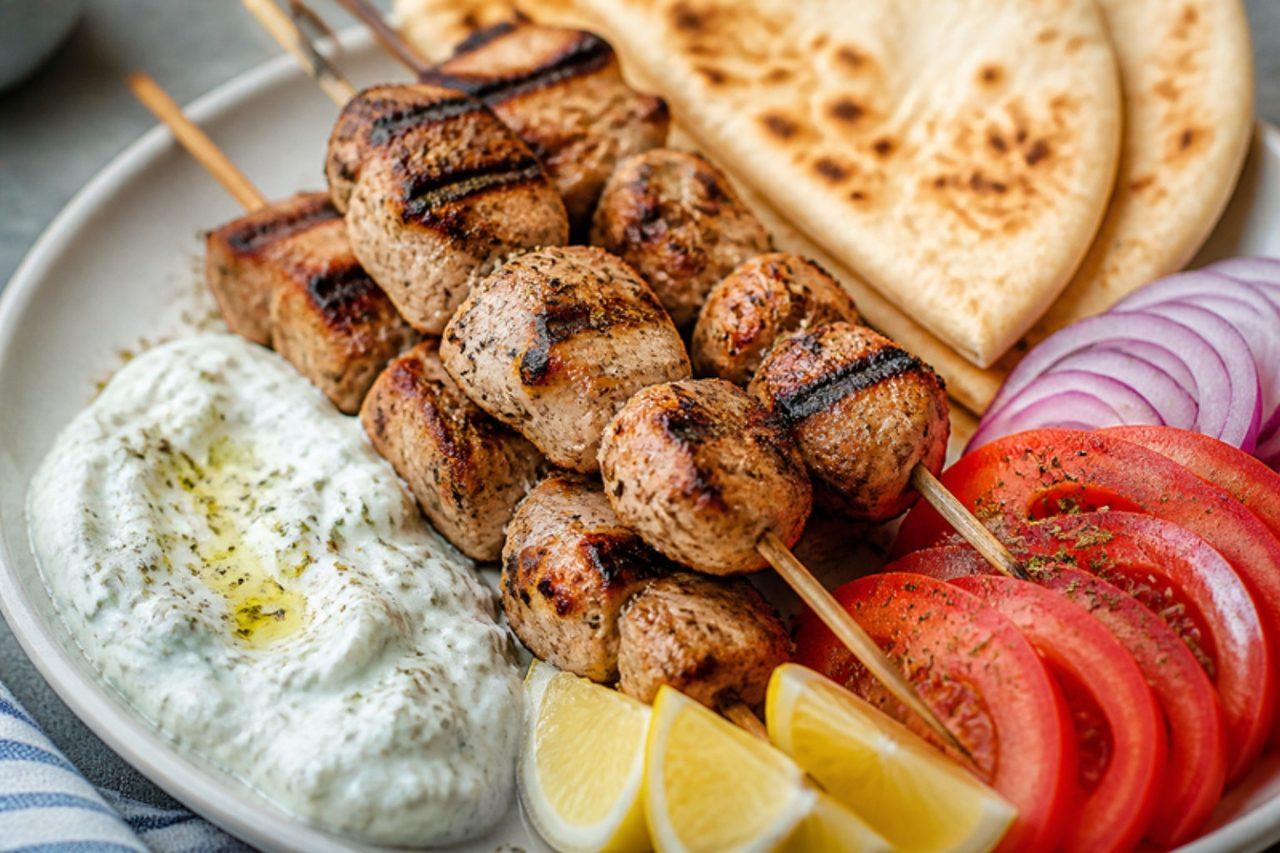
This is a pork recipe. Walk through any Greek town after dark, from Athens to Thessaloniki, and the smell of souvlaki stands drifts down the street; cubes of pork shoulder grilled on thin skewers are the country's favourite cheap supper, eaten standing up or at a plastic-table taverna. At home you marinate the meat in lemon, olive oil, garlic and dried oregano, grill it hard and fast, and pile it on warm pitta with tzatziki, tomato and red onion. Chef's tip: cut the pork into even 2.5 cm cubes and leave a little fat on; lean loin dries out, shoulder stays juicy over high heat.
 Greek
Horchata de chufa
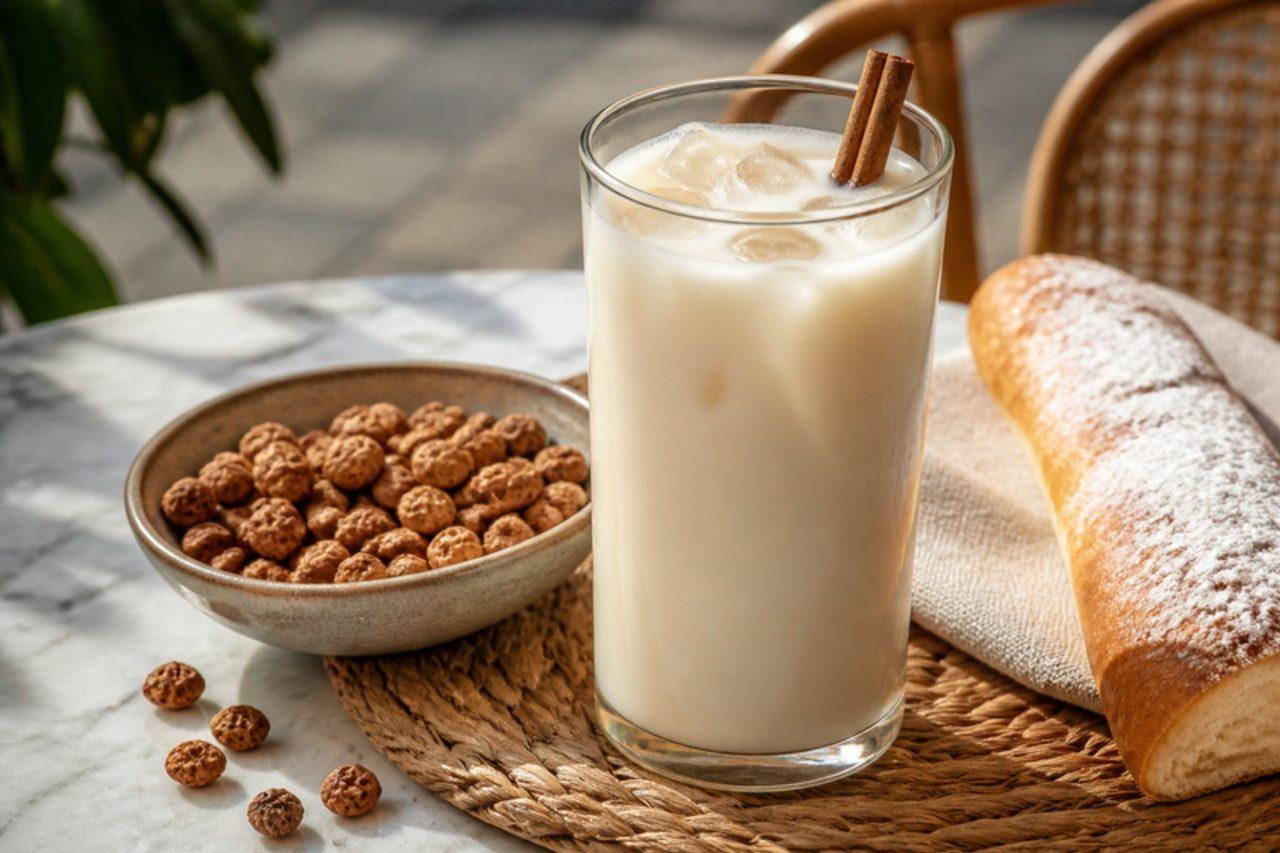
Horchata de chufa is the drink of Valencia's summer, sold ice-cold in the city's horchaterías with long, soft fartons pastries for dipping. It is made from chufas, or tiger nuts: small wrinkled tubers grown around the village of Alboraya just north of Valencia, which have their own protected designation of origin. Soaked, ground with water, strained and sweetened, they give a creamy, nutty, naturally dairy-free milk with a hint of cinnamon. Valencians drink it very cold, or half-frozen as 'granizada'. Chef's tip: soak the tiger nuts for a full 24 hours and change the water once; they must be plump and soft enough to blend into a fine pulp, or the horchata will be thin and taste of raw starch.


Tteokgalbi
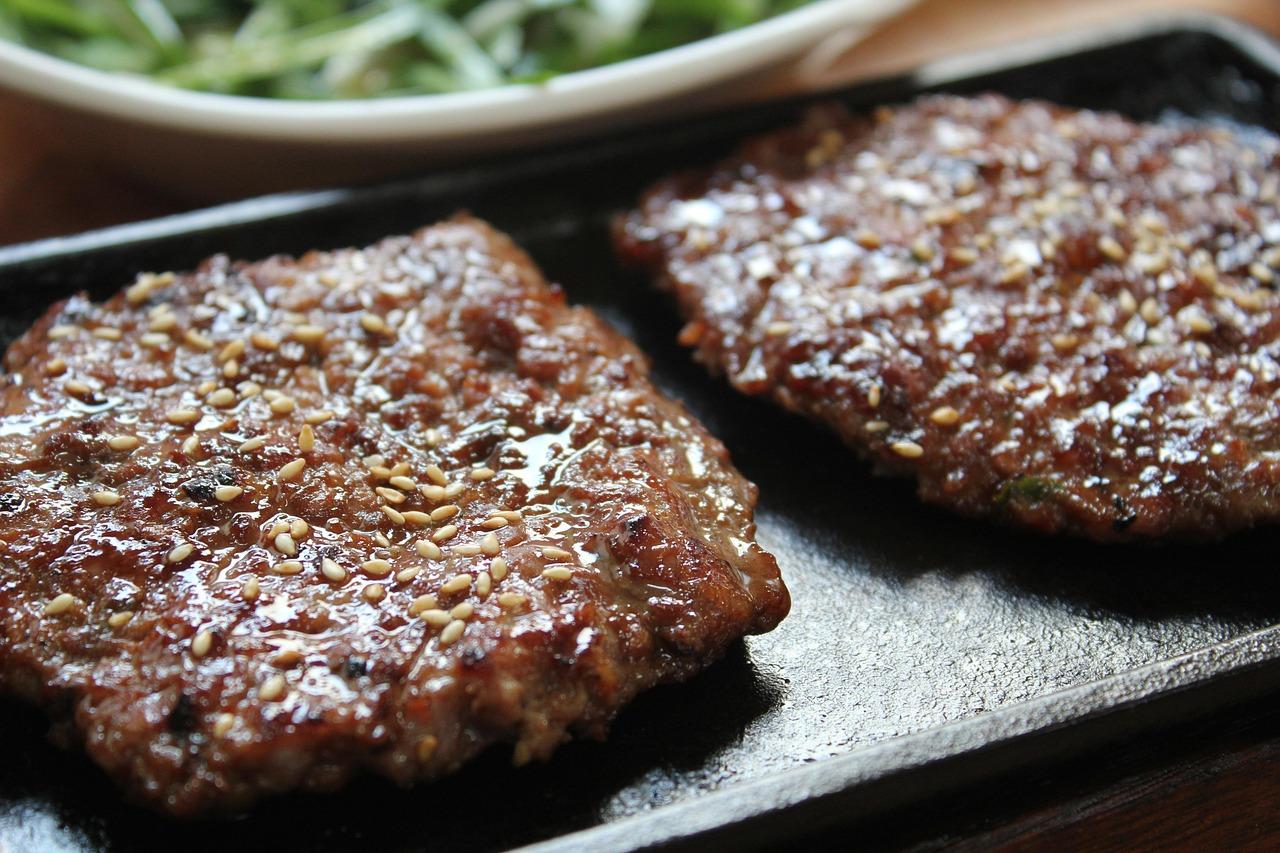
Tteokgalbi is rib meat chopped finely, pressed back into neat slabs and grilled, so it's soft enough to eat without struggling with a bone. Two places in South Jeolla claim it: Damyang, the bamboo county, where all-beef patties come with rice steamed in bamboo tubes, and Gwangju's Songjeong district, whose restaurant street near the railway station mixes beef with pork. This home version uses minced beef and pork, seasoned with soy, garlic and pear, then brushed with a soy and honey glaze as it cooks. Serve with rice, lettuce and a few banchan; leftovers are good cold in a lunchbox. Chef's tip: slap the mince against the bowl for a few minutes; it turns sticky and the patties hold together on the grill without any breadcrumbs.
 Korean