
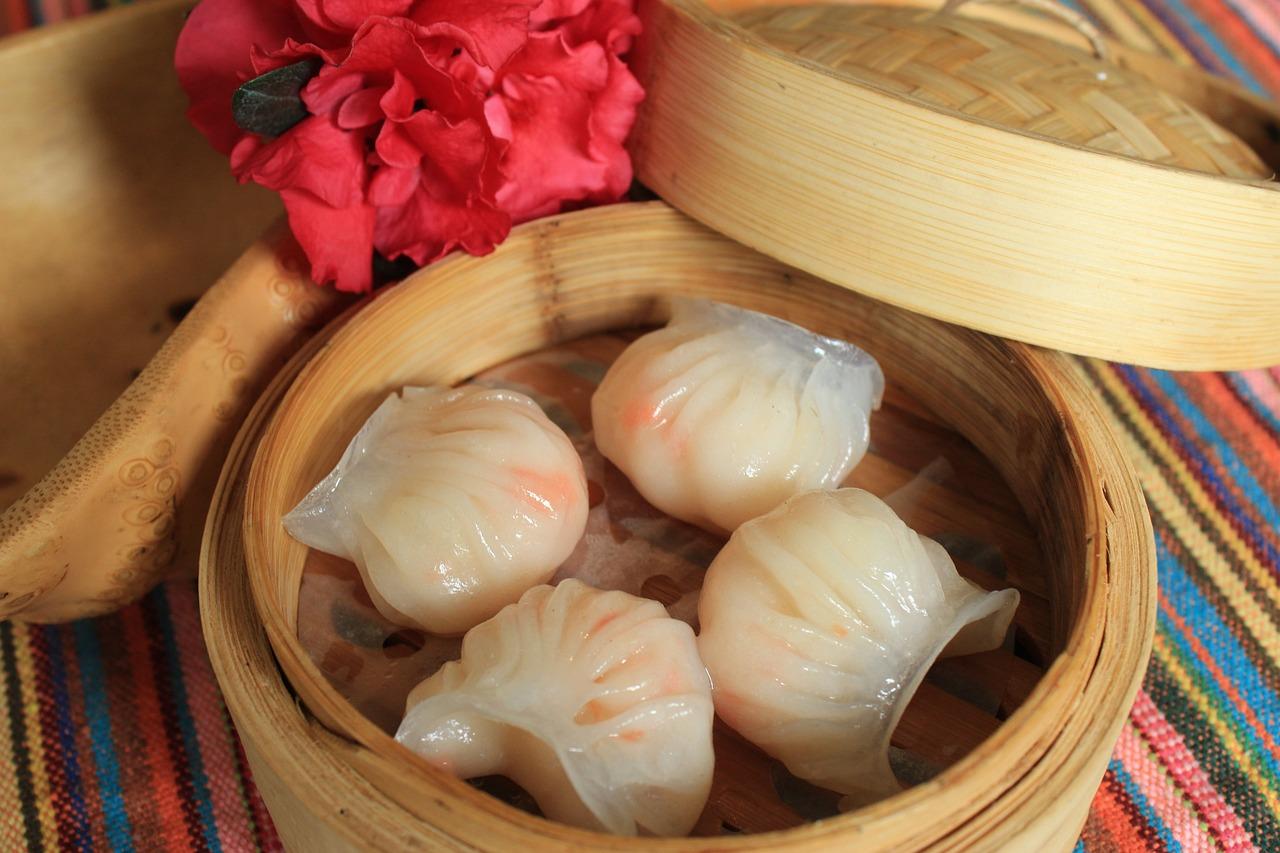
Har gow
虾饺 xiājiǎo / Cantonese haa1 gaau2: translucent prawn dumplings from Guangzhou's dim sum tables
No basket at a Guangzhou yum cha is judged more harshly than the har gow: a dim sum chef is said to prove themselves by folding ten or more pleats into each one. The wrapper is made from wheat starch and tapioca, so it steams clear and slightly chewy, showing the pink prawns inside; the filling is snappy, sweet and lightly seasoned with sesame and bamboo shoot. They take patience rather than special skill, and a batch made on a weekend morning feels like a trip to a teahouse. Serve them straight from the steamer with jasmine or pu'er tea and a little chilli oil on the side. Chef's tip: roll each wrapper only when you are ready to fill it, because the thin starch dough dries and cracks within minutes.
- Total time
- 75 min
- Difficulty
- hard
- Serves
- 4
Ingredients
For the filling
For the wrappers
To serve
Method
0/11 doneStep 1: Toss the 10 ½ oz raw king prawns with ⅓ tsp salt and rub for 1 minute, then rinse well under cold water. Pat them very dry on kitchen paper; wet prawns make a loose, watery filling.
3 minStep 2: Chop a third of the prawns into a coarse paste and cut the rest into 1 cm pieces. Mix both in a bowl with the remaining ⅛ tsp salt, 1 tsp cornflour, ½ tsp sugar, 1 tsp toasted sesame oil, ¼ tsp ground white pepper and 1 tsp fresh ginger.
5 minStep 3: Stir in 1 ⅜ oz bamboo shoots and beat the filling in one direction for 1–2 minutes until sticky. Cover and chill for 20 minutes while you make the dough; the prawns stay firm and easier to wrap.
20 minStep 4: Mix 4 oz wheat starch, 1 oz tapioca starch and 1 pinch salt in a heatproof bowl. Pour in ¾ cup boiling water all at once, stirring hard with chopsticks. It must be at a rolling boil, or the starch will not cook and the dough will crumble.
Step 5: Cover the bowl with a plate for 5 minutes to steam, then add 1 tbsp neutral oil and knead on a tapioca-dusted surface for 2–3 minutes, until smooth and soft like play dough.
8 minStep 6: Roll the dough into a log, cut into 24 pieces and keep them under an upturned bowl or damp cloth.
Step 7: Rub a little oil on the flat of a cleaver (or a rolling pin). Press one piece into a thin round about 8 cm across, about 1 mm thick, so the dough is translucent at the edges.
Step 8: Put a heaped teaspoon of filling in the middle. Fold the round in half, then pleat the front edge 6–10 times while pressing it to the flat back edge, forming a crescent. Seal firmly and set it on an oiled plate under a cloth. Repeat.
Step 9: Line a bamboo steamer with oiled baking paper or cabbage leaves and set the dumplings 2 cm apart. Bring water in a wok to a rolling boil.
Step 10: Steam over high heat for 6–7 minutes, until the wrappers turn clear and glossy and the prawns show pink and opaque through them. Steam in batches rather than crowding.
7 minStep 11: Serve at once, with chilli oil if you like. Har gow toughen as they cool, so steam the next batch while the first is eaten.
Nutrition per serving
- Calories
- 230 kcal
- Protein
- 17 g
- Carbs
- 33 g
- Fat
- 4 g
- Fibre
- 1 g
Nutrition values are estimates.
KrazyBadal
Good to know
- How long does har gow take?
- About 75 minutes in total: 60 minutes to prepare and 15 minutes to cook.
- How many people does it serve?
- 4 as written. Change the servings above the ingredients and every amount scales to match.
- What can I use instead of cornflour?
- Arrowroot or potato starch, same amount.
- What can I use instead of sugar?
- Caster sugar, same amount.
Reviews
No reviews yet. Be the first to cook it.
Rate this recipe
Sign in to rate and review this recipe.
You might also like
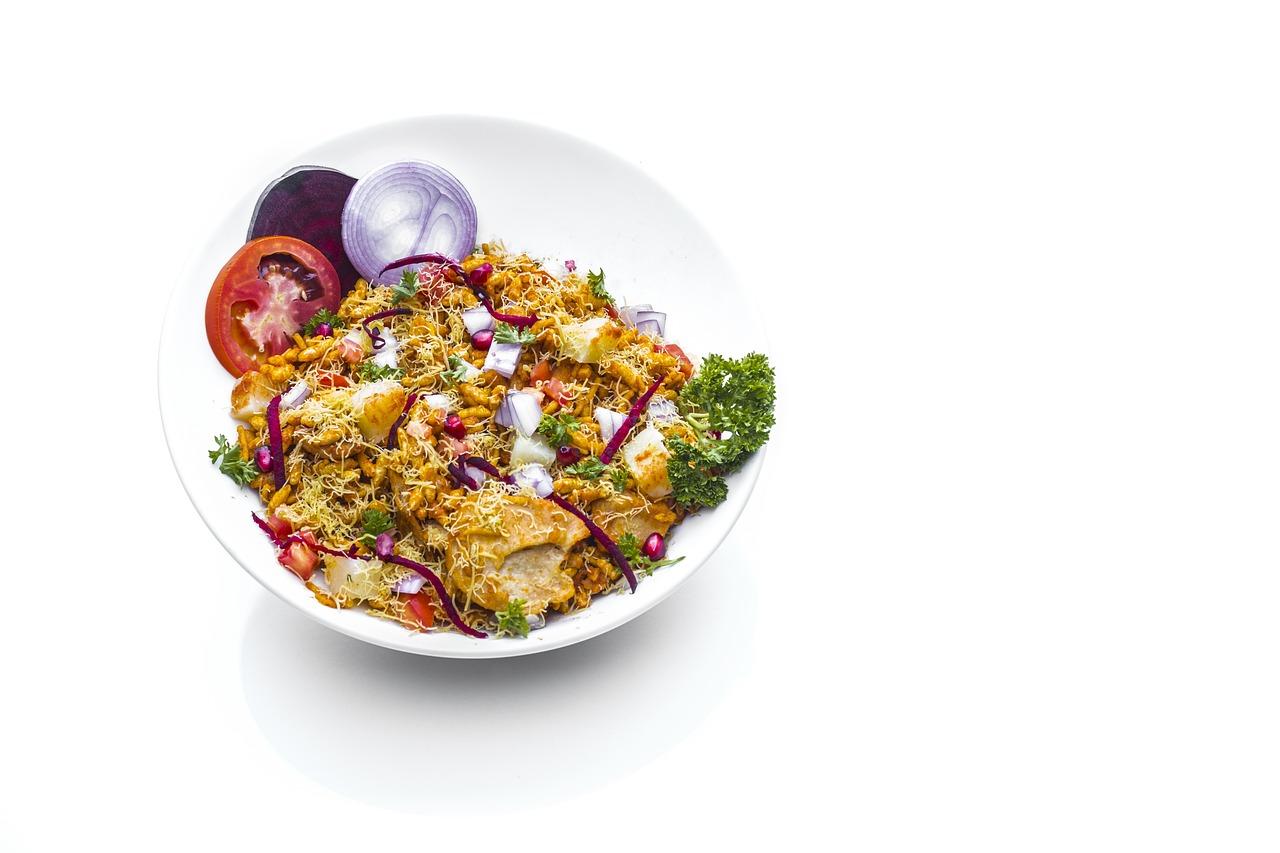
Coastal Mombasa mix
A Mombasa street-food bowl: chickpeas and potato simmered in coconut milk with raw mango and chilli, ladled into small bowls and topped with crisp lentil fritters, crunchy chevdo and red, green and tamarind chutneys. Make the fritters and chevdo ahead and assemble at the table. It's sweet, sour, hot and crunchy all at once.

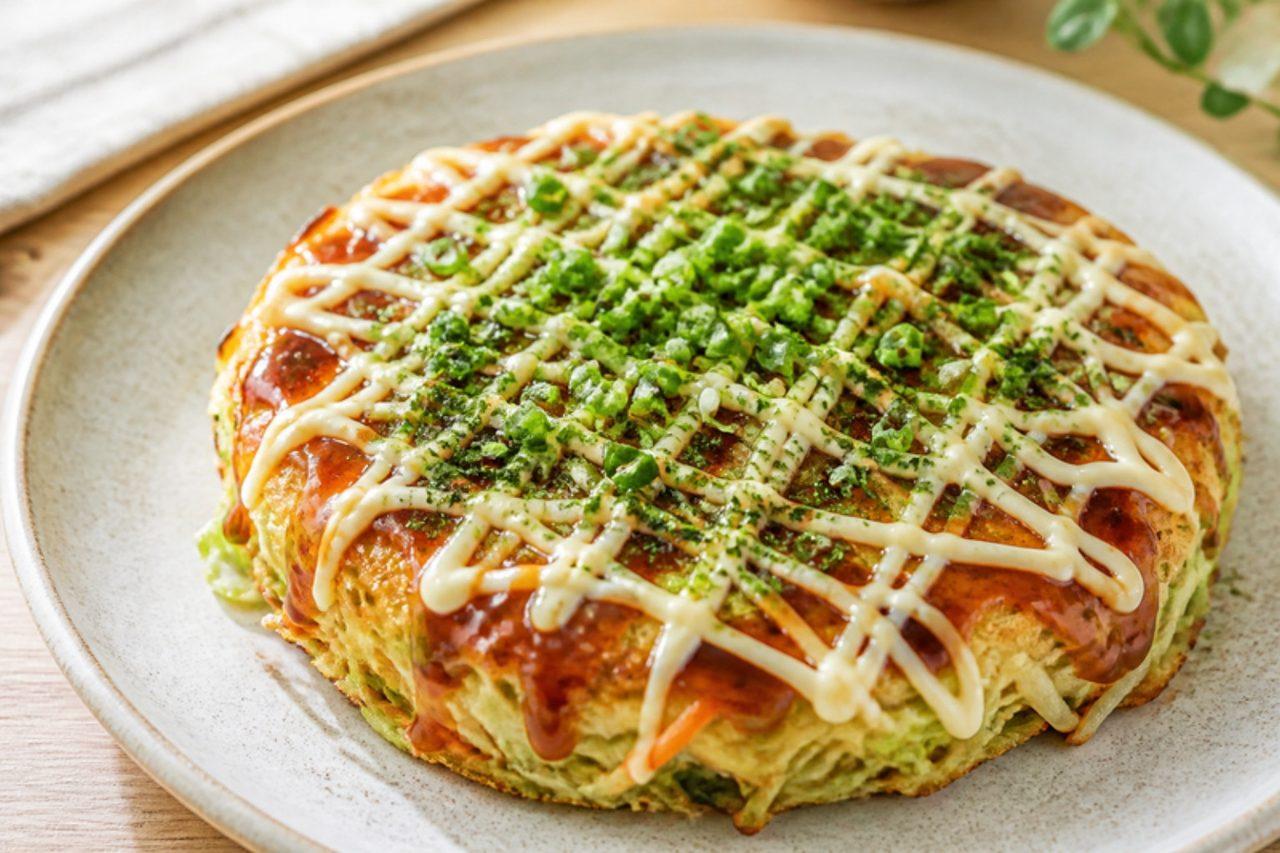
Okonomiyaki
Okonomiyaki (お好み焼き, 'grilled as you like it') is the pride of Osaka, where it's cooked on hot iron griddles in lively restaurants. Finely shredded cabbage is folded into a light batter with egg and spring onion, then fried into a thick, soft pancake with a crisp outside. It's painted with a fruity brown sauce and zigzagged with mayonnaise. Bonito flakes are usual on top; this vegetarian version uses seaweed flakes and pickled ginger instead. Chef's tip: don't press the pancake down with your spatula while it cooks. Osaka cooks leave it alone so the cabbage steams inside and stays light and fluffy; pressing squeezes out the air.
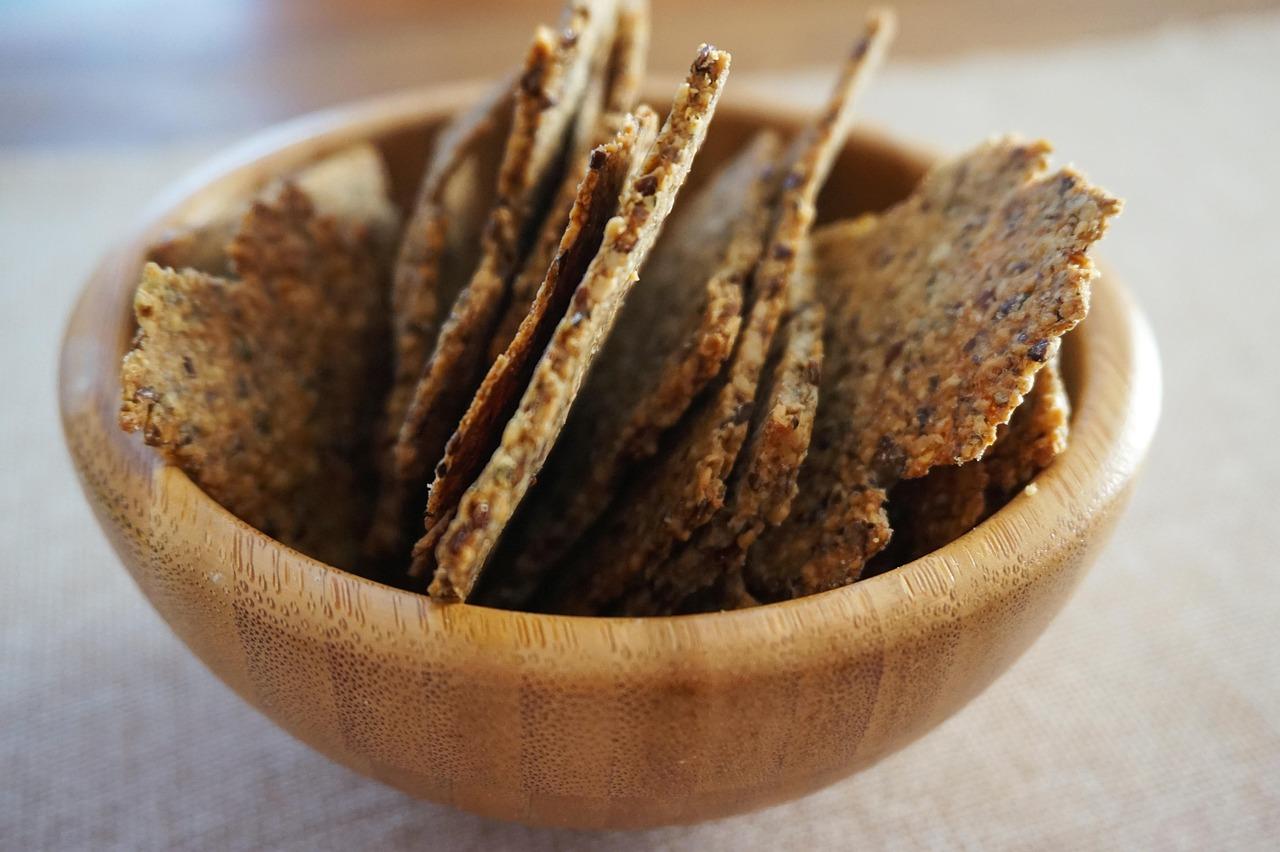
Masala khakhra
Khakhra are thin chapaties roasted slowly on a griddle until they turn crisp, like a cracker. This masala version adds gram flour, fresh fenugreek, turmeric and chilli to the wheat dough. They are a light Gujarati breakfast or tea-time snack, and lovely with pickle, chutney or a smear of butter. You can also make them in a roti maker.

