

AI-generated image
Hallabong ade
한라봉에이드 · Jeju sparkling tangerine drink with a quick fresh-fruit syrup


Hallabong (한라봉) is Jeju's pride: a large, sweet, easy-peel tangerine with a knob on top that is said to look like Hallasan, the island's volcano. Every café on Jeju sells hallabong ade (한라봉에이드), a tall glass of hallabong syrup topped up with sparkling water and ice, often with the fruit sliced into it. Koreans make the syrup, hallabong-cheong, by layering the sliced fruit with sugar in jars; this quick version is ready in 10 minutes. Outside Korea, use dekopon, sumo or any very sweet mandarin. Chef's tip: add a squeeze of lemon to the syrup; hallabong is so sweet that the drink tastes flat without a little extra acid.
- Total time
- 15 min
- Difficulty
- easy
- Serves
- 2
Ingredients
For the quick syrup
To serve
Method
0/5 doneStep 1: Wash 2 hallabong, dekopon or sumo mandarins well. Cut 4 thin rounds from one fruit, with the peel, and keep them for the glasses. Peel the rest and squeeze or blend the segments, then strain the juice; you should have about 200 ml.
Step 2: Peel a few strips of zest from the leftover fruit, avoiding the white pith, and slice it finely.
Step 3: Put the juice, zest and 2 ⅛ oz sugar in a small pan and warm over a low heat for 3–4 minutes, stirring, just until the sugar dissolves and the syrup smells strongly of orange. Don't let it boil, or it tastes like marmalade.
4 minStep 4: Take off the heat and stir in 1 tbsp lemon juice. Cool quickly by standing the pan in cold water. A common mistake is pouring sparkling water onto warm syrup: it goes flat at once, so let the syrup cool completely.
5 minStep 5: Fill two tall glasses with 1 handful ice cubes and the fruit rounds. Pour half the syrup into each, top up slowly with 1 ¾ cups chilled sparkling water, add 4 mint leaves and stir gently.
Nutrition per serving
- Calories
- 170 kcal
- Protein
- 1 g
- Carbs
- 43 g
- Fat
- 0 g
- Fibre
- 2 g
Nutrition values are estimates.
KrazyBadal
Good to know
- How long does hallabong ade take?
- About 15 minutes in total: 10 minutes to prepare and 5 minutes to cook.
- How many people does it serve?
- 2 as written. Change the servings above the ingredients and every amount scales to match.
- Is it vegan?
- Yes. It has no meat, fish, dairy or eggs.
- Is it gluten free?
- Yes, as written. Check the labels on stock, sauces and spice mixes, which sometimes contain gluten.
- What can I use instead of sugar?
- Caster sugar, same amount.
- What can I use instead of lemon juice?
- Lime juice, same amount.
Reviews
No reviews yet. Be the first to cook it.
Rate this recipe
Sign in to rate and review this recipe.
You might also like
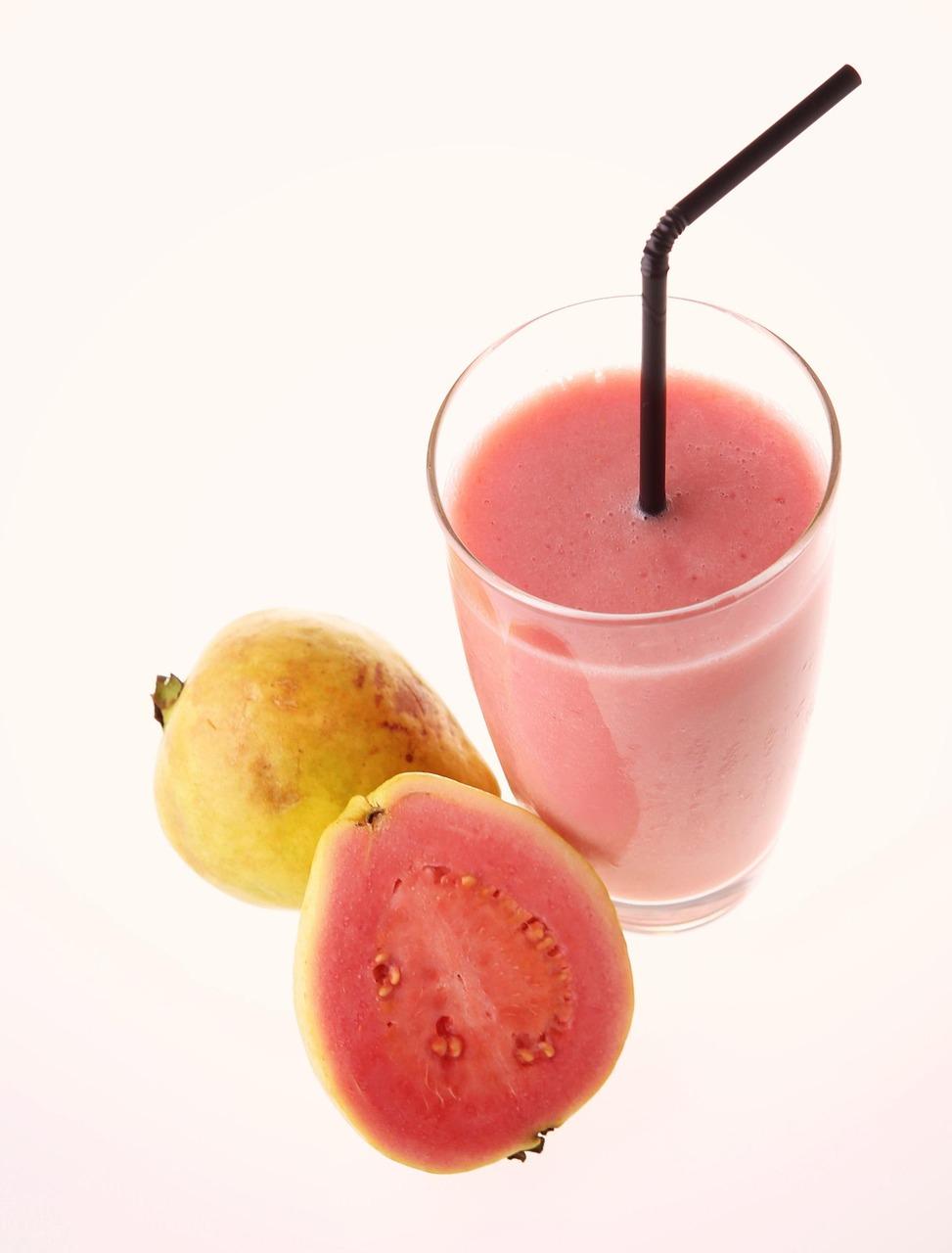
Guava delight
A thick, fragrant blend of ripe guava, mango and banana, boosted with a spoonful of guava powder from the health shop. The book calls it a modern-day vitality drink, drawing on guava's long use in traditional Indian medicine. Serve it well chilled; sieve it if you don't like the little guava seeds.


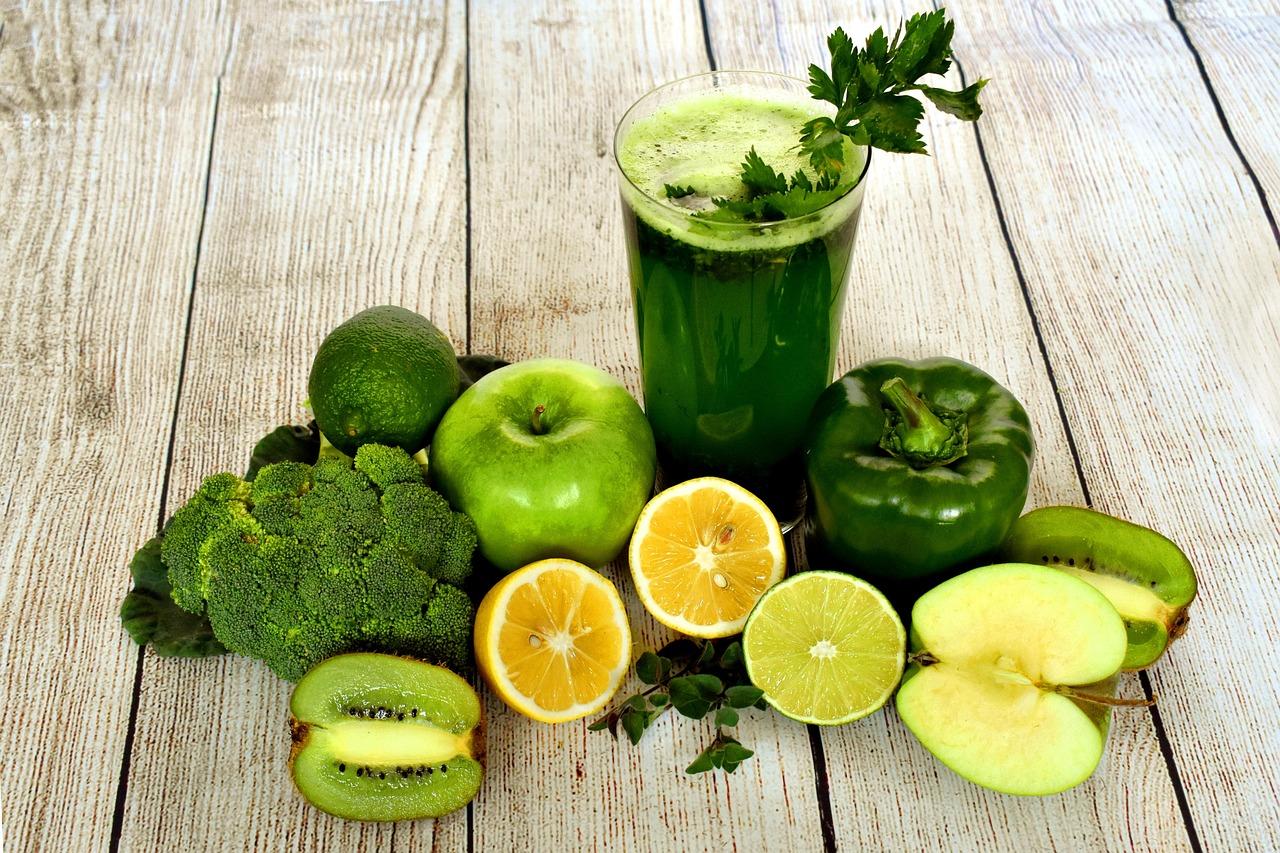
Power pack
A sweet, energising juice of apples, pears and kiwi fruit with a stick of celery, all used unpeeled for extra goodness. It's naturally sweet, so it needs no sugar. Serve well chilled.
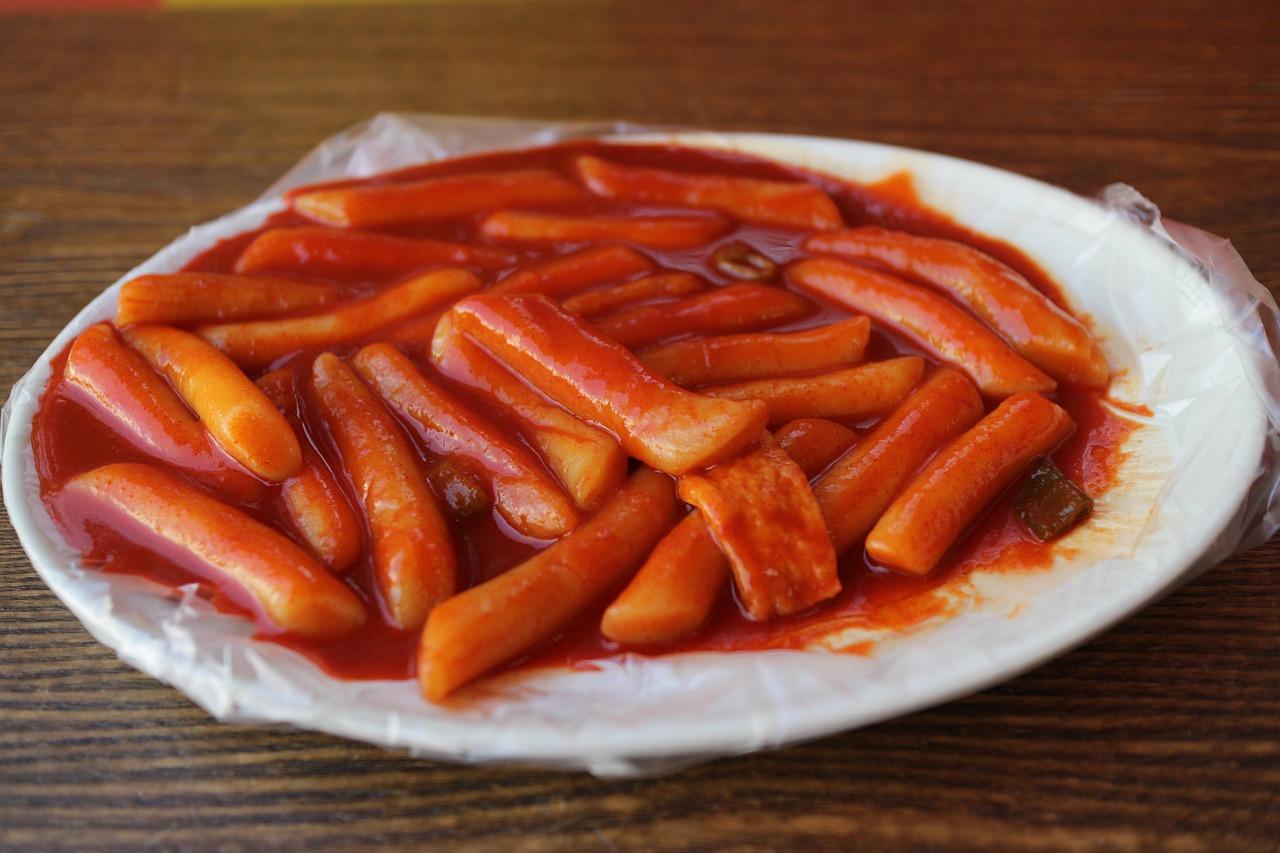
Tteokbokki
Tteokbokki (떡볶이) is Korea's best-loved street snack: chewy cylinders of rice cake simmered in a thick, glossy, sweet and spicy red sauce. It became a classic in Seoul, where it is sold from street stalls and snack bars in every neighbourhood. Street versions use anchovy stock and fish cakes; this vegan version uses a quick kelp and shiitake stock with cabbage and spring onions, and has all the same punch. Eat it hot, while the rice cakes are soft and stretchy. Chef's tip: keep stirring and scrape the bottom; the rice cakes release starch that thickens the sauce but also catches. The sauce is right when it clings to the spoon in a glossy coat.
