
AI-generated image
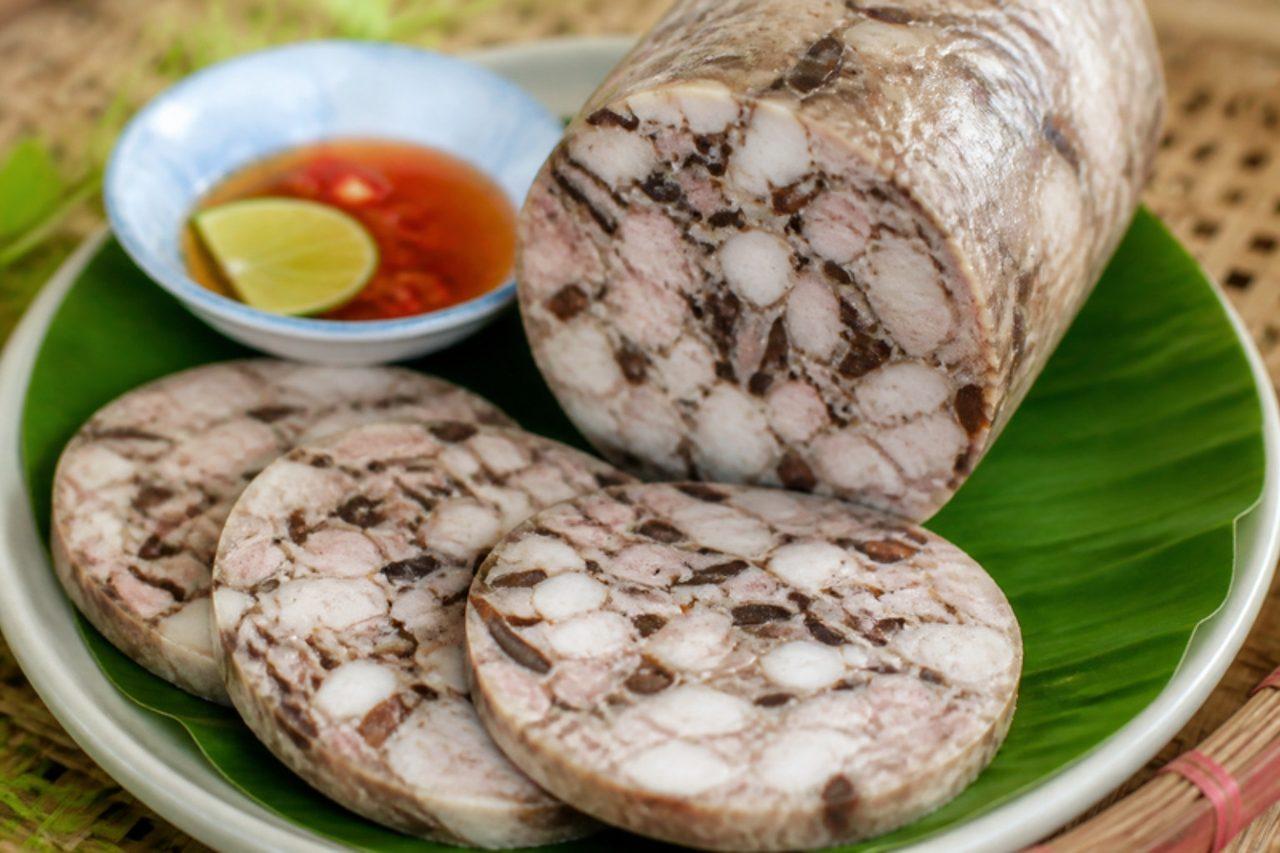
Giò thủ (pressed pork roll)
Pork ear, tongue and cheek meat with wood ear mushrooms, stir-fried with pepper and pressed into a sliceable roll


Giò thủ is a northern Tết classic, a mosaic roll made from pork ear, pork tongue and boneless pork cheek meat with crunchy wood ear mushrooms and plenty of black pepper. Using these cuts is an old way of honouring the whole animal at the year's biggest feast, and the roll's neat round slices are a wish for a complete, well-ordered year. The pieces are boiled, sliced, stir-fried with fish sauce and packed hot into banana leaf, where their natural gelatine binds them as they cool. Every slice is crunchy, chewy and peppery; serve with pickled shallots, fish sauce with lime and chilli, and bánh chưng. Chef's tip: pack and press the filling while it is still very hot; once it cools the gelatine sets and the roll will not hold together.
- Total time
- 240 min
- Difficulty
- hard
- Serves
- 10
Ingredients
For the pork
- 1 ⅛ lb pork ears
- 14 oz pork tongue
- 14 oz boneless pork cheek meatskin on
- 2 tbsp saltfor cleaning and boiling
- 1 ⅜ oz fresh gingersliced
For the stir-fry
- ⅞ oz dried wood ear mushroomssoaked 20 minutes, trimmed and sliced
- 4 shallotsfinely chopped
- 1 tbsp neutral oil
- 3 tbsp fish sauce
- 1 tbsp black peppercornscoarsely crushed
For wrapping
- 3 banana leaveswiped and softened over a flame; or baking paper
To serve
- 4 tbsp fish sauce with lime and chilli (optional)
Shop this recipe on Amazon
Spices & pantry
Fresh ingredients (6)
Links open Amazon in a new tab. As an Amazon Associate, WhatToEat.Today earns from qualifying purchases.
Method
0/10 doneStep 1: Scrub 1 ⅛ lb pork ears, 14 oz pork tongue and 14 oz boneless pork cheek meat with 1 tbsp salt, rinse, and singe or shave off any hairs on the ears.
20 minStep 2: Blanch the meat in boiling water with half the 1 ⅜ oz fresh ginger for 5 minutes, then drain and rinse in cold water.
10 minStep 4: Plunge the meat into iced water for 10 minutes, then peel the rough skin off the tongue with a small knife.
15 minStep 5: Slice all the meat into thin strips about 3 mm thick, keeping the pieces in the fridge if you are not cooking straight away.
20 minStep 6: Heat 1 tbsp neutral oil in a wok over medium heat and fry 4 shallots for 2 minutes until golden.
2 minStep 7: Add the sliced meat, ⅞ oz dried wood ear mushrooms, 3 tbsp fish sauce and 1 tbsp black peppercorns and stir-fry for 8–10 minutes, until everything is piping hot, glossy and the pan juices turn sticky.
10 minStep 8: Line a 1-litre loaf tin, giò mould or sturdy cylinder with 3 banana leaves and pack the hot filling in tightly, pressing down with a spoon after each layer. Common mistake: letting the filling cool first; the gelatine sets too early and the slices crumble.
8 minStep 9: Fold the leaves over, set a weight of about 1.5 kg on top (a few cans) and leave to cool for up to 1 hour, then chill with the weight on for at least 8 hours, until firm.
5 minStep 10: Unwrap and cut into thin slices with a sharp knife; serve cold with 4 tbsp fish sauce with lime and chilli. Keep wrapped in the fridge for up to 5 days, or freeze for 1 month.
5 min
Nutrition per serving
- Calories
- 260 kcal
- Protein
- 26 g
- Carbs
- 3 g
- Fat
- 16 g
- Fibre
- 1 g
Nutrition values are estimates.
KrazyBadal
Good to know
- How long does giò thủ (pressed pork roll) take?
- About 240 minutes in total: 60 minutes to prepare and 180 minutes to cook.
- How many people does it serve?
- 10 as written. Change the servings above the ingredients and every amount scales to match.
- Is it gluten free?
- Yes, as written. Check the labels on stock, sauces and spice mixes, which sometimes contain gluten.
- Can I make it ahead?
- Yes. It keeps well, so you can cook it earlier in the day or the day before and reheat it.
- What can I use instead of fresh ginger?
- ¼ tsp ground ginger per tbsp fresh (add it with the spices).
- What can I use instead of dried wood ear mushrooms?
- Aubergine, diced, same weight.
Reviews
No reviews yet. Be the first to cook it.
Rate this recipe
Sign in to rate and review this recipe.
You might also like
Caramelised clay-pot tofu and mushroomsBraised tofu and mushrooms
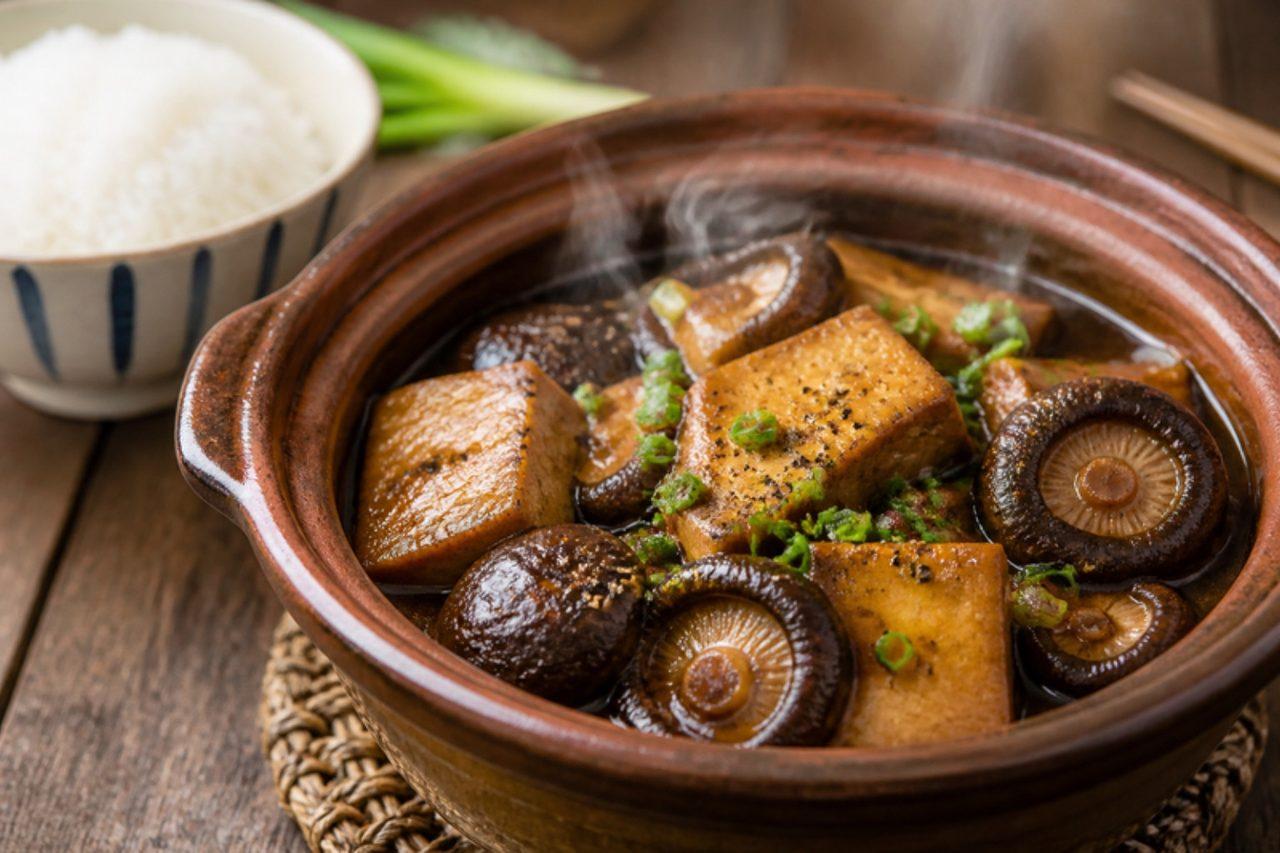
Kho is the slow braise of the Mekong Delta: food simmered in a little clay pot (nồi đất) with dark caramel and seasoning until the sauce is sticky and the flavours go deep. This vegetarian cousin of cá kho tộ (braised fish) uses golden tofu and meaty mushrooms in place of fish, cooked in coconut water, as cooks do in the south, and finished with plenty of black pepper. Serve it bubbling in its pot with steamed rice and a sour soup or plain boiled vegetables. Chef's tip: take the caramel (nước màu) to a deep mahogany, darker than you think, just before it smokes; pale caramel only tastes sweet, while dark caramel gives the bittersweet, smoky flavour of a real kho.

Pfälzer SaumagenStuffed pig's stomach
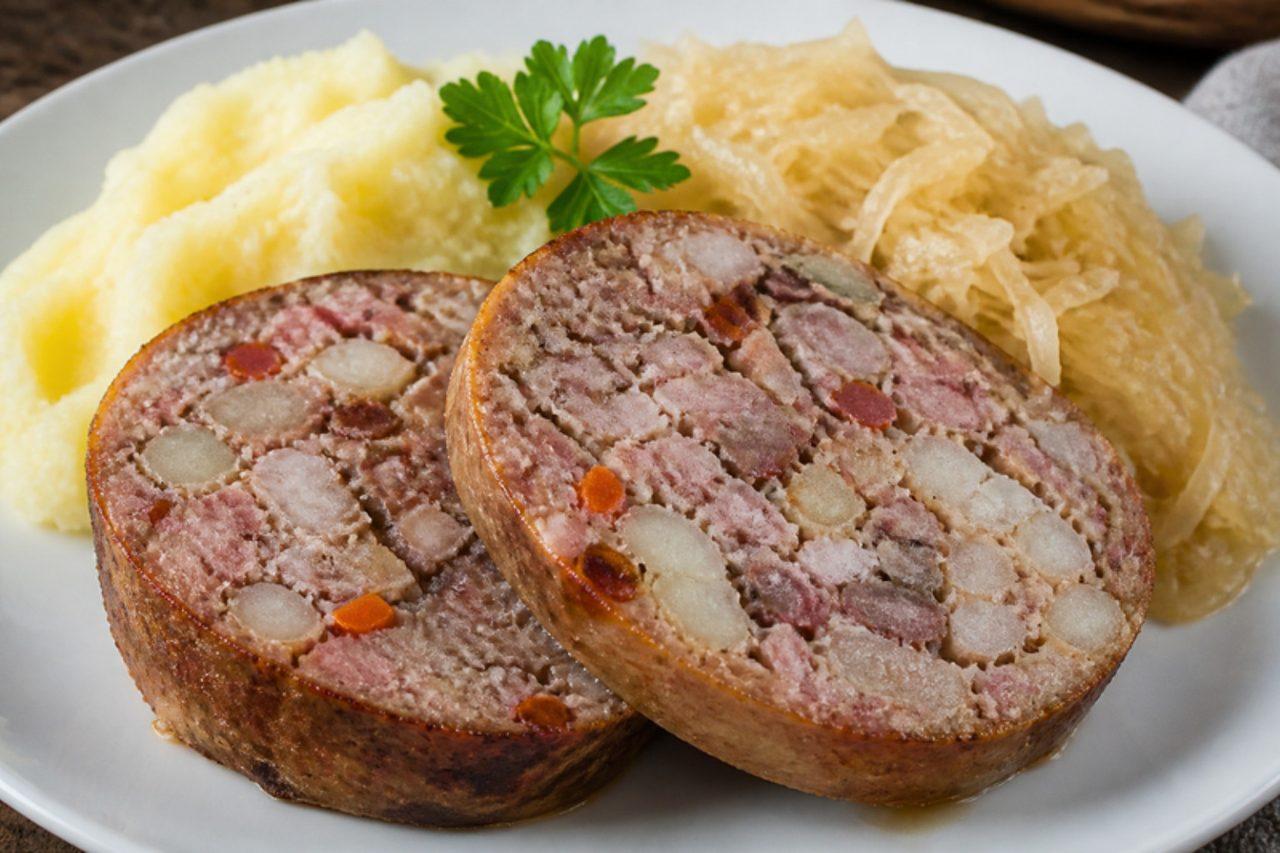
Saumagen is the pride of the Palatinate, served at wine-village festivals and family dinners from the Haardt hills to Ludwigshafen. A cleaned pig's stomach is stuffed with diced pork shoulder, pork sausage meat, potato and carrot seasoned with marjoram and nutmeg, poached slowly, then sliced thick and fried until crusty. The stomach works only as a casing and is ordered from a butcher; if you can't get one, bake the same filling in a covered terrine in a water bath. Serve with sauerkraut and mashed potato. Chef's tip: fill the stomach only three-quarters full, or it bursts as the potatoes swell.
 German

Pork souvlaki
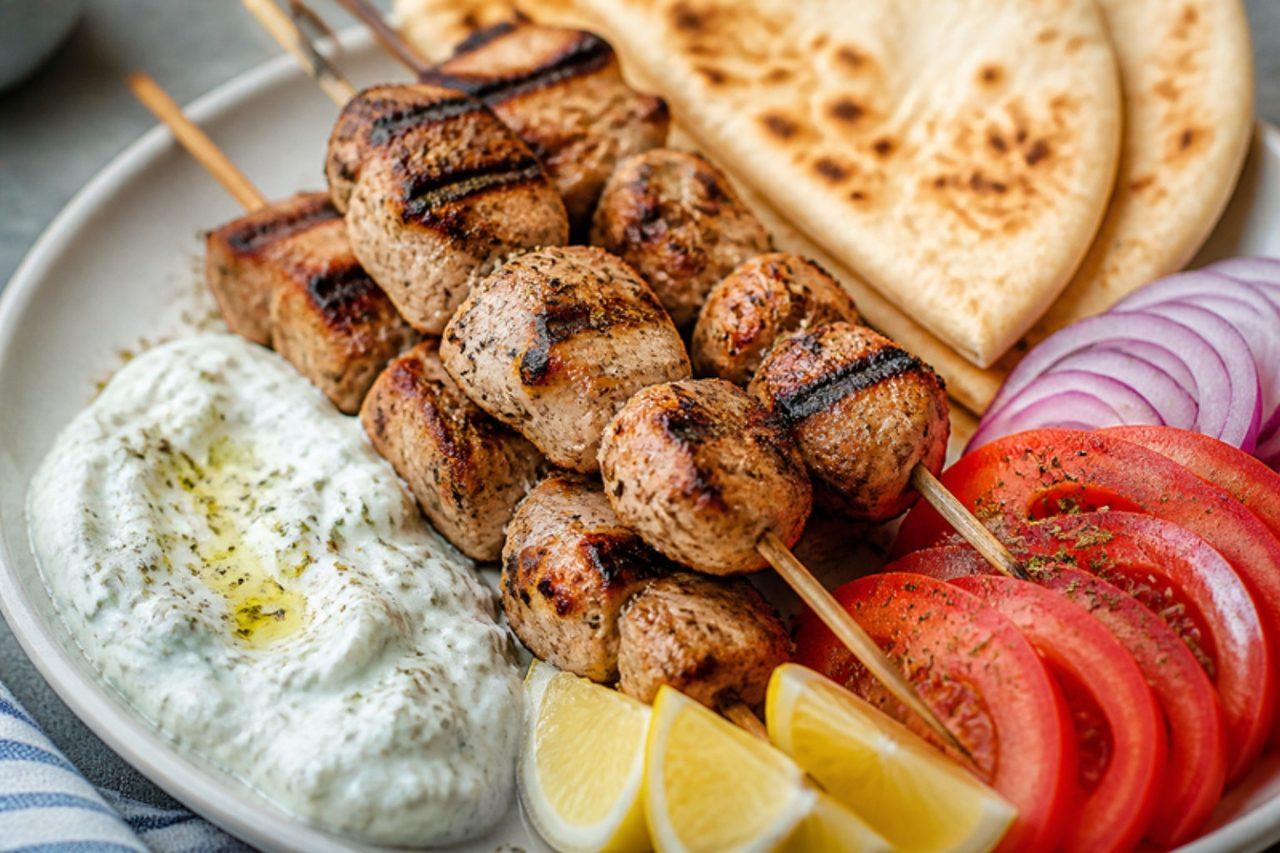
This is a pork recipe. Walk through any Greek town after dark, from Athens to Thessaloniki, and the smell of souvlaki stands drifts down the street; cubes of pork shoulder grilled on thin skewers are the country's favourite cheap supper, eaten standing up or at a plastic-table taverna. At home you marinate the meat in lemon, olive oil, garlic and dried oregano, grill it hard and fast, and pile it on warm pitta with tzatziki, tomato and red onion. Chef's tip: cut the pork into even 2.5 cm cubes and leave a little fat on; lean loin dries out, shoulder stays juicy over high heat.
 Greek
Perfect for:Lunar New Year