
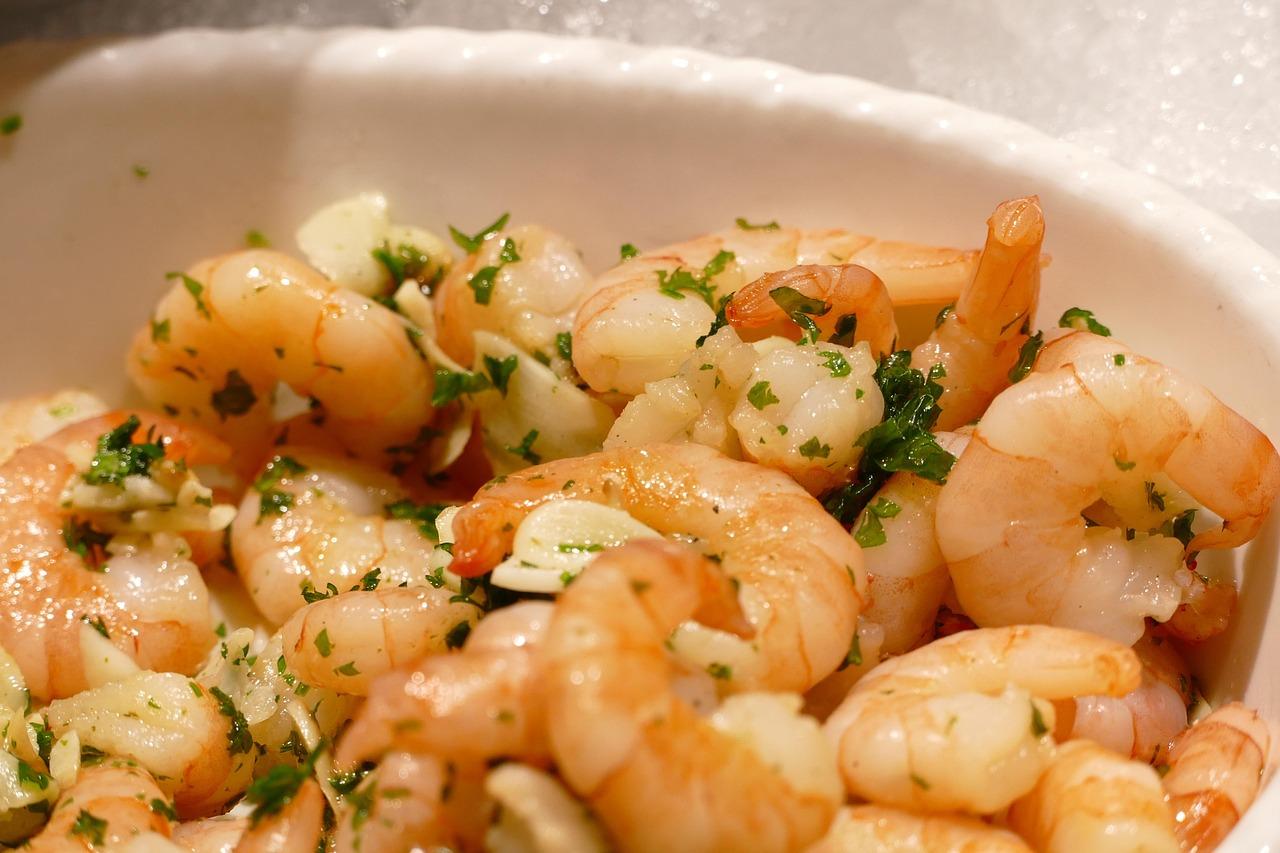
Gambas al ajillo
Gambas al ajillo: prawns sizzled in garlic, chilli and olive oil, Madrid bar style

Walk into a bar near Madrid's Plaza Mayor or Puerta del Sol and you will hear gambas al ajillo before you see them: peeled prawns still spitting in a small terracotta cazuela of olive oil, sliced garlic and dried chilli. They arrive at the table bubbling, with a basket of bread for mopping up the golden oil, which many people think is the best part. At home it takes ten minutes and works as a tapa for four or a quick supper for two. Chef's tip: pat the prawns completely dry with kitchen paper before they go in, so they sizzle in the oil instead of stewing in their own water.
- Total time
- 15 min
- Difficulty
- easy
- Serves
- 4
Ingredients
Method
0/6 doneStep 1: Dry the 14 oz raw king prawns well on kitchen paper and sprinkle them with half the ¼ tsp flaky sea salt. Leave them on the side while you start the oil, so they lose their fridge chill.
Step 2: Put the ½ cup extra virgin olive oil, 6 cloves garlic and 1 dried red chilli (guindilla) in a small flameproof terracotta dish or a small frying pan and set it over a low to medium heat. Warm gently for 3–4 minutes until the garlic is fizzing steadily and just turning pale gold at the edges. Common mistake: starting with very hot oil. The garlic browns in seconds, turns bitter and spoils the whole dish.
4 minStep 3: Turn the heat up to medium-high and add the prawns in one layer. Cook for 1–2 minutes, then turn each one over.
2 minStep 4: Cook for 1–2 minutes more, until the prawns are pink all over, curled into a loose C and opaque right through when you cut the thickest one. Tightly curled O-shaped prawns are overcooked and rubbery.
2 minStep 5: If you like, splash in the 2 tbsp fino sherry or brandy (it contains alcohol; for an alcohol-free version use lemon juice instead) and let it bubble for 20 seconds. Take off the heat.
1 minStep 6: Scatter over the 2 tbsp flat-leaf parsley and the rest of the ¼ tsp flaky sea salt and serve straight away in the dish, still sizzling, with crusty bread for the oil.
Nutrition per serving
- Calories
- 290 kcal
- Protein
- 20 g
- Carbs
- 2 g
- Fat
- 23 g
- Fibre
- 1 g
Nutrition values are estimates.
KrazyBadal
Good to know
- How long does gambas al ajillo take?
- About 15 minutes in total: 5 minutes to prepare and 10 minutes to cook.
- How many people does it serve?
- 4 as written. Change the servings above the ingredients and every amount scales to match.
- Is it gluten free?
- Yes, as written. Check the labels on stock, sauces and spice mixes, which sometimes contain gluten.
- What can I use instead of garlic?
- ½ tsp garlic paste or ⅛ tsp garlic powder per clove.
- What can I use instead of dried red chilli (guindilla)?
- ½ tsp chilli flakes per chilli.
Reviews
No reviews yet. Be the first to cook it.
Rate this recipe
Sign in to rate and review this recipe.
You might also like
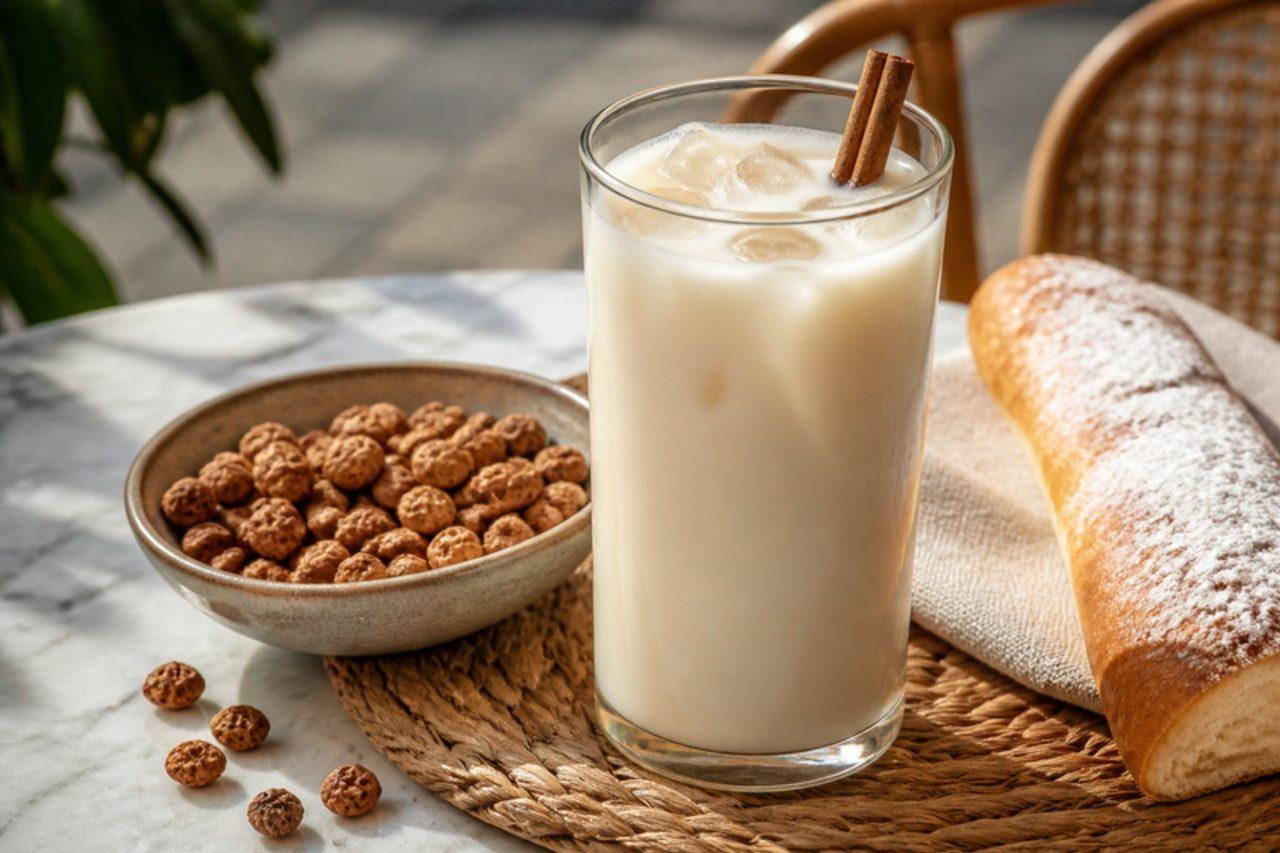
Horchata de chufa
Horchata de chufa is the drink of Valencia's summer, sold ice-cold in the city's horchaterías with long, soft fartons pastries for dipping. It is made from chufas, or tiger nuts: small wrinkled tubers grown around the village of Alboraya just north of Valencia, which have their own protected designation of origin. Soaked, ground with water, strained and sweetened, they give a creamy, nutty, naturally dairy-free milk with a hint of cinnamon. Valencians drink it very cold, or half-frozen as 'granizada'. Chef's tip: soak the tiger nuts for a full 24 hours and change the water once; they must be plump and soft enough to blend into a fine pulp, or the horchata will be thin and taste of raw starch.


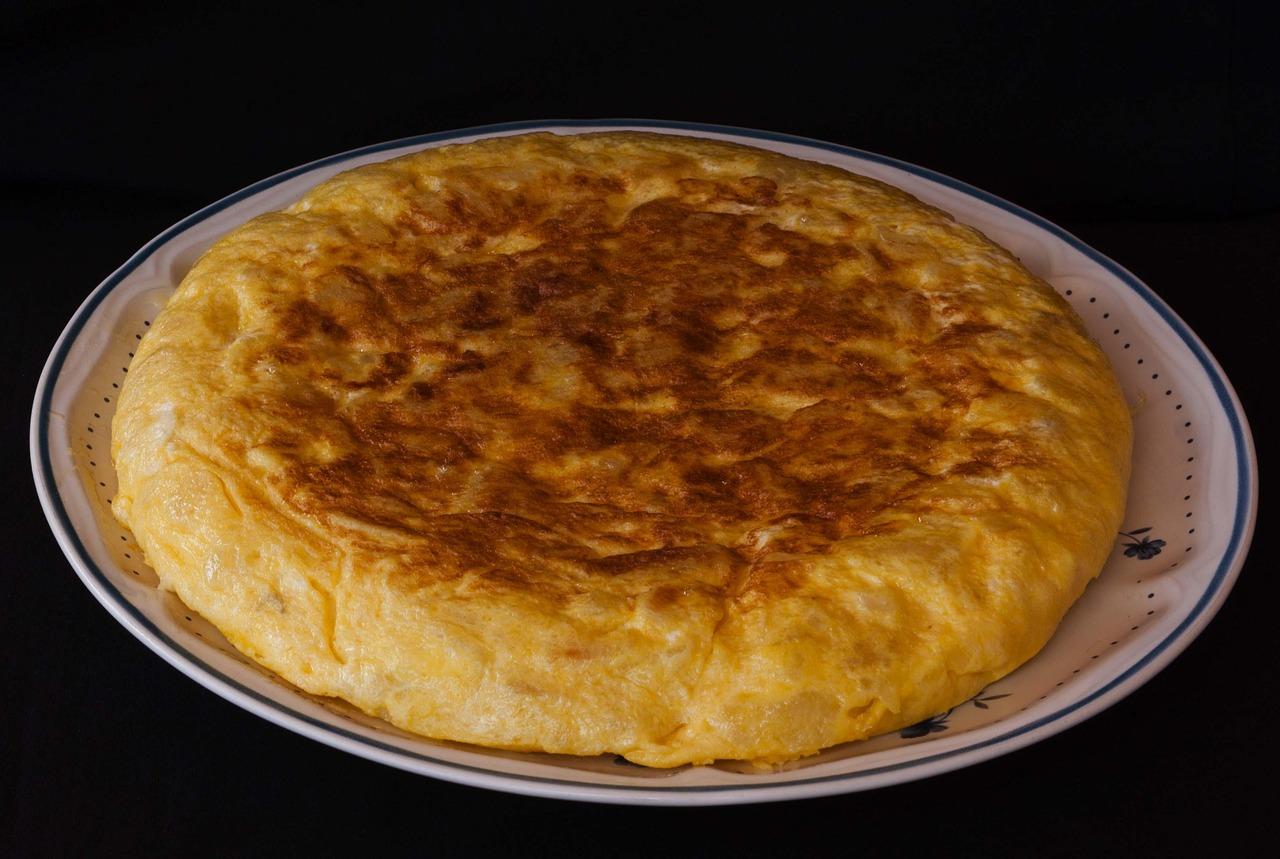
Tortilla española
Tortilla de patatas is the dish every Spanish bar keeps on the counter, from Madrid to Seville: a thick cake of soft potato and sweet onion bound with just-set egg, served warm or at room temperature in wedges or small squares (pinchos) with bread. The potatoes are not fried crisp but gently poached in plenty of olive oil until tender, then soaked in the beaten egg so every slice holds together. Spaniards argue about onion (con cebolla or sin) and about how runny the centre should be; this version has onion and a juicy middle, the way most bars in Madrid serve it. Eat it for breakfast, as a tapa or for a light supper with a tomato salad. Chef's tip: once the hot potatoes go into the beaten eggs, leave them to sit for 10 minutes before cooking; the egg starts to set around the potato and the tortilla turns out creamy and holds its shape.
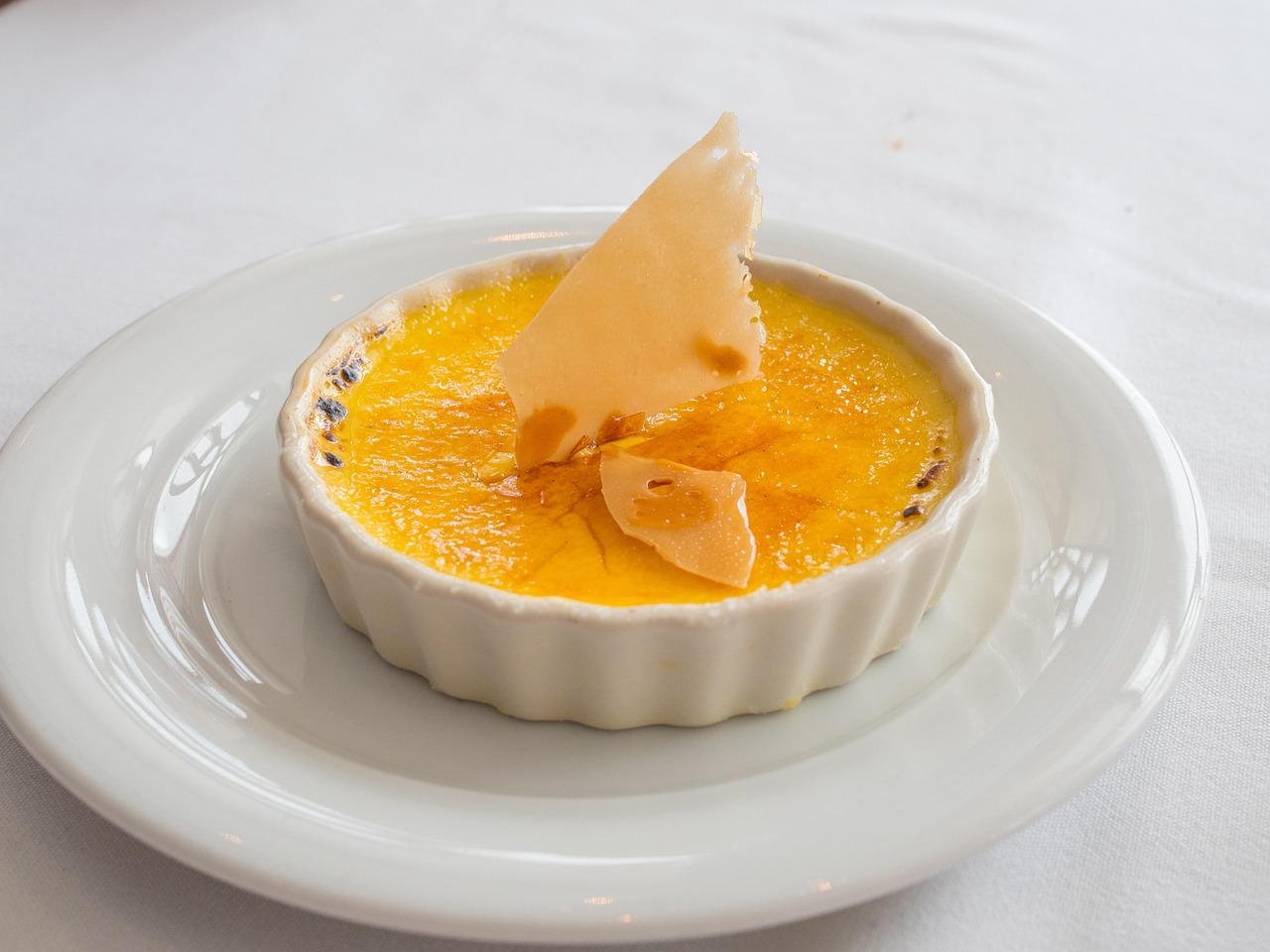
Crema catalana
Crema catalana is the classic dessert of Catalonia, served in shallow round earthenware dishes with a glassy layer of burnt sugar on top. Traditionally it was made for Saint Joseph's Day on 19 March, which is why it is also called crema de Sant Josep. It is older than French crème brûlée and different in style: made with milk rather than cream, lightly thickened with cornflour and flavoured with lemon zest and cinnamon, so it is lighter and fresher. Catalans caramelise the top with a hot iron disc called a 'cremador'; a cook's blowtorch does the same job. Chef's tip: burn the sugar just before serving, not earlier; the crust stays crisp only for about 20–30 minutes before the moisture of the custard softens it.