
AI-generated image
Fabada asturiana
Fabada: creamy Asturian white-bean stew with chorizo, morcilla and pork (plus overnight soaking)
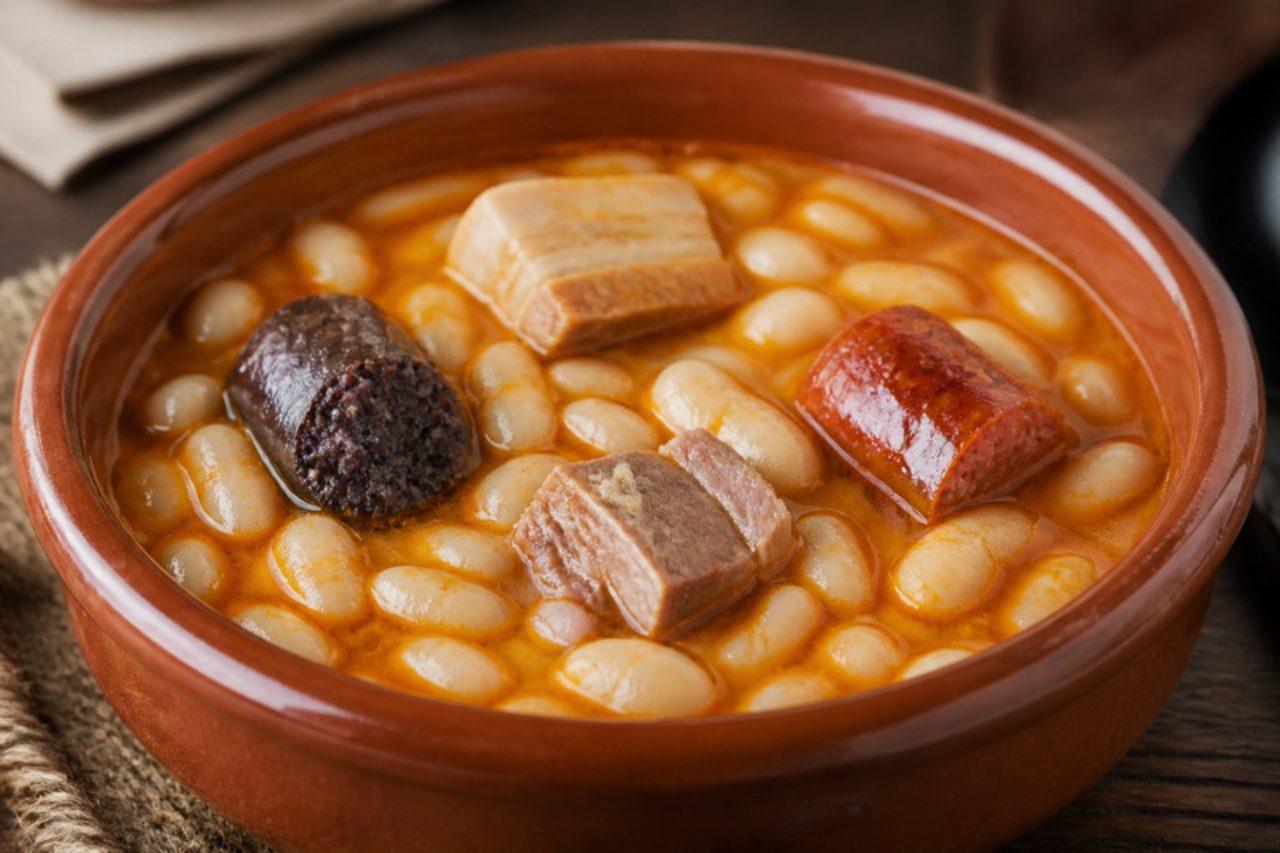
Fabada is the great midday stew of Asturias, on Spain's green, rainy north coast, eaten in winter at long lunches in village casas de comida and cider houses, usually followed by a quiet afternoon. Big, buttery fabes (Asturian white beans) cook slowly with the compango: smoked Asturian chorizo, morcilla, pork belly and lacón (cured pork shoulder). The beans should end up creamy inside and whole outside, in a thick, orange broth coloured by the chorizo. Large dried white beans such as judión or butter beans are the closest substitute if you can't find fabes. Chef's tip: make it the day before; it thickens and tastes better after a night in the fridge.
- Total time
- 150 min
- Difficulty
- medium
- Serves
- 6
Ingredients
Method
0/7 doneStep 1: Drain the soaked 1 ⅛ lb dried fabes or large dried white beans. Put them in a wide, heavy pot in an even layer with the drained 9 oz lacón or smoked ham hock, the 7 oz pork belly, 2 Asturian or cooking chorizo, 2 Asturian morcilla (smoked blood sausage), ½ onion and 2 cloves garlic on top.
Step 2: Pour in the 10 ½ cups cold water so it covers everything by about 3 cm. Bring slowly to the boil over a medium heat, about 15 minutes, and skim off the grey foam and some of the orange fat that rises.
15 minStep 3: As soon as it boils, pour in a small glass (about 100 ml) of extra cold water to stop the boil. Asturians call this 'scaring' the beans (asustar); it keeps the skins on.
1 minStep 4: Lower the heat so the pot barely trembles, add the 1 pinch saffron threads and ½ tsp sweet pimentón (Spanish paprika), and cook, uncovered or half covered, for 2 hours. 'Scare' the beans with a splash of cold water two more times along the way, and add water if the beans begin to poke out of the broth. Common mistake: stirring with a spoon. It breaks the beans; instead, hold the pot by its handles and gently swirl it now and then.
110 minStep 5: Check the beans: they are done when they're creamy and soft all the way through but still whole. The pork belly and lacón should be cooked through and tender enough to cut with a spoon. If not, cook for 15–20 minutes more.
5 minStep 6: Lift out the meats and sausages, slice them and either return them to the pot or serve on a separate plate. Remove the onion. Taste and add 1 tsp salt only now if needed; the cured meats are already salty.
Step 7: Turn off the heat and rest the fabada for 15 minutes so the broth thickens. Serve in deep bowls with bread. To make ahead, cool within 2 hours, refrigerate and keep for up to 3 days; reheat gently, adding a splash of water, until piping hot.
15 min
Nutrition per serving
- Calories
- 690 kcal
- Protein
- 40 g
- Carbs
- 50 g
- Fat
- 36 g
- Fibre
- 15 g
Nutrition values are estimates.
KrazyBadal
Good to know
- How long does fabada asturiana take?
- About 150 minutes in total: 15 minutes to prepare and 135 minutes to cook.
- How many people does it serve?
- 6 as written. Change the servings above the ingredients and every amount scales to match.
- Can I make it ahead?
- Yes. It keeps well, so you can cook it earlier in the day or the day before and reheat it.
- What can I use instead of onion?
- 2 shallots per onion.
- What can I use instead of garlic?
- ½ tsp garlic paste or ⅛ tsp garlic powder per clove.
Reviews
No reviews yet. Be the first to cook it.
Rate this recipe
Sign in to rate and review this recipe.
You might also like
Horchata de chufa
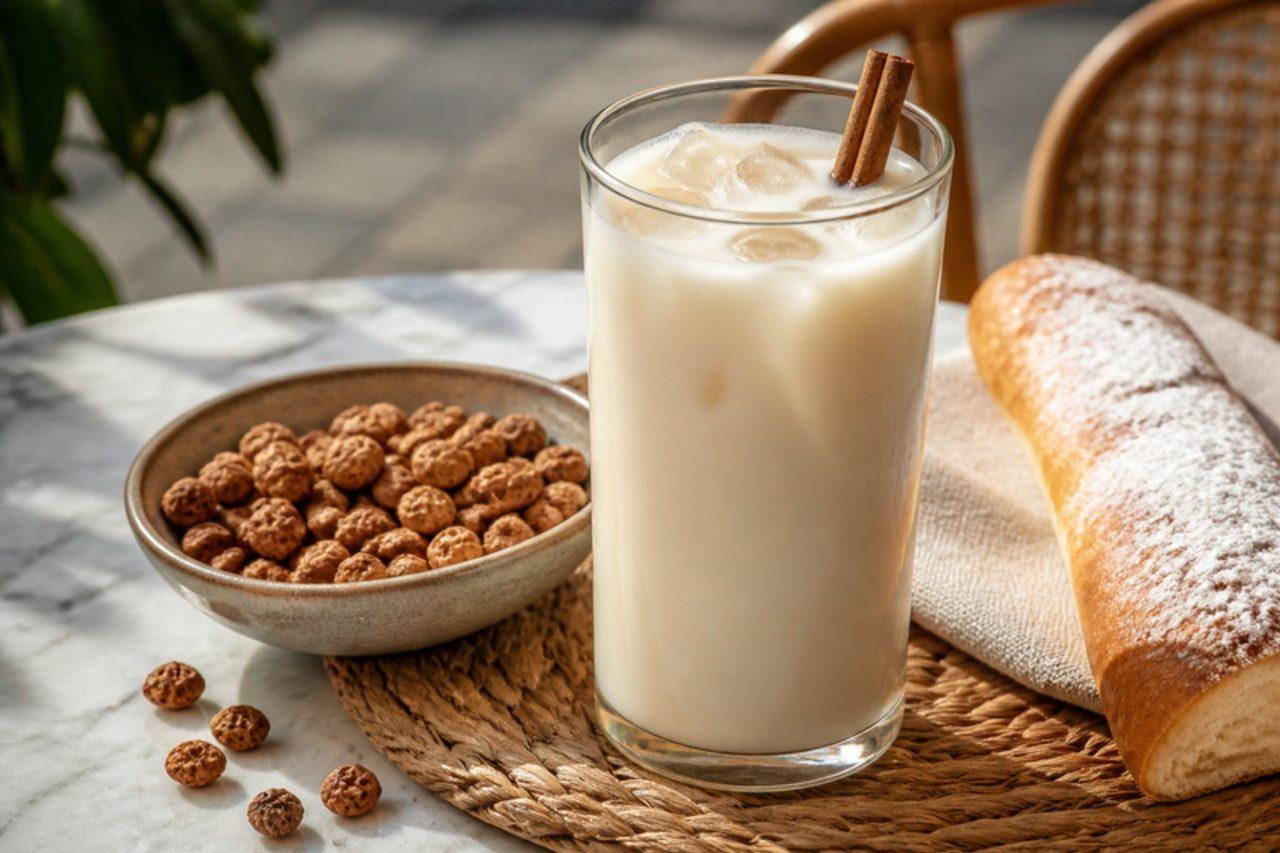
Horchata de chufa is the drink of Valencia's summer, sold ice-cold in the city's horchaterías with long, soft fartons pastries for dipping. It is made from chufas, or tiger nuts: small wrinkled tubers grown around the village of Alboraya just north of Valencia, which have their own protected designation of origin. Soaked, ground with water, strained and sweetened, they give a creamy, nutty, naturally dairy-free milk with a hint of cinnamon. Valencians drink it very cold, or half-frozen as 'granizada'. Chef's tip: soak the tiger nuts for a full 24 hours and change the water once; they must be plump and soft enough to blend into a fine pulp, or the horchata will be thin and taste of raw starch.


Tortilla española
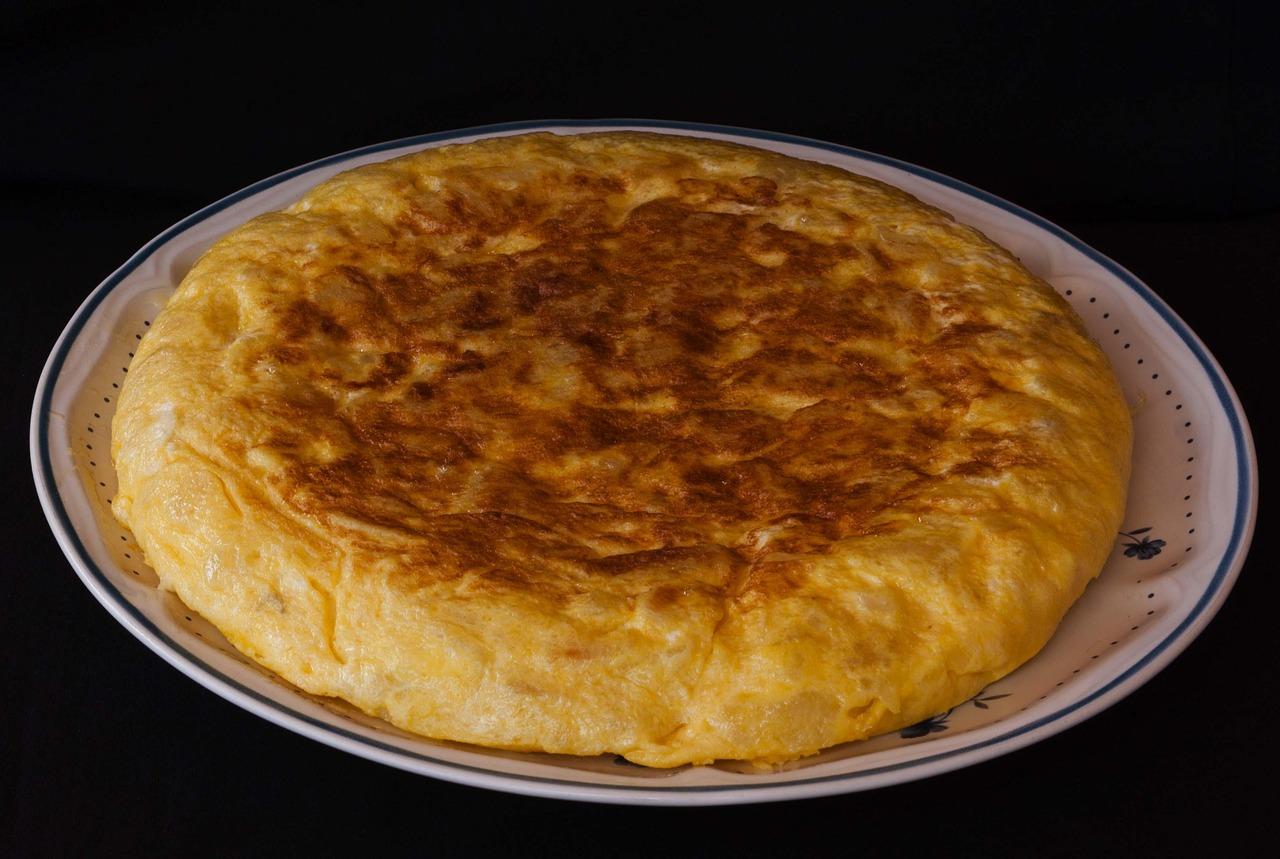
Tortilla de patatas is the dish every Spanish bar keeps on the counter, from Madrid to Seville: a thick cake of soft potato and sweet onion bound with just-set egg, served warm or at room temperature in wedges or small squares (pinchos) with bread. The potatoes are not fried crisp but gently poached in plenty of olive oil until tender, then soaked in the beaten egg so every slice holds together. Spaniards argue about onion (con cebolla or sin) and about how runny the centre should be; this version has onion and a juicy middle, the way most bars in Madrid serve it. Eat it for breakfast, as a tapa or for a light supper with a tomato salad. Chef's tip: once the hot potatoes go into the beaten eggs, leave them to sit for 10 minutes before cooking; the egg starts to set around the potato and the tortilla turns out creamy and holds its shape.
Crema catalana
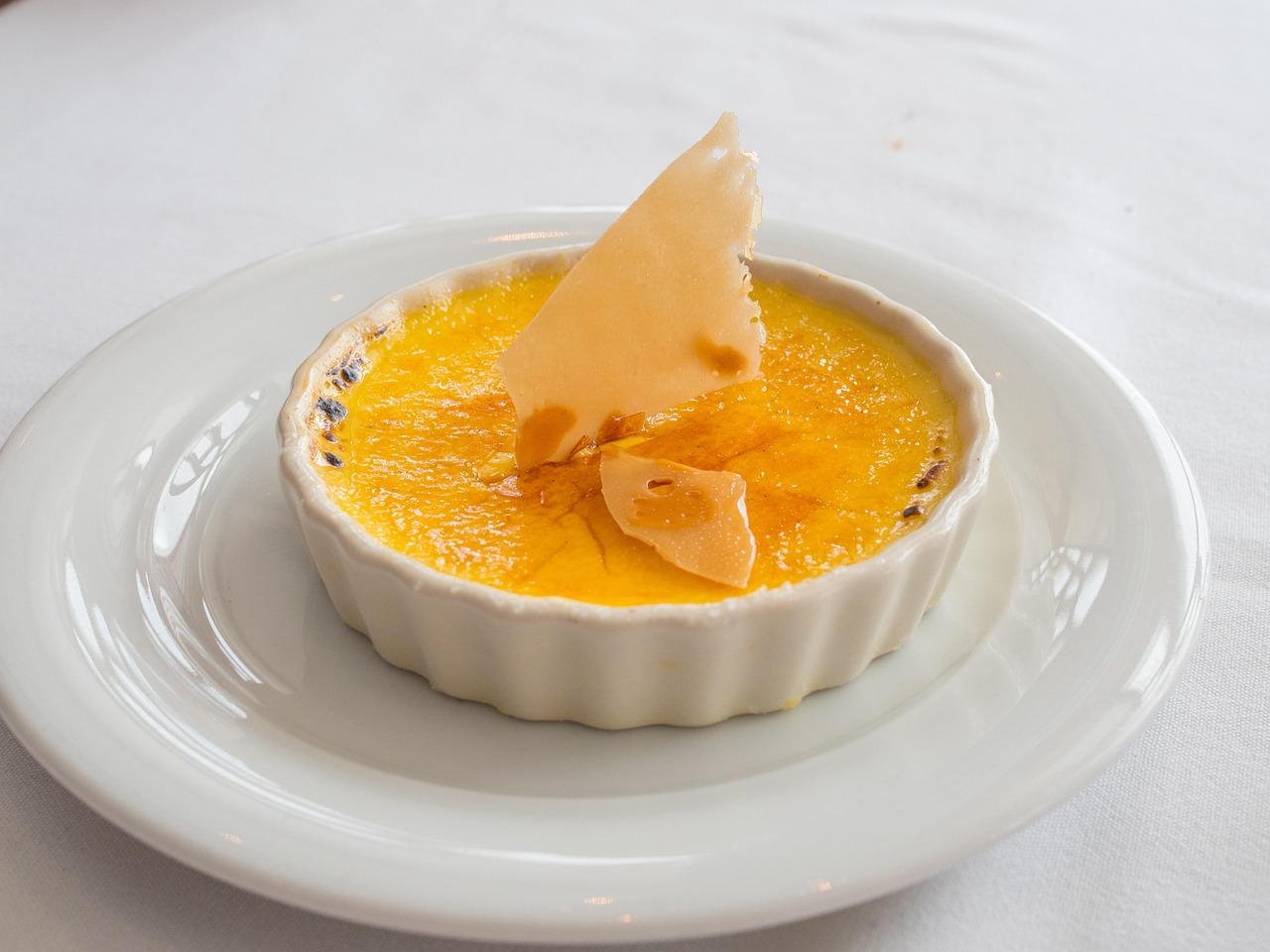
Crema catalana is the classic dessert of Catalonia, served in shallow round earthenware dishes with a glassy layer of burnt sugar on top. Traditionally it was made for Saint Joseph's Day on 19 March, which is why it is also called crema de Sant Josep. It is older than French crème brûlée and different in style: made with milk rather than cream, lightly thickened with cornflour and flavoured with lemon zest and cinnamon, so it is lighter and fresher. Catalans caramelise the top with a hot iron disc called a 'cremador'; a cook's blowtorch does the same job. Chef's tip: burn the sugar just before serving, not earlier; the crust stays crisp only for about 20–30 minutes before the moisture of the custard softens it.