
AI-generated image
Chorafali
Crisp besan and urad strips
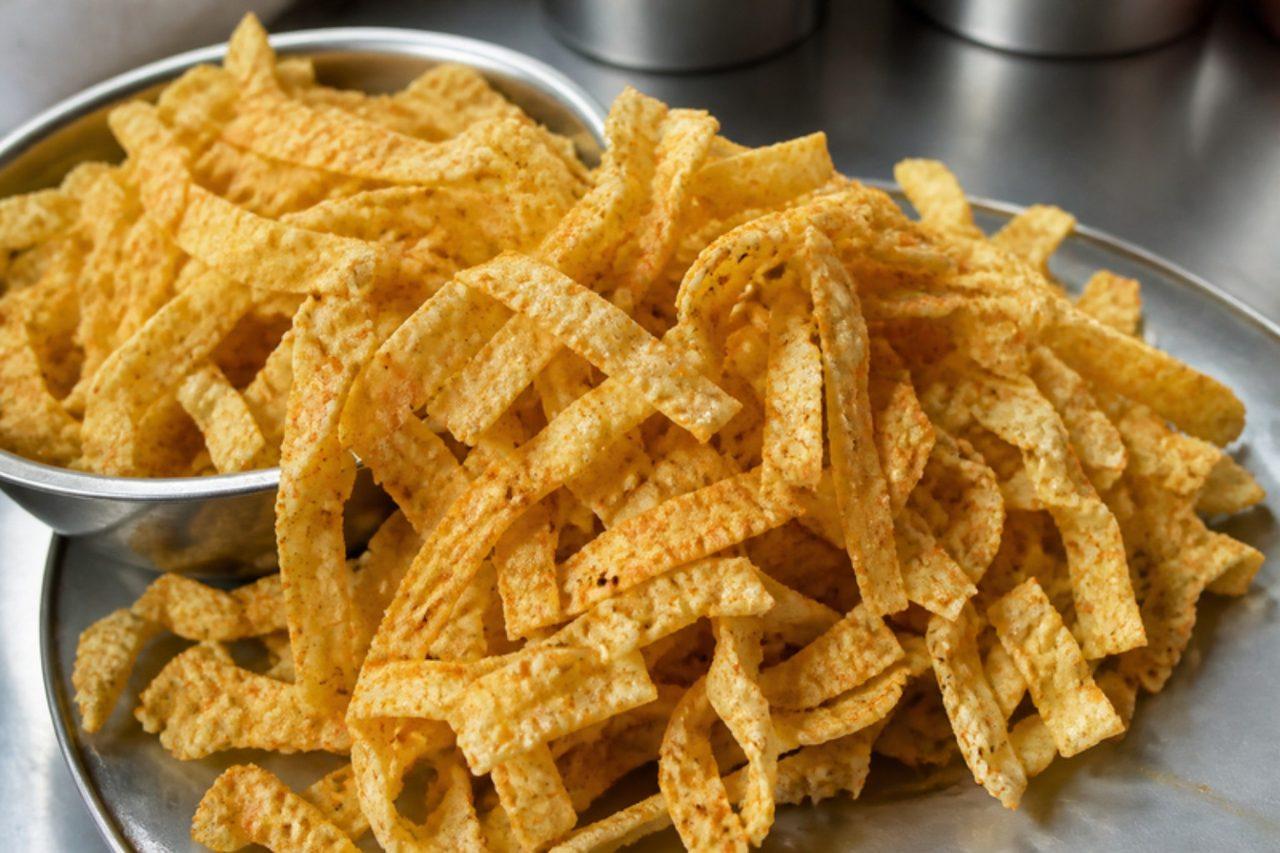
ચોરાફળી: puffed, paper-thin strips of pounded besan and urad dough, fried in seconds and dusted with chilli, amchur and black salt


Chorafali is the snack Gujarati children wait for in Diwali week, because it is made in the last days and vanishes first. The dough of gram flour and white urad flour is kneaded, then pounded with a pestle until it turns pale and elastic, rolled out almost transparent and cut into strips. In hot oil the strips swell into crunchy, bubbled ribbons in under a minute, and a shower of red chilli, dry mango powder and kala namak while they are hot makes them tangy, salty and sharp. It is a Surat and Saurashtra favourite and comes out alongside suvali, mathiya and ghughra for guests on the New Year. Eat it on its own or with tea. Chef's tip: roll with oil on the board and pin, never dry flour; loose besan burns in the oil and leaves bitter brown flecks on the strips.
- Total time
- 60 min
- Difficulty
- medium
- Serves
- 10
Ingredients
For the dough
- 5 ½ oz gram flour (besan)
- 1 tsp salt
- ½ tsp bicarbonate of sodaor papad khar
- 2 tbsp groundnut or sunflower oilplus a little for rolling
- ½ cup warm waterabout
For the masala
- 2 tsp Kashmiri chilli powder
- 1 tsp black salt (kala namak)
For frying
Shop this recipe on Amazon
What you'll need
Spices & pantry
Links open Amazon in a new tab. As an Amazon Associate, WhatToEat.Today earns from qualifying purchases.
Method
0/7 doneStep 1: Mix 2 tsp Kashmiri chilli powder, 1 tsp black salt (kala namak) and 1 tsp dry mango powder (amchur) in a small bowl and set aside. You need it ready the moment the strips come out of the oil.
Step 2: Sift 5 ½ oz gram flour (besan), 2 ⅝ oz white urad flour (urad dal no lot), 1 tsp salt and ½ tsp bicarbonate of soda into a bowl. Rub in half the 1 tbsp groundnut or sunflower oil, then add the ½ cup warm water a little at a time to make a very stiff dough.
5 minStep 3: Smear the rest of the 1 tbsp groundnut or sunflower oil on the dough and pound it in a mortar or on a board with a pestle or rolling pin for 8–10 minutes, folding it over now and then. It is ready when it is smooth, elastic and a shade paler. Common mistake: skipping the pounding; the strips then stay flat and hard instead of puffing.
10 minStep 4: Cover the dough and rest for 15 minutes. Divide into 8 balls.
15 minStep 5: Oil the board and pin and roll each ball into a very thin round, about 20 cm across, so thin you can almost see the board through it. Cut into strips 1 cm wide and 8–10 cm long with a knife or pastry wheel.
Step 6: Heat 3 cups groundnut or sunflower oil, for deep-frying in a kadhai over a medium-high heat to about 350°F. Drop in a handful of strips; they should rise and puff within 3 seconds. Fry for 30–40 seconds, turning once, until bubbled and crisp but still pale.
20 minStep 7: Lift out, drain for a few seconds and sprinkle with the masala while hot, tossing to coat. Cool completely and store airtight for up to 2 weeks.
Nutrition per serving
- Calories
- 170 kcal
- Protein
- 5 g
- Carbs
- 16 g
- Fat
- 10 g
- Fibre
- 3 g
Nutrition values are estimates.
KrazyBadal
Good to know
- How long does chorafali take?
- About 60 minutes in total: 35 minutes to prepare and 25 minutes to cook.
- How many people does it serve?
- 10 as written. Change the servings above the ingredients and every amount scales to match.
- Is it vegan?
- Yes. It has no meat, fish, dairy or eggs.
- Can I make it ahead?
- Yes. It keeps well, so you can cook it earlier in the day or the day before and reheat it.
- What can I use instead of bicarbonate of soda?
- Baking powder, three times the amount (the bake may taste slightly different).
- What can I use instead of kashmiri chilli powder?
- Sweet paprika with a pinch of cayenne (gives the same colour, less heat).
Reviews
No reviews yet. Be the first to cook it.
Rate this recipe
Sign in to rate and review this recipe.
You might also like
Sabudana khichdiSago with peanuts and potato
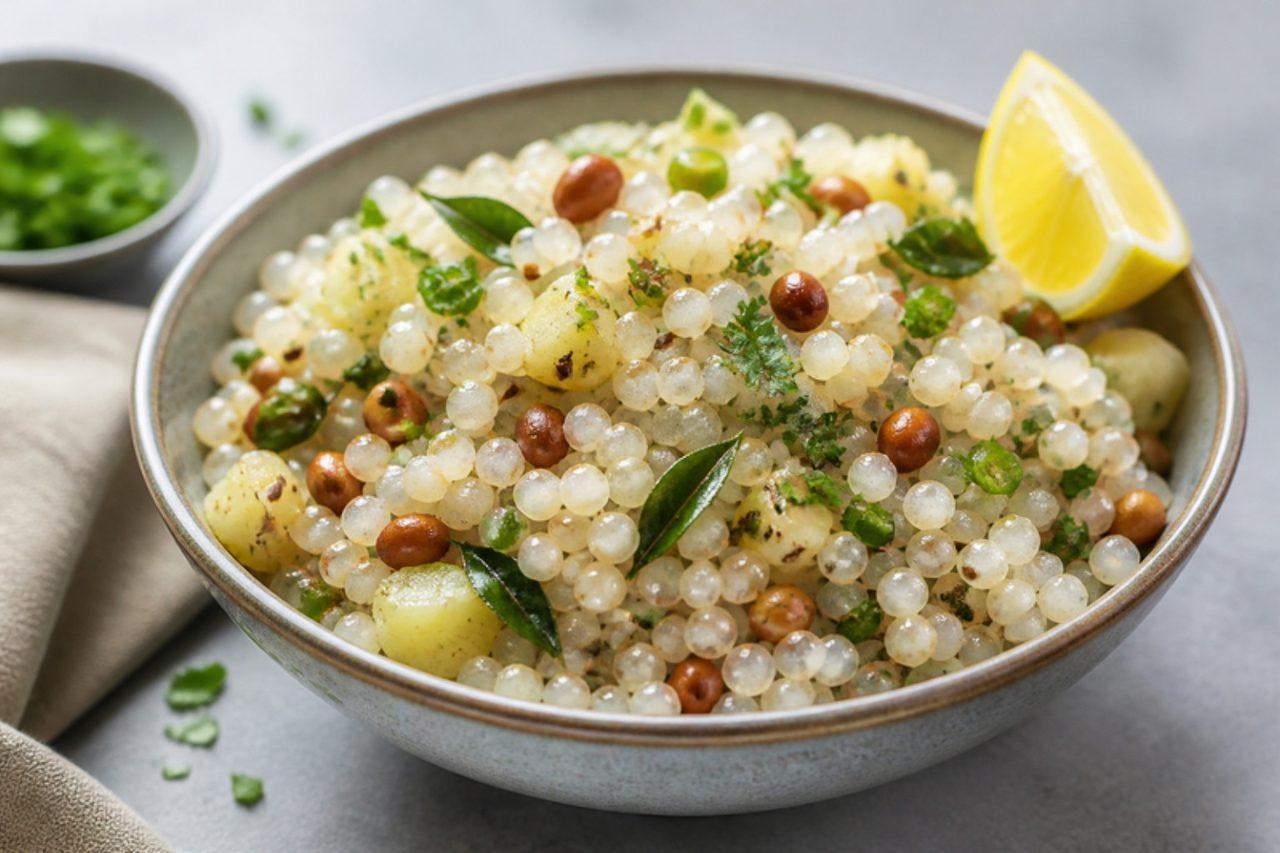
Sabudana khichdi is the dish that sees Maharashtra through every vrat (fast), from Navratri to Ekadashi, but it's so good that people eat it any day of the week. Soaked sago pearls are tossed in a pan with crushed roasted peanuts, cubes of potato, cumin and green chilli until each pearl turns glassy and separate, then finished with lemon and coriander. It's soft, chewy, nutty and gently hot. Fasting rules vary from family to family, so check yours; this version uses rock salt and no asafoetida, onion or garlic. Traditionally it's cooked in ghee; use ghee instead of oil if you aren't keeping it vegan. Chef's tip: soak the sago in just enough water to cover by the height of the pearls themselves, no more; too much water is the reason khichdi turns into one sticky lump.


Taiwanese grilled corn
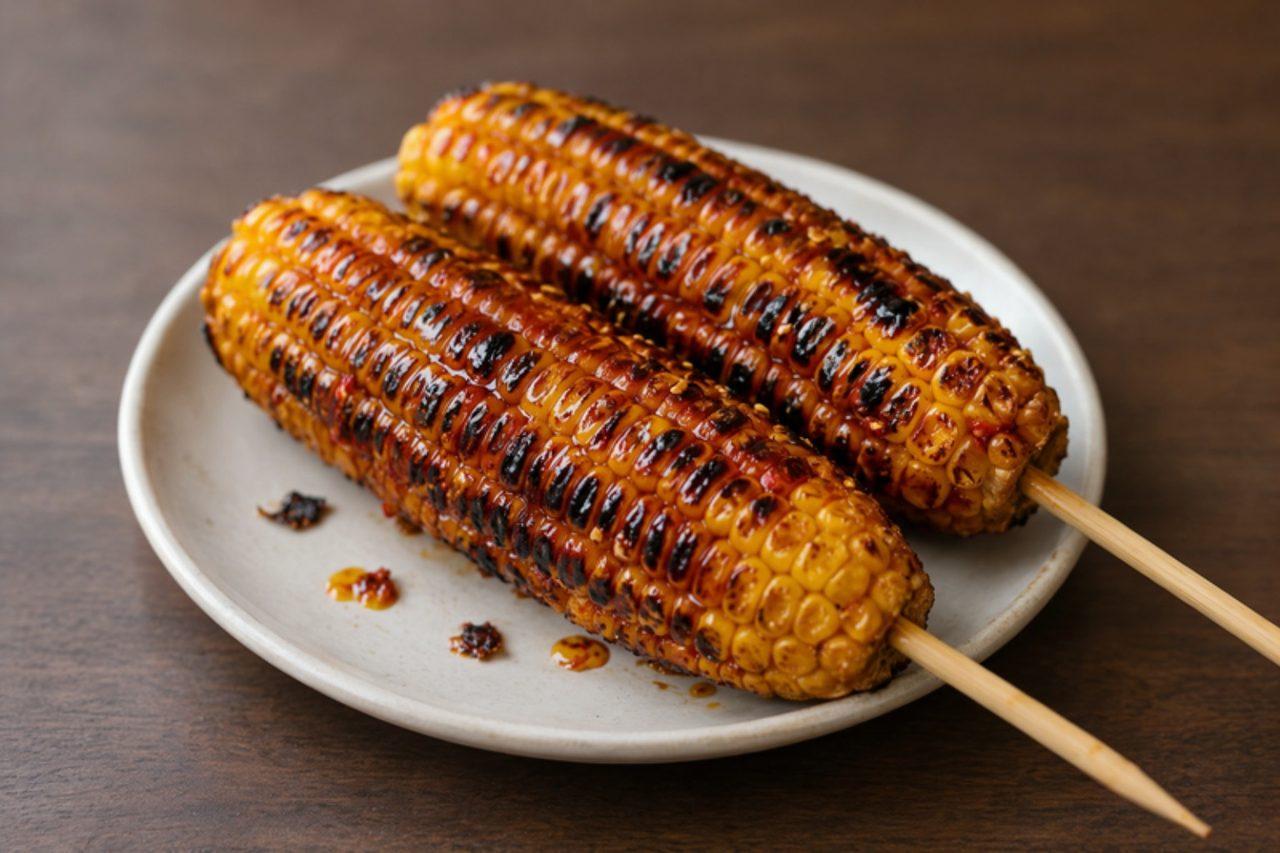
At Raohe and Shilin night markets the grilled-corn stalls are easy to find: look for the queue and the smoky, sweet smell. Cobs are par-cooked, then turned slowly over charcoal while the cook brushes them with a dark glaze of sacha sauce, thick soy paste, garlic and chilli, layer after layer, until the kernels are sticky, slightly charred and deeply savoury. It is eaten hot from a paper sleeve while walking the market. Sacha (shacha) sauce, a Taiwanese barbecue paste, usually contains dried fish and shrimp; vegetarian sacha is sold in Asian shops. Contains soy, wheat and fish. Chef's tip: brush thin coats and turn often; one thick coat burns before the corn chars.
 Taiwanese
Bagara bainganBaby aubergines in peanut sesame sauce
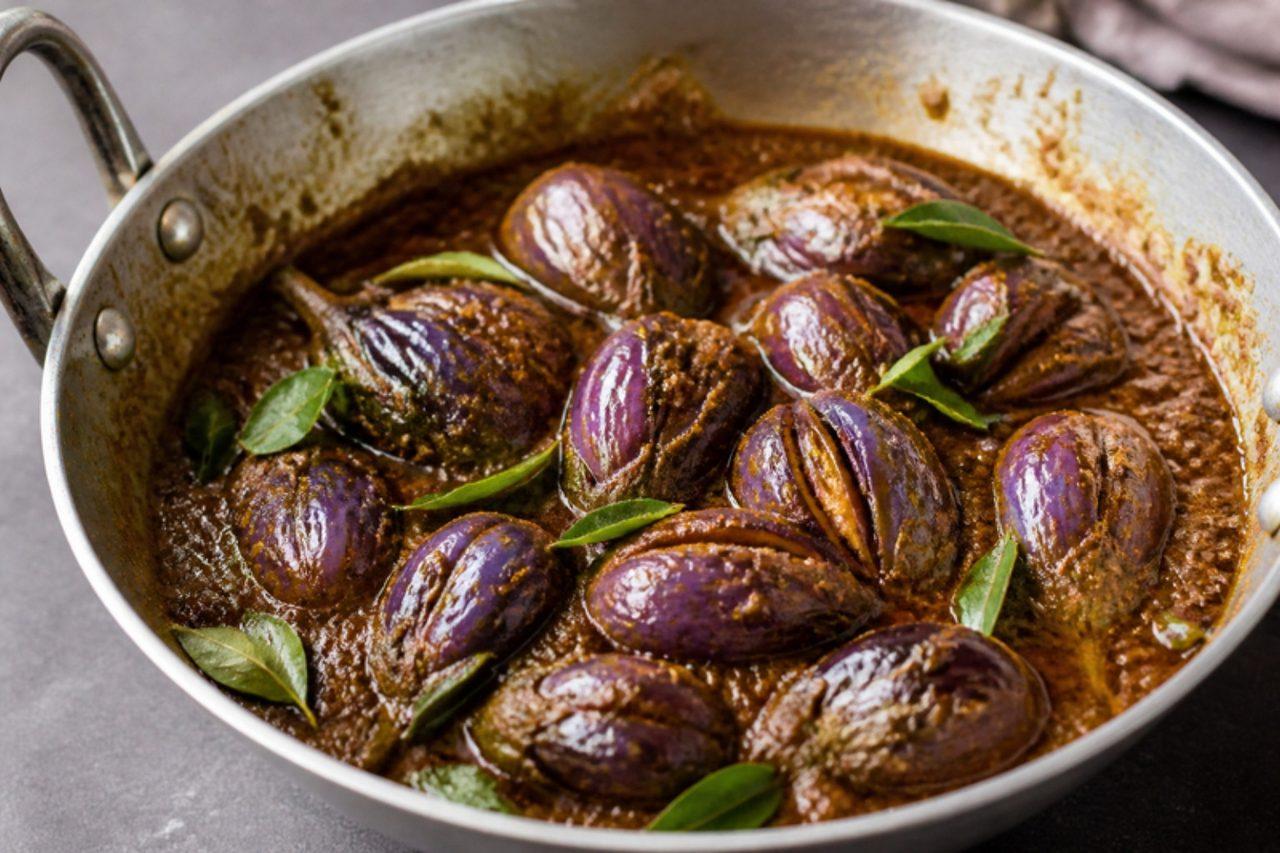
Bagara baingan is a Hyderabadi wedding dish of small aubergines cooked whole in a dark, tangy gravy of roasted peanuts, sesame, dried coconut and tamarind. Unlike a Gujarati stuffed brinjal, the aubergines here are only quartered at the base and fried until silky, then left to soak up a thin-but-rich sauce that is finished with a tempering, the 'baghar' that gives the dish its name. It's sour, nutty and gently spiced, and is served with biryani, bagara rice or plain rice. Chef's tip: choose small, glossy purple aubergines that feel heavy for their size; soft, light ones are full of seeds and turn mushy before the gravy has a chance to cling.