
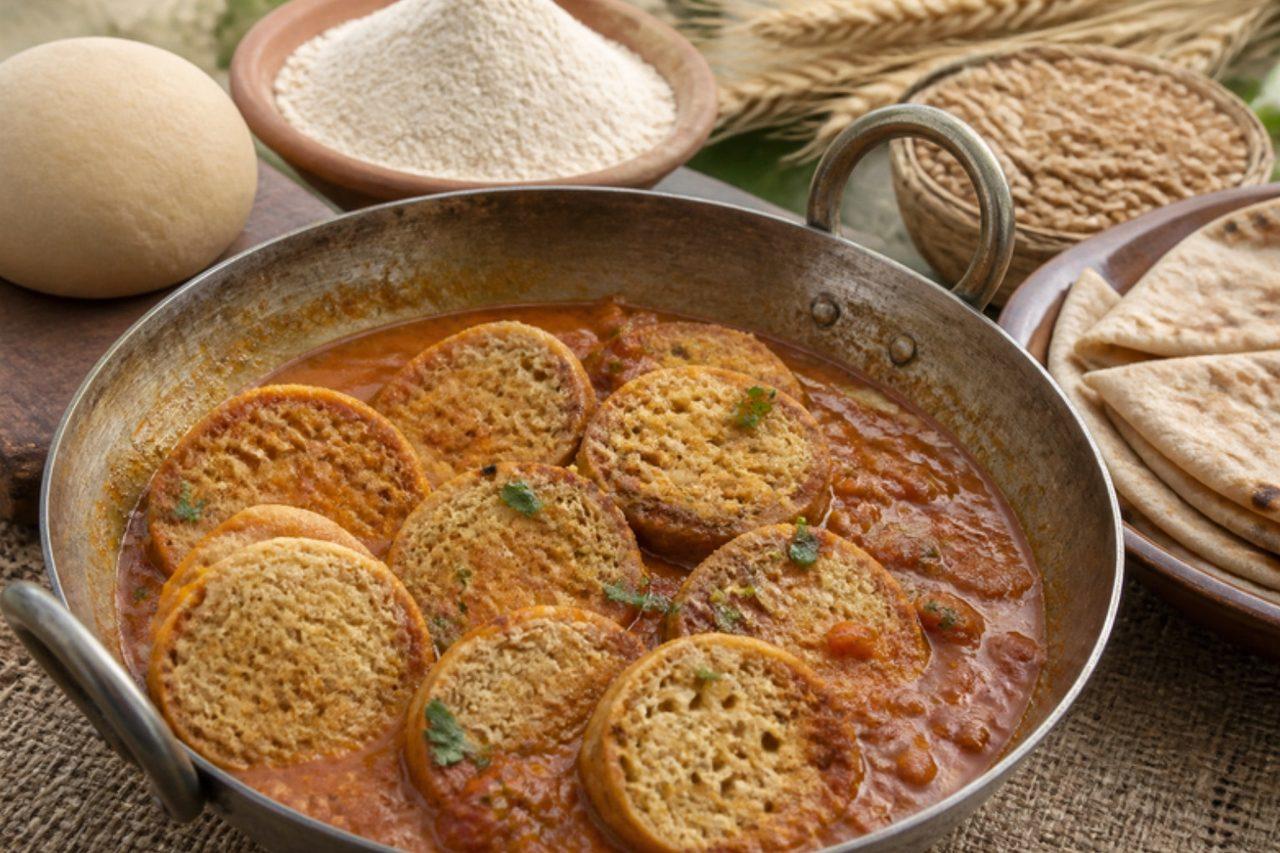
AI-generated image
Chakki ki shaak
Malwa's wheat-gluten 'millstone' pieces (चक्की की शाक), steamed, fried and simmered in a tangy yogurt gravy

This Malwa dish from around Indore and Ujjain is a lesson in thrift: wheat dough is washed under water until only its stretchy gluten remains, then steamed into a firm block and cut into rounds that look like little grinding stones, or chakki. Fried and simmered in a spiced yogurt gravy, the pieces turn chewy and meaty, soaking up flavour like a sponge. It is a Sunday or special-occasion sabzi in Marwari and Malwi homes, eaten with hot rotis or bafla. It takes time, but most of it is hands-off resting and washing. Chef's tip: whisk the yogurt with the coriander powder and add it off the heat, then bring it back slowly, so the gravy stays smooth instead of curdling.
- Total time
- 110 min
- Difficulty
- medium
- Serves
- 4
Ingredients
For the chakki
For the gravy
Method
0/8 doneStep 1: Knead 14 oz wholewheat flour (atta), ½ tsp salt and 1 cup water into a fairly soft dough, about 5 minutes. Put it in a bowl, cover completely with cold water and leave for 30 minutes so the gluten relaxes.
35 minStep 2: Working in the bowl, squeeze and knead the dough under the water; it turns milky as the starch washes out. Pour off the cloudy water, add fresh, and repeat 6–8 times over about 15 minutes until the water stays almost clear and you are left with a stringy, elastic, beige ball of gluten about a third of the original size.
15 minStep 3: Pat the gluten into a disc about 2 cm thick. Steam it over boiling water on medium heat, or simmer it in a pan of water, for 20 minutes until firm and springy. Cool for 10 minutes, then cut into 2.5 cm rounds or diamonds.
30 minStep 4: Heat 3 tbsp vegetable oil in a frying pan on medium and fry the pieces for 6–8 minutes, turning, until golden with crisp edges. Set aside.
8 minStep 5: In a kadai heat 2 tbsp vegetable oil or ghee on medium and add 1 tsp cumin seeds, 1 bay leaf and 3 cloves; when the cumin crackles and darkens a shade, add 2 onions and fry for 8–10 minutes until deep golden. Stir in 1 tbsp ginger-garlic paste for 1 minute until the raw smell goes.
12 minStep 6: Add 2 tomatoes, ½ tsp ground turmeric and 1 ½ tsp red chilli powder and cook on medium for 6–8 minutes until the paste thickens and oil shines around the edges.
8 minStep 7: Whisk 7 oz plain yogurt with 2 tsp ground coriander until smooth. Take the pan off the heat for a minute, stir in the yogurt, then return to low heat and stir constantly for 3–4 minutes until it simmers without splitting. The common mistake is adding cold yogurt to a sizzling pan, which curdles it straight away.
5 minStep 8: Add 1 cup hot water, 1 tsp salt and the fried chakki. Simmer gently on low, partly covered, for 10 minutes so the pieces swell with gravy. Finish with ½ tsp garam masala and ⅓ oz fresh coriander. Serve with roti or rice.
10 min
Nutrition per serving
- Calories
- 340 kcal
- Protein
- 22 g
- Carbs
- 28 g
- Fat
- 15 g
- Fibre
- 5 g
Nutrition values are estimates.
KrazyBadal
Good to know
- How long does chakki ki shaak take?
- About 110 minutes in total: 70 minutes to prepare and 40 minutes to cook.
- How many people does it serve?
- 4 as written. Change the servings above the ingredients and every amount scales to match.
- Is it vegetarian?
- Yes. It has no meat or fish.
- What can I use instead of vegetable oil or ghee?
- Butter, same amount (keep the heat a little lower, butter burns sooner).
- What can I use instead of cumin seeds?
- Ground cumin, three quarters of the amount (add it with the other ground spices, not to hot oil first).
Reviews
No reviews yet. Be the first to cook it.
Rate this recipe
Sign in to rate and review this recipe.
You might also like
Sayur lodeh
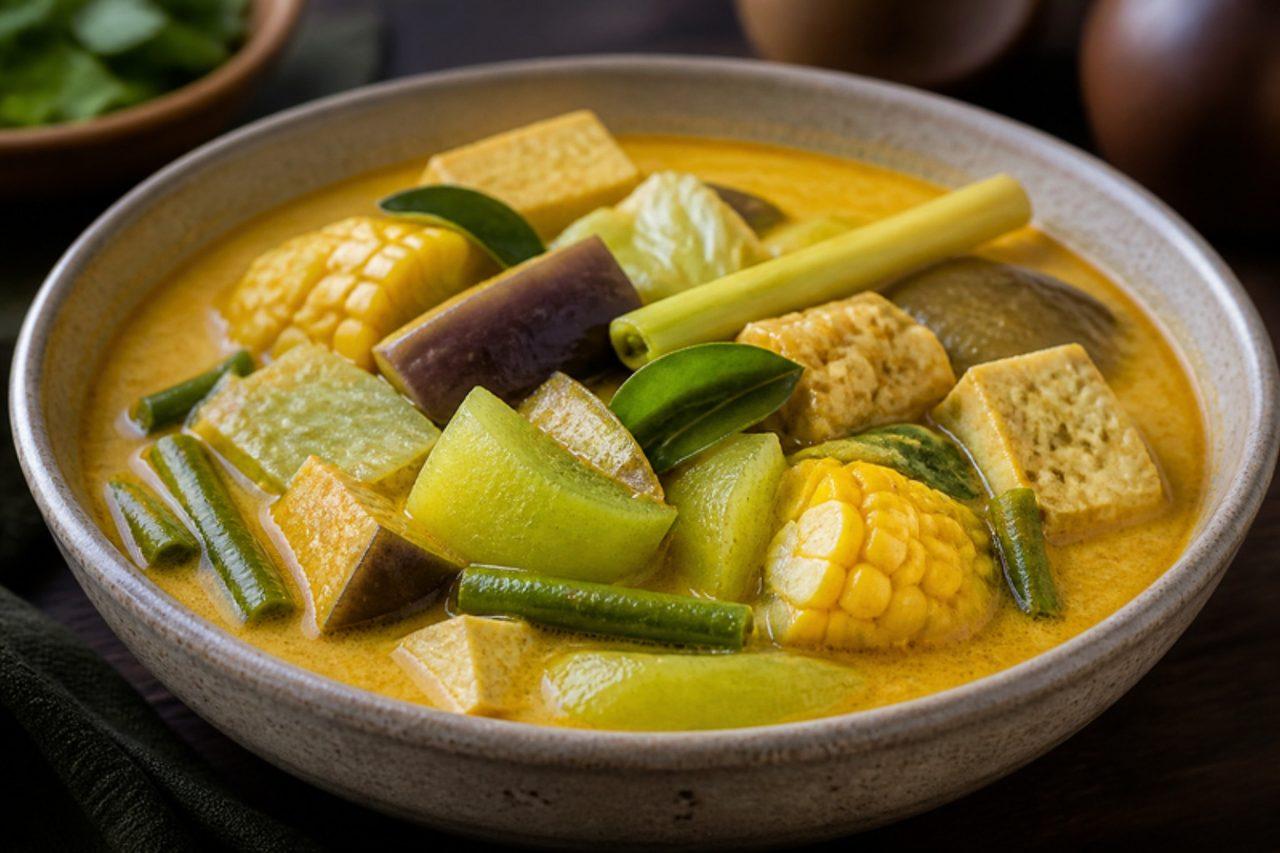
Sayur lodeh is everyday cooking in Central Java, made in big pots in Solo and Semarang kitchens and ladled over rice, with lontong rice cakes at Lebaran, or alongside opor and sambal goreng on festive tables. It's soupy rather than thick: a fragrant broth of coconut milk, galangal, lemongrass and lime leaf that carries chunks of aubergine, long beans, chayote and sweetcorn, plus tempeh and tofu to make it a meal. The flavour is mellow and slightly sweet, so the heat comes from sambal on the side. Chef's tip: keep the pot at a gentle simmer once the coconut milk goes in and stir now and then — a rolling boil splits the coconut milk into oily curds.


Masala khakhra
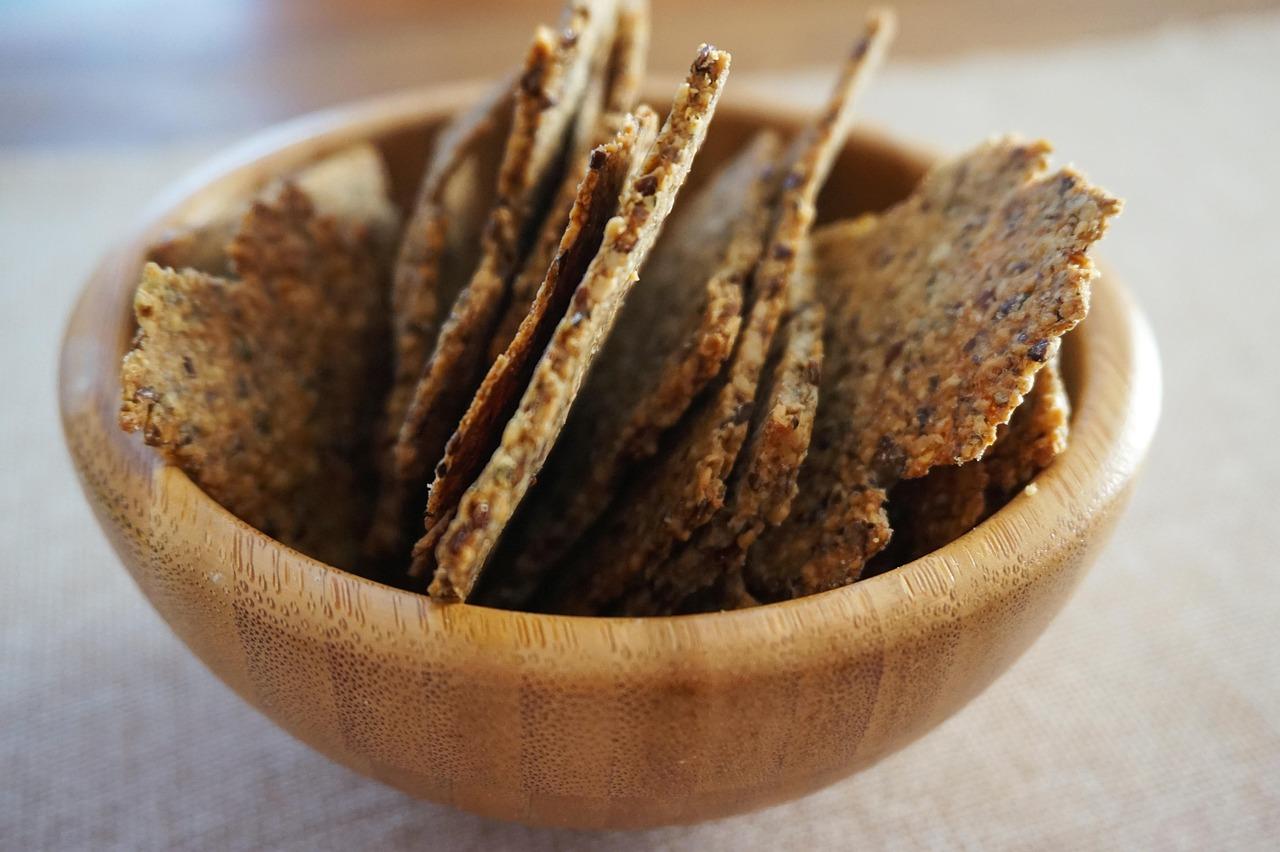
Khakhra are thin chapaties roasted slowly on a griddle until they turn crisp, like a cracker. This masala version adds gram flour, fresh fenugreek, turmeric and chilli to the wheat dough. They are a light Gujarati breakfast or tea-time snack, and lovely with pickle, chutney or a smear of butter. You can also make them in a roti maker.
Potato chakri
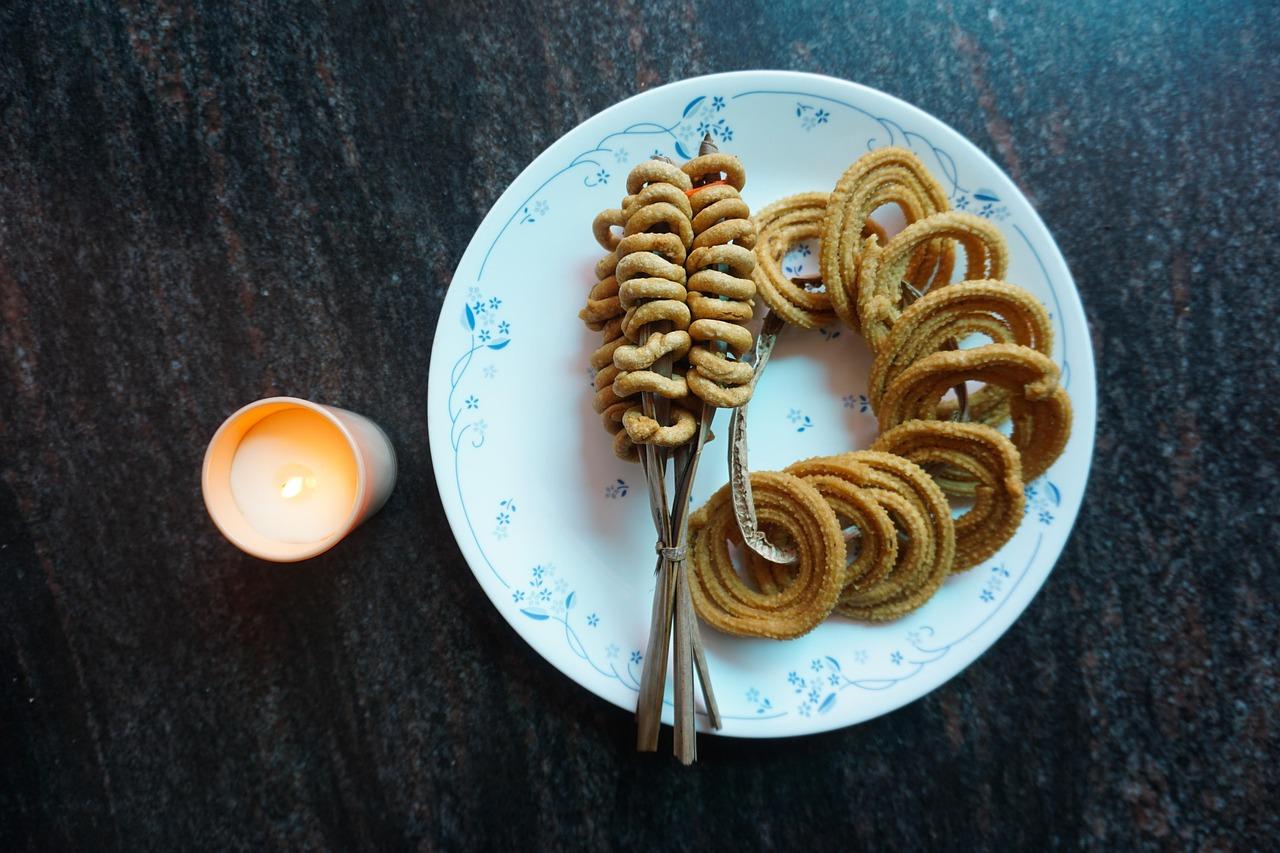
Potato chakri are crisp, light spirals made with rice flour and boiled potato, flavoured with ginger, chilli, lemon, sesame and coriander. The potato makes them extra tender-crisp. They keep for about 3 weeks in an air-tight container, so make them ahead for Diwali or guests.