
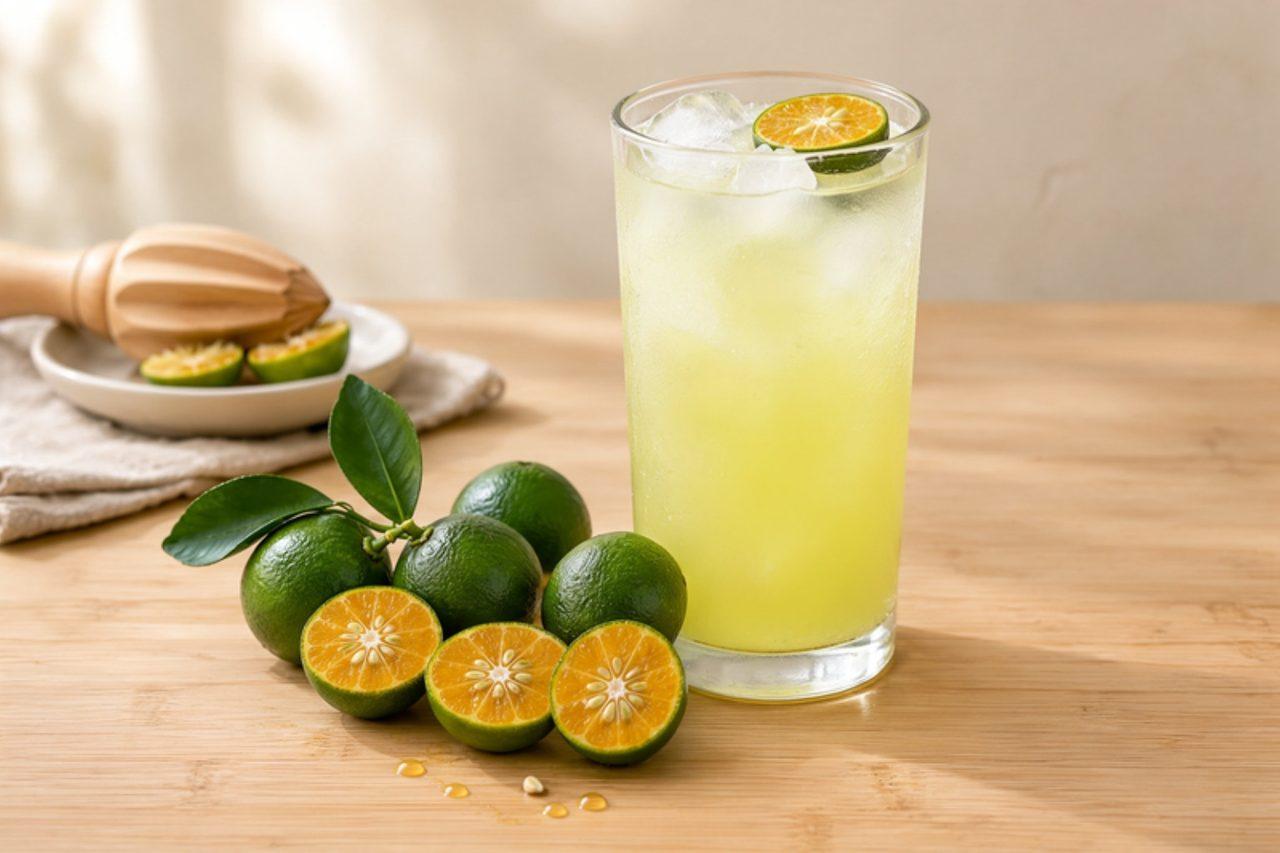
AI-generated image
Calamansi juice
Calamansi juice: tiny Philippine limes squeezed into sweet, fragrant juice, poured over ice at noon or sipped hot for a scratchy throat


Every Filipino household seems to have a calamansi bush or a bag of the little green fruit in the fridge, from Manila condos to farmhouses in Mindoro, the island that grows most of them. At lunch in the dry season the juice comes out iced in a big pitcher; in the rainy months, when everyone has a cough, a lola stirs the same juice into hot water with a little sugar or honey and hands it over at bedtime. It tastes like a lime crossed with a mandarin: sharp, floral and slightly bitter at the edges, with a pale green-gold colour. The usual mistake is squeezing the fruit hard and letting the seeds and pith fall in, which turns the juice bitter within minutes; halve each fruit across, squeeze gently over a small strainer and stop before the peel folds. It is ready when the sugar has fully dissolved, the juice tastes bright rather than harsh and a cold glass fogs on the outside. Chef's tip: dissolve the sugar in a little warm water first, as it never melts properly in iced juice.
- Total time
- 12 min
- Difficulty
- easy
- Serves
- 4
Ingredients
For the juice
- 20 calamansi limesabout 200 g; or 3 limes plus 1 mandarin or 4 kumquats if you can't find them
- 2 ⅛ oz white or light brown sugaror honey, which makes it non-vegan
- ½ cup warm water
- 3 cups cold water
To serve
- 12 ice cubes (optional)
- 4 calamansi halves (optional)for the glasses
Shop this recipe on Amazon
What you'll need
Spices & pantry
Fresh ingredients (1)
Links open Amazon in a new tab. As an Amazon Associate, WhatToEat.Today earns from qualifying purchases.
Method
0/5 doneStep 1: Wash 20 calamansi limes, then cut each one across the middle, not through the stem, so the seeds sit in the halves where you can see them.
3 minStep 2: Squeeze the halves gently over a small strainer set on a bowl, pressing with your fingers just until the juice stops running; don't twist the peel or the oils turn the juice bitter. You should get about 120 ml of juice.
5 minStep 3: Stir 2 ⅛ oz white or light brown sugar into ½ cup warm water until no grains remain and the syrup looks clear.
1 minStep 4: Pour the syrup and the strained juice into a jug with 3 cups cold water and stir. Taste: it should be tart first, then sweet; add a spoon more sugar only if your fruit is very sour.
1 minStep 5: For iced juice, fill glasses with 12 ice cubes, pour over and drop in 4 calamansi halves. For the hot version, mix the juice and syrup with just-boiled water instead of cold water and drink it while it steams.
1 min
Nutrition per serving
- Calories
- 70 kcal
- Protein
- 0 g
- Carbs
- 18 g
- Fat
- 0 g
- Fibre
- 0 g
Nutrition values are estimates.
KrazyBadal
Good to know
- How long does calamansi juice take?
- About 12 minutes in total: 10 minutes to prepare and 2 minutes to cook.
- How many people does it serve?
- 4 as written. Change the servings above the ingredients and every amount scales to match.
- Is it vegan?
- Yes. It has no meat, fish, dairy or eggs.
- Is it gluten free?
- Yes, as written. Check the labels on stock, sauces and spice mixes, which sometimes contain gluten.
- What can I use instead of calamansi limes?
- Lemon, same amount.
- What can I use instead of white or light brown sugar?
- White sugar + 1 tsp honey or golden syrup per 100g.
Reviews
No reviews yet. Be the first to cook it.
Rate this recipe
Sign in to rate and review this recipe.
You might also like
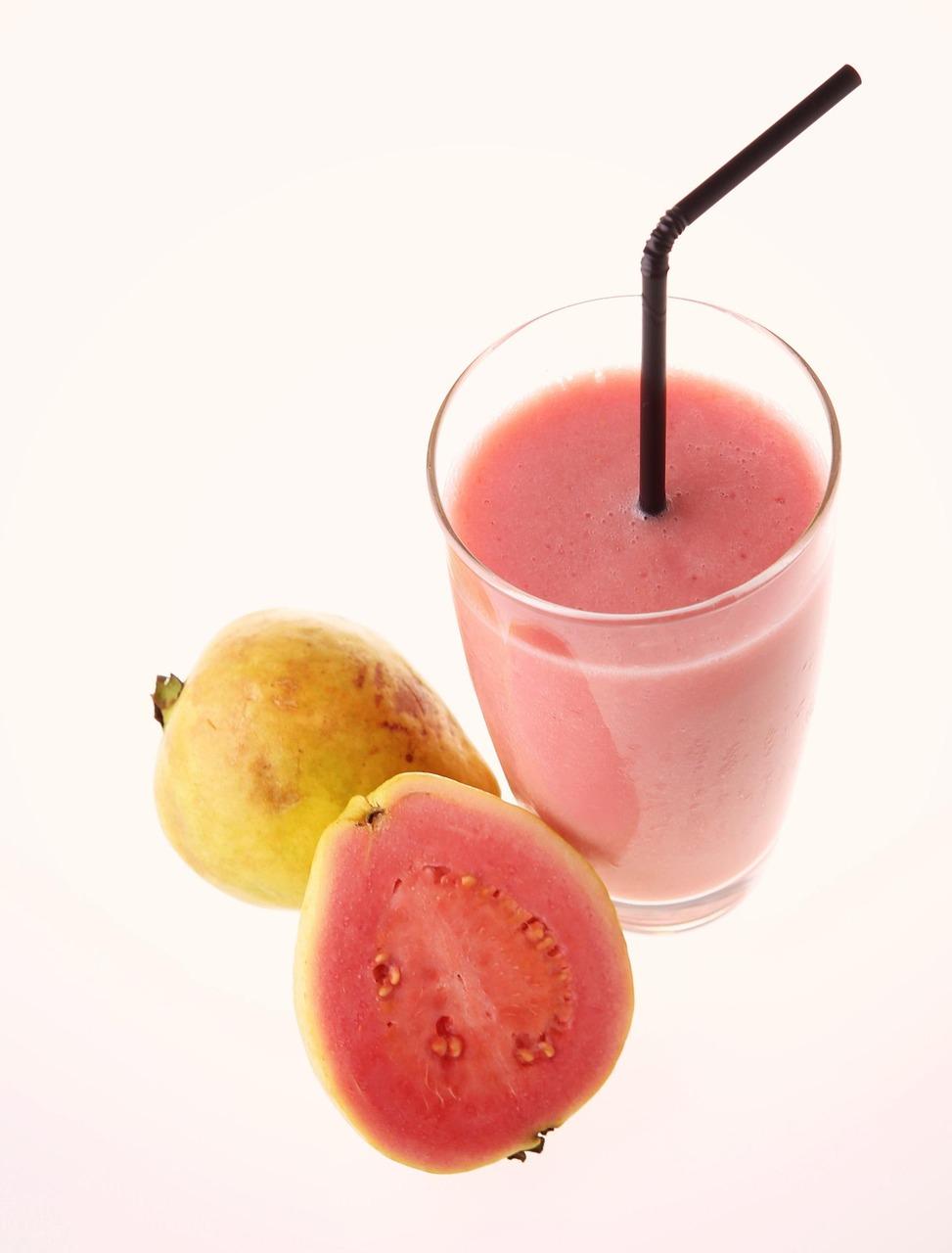
Guava delight
A thick, fragrant blend of ripe guava, mango and banana, boosted with a spoonful of guava powder from the health shop. The book calls it a modern-day vitality drink, drawing on guava's long use in traditional Indian medicine. Serve it well chilled; sieve it if you don't like the little guava seeds.


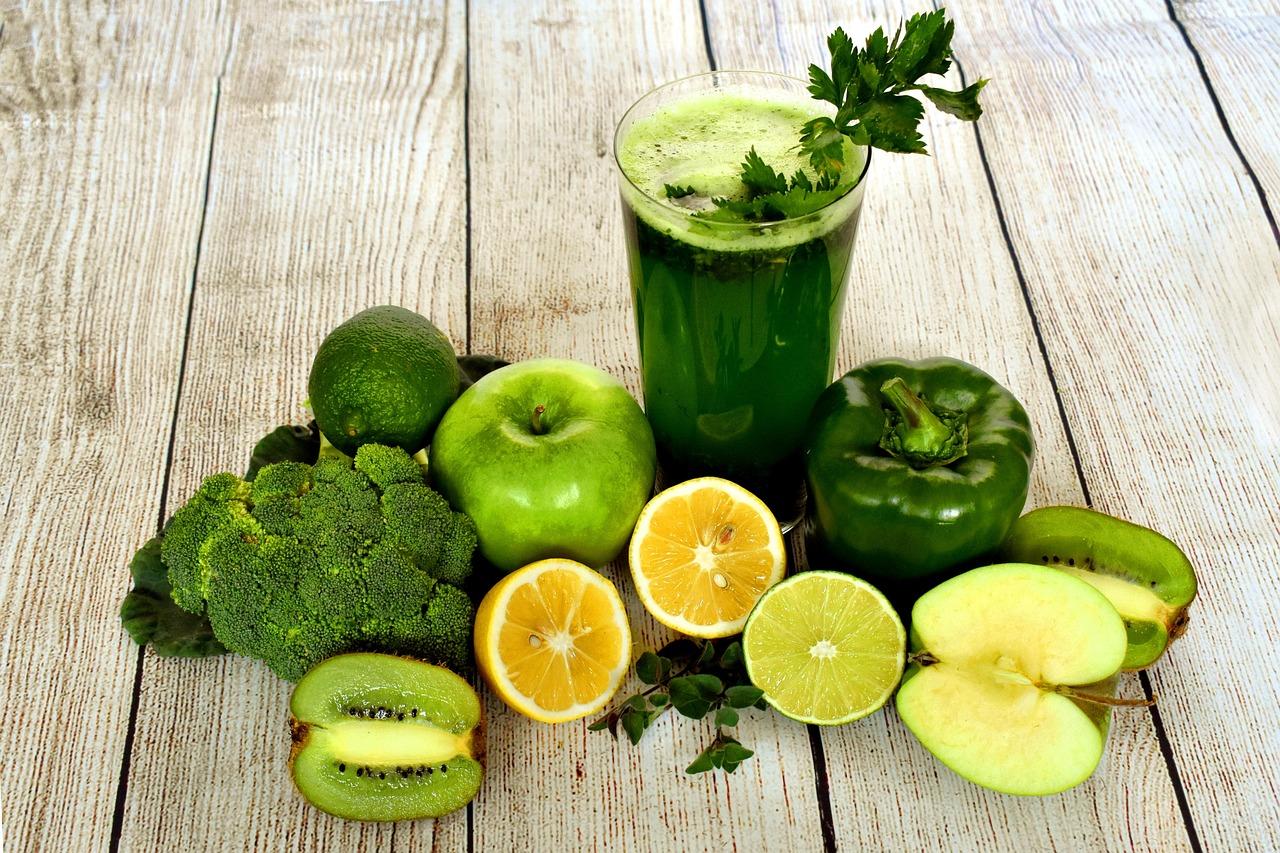
Power pack
A sweet, energising juice of apples, pears and kiwi fruit with a stick of celery, all used unpeeled for extra goodness. It's naturally sweet, so it needs no sugar. Serve well chilled.
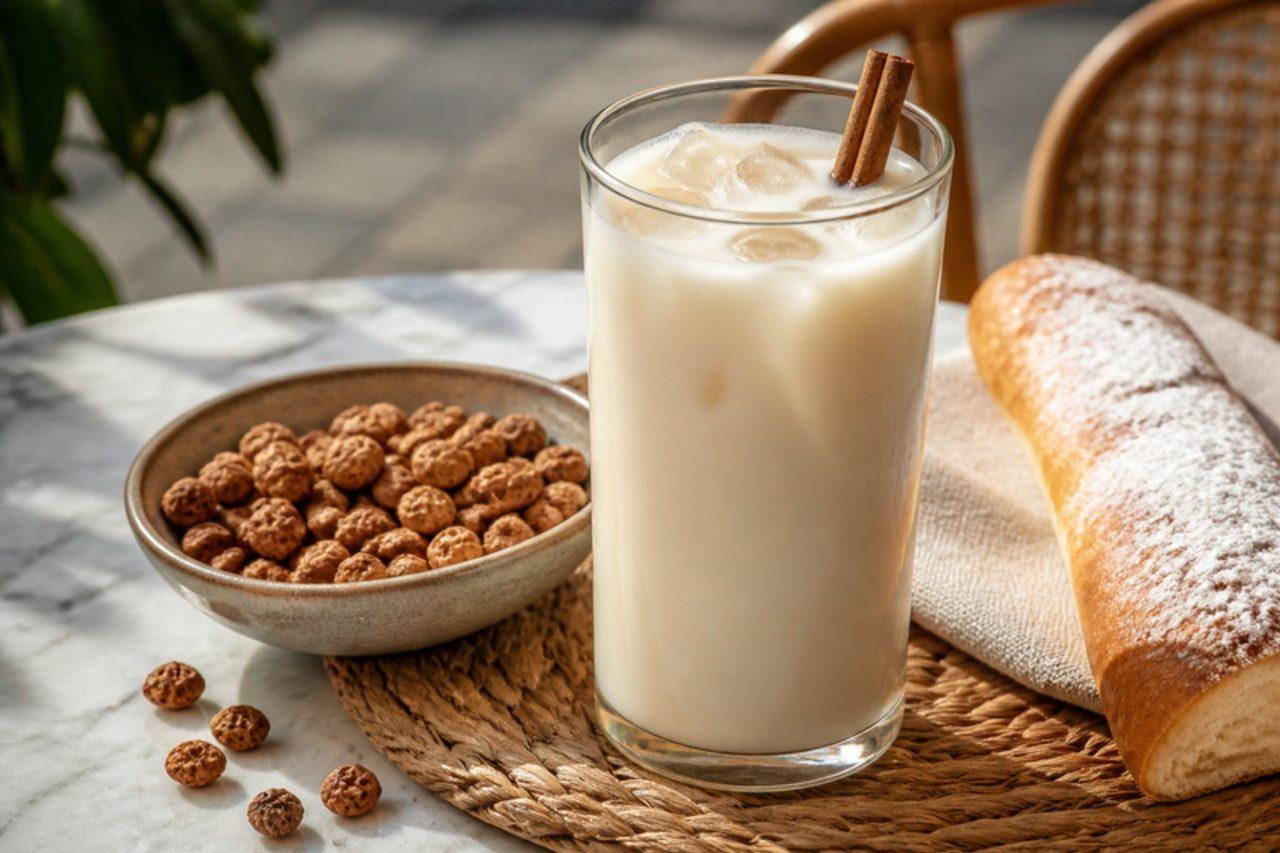
Horchata de chufa
Horchata de chufa is the drink of Valencia's summer, sold ice-cold in the city's horchaterías with long, soft fartons pastries for dipping. It is made from chufas, or tiger nuts: small wrinkled tubers grown around the village of Alboraya just north of Valencia, which have their own protected designation of origin. Soaked, ground with water, strained and sweetened, they give a creamy, nutty, naturally dairy-free milk with a hint of cinnamon. Valencians drink it very cold, or half-frozen as 'granizada'. Chef's tip: soak the tiger nuts for a full 24 hours and change the water once; they must be plump and soft enough to blend into a fine pulp, or the horchata will be thin and taste of raw starch.
 Spanish