
AI-generated image
Beni shoga
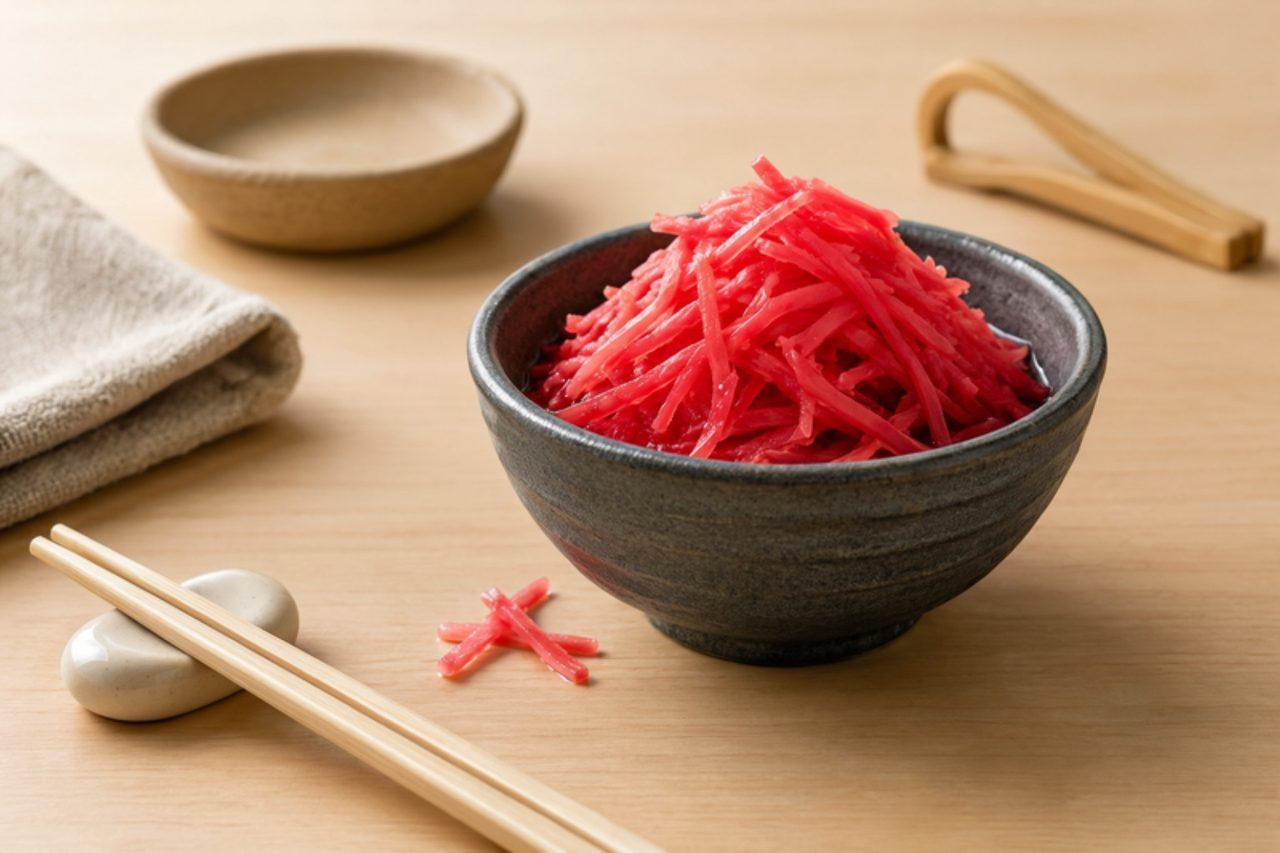
紅生姜: fine red threads of ginger steeped in plum vinegar, the sharp pink heap on yakisoba, gyudon and takoyaki


Beni shoga is the bright pink tangle you see on Osaka street food: piled beside yakisoba, scattered on okonomiyaki, folded into takoyaki batter and heaped on a bowl of gyudon at lunchtime. Kansai cooks make it in early summer, when umeboshi plums finish salting and leave behind red umezu, the salty, sour, shiso-coloured plum vinegar that both cures and dyes the ginger. The result is crunchy, sharp and salty, with a clean ginger heat and none of the sweetness of sushi gari. Young summer ginger gives the most tender threads; mature ginger works but is hotter and more fibrous, so cut it thinner. If you cannot find red umezu, use rice vinegar with salt and a slice of raw beetroot for colour (see the note). The common mistake is skipping the salting and drying: wet ginger dilutes the umezu and turns soft and dull. Squeeze it and let it dry so it drinks up the vinegar. It is ready when the threads are evenly rosy right through and taste salty-sour rather than raw. Chef's tip: save the pink vinegar left in the jar; a spoonful in potato salad or rice for onigiri is excellent.
- Total time
- 20 min
- Difficulty
- easy
- Serves
- 12
Ingredients
For the beni shoga
- 10 ½ oz fresh gingeryoung summer ginger is best
- ¼ oz fine sea salt2% of the ginger weight
- ¾ cup red plum vinegar (aka umezu)or 180 ml rice vinegar + 2 tsp salt + 1 thin slice raw beetroot
Shop this recipe on Amazon
Spices & pantry
Fresh ingredients (1)
Links open Amazon in a new tab. As an Amazon Associate, WhatToEat.Today earns from qualifying purchases.
Method
0/6 doneStep 1: Clean the jar or container and lid: wash in hot soapy water, rinse, then dry in a 250°F oven for 10 minutes (or pour boiling water over and in it and air-dry upside down). Let it cool; it must be completely dry.
Step 2: Scrape the skin off the 10 ½ oz fresh ginger with a spoon. Slice it thinly along the grain, then cut into fine matchsticks about 1–2 mm thick.
15 minStep 3: Toss the ginger with ¼ oz fine sea salt and leave for 30 minutes, until it has softened slightly and released liquid. Squeeze hard in your hands or in a cloth.
30 minStep 4: Spread the threads on a tray and leave to air-dry for 1–2 hours (or half a day in the sun), until the surface feels dry and slightly leathery.
Step 5: Pack the ginger into the clean jar and pour over the ¾ cup red plum vinegar (aka umezu) so it is fully covered. Press down with a clean spoon to push out air bubbles and close the lid.
Step 6: Refrigerate for at least 3 days, until the threads are evenly pink right through. Umezu is very salty and sour, so it keeps 6 months in the fridge, always submerged; take it out with clean, dry chopsticks. Discard if you see mould, fizzing or slime, or it smells off.
Nutrition per serving
- Calories
- 5 kcal
- Protein
- 0 g
- Carbs
- 1 g
- Fat
- 0 g
- Fibre
- 0 g
Nutrition values are estimates.
KrazyBadal
Good to know
- How long does beni shoga take?
- About 20 minutes in total.
- How many people does it serve?
- 12 as written. Change the servings above the ingredients and every amount scales to match.
- Is it vegan?
- Yes. It has no meat, fish, dairy or eggs.
- Is it gluten free?
- Yes, as written. Check the labels on stock, sauces and spice mixes, which sometimes contain gluten.
- Can I make it ahead?
- Yes. It keeps well, so you can cook it earlier in the day or the day before and reheat it.
- What can I use instead of fresh ginger?
- ¼ tsp ground ginger per tbsp fresh (add it with the spices).
- What can I use instead of red plum vinegar (aka umezu)?
- Lemon juice, same amount.
Reviews
No reviews yet. Be the first to cook it.
Rate this recipe
Sign in to rate and review this recipe.
You might also like
Okonomiyaki
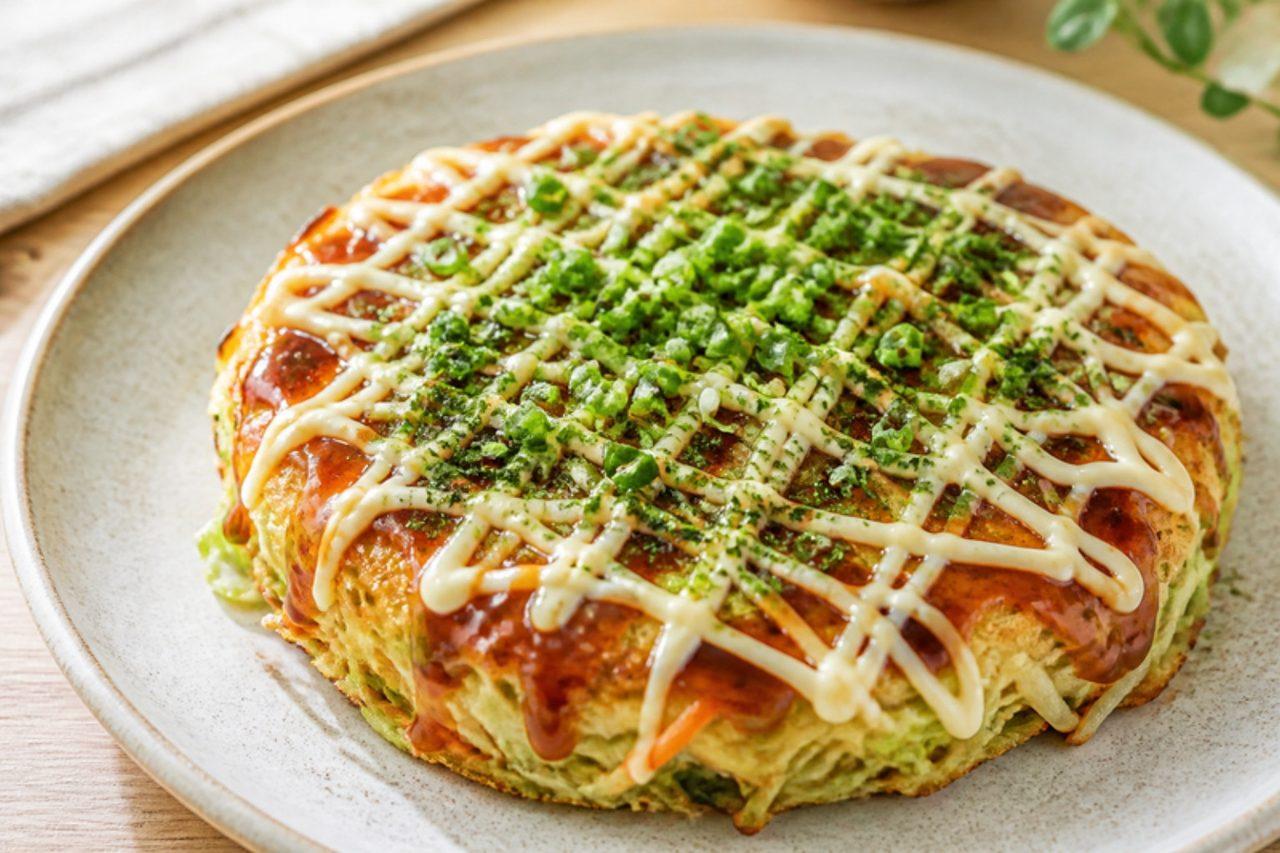
Okonomiyaki (お好み焼き, 'grilled as you like it') is the pride of Osaka, where it's cooked on hot iron griddles in lively restaurants. Finely shredded cabbage is folded into a light batter with egg and spring onion, then fried into a thick, soft pancake with a crisp outside. It's painted with a fruity brown sauce and zigzagged with mayonnaise. Bonito flakes are usual on top; this vegetarian version uses seaweed flakes and pickled ginger instead. Chef's tip: don't press the pancake down with your spatula while it cooks. Osaka cooks leave it alone so the cabbage steams inside and stays light and fluffy; pressing squeezes out the air.
Vegan nuoc cham
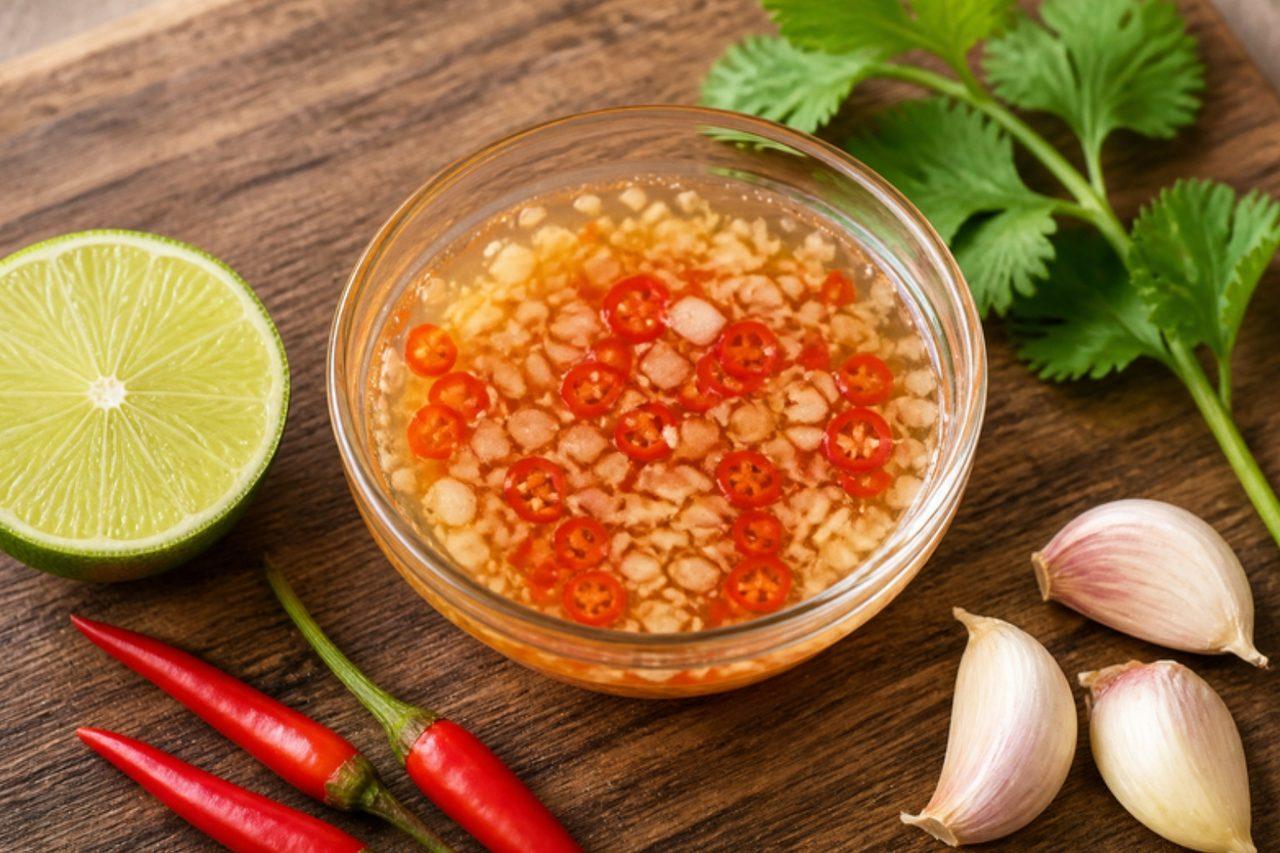
Nước chấm is the dipping sauce that goes with almost everything in Vietnam: spring rolls, bánh xèo, noodle salads and broken rice. Buddhist vegetarian cooks, all over the country, make it without fish sauce, using light soy sauce and a little coconut water for the deep, rounded taste. It should be thin, clear and pale amber, with flecks of garlic and chilli floating on top. Chef's tip: dissolve the sugar in the warm water first, then add the lime and soy, and stir in the garlic and chilli last, pounded with a pinch of sugar, so they float on the surface instead of sinking.
 Vietnamese

Mint and onion chutney
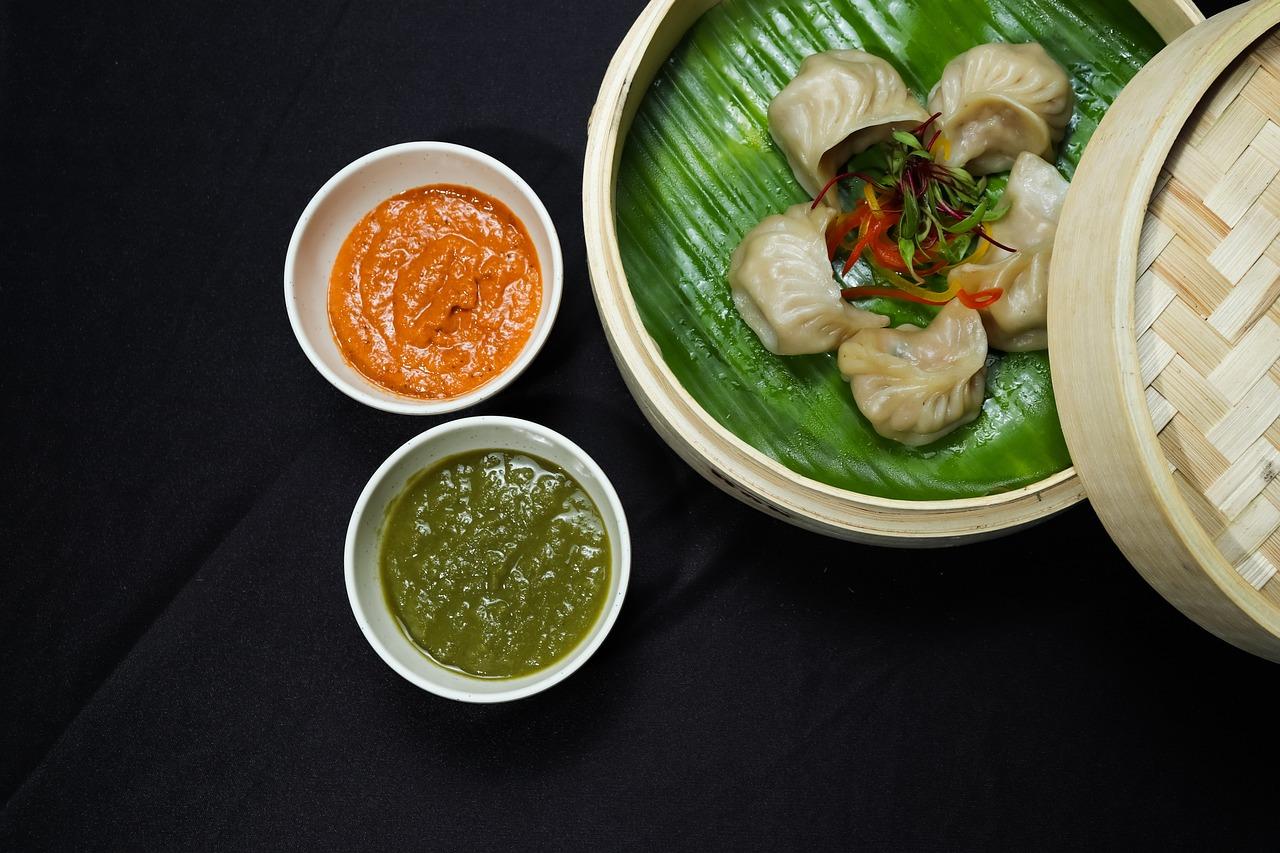
Onions fried gently until soft and sweet, then blended with fresh mint, green chilli and lemon juice. It's a mellow, fresh-tasting chutney that is great with bhajias, samosas, kebabs and tikka, or spread in sandwiches.
 Indian
