
AI-generated image
Bánh khúc
Cudweed sticky rice dumplings
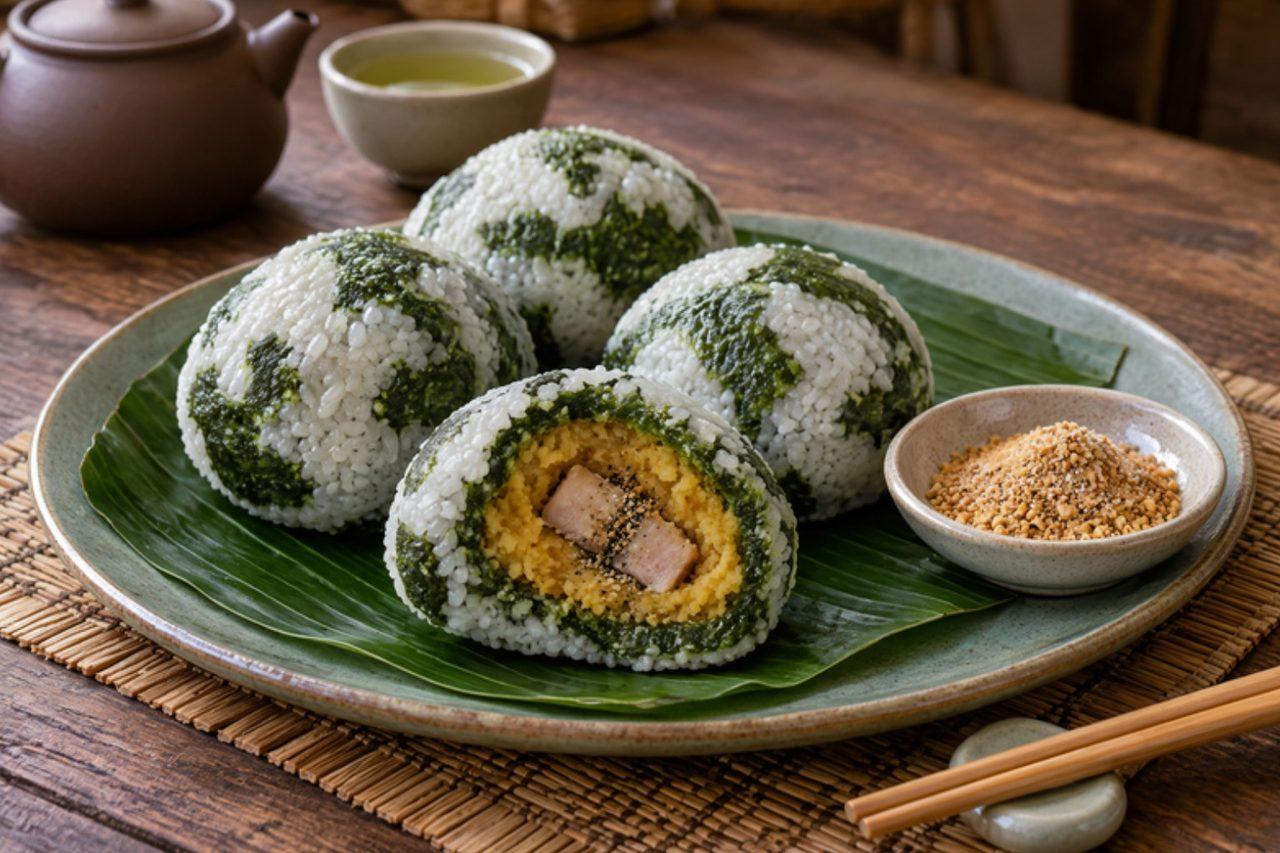
Bánh khúc: green cudweed dumplings with mung bean and pork, rolled in sticky rice and steamed (plus 4 hours soaking)


Long before sunrise, vendors walk Hanoi's Old Quarter with steaming baskets, calling out for xôi xéo and bánh khúc. These are soft green dumplings coloured and scented with rau khúc, a grassy, herbal cudweed, wrapped around mung bean paste and peppery pork belly, then rolled in sticky rice grains and steamed until the grains turn glossy. They are eaten hot from a scrap of banana leaf with a pinch of sesame salt, often on a cold winter morning. Look for frozen or dried cudweed at Vietnamese grocers. Chef's tip: keep the green dough thin but even; thick dough cracks and lets the filling escape.
- Total time
- 120 min
- Difficulty
- hard
- Serves
- 6
Ingredients
For the coating
- 10 ½ oz glutinous ricesoaked for 4 hours
- 1 tsp salt
For the filling
- 5 ½ oz split peeled mung beanssoaked for 4 hours
- 7 oz pork bellyskin removed, cut into 5 mm dice
- 3 shallotsfinely chopped
- 1 tbsp fish sauce
- 1 tsp ground black pepper
- 1 tbsp vegetable oil
For the green dough
- 5 ½ oz cudweed leaves (rau khúc)fresh or frozen, or 20 g dried
- 7 oz glutinous rice flour
- 1 ¾ oz rice flour
- ¾ cup warm water
To serve
- 2 tbsp toasted sesame seeds ground with a little salt (optional)
Shop this recipe on Amazon
Spices & pantry
Fresh ingredients (3)
Links open Amazon in a new tab. As an Amazon Associate, WhatToEat.Today earns from qualifying purchases.
Method
0/9 doneStep 1: Drain 5 ½ oz split peeled mung beans and steam over boiling water for 20 minutes, until completely soft. Mash smooth with ¼ tsp salt.
22 minStep 2: Mix 7 oz pork belly with 3 shallots, 1 tbsp fish sauce and 1 tsp ground black pepper. Fry in 1 tbsp vegetable oil over a medium heat for 5–6 minutes, until the pork is cooked through with no pink and the fat starts to crisp.
6 minStep 3: Mix the pork into the mung bean paste and roll into 12 balls.
8 minStep 4: Boil 5 ½ oz cudweed leaves (rau khúc) in water for 3 minutes (dried leaves for 10), drain and squeeze out the water. Blend with ¾ cup warm water until fine.
8 minStep 5: Mix 7 oz glutinous rice flour, 1 ¾ oz rice flour and ¼ tsp salt in a bowl, add the green purée and knead for 3–4 minutes to a smooth, soft dough like play dough. Add a little warm water if it cracks.
5 minStep 6: Divide the dough into 12 pieces. Flatten each into a 4 mm disc, set a filling ball in the middle and pinch the dough up around it to seal. Common mistake: leaving cracks or thick, uneven spots; the dumplings split open as they steam.
15 minStep 7: Drain 10 ½ oz glutinous rice and toss with the rest of the salt. Roll each dumpling in the grains to coat it completely.
8 minStep 8: Line a steamer with baking paper pierced with holes, set the dumplings apart and steam over rapidly boiling water for 30–35 minutes, until the rice grains are glossy and translucent and the filling is piping hot (above 160°F). Top up the water if needed.
35 minStep 9: Serve hot with 2 tbsp toasted sesame seeds ground with a little salt for sprinkling.
Nutrition per serving
- Calories
- 430 kcal
- Protein
- 13 g
- Carbs
- 66 g
- Fat
- 12 g
- Fibre
- 3 g
Nutrition values are estimates.
KrazyBadal
Good to know
- How long does bánh khúc take?
- About 120 minutes in total: 60 minutes to prepare and 60 minutes to cook.
- How many people does it serve?
- 6 as written. Change the servings above the ingredients and every amount scales to match.
- Is it gluten free?
- Yes, as written. Check the labels on stock, sauces and spice mixes, which sometimes contain gluten.
- What can I use instead of glutinous rice?
- Any long-grain rice, same amount.
- What can I use instead of shallots?
- Half an onion per 2 shallots.
Reviews
No reviews yet. Be the first to cook it.
Rate this recipe
Sign in to rate and review this recipe.
You might also like
SakarpadaSweet fried dough diamonds
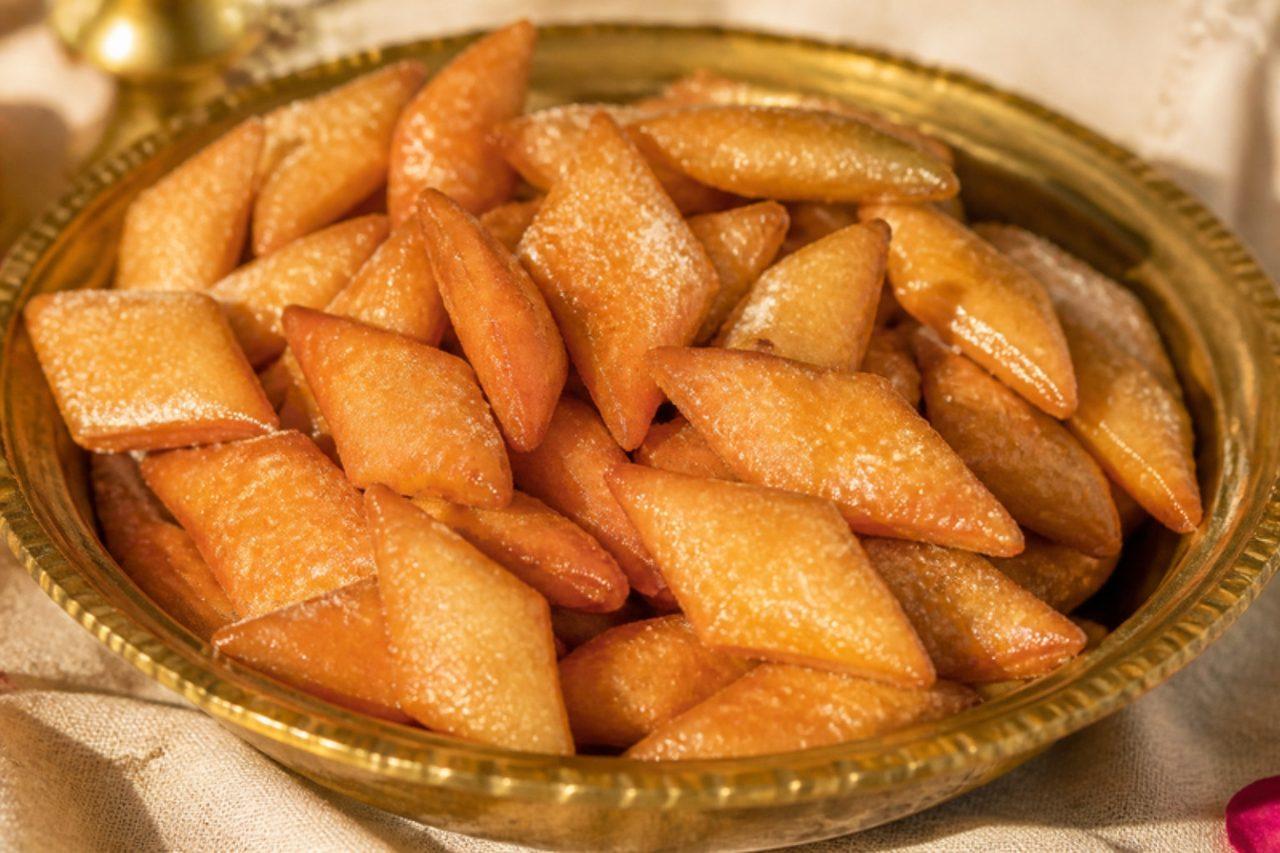
Sakarpada (shakarpara) are little sweet diamonds of a rich dough made with ghee, milk and sugar, fried until golden and crunchy. They are a Diwali favourite with tea, and the cubes go into bhusu too. They keep for weeks in an air-tight tin.
 Indian
Yaki onigiriGrilled rice balls
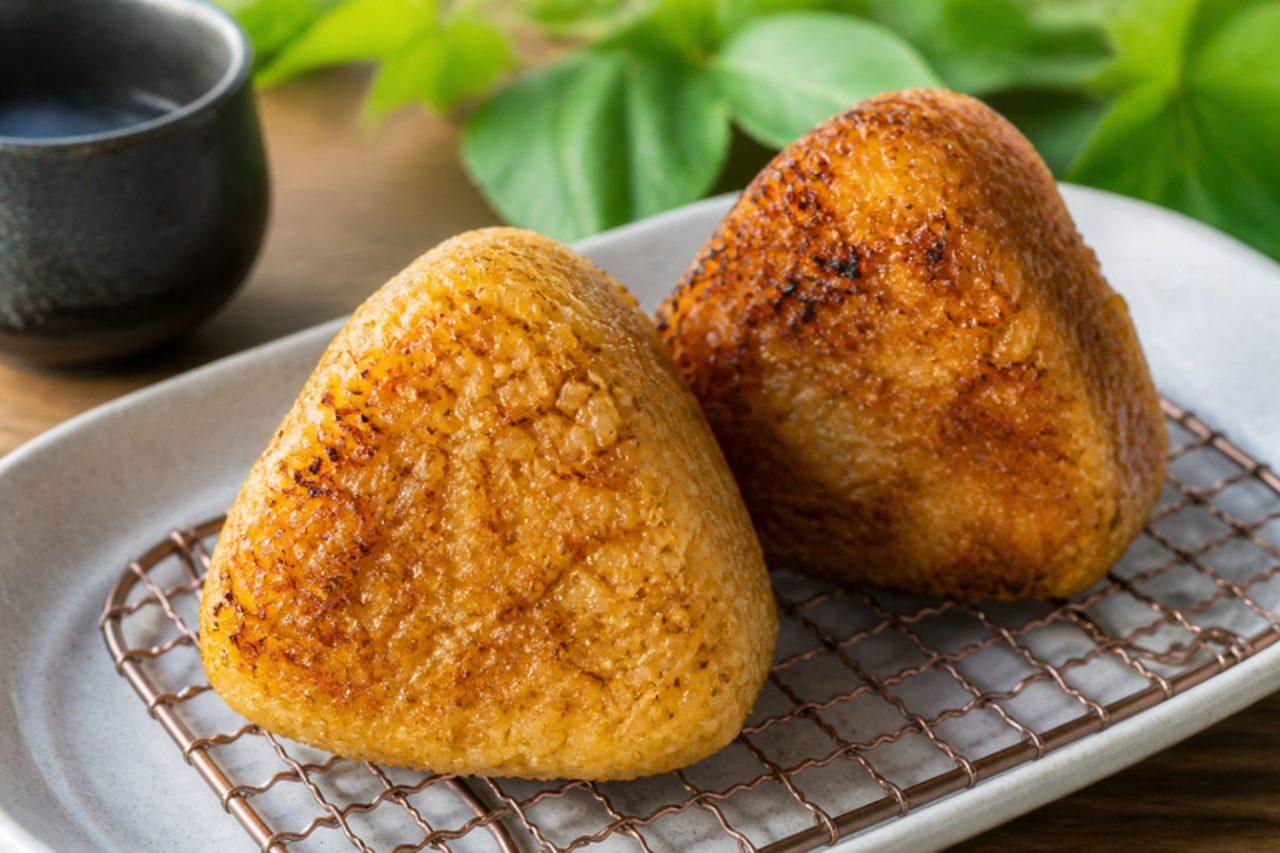
Yaki onigiri (焼きおにぎり) are rice balls grilled until they form a crisp, toasty crust, then brushed with soy sauce glaze. They are eaten all over Japan, at izakaya, at barbecues and from the freezer section, as a snack or with miso soup. The inside stays soft and steamy while the outside crackles. Best eaten hot, straight from the pan. Chef's tip: let the shaped rice balls dry for 10 minutes before they go in the pan. A drier surface forms a better crust and won't stick, and the glaze goes on only at the end so it doesn't burn.
 Japanese

Caramelised clay-pot tofu and mushroomsBraised tofu and mushrooms
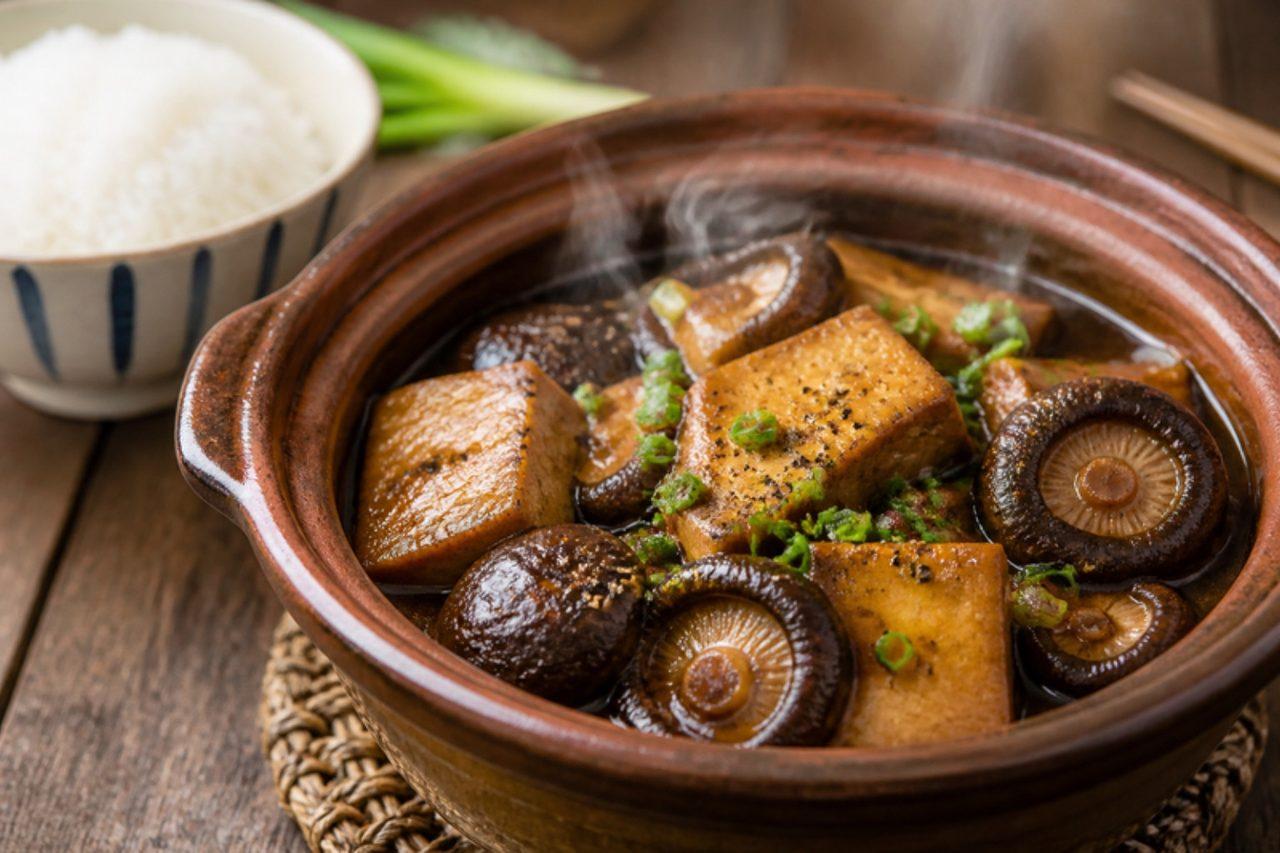
Kho is the slow braise of the Mekong Delta: food simmered in a little clay pot (nồi đất) with dark caramel and seasoning until the sauce is sticky and the flavours go deep. This vegetarian cousin of cá kho tộ (braised fish) uses golden tofu and meaty mushrooms in place of fish, cooked in coconut water, as cooks do in the south, and finished with plenty of black pepper. Serve it bubbling in its pot with steamed rice and a sour soup or plain boiled vegetables. Chef's tip: take the caramel (nước màu) to a deep mahogany, darker than you think, just before it smokes; pale caramel only tastes sweet, while dark caramel gives the bittersweet, smoky flavour of a real kho.