
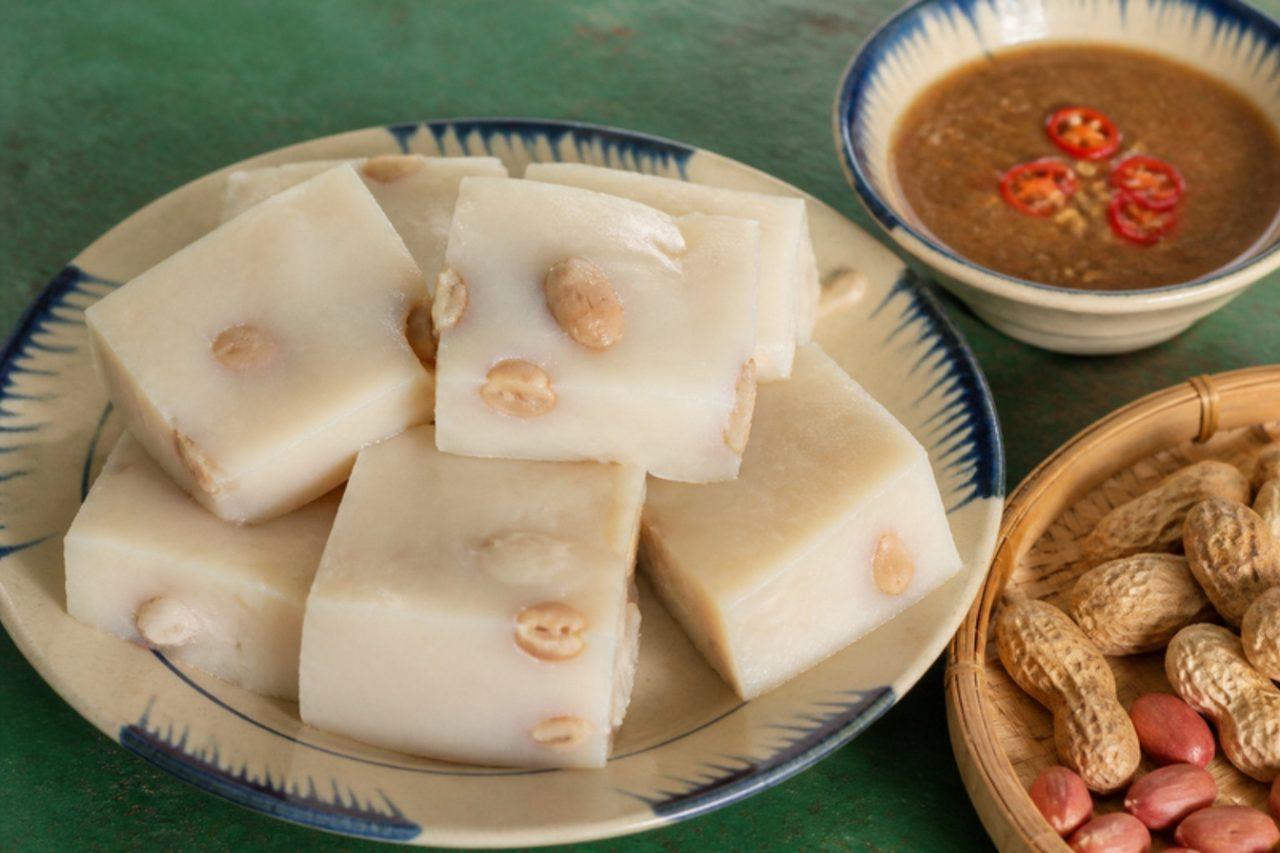
AI-generated image
Bánh đúc with fermented soybean dip
Rice flour cake with soybean dip
Bánh đúc lạc chấm tương: soft-set northern rice flour cake with peanuts and a vegan tương dip


In the villages around Hanoi, women sell squares of pale, wobbly bánh đúc from shoulder baskets in the late afternoon, cut to order and eaten as a filling snack before dinner. The cake is nothing more than rice flour and water cooked to a thick, glossy paste and left to set, studded with boiled peanuts, so the flavour comes from what you dip it in. Northern stalls serve it with tương, a salty-sweet fermented soybean sauce, which keeps it fully vegan; in the city you will also find it warm under a minced pork and wood ear sauce. Chef's tip: stir without stopping once the batter starts to thicken; walk away for even a minute and it scorches on the base and turns lumpy.
- Total time
- 60 min
- Difficulty
- medium
- Serves
- 6
Ingredients
For the cake
- 2 ⅞ oz raw peanutsskins rubbed off
- 7 oz rice flourplain, not glutinous
- 4 ½ cups water
- 1 tsp salt
- 1 tbsp neutral oilfor the tray
For the tương dip
- 4 tbsp fermented soybean pasteVietnamese tương bần or Thai tao jiew
- 1 tbsp sugar
- 1 tbsp lime juice
- 2 cloves garlicfinely chopped
- 1 red bird's-eye chillisliced
- 3 tbsp warm water
Shop this recipe on Amazon
Spices & pantry
Fresh ingredients (2)
Links open Amazon in a new tab. As an Amazon Associate, WhatToEat.Today earns from qualifying purchases.
Method
0/8 doneStep 1: Simmer 2 ⅞ oz raw peanuts in plenty of water over a medium heat until they are tender but still hold their shape when bitten. Drain.
20 minStep 2: Brush a 20 cm square tin with 1 tbsp neutral oil.
1 minStep 3: Whisk 7 oz rice flour, 1 tsp salt and 4 ½ cups water in a heavy pan until completely smooth, with no dry lumps on the whisk.
3 minStep 4: Set the pan over a medium-low heat and stir constantly with a wooden spoon, scraping the base and corners. After about 8 minutes the batter turns from milky to thick and slightly translucent.
10 minStep 5: Keep stirring over a low heat until the paste is very thick, glossy and pulls away from the pan as one mass; a spoonful dropped on a plate should hold its shape. Fold in the drained peanuts.
8 minStep 6: Scrape the paste into the oiled tin, smooth the top with a wet spatula and leave to cool and set at room temperature for at least 1 hour, until it is firm enough to slice cleanly.
60 minStep 7: For the dip, stir 4 tbsp fermented soybean paste with 1 tbsp sugar, 1 tbsp lime juice and 3 tbsp warm water until the sugar dissolves, then add 2 cloves garlic and 1 red bird's-eye chilli. Taste: it should be salty first, then sweet and sharp.
3 minStep 8: Cut the cake into 5 cm squares with an oiled knife and serve at room temperature with small bowls of the dip for spooning over.
Nutrition per serving
- Calories
- 210 kcal
- Protein
- 6 g
- Carbs
- 33 g
- Fat
- 6 g
- Fibre
- 2 g
Nutrition values are estimates.
KrazyBadal
Good to know
- How long does bánh đúc with fermented soybean dip take?
- About 60 minutes in total: 15 minutes to prepare and 45 minutes to cook.
- How many people does it serve?
- 6 as written. Change the servings above the ingredients and every amount scales to match.
- Is it vegan?
- Yes. It has no meat, fish, dairy or eggs.
- Is it gluten free?
- Yes, as written. Check the labels on stock, sauces and spice mixes, which sometimes contain gluten.
- Can I make it ahead?
- Yes. It keeps well, so you can cook it earlier in the day or the day before and reheat it.
- What can I use instead of sugar?
- Caster sugar, same amount.
- What can I use instead of lime juice?
- Lemon juice, same amount.
Reviews
No reviews yet. Be the first to cook it.
Rate this recipe
Sign in to rate and review this recipe.
You might also like
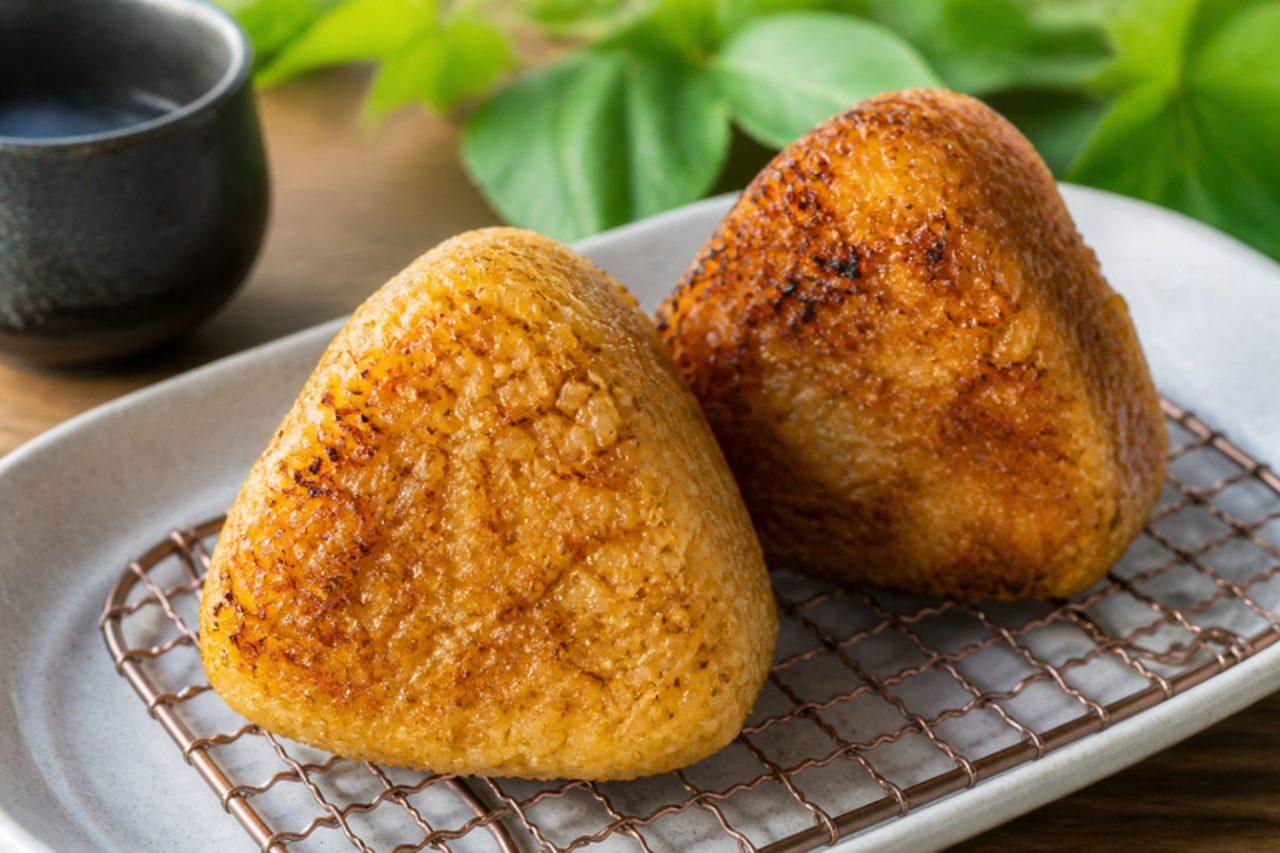
Yaki onigiriGrilled rice balls
Yaki onigiri (焼きおにぎり) are rice balls grilled until they form a crisp, toasty crust, then brushed with soy sauce glaze. They are eaten all over Japan, at izakaya, at barbecues and from the freezer section, as a snack or with miso soup. The inside stays soft and steamy while the outside crackles. Best eaten hot, straight from the pan. Chef's tip: let the shaped rice balls dry for 10 minutes before they go in the pan. A drier surface forms a better crust and won't stick, and the glaze goes on only at the end so it doesn't burn.
 Japanese

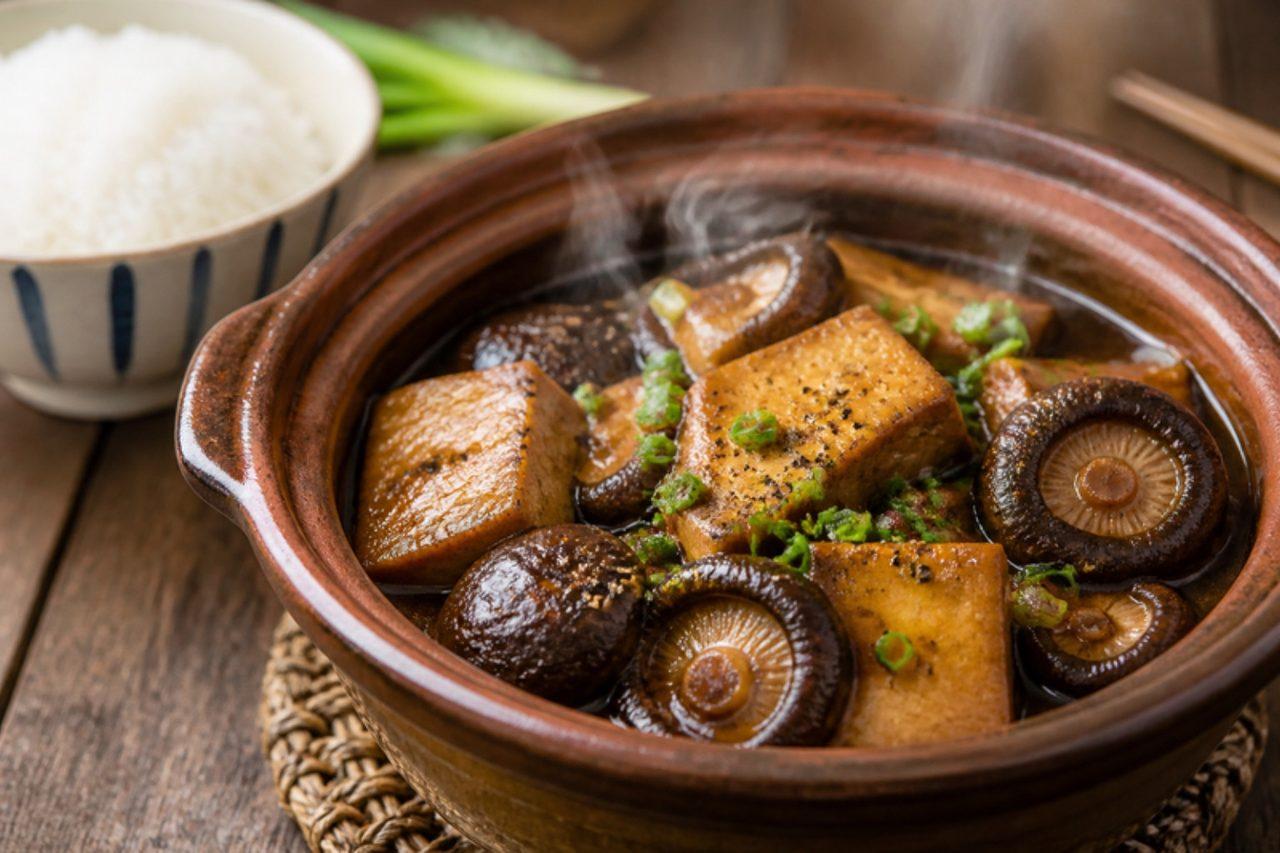
Caramelised clay-pot tofu and mushroomsBraised tofu and mushrooms
Kho is the slow braise of the Mekong Delta: food simmered in a little clay pot (nồi đất) with dark caramel and seasoning until the sauce is sticky and the flavours go deep. This vegetarian cousin of cá kho tộ (braised fish) uses golden tofu and meaty mushrooms in place of fish, cooked in coconut water, as cooks do in the south, and finished with plenty of black pepper. Serve it bubbling in its pot with steamed rice and a sour soup or plain boiled vegetables. Chef's tip: take the caramel (nước màu) to a deep mahogany, darker than you think, just before it smokes; pale caramel only tastes sweet, while dark caramel gives the bittersweet, smoky flavour of a real kho.
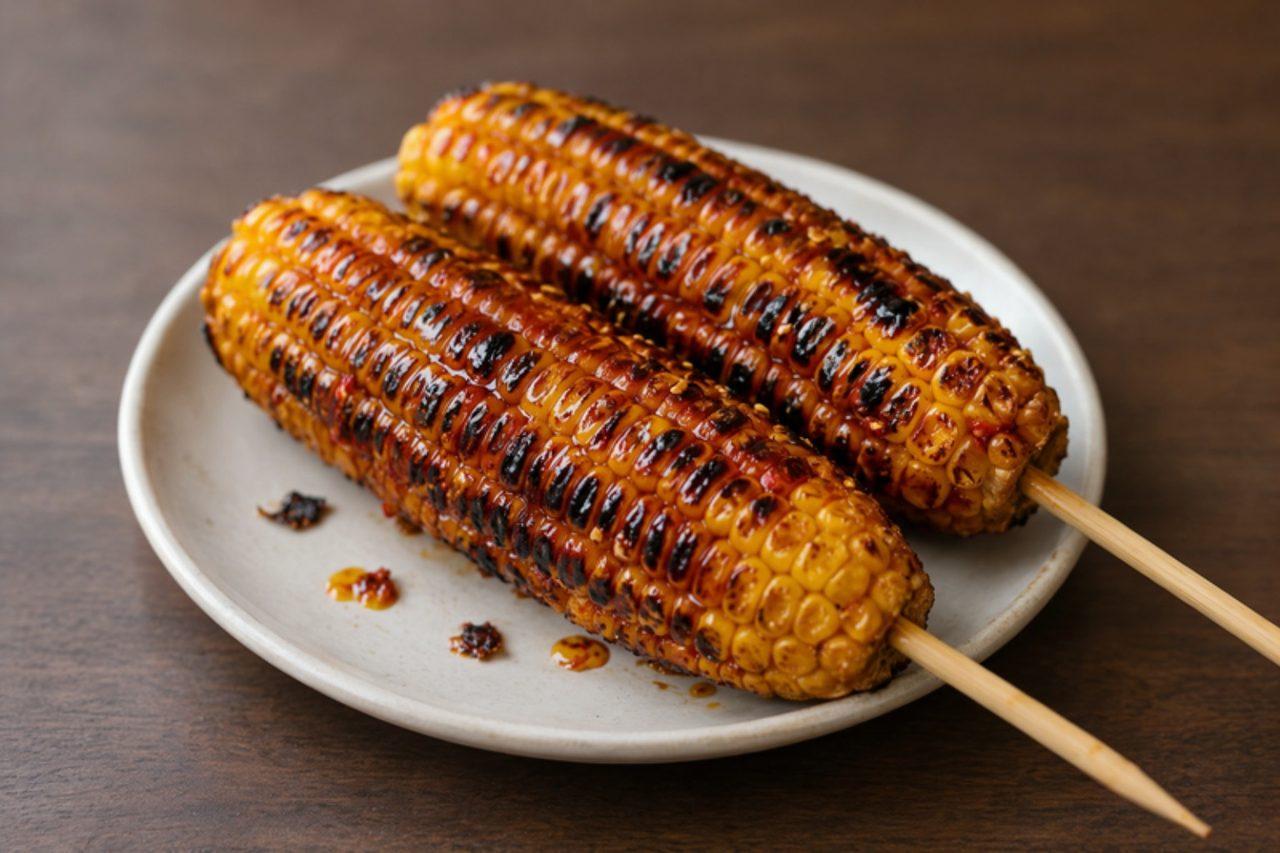
Taiwanese grilled corn
At Raohe and Shilin night markets the grilled-corn stalls are easy to find: look for the queue and the smoky, sweet smell. Cobs are par-cooked, then turned slowly over charcoal while the cook brushes them with a dark glaze of sacha sauce, thick soy paste, garlic and chilli, layer after layer, until the kernels are sticky, slightly charred and deeply savoury. It is eaten hot from a paper sleeve while walking the market. Sacha (shacha) sauce, a Taiwanese barbecue paste, usually contains dried fish and shrimp; vegetarian sacha is sold in Asian shops. Contains soy, wheat and fish. Chef's tip: brush thin coats and turn often; one thick coat burns before the corn chars.
 Taiwanese