
AI-generated image
Anababero
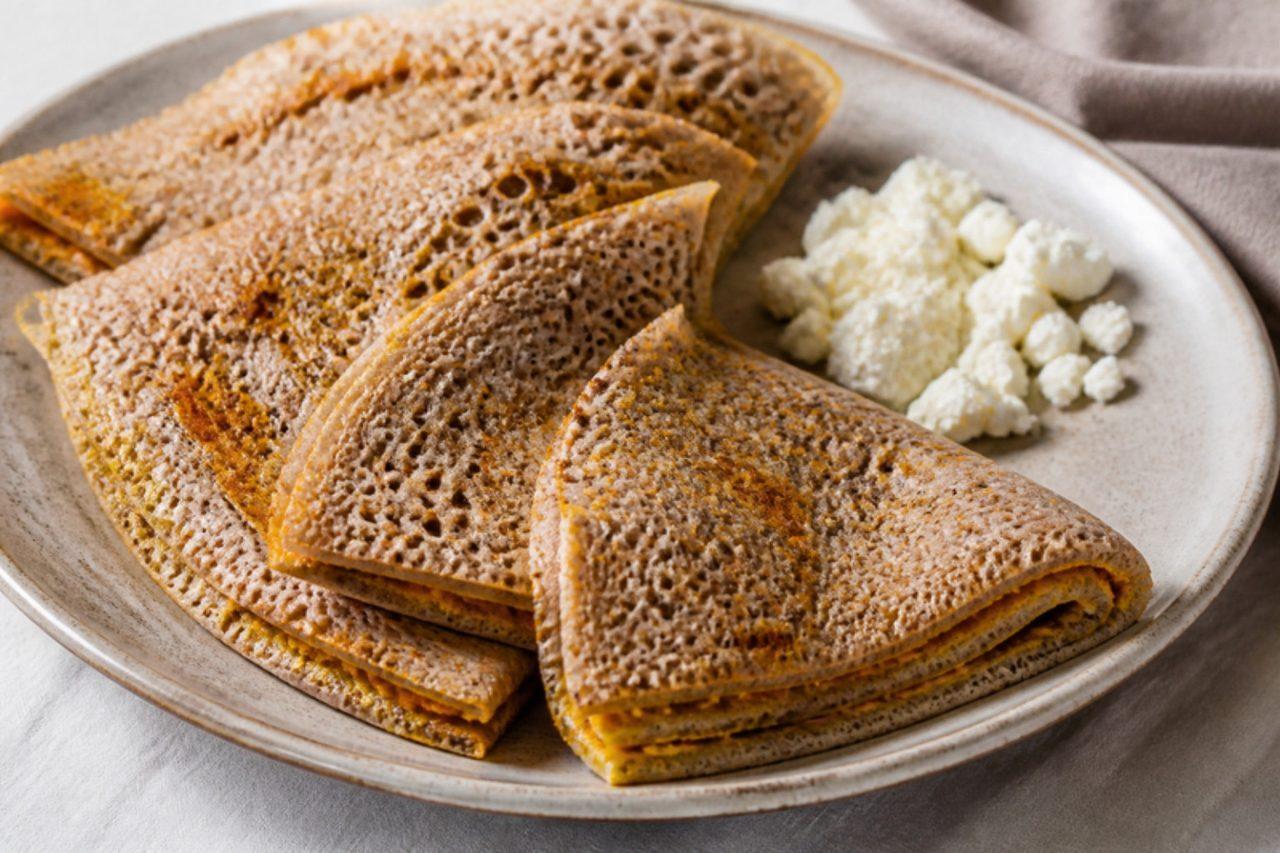
Layered injera with spiced butter
Anababero (እንባባሮ): two injeras pressed together with spiced butter and berbere, cut into warm wedges

Ask for anababero at a breakfast café in Addis Ababa and two injeras arrive stacked as one, glued together with melted niter kibbeh and a dusting of berbere, then warmed on the griddle until the butter soaks through. The result is soft and tangy inside, a little crisp at the edges, and much richer than plain injera; the name roughly means 'layered' or 'piled on top'. It is torn and eaten as it is with sweet spiced tea or coffee, or served beside a bowl of ayib or a spoon of awaze for anyone who wants it hotter. Because it uses yesterday's injera, it is a favourite way to turn leftovers into a proper breakfast. Chef's tip: brush the butter on warm, not hot, so it melts into the injera's holes instead of pooling on the surface.
- Total time
- 13 min
- Difficulty
- easy
- Serves
- 2
Ingredients
- 2 injeraabout 30 cm across, a day old is fine; see our recipe
- 3 tbsp niter kibbehEthiopian spiced butter, see our recipe; or butter warmed with a pinch of cardamom and fenugreek
- 1 ½ tsp berberesee our recipe
- 1 pinch salt
- 3 ½ oz ayib or crumbled fresh cheese (optional)to serve
Shop this recipe on Amazon
Spices & pantry
Fresh ingredients (1)
Links open Amazon in a new tab. As an Amazon Associate, WhatToEat.Today earns from qualifying purchases.
Method
0/6 doneStep 1: Melt 3 tbsp niter kibbeh in a small pan over a low heat for about 1 minute, just until liquid and fragrant, then stir in 1 ½ tsp berbere and 1 pinch salt and take it off the heat.
2 minStep 2: Lay one 2 injera spongy side up on a board. Spoon or brush over two-thirds of the spiced butter, spreading it right to the edges. Too much butter in the middle and none at the rim is the usual mistake; the dry edge then cracks and the layers come apart.
Step 3: Set the second injera on top, spongy side down, and press firmly all over with your palms so the two sheets stick together.
Step 4: Heat a large dry frying pan or flat griddle over a medium-low heat. Slide the stack in and warm it for 2–3 minutes, pressing with a spatula, until the underside is hot and just starting to crisp.
3 minStep 5: Brush the top with the remaining butter, flip carefully with the help of a plate, and warm the second side for 2 minutes, until the butter has soaked in and the edges feel firm.
2 minStep 6: Slide onto a board, cut into 8 wedges and serve warm, with 3 ½ oz ayib or crumbled fresh cheese on the side if you like.
Nutrition per serving
- Calories
- 330 kcal
- Protein
- 7 g
- Carbs
- 38 g
- Fat
- 17 g
- Fibre
- 5 g
Nutrition values are estimates.
KrazyBadal
Good to know
- How long does anababero take?
- About 13 minutes in total: 5 minutes to prepare and 8 minutes to cook.
- How many people does it serve?
- 2 as written. Change the servings above the ingredients and every amount scales to match.
- Is it vegetarian?
- Yes. It has no meat or fish.
Reviews
No reviews yet. Be the first to cook it.
Rate this recipe
Sign in to rate and review this recipe.
You might also like
SalufPuffy flatbread
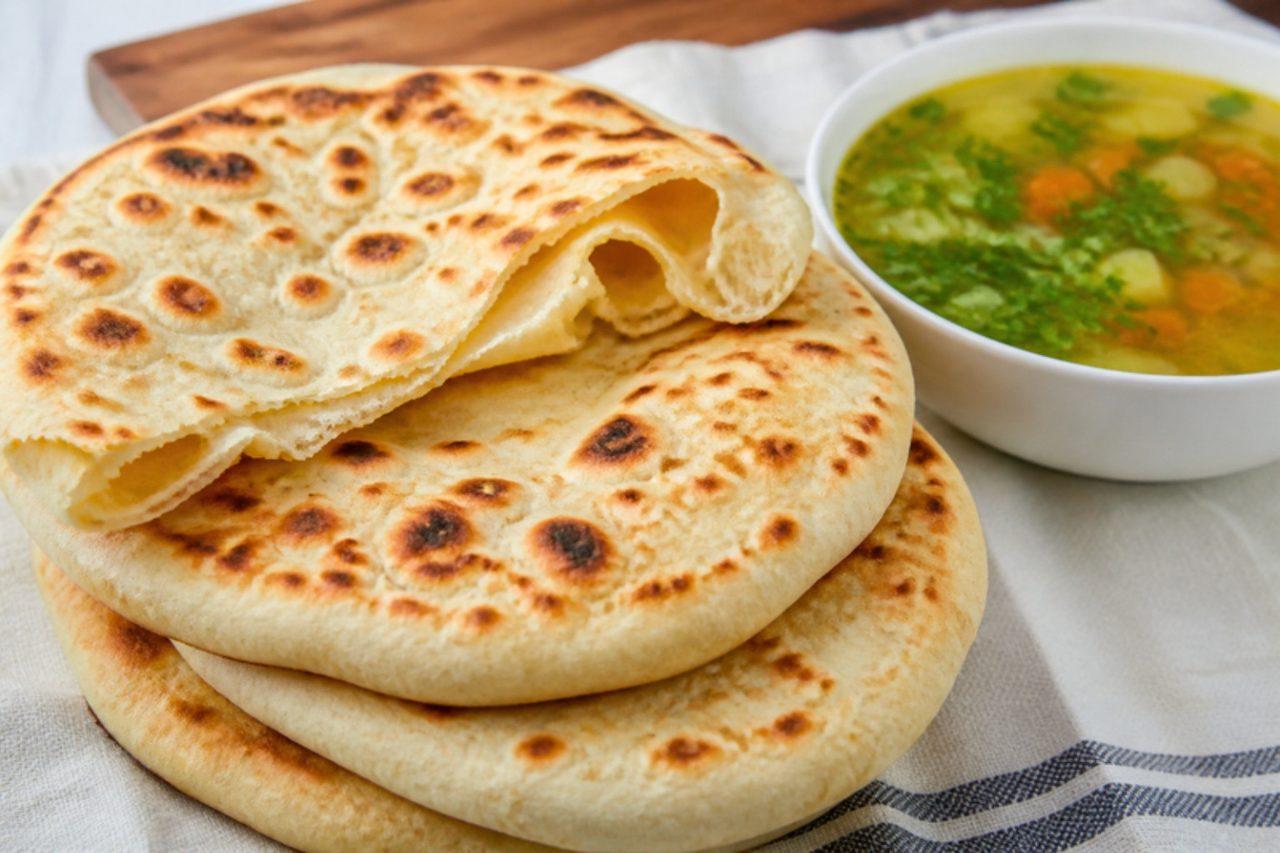
Saluf is the everyday bread of Yemenite Israelis, slapped onto a hot pan or taboon in Rosh HaAyin and Sha'arayim in Rehovot and eaten with marak temani, hilbe and zhug. It is soft and blistered, thicker than pita and with no pocket, made to tear and dunk. Home cooks often roll it too thin, which gives a cracker; it should be about 1 cm thick so it stays pillowy. Chef's tip: cook it under a lid on a very hot dry pan for the first minute, which traps steam and puffs it the way a taboon does.
 Israeli

ChipaCheese bread rings
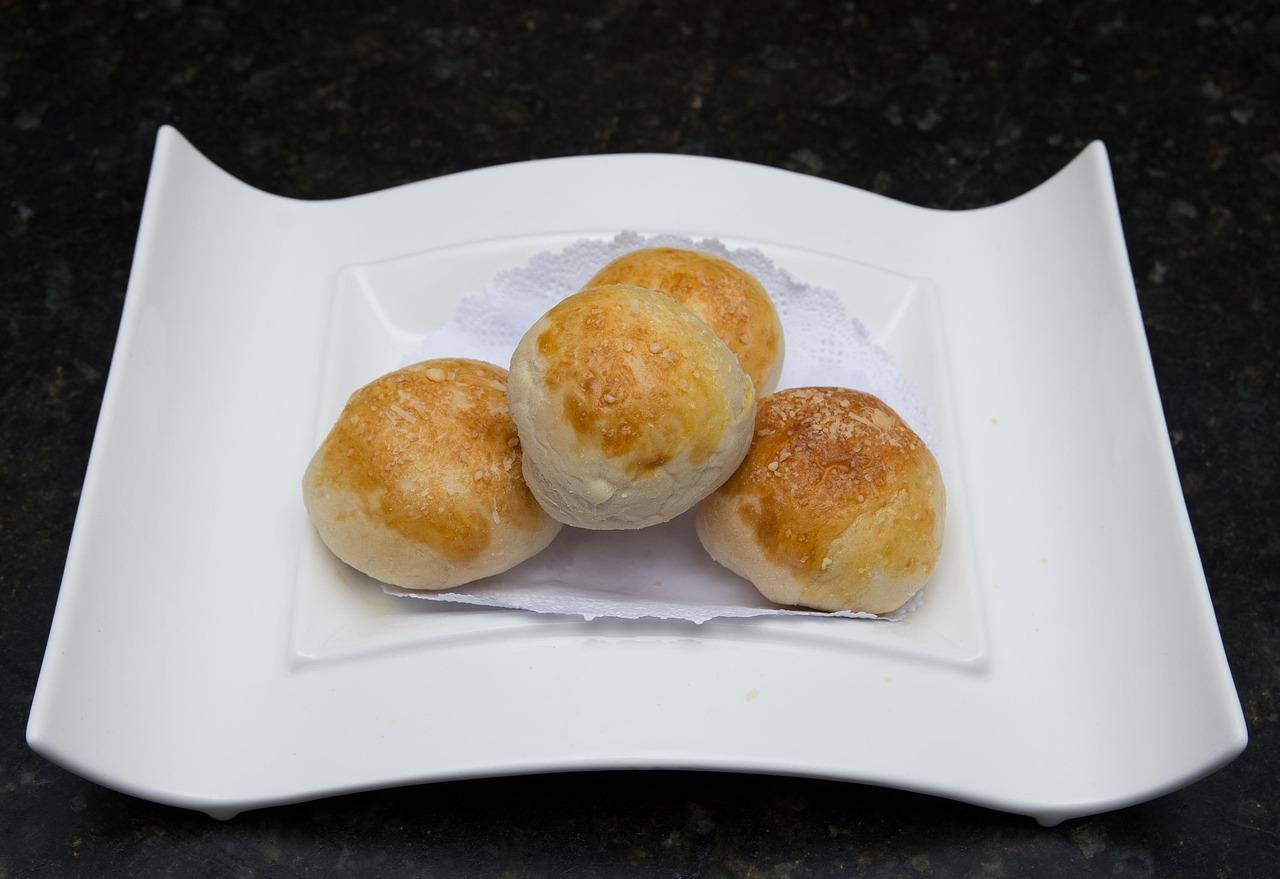
In Paraguay you hear 'chipa, chipa!' called by vendors with big baskets on buses and street corners, and every family bakes it for Holy Week, when chipa is the food of Good Friday. Cassava starch, a little cornmeal, butter, eggs and a lot of hard cheese are kneaded into a dough scented with aniseed, shaped into rings or small rolls and baked in a hot oven, traditionally a domed clay tatakua. It's chewy, crisp outside and best warm with cocido (toasted yerba tea). Chef's tip: the dough should feel soft and slightly greasy; add milk a spoon at a time, as too much makes the chipa spread flat.
 Paraguayan

Akki rottiRice flour flatbread
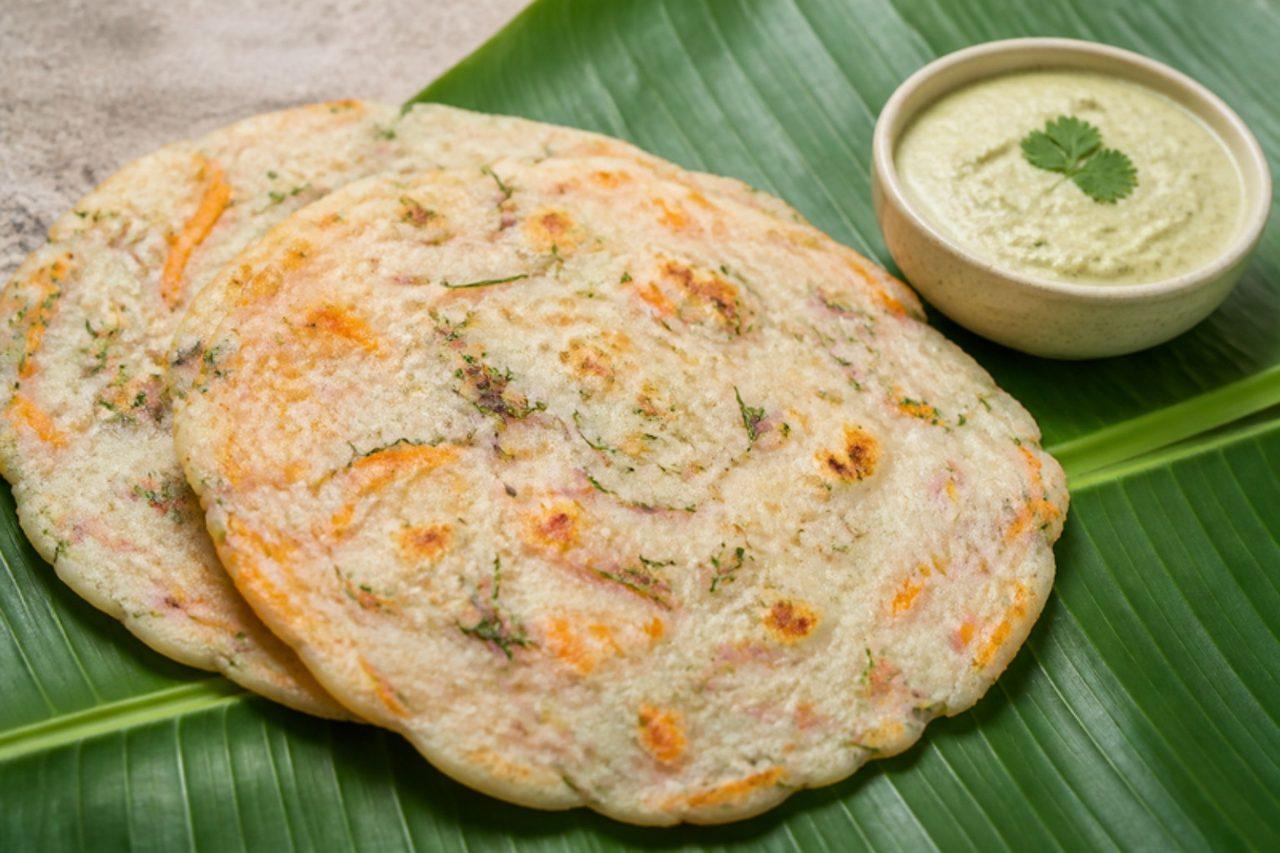
Akki rotti is the breakfast of Bengaluru and the old Mysore country: rice flour mixed with grated vegetables, dill, coconut and green chilli, patted out thin by hand straight onto a cold pan, then cooked until speckled and crisp at the edges. Every home has its own mix; dill (sabbasige soppu) is the classic flavour, but cucumber, carrot or fenugreek all turn up. It is eaten hot off the pan with coconut chutney or a dab of ghee and spicy chutney powder, and it is naturally gluten-free. Chef's tip: work with two pans in turn, patting the next rotti onto a cooled pan while the first one cooks; patting onto a hot pan burns your fingers and gives an uneven rotti.
 Indian